


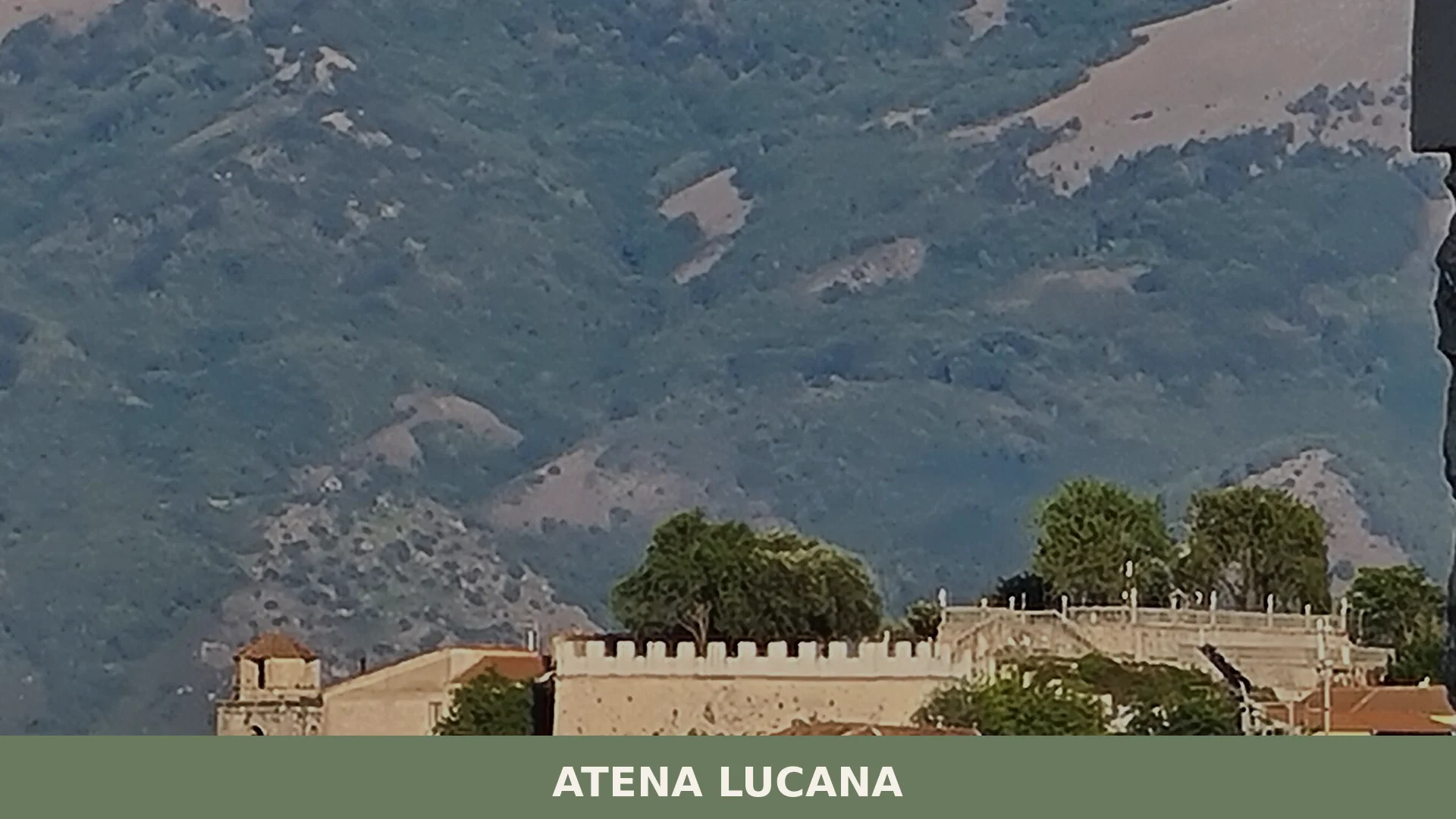

Atena Lucana is a hilltop comune of around 2,400 inhabitants in the province of Salerno, perched at 631 metres on the northern edge of the Vallo di Diano, with a documented history stretching from pre
Discover Atena Lucana
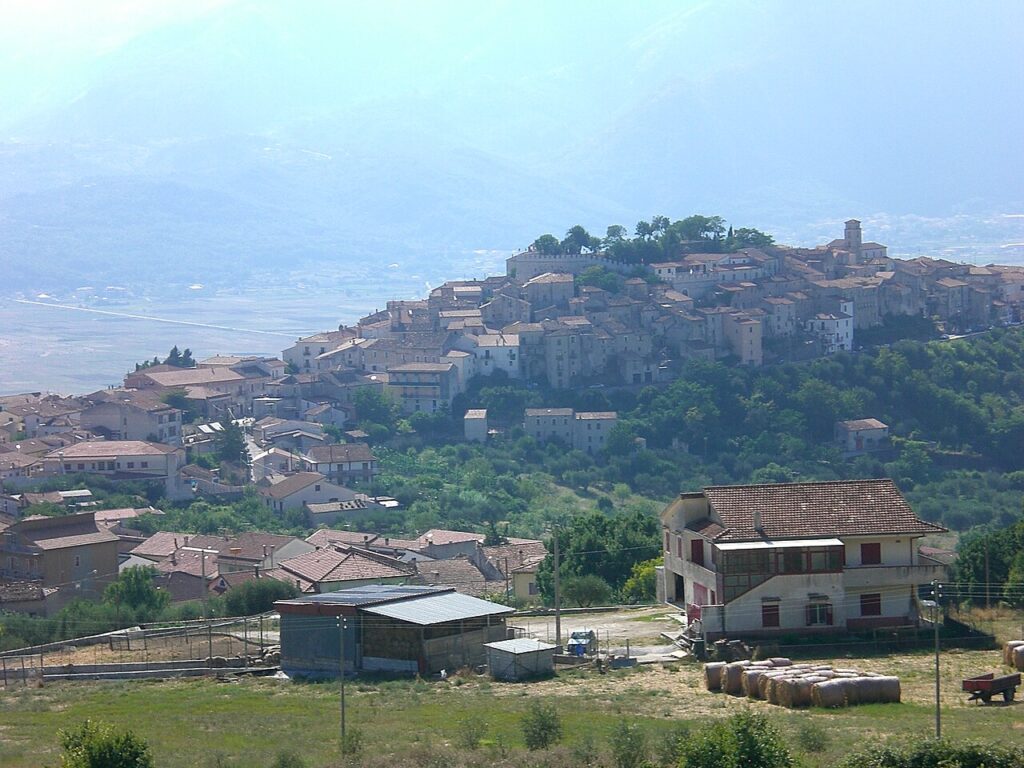
Atena Lucana is a hilltop municipality of about 2393 inhabitants in the province of Salerno, Campania, rising to 625 metres above sea level on the eastern edge of the Vallo di Diano, close to the border with Basilicata. Its 25.72 square kilometres of territory carry more than two and a half millennia of layered history, from megalithic walls and pre-Roman necropolises to a remarkably preserved section of Roman forum paving and a compact medieval centre crowned by a castle with a cylindrical tower.
The Atena Lucana village in Campania draws visitors with a rare combination of archaeological depth and mountain landscape: a local antiquarium displays funerary goods spanning from the seventh to the fourth century B.C., an inscription cut directly into the basalt slabs of the ancient forum survives as a singular document of Roman municipal life, and the medieval street plan still traces the outline of the settlement that took shape after early medieval raids drove the population up onto the hill.
Atena Lucana village in Campania: history from ancient origins to the modern era
Atena Lucana village in Campania has a documented history stretching from at least the seventh century B.C. through the medieval and early modern periods, shaped by successive waves of Italic, Roman, Lombard, Norman, and feudal powers in the Vallo di Diano. A large necropolis dating to the seventh and sixth centuries B.C. points to active cultural and commercial exchange with the cities of Magna Graecia, while the remains of megalithic walls, traditionally dated to around the fourth century B.C., mark the limits of the early settlement. Toward the close of the fifth century B.C., Lucanian populations arrived and reshaped both the physical layout and the cultural character of the town; under their dominion, Atena became one of twelve city-states within the Lucanian confederation.
The town entered the Roman sphere of influence during the wars against Pyrrhus (around 280–275 B.C.) and, after the Social War (90–89 B.C.), was enrolled in the Pomptinian tribe, receiving full Roman citizenship and the status of a municipium governed by quattuorviri. The surrounding valley was known in Roman times as the Campus Àtinas — mentioned by Pliny the Elder in his Naturalis Historia — and was important enough to attract notable visitors: Cicero recorded stopping at the villa of the Helvii in the Campus Atinatis during his flight toward Brundisium in April 58 B.C., noting a prophetic dream in the De Divinatione. The town’s civic life was served by temples to Jupiter, Cybele, Aesculapius, and the Genius of the municipium, and by a paved forum that remains, according to the sources, a unique example of its kind from Pompeii southward.
Barbarian incursions and Saracen raids in the ninth and tenth centuries A.D. destroyed much of the earlier settlement, driving inhabitants to fortify a hilltop site and establish a medieval town. Feudal control passed to the Sanseverino family in 1282 under Tommaso I, count of Marsico; Roberto Sanseverino later strengthened the castle by adding a tall cylindrical tower and, after being appointed captain of the papal forces by Innocent VIII, reportedly celebrated military victories by setting a firework display spinning from its summit. Following the dispossession of Ferrante Sanseverino in 1507 — his estates sold for 25,000 ducats to the prince of Stigliano — and a destructive earthquake in 1561, the Caracciolo family took possession in 1576 and obtained the title of prince over Atena in 1639. The plague of 1656 severely reduced the population, which only recovered to higher levels by the mid-eighteenth century. In 1799 the town participated in the Jacobin uprisings, with the brothers Gerardo and Nicola Sabini del Sole among the most active figures, and during the Risorgimento it produced Giuseppe Maria Pessolani, who served as a major among Garibaldi’s Thousand.
From a Roman Forum to a Medieval Castle: Atena Lucana’s Built Heritage
Atena Lucana preserves monuments ranging from pre-Roman defensive walls and a documented Roman forum to a medieval castle, a civic archaeological museum, and three churches, all concentrated within or near the historic centre at around 625 metres above the Vallo di Diano.
Museo Archeologico di Atena Lucana
Housed in the nineteenth-century rooms of the former town hall, the Antiquarium displays grave goods from the local necropoli arranged in chronological order, running from the seventh to the fourth century B.C. The earliest pieces are ceramics with geometric decoration produced by indigenous workshops; later material includes red-figure vases of the Lucanian period. A separate section covers the Roman municipium: the most striking exhibit is a large inscription cut directly into the basalt paving slabs that once covered the forum — recording the names of the quattuorviri Logismus and Marcellus — alongside funerary statues and inscribed cippi ranging from the Republican to the Imperial age. Epigraphic evidence for temples dedicated to Jupiter, Cybele, Aesculapius, and the Genius of the Municipium Atinate is also held here.
Church of Santa Maria Maggiore
The principal church of Atena Lucana occupies the site of the Roman forum’s basilica, a continuity confirmed by the 1880 discovery of a stretch of the original paved surface beneath it. Documentary records place the church within the diocese of Capaccio as early as 23 August 967, and later medieval sources list it as the Ecclesia Archipresbyteralis Sanctae Mariae Majoris. A campaign of rebuilding from the foundations began in 1741; in 1753 a formal agreement was drawn up with the painter Nicola Peccheneda of Polla for reconstruction work and interior decoration. The coffered ceiling was added after the earthquake of 1857. The bell tower is of fourteenth-century foundation, though the entrance portal bears the incised date 1752.
Santuario di San Ciro
This sanctuary stands on the site of a Roman temple formerly dedicated to the goddess Cybele. Until 1965 it was dedicated to the Archangel Michael; a canvas depicting Saint Michael, placed in the central section of the apse, dates from 1862. The marble high altar was executed in 1861 by the Salerno craftsmen Agnello and Fiorentino Conforti. A stone inscription inside records the name of the rector Silverio Barrile and the year 1739. The marble statue of the martyr Saint Ciro was carved in 1863 by Michele Abruzzese.
The Castle and Its Cylindrical Tower
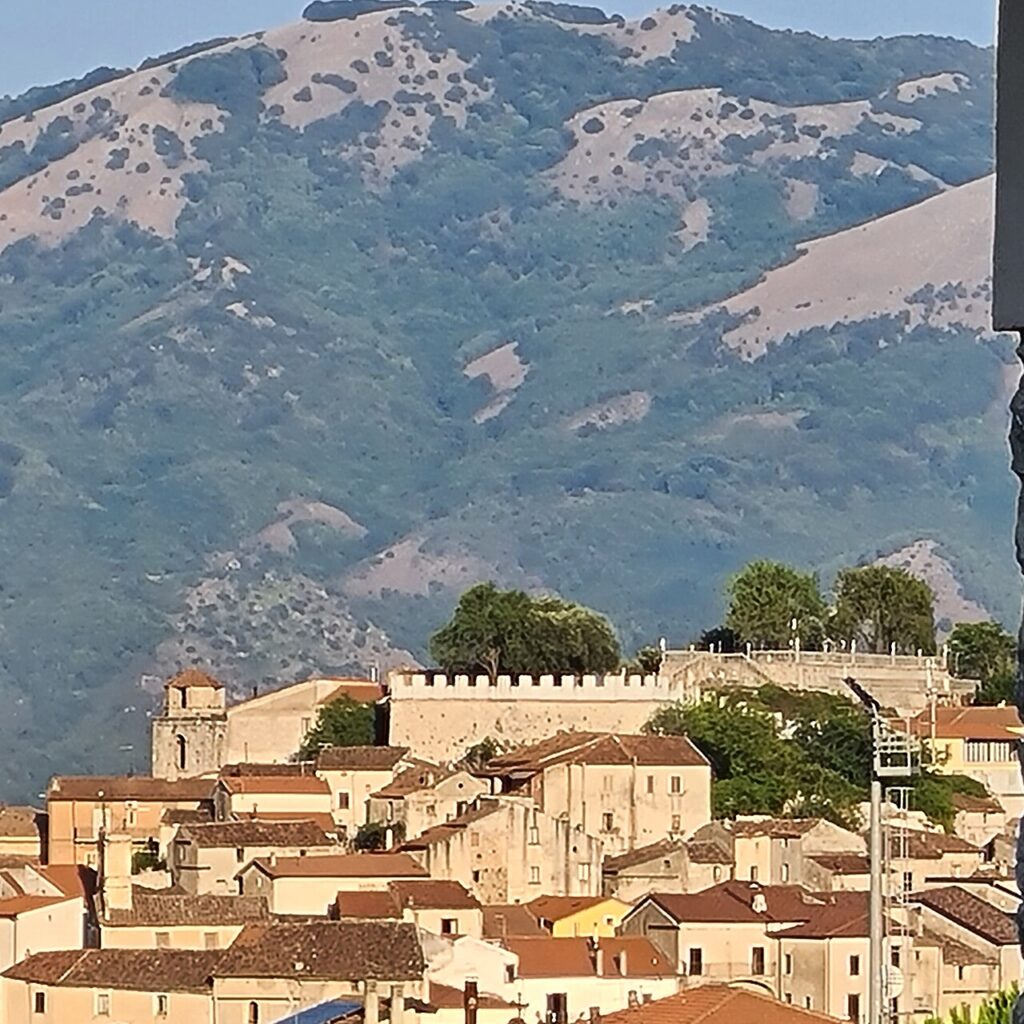
The medieval castle that dominates the hilltop was reinforced during the Sanseverino lordship. Roberto Sanseverino added a tall cylindrical tower to the summit; the same tower was used to display a rotating fire display when he returned victorious from his campaigns as captain of papal forces under Innocent VIII, in deliberate echo of a practice associated with Castel Sant’Angelo in Rome.
Palazzo Caracciolo-Barraco
The palace was built by Giambattista Caracciolo in the sixteenth century. The last Caracciolo princess, Giulia, later bequeathed it to her nephew Luigi Barraco.
Megalithic Walls and the Roman Forum
Remnants of the city’s megalithic or so-called Pelasgic walls, dating to around the fourth century B.C., are among the oldest visible remains. The Roman forum, described as a unique example from Pompeii southward, was paved with large basalt slabs; a portion of this surface, complete with its dedicatory inscription, survives and is represented in the archaeological museum.
Minor Religious Buildings
Three further places of worship are documented in the historic centre: the Cappella di San Nicola, the Cappella di San Giuseppe, and the church of Santa Maria Maggiore described above.
Flavours of Atena Lucana and the Vallo di Diano
The territory around Atena Lucana falls within a broader Salerno province that holds several certified products, including the DOP cheeses Caciocavallo Silano and Cilento, and the IGP vegetables Carciofo di Paestum and Cavolfiore della Piana del Sele — none of these are exclusive to the village itself, but they reflect the agricultural richness of the wider Campania region in which Atena Lucana sits.
The same provincial context offers the distinctive Colatura di alici di Cetara DOP, an intensely savoury anchovy condiment from the Amalfi Coast, and the Cipollotto Nocerino DOP, a prized spring onion from the Sele plain. Among regionally documented traditional products, local craft producers in the area work with figs, liqueurs flavoured with lemon, liquorice, or black truffle, and amarena cherry preparations, though these should be understood as territorial curiosities rather than Atena Lucana specialities.
For wine, the hills surrounding the Vallo di Diano are served by several DOC and IGT denominations. Closest in geography are the Cilento DOC and Castel San Lorenzo DOC, both produced in the Salerno hinterland. The broader Campania IGT and Colli di Salerno IGT round out the regional offering, while the prestigious DOCGs of Campania — Taurasi, Fiano di Avellino, Greco di Tufo, and Aglianico del Taburno — are produced further north but are widely available across the region.
Getting to Atena Lucana and Planning Your Visit
Atena Lucana is most conveniently reached by car via the A2 Autostrada del Mediterraneo, exiting at Atena Lucana, and sits at around 625 metres above sea level on a hill at the northern end of the Vallo di Diano, close to the border with Basilicata. Spring and early autumn offer the most rewarding conditions: the internal hill climate is fresh even in summer, and the surrounding valley landscape is at its greenest from April through June.
The village is well positioned for exploring the broader Cilento and Vallo di Diano area. Padula, home to the grand Certosa di San Lorenzo, lies a short drive south along the valley floor. Those wishing to combine inland and coastal Campania can head west toward the Tyrrhenian shore, where coastal villages such as Agropoli add a seaside dimension to an itinerary centred on Atena Lucana. Heading north within the province, hill communities like Acerno share the same upland Campanian character. For those arriving from the coast near the ancient site of Paestum, Albanella marks a useful waypoint on the route inland.
| Departure | Distance | Time |
|---|---|---|
| Salerno | approx. 90 km | approx. 1 hour (autostrada A2) |
| Napoli | approx. 150 km | approx. 1 hour and 45 min (A3/A2) |
| Potenza | approx. 70 km | approx. 1 hour (SS95 and A2) |
| Padula (Certosa) | approx. 15 km | approx. 20 min |
There is no direct rail connection to Atena Lucana itself; the nearest station on the Battipaglia–Reggio Calabria line is at Atena Lucana–Sala Consilina, from which the village is reachable by local road. Visitors without a car should plan accordingly. A stay of at least one night allows time to visit the archaeological museum housed in the former nineteenth-century town hall, explore the medieval castle quarter, and walk the historic centre at a comfortable pace.
Frequently asked questions about Atena Lucana
When is the best time to visit Atena Lucana?
February 3rd marks the Feast of San Biagio, the village's patron saint, featuring traditional celebrations. Spring (April-May) and autumn (September-October) offer pleasant mountain weather ideal for exploring archaeological sites and medieval streets. Summers are warm but can be busy; winters are cool at 625 metres elevation. The hilltop location provides relief from Campania's summer heat, making shoulder seasons particularly comfortable for sightseeing.
How do I reach Atena Lucana from major cities?
Atena Lucana lies in Salerno province on the eastern edge of Vallo di Diano, near the Basilicata border. The nearest major city is Salerno, approximately 80 kilometres away. Access by car is via provincial roads from the Vallo di Diano valley. The nearest railway station is in Sala Consilina. Public transport connects through regional buses. Detailed route planning via GPS is recommended due to mountain terrain and winding roads.
What can I see in the antiquarium museum?
The local antiquarium displays funerary goods spanning the seventh to fourth centuries B.C., providing insight into pre-Roman settlement. The collection represents the Lucanian and Greek-influenced cultures that inhabited this territory before Roman expansion. Combined with visible megalithic walls and pre-Roman necropolises throughout the territory, these artifacts create a coherent picture of ancient life in the Vallo di Diano region.
How long should I plan to spend in Atena Lucana?
A half-day visit suffices for the medieval centre, castle with cylindrical tower, and antiquarium. A full day allows exploration of archaeological sites, Roman forum remains, and surrounding landscape. The compact layout facilitates efficient sightseeing. For hiking into surrounding hills and deeper archaeological study, two days provides comfortable immersion. Check opening hours for the antiquarium in advance, as mountain villages sometimes have limited seasonal schedules.
📷 Photo Gallery — Atena Lucana
In Campania More villages to discover
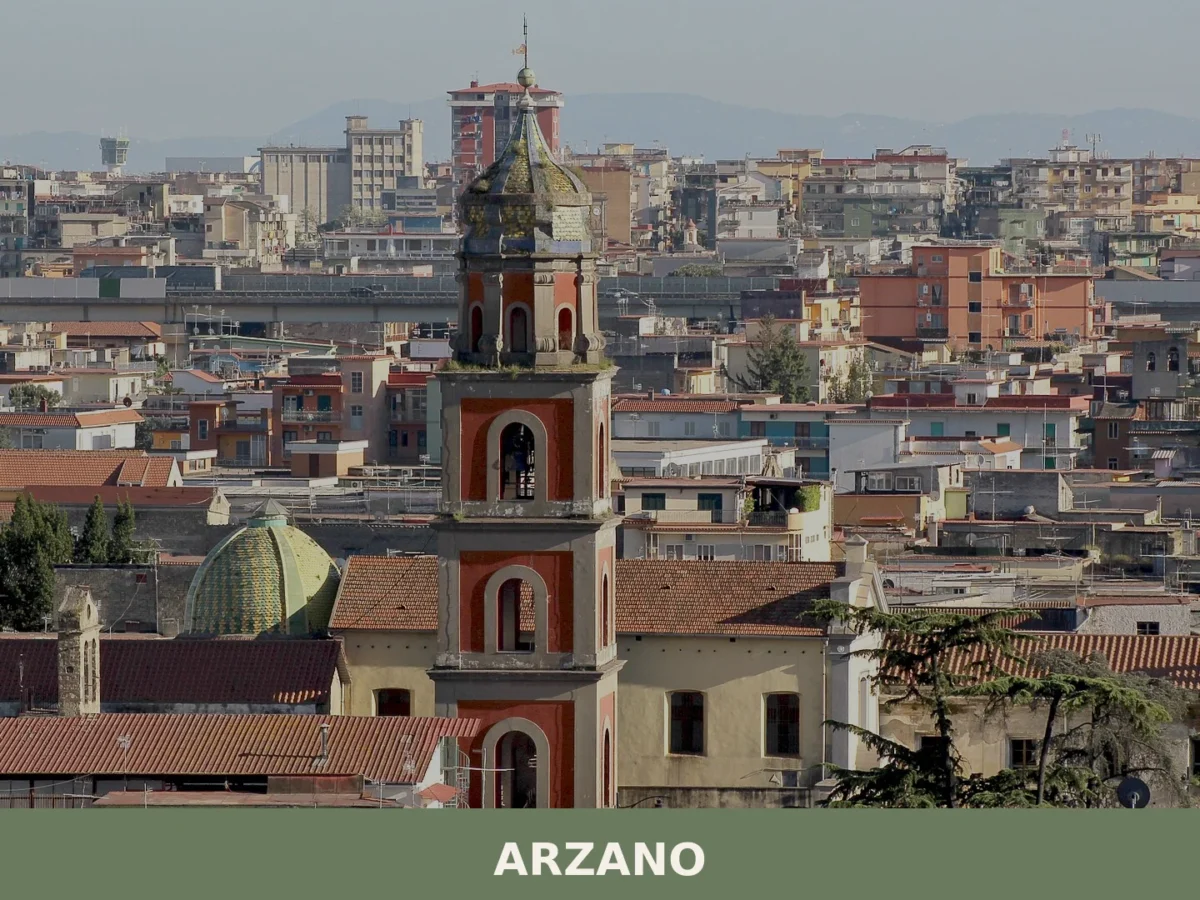
Arzano
 Plains
Arzano is a municipality of around 31,800 inhabitants on the central Campanian plain, a few kilometres north of Naples, with documented origins stretching back to 937 AD.
Castel Campagnano
Plains
Standing at fifty-eight metres above sea level along the left bank of the Volturno, Castel Campagnano has a current population of 1,458, spread between the historic centre and the hamlets scattered across the alluvial plain. The municipality, in the province of Caserta, retains an urban layout that still follows the plan of the fortified medieval […]
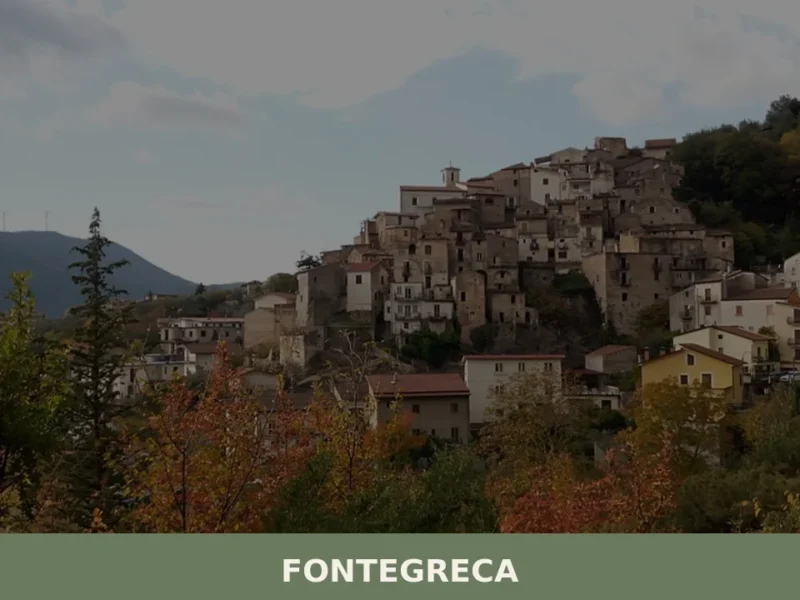
Fontegreca
 Hills
Hills
Fontegreca, a municipality in the province of Caserta, is home to the Cipresseta, a protected natural area recognized for its size and for the presence of centuries-old cypress trees, a distinctive feature of the local landscape. With a population of 834 inhabitants and situated 320 meters above sea level, this hill village develops on a […]
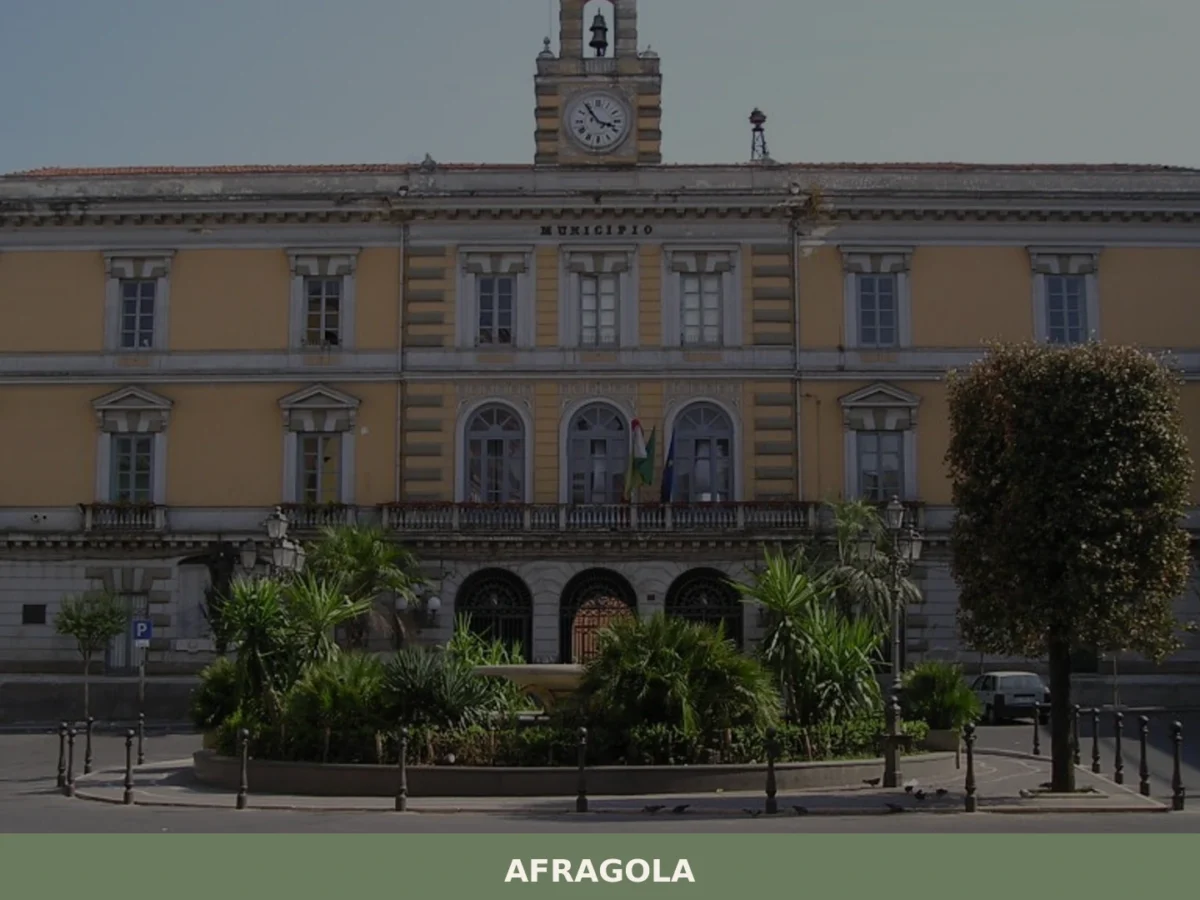
Afragola
Plains
Discover what to see in Afragola, Campania: Zaha Hadid's station, Baroque churches, local food, and practical travel tips for this Naples hinterland town.
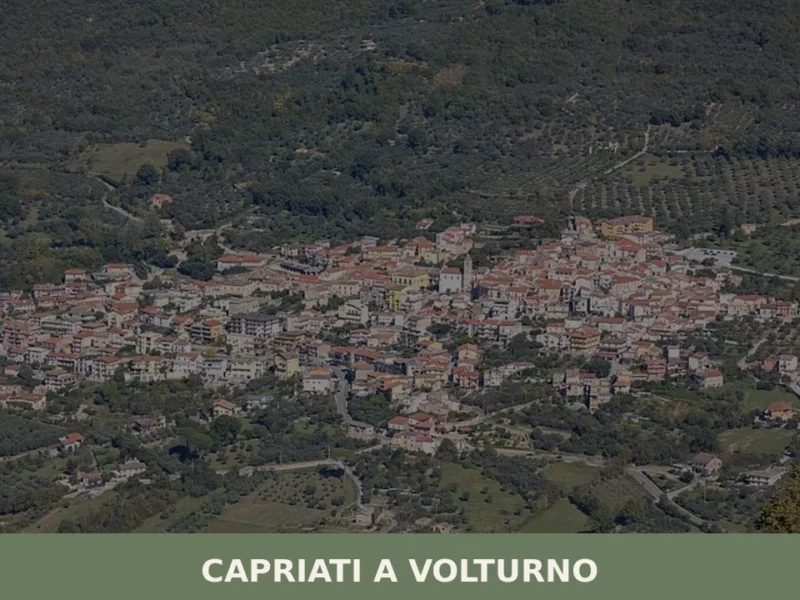
Capriati a Volturno
Hills
At 290 metres above sea level, along the right bank of the Volturno, Capriati has a current population of 1,440 residents spread between the historic centre and the hamlets scattered across the valley. The river, which here sweeps through a wide bend before continuing towards the Campanian plain, has shaped the town’s economy and layout […]
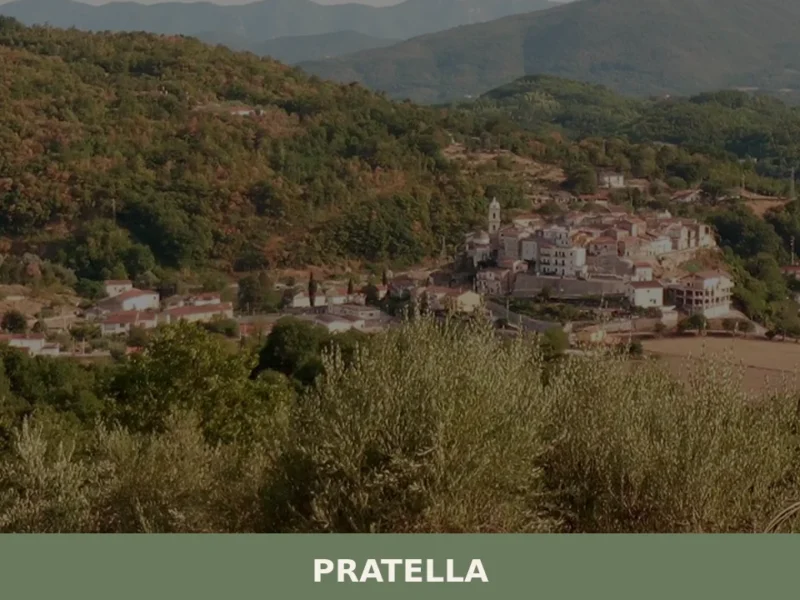
Pratella
Plains
What to see in Pratella, Italy: This village of 1,408 inhabitants, at 152m altitude, offers its historic core and the San Nicola feast. Explore Campania.
Castel di Sasso
Hills
Castel di Sasso, a small municipality in the province of Caserta with 1,051 inhabitants, has historical roots documented since the 10th century, when it was already attested as a fortified settlement in the fertile Terra di Lavoro. At 200 meters above sea level, the village developed on the Caserta plain, a location that influenced both […]
Ascea
 Sea
Sea
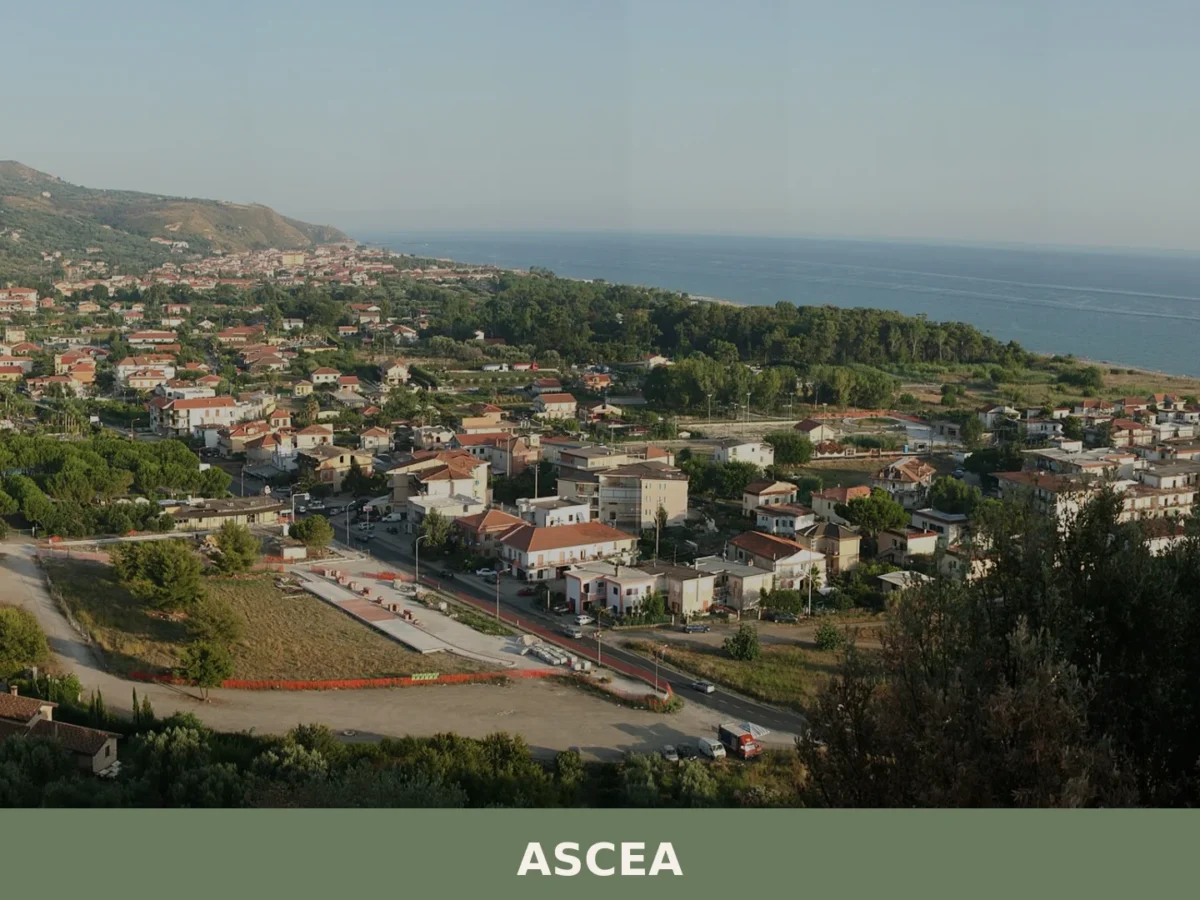
Ascea is a hillside comune in the province of Salerno, Campania, combining the Greek-Roman ruins of Elea-Velia, a medieval coastal stronghold and a Tyrrhenian shoreline recognised with the Bandiera Bl
Valle Agricola
 Mountain
Valle Agricola, a municipality of 960 inhabitants in the province of Caserta, rises to 691 meters above sea level, representing a mountain settlement within the Matese Massif. Its geographical position, between peaks and valleys, has for centuries determined the social and economic dynamics of the place, oriented towards livestock farming and subsistence agriculture. For those […]
Alife
Plains
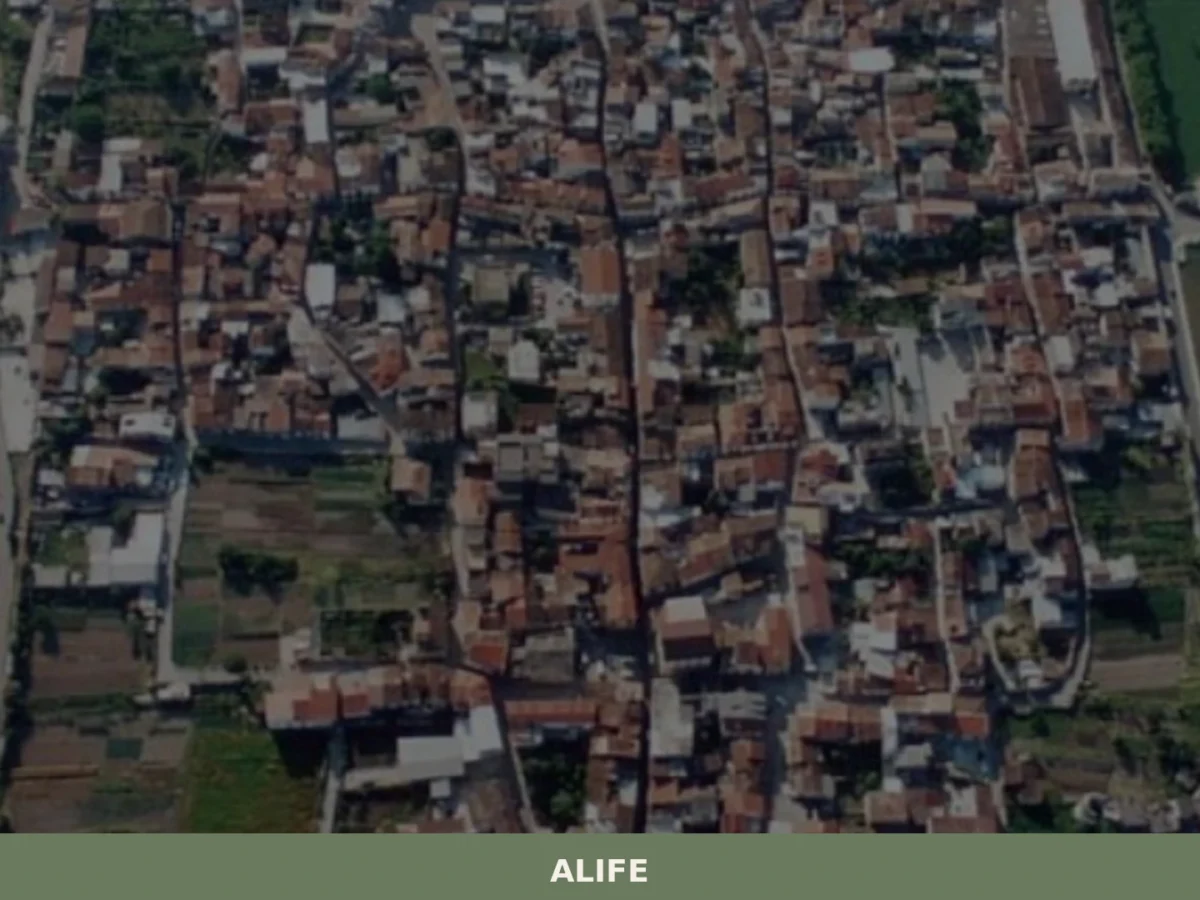
What to see in Alife, Italy: Discover at 110 m altitude the Roman Amphitheatre and the Cathedral of Alife. Explore Campania's rich history!






🏡 Know Atena Lucana better than we do?
If you’re a local or have been there, your knowledge matters: add what’s missing or fix a detail on this page.