


Bassiano
 Hills
Hills
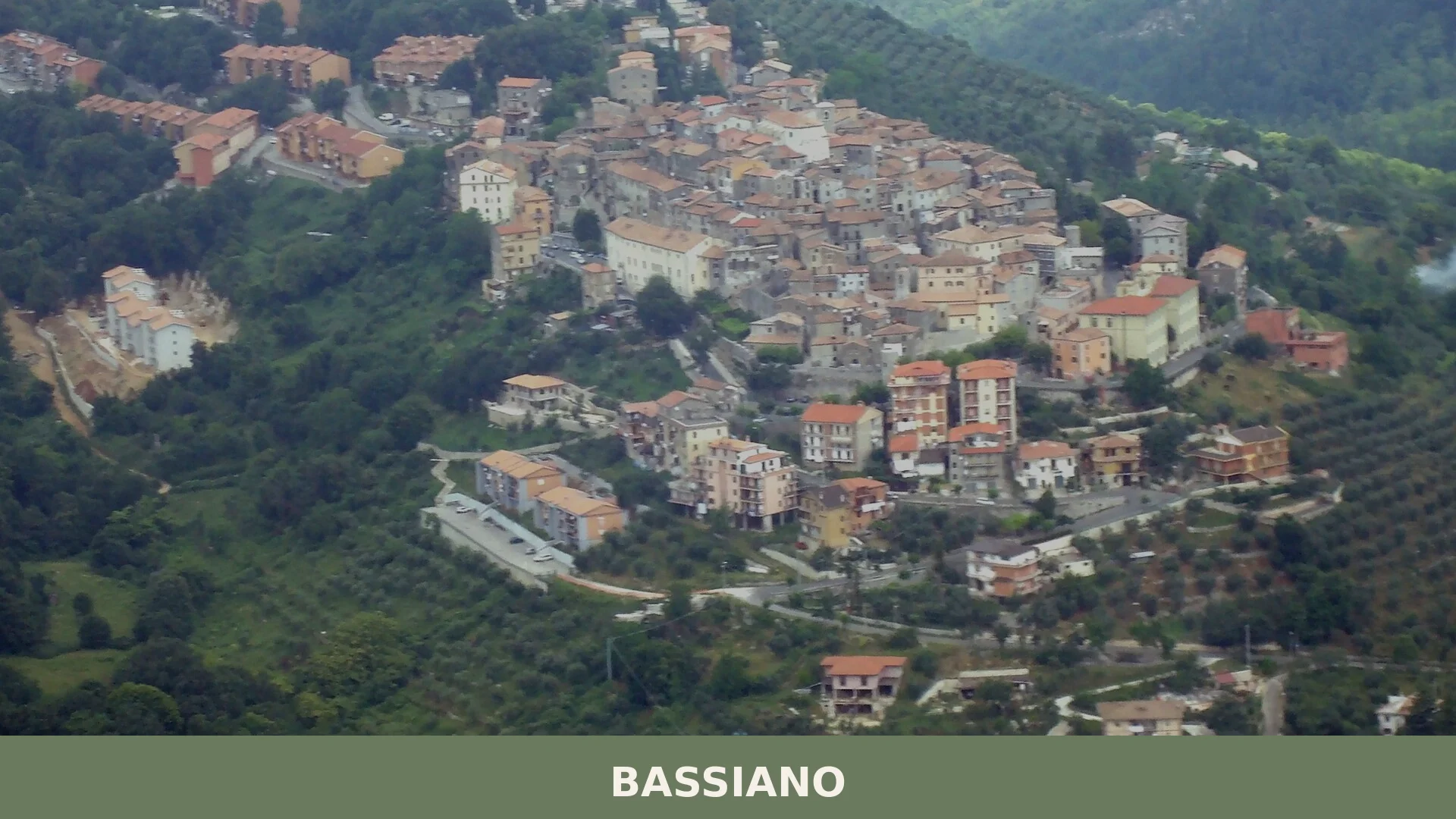
A compact medieval borgo of 1,432 inhabitants at 562 metres altitude. Home to the birthplace of Aldo Manuzio and churches spanning from the 12th century.
Bassiano: Medieval Borgo and Humanist Legacy in the Lepini Hills
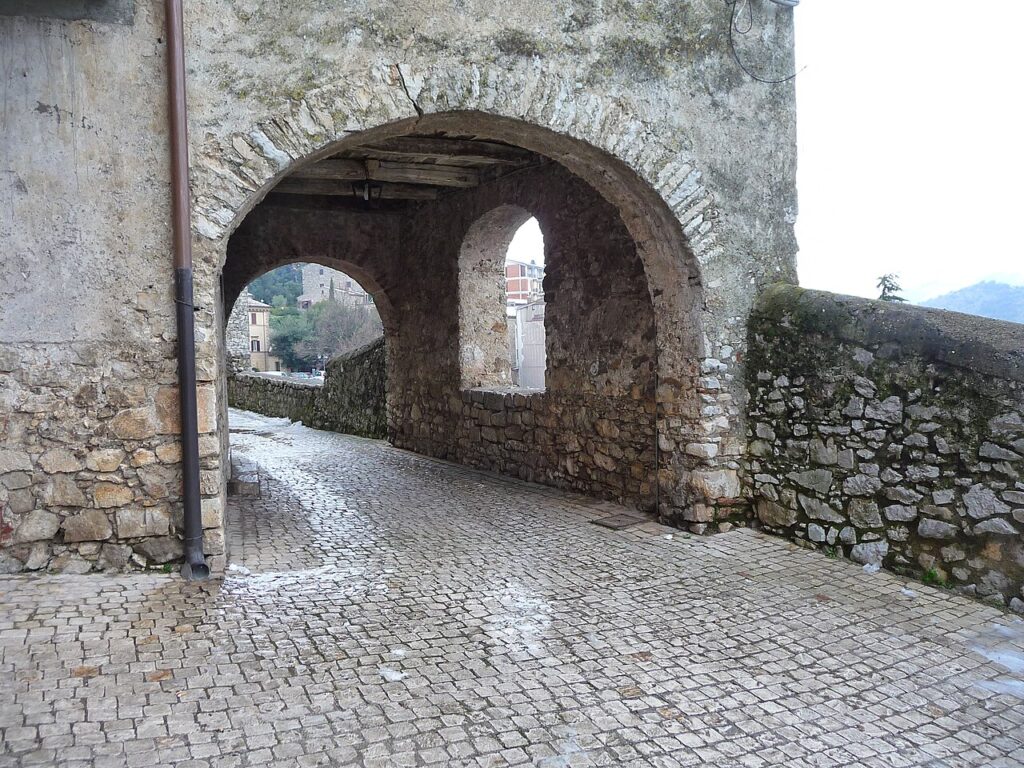
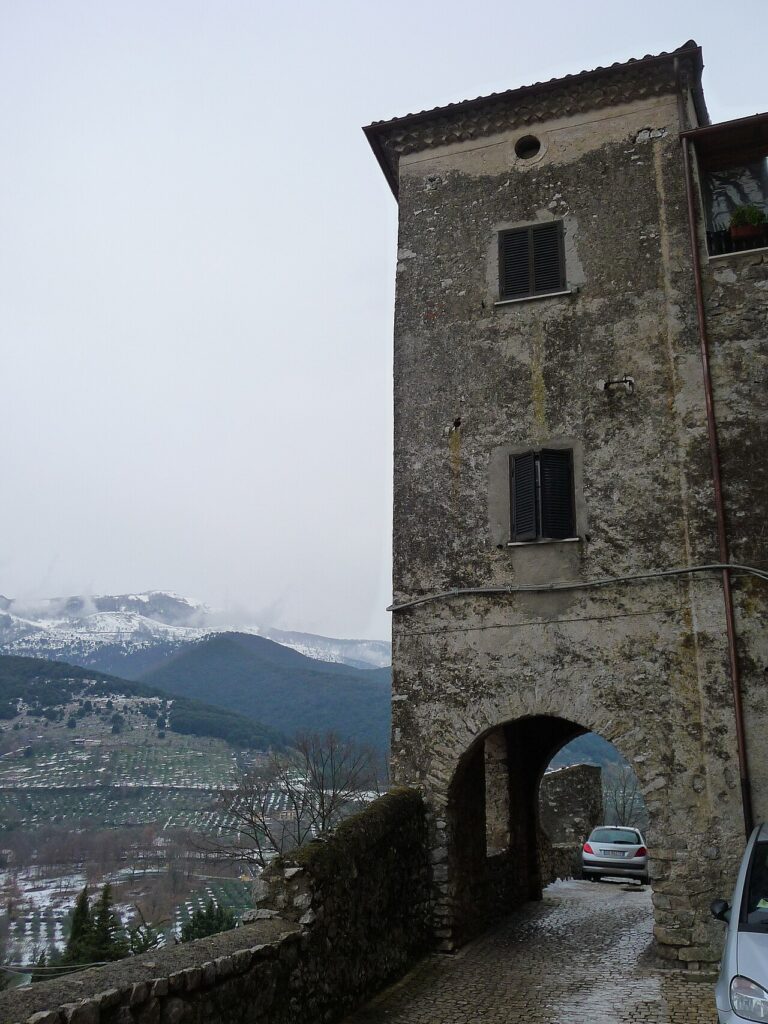
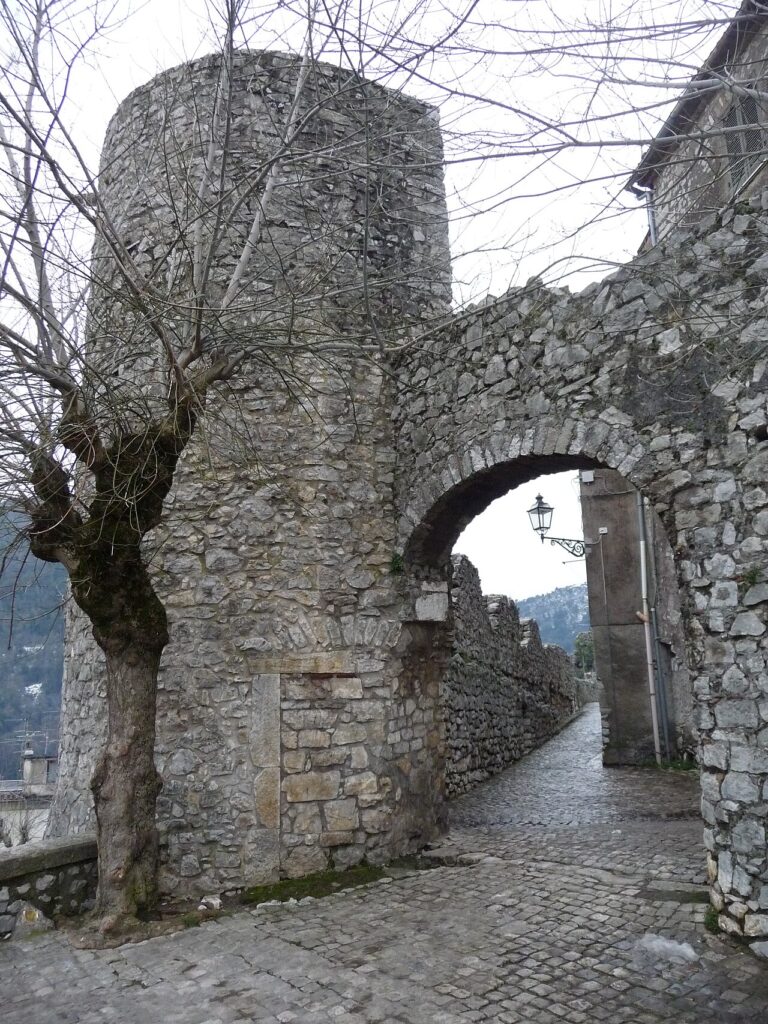
Stone walls rise abruptly from the Pontine plain, a limestone shelf that conceals itself from the lowlands below. Here, at 562 metres above sea level, Bassiano emerges as a compact medieval borough whose fortifications once guarded the approaches to the interior hills. The village sits on a high collar of land, separated from the coast by mountains, its narrow lanes and shuttered palazzi arranged vertically as if the hill itself had been carved into dwellings.
Bassiano village in Lazio lies in the province of Latina, home to around 1,400 residents who maintain an inheritance of feudal governance, humanist learning and sacred art. Two attractions define a visit: the Museo delle Scritture Aldo Manuzio, which honours the printer who revolutionised the book in Renaissance Europe, and a cluster of Romanesque churches whose artwork and graffiti preserve centuries of faith and confinement.
Origins and Medieval Dominion
Bassianus, possibly attached first to the ancient settlement of Acquapuzza in the foothills and later transferred to the hilltop centre as population migrated upward. The village itself took shape around the 10th century, when small bands of pastoral workers and farmers sought refuge from barbarian raids in this elevated, hidden terrain. The first written record of Bassiano appears in 1169, when a document in the archive of the collegiate church of Santa Maria in Sermoneta mentions the recovery of a castle that had been fraudulently seized by a certain Gregorio Leonis from a local lord.
Medieval power then shifted decisively. In 1240, Pope Gregorio IX appointed Trasmondo Annibaldi The Annibaldi family held the castle until 1297, when it passed to the Caetani clan, who would dominate the territory for centuries. A brief exception occurred between 1499 and 1503, when the Borgia family ruled. The Caetani left their architectural mark in 1554, when commissioned a substantial baronial palazzo, built partly to escape the malarial perils of the lowlands. Camillo Caetani codified the settlement’s rules through formal statutes, placing every dimension of life—property, family, the church—under ducal control.
Within this feudal framework, however, a quiet spiritual resistance took root. Franciscan friars of radical observance, the fraticelli spirituali, sheltered in the cave of Selva Scura during the 13th and 14th centuries, seeking a return to apostolic poverty. That grotto survives today as an annex to the Sanctuary of the Crucifix, a testament to movements that challenged worldly authority from the margins of the forest.
The Typographic Revolution and Aldo Manuzio
Aldo Manuzio, a humanist printer born in Bassiano whose innovations would reshape European letters. Across Europe, his volumes circulated under the name editiones aldinae—Aldine editions. He refined punctuation, standardizing the semicolon, and added page numbers to texts—small measures that seem obvious now but fundamentally altered how readers could navigate knowledge.
Aldo Manuzio was moved by the desire to preserve Greek literature and philosophy, as well as the great patrimony of Latin letters, spreading their masterworks in printed form.
The museum dedicated to his memory now occupies the cinquecentesco Palazzo Caetani, accessed through the Porta Salamandra, the ancient gateway that once controlled entry to the castle. Inside, three galleries trace the evolution of writing from stone tablets to digital screens, with special emphasis on the graffiti room—the most historically significant chamber, whose walls bear markings and sketches left by prisoners in the late 18th and early 19th centuries when the palazzo held a jail. These carbon inscriptions—denunciations, religious symbols, portraits, landscapes—form an unplanned archive of personal testimony, restored and interpreted in collaboration with the University of Rome La Sapienza.
Churches and Sacred Art
Sant’Erasmo
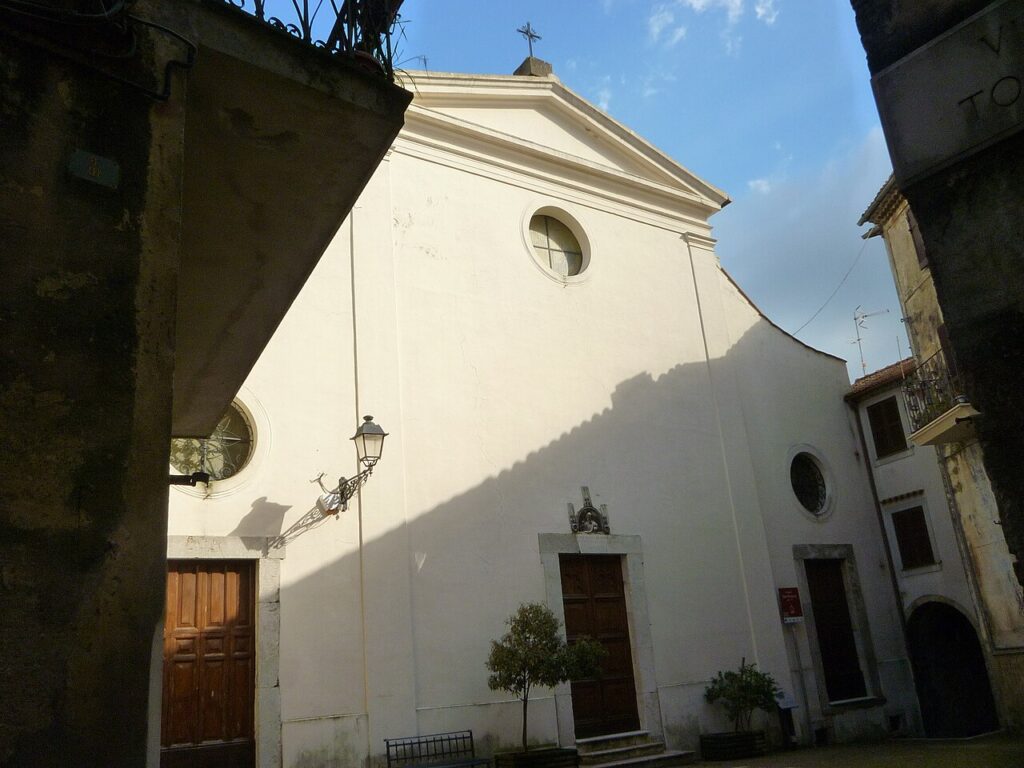
The parish church honouring Sant’Erasmo, the patron saint of Bassiano, stands as the village’s principal sanctuary. Built around the 12th century and substantially remodelled in neoclassical form, the church’s three-nave interior culminates in a semicircular apse where a wooden choir faces the altar. A canvas hangs above the choir, depicting religious narrative in the idiom of the Counter-Reformation. The baptismal font near the left aisle, supported by a marble lion of Romanesque date, speaks to the church’s antiquity, while frescoes from 1582 adorn a small chapel in the same aisle. The church underwent its most recent major restoration in 2002.
San Nicola
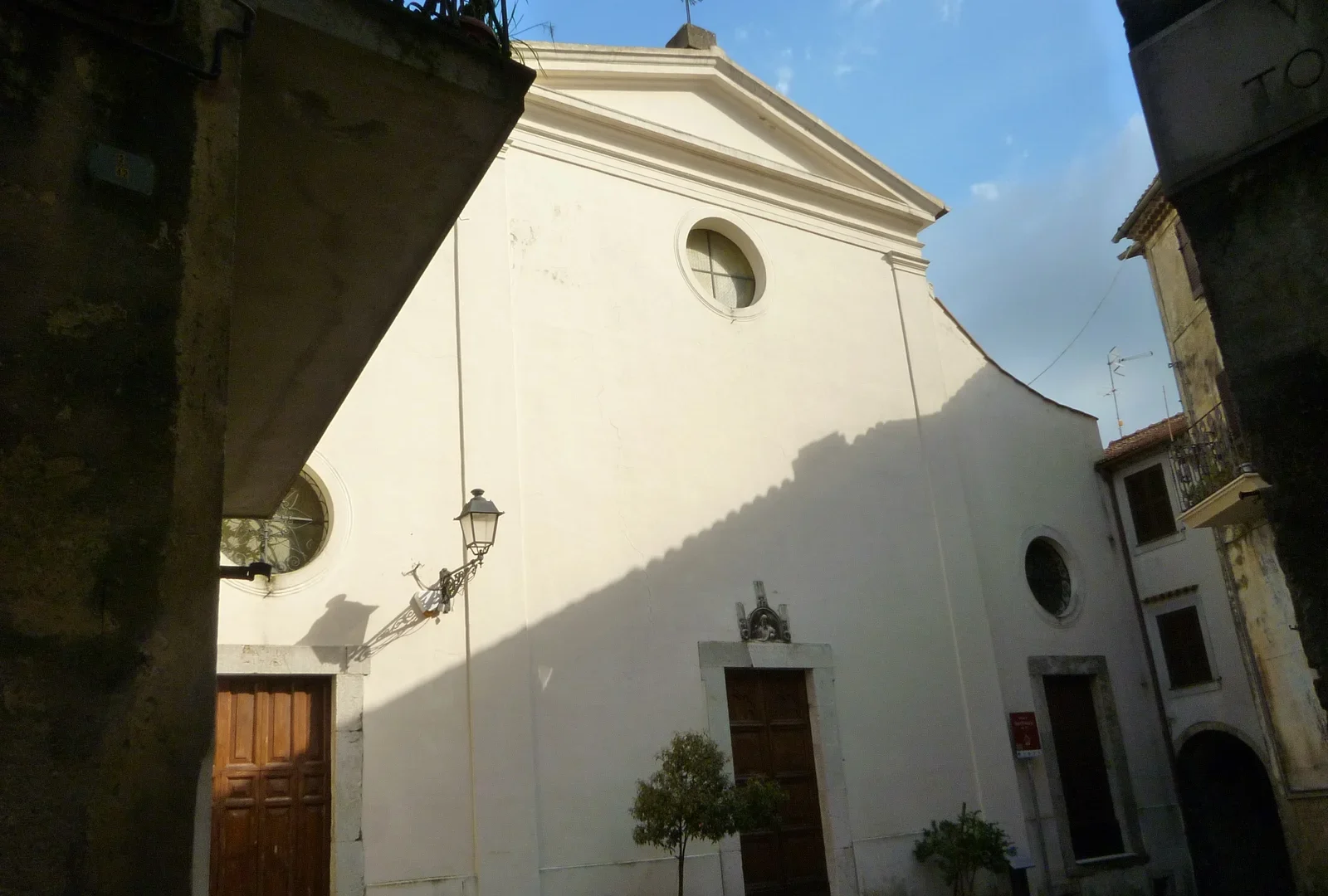
Smaller and older in spirit, the church of San Nicola originated in 1200 and retains a Latin-cross plan with two naves and a transept. Popular religious frescoes covering the walls narrate the lives of saints in a direct, vernacular style far removed from courtly art. An ambo—a raised pulpit for scriptural reading—sits in stone, supported by a column with decorated base, a detail that evokes medieval liturgical practice. Above the main altar, workers discovered during recent restoration an image of the Virgin with Child, previously hidden beneath a 17th-century altarpiece. The nave houses a precious panel, the work of the Renaissance painter Girolamo Siciolante da Sermoneta, portraying the Salvator Mundi.
Santa Maria
The small church of Santa Maria began as the oratory of a Benedictine monastery in the 12th century. Vertically divided—oratory above, chapter house below—it now serves as a community cultural space. A semicircular lunette framing the entrance portal preserves a fresco of Christ in blessing, while two additional frescoes remain visible in the apse, the sole remnants of the monastic decoration.
Santuario del Crocifisso
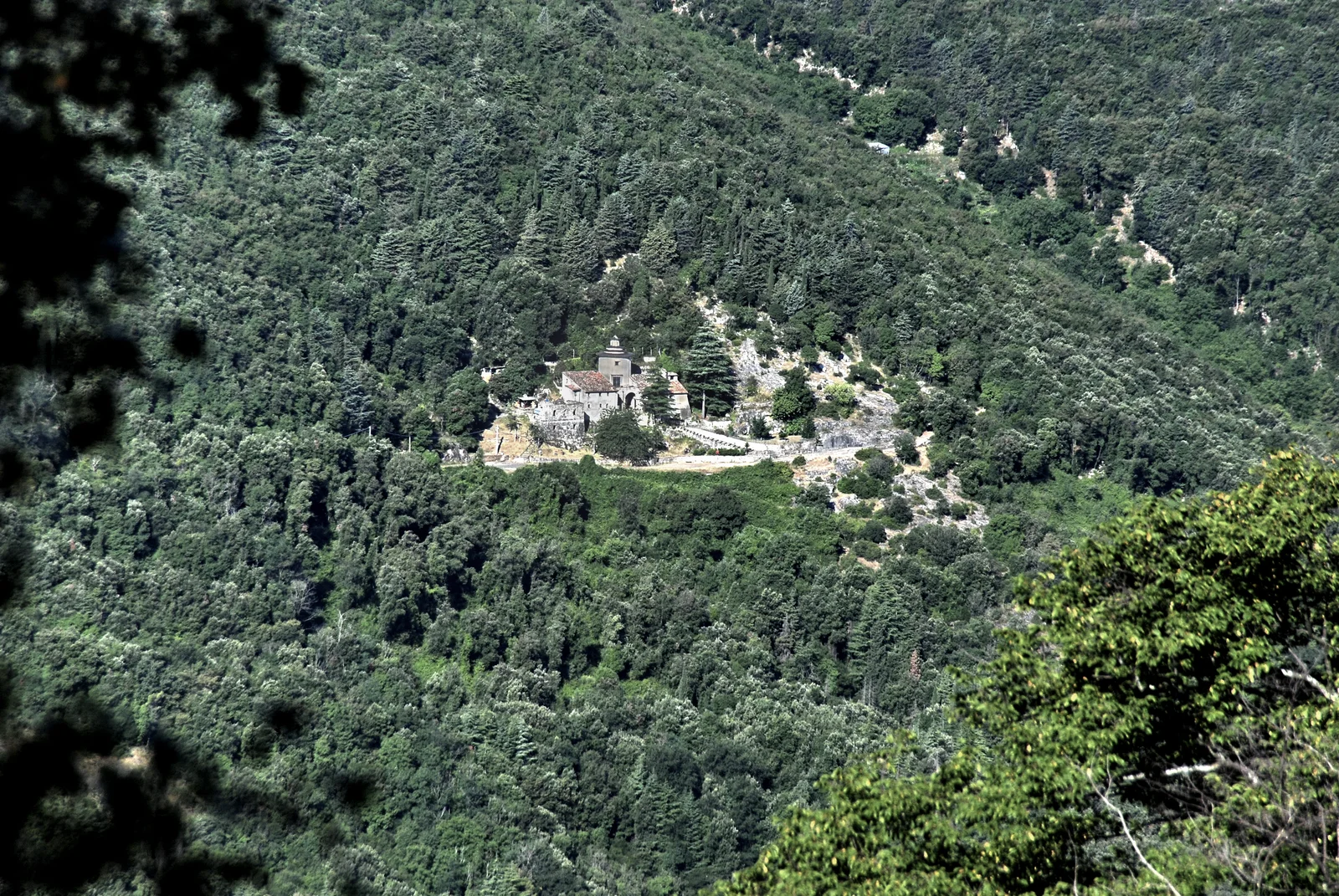
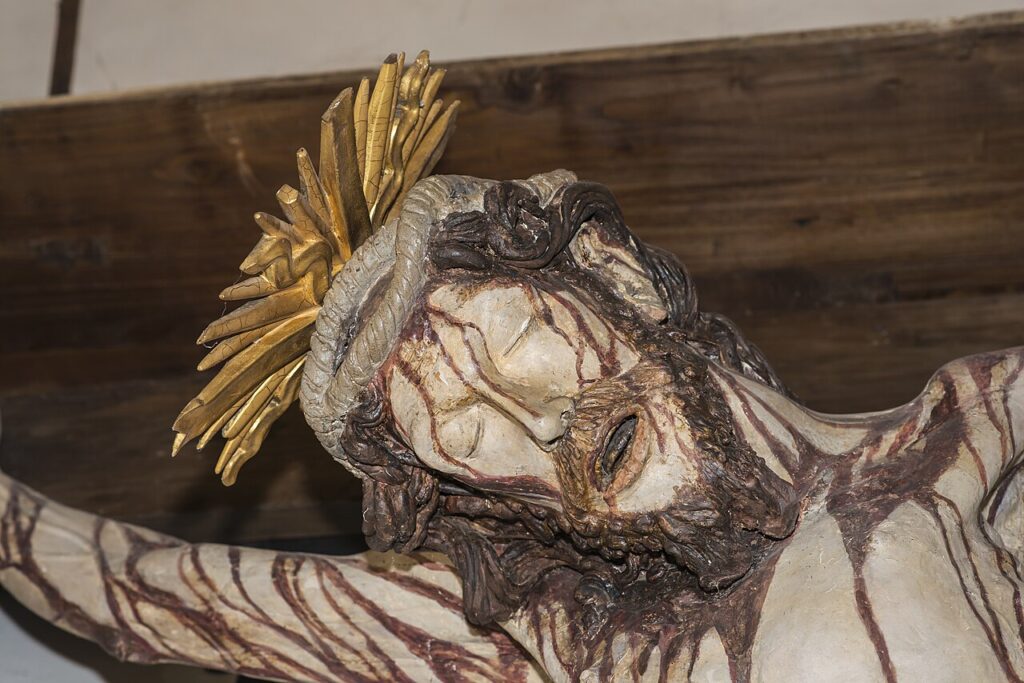
Three kilometres from the village centre, in the locality of Selva Scura, the Sanctuary of the Crucifix shelters a wooden crucifix. A round chapel, built in the second half of the 17th century, was constructed specifically to house the wooden sculpture. The sanctuary has been undergoing restoration since 1976.
Territory and Seasonal Rhythms
Bassiano sits at the head of a modest watershed. The Brivolco torrent, born in the surrounding peaks, descends toward the plain and joins the Ufente river in neighbouring Sezze, eventually reaching the Pontine marsh. The surrounding mountains—Dosso dell’Ospedale, Monte Calovella, Monte Carbolino, and others—form a natural screen that keeps the village invisible from the lowlands, a geography that once provided both shelter and isolation. The climate, classified as zone E with 2,108 growing-degree days, supports olive cultivation and seasonal grain harvests typical of the interior Lepini range.
The village’s patron saint, Sant’Erasmo, is honoured in local observance, anchoring the spiritual calendar to a figure venerated throughout the Mediterranean as a protector of the faithful. Prosciutto from Bassiano appears in the official registry of Lazio’s traditional products, continuing a centuries-old practice of pork preservation.
Planning Your Visit
The village is best reached by car, as public transport connections are limited. From Rome, follow the A1 motorway southward toward Naples, exit at the Latina junction, and continue east toward the Lepini hills. The road winds upward through agricultural land and scattered settlements before arriving at the village’s parking areas near the Porta Salamandra.
Spring and early autumn offer the most pleasant conditions. Winters bring rainfall and occasional snow above 500 metres, while summers can be warm, though the elevation provides relief from coastal heat. The Museo delle Scritture occupies limited hours and is best visited by contacting the comune in advance. The churches remain accessible during daytime, though many are only fully open during Mass times and local feast days.
| Departure point | Distance | Approximate journey time |
|---|---|---|
| Rome (city centre) | 90 km | 1 hour 45 minutes |
| Latina (town centre) | 35 km | 45 minutes |
| Sermoneta (neighbouring village) | 12 km | 20 minutes |
| Sezze (neighbouring village) | 8 km | 15 minutes |
For a fuller understanding of the surrounding territory, consider exploring nearby Latina Artena or Amaseno. A half-day allows time to walk the main streets, visit the chiesa di Sant’Erasmo and the museo. A full day permits a more leisurely exploration of the churches and a possible excursion to the Santuario del Crocifisso, which requires a separate vehicle journey.
Frequently asked questions about Bassiano
How do I reach Bassiano by car from Rome?
From Rome, take the A1/E35 motorway southbound toward Naples. Exit at Frosinone, then follow SS156 toward Latina. Continue on SR82 toward the Lepini Mountains. Bassiano is approximately 100 kilometres south of Rome, perched at 562 metres elevation in the province of Latina. The drive takes roughly 90 minutes. GPS coordinates help navigate the final winding approach to the village center.
What is the nearest railway station to Bassiano?
Priverno-Fossanova station, located on the Rome-Naples line, serves as the closest major railway hub, approximately 25 kilometres from Bassiano. From there, regional buses or car rental are necessary to reach the hilltop village. Alternatively, Latina station offers regional connections and is roughly 35 kilometres away, with onward transport options available.
When is the feast day of Bassiano's patron saint?
Sant'Erasmo, the village patron, is honoured on 2 June each year. This religious celebration typically draws residents and pilgrims to Bassiano's Romanesque churches for traditional ceremonies and local festivities. The feast represents a significant cultural event in the village's annual calendar, celebrating centuries of spiritual heritage maintained by the community.
How long should I plan to spend visiting Bassiano?
A typical visit lasts 2 to 3 hours. Allow time to explore the narrow medieval lanes, visit the Museo delle Scritture Aldo Manuzio (dedicated to the Renaissance printer), and examine the cluster of Romanesque churches containing historic artwork. The compact village layout makes walking feasible, though steep gradients and vertical street arrangements require comfortable footwear and moderate fitness.
Is there parking available in Bassiano village?
Parking within Bassiano's medieval centre is extremely limited due to narrow lanes and steep terrain. Visitors should park at designated areas on the village periphery or lower approaches, then proceed on foot into the historic core. Contact local tourism services or accommodation providers for current parking guidance, as spaces fill quickly during peak visiting periods.
📷 Photo Gallery — Bassiano
In Lazio More villages to discover
Alatri
 Mountain
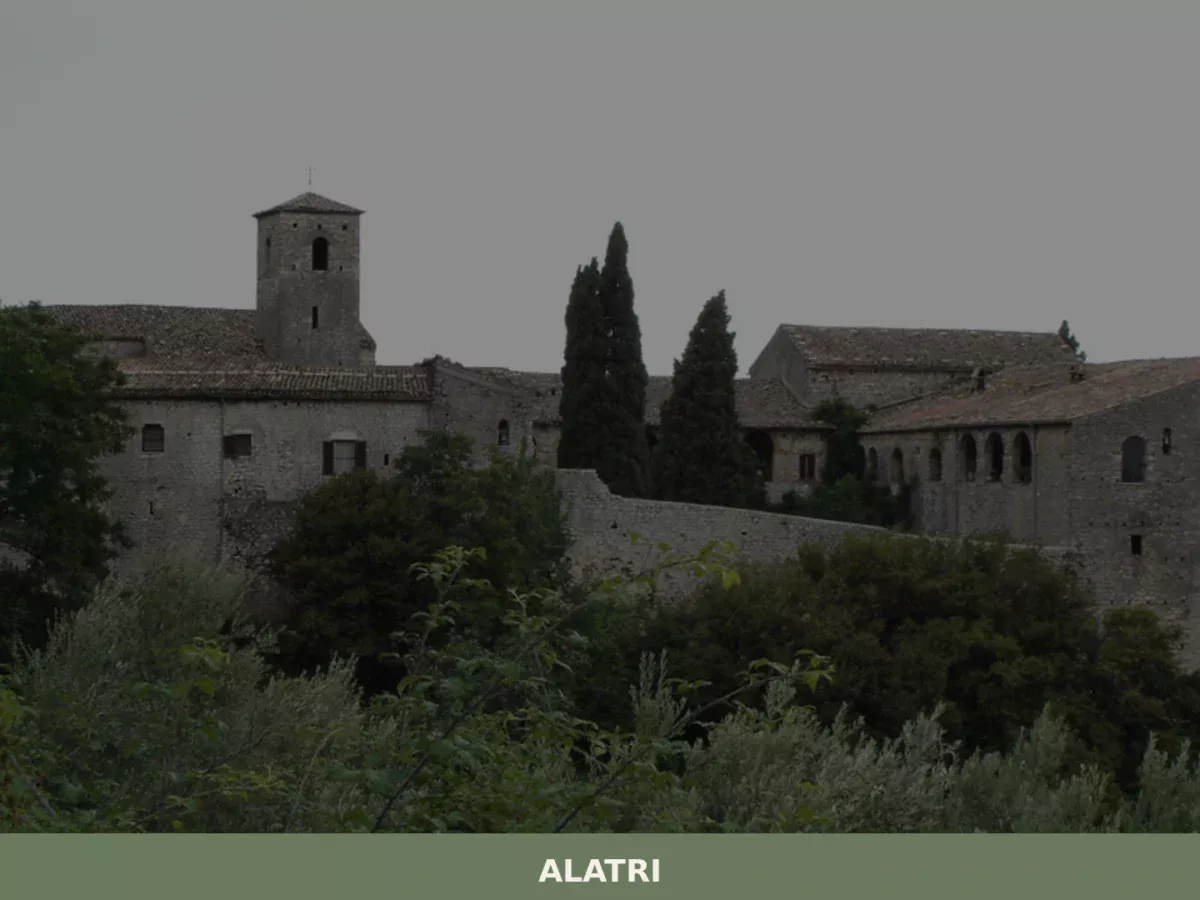
Limestone blocks measuring up to 3 by 2 metres sit without mortar on the hill above the city, fitted so precisely that a knife blade cannot pass between them. The terrace walls of the acropolis rise to over 15 metres (49 ft), enclosing a rectangular plateau of 220 by 100 metres (720 by 330 ft). […]
Onano
Hills
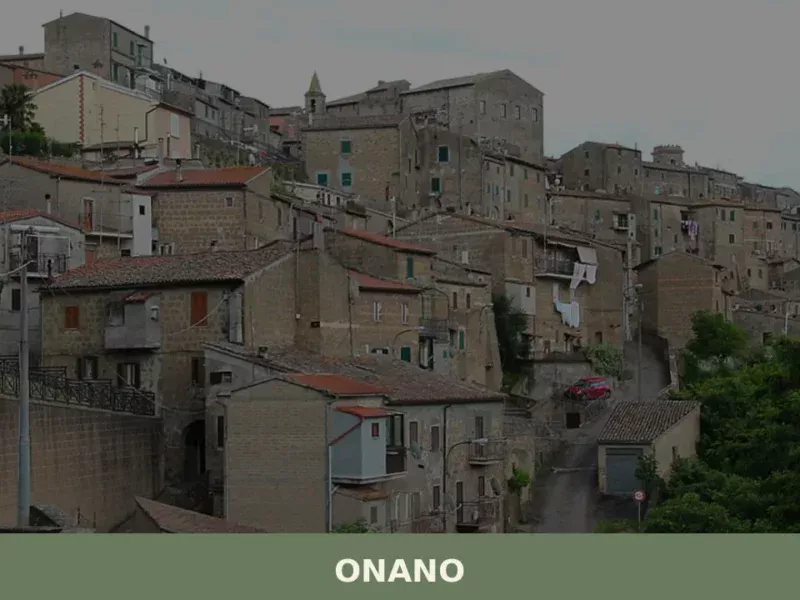
Onano has 898 inhabitants and sits at 485 metres above sea level on the southern slopes of Lake Bolsena, in the province of Viterbo. The municipal territory, stretching across lentil fields and oak groves, borders both Umbria and Tuscany — a point of triple regional convergence that has shaped the town’s economic and linguistic history. […]
Acquafondata
Mountain
What to see in Acquafondata: discover 5 attractions in this Lazio village, from historic churches to views over the Aurunci Mountains. Plan your visit.
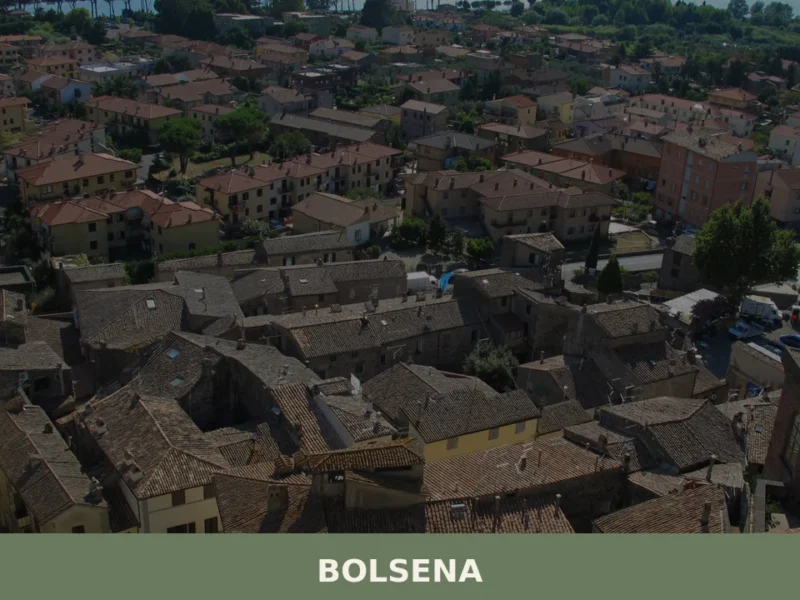
Bolsena
Hills
 Lake
Lake
What to see in Bolsena, Lazio, Italy: the 1263 Eucharistic Miracle, Basilica of Santa Cristina, Lake Bolsena at 350 m. Discover history, food and how to get there.
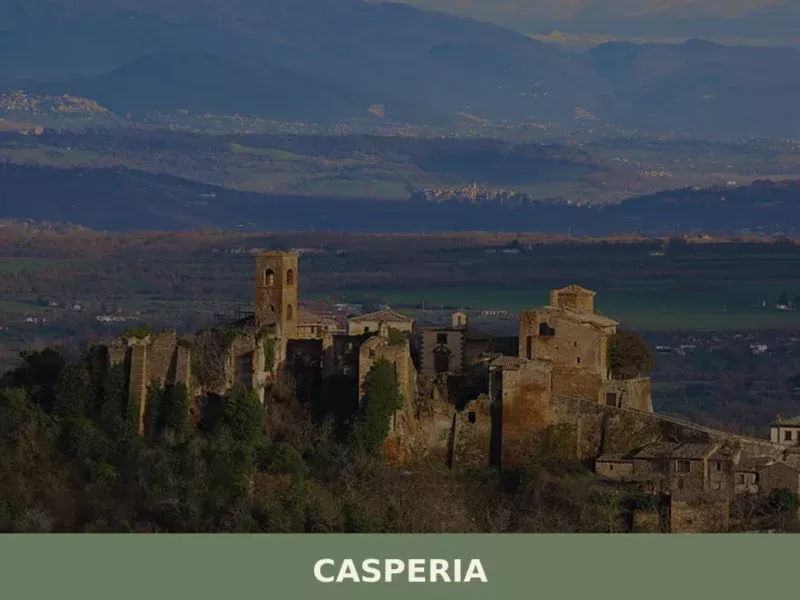
Casperia
Hills
What to see in Casperia, a hilltop village at 397 m in Rieti province: medieval centre, 3 PAT-certified products including guanciale. Plan your visit and where to stay.
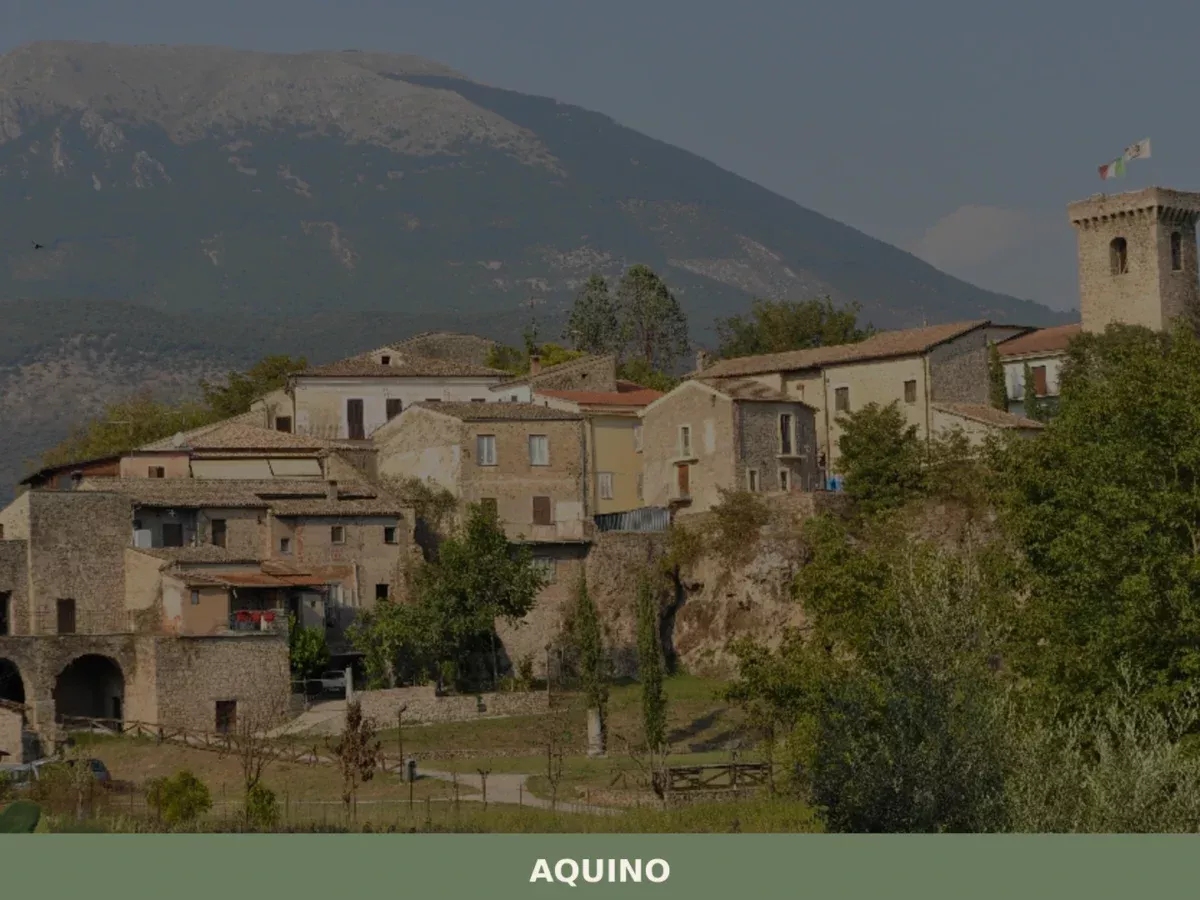
Aquino
 Plains
What to see in Aquino? Discover 5 must-see historic attractions in this definitive guide to the Lazio village. Plan your visit now!
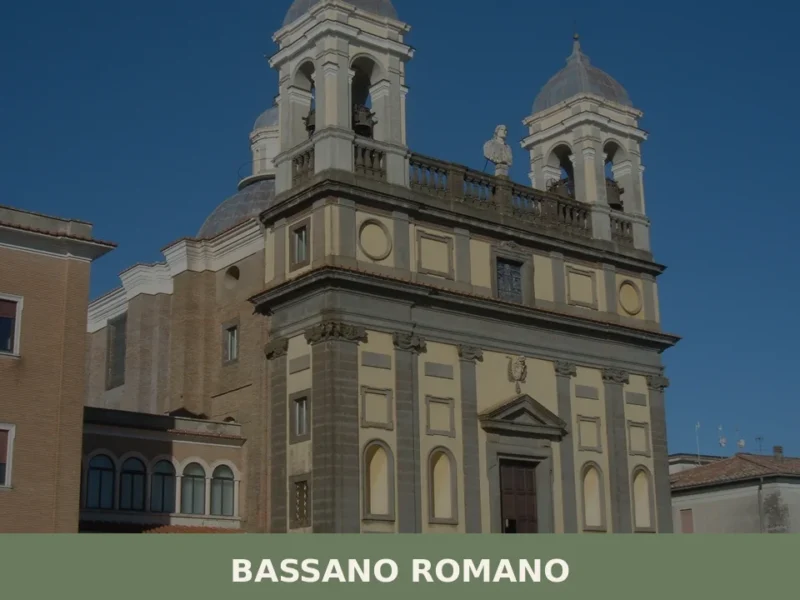
Bassano Romano
Hills
What to see in Bassano Romano, Italy: Palazzo Giustiniani, maiolica heritage, and the feast of San Gratiliano. 4,980 inhabitants at 360 m. Discover it now.
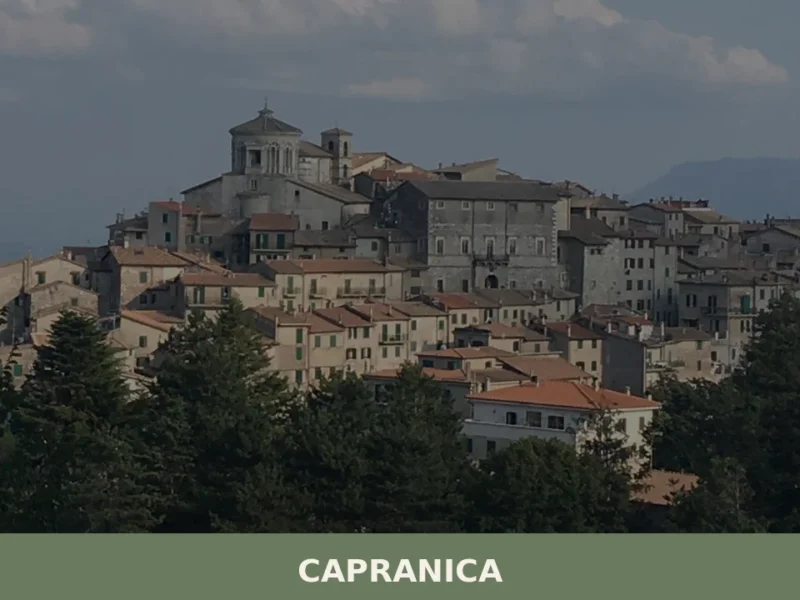
Capranica
Hills
Capranica, a Lazio village between history and nature: discover what to see, how to get there and the top places to visit. Plan your trip with this guide.
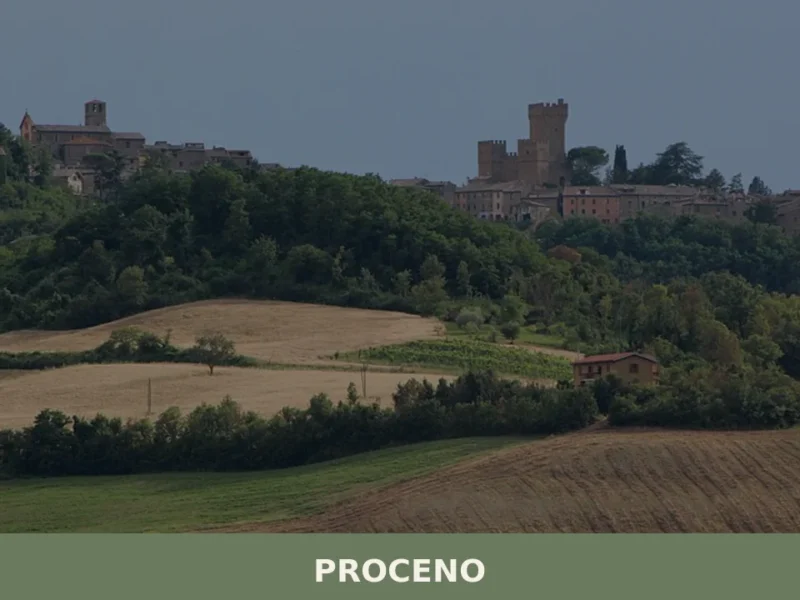
Proceno
Hills
A 418 meters above sea level, in northern Lazio, the village of Proceno developed around a Fortress documented as early as the 12th century. This architectural element, central to the settlement’s development, still defines the structure of the historic center today. With a population of 519 inhabitants, Proceno is part of the Viterbo Tuscia region, […]
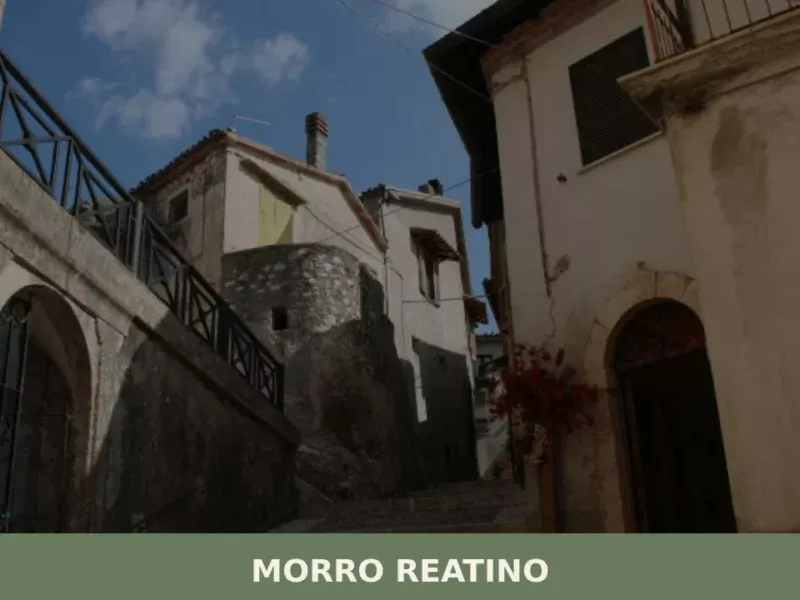
Morro Reatino
Mountain
What to see in Morro Reatino: a village at 750 m in Rieti with 353 residents. Visit the medieval church of San Lorenzo, the historic centre, and discover PAT-certified guanciale amatriciano.



🏡 Know Bassiano better than we do?
If you’re a local or have been there, your knowledge matters: add what’s missing or fix a detail on this page.