


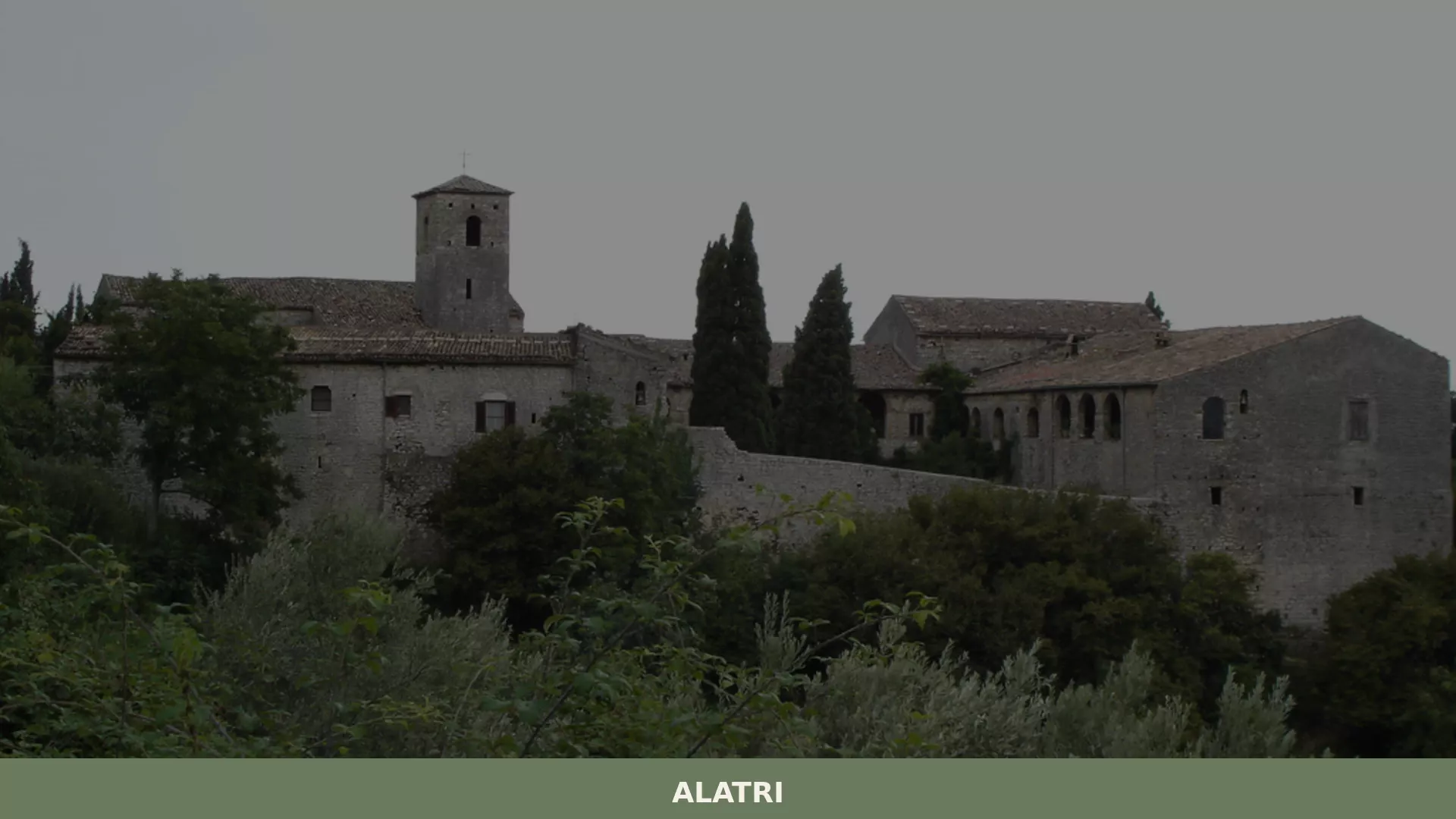
Alatri
 Mountain
Limestone blocks measuring up to 3 by 2 metres sit without mortar on the hill above the city, fitted so precisely that a knife blade cannot pass between them. The terrace walls of the acropolis rise to over 15 metres (49 ft), enclosing a rectangular plateau of 220 by 100 metres (720 by 330 ft). […]
Discover Alatri
Limestone blocks measuring up to 3 by 2 metres sit without mortar on the hill above the city, fitted so precisely that a knife blade cannot pass between them.
The terrace walls of the acropolis rise to over 15 metres (49 ft), enclosing a rectangular plateau of 220 by 100 metres (720 by 330 ft).
Below the citadel, a city of around 30,000 inhabitants goes about its day largely indifferent to the scale of what stands above it.
Deciding what to see in Alatri becomes easier once you understand the city’s layered structure: the polygonal acropolis at the top, five documented medieval churches in the streets below, and a set of Roman-era remains that include traces of a high-pressure aqueduct. Visitors to Alatri, Lazio, Italy find a city that has been continuously occupied since the 2nd millennium BC, with monuments from at least six distinct historical periods compressed into a walkable area. The centro storico, or historic centre, demands at minimum half a day.
History of Alatri
Settlement on the territory of modern Alatri dates to the 2nd millennium BC.
In historical times the city was known as Aletrium, a name that survives in documents through the Latin form still used in classical scholarship. It formed one of four cities — alongside Veroli, Anagni, and Ferentino — that established a defensive league against the Volsci and the Samnites around 550 BC. By 530 BC the city had allied with the Rome of Tarquinius Superbus, an alignment that reflects the Etruscan influence in the area confirmed by archaeological finds. Roman conquest came in 306 BC, after which Alatri was compelled to accept Roman citizenship.
By the time of Cicero it had the status of a municipium, a self-governing Roman town, a condition it maintained through the entire imperial period.
After the collapse of the Western Roman Empire, the city’s civic structures deteriorated and ecclesiastical authority became the dominant local power. During the reign of Theodoric the Great in the 5th century AD, the patrician Liberius promoted the construction of a monastic community — one of the earliest recorded in the Western world — where St.
Benedict stayed briefly in 528. Fifteen years later, in 543, the city was sacked and destroyed by the troops of Totila during the Gothic Wars, an event that marks a sharp break in the archaeological and documentary record. Recovery was slow, and the city only regained political significance in the 12th century, when it became an important stronghold for popes obliged to leave Rome during periods of instability.
The 13th century brought a period of expansion: Alatri functioned as a free commune governed by consuls until 1241, when a podestà, an appointed chief magistrate, replaced the consular system. The city subsequently extended its territorial control over Collepardo, Guarcino, Trivigliano, Vico, and Frosinone, though factional conflict repeatedly undermined its strength. Political autonomy began to erode in the 15th century through the interventions of Ladislaus of Naples and Pope Martin V.
A brief seigniory under Filippo Maria Visconti in 1434 was followed by definitive papal suzerainty.
Spanish soldiers occupied the city in 1556, and during the Napoleonic occupation of 1809 to 1814, numerous members of the papal administration, including Bishop Giuseppe della Casa, were deported to France. Alatri became part of unified Italy in 1870 and suffered significant damage and civilian losses during World War II. Visitors exploring the nearby Lazio village of Agosta, which similarly developed under the shadow of Rome’s fluctuating power, will recognise comparable patterns of medieval growth and ecclesiastical control across the Ciociaria subregion.
What to see in Alatri, Lazio: top attractions
The Megalithic Acropolis (Arx)
The acropolis sits on a hill at the centre of the city, and its walls are the defining physical fact of Alatri. Three successive phases of construction are legible in the stonework: the earliest two periods show rough, irregular assembly, while the third and best-preserved phase uses very large polygonal blocks with smoothed faces, the largest reaching approximately 3 by 2 metres.
The terrace walls reach over 15 metres (49 ft) in height.
Two rectangular gateways provide access to the enclosure: the larger, the Porta Maggiore, has an architrave roughly 5 metres (16 ft) long, 1.5 metres (4.9 ft) high, and 1.8 metres (5.9 ft) thick. The smaller gate carries a relief of three phalli on its lintel. It is worth climbing up to the citadel in the morning, when the light falls directly on the western face of the walls and the scale of the individual blocks becomes fully apparent.
Cathedral of San Paolo
The Cathedral of San Paolo occupies the centre of the acropolis plateau, built on the site of an ancient structure of which only a fragment survives. The church itself is documented from 930, making it one of the oldest continuously recorded religious buildings in the province of Frosinone.
Its interior layout follows a Greek cross plan with a long transept, and the cosmato decorations — geometric inlays of coloured marble characteristic of the Cosmati workshop tradition — are dated to 1222.
The external facade was restored in the late 18th century and represents a later stylistic layer on a far older structure. Among the relics kept inside is the Ostia Incarnata, a eucharistic wafer from the late 13th century that, according to documented tradition, was said to have transformed into flesh.
Collegiata of Santa Maria Maggiore
Santa Maria Maggiore stands in the lower part of the historic centre and its architectural history spans more than fifteen centuries. The church was first erected in or around the 5th century on a site previously occupied by a temple of Venus, and it appears in written records from 1137. The structure visible today was largely rebuilt in the 13th century by craftsmen from Burgundy, a detail that explains certain formal characteristics of the facade, including the large rose window from the 14th century.
The three portals each have frescoed lunettes; the central one carries a Madonna with Child from the late 14th century.
The bell tower was added in 1394 and retained a cusp cover until an earthquake in 1654 removed it. Inside, the nave and two aisles are separated by robust pilasters, and the collection includes a 13th-century Constantinopolis Madonna and the Redeemer Triptych by Antonio di Alatri.
Church of San Francesco
The Franciscan church of San Francesco was built in the late 13th century and its exterior preserves the original portal and a rose window formally similar to the one on Santa Maria Maggiore, providing a useful point of architectural comparison between the two buildings. The interior is a single nave with Baroque decoration added in a later period.
The painted Deposition, attributed to the Neapolitan school and dated to the 17th century, hangs alongside partly damaged 15th-century frescoes.
The most documented object in the building is the relic of a portion of St. Francis’ mantle, which according to historical records was donated to the city by the saint himself in 1222, the same year the Cosmatesque decorations in the cathedral were completed — a coincidence that places both gifts in the same moment of the city’s medieval history.
Church of San Silvestro
San Silvestro dates from the 10th to 11th centuries and represents one of the oldest surviving church structures in the city. A second nave was added in 1331, giving the interior an asymmetrical quality that is immediately readable from the entrance. The crypt is earlier still, assigned to the 9th century, and contains a fresco of a blessing saint in Byzantine style — one of the most direct surviving examples of Byzantine artistic influence in the area.
The upper church houses a fresco of St. Sylvester and the Dragon, dated to the 12th century, which covers a substantial portion of the interior wall surface.
Access to the crypt is through the main nave; the low ceiling and uneven floor require care, but the condition of the Byzantine fresco is notably good given its age.
Local food and typical products of Alatri
Alatri sits within the Ciociaria, the informal name for the southern Lazio inland territory corresponding roughly to the province of Frosinone. This zone has historically been distinct from the coastal and Roman plains, with an economy based on cereal cultivation, sheep herding, and woodland produce. The relative isolation of the area through medieval and early modern times meant that cooking developed around a small set of staple ingredients — dried legumes, pork, lamb, local cereals, and sheep’s milk cheese — prepared in ways that required long, slow heat and minimal waste.
That technical approach remains legible in the cooking still found in the city’s trattorie, the straightforward family-run restaurants that serve fixed lunch menus.
The pasta traditions of the area centre on hand-cut forms made from durum wheat semolina. Sagne ‘mpastocchiate is a wide, rough-edged pasta typically dressed with a long-cooked tomato sauce enriched with pork ribs; the sauce requires several hours on the stove and the fat from the meat integrates into the liquid rather than floating on top.
Pasta e fagioli alla ciociara combines dried borlotti beans with short pasta in a dense broth thickened by the starch of the beans themselves, often finished with a drizzle of local olive oil. Lamb is the most frequent secondo: abbacchio alla ciociara is young lamb braised with white wine, garlic, and rosemary until the meat falls from the bone. Pork-based cured meats, particularly dried sausages seasoned with wild fennel seeds, appear on most antipasto boards.
The hill country around Alatri produces sheep’s milk cheese under traditional methods.
Pecorino di Frosinone, produced in the province, is made from raw sheep’s milk and aged on wooden boards; younger versions are eaten within a few weeks, while older forms, pressed and salted over months, are used for grating over pasta. The province of Frosinone also produces ricotta salata, a pressed and salted ricotta used in cooking rather than eaten fresh.
Olive oil from the Lepini and Ernici hills — the ranges that frame the Frosinone basin on either side — tends toward a grassy, slightly bitter profile typical of the mid-Lazio interior.
Those travelling further into Lazio to compare local products might note that Latina, further south in Lazio, sits within a different agricultural zone where coastal and reclaimed-land cultivation shapes an entirely distinct food tradition.
Local markets in Alatri’s central piazzas operate on weekly schedules and are the most practical place to buy cheese, cured meats, and seasonal vegetables directly from producers in the surrounding frazioni, the scattered rural hamlets that make up the broader municipal territory. Spring and autumn are the best seasons for finding the widest variety of cured products and aged cheeses at market stalls.
Festivals, events and traditions of Alatri
The religious calendar in Alatri is shaped significantly by the Ostia Incarnata, the late 13th-century relic kept in the Cathedral of San Paolo.
Veneration of this relic has been a documented element of local devotional life for several centuries and forms the basis of the principal annual religious observance centred on the cathedral. The feast of the city’s patron saint is observed with the customary procession through the streets of the historic centre, during which the relic is carried in a formal cortege accompanied by clergy, civic authorities, and residents of the various rioni — the thirteen traditional quarters into which the city is divided, including Civette, Colle, Fiorenza, Piagge, and San Simeone.
The division of the city into rioni also underpins a set of civic competitions and neighbourhood-based events that recur through the year.
These neighbourhood structures, which appear in the administrative records of the medieval commune, give local celebrations a competitive character: different quarters field their own participants in games and contests that are taken seriously at a local level. The city’s connection to St. Francis — through the 1222 donation of the mantle fragment now kept in San Francesco — gives the Franciscan feast days in October an additional local resonance beyond their liturgical significance elsewhere.
When to visit Alatri, Italy and how to get there
The most practical period for visiting Alatri is between April and June, or in September and October.
Summer temperatures in the Frosinone basin can reach or exceed 35°C (95°F) in July and August, and the acropolis walls, fully exposed to the south-facing sun, absorb and radiate heat through the afternoon hours. Spring and early autumn offer cooler conditions and longer usable daylight. Winter visits are feasible — the monuments remain accessible — but several smaller churches keep reduced hours between November and February.
For those whose primary interest is the megalithic walls, overcast winter light can actually clarify the texture and jointing of the polygonal stonework better than direct summer sun.
Alatri lies approximately 80 km (50 mi) southeast of Rome, making it a realistic day trip from the capital. By car, the most direct route follows the A1 motorway south from Rome, exits at Ferentino, and then takes provincial roads east for roughly 15 km (9.3 mi) to Alatri. Total driving time from Rome is typically between 75 and 90 minutes depending on traffic on the ring road. By train, the nearest station is Frosinone, served by Trenitalia on the Rome–Cassino–Naples line; from Frosinone station, local buses connect to Alatri in approximately 20 to 30 minutes.
The nearest international airport is Rome Fiumicino (FCO), approximately 110 km (68 mi) to the northwest; Rome Ciampino (CIA) is roughly 75 km (47 mi) away. International visitors should be aware that English is not widely spoken in smaller shops, bars, and markets in Alatri; carrying cash in euros is practical, as card payment terminals are not universal in the older parts of the town centre.
Those combining the visit with other stops in the Ernici valley might also consider Castelnuovo Parano, a small comune in the southern Frosinone province that shares the same geological and agricultural landscape.
Where to Stay near Alatri
The municipality of Alatri and its surrounding frazioni offer a range of agriturismi — farm-stay establishments that typically provide accommodation alongside meals prepared from produce grown or raised on the property. These are the most documented accommodation option in the area, and they tend to be located in the rural hamlets outside the historic centre rather than within the walls. The city itself has a small number of B&Bs and rooms-for-rent in the centre. Frosinone, 15 km (9.3 mi) to the west, has a fuller range of hotels suitable as a base for exploring the wider province, including Alatri.
Booking directly through municipal tourism contacts or accommodation aggregators will confirm current availability, as individual properties open and close seasonally.
Visitors wishing to extend their trip beyond Alatri into less-visited parts of the Lazio interior may find Onano, in the northern Viterbo province of Lazio, a useful contrast — a small volcanic-plateau settlement with a different geological character and a distinct local food tradition based on the celebrated fagioli di Onano, a variety of bean with a documented local growing history.
Frequently asked questions about Alatri
What is the best time to visit Alatri?
The best time to visit Alatri is during spring, especially around the movable feast of the patron, Papa Sisto I, which falls on the Wednesday after Easter, offering pleasant weather for exploring the historic center and the Megalithic Acropolis. Early autumn is also ideal for comfortable sightseeing. While the other patronal celebration on January 11th might be cooler, it provides a unique winter cultural experience. The altitude of 502 meters ensures milder temperatures than coastal areas, making it suitable for walking and discovering its ancient layers.
What to see in Alatri? Main monuments and landmarks
Alatri's main attractions revolve around its ancient history and religious heritage. The awe-inspiring Megalithic Acropolis (Arx), with its colossal polygonal walls, is a must-see; visit in the morning for optimal light on the western face. Within the acropolis lies the Cathedral of San Paolo, dating from 930, notable for its Cosmatesque decorations and the relic of the Ostia Incarnata. In the lower historic centre, explore the Collegiata of Santa Maria Maggiore, the Church of San Francesco with its St. Francis' mantle relic, and the ancient Church of San Silvestro, which houses a 9th-century Byzantine fresco in its crypt (access requires care due to low ceiling and uneven floor). All are generally accessible during daylight hours, but specific opening times may vary.
Where to take the best photos in Alatri?
For stunning photographs in Alatri, the Megalithic Acropolis (Arx) is paramount. Climb to the citadel in the morning to capture the colossal polygonal walls bathed in direct sunlight, revealing their immense scale and precise fitting. From the acropolis plateau, you can also frame panoramic views of the surrounding Ciociaria landscape and the historic city below. Additionally, the intricate details of the medieval churches like Santa Maria Maggiore and San Francesco, with their rose windows and frescoed lunettes, offer excellent photographic opportunities within the charming centro storico.
What can you do in Alatri? Activities and experiences
In Alatri, immerse yourself in a journey through time by exploring its layered historic centre, which demands at least half a day. Ascend to the Megalithic Acropolis to marvel at the ancient walls and enjoy panoramic views. Discover the city's rich religious heritage by visiting its significant churches, including the Cathedral of San Paolo, Santa Maria Maggiore, San Francesco, and San Silvestro with its Byzantine crypt. A key experience is also indulging in the local Ciociaria cuisine at traditional trattorie, savoring dishes like Sagne 'mpastocchiate, made with staple ingredients reflecting the region's agricultural past.
Who is Alatri suitable for? Families, couples, hikers, solo travelers?
Alatri is ideal for history enthusiasts, cultural tourists, and solo travelers eager to explore millennia of history within a compact, walkable historic centre. Couples will appreciate the charming medieval streets and authentic atmosphere. While specific hiking trails aren't detailed, its 'Montagna' theme and the climb to the acropolis make it suitable for visitors who enjoy light walking and scenic views. Foodies will delight in the traditional Ciociaria cuisine served in local trattorie, offering a genuine taste of the region's culinary heritage. It's a destination for those seeking a deep dive into Italy's ancient past and authentic local life.
What to eat in Alatri? Local products and specialties
Alatri, nestled in the Ciociaria region, offers a cuisine rooted in its agricultural traditions. Specialties include hand-cut durum wheat semolina pastas, notably 'Sagne 'mpastocchiate,' a wide, rough-edged pasta typically served with a rich, slow-cooked tomato sauce enriched with pork ribs. Other staple ingredients you'll find in local dishes are dried legumes, lamb, pork, and sheep's milk cheeses. These hearty, authentic flavors, reflecting the area's historical reliance on local produce and long cooking methods, are best experienced in the city's traditional family-run trattorie, often featuring fixed lunch menus.
📷 Photo Gallery — Alatri
Getting there
Piazza Santa Maria Maggiore, 3011 Alatri (FR)
Nearby Villages near Alatri
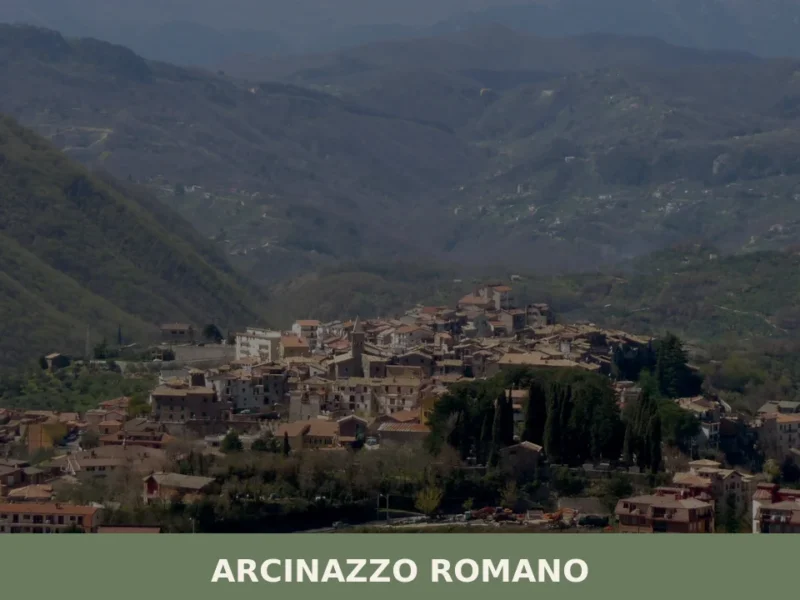
In Lazio More villages to discover

Ausonia
 Hills
Hills
What to see in Ausonia, Lazio, Italy: discover a 15th-century sanctuary, an 11th-century castle, and medieval frescoes. Explore the full travel guide now.
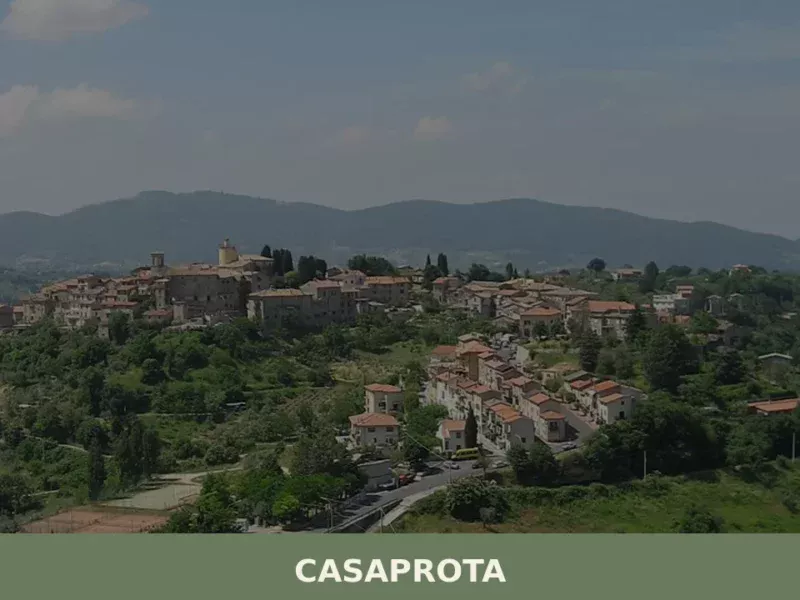
Casaprota
Hills
Discover Casaprota, a charming village in Lazio, Italy. Explore its history, culture, and scenic landscapes in the heart of the Italian countryside.
Arlena di Castro
Hills
With its 839 registered inhabitants and an elevation of 260 metres above sea level, Arlena di Castro occupies a tuff plateau in the Tuscia area of the Viterbo province, just a few kilometres from the border with the Lazio Maremma. The municipal territory preserves traces of Etruscan presence documented by necropolises and ceramic materials found […]
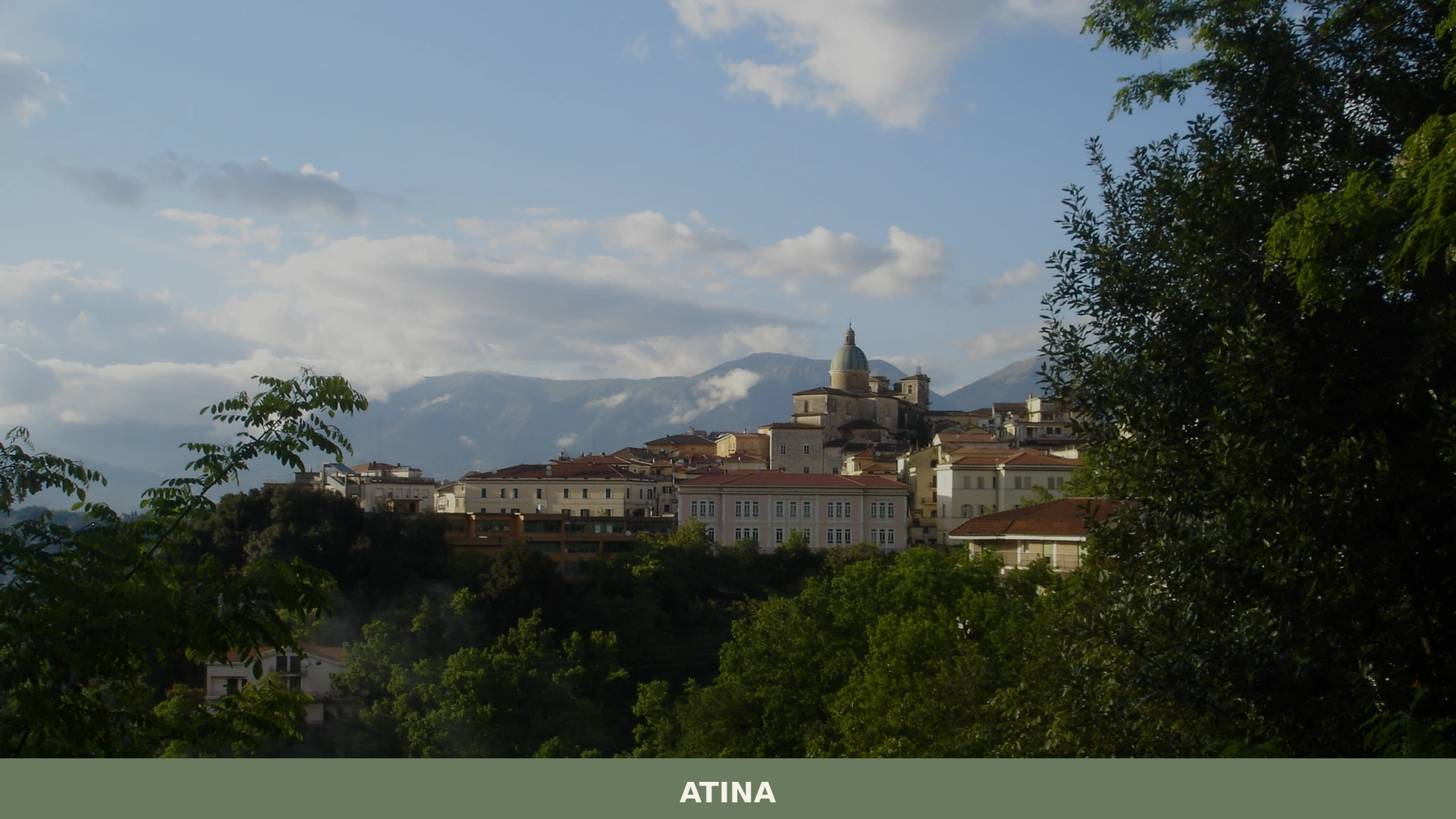
Atina
Mountain
What to see in Atina, Lazio, Italy: explore polygonal walls, a DOC wine zone, and a Baroque cathedral. Discover top things to do in this Frosinone village.
Lubriano
Hills
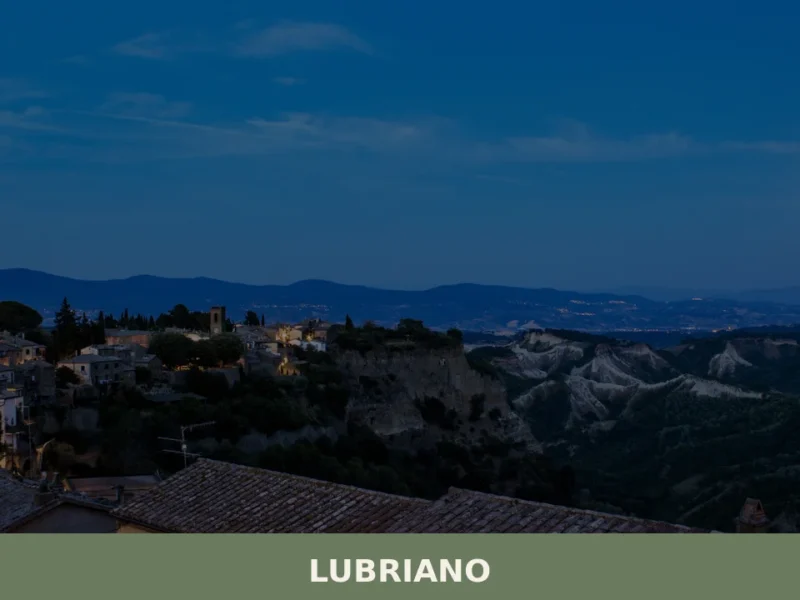
Lubriano has 864 inhabitants and occupies a tuff plateau at 441 metres above sea level, separated from the more famous Civita di Bagnoregio by a calanchi valley nearly two hundred metres deep. The municipal boundary runs along the edge of a gorge that geologists classify as one of the most active in Tuscia for erosion. […]
Anagni
Hills
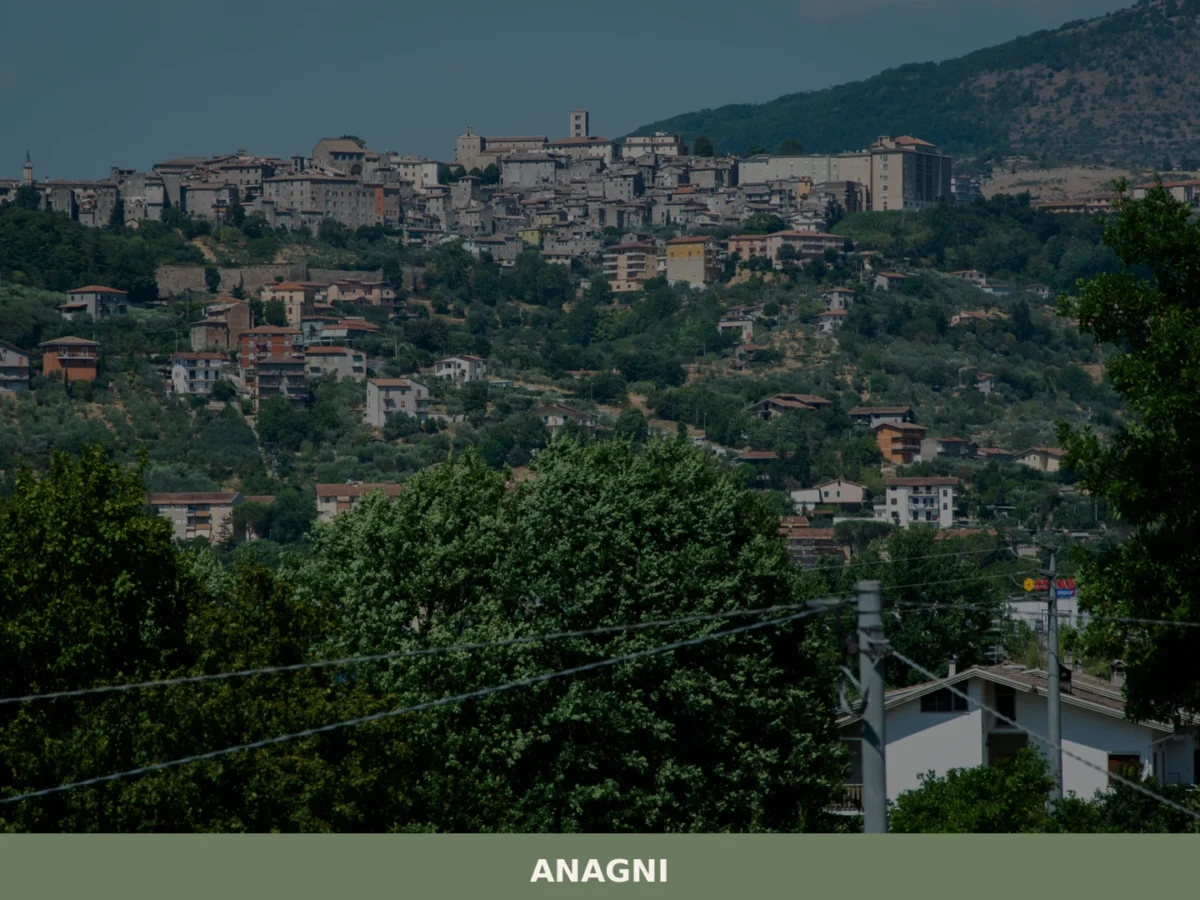
What to see in Anagni: from the Cathedral of Santa Maria to the medieval Crypt. Complete guide with 5 attractions, practical tips and a one-day itinerary.
Coreno Ausonio
Hills
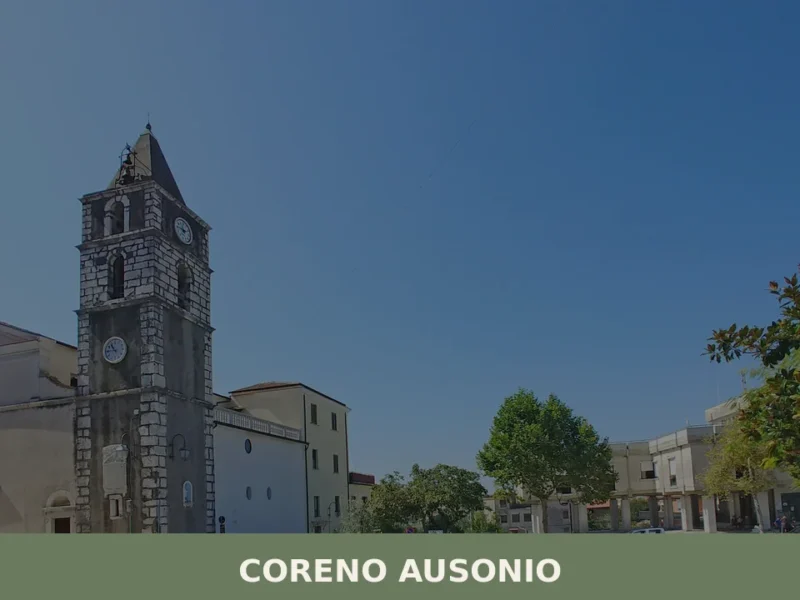
What to see in Coreno Ausonio, Italy: explore a village at 318 m with an 8th-century BC grotto, local festivals and hill scenery. Discover the complete guide.
Albano Laziale
Hills
 Lake
Lake
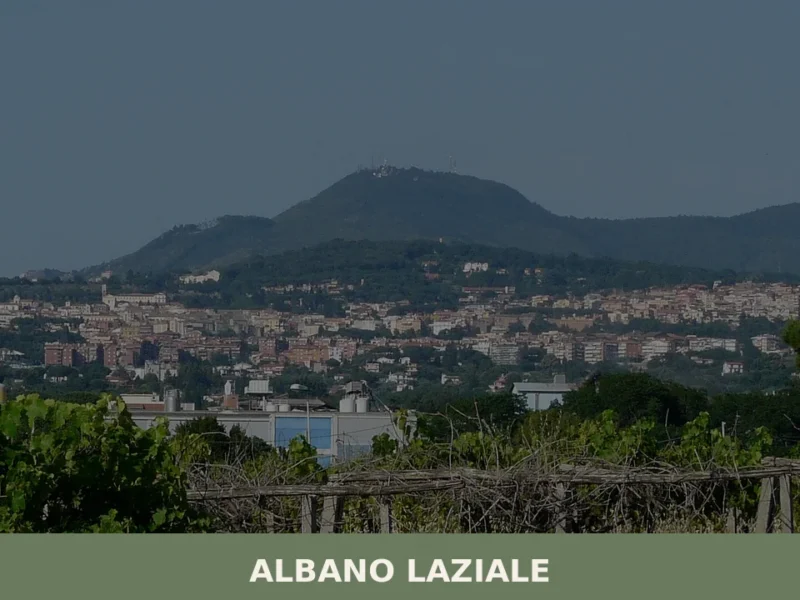
What to see in Albano Laziale, Italy: Lake Albano, Roman catacombs, and the Cathedral of St. Pancras at 400 m. Explore 38,983-inhabitant Lazio hill town. Discover now.
Acquapendente
Hills
What to see in Acquapendente, Lazio, Italy: cathedral dating to 1149, Monte Rufeno Reserve and local pottery. Population 5,619. Discover the full travel guide.
Allumiere
Hills
What to see in Allumiere, Lazio, Italy: explore the alunite mining history, Santa Maria Assunta church, and Borgo della Farnesiana. 4,146 inhabitants. Discover it now.

🏡 Know Alatri better than we do?
If you’re a local or have been there, your knowledge matters: add what’s missing or fix a detail on this page.