


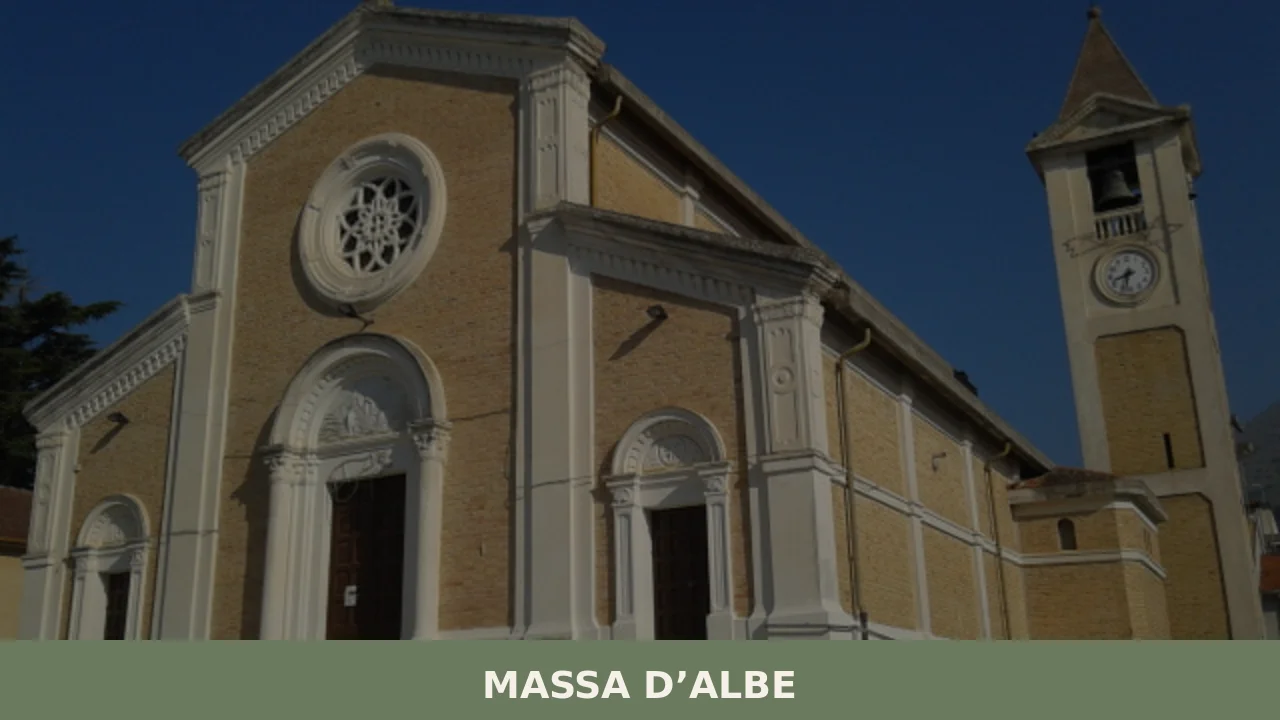
Massa d’Albe
 Mountain
What to see in Massa d’Albe: 5 attractions including Roman ruins, medieval churches and views over Fucino. Complete guide to visiting this Abruzzo village.
Discover Massa d’Albe
Where today little more than fourteen hundred houses stand scattered among the buttresses of Monte Velino, the Romans built in 303 BC a Latin colony destined to control the Fucino basin and the Marsican valleys: Alba Fucens.
The polygonal walls in squared stonework still hold the profile of the hill, and the volcanic basalt of the paved roads emerges through the grass with the same geometry as two thousand years ago.
The municipal territory of Massa d’Albe brings to the surface layers of time that rarely coexist with such density in so compact a space.
What to see in Massa d’Albe is a question that deserves a precise answer: the site of Alba Fucens, with its amphitheatre, forum, basilica and temples still recognisable, represents the main attraction, but the village also preserves medieval churches and a mountain landscape shaped by the presence of the Sirente-Velino Regional Park. Massa d’Albe has 1,471 inhabitants and is located in the province of L’Aquila, at around 750 metres above sea level, along the road connecting Avezzano to the ridges of the Marsica.
History and origins of Massa d’Albe
The founding of Alba Fucens in 303 BC as a Roman colony of Latin law marks the documented starting point of the history of this territory. Rome sent three thousand settlers here with the task of guarding the route towards the Fucino and controlling the Marsican peoples who had long resisted Roman expansion. The name itself, Alba, refers to the elevated position of the site — a limestone hill dominating the plain — while Fucens recalls Lake Fucino, drained only in the nineteenth century.
The colony was soon given a regular urban layout, with cardines and decumani intersecting according to the Roman orthogonal model, and within a few decades it became one of the most important centres of inland Abruzzo.
During the Social War of the first century BC, Alba Fucens was among the centres caught up in the tensions between Rome and its Italian allies, and following the civil wars it experienced a gradual demographic decline.
In subsequent centuries the population slowly moved towards lower elevations, giving rise to the medieval settlements that make up the present-day municipality of Massa d’Albe. The modern name appears in medieval sources as a reference to a cluster of houses — a landed “massa” — located near the remains of ancient Alba. The suffix “d’Albe” explicitly recalls the memory of the Roman city, which was never entirely forgotten by the inhabitants of the territory.
Throughout the Middle Ages the territory was subject to the affairs of the county of L’Aquila and the feudal dynamics that characterised inland Abruzzo between the twelfth and fifteenth centuries. The Romanesque churches built during this period — some of which are still standing — made partial use of reused materials from Roman buildings, a common practice in the Marsican area that makes every medieval structure also an indirect document of classical archaeology.
The administrative unification of the area under the municipality of Massa d’Albe is a relatively recent phenomenon, one that brought together hamlets and inhabited nuclei that for centuries had maintained distinct identities.
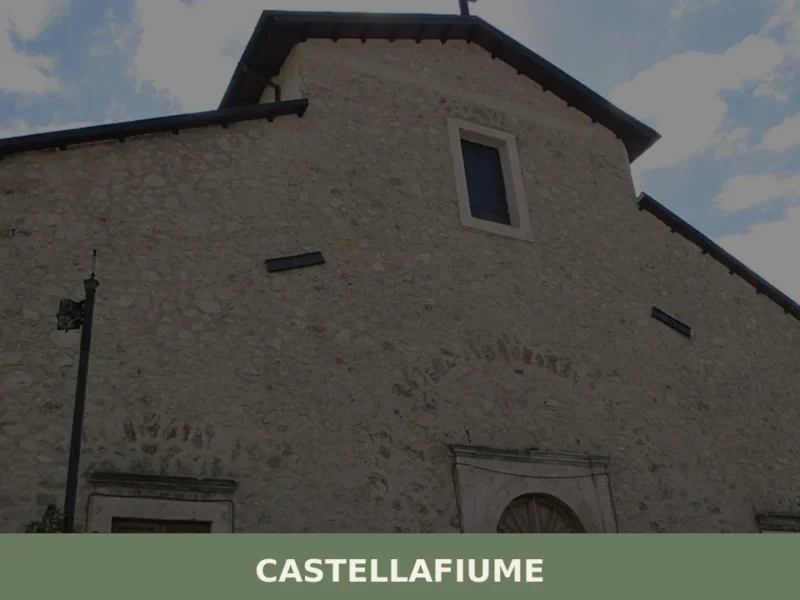
Visitors to the area can still perceive this stratification in the way the villages are distributed across the territory, each with its own church and its own visual relationship with the plain below. A territorial context in some ways similar can be found at Castellafiume, another municipality in the province of L’Aquila that passed through centuries of feudal domination, leaving visible traces in the built fabric.
What to See in Massa d’Albe: Main Attractions
The Archaeological Site of Alba Fucens
The perimeter walls of Alba Fucens extend for approximately three kilometres and in some sections reach a height of four metres: built in polygonal masonry using local limestone blocks, they constitute one of the best-preserved examples of Roman colonial fortification in central Italy.
Inside the walls, the street grid dating from the third century BC is still legible, and the main public buildings — forum, basilica, macellum, temples — have been brought to light through the systematic excavations conducted by the University of Ghent beginning in 1949.
Those who walk the paths running through the site find themselves in a landscape where archaeology and the Abruzzese countryside overlap seamlessly: the bases of the porticos, the basalt stone thresholds, the column drums arranged along the decumani. The best time to visit Alba Fucens is in the morning, when the raking light accentuates the relief of the masonry structures and the contours of the landscape are still sharp before the afternoon haze sets in.
The Roman Amphitheatre
The amphitheatre of Alba Fucens is one of the best-preserved Roman-era entertainment buildings in Abruzzo, with a cavea that exploits the natural slope of the hill to accommodate the tiers of seats. Most likely built during the Imperial age, it displays the elliptical structure typical of Roman amphitheatres, with the remains of radial walls that subdivide the substructure into wedge-shaped sections.
The walls in opus incertum and opus reticulatum reveal successive construction phases, and the stratigraphic reading is relatively straightforward for those familiar with Roman building techniques.
From the top of the cavea the gaze reaches the Fucino plain to the west and the ridges of Monte Velino to the north, a perspective that makes clear why the Roman founders chose this hill as the focal point of their settlement. Access to the area is managed together with the rest of the Alba Fucens site.
The Church of San Pietro at Alba Fucens
Built largely from reused materials taken from the surrounding Roman buildings, the church of San Pietro stands on a rise within the perimeter of the ancient city and physically occupies the space of a temple dedicated to Apollo, whose podium it incorporates as the base of the medieval structure.
The building dates in its current form to the twelfth century and belongs to the Abruzzese Romanesque tradition: the façade in local limestone, articulated by hanging arches, displays the construction technique typical of monastic workshops in the Marsica region.
Inside, the reused columns with capitals of varying orders bear witness to the material continuity between the Roman and medieval periods. The bell tower, which rises on the left flank, is visible from much of the plain below and serves as an orientation point for those travelling along the provincial road towards Avezzano.
The Medieval Village and Its Churches
The inhabited centre of Massa d’Albe and its hamlets preserve a collection of Romanesque and Gothic churches that document the religious vitality of the area between the twelfth and fourteenth centuries. The structures in grey limestone, with simple portals and single-nave interiors, reflect the austerity of religious architecture in the inland Marsica region, far removed from the great coastal building sites.
Some buildings feature frescoes in a partial state of preservation, executed between the thirteenth and fifteenth centuries in accordance with the Abruzzese pictorial tradition.
Moving between the hamlets gives a sense of a territory that in the Middle Ages was more densely populated than it appears today, with every inhabited hilltop endowed with its own place of worship. It is well worth walking the connections between the inhabited centres to appreciate the changes in elevation and the visual openings onto the Fucino plain, today transformed into one of the most extensive flat agricultural areas in Italy following the nineteenth-century draining of the lake.
The Landscape of the Sirente-Velino Regional Park
The territory of Massa d’Albe falls within the Sirente-Velino Regional Park, a protected area that safeguards the limestone ridges among which Monte Velino stands out, reaching an altitude of 2,487 metres above sea level.
The contrast between the Fucino plain, at approximately 650 metres, and the rocky crests exceeding two thousand metres creates an exceptional environmental gradient, with habitats ranging from the Mediterranean zone to high-altitude alpine meadows.
The trails departing from the hamlets of Massa d’Albe allow visitors to reach the oak and beech woodland areas within a short distance from the village, and at higher elevations summer pastures still in use can be encountered. The park’s wildlife includes the Apennine wolf, the Abruzzo chamois and several species of birds of prey. Those who walk the trails in late spring will find the meadows in bloom and the springs still flowing after the melting of the snow.
Local Cuisine and Products of Massa d’Albe
The cuisine of the Marsica area, of which Massa d’Albe is part, has historically developed around the agro-pastoral economy that characterised the inland territories of L’Aquila. The transhumance between high-altitude pastures and coastal plains has left deep traces in local eating habits: mutton, sheep’s dairy products and pork cold cuts formed the protein base of the peasant diet, alongside legumes cultivated on the Fucino plain and cereals grown on the hillside slopes.
The geographical isolation of the inland area encouraged the preservation of processing techniques and recipes handed down within families, with minimal variations from one village to the next.
Among the documented dishes of the local tradition, pasta alla pecorara represents one of the most direct examples of this cuisine of pastoral origin: hand-made fresh pasta, dressed with a mutton meat sauce, grated aged pecorino cheese and dried chilli pepper, according to a recipe that varies in the proportion of ingredients but not in its basic structure.
Legume soups — white beans, mountain lentils, grass peas — were the main meal during lean periods and have remained on the local table as a winter first course. The pecorino produced in the Marsica area, aged in traditional rounds for varying lengths of time, is eaten both fresh and matured, accompanying both savoury dishes and certain sweet preparations typical of the Easter period.
With regard to certifications, no products with PDO, PGI or PAT designations specifically associated with the municipality of Massa d’Albe appear in the database. The local gastronomic tradition is best sought at direct-sale outlets in the hamlets and at the weekly markets in Avezzano, the nearest urban centre, where producers from the Marsica area bring cheeses, cured meats and vegetables.
The Fucino plain, today entirely under cultivation, supplies carrots, potatoes and celery of documented quality — products that feature in the area’s home cooking.
Those visiting Massa d’Albe in summer will find restaurant menus based on these fresh seasonal ingredients.
A similar gastronomic context, grounded in the same Apennine agro-pastoral tradition, can be found in the inland areas of Abruzzo that gravitate around the Majella massif and the Peligna Valley, as in the case of Lama dei Peligni, where the mountain cuisine retains characteristics analogous to those of the hinterland around L’Aquila.
Festivals, Events and Traditions of Massa d’Albe
Available sources do not document the individual patron saint festivals of Massa d’Albe’s hamlets with precise dates, a fact that reflects the polycentric structure of the municipality, where each inhabited nucleus has historically celebrated its own patron saint with distinct local rites. The Catholic tradition in the Marsica area generally involves processions, sung masses and moments of community gathering during the summer months, when the return of emigrants and temporary residents swells the local population.
The celebrations tied to the agrarian calendar — the end of sowing, the harvest — have left traces in the popular festivals that still mark the calendar of the small inland communes around L’Aquila.
The site of Alba Fucens serves as the setting for cultural events and historical re-enactments organised periodically in collaboration with local authorities and universities.
The theatrical performances and concerts held in the Roman amphitheatre during the summer months make the most of the cavea’s natural acoustics and the evocative backdrop of the ruins. For up-to-date dates and event programmes, it is advisable to consult the official website of the Municipality of Massa d’Albe or the tourist offices of Avezzano, which coordinates much of the cultural offering of the Marsica region.
When to Visit Massa d’Albe and How to Get There
The period between May and September offers the best conditions for what to see in Massa d’Albe: temperatures on the plateau are mild, the Alba Fucens site is easy to walk through, and the trails of the Sirente-Velino Park are accessible up to the highest elevations. July and August coincide with the summer events held in the Roman amphitheatre. Those who prefer to avoid the heat can choose May or September, months when the agricultural landscape of the Fucino plain is particularly vibrant and queues at tourist sites are non-existent.
Winter is not a recommended period for hiking, but the archaeological site remains visitable on fine days, with a winter light that enhances the textures of the limestone.
By car, the most direct connection runs via the A24 Rome–L’Aquila motorway, exiting at Carsoli and continuing along the SS5 Tiburtina towards Avezzano, or via the A25 motorway with the Avezzano exit.
From the centre of Avezzano, Massa d’Albe is approximately 12 km to the north, following the signs for Alba Fucens. The nearest railway station is Avezzano, served by the Rome Tiburtina–Avezzano line. The reference airport is Rome Fiumicino International, approximately 130 km from the municipality. For up-to-date train timetables, it is advisable to consult the Trenitalia website.
| Departure Point | Distance | Estimated Time |
|---|---|---|
| Rome (A24, Carsoli exit) | approx. 110 km | 1 hour 20 minutes |
| Avezzano (town centre) | approx. 12 km | 20 minutes |
| L’Aquila | approx. 50 km | 50 minutes |
| Rome Fiumicino Airport | approx. 130 km | 1 hour 40 minutes |
Those planning a broader itinerary through inland Abruzzo can combine a visit to Massa d’Albe with a stop at Giulianova, on the Adriatic coast, reachable in approximately two hours by taking the SS5 Tiburtina as far as L’Aquila and then heading down towards Teramo.
The contrast between the mountainous hinterland of the Marsica and the Adriatic coast makes this route one of the most varied in Abruzzo in terms of landscape and historical heritage.
For those who wish to remain in the mountain hinterland instead, Villa Celiera, in the Pescara area, offers a further perspective on Abruzzo’s Apennine rural civilisation, with architectural features similar to those of the villages of the Marsica.
📷 Photo Gallery — Massa d’Albe
Getting there
Piazza del Municipio, 67050 Massa d'Albe (AQ)
Nearby Villages near Massa d’Albe
In Abruzzo More villages to discover
Treglio
 Plains
What to see in Treglio? Explore the 5 main attractions of this village in Abruzzo. Discover the complete guide for your visit!
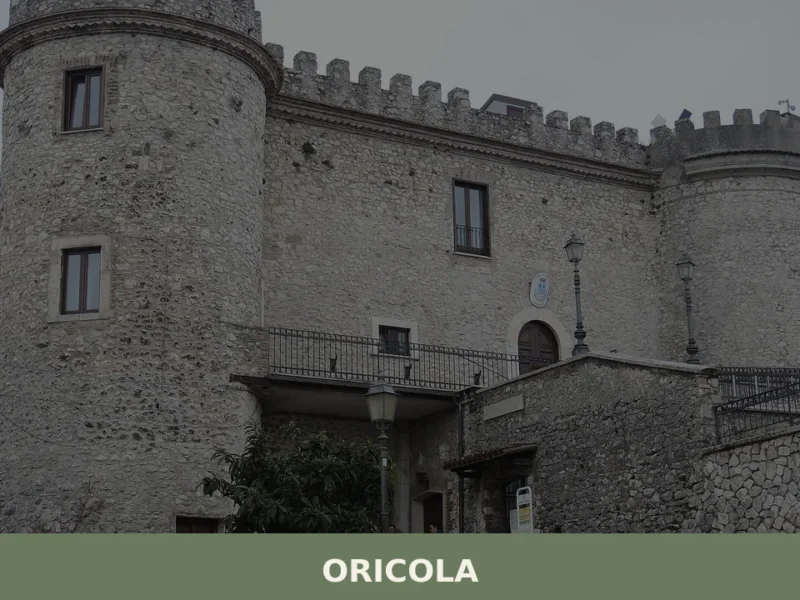
Oricola
Mountain
What to see in Oricola, Italy? Explore its 1,182 inhabitants, ancient Italic settlements, and a mid-15th century fortress. Discover this Abruzzo village.
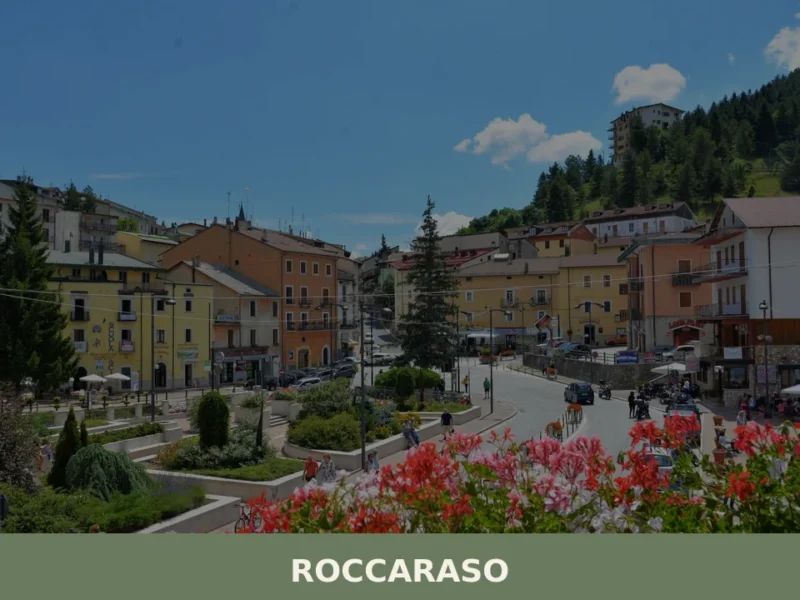
Roccaraso
Mountain
What to see in Roccaraso, Abruzzo, Italy: ski slopes at 1,236 m, the Church of Santa Maria Assunta, and the Alto Sangro ski area. Discover top attractions now.
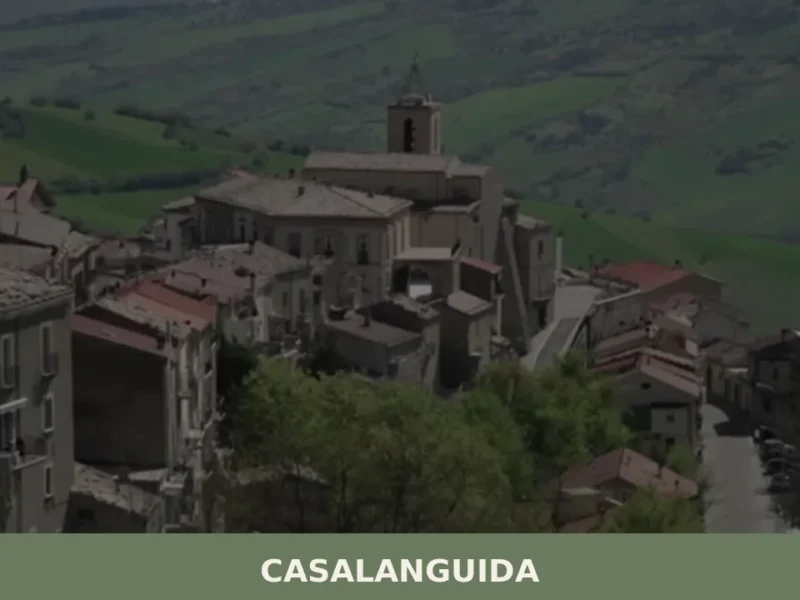
Casalanguida
 Hills
Hills
With its 818 registered inhabitants and an elevation of 470 metres above sea level, Casalanguida occupies a hilltop ridge in the middle Sinello valley, in the province of Chieti. The municipal territory extends across vineyards and olive groves that mark the landscape with regular geometric patterns, visible from the provincial road that climbs up from […]
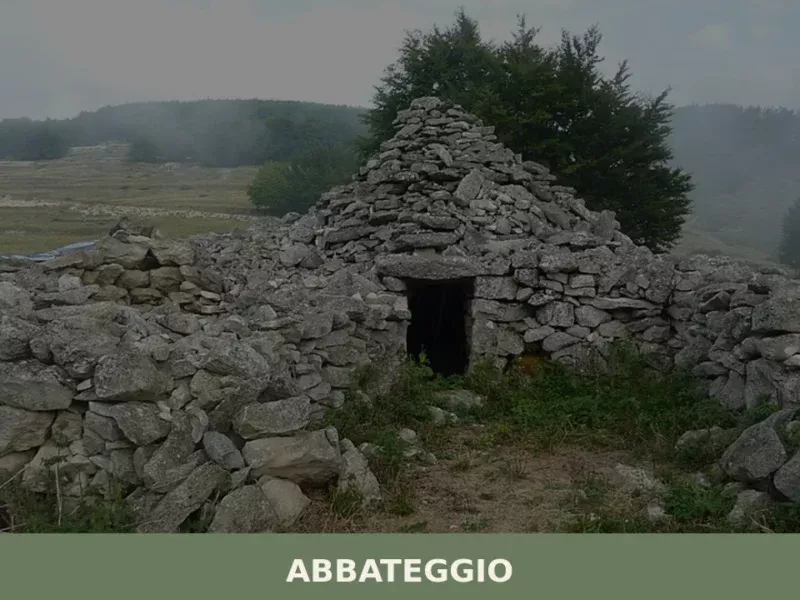
Abbateggio
Hills
With just 359 registered inhabitants, Abbateggio is one of the least populated municipalities in the province of Pescara, situated at 450 metres above sea level on the eastern slope of the Majella. Asking what to see in Abbateggio means preparing for an itinerary that covers sacred architecture built in Majella stone, farro and olive oil […]
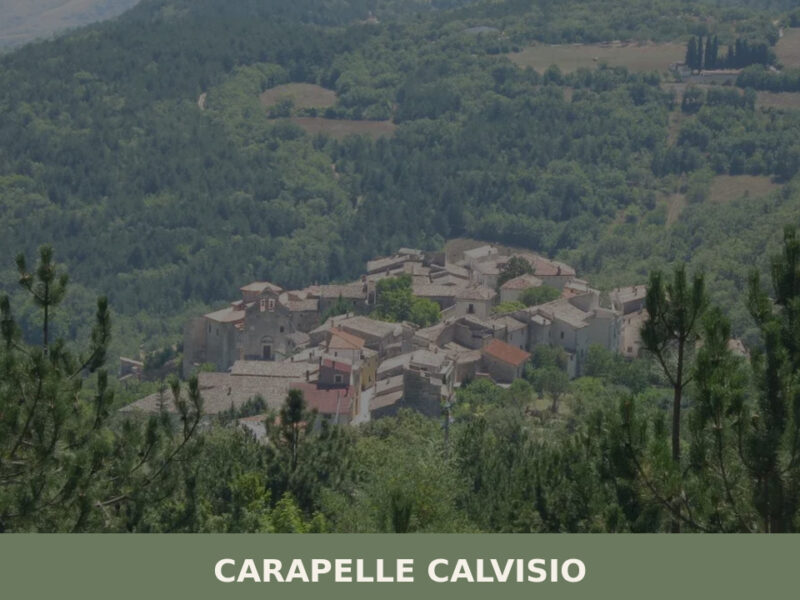
Carapelle Calvisio
Mountain
What to see in Carapelle Calvisio, Italy? Explore this village at 910 m (2,986 ft) altitude, visit Rocca Calascio, and discover its unique population status. Read our guide!
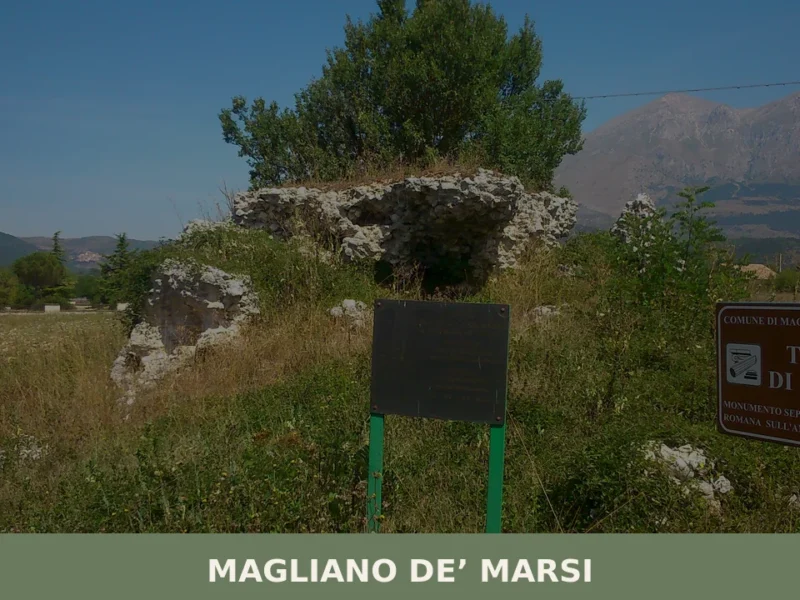
Magliano de’ Marsi
Mountain
Magliano de’ Marsi has 3,739 inhabitants and extends along the western slope of the Fucino Plain, in the province of L’Aquila, at an altitude of approximately 720 metres. The town lies along the route that once connected Rome to the Adriatic coast through the Marsica basin, and its urban layout still bears the marks of […]
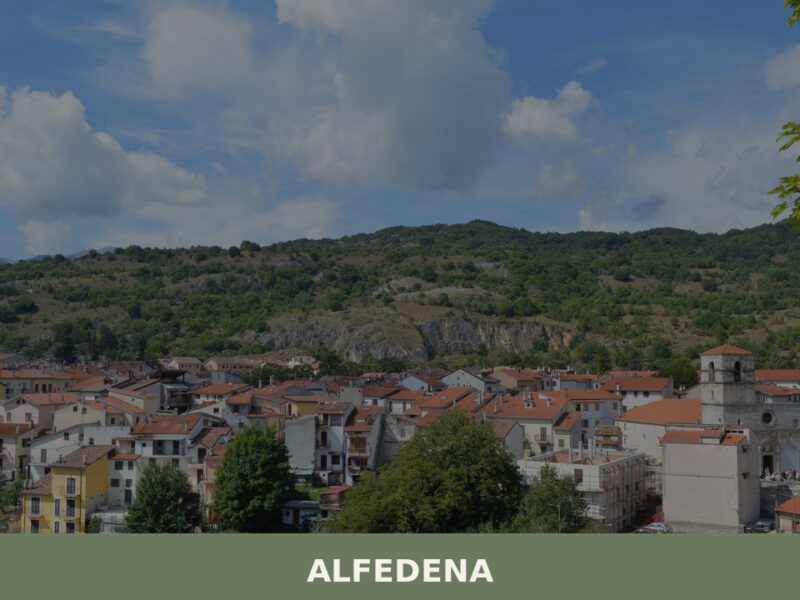
Alfedena
Mountain
Morning light falls across a line of limestone rooftops, turning them the colour of raw honey. A church bell marks the hour — its sound rolls downhill, across empty streets still cool from the night, and fades into the forested slopes of the upper Sangro valley. Alfedena sits at roughly 914 metres above sea level […]
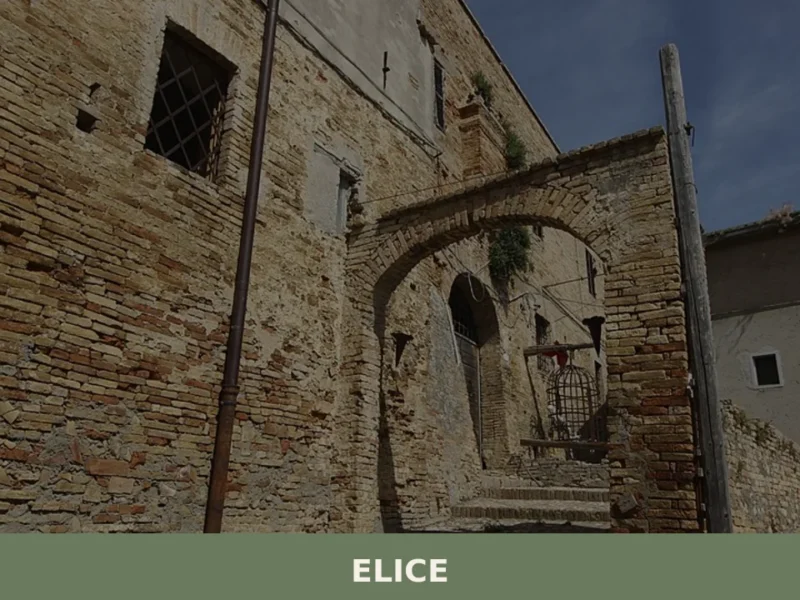
Elice
Hills
What to see in Elice, Italy: Discover its 259 m altitude, ancient origins, and ceramic heritage. Explore Elice, Abruzzo, for a historical journey.
Rocca Pia
Mountain
what to see in rocca pia, Italy: Explore this Abruzzo comune near L'Aquila. Discover its territory extending to the Cinquemiglia Plain. Read our guide.


🏡 Know Massa d’Albe better than we do?
If you’re a local or have been there, your knowledge matters: add what’s missing or fix a detail on this page.