


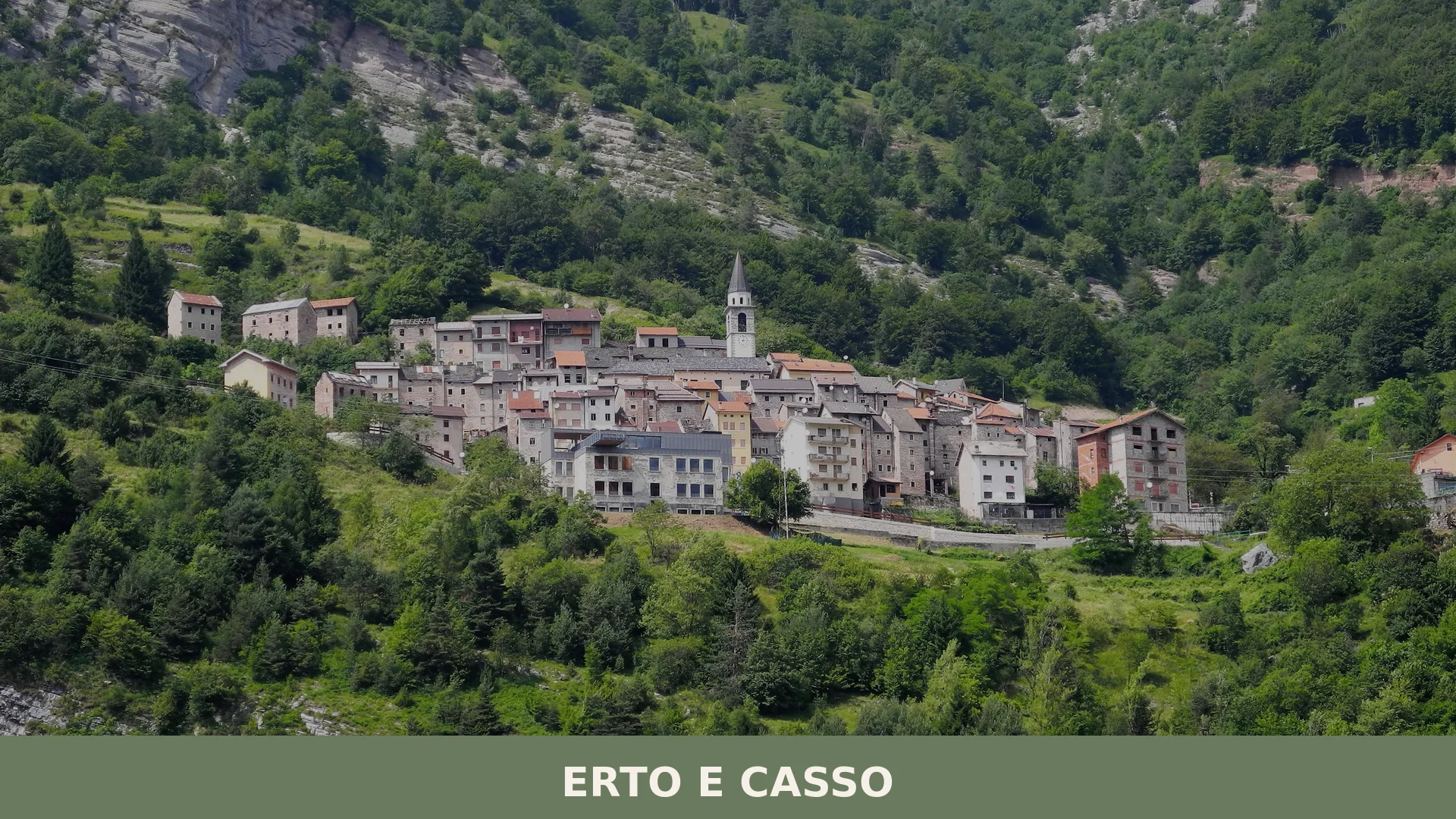

Erto e Casso is a mountain comune of about 360 inhabitants at 814 metres in the Val Vajont, Pordenone, forever linked to the catastrophic landslide of 9 October 1963.
Discover Erto e Casso
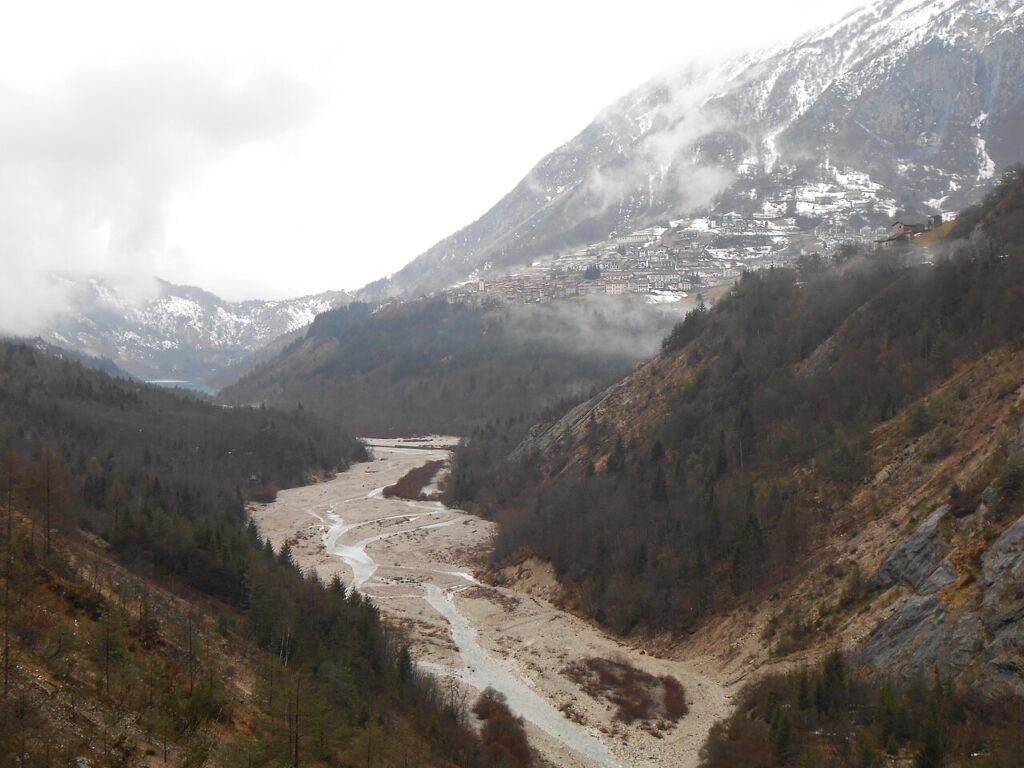
Erto e Casso is a mountain comune of about 360 inhabitants in the Valle del Vajont, province of Pordenone, Friuli-Venezia Giulia, set at around 830 metres above sea level and covering some 52.48 square kilometres at the westernmost edge of the region. Its two historic settlements — Erto, the municipal seat, and the near-deserted hamlet of Casso — face the Monte Toc across the valley, the mountain whose collapse on the night of 9 October 1963 sent an enormous landslide into the artificial reservoir below, triggering a wave that killed around two thousand people in Longarone and claimed 347 victims in the comune itself.
That catastrophe made Erto e Casso village in Friuli-Venezia Giulia one of the most sombre and significant places of twentieth-century Italian history, and the comune was declared a national monument in 1976. Yet the valley held a living culture long before the disaster: distinct dialects, stone tower-houses, a centuries-old tradition of the Passion play on Good Friday, and documentary roots reaching back to a land transaction recorded in 1324.
Erto e Casso village in Friuli-Venezia Giulia: history and identity
Erto e Casso is a mountain community in the Valle del Vajont whose documented history stretches back to the early fourteenth century, shaped by two distinct origins, long-standing rivalry between its settlements, and the catastrophic night of 9 October 1963 that forever defined its identity. The earliest written record of Erto dates to 1324, when a transaction — the sale of a plot of land described as «de uno manso iacente in Herto» — was concluded between two bellunesi, Daniele Fabbro and Antonio di Castello. Casso appears slightly later: on 19 September 1332, three men from Belluno appointed a representative to be invested by the abbot of Sesto with rights over the resources of Casso. By 1558 the abbot was condemning Casso’s inhabitants for illegal logging in the wood of Tocco, confirming that a settled community had taken root there. A Venetian Senate decree of 1652 acknowledged the two villages as «consorti» — partners with equal rights — yet their differences ran deep enough that in 1703 their requests for formal administrative separation were granted.
The two communities diverged not only in governance but also in language and religious allegiance. Erto fell within the parish of Cimolais, itself under the patriarchate of Aquileia, and its people spoke a transitional idiom between Ladin and western Friulian. Casso, settled by people of Bellunese origin, answered to the parish of Castellavazzo under the bishop of Belluno, and its dialect retained archaic Venetian features. During the nineteenth century, demographic pressure with little economic relief drove a strong emigration wave — particularly from Casso — toward Brazil. The following century brought further hardship: the First World War and the subsequent Spanish flu epidemic, and during the Second World War, sharp tensions between fascist and anti-fascist factions, with both the Osoppo and Garibaldi partisan divisions operating in the area.
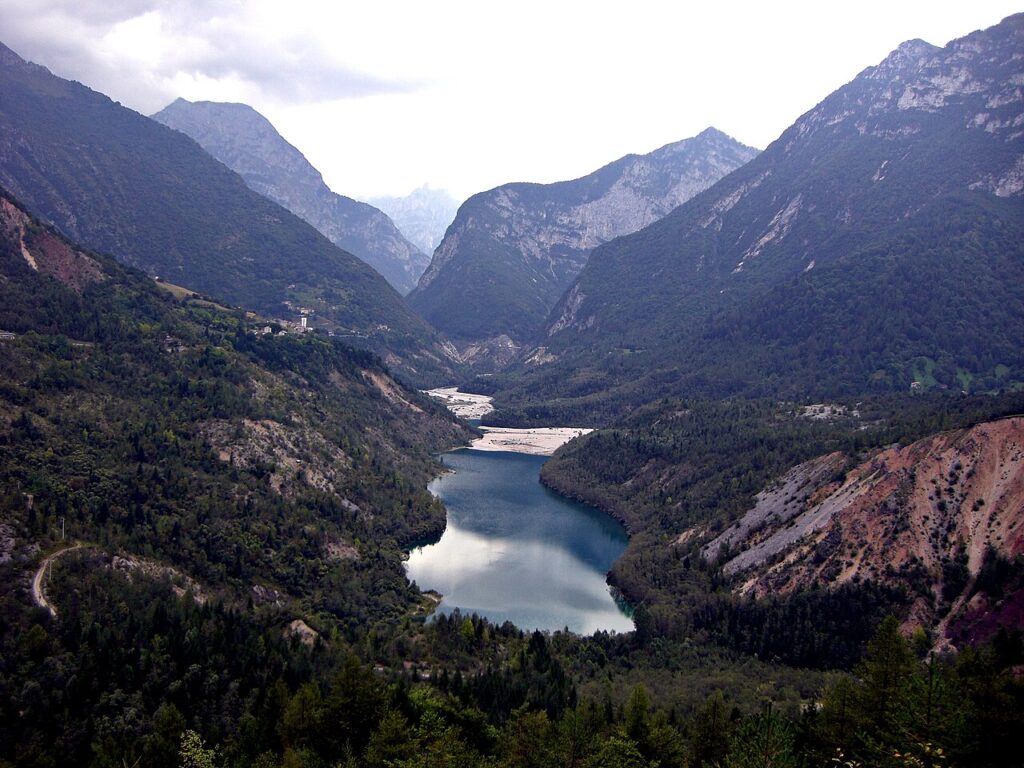
Between the late 1950s and early 1960s, the energy company SADE built a double-curvature dam 830 metres high in the gorge of the Colombèr, turning the Vajont valley into an artificial reservoir. Warning signs came early: two landslides occurred during the first test filling in 1960, prompting monitoring of an unstable slope covering around 200 hectares on Monte Toc. Despite further fillings in 1962 and 1963, adequate protective measures were never put in place. On the night of 9 October 1963 a massive section of Monte Toc broke away and plunged into the reservoir. The resulting wave obliterated the hamlets of Fraseign, Spesse, Pineda, Prada, Marzana and San Martino, and heavily damaged both Erto and Casso; 347 people from the two villages lost their lives, while the flood that swept down to Longarone claimed approximately two thousand victims in total. In 1976 the commune was declared a national monument, and its story was later brought to wide public attention through Marco Paolini’s theatrical monologue written with Gabriele Vacis, and through Renzo Martinelli’s 2001 film Vajont.
Between the Vajont and the Dolomites: churches, memory, and stone in Erto e Casso
Erto e Casso offers visitors the Centro Visite dedicated to the 1963 Vajont disaster, two historic parish churches, an experimental cultural centre in Casso, a rock-climbing wall, and the diga del Vajont itself — at 830 metres the tallest dam in Italy.
Centro Visite “La catastrofe del Vajont”
Housed in the former elementary school building in Erto, this is one of the most complete documentation centres on the Vajont disaster. The section titled “Vajont Immagini e memorie” holds a collection of period photographs tracing the life, traditions and customs of the valley’s communities before the night of 9 October 1963, when a section of Monte Toc broke away and fell into the reservoir below the dam.
Parrocchiale di San Bartolomeo, Erto
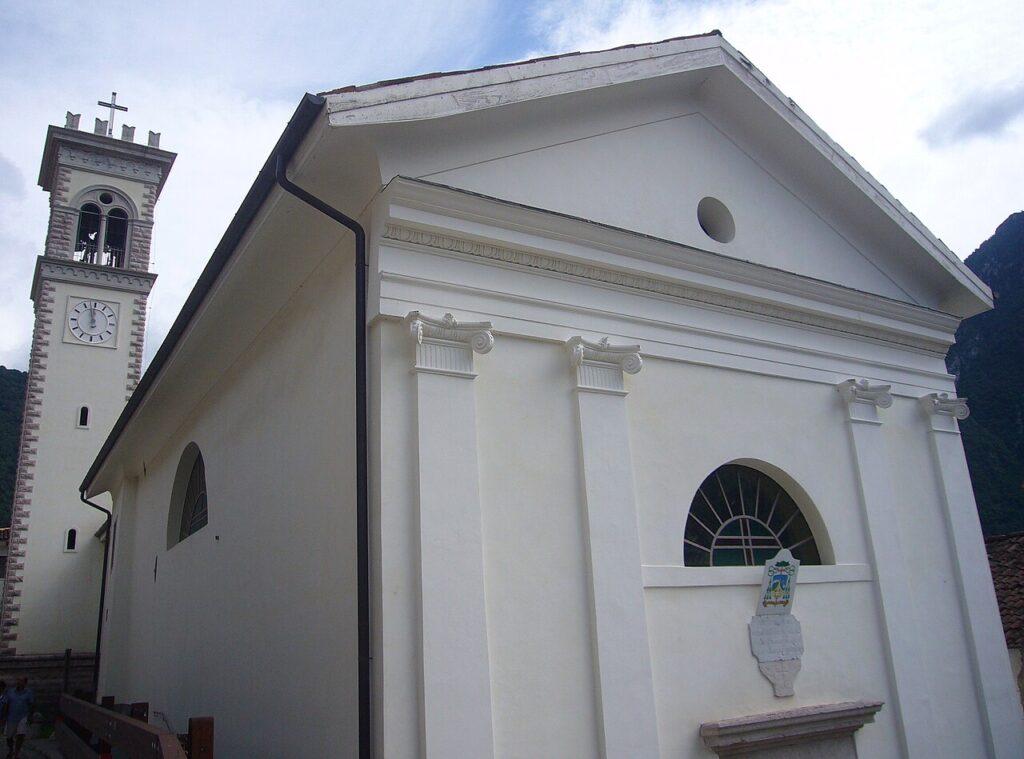
The parish church of Erto preserves a wooden crucifix, the work of a sculptor known by the epithet “Michelangelo del legno.” A separate church of San Bartolomeo was built between 1970 and 1974 in the new settlement at Erto Nuova, in the locality of Stortàn near Ponte nelle Alpi; it was designed by G. Gresleri.
Chiesa dei Santi Gervasio e Protasio, Casso
The parish church of Casso, dedicated to Saints Gervasius and Protasius, gives its name to the local feast held on 21 and 22 June each year. Beyond this, the sources provide no further detail about the building’s fabric or furnishings.
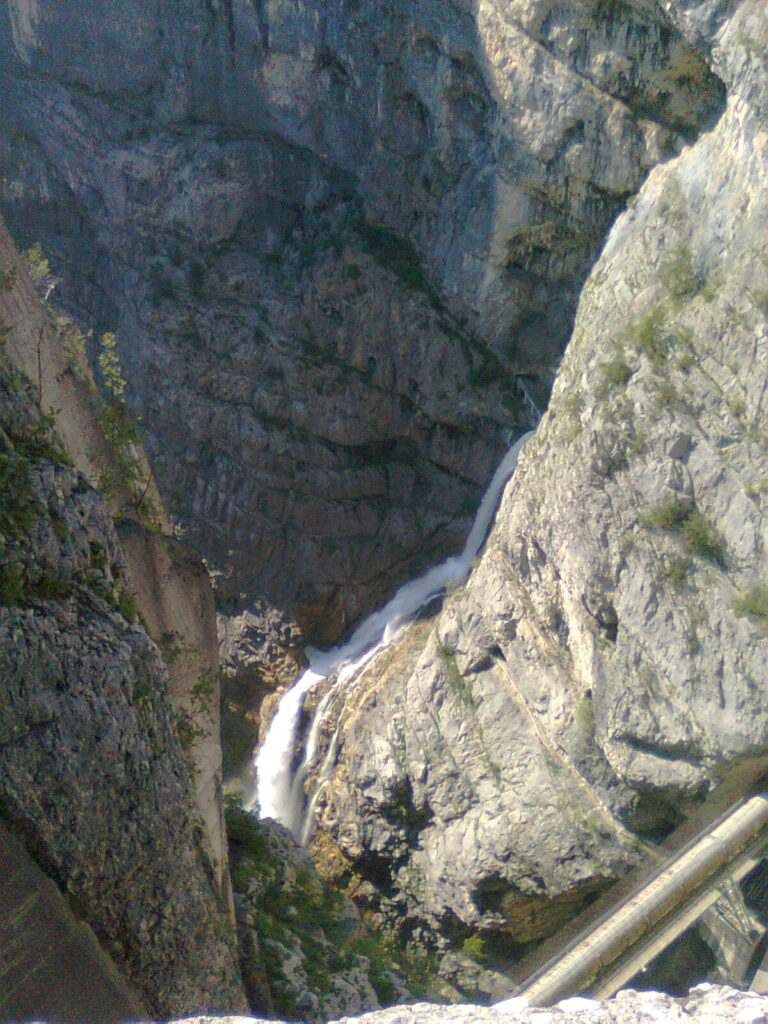
Diga del Vajont and the Forra del Colombèr
The double-curvature arch dam, raised in the Colombèr gorge by SADE between the late 1950s and early 1960s, stands 830 metres high. It remains standing today and has been recognized as a significant site in the FAI “I Luoghi del Cuore” initiative.
Dolomiticontemporanee — Nuovo Spazio di Casso
An experimental centre for mountain culture, established in the nearly deserted village of Casso, this space operates under the name Dolomiticontemporanee. The sources give no further description of the building or its programme.
Architecture of Erto and Casso
The traditional domestic architecture of both villages is characterised by the so-called case a torre, tower houses typical of the mountain building tradition of this area. The ensemble was significant enough for the municipality to be declared a national monument in 1976 and placed under the protection of Law no. 1089/1939.
Flavours of the Vajont Valley: Products from the Pordenone Area
Erto e Casso sits within a mountain territory whose broader Pordenone province and Friuli-Venezia Giulia region are home to several certified products, including two DOP cheeses and cured meats, though none of these are exclusive specialities of this small comune. The most distinctive certified items from the wider area are Montasio DOP, a pressed cow’s-milk cheese aged anywhere from a few weeks to well over a year, and Brovada DOP, turnips fermented in grape marc and a cornerstone of traditional Friulian cuisine. From the mountains surrounding the valley, Pitina IGP stands out: a smoked meatball made with wild game or mutton, shaped by hand and cured — a genuinely alpine product that reflects the pastoral traditions of this corner of the Dolomites. Salamini italiani alla cacciatora DOP round out the certified charcuterie offer from the province.
Among the traditional products cited for the regional territory, look out for distillates of mountain pear and syrups made from elderflower, bilberries and other small fruits, as well as dandelion syrup — preparations rooted in the self-sufficient mountain economy that shaped villages like Erto and Casso for centuries. Wines produced closer to the plains, under denominations such as Friuli Grave DOC, accompany meals in the valley, while the wider regional offer spans appellations including Friuli Colli Orientali DOC, Collio DOC and the DOCG Rosazzo.
Planning your visit and getting there
Erto e Casso can be reached easily from the lower Val Pellice and the Turin area. The practical distances and journey times below are kept concise on purpose, so the access information stays clear and consistent.
| Departure | Distance | Time |
|---|---|---|
| Pordenone | approx. 60 km | approx. 1 h 10 min |
| Udine | approx. 100 km | approx. 1 h 30 min |
| Belluno | approx. 40 km | approx. 50 min |
| Venezia | approx. 130 km | approx. 1 h 45 min |
These practical reference points are enough to plan the journey without overloading the text with unstable logistics. Once on site, the village is best understood slowly, on foot and in relation to the surrounding landscape.
Frequently asked questions about Erto e Casso
What is the best time to visit Erto e Casso?
Late spring through early autumn (May–September) offers the most pleasant mountain weather for hiking and exploring the valley. The feast of Saint Bartholomew (patron saint) is celebrated on August 24th, featuring local traditions and community gatherings. Winter brings snow at this 830-metre elevation, making some routes challenging. The Good Friday Passion play, a centuries-old tradition, occurs during Easter, attracting visitors seeking authentic cultural experiences in this historic mountain community.
How do I reach Erto e Casso by car?
Erto e Casso is located in the Valle del Vajont in the province of Pordenone, Friuli-Venezia Giulia, at the region's western edge. The nearest major motorway is the A27. From Pordenone (approximately 40 km south), follow regional roads northward into the Vajont Valley. The drive ascends to 830 metres elevation. Parking is available in both Erto (the municipal seat) and the hamlet of Casso. Allow 45 minutes to one hour from Pordenone depending on road conditions.
What should I know before visiting regarding the village's history?
Erto e Casso holds profound historical significance as the site of the 1963 Vajont disaster, when Monte Toc collapsed, killing approximately 2,000 people in Longarone and 347 in this comune. The village was declared a national monument in 1976 in commemoration. Visitors should approach respectfully. The community maintains strong cultural roots documented back to 1324, including distinctive dialects and stone tower-house architecture, making it a place of both tragedy and enduring mountain heritage.
What outdoor activities and trails are available?
The mountainous Valle del Vajont terrain offers hiking opportunities suited to various levels. CAI (Italian Alpine Club) marked routes connect the valley and surrounding peaks. The landscape between Erto and Casso and the Dolomites provides scenic trekking. The area's documented stone architecture and churches reward walking exploration. Specific trail conditions and difficulty ratings should be confirmed with local tourist information before departure, particularly regarding seasonal accessibility at this 830-metre elevation and weather-dependent mountain conditions.
How long should I plan to spend in Erto e Casso?
A meaningful visit requires at least half a day to explore both settlements, view the Vajont landscape, and understand the historical context. One full day allows time for memorial sites, churches, local architecture study, and a meal featuring Valle del Vajont regional products. Hikers planning valley trails or Dolomite routes should allocate additional days. The small population (360 inhabitants) and intimate character reward slower, reflective visits rather than rushed sightseeing.
📷 Photo Gallery — Erto e Casso



In Friuli-Venezia Giulia More villages to discover
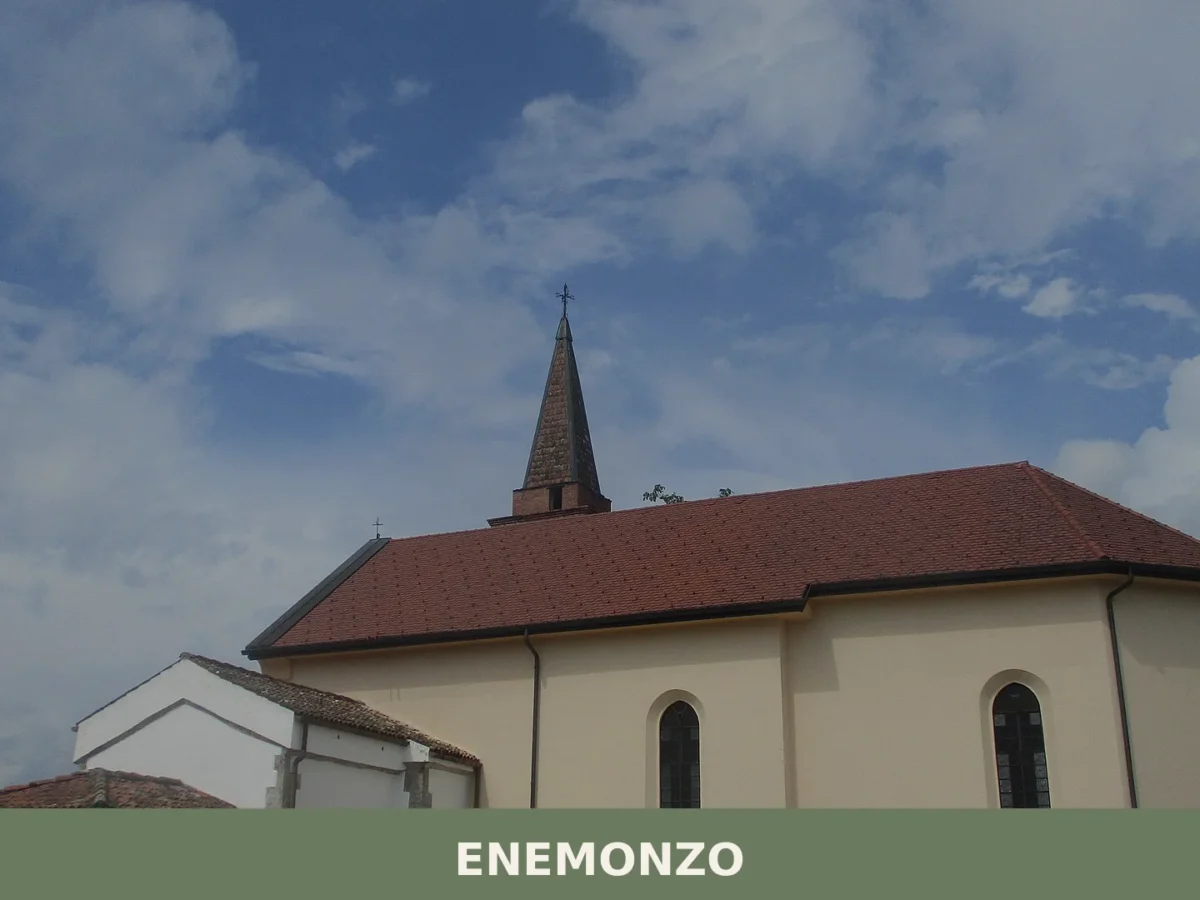
Enemonzo
 Mountain
Enemonzo is a mountain comune of about 1,240 inhabitants in the Carnia district of Friuli-Venezia Giulia, set where the Tagliamento and the Degano meet at roughly 400 metres above sea level.
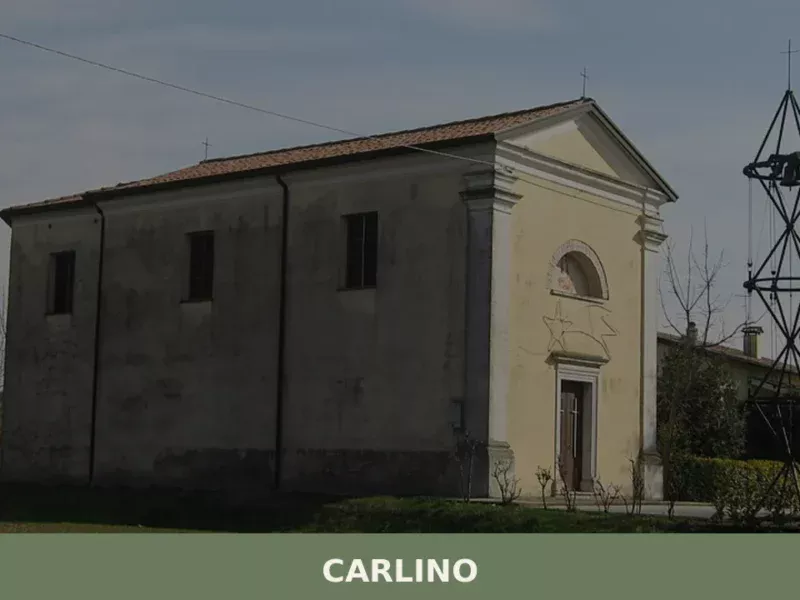
Carlino
 Plains
The first thing you notice arriving in Carlino is the industrious silence of the Friulian plain, broken only by the rustle of water flowing through the drainage canals that cross the municipal territory. We are in the Bassa Friulana, province of Udine, just a few kilometres from the Marano Lagoon, in a land where agriculture […]
Cavazzo Carnico
Mountain
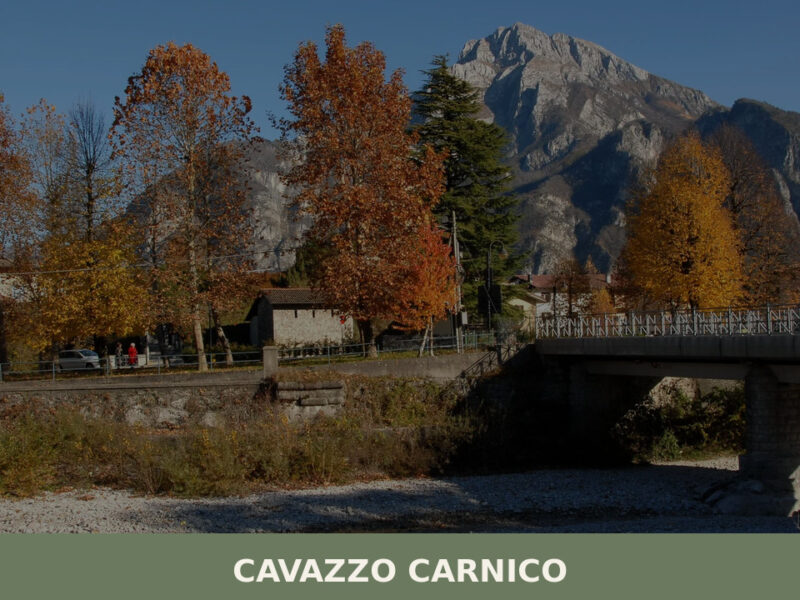
Cavazzo Carnico sits beside Friuli Venezia Giulia's largest natural lake, where Romanesque parish churches and Alpine trails converge in Carnia's quiet middle valleys.
Coseano
Plains
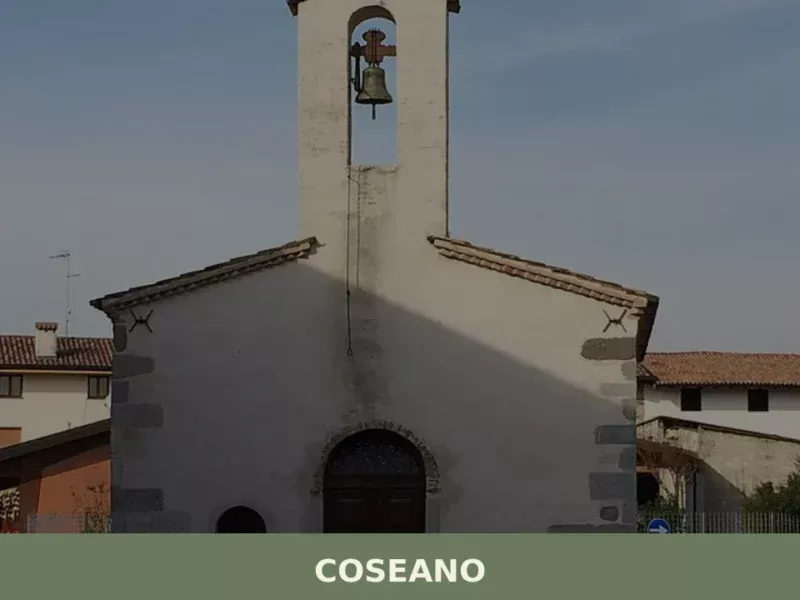
In 1275, a document from the Patriarchate of Aquileia records the name Cosean among the communities subject to feudal jurisdiction in the Udine hill area. Seven centuries later, the municipality retains its rural layout, spread across the main settlement and the hamlets of Cisterna, Barazzetto, Muscletto and Nogaredo di Coseano, scattered over flat terrain at […]
Corno di Rosazzo
Plains
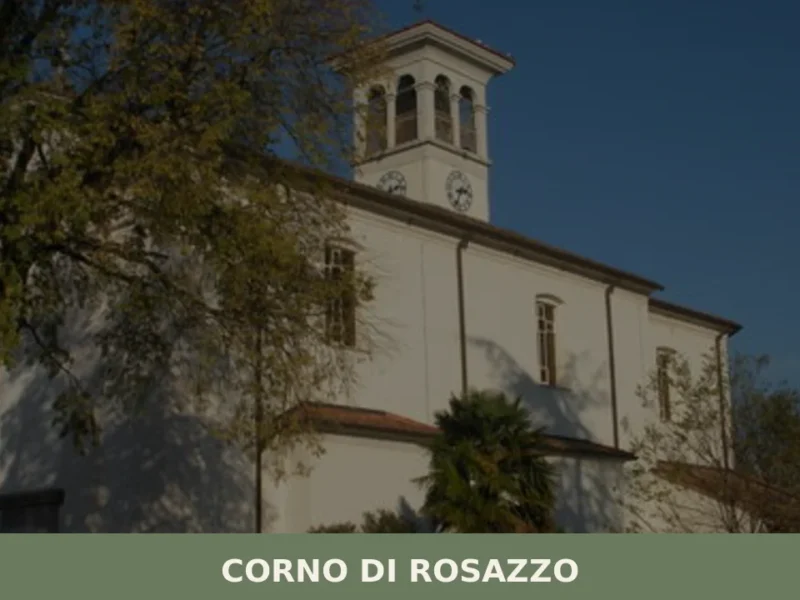
In 1070, a deed of donation by the Patriarch of Aquileia mentioned the name Corno di Rosazzo for the first time, linking it to a parish church and a territory already organized around viticulture and cereal farming. Today that territory extends over just twenty square kilometres across the Colli Orientali del Friuli, at 88 metres […]
Bertiolo
Plains
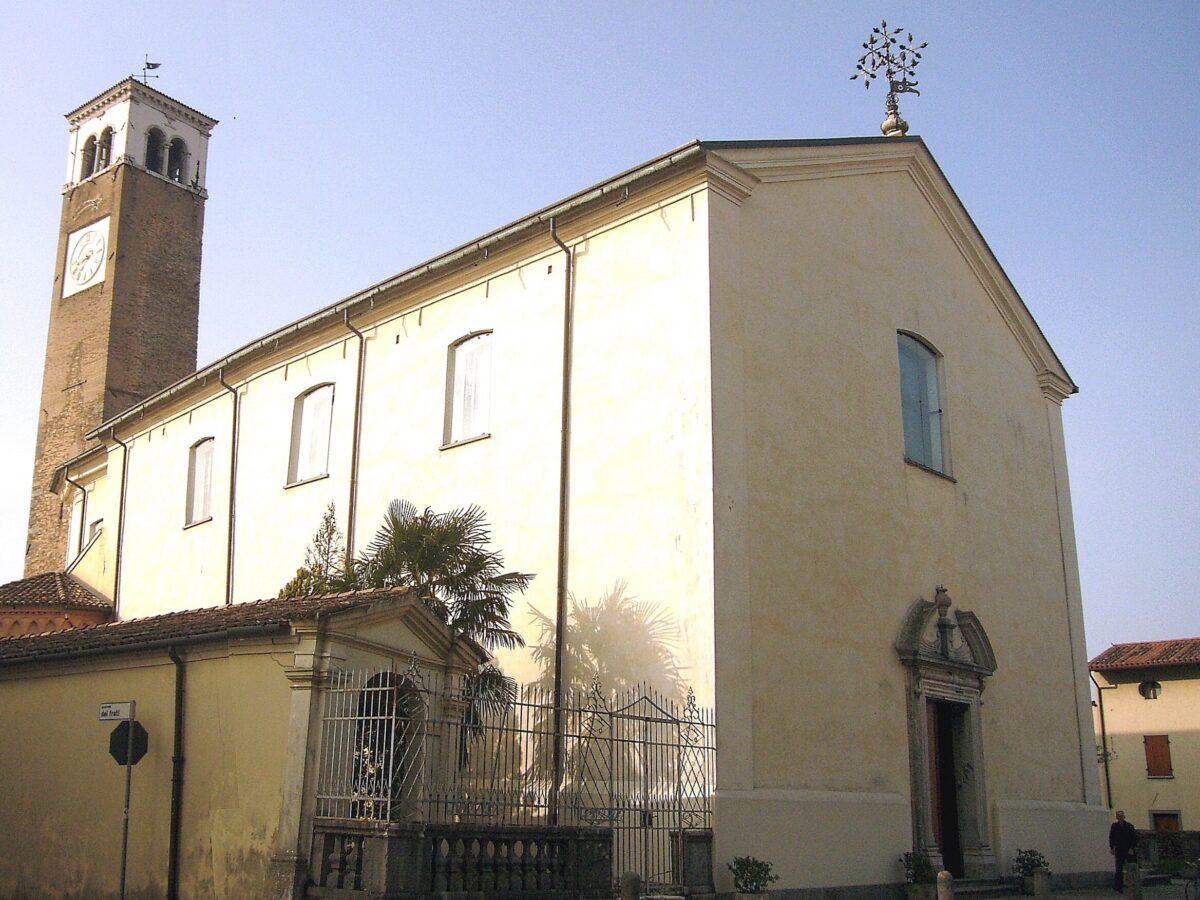
The earliest documented mention of the name Bertiolo dates back to 1219, in a notarial deed linked to the properties of the Patriarchate of Aquileia. Arriving today along the road that leads south from Codroipo, visitors encounter a compact urban centre laid out along a grid of orderly streets, surrounded by fields of maize and […]
Ampezzo
 Hills
Hills
A documentary-style guide to Ampezzo in Carnia, covering its history, key attractions, Carnic cuisine, and how to reach this quiet alpine village in Friuli Venezia Giulia.
Arba
Plains
What to see in Arba: Explore Italy's Arba, a village at 210 meters altitude. Discover its historic church and vibrant patron saint festival on September 29. Read more.
Pordenone
Plains
Pordenone is a river city of 52,314 residents in Friuli-Venezia Giulia, where a navigable stretch of the Noncello shaped two millennia of trade, art, and urban life.
Drenchia
Mountain
Drenchia is a small mountain commune of 89 inhabitants in the province of Udine, perched at 696 metres on the slopes of the Colovrat ridge at the eastern edge of Friuli-Venezia Giulia.

🏡 Know Erto e Casso better than we do?
If you’re a local or have been there, your knowledge matters: add what’s missing or fix a detail on this page.