


Fiumalbo
 Mountain
Fiumalbo is a historic mountain comune at 938 metres in the province of Modena, where a documented past stretching back to 1038 meets living traditions including a celebrated living Nativity and a wea
Discover Fiumalbo
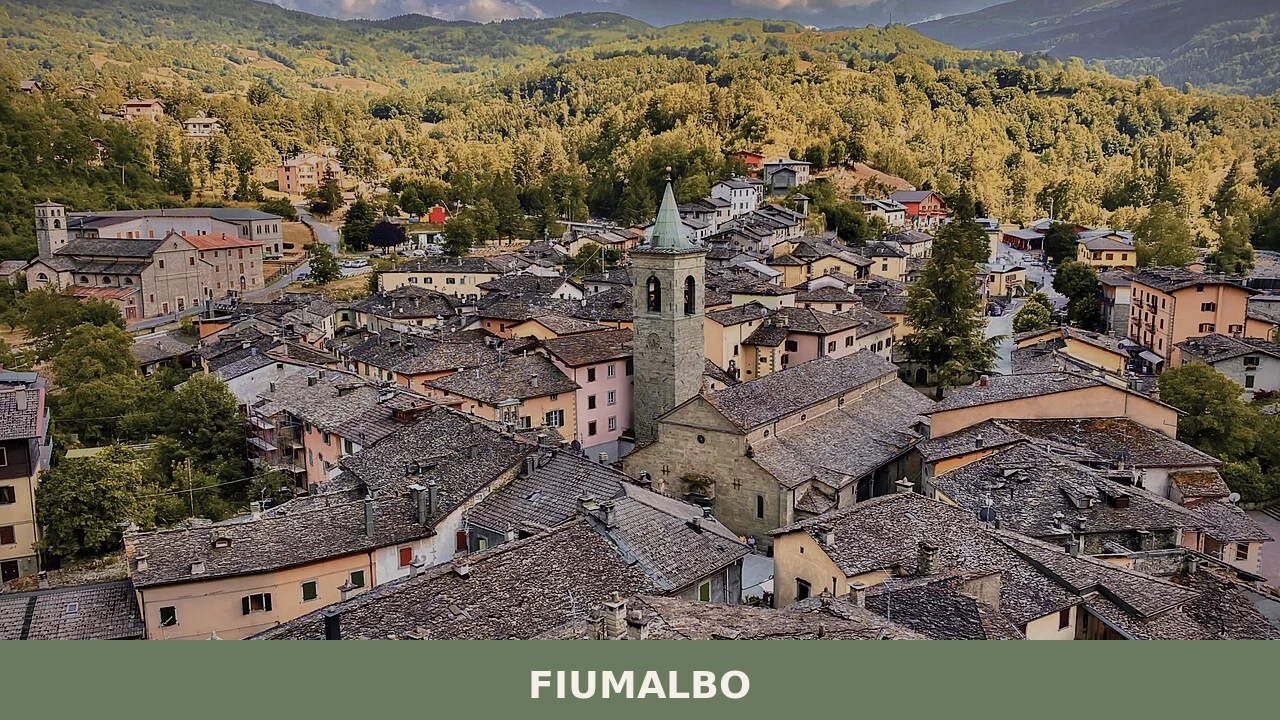
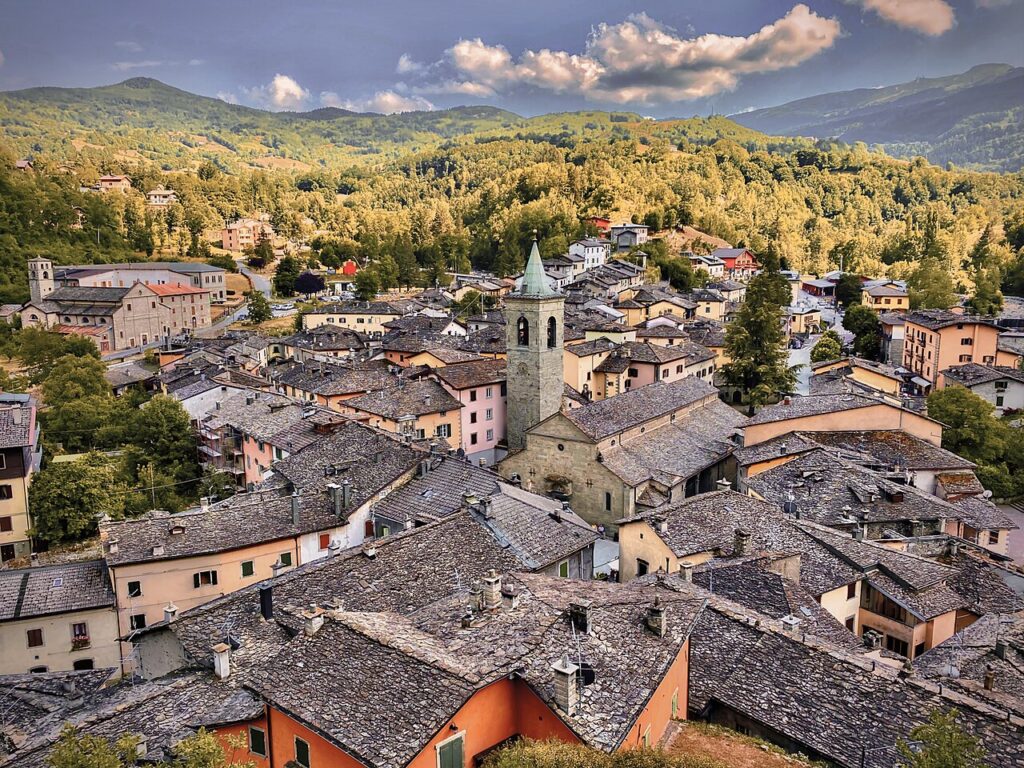
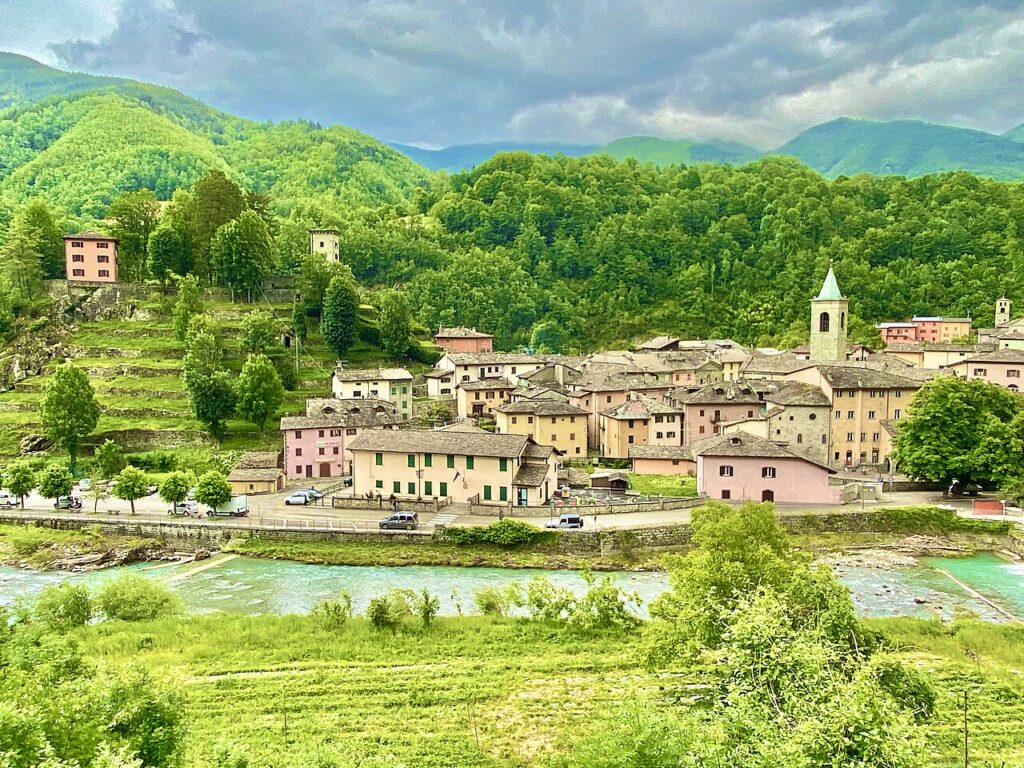
Fiumalbo is a mountain comune of roughly 1191 inhabitants in the province of Modena, Emilia-Romagna, set at 953 metres above sea level in the upper Apennines near the Tuscan border. The historic centre sits where the Rio Le Pozze and the Rio dell’Acquicciola meet, enclosed by a striking arc of summits: Monte Cimone to the east, Monte Libro Aperto and Monte Lagoni to the south-east, and the pass of Abetone to the south. The territory as a whole climbs from around 953 metres along the lower Scoltenna gorge to the 2,165-metre peak of Monte Cimone, and its slopes carry beech and fir forests that thin out near the treeline, with chestnut, maple, alder and ash lower down.
Documented history here stretches back to at least 1038, when the marchese Bonifacio di Canossa ceded the “Rocca che si chiama Fiumalbo” to the bishop of Modena — a thousand years of continuous mountain life that has left the village its medieval street plan, its sacred art, its living Nativity tradition, and a calendar of communal rituals that still mark the passing seasons. That layered character is what makes Fiumalbo village in Emilia-Romagna worth a journey in its own right, rather than merely a waypoint on the road to the ski slopes of Abetone.
Fiumalbo village in Emilia-Romagna: history and origins
Fiumalbo has nearly a thousand years of documented history, with its first written record dating to 1038, when the marchese Bonifacio di Canossa — father of the celebrated Matilde di Canossa — ceded the “Rocca che si chiama Fiumalbo” to Viberto, bishop of Modena. Some sources suggest the valley was already inhabited far earlier, pointing to the Liguri-Friniati, a people who, around the second century BC, are said to have retreated into the Modenese Apennines from the Po plain. A possible trace of that remote past survives in the village’s numerous margolfe — carved stone heads set into old walls, thought to echo the customs of ancient Celtic warrior populations.
The medieval centuries saw Fiumalbo drawn gradually into the orbit of Modena: in 1197 many fiumalbini swore allegiance to the Comune di Modena, pledging men and territory for military purposes if needed. That oath was renewed by representatives of the community in 1205 and again in 1276. Through the same era the noble Bondi-Santi family accumulated extensive holdings here, and two of its members — Giandomenico (1769–1834) and his son Pietro — served as mayors of Fiumalbo during the nineteenth century. Giandomenico in particular is remembered as a benefactor who shielded the village from Napoleonic reprisals and supported its seminary. Pietro’s own life touched wider aristocratic circles: in May 1815 he married the Contessa Carlotta Manni in Pistoia, a ceremony attended by the Principe Rospigliosi; Carlotta’s mother, the Contessa Maria Antonia Ginevra Buonarroti, was a descendant of Michelangelo.
The early twentieth century brought hardship of a different kind. Fiumalbo was a land of emigrants, and the human cost of that diaspora became starkly visible in 1913, when a mining disaster at Dawson, New Mexico, killed 146 Italian workers — seventeen of whom came from Fiumalbo alone. In 1936 a portion of the municipal territory was separated to help form the new comune of Abetone. More recently, the village gained cultural prominence in 1967, when mayor Mario Molinari organised Parole sui muri, an avant-garde art exhibition that drew artists from across the world and earned international attention, including a notice in the Times; a smaller second edition followed in 1968.
Places Worth Visiting in Fiumalbo
Fiumalbo preserves a medieval tower from its ancient Rocca, several churches dating from the thirteenth century onward, a fifteenth-century oratory with frescoed interiors, and a museum of sacred art housed within a former church space.
The Rocca and Its Tower
The Rocca of Fiumalbo appears in written records as early as 1038, when the marchese Bonifacio di Canossa — father of Matilde di Canossa — ceded it to the bishop of Modena, Viberto. Of the original fortification, one tower survives.
Church of San Bartolomeo Apostolo
The parish church dedicated to San Bartolomeo Apostolo was first built in 1220 and substantially renewed in 1826. It is the focal point of the annual patronal feast on 23 August, when the village is lit by small lamps and two confraternities — known locally as the bianchi and the rossi — lead a procession through the streets. The church is also the starting point of the Cammino di San Bartolomeo, a route of approximately 100 kilometres.
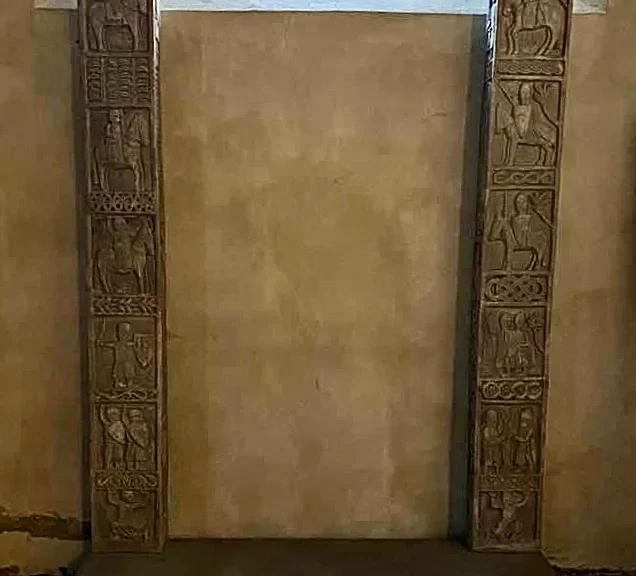
Oratorio di San Rocco
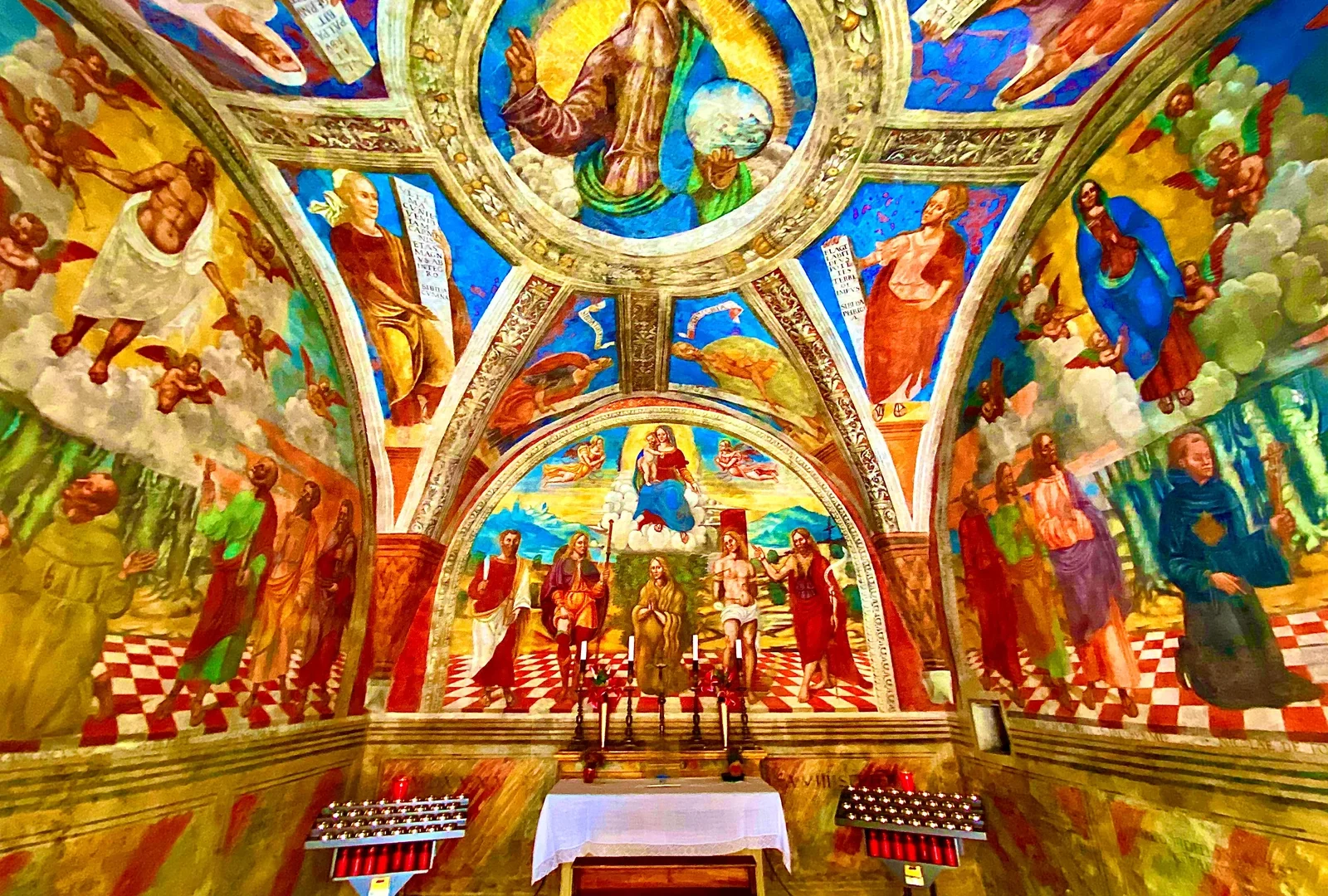
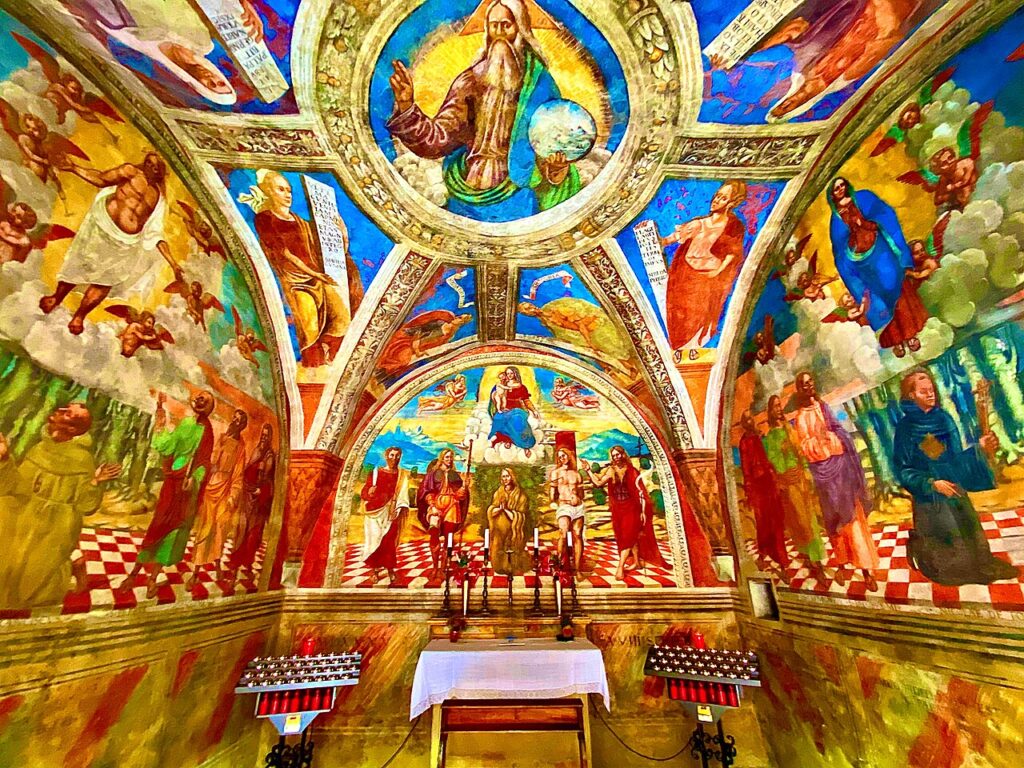
Dating from the fifteenth century, the Oratorio di San Rocco contains frescoes by Saccaccino Saccaccini. The building retains its painted interior decoration as its principal point of interest.
Other Religious Buildings
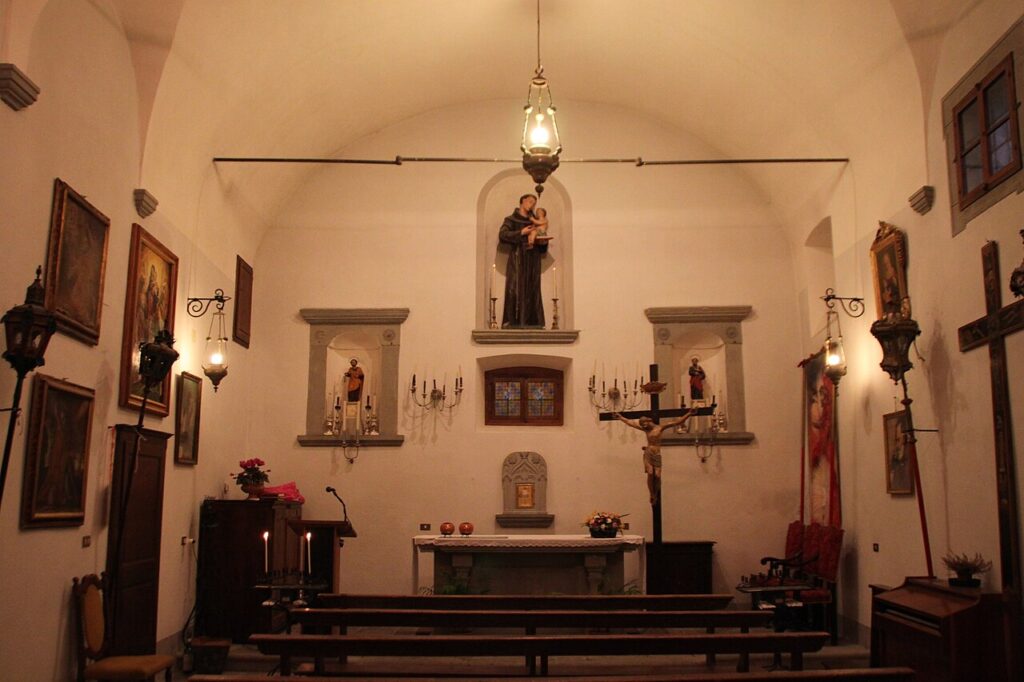
Within the municipality stand several further places of worship: the Chiesa dell’Immacolata Concezione, the Chiesa dei Santi Donnino e Francesco, the Chiesa di Santa Caterina, the Oratorio del Costolo, and the Oratorio di Santa Caterina. For each, the sources record the name but not additional architectural detail.
Museo di Arte Sacra
The museum of sacred art is arranged within a former church interior and brings together paintings, goldwork, liturgical furnishings, and vestments. Among the pieces on display, the most substantial is the high altar, a fully gilded eighteenth-century work attributed to carvers from the Reggian circle of the Ceretti. A carved and gilded wooden ancona dated 1622 also survives in the same space. Behind the altar, a two-level choir dated 1754 is surmounted by a large canvas depicting the Mystical Marriage of Saint Catherine of Siena.
Ponte del Diavolo
The Ponte del Diavolo is recorded among the civil monuments of the village. No further descriptive detail is available in the sources.
The Margolfe
Carved stone heads known as margolfe are set into the old masonry walls of the village. They are considered possible traces of ancient Celtic warrior populations who inhabited the area before recorded history.
Tastes of the Fiumalbo Territory: Modena’s Mountain Pantry
Fiumalbo sits within the province of Modena, whose broader food tradition is anchored by two world-famous vinegars: Aceto Balsamico di Modena IGP and the rarer, barrel-aged Aceto Balsamico Tradizionale di Modena DOP. These are provincial products, not exclusive to Fiumalbo itself, but they define the culinary identity of the territory any visitor enters when arriving here.
Other certified products from the wider provincial and regional area include Ciliegia di Vignola IGP, Amarene Brusche di Modena IGP, Coppa di Parma IGP, and Agnello del Centro Italia IGP. The Emilia-Romagna region also produces a range of traditional liqueurs and spirits recorded in the national PAT register, among them fruit macerates, anise-based liqueurs such as Anicione, and Bargnolino, a sloe-berry liqueur with deep local roots.
On the wine side, the Modena area is most closely associated with the sparkling reds of the Lambrusco family — Lambrusco di Sorbara DOC, Lambrusco Grasparossa DOC, and Lambrusco Salamino di Santa Croce DOC — alongside the broader Modena DOC denomination. These are wines of the plain rather than the mountain, but they accompany the cured meats and aged cheeses that travellers encounter throughout the province on the road up to Fiumalbo.
Reaching Fiumalbo and Planning Your Stay in the Apennine High Country
Fiumalbo is best reached by car from Modena, approximately 80 km to the south along the SS12 through the Scoltenna valley, a drive of roughly one hour and fifteen minutes. The village sits at 953 metres above sea level in a mountain basin enclosed by Monte Cimone to the east and the Abetone pass to the south, on the border with Tuscany.
The mountain setting gives Fiumalbo two very distinct seasons for visitors. Summer, from late June through early September, brings cooler temperatures and access to the beech and fir forests that cover the slopes up to around 953 metres; this is the season for walking the Cammino di San Bartolomeo, a 100-kilometre route, and for exploring the surrounding ridgelines toward Monte Cimone. Winter draws visitors for the snow and for two of the village’s most distinctive annual events: the Living Nativity scene, held on Christmas Eve in even-numbered years and repeated in early January, and the Carnival torchlight procession on Shrove Tuesday. Spring and autumn are quieter and well suited to those who prefer the village without the summer crowds.
Nearby Apennine villages reachable as day trips or staging points include Lizzano in Belvedere to the west and Alto Reno Terme further along the Tuscan border, both connected to Fiumalbo by mountain roads across the Apennine watershed.
| Departure | Distance | Time |
|---|---|---|
| Modena | approx. 80 km | approx. 1 h 15 min |
| Pavullo nel Frignano | approx. 30 km | approx. 35 min |
| Abetone (passo) | approx. 12 km | approx. 15 min |
These practical references help organise the journey clearly, while the village itself is best understood slowly and on foot once you arrive.
Frequently asked questions about Fiumalbo
What is the best time to visit Fiumalbo?
Summer and early autumn (June–September) offer mild weather ideal for hiking in the beech and fir forests. Winter attracts visitors heading to nearby Abetone ski slopes. August is particularly festive, culminating in the Patron Saint Festival of San Bartolomeo on August 24th, featuring religious processions and local celebrations that animate the medieval village centre.
How do I reach Fiumalbo by car?
Fiumalbo lies in the upper Apennines near the Tuscan border, accessible via the Abetone pass road from the south. From Modena, take the SS12 towards the mountains, then follow regional roads towards Abetone. The village sits at 953 metres elevation. For precise GPS coordinates and motorway exits, consult local transport authorities or tourism offices in Modena province.
What outdoor activities are available around Fiumalbo?
The territory offers extensive hiking through beech and fir forests, with trails ranging from 800 metres in the Scoltenna gorge to Monte Cimone's 2,165-metre peak. Mountain biking and forest walking are popular. The surrounding Apennine landscape provides diverse trekking routes. Contact local CAI (Italian Alpine Club) sections or the municipal tourism office for documented trail maps and guided excursions.
How long should I spend in Fiumalbo village?
A full day allows exploration of the medieval street plan, sacred art in churches, and the historic centre where Rio Le Pozze and Rio dell'Acquicciola converge. Two to three days enable comfortable hiking expeditions into surrounding forests and ascents towards Monte Cimone. Overnight stays suit visitors combining village cultural discovery with mountain recreation in the Apennine high country.
What is the historical significance of Fiumalbo?
Documented history reaches back to 1038, when Marquis Bonifacio di Canossa transferred the fortress (rocca) to the Bishop of Modena. This thousand-year continuity shaped Fiumalbo's medieval street layout, sacred art collections, and living Nativity tradition. The village embodies continuous Apennine mountain settlement, with seasonal rituals and communal practices rooted in medieval and Renaissance periods.
📷 Photo Gallery — Fiumalbo
In Emilia-Romagna More villages to discover
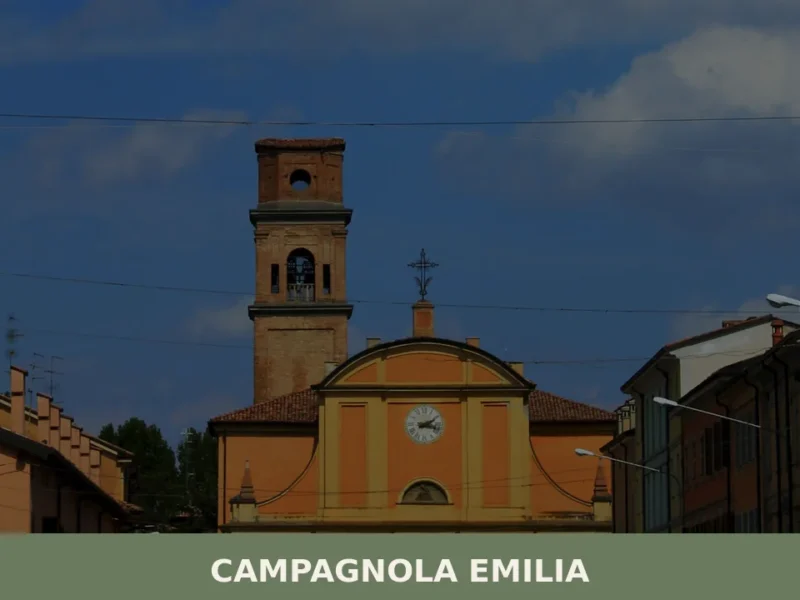
Campagnola Emilia
 Plains
What to see in Campagnola Emilia, Italy: explore a Po Plain comune at 22 m altitude, 25 km from Reggio Emilia. Discover local festivals and food. Read the guide.
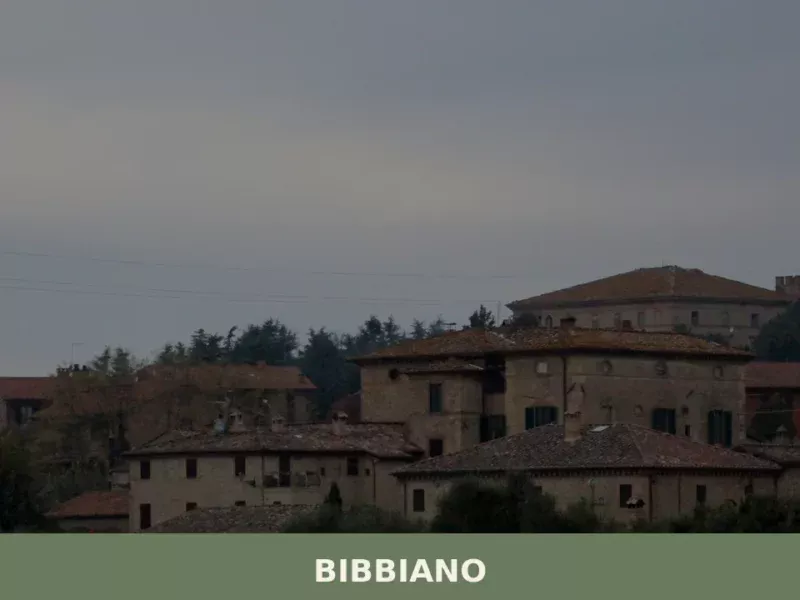
Bibbiano
Plains
What to see in Bibbiano, Emilia-Romagna, Italy: explore the birthplace of Parmigiano Reggiano, 14 km from Reggio Emilia. Discover history, food and how to get there.
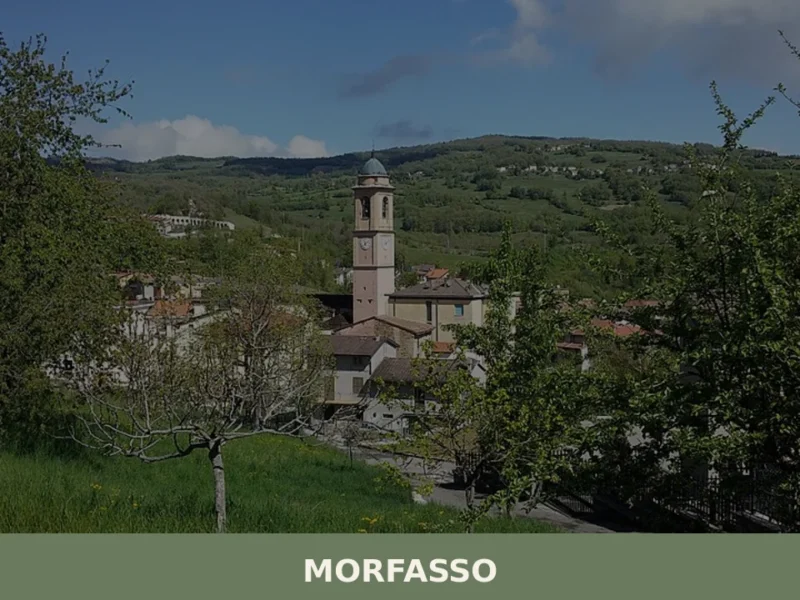
Morfasso
Mountain
Morning mist settles into the valley below like poured milk, and from 631 metres above sea level, the stone houses of Morfasso emerge into sharp Apennine light. A church bell marks seven o’clock to an audience of 884 residents spread across a constellation of hamlets. This is Morfasso, a municipality in the province of Piacenza […]
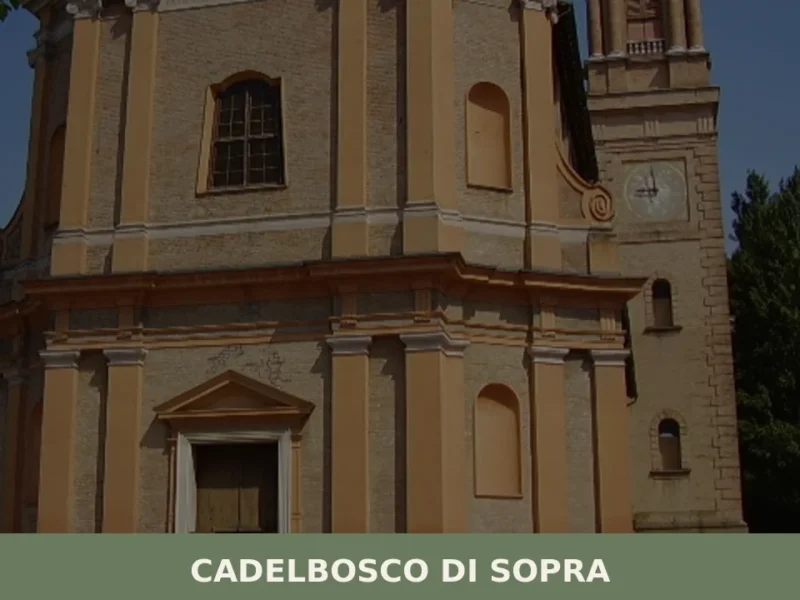
Cadelbosco di Sopra
Plains
What to see in Cadelbosco di Sopra, Italy: Baroque churches, WWII memorials and Po Valley food. Population 10,713. Discover the complete travel guide.
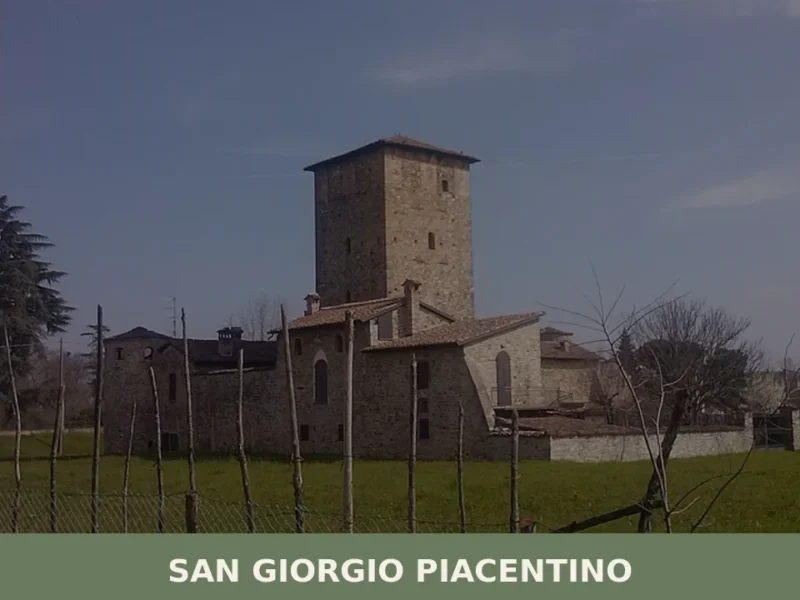
San Giorgio Piacentino
Plains
What to see in San Giorgio Piacentino: 5,533 residents at 103 m altitude, Renaissance villas, PDO cured meats, and the 23 April patron feast. Plan your visit now.
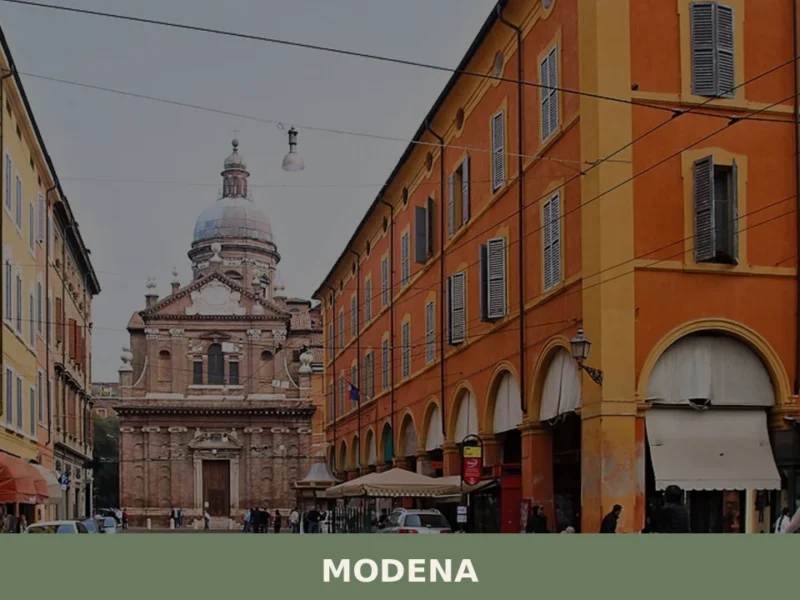
Modena
Plains
what to see in modena. Discover the UNESCO Duomo and Ducal Palace. Explore this city of 179,000+ residents and taste typical Modenese products.
Castel d’Aiano
Mountain
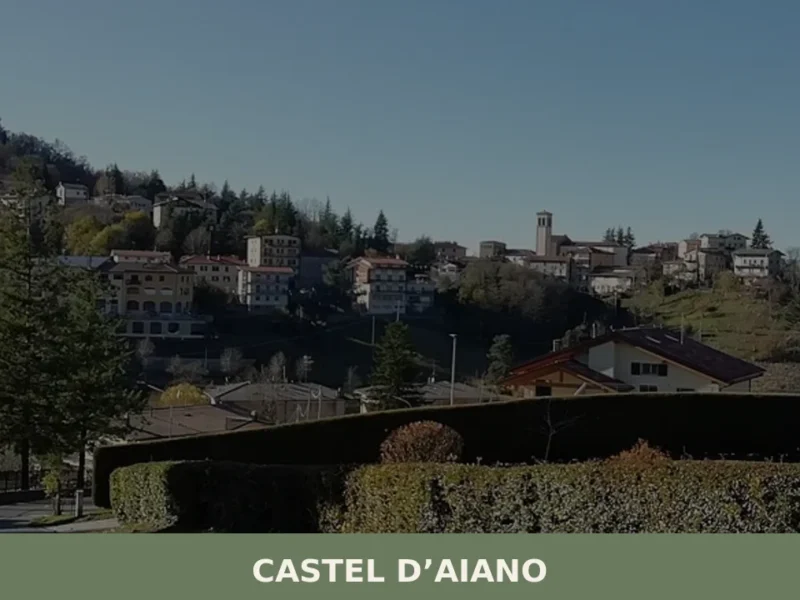
In 1944 the Gothic Line cut through these mountains, and Castel d’Aiano found itself at the centre of the clash between Allied forces and German troops: the hamlets of Villa d’Aiano, Sassomolare and Rocca di Roffeno still bear the marks of that period. Today the municipality has 1,916 inhabitants spread across a vast, hilly territory […]
Ravenna
 Sea
Sea
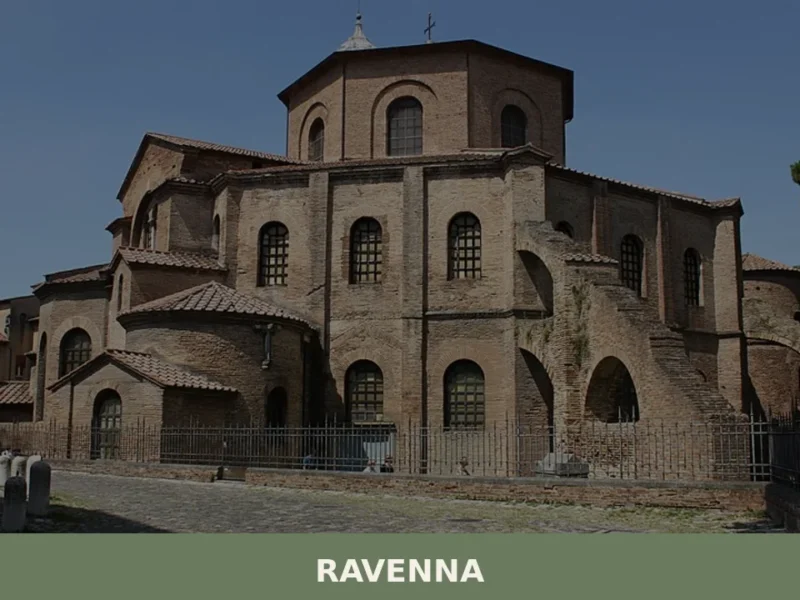
With a population of 155,751 inhabitants and located just 4 m above sea level, Ravenna stands out as one of Emilia-Romagna’s most significant centers, a historical crossroads that has shaped the region’s identity. In this article History and origins of Ravenna What to see in Ravenna: main attractions Typical cuisine and products of Ravenna Festivals, […]
Bagnolo in Piano
Plains
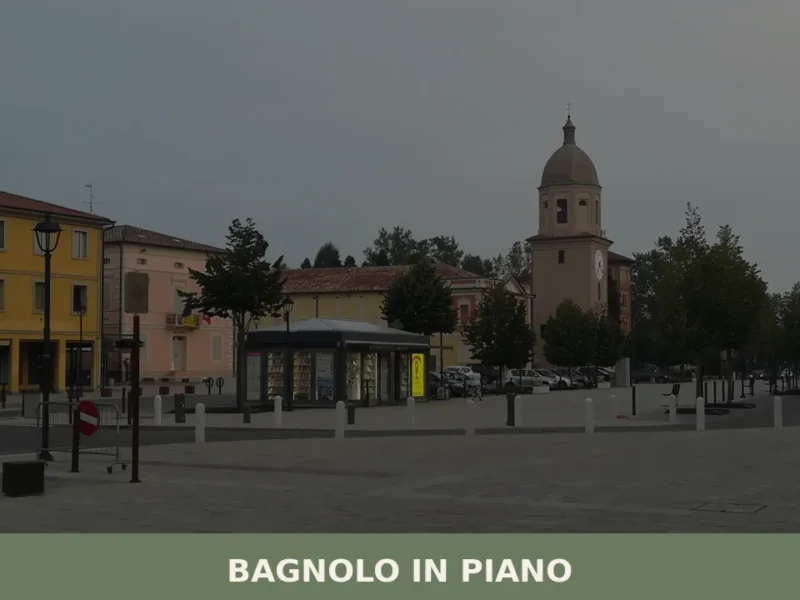
What to see in Bagnolo in Piano, Emilia-Romagna, Italy: explore the medieval Torrazzo tower, the Pieve Rossa church, and local Po Valley cuisine. Discover now.
Castell’Arquato
 Hills
Hills
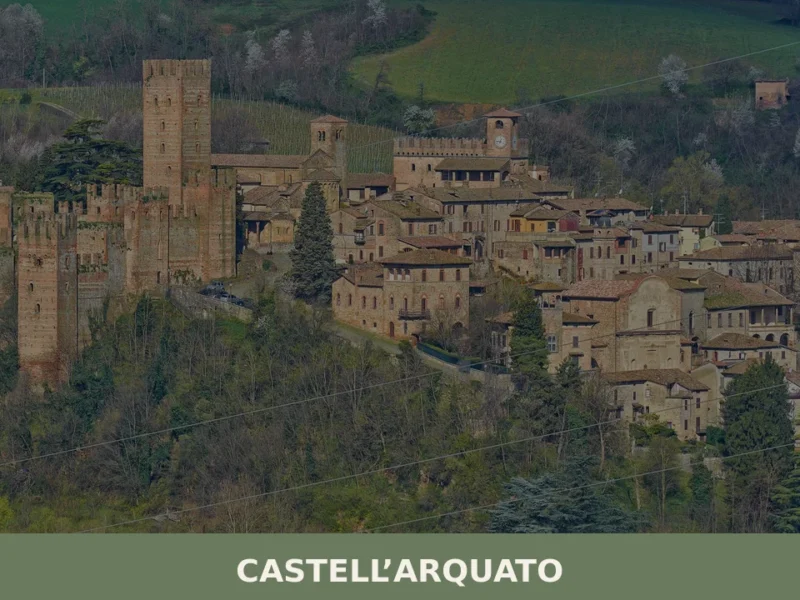
In the upper Val d’Arda valley, at around 150 metres above sea level, Castell’Arquato is one of the best-preserved medieval villages in the province of Piacenza. In this article History and Origins of Castell'Arquato What to See in Castell'Arquato: Main Attractions Local Cuisine and Products of Castell'Arquato Festivals, Events and Traditions of Castell'Arquato When to […]



🏡 Know Fiumalbo better than we do?
If you’re a local or have been there, your knowledge matters: add what’s missing or fix a detail on this page.