


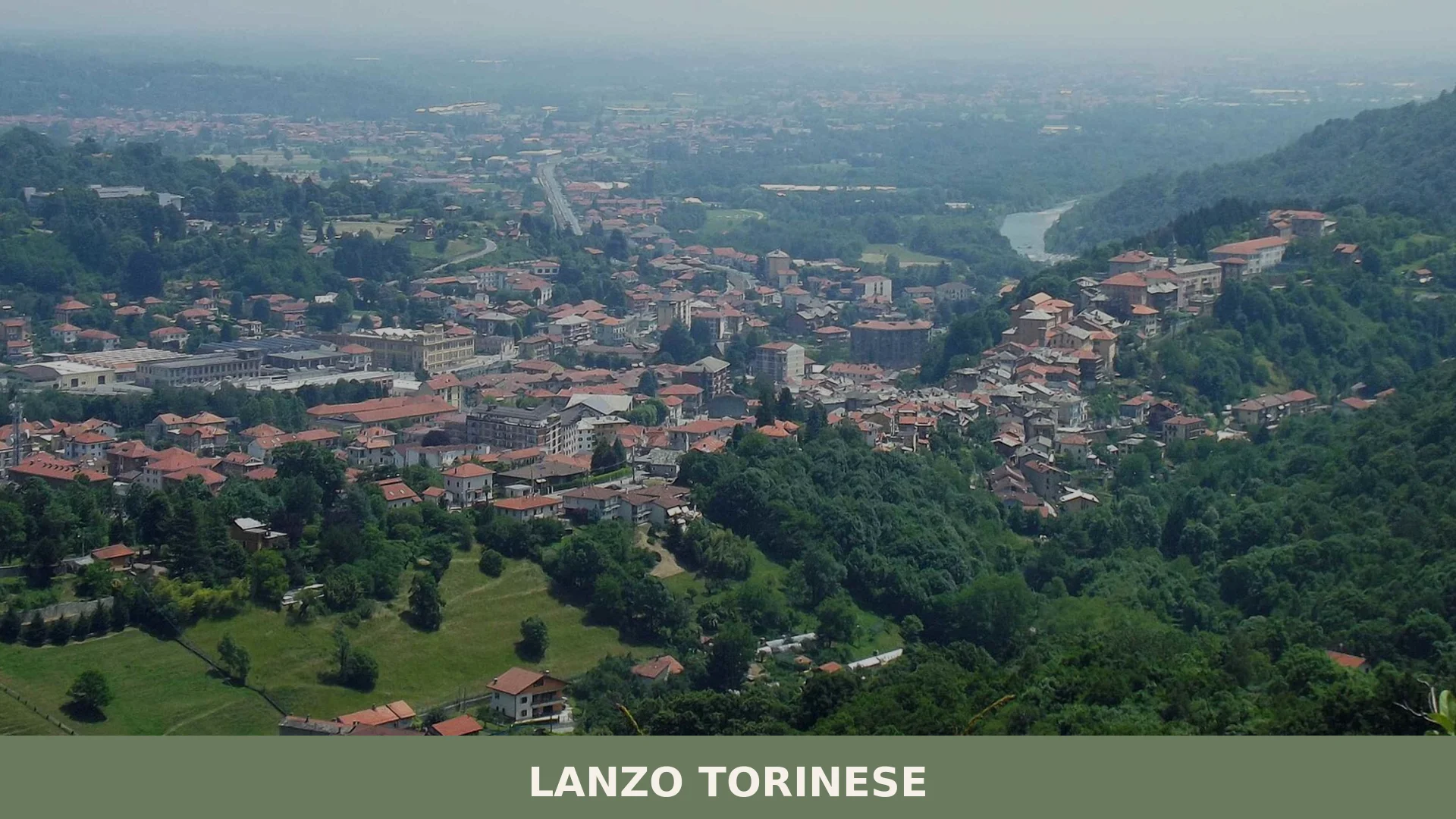
Lanzo Torinese
 Mountain
A town of nearly 5,000 residents where Alpine valleys meet industrial heritage. Medieval castle ruins and 14th-century bridge engineering define its character.
Lanzo Torinese: Medieval Power and Mountain Gateway in Piedmont
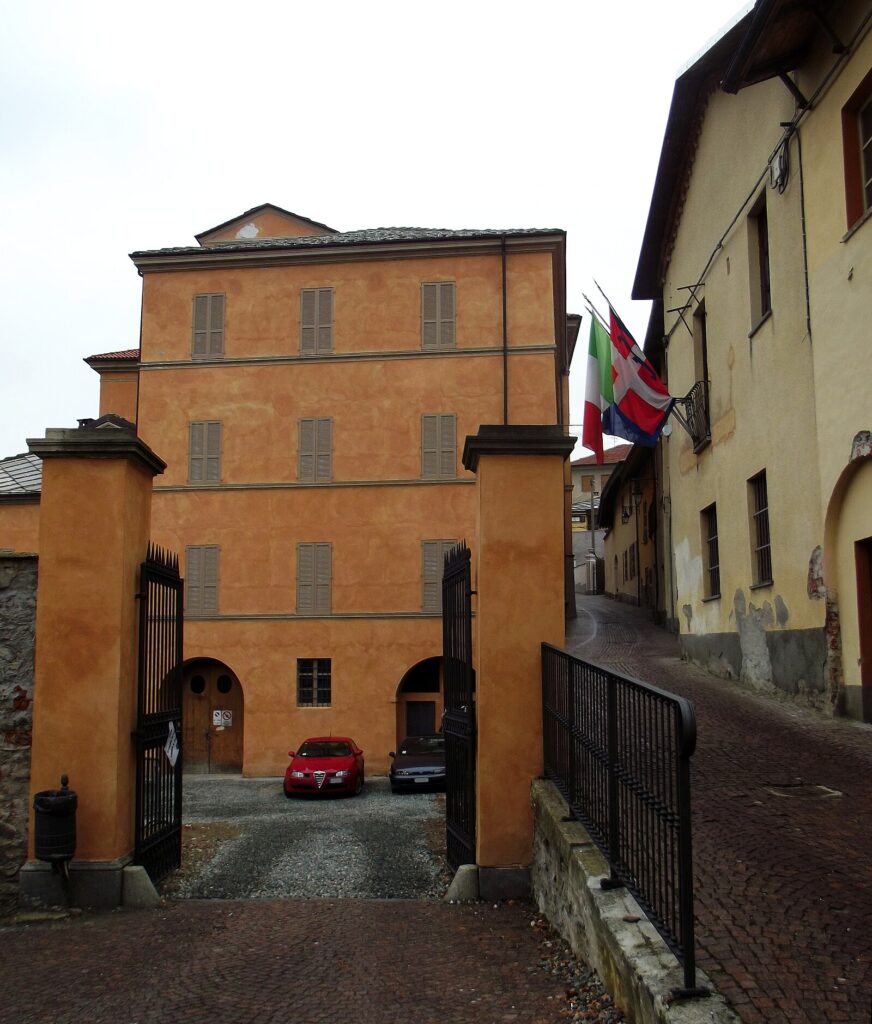
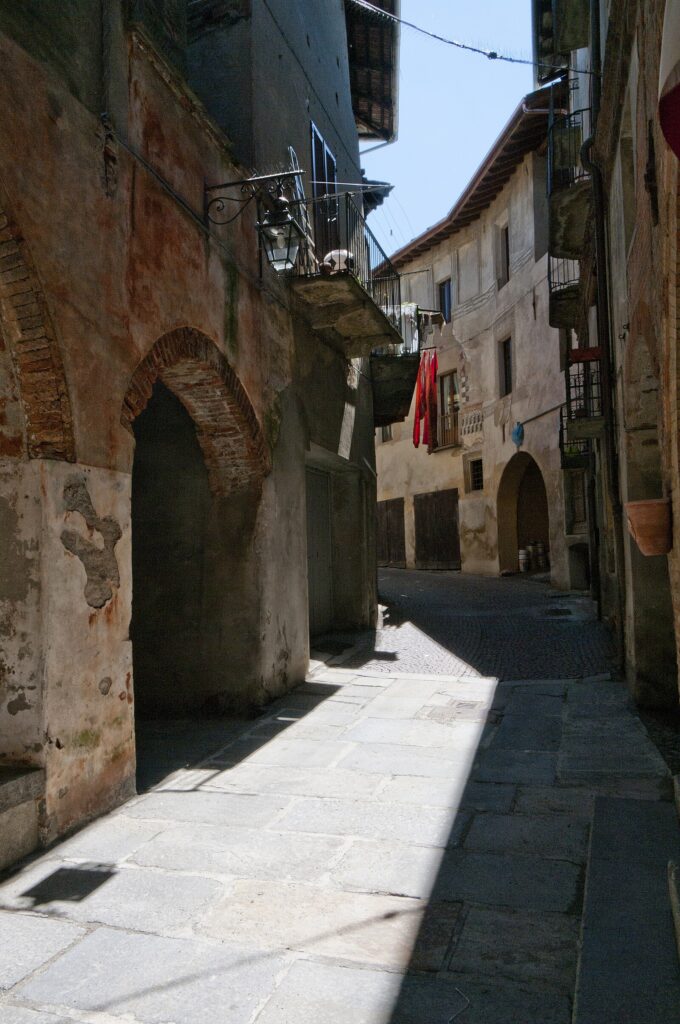
Lanzo Torinese stands on Monte Buriasco, a steep hill where stone buildings cluster above the Stura river, with views toward the Western Alps that frame the horizon. The centre is compact, woven around a medieval contrada—the main street that once connected the castle to the town gate—and from its squares you see the valley mouth widen toward Torino, fifty kilometres downslope.
Lanzo Torinese village in Piedmont occupies a crossroads between mountain and plain, between medieval power and industrial memory. At 515 metres altitude in the Turin province, it stands at the gateway to the Valli di Viù, Ala and Grande—three valleys that define its territorial identity and historical importance. Two primary reasons draw visitors: the remnants of a feudal castle and tower that survived centuries of siege and demolition, and two specialist museums that chronicle the mechanical trades and geological story of the surrounding valleys.
Lanzo Between Bishops, Nobles and Kings: A Medieval Crossroads
Lanzo is first documented on 9 July 1029, when the bishop of Asti grants lands in the area to a monastery. By then settlement was already established; local tradition holds that Roman pastoralists occupied the hilltop. The actual fortress was built by Landolfo, bishop of Torino, between 1011 and 1037, fortified with a wall circuit and gated passages that gave the settlement military weight across the Canavese region.
For three centuries, Lanzo passed between ecclesiastical lords and feudal families. In 1246, Emperor Frederick II granted it to Tommaso II di Savoia, beginning a long association with the House of Savoy. The settlement prospered: on 15 January 1219 its lords won the right to hold a weekly market every Tuesday—a privilege that still defines local commerce. In 1305, under the marchesa Margherita (daughter of the Savoyard prince Amedeo IV), Lanzo became a castellania, a fortified township with tax exemptions and the right to raise its own militia.
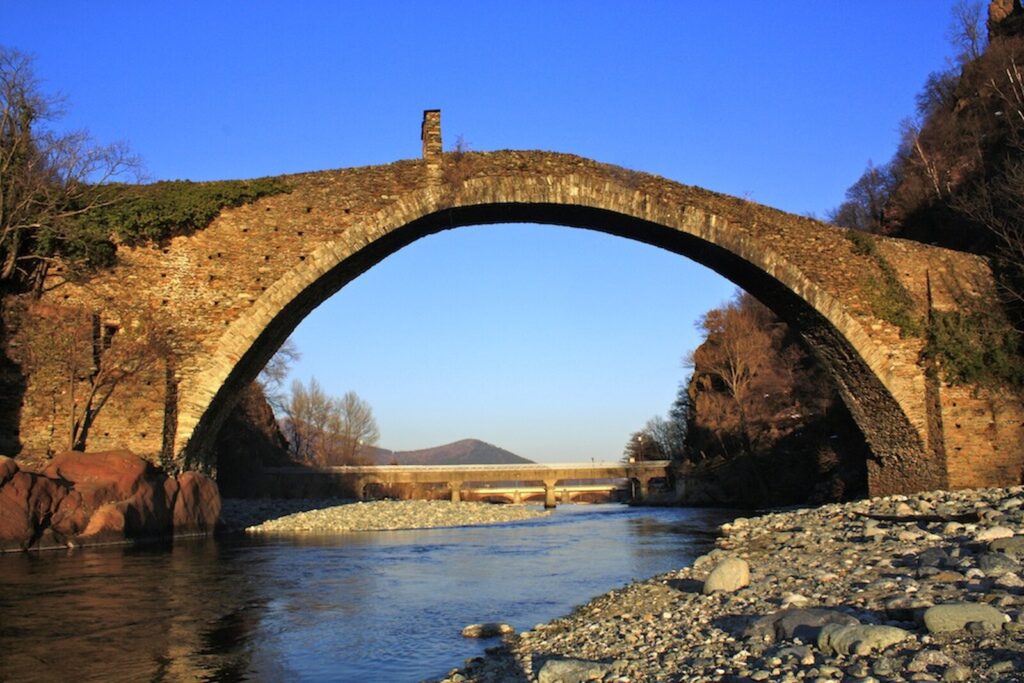
The Ponte del Diavolo (Devil’s Bridge), built in 1377–1378 under Amedeo VI, testifies to Lanzo’s strategic importance: this stone passage was the only fast route between Torino and the valleys when rival powers controlled the plains to the east. Yet that same strategic value invited disaster. On 28 November 1551, French forces under the duc de Brissac besieged and captured the castle; in 1556–1557 they demolished it utterly, sparing only the civic tower, which still stands in the centre.
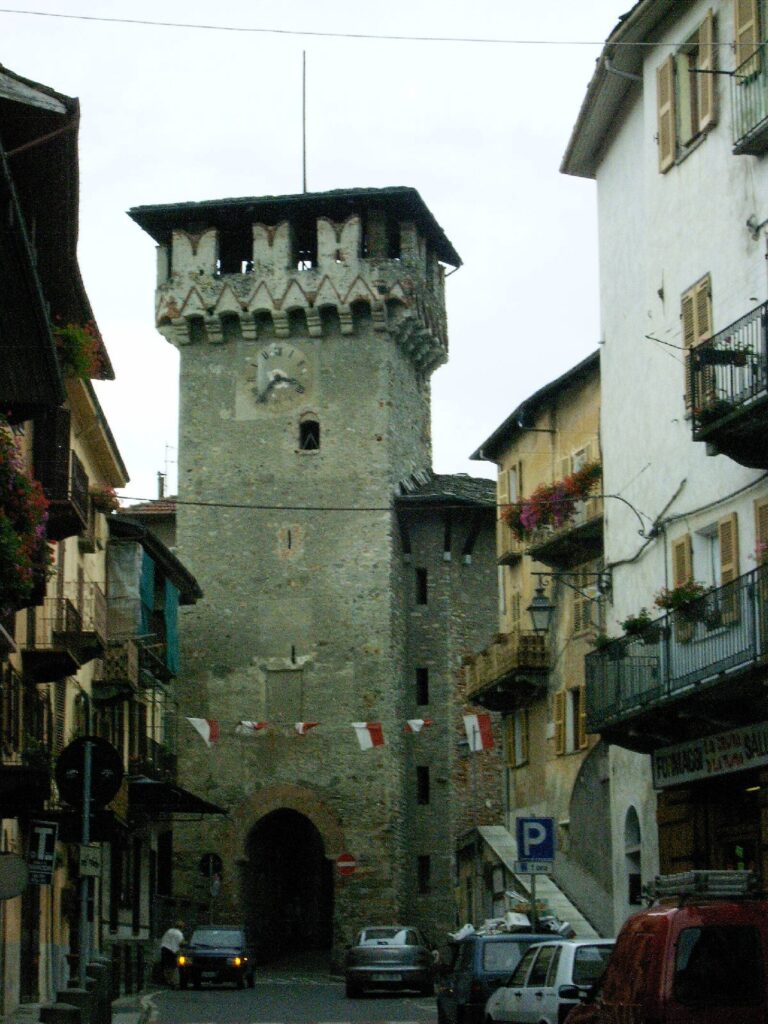
The castle, once counted among Piedmont’s mightiest strongholds, was erased from the map so thoroughly that by the 18th century only its tower and a handful of masonry traces remained—a lesson in how power leaves ruins rather than monuments.
After 1559, when peace returned Lanzo to the Savoys, the town lost feudal glory but gained stability. For a time it became a marchesate; from 1720 onward it was sold and resold as a commercial property. The industrial age arrived late but decisively: by the late 1800s, textile mills, paper works and mechanical shops dotted the riverbanks, and the railway reached Lanzo on 6 August 1876, opening it to weekend visitors from Turin seeking mountain air and rural charm.
Museums of Tools and Stone: The Industrial and Geological Memory
Museo Silmax dell’Utensileria
The Silmax museum displays handmade tools and machine tools that chart the history of iron-working in the Valli di Lanzo. Its collection spans generations of craftsmen—chisels, punches, cutters and small mechanical devices that are themselves works of precision metalwork, each bearing the mark of its maker’s hand. The exhibition anchors the local identity: for two centuries, these valleys fed a network of toolmakers whose reputation for quality drew orders from across Piedmont and beyond. The museum is a quiet archive of a trade that shaped the region’s economy and social texture in the 19th and early 20th centuries.
Museo di Mineralogia delle Valli di Lanzo
Housed in six display cases and accompanied by geological panels, this mineralogy collection samples the rock strata of the western Alps. Specimens from the Valli di Viù, Ala and Grande show the variety of mineral veins and fractured stone that miners and quarrymen extracted over centuries. Photographs document the Amiantifera (asbestos mine) at nearby Balangero, a major industrial site whose legacy informs the broader story of resource extraction in the region. The collection evolves as new finds arrive; it is a living snapshot of the territory’s subsurface, not a static archive.
Torre Civica di Aymone di Challant
The civic tower stands in the centre of the old town, the sole survivor of the medieval castle. It is a squat, crenellated structure in stone, its proportions solid rather than soaring, anchored in an era when defensive architecture prioritized thick walls over height. It marks the spot where the contrada met the castle gate, and its survival—it endured the 1551 siege and the later destructions—gives it the weight of a memorial. Visitors can approach it freely; the tower reads as both a monument to vanished power and a testimony to the persistence of local identity across centuries of upheaval.
Ponte del Diavolo
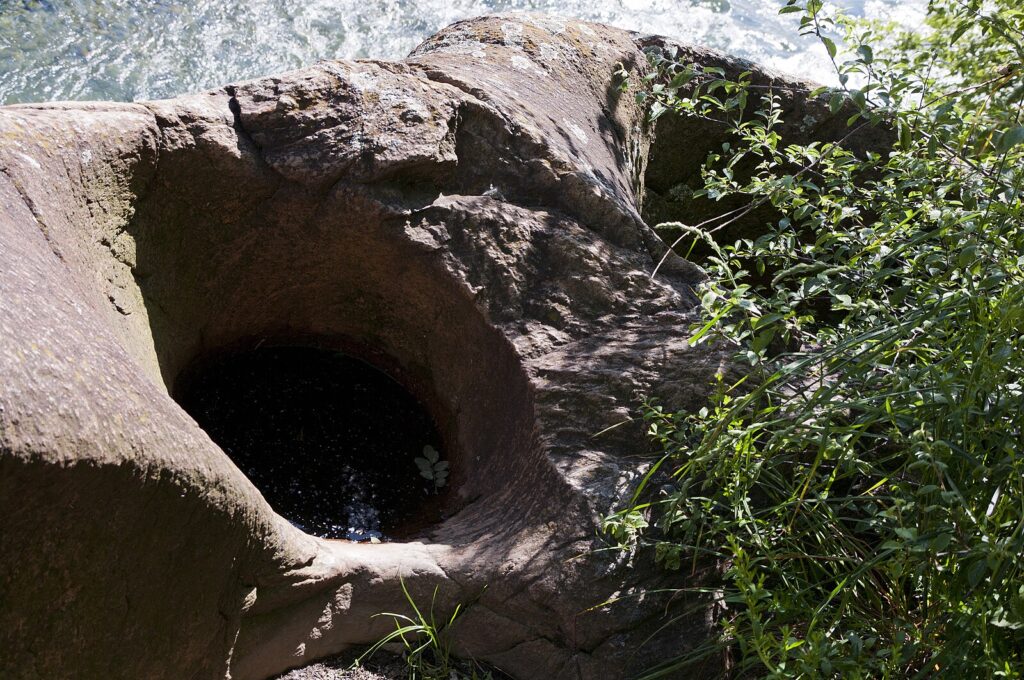
The stone arch bridge that spans the Stura, built in 1377–1378 under Amedeo VI to shorten the road to Torino by avoiding territories outside Savoyard control, is now a protected natural area. Its single broad arch, still sound beneath its weathered surface, carries foot traffic and light vehicles. The bridge is best visited on foot: from its midpoint, the view opens downstream toward the valley mouth and upslope toward the forested ridges. It is a tangible link to medieval logistics—how a ruler might win regional power by controlling a river crossing.
Chiesa di San Pietro in Vincoli
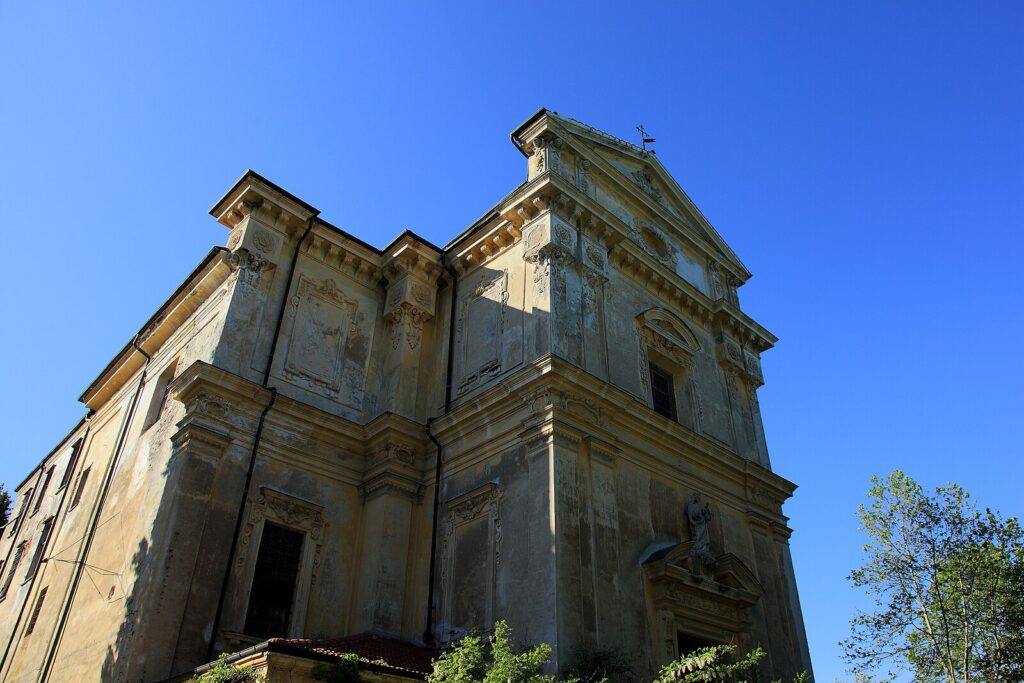
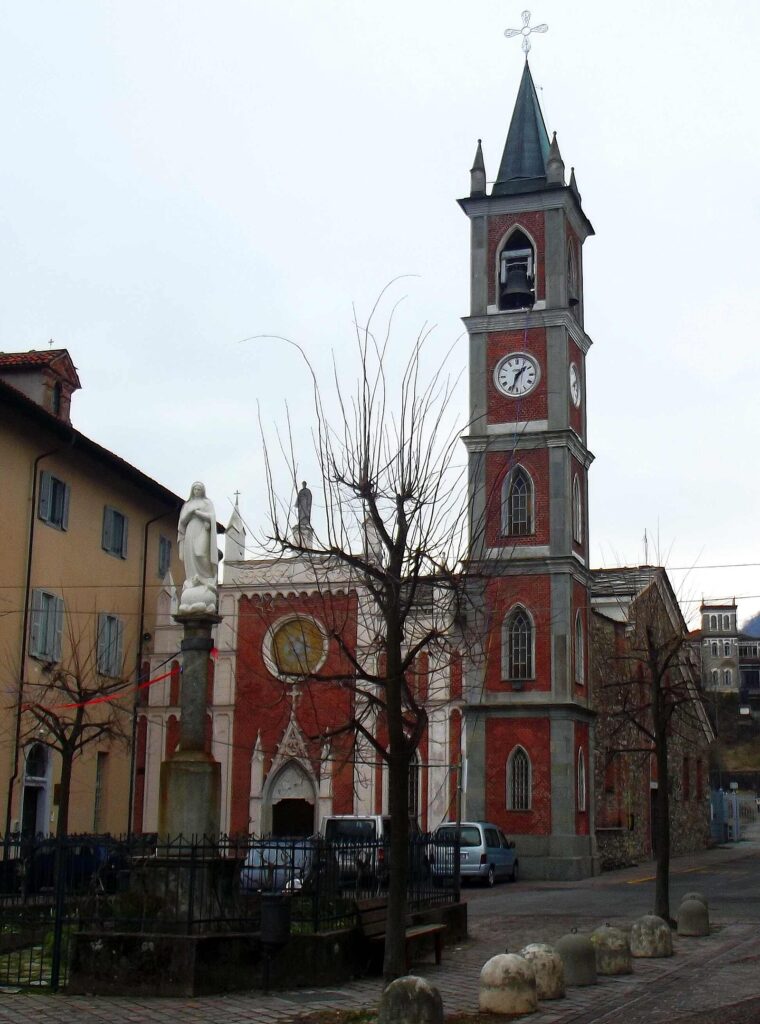
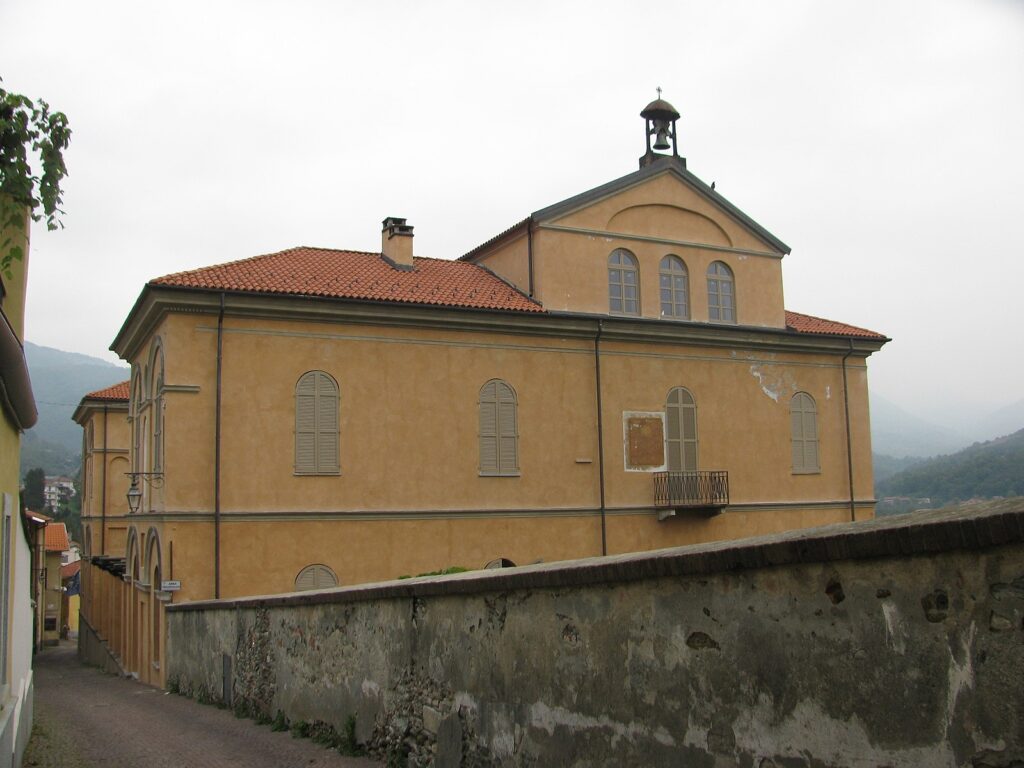
The parish church dedicated to San Pietro in Vincoli (Saint Peter in Chains), the village’s patron saint, anchors the religious and civic life of the settlement. The structure reflects multiple building campaigns; its present form dates largely from the 18th and 19th centuries, though traces of earlier sacred use likely remain beneath its plaster. The feast of San Pietro in Vincoli falls on 1 August, marking a traditional moment in the rural calendar when summer work eases and community gatherings are held.
The Valleys and the Mountain Setting
Lanzo sits at an altitude of 515 metres on the western slope of the Canavese plateau, where three valleys converge toward the Stura river. The Valli di Viù, Ala and Grande rise steeply southward and eastward into the Alpi Graie, their ridgelines exceeding 2,000 metres in places. This geography isolated the valleys for centuries, making them a stronghold of local dialect, craft traditions and communal governance—they have their own agricultural calendar, their own seasonal migrations to higher pastures, and their own patterns of marriage and inheritance.
The climate is classified as zone F (temperate continental), with winter cold and summer rain. The river Stura, fed by alpine snowmelt, powers the mills that once processed grain and cloth; the smaller torrents Tesso and Uppia cut lateral ravines. This water, and the stone—a mix of slate, granite and metamorphic rock—defined both the medieval fortifications and the industrial machinery that would follow.
Flavours of the Valleys and Province
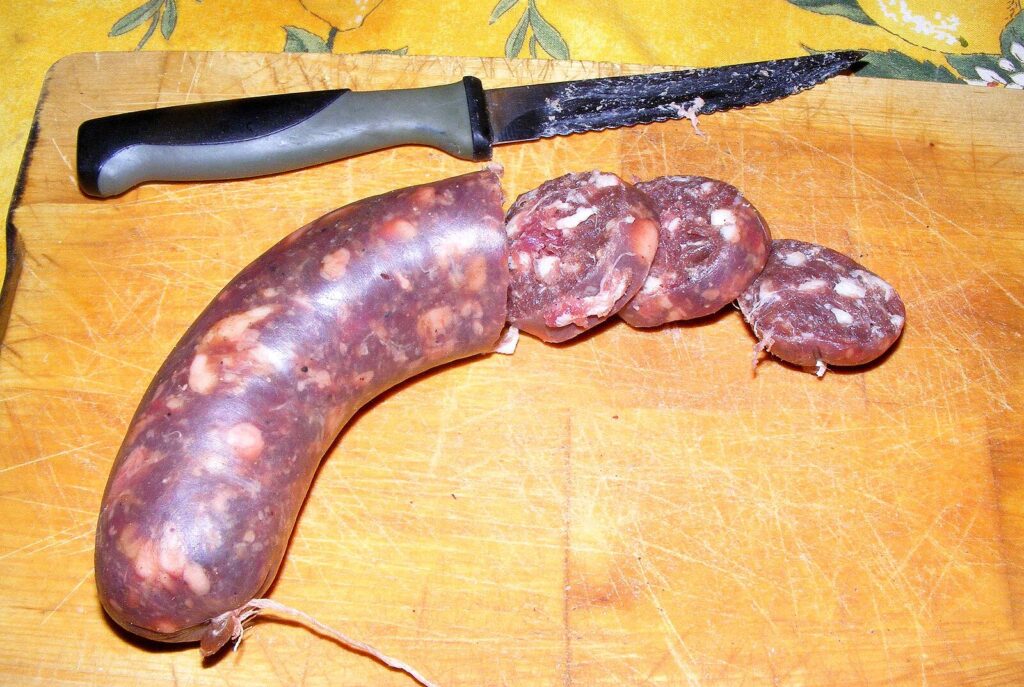
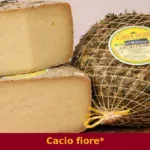
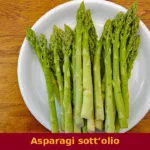
Lanzo lies within the gastronomic orbit of Turin and the Canavese region, where wine, preserved meats and dairy products form the backbone of the local diet. The province of Turin produces cheeses like Toma Piemontese (a semi-firm cow’s milk cheese with protected origin status), and cured meats of recognized quality. Nearby Balangero and the lower valleys supply hazelnuts and seasonal vegetables.
Turin’s baking traditions include the grissino (breadstick) and the grissino stirato (hand-pulled variant), which carry echoes of heritage into the modern table. Regional wines such as Canavese (DOC) and Erbaluce di Caluso (DOCG) from the lower hills complement the cuisine. The weekly Tuesday market, still held as it has been since 1219, remains the place where local vegetables, cheeses and prepared foods circulate through the community.
When to Visit and How to Arrive
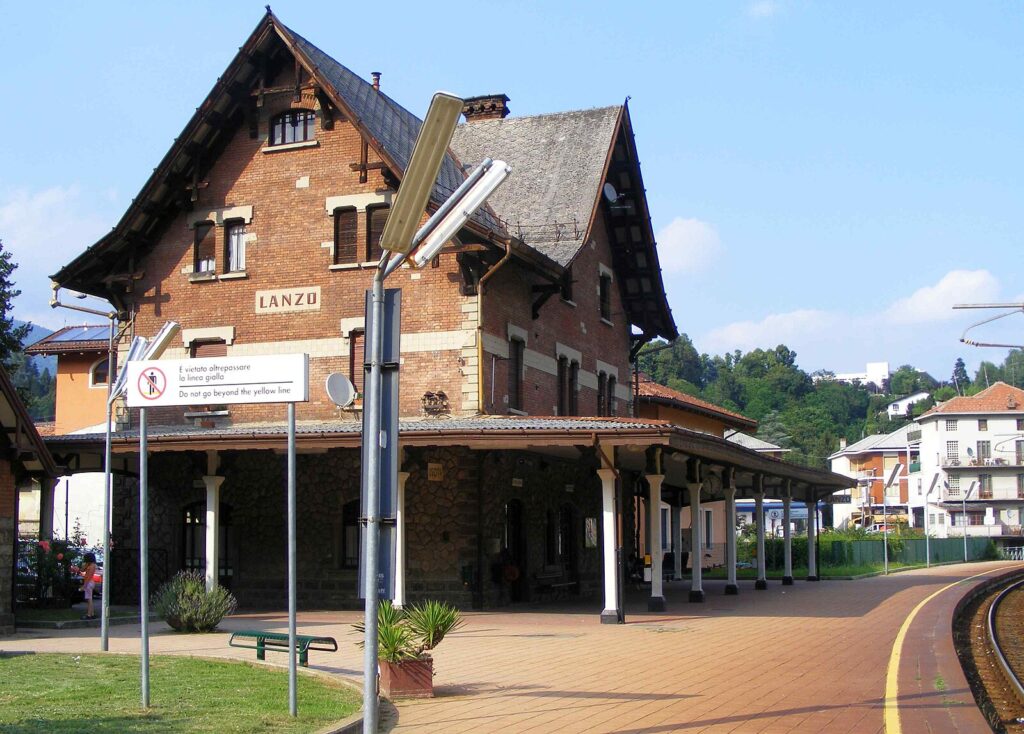
Lanzo Torinese is accessible year-round, though the valleys are most temperate from May through October. Winter brings Alpine snow to the upper passes but rarely closes roads at village level. The railway station still operates, served by regional trains from Turin; the journey takes approximately one hour. By car, the village is easily reached from Turin via state roads that wind through the Canavese before ascending the valley mouth.
| Departure Point | Distance | Estimated Time |
|---|---|---|
| Turin (Porta Nuova station) | 50 km | 60 minutes by train |
| Turin city centre (by car) | 50 km | 50–60 minutes |
| Balangero (nearby town) | 8 km | 12 minutes by car |
| Germagnano (neighbouring village) | 6 km | 10 minutes by car |
If you arrive by car, parking is available near the town centre and at the railway station. The old town is steep and best explored on foot; sturdy shoes are recommended, especially if visiting in rain or after snow. Visitors interested in the industrial heritage should contact the museums in advance, as hours vary seasonally. The natural area around the Ponte del Diavolo is freely accessible and offers straightforward walking trails along the Stura; permits are not required.
A half-day visit allows time for the tower, one museum and a walk to the bridge. An overnight stay enables a more leisurely exploration of the valley approaches and, if desired, a drive or hike into the lower reaches of the Valli di Viù or Ala. The nearest larger facilities—restaurants, hotels, supermarkets—are in Turin or the larger towns of the Canavese; Lanzo itself is a small, quiet settlement without luxury tourism infrastructure, which is part of its character.
The village is part of the Unione dei comuni montani delle Valli di Lanzo, Ceronda e Casternone, a consortium of mountain communes with administrative seat in the nearby village of Ceres. This arrangement supports local services and coordinates tourism; inquiries about guided tours, seasonal events and hiking routes can be directed to the municipal office. The official website comune.lanzotorinese.to.it offers basic information and contact details.
Frequently asked questions about Lanzo Torinese
How do I reach Lanzo Torinese by car from Turin?
Lanzo Torinese is located 50 kilometres northwest of Turin. From the city centre, take the SS460 or A4 motorway toward Ivrea, then follow signs for Valle di Stura. The drive takes approximately 50–60 minutes depending on traffic. The village sits at 515 metres altitude at the gateway to the Valli di Viù, Ala and Grande. Parking is available in the main squares near the medieval centre.
What is the feast day of the patron saint, and when should I visit?
San Pietro in Vincoli is the patron saint of Lanzo Torinese, celebrated on August 1st. This is an excellent time to experience local traditions and festivities. Summer months (June–September) offer mild mountain weather ideal for exploring the medieval centre and nearby valleys. Spring and early autumn provide comfortable temperatures for hiking the surrounding Alpine trails.
What can I see during a typical visit to Lanzo Torinese?
The compact medieval centre features a historic contrada (main street) connecting the castle to the old town gate, with stone buildings clustered on Monte Buriasco above the Stura river. Two specialist museums chronicle mechanical trades and geological heritage of the valleys. Plan 2–4 hours for the village core. The feudal castle and tower remnants are visible landmarks. Views toward the Western Alps and down the valley toward Turin reward exploration from the main squares.
When was Lanzo Torinese first documented in history?
The first written record of Lanzo dates to 9 July 1029, when the bishop of Asti granted lands in the area to a monastery. However, settlement existed before this date; local tradition suggests Roman pastoralists occupied the hilltop. The village later developed as a medieval crossroads where bishops, nobles and kings held territorial interests, shaping its feudal architecture and historical importance.
📷 Photo Gallery — Lanzo Torinese
In Piedmont More villages to discover
Alessandria
 Plains
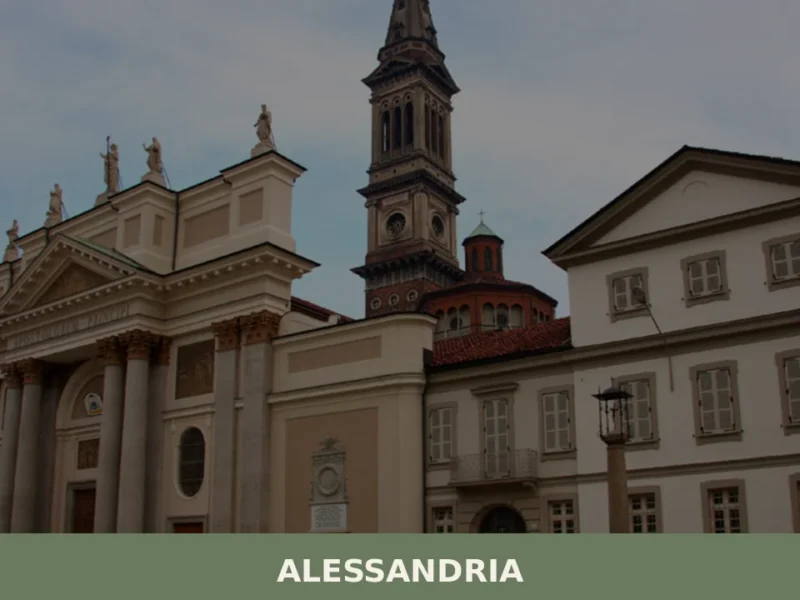
What to see in Alessandria: city at 95m in Piemonte with a military Citadel and Borsalino Museum. Explore 5 attractions, rabaton and Gavi DOCG wines.
Maglione
 Hills
Hills
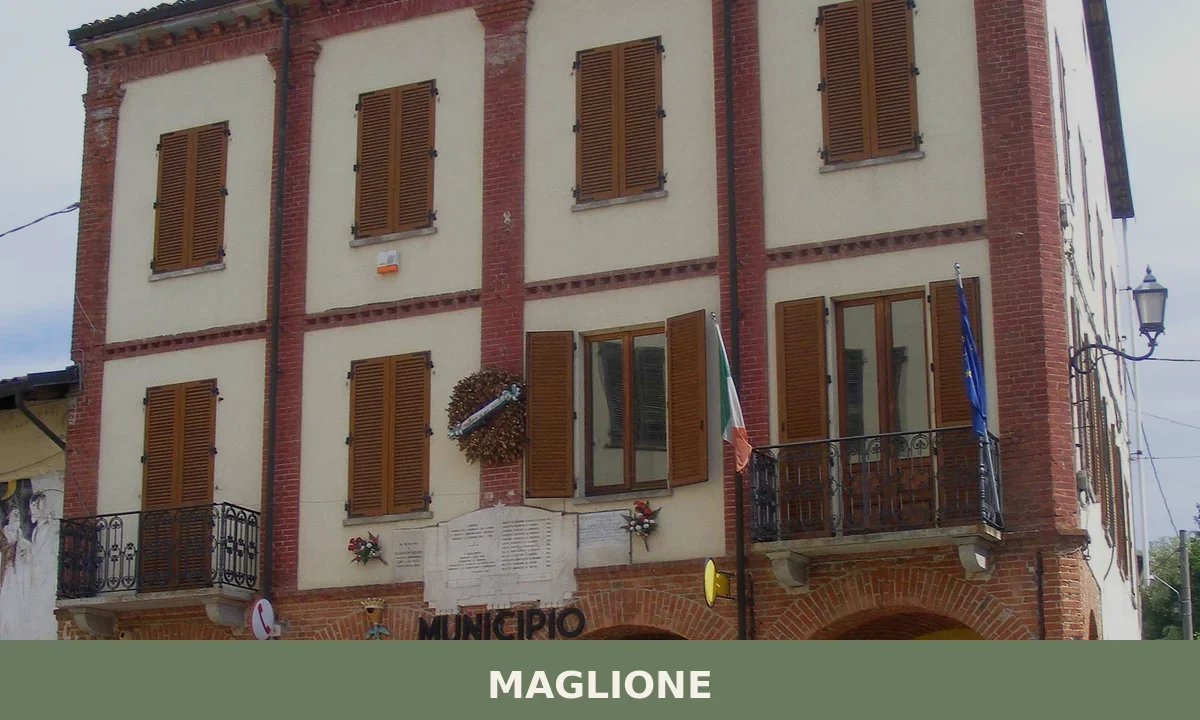
406 inhabitants, 167 contemporary artworks and a September procession with ancient Celtic echoes: Maglione offers a concentrated, surprising cultural experience in the Torinese hills.
Barone Canavese
Hills
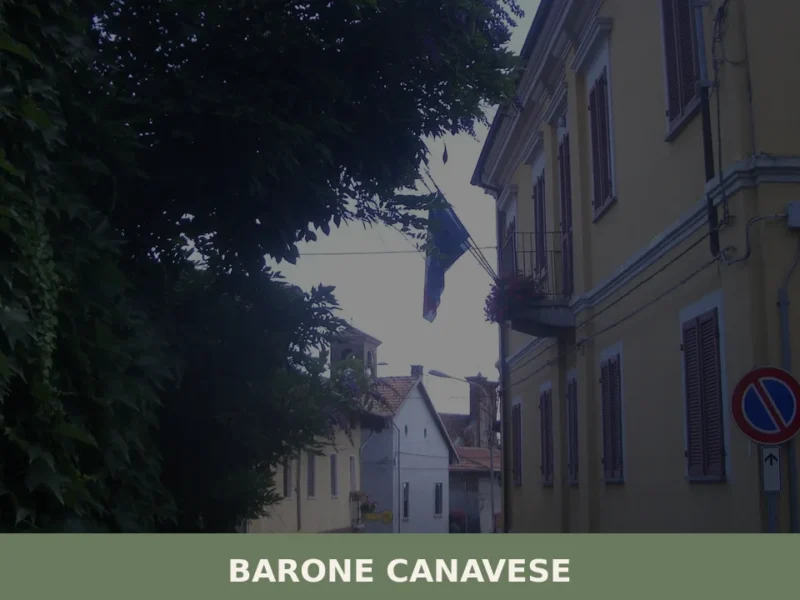
Barone Canavese has 554 inhabitants and sits at 325 metres above sea level, on the hills of eastern Canavese in the province of Turin. Those wondering what to see in Barone Canavese will find a small municipality set within a well-defined hill landscape, notable for its historic religious buildings and a road network connecting the […]

Quincinetto
Hills
A mountain comune of 976 inhabitants where Roman roads once connected the Po Valley to Gaul. Medieval castles and seven fountains mark this Piemontese village.
Samone
Plains
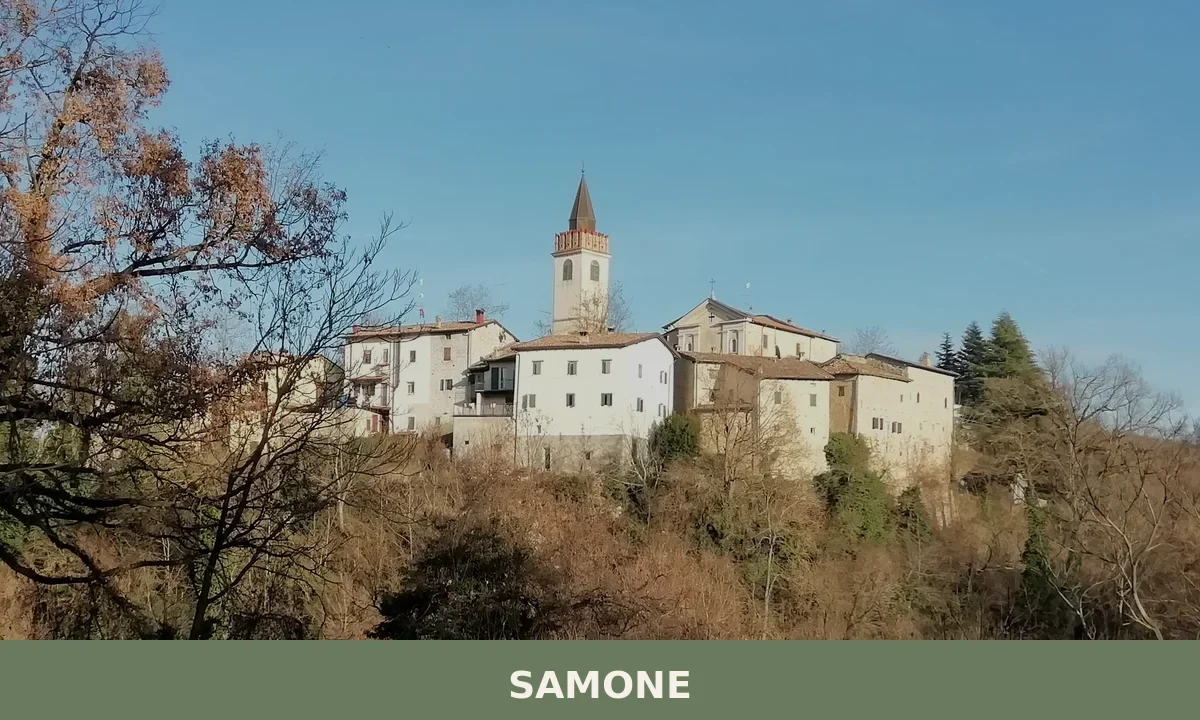
Population 1,536. A modest Turin-province comune with roots in a 10th-century diploma, reshaped by industrial employment and social migration across three generations.
Sant’Antonino di Susa
Mountain
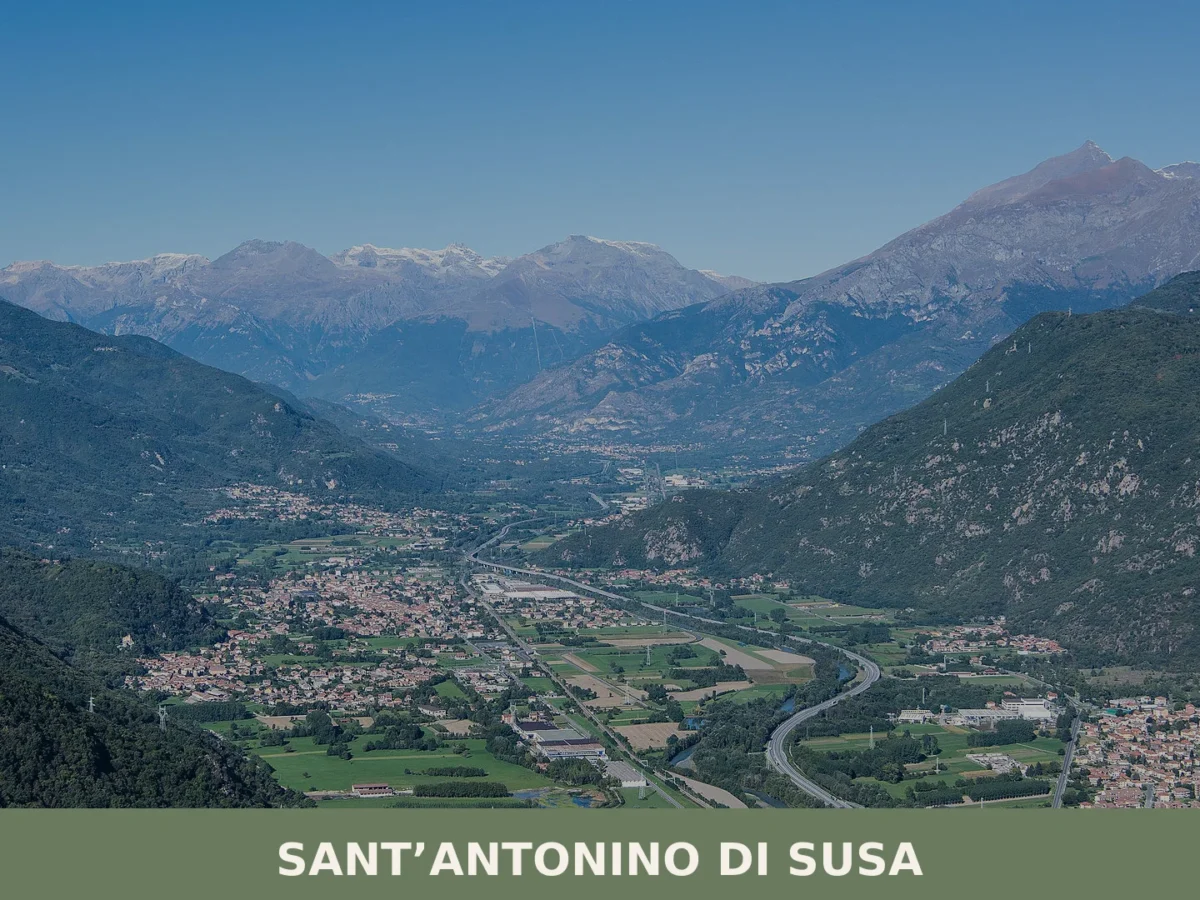
Sant'Antonino di Susa (population 4,074) occupies the right bank of the Dora Riparia at 380 metres. Medieval churches, partisan memory and the echoes of early industrial labour define this Piedmontese comune.
Giaglione
Mountain
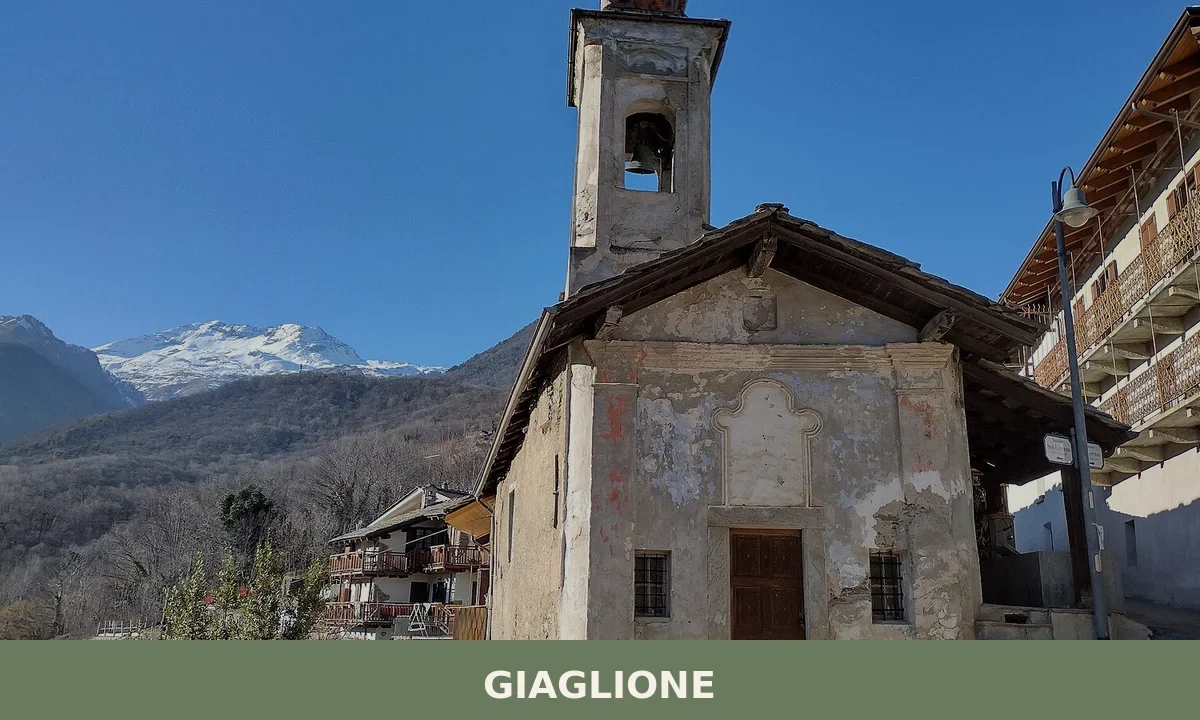
Population 595. Medieval fortified settlements, a 15th-century fresco chapel, and a living folk tradition that marks the feast of the patron saint each January.
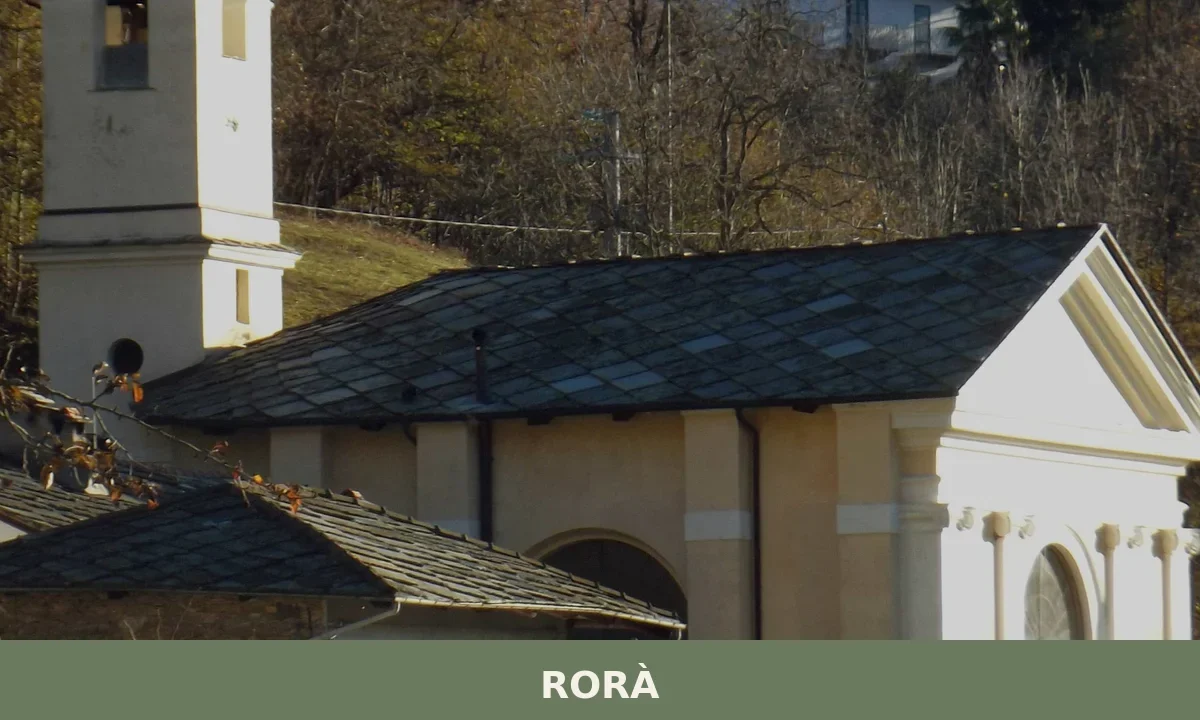
Rorà
Mountain
Population 221. Altitude 967 metres. Stone houses, Alpine silence, and a rhythm set by seasons and territorial links that connect to the Pellice valley network.
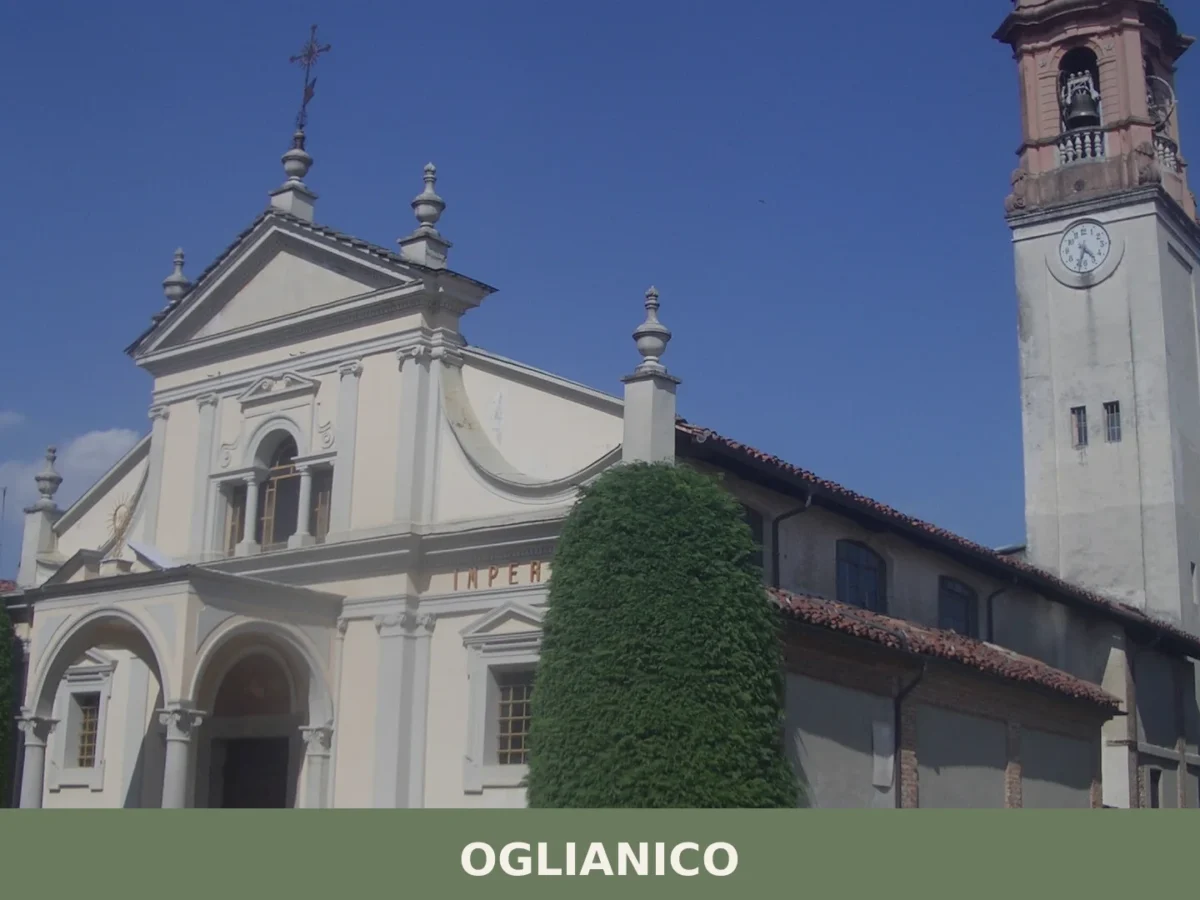
Oglianico
Hills
1,428 residents, a medieval gate-tower reproduced in Turin and frescoed chapels: Oglianico offers concentrated Canavese history in a compact, walkable village.

Montà
Hills
4 distinct hamlets, one medieval castle and over 35 km of trails make Montà a rewarding base for exploring the Roero hills of Cuneo province.


🏡 Know Lanzo Torinese better than we do?
If you’re a local or have been there, your knowledge matters: add what’s missing or fix a detail on this page.