


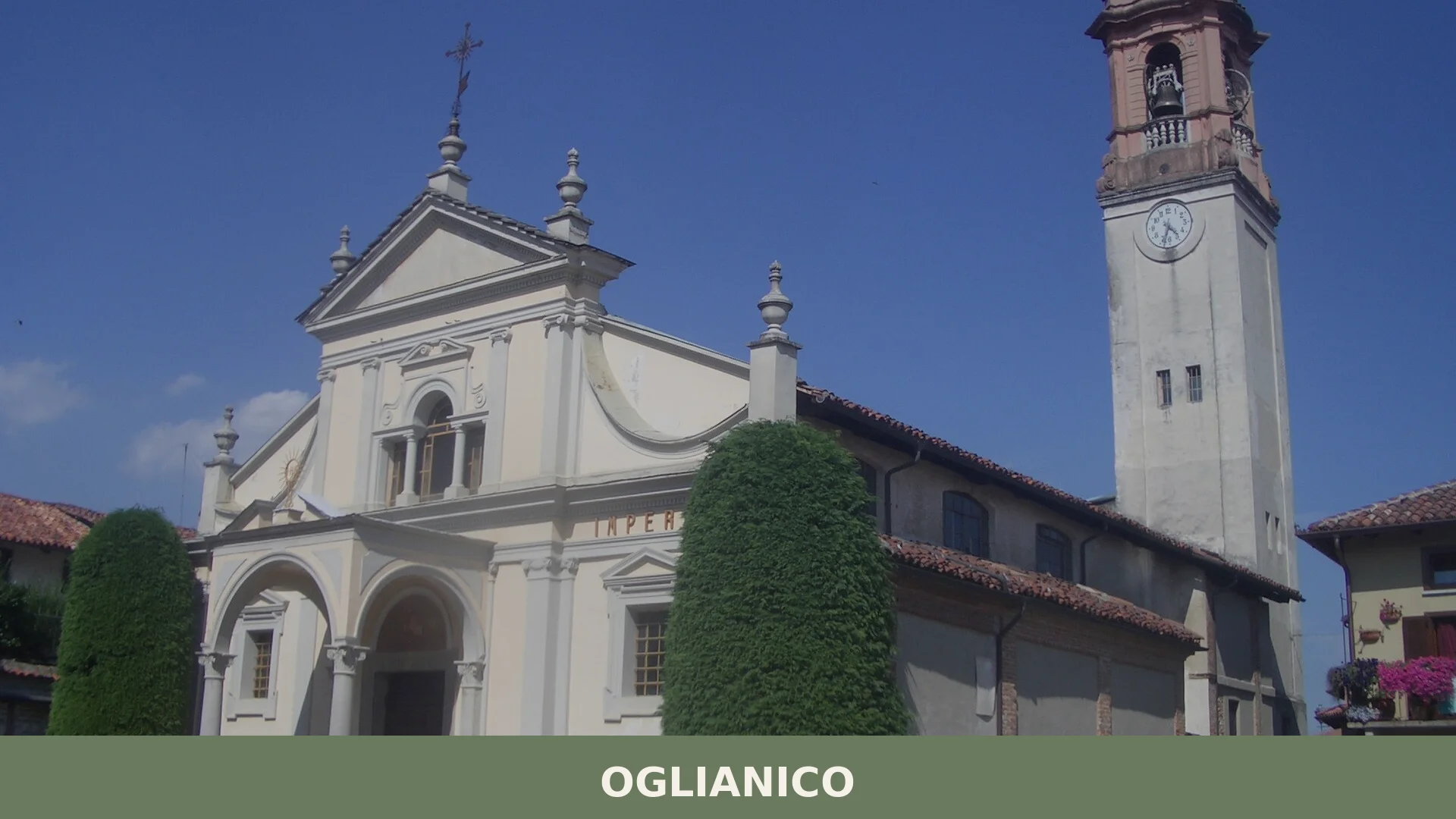
Oglianico
 Hills
Hills
1,428 residents, a medieval gate-tower reproduced in Turin and frescoed chapels: Oglianico offers concentrated Canavese history in a compact, walkable village.
Oglianico: a Canavese Village Between Stone, History and Local Life
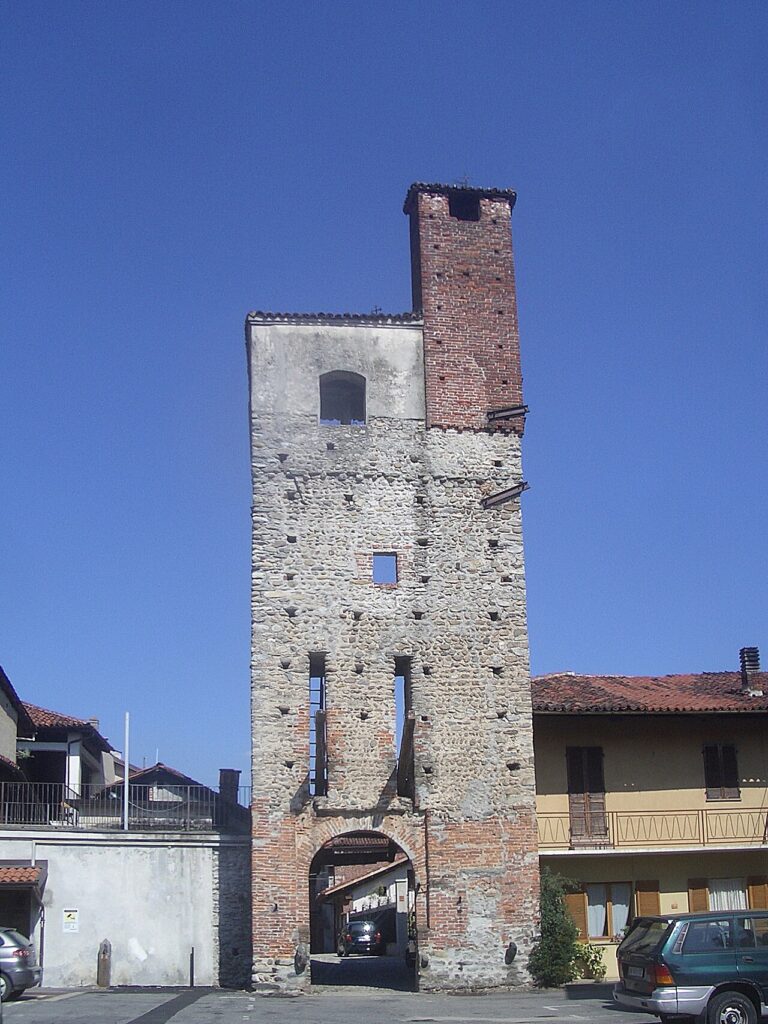
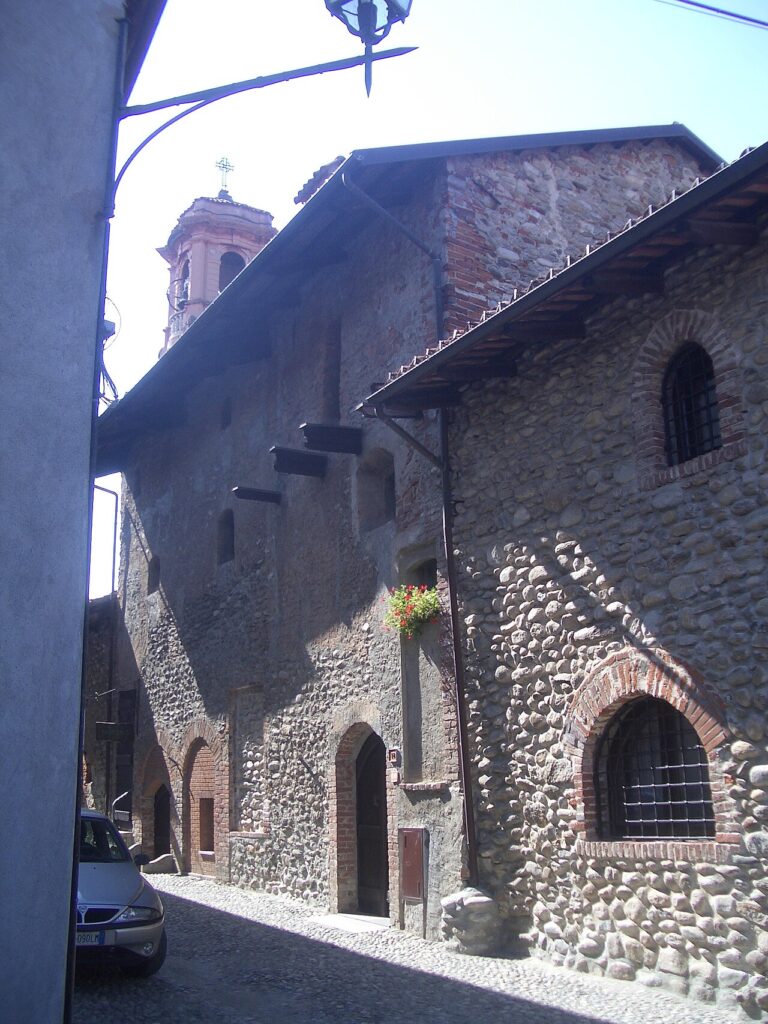
A three-sided medieval tower stands at the entrance of a compact stone enclosure, its fourth wall left deliberately open toward the interior courtyard — a structural choice that reads almost like an invitation. The Ricetto of Oglianico is not a ruin waiting for restoration; it is a living architectural statement, still anchoring the daily geography of this small Canavese community in the province of Turin.
Oglianico village in Piedmont rewards visitors who arrive with two specific interests: medieval civic architecture and the quiet liturgical art of a frescoed chapel that has survived centuries without much fanfare. Together, these two draws define the character of a village that managed to maintain its own legal statutes as early as the mid-fourteenth century — a sign of institutional confidence unusual for a settlement of this size.
From Imperial Mention to Communal Autonomy: The History of Oglianico
The earliest written record placing Oglianico on the historical map dates to 1110, when the Holy Roman Emperor Henry IV confirmed a series of feudal holdings for the counts of Canavese, brothers Guido and Ottone. The document names Oglianico among the territories — a brief mention, but enough to establish that the village was already recognised as a distinct place with strategic value. Its position on the edge of two competing spheres of influence, one centred on the Savoy stronghold at nearby Rivarolo and the other tied to the Marquises of Monferrato through the adjacent commune of Favria, meant that Oglianico spent much of the medieval period as a contested border point.
That friction was not merely territorial. The rivalry between the counts of Valperga and San Martino for control of the area reflected the broader clash between Guelph and Ghibelline factions that reshaped northern Italian politics across several generations. Oglianico sat inside this conflict without the protection of a dominant feudal lord, which drove its inhabitants toward a collective solution: the construction of a fortified enclosure, the ricetto, where people, livestock and harvested grain could shelter during raids. The gate-tower that protected this enclosure became, over time, one of the most architecturally coherent examples of its kind in the Canavese region.
The relationship between Oglianico and the House of Savoy eventually stabilised into something closer to loyalty, and that loyalty was rewarded. The community gained the right to govern itself through written statutes — the Statuta Comunitatis et Hominum Loci Oglianici — formally recorded in 1352 and confirmed in 1372 by Ibleto di Challant, at that time serving as Captain General of Piedmont. From that point forward, the village followed the broader arc of Savoyard history, moving gradually toward full municipal autonomy without the dramatic ruptures that marked many other Piedmontese communities of comparable size.
Stone, Fresco and Open Courtyard: The Places That Define Oglianico
The Ricetto and the Gate-Tower
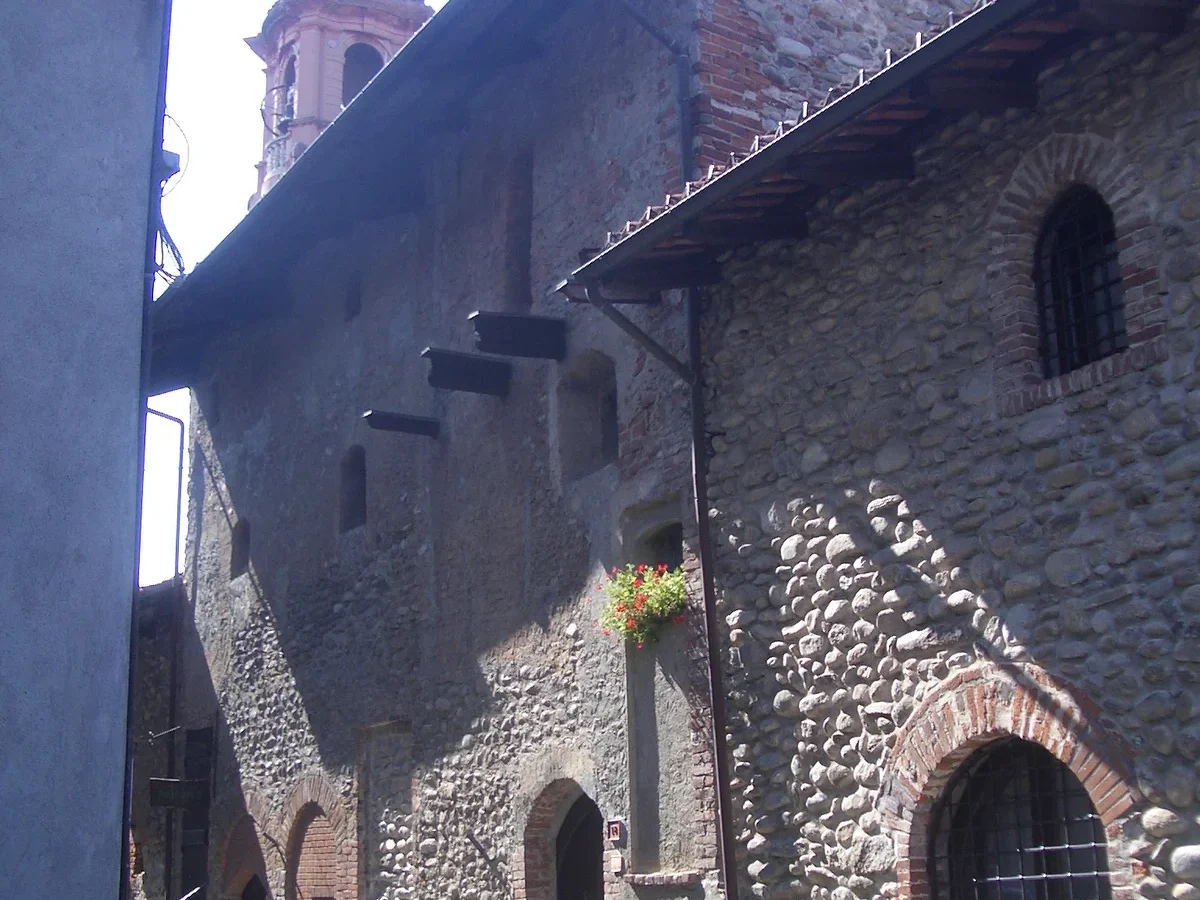
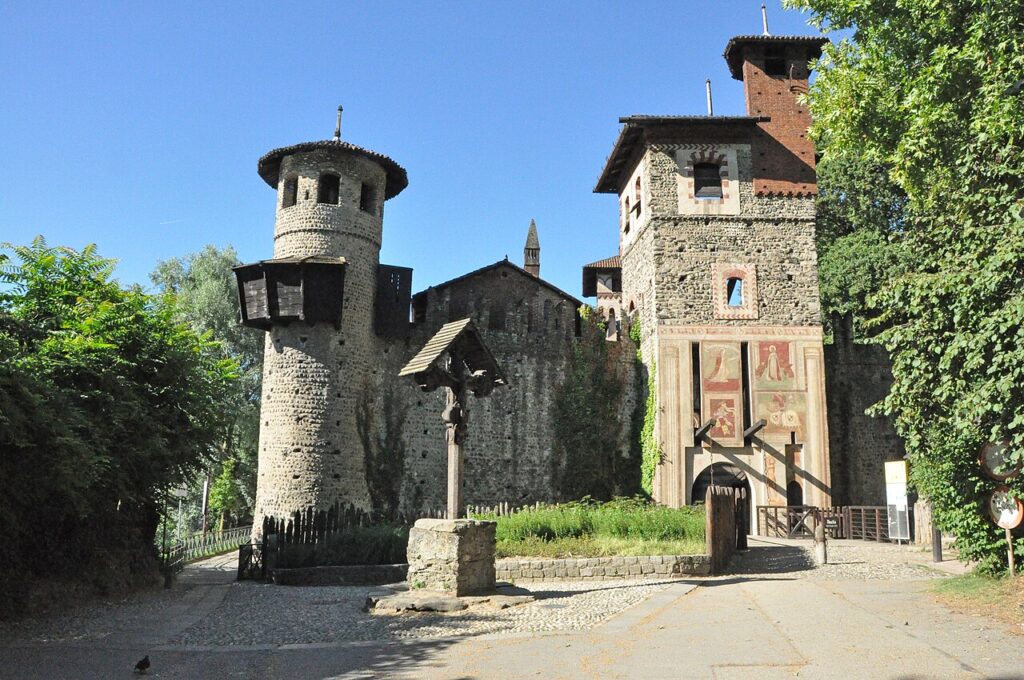
The ricetto — a fortified communal refuge of a type common across the Canavese in the medieval period — survives in Oglianico in unusually coherent form. Its gate-tower is built on three sides, with the fourth side left open toward the interior courtyard, a design feature that distinguishes it from more conventional defensive structures. The tower’s architectural integrity attracted serious attention in the late nineteenth century: Alfredo D’Andrade, the architect and art historian responsible for the Borgo Medievale of the Valentino park in Turin, chose this tower as a model and reproduced it faithfully for the 1884 Esposizione Generale Italiana. That a structure in a village of this scale served as a reference point for a major national exhibition speaks to the quality of its construction and preservation.
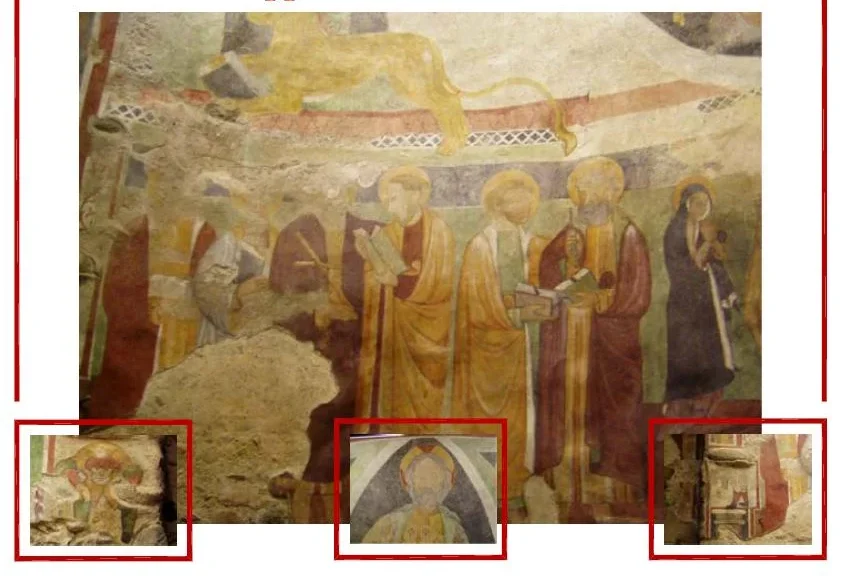
Cappella di Santo Spirito ed Evasio
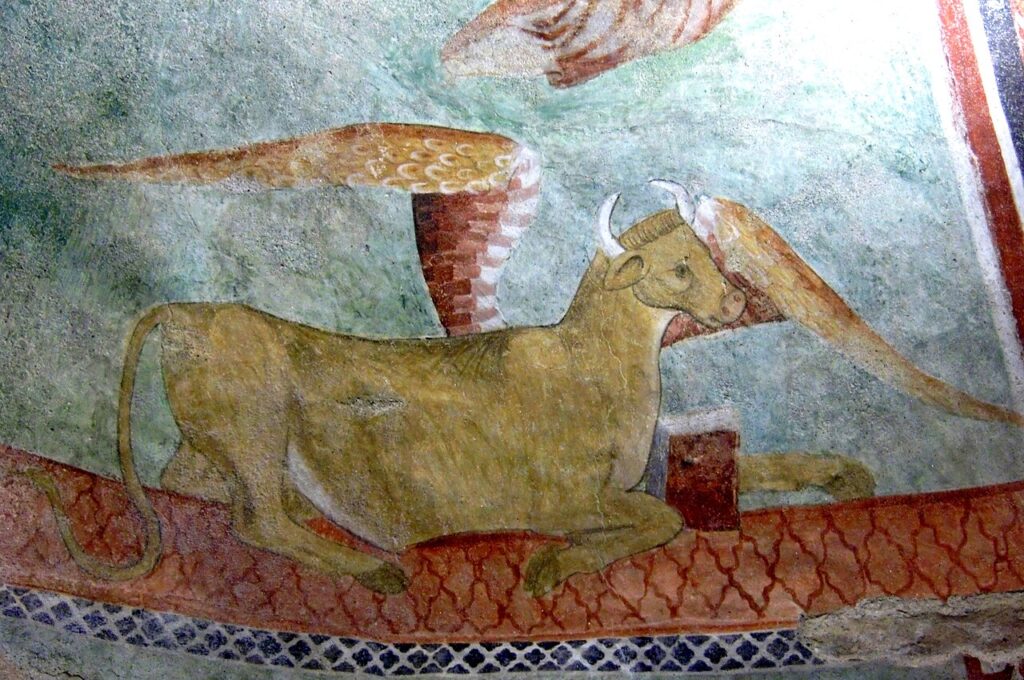
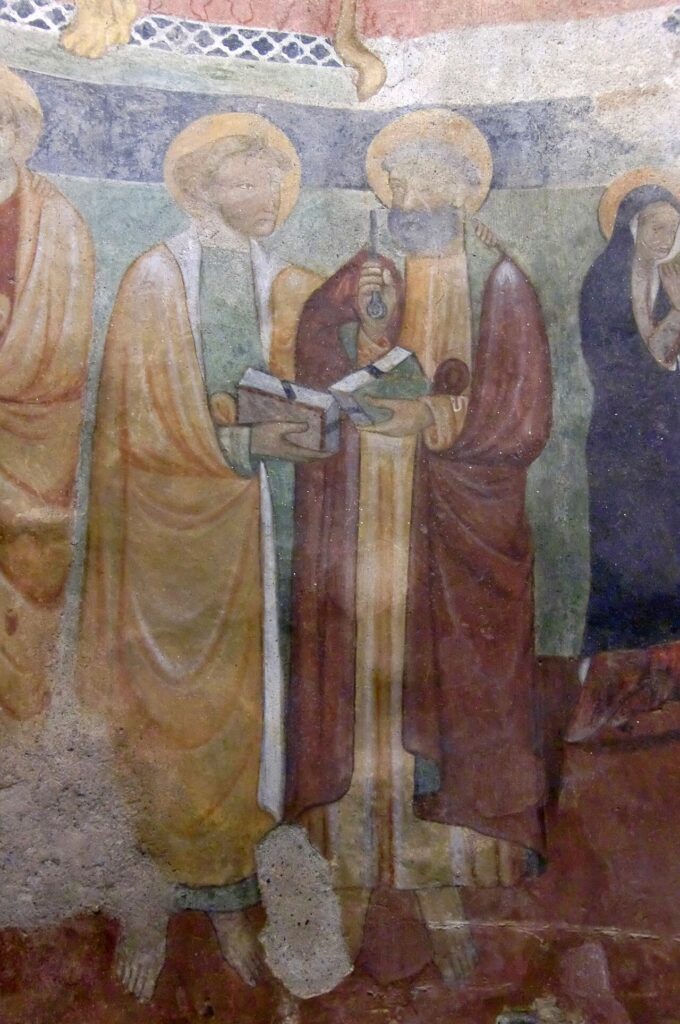
Inside the ricetto compound stands the Cappella di Santo Spirito ed Evasio, a small frescoed chapel whose interior holds more visual material than its exterior dimensions suggest. The apsidal conch displays a figure of Christ in the act of blessing, enclosed within an almond-shaped mandorla of deep blue — a mandorla being the traditional elliptical halo of light used in medieval sacred iconography — surrounded by the symbolic figures of the four Evangelists. The lower register of the apse presents a row of apostles with a crucifixion scene at the centre. The precise dating of these frescoes remains uncertain, though scholars have suggested the late fourteenth or early fifteenth century as a plausible range. The chapel now functions as a small museum and gallery space following careful restoration work.
Chiesa della Santissima Annunziata e San Cassiano
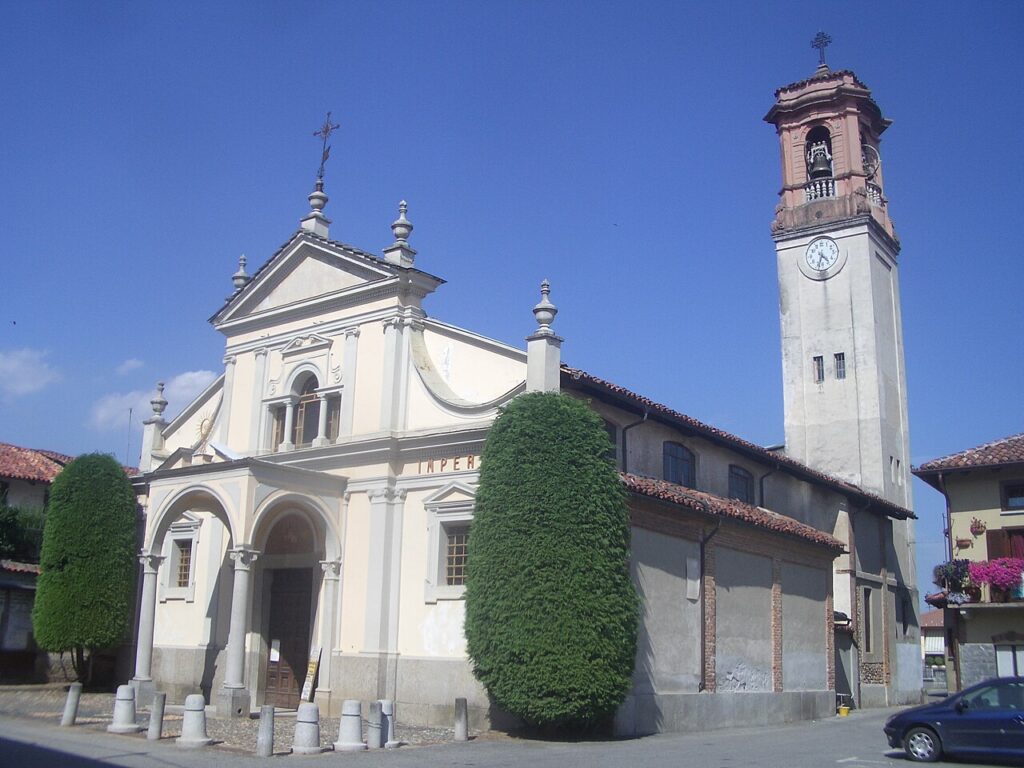
The parish church dedicated to the Santissima Annunziata and San Cassiano serves as the main place of worship for the oglianicesi — the demonym for residents of Oglianico. Its interior preserves a series of frescoed panels including depictions of the Ostension of the Shroud, a Madonna with Child and Saints, and heraldic elements associated with the House of Savoy. The presence of Shroud imagery is notable: it reflects the deep connection between Savoyard patronage and the broader devotional culture of Piedmont, where the Shroud of Turin functioned as both a religious relic and a dynastic symbol throughout the early modern period.
Villa Fresia
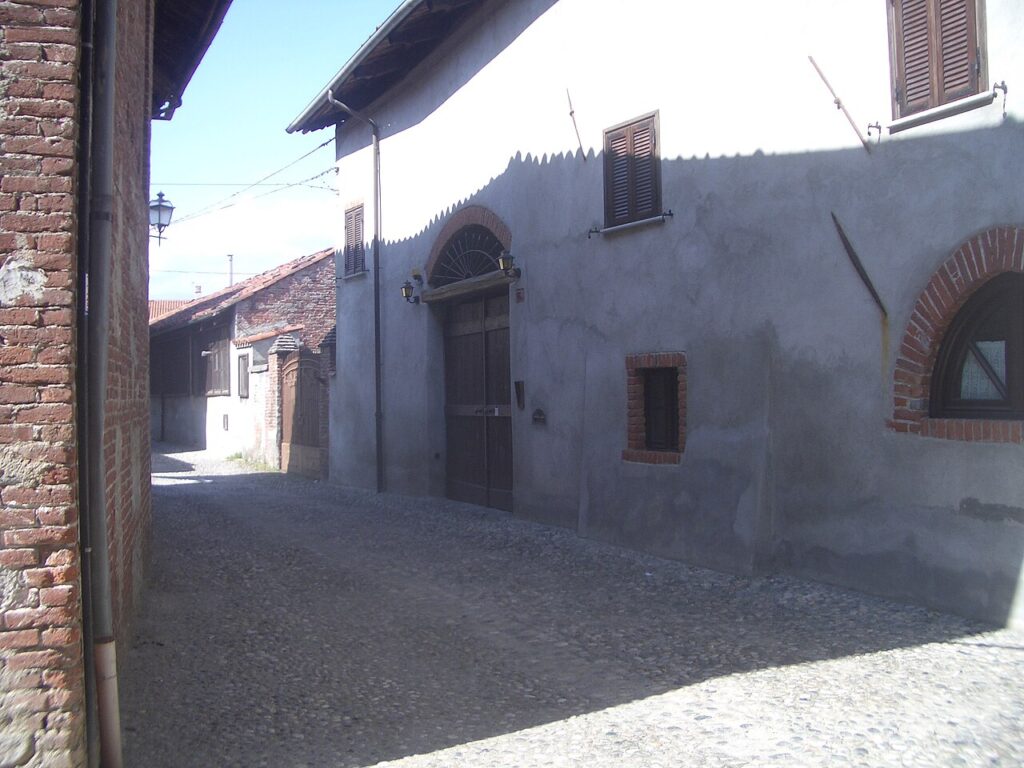
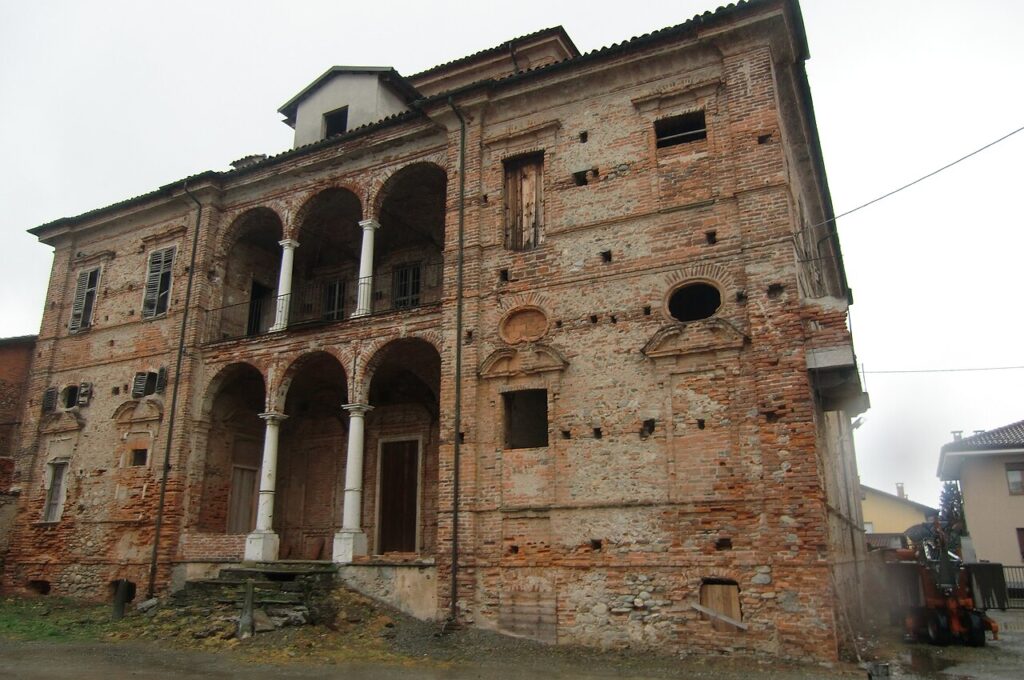
Among the civil buildings that give Oglianico its architectural variety, Villa Fresia stands out as a seventeenth-century residence. Its presence alongside the medieval religious and defensive structures illustrates the layered chronology of the village: a medieval enclosure, a Baroque-era villa and a working parish church occupy the same compact territory, each belonging to a different phase of local history. Villa Fresia is not a public museum, but its facade contributes to the spatial character of the village centre and marks the transition toward the post-medieval settlement pattern.
The gate-tower of Oglianico was considered architecturally significant enough to be reproduced full-scale at the 1884 Esposizione Generale Italiana in Turin — one of the most ambitious exhibitions of unified Italy’s early decades — making this Canavese village part of the national conversation about medieval heritage at a critical moment in Italian cultural history.
Flavours of the Canavese Table
Oglianico does not produce a cuisine that stands apart from its Canavese surroundings, and the village is too small to claim exclusive culinary identities. What it shares with the broader territory around it is considerable, however. The wines of the area include the Erbaluce di Caluso DOCG, a white grown on the morainic soils of the Canavese that is among the most distinctive white varieties in Piedmont, alongside the Canavese DOC and Carema DOC reds. Locally produced cheeses, including Grana Padano DOP, and cured meats from the wider provincial area appear regularly at tables in the zone. The nocciolino di Chivasso, a small hazelnut-based confection with roots in the nearby town of Chivasso, is a regional sweet worth knowing. These are area-wide products rather than village specialities, but they form the natural gastronomic frame for any visit to this part of Piedmont.
Planning your visit and getting there
Oglianico can be reached easily from Turin and the surrounding Canavese area. The village lies in the Canavese, in proximity to the Val Orco, in the foothills of the Graian Alps. The practical distances and journey times below are kept concise on purpose, so the access information stays clear and consistent.
| Departure | Distance | Time |
|---|---|---|
| Turin (city centre) | approx. 35 km | approx. 35-40 min |
| Turin Caselle Airport | approx. 25 km | approx. 25-30 min |
| Rivarolo Canavese (stazione FS) | approx. 5 km | approx. 8-10 min |
| Milano | approx. 120 km | approx. 1 h 30 min |
These practical reference points are enough to plan the journey without overloading the text with unstable logistics. Once on site, the village is best understood slowly, on foot and in relation to the surrounding landscape.
Frequently asked questions about Oglianico
What is the best time of year to visit Oglianico?
Spring (April–May) and autumn (September–October) offer pleasant weather ideal for exploring the medieval architecture and countryside of this Canavese village. Summer can be warm at 326 metres elevation. The feast day of San Feliciano, the village patron saint, marks a significant local celebration, though the exact date requires confirmation with local tourist offices. Winter visits are possible but less frequented due to cooler temperatures.
How do I reach Oglianico from Turin?
Oglianico lies in the province of Turin, approximately 40–50 kilometres north in the Canavese region. By car, access via regional roads from Turin takes roughly one hour. The nearest major train station is at Ivrea (approximately 15 kilometres away), with connections to Turin's main railway hub. From Ivrea, local bus services or car rental are recommended for the final journey to the village.
How long should I plan to spend in Oglianico?
A half-day visit (2–3 hours) suffices to see the Ricetto, the frescoed chapel, and walk through the compact medieval village centre. Those interested in deeper exploration of Canavese history, local traditions, and surrounding countryside may extend to a full day. The village's modest size and focused attractions suit shorter, leisurely visits rather than extended stays.
What makes the Ricetto of Oglianico architecturally unique?
The Ricetto features a three-sided medieval tower with a deliberately open fourth wall facing the village — an unusual design that functions as an architectural invitation rather than a fully enclosed fortress. Unlike many medieval structures reduced to ruins, Oglianico's Ricetto remains a living, functioning element of daily village life, anchoring its communal identity and geography at 326 metres elevation.
When did Oglianico first appear in historical records?
The earliest written documentation dates to 1110, when Holy Roman Emperor Henry IV confirmed feudal holdings for the counts of Canavese in a charter naming Oglianico as a recognised territory. By the mid-fourteenth century, the village had secured its own legal statutes — an institutional achievement reflecting unusual autonomy for a settlement of its modest size.
📷 Photo Gallery — Oglianico
In Piedmont More villages to discover
Borgiallo
Hills
Borgiallo has 579 inhabitants and sits at 540 metres above sea level on the hills of the Valle Sacra, in the province of Turin. Travellers who take the road climbing from Castellamonte towards the Canavese uplands find a compact settlement of stone and brick houses that follow the line of the ridge. Understanding what to […]

Pramollo
 Mountain
212 residents spread across mountain hamlets at 1,071 metres. Protestant heritage and Alpine pasture define this Turin comune in Piemonte.
Alessandria
 Plains
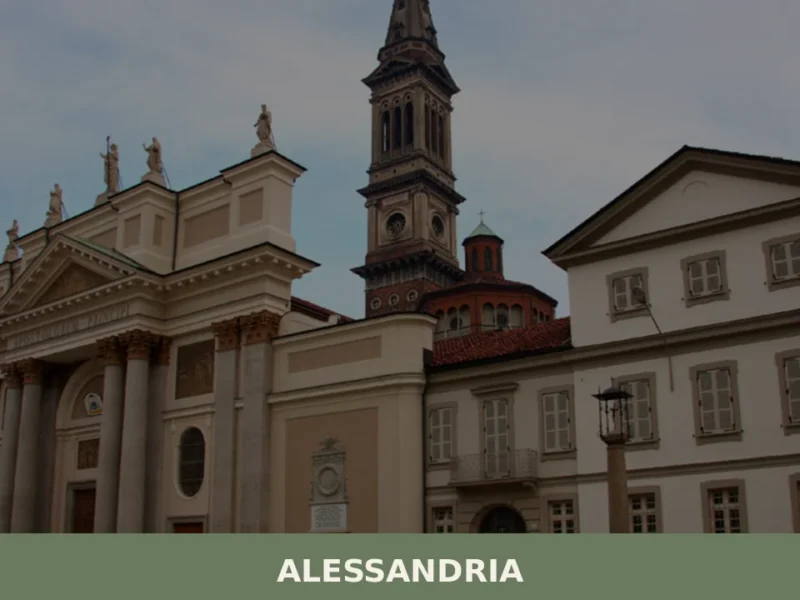
What to see in Alessandria: city at 95m in Piemonte with a military Citadel and Borsalino Museum. Explore 5 attractions, rabaton and Gavi DOCG wines.
Campiglione Fenile
Plains
Fifteen kilometres separate Campiglione Fenile from Pinerolo, and that distance is enough to create a perceptible shift: the noise of the city gives way to the compact silhouette of Piedmontese farmsteads, to the double-pitched roofs that cut across the Po Valley sky towards the Cottian Alps. In this article History and origins of Campiglione Fenile […]
Monteu da Po
Hills
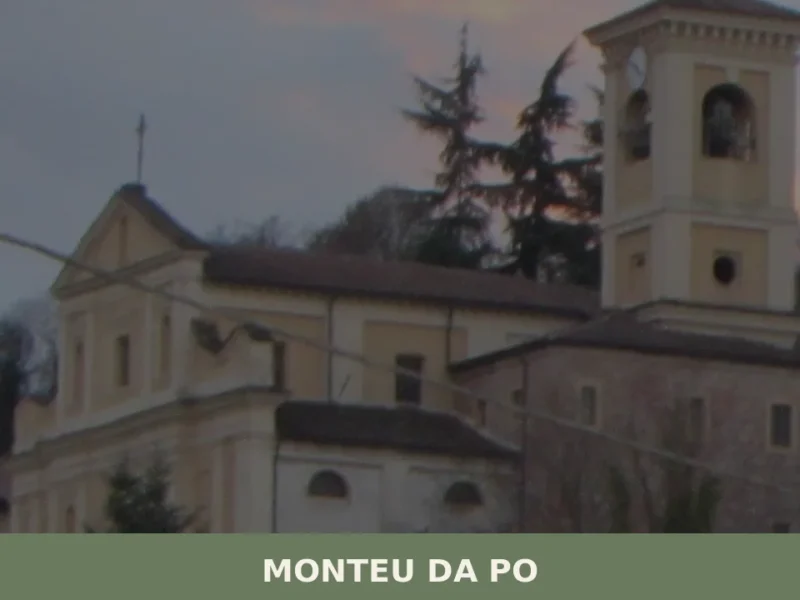
Scopri Monteu da Po, affascinante borgo piemontese sulle rive del Po. Storia, natura e tradizioni in un angolo autentico del Piemonte da non perdere.

Beinasco
Plains
Beinasco traces its roots to a Roman frontier post. Discover how this small town survived plague, warfare and transformation to anchor modern metropolitan Turin.
Salassa
Hills
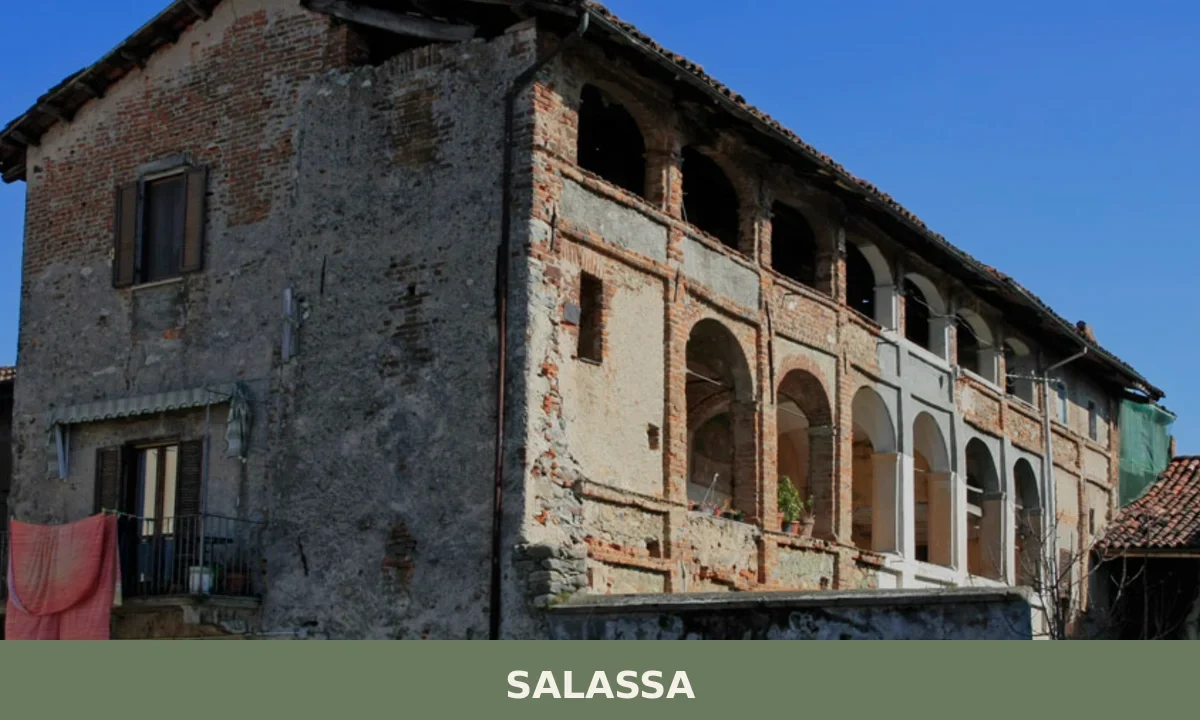
Population 1,862. A medieval comune with a 24-metre river-stone tower and 13th-century fortified enclosure, accessible by metro rail from Turin.
Mathi
Hills
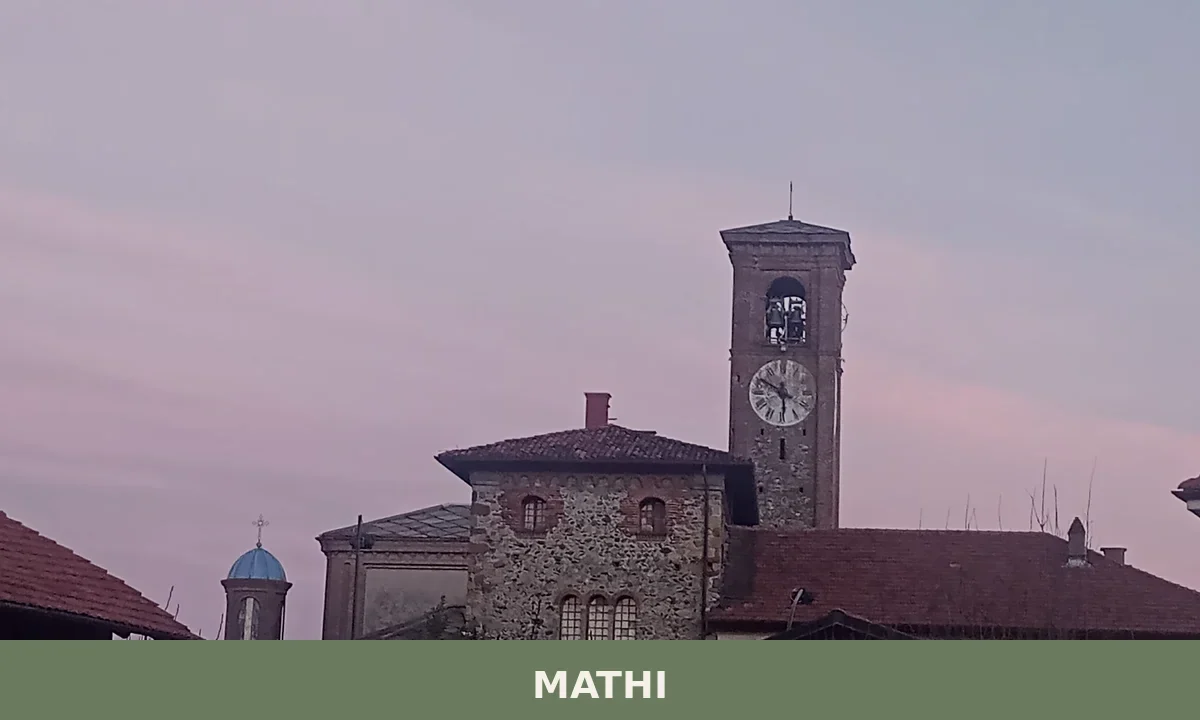
3,729 residents, a Benedictine tower still standing behind the parish church, and an industrial paper mill story linked to Don Giovanni Bosco. Mathi rewards those who look closely.
Perosa Canavese
Plains
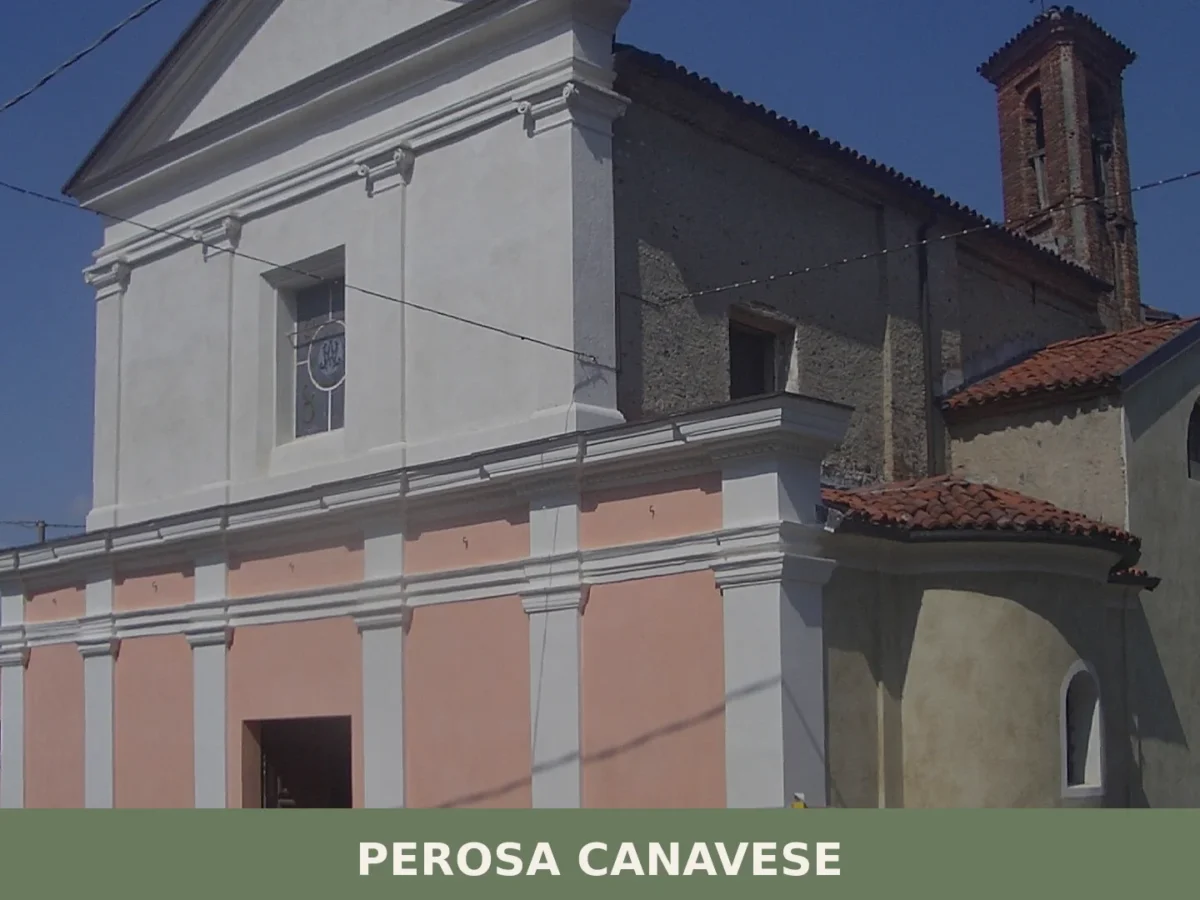
499 residents, a tower-gate carved into the village coat of arms, and a cedar imported from Morocco in 1820. Perosa Canavese rewards a careful visit.
Buriasco
Hills
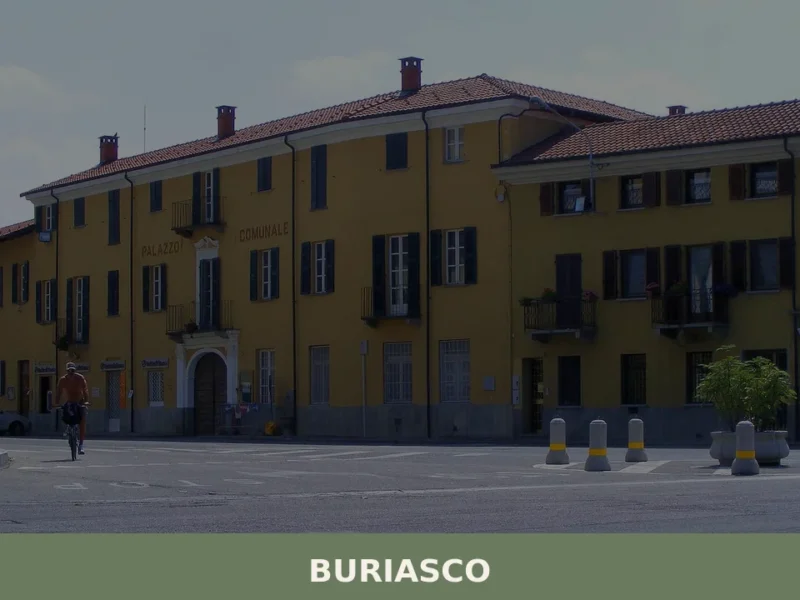
What to see in Buriasco, Italy: 5 top attractions, local food, festivals and how to get to this 301 m village near Turin. Discover Buriasco, Piemonte.


🏡 Know Oglianico better than we do?
If you’re a local or have been there, your knowledge matters: add what’s missing or fix a detail on this page.