


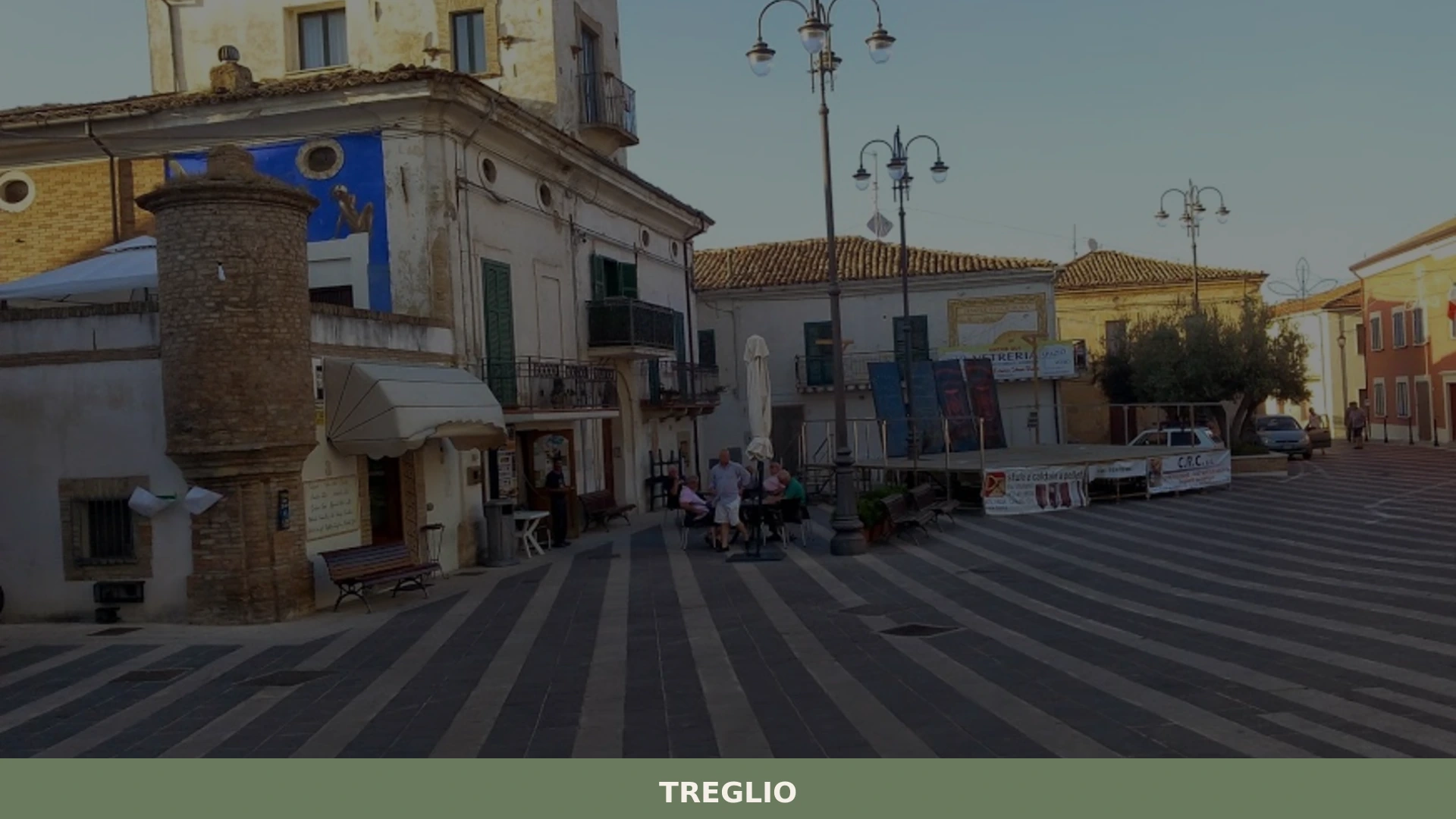
Treglio
 Plains
What to see in Treglio? Explore the 5 main attractions of this village in Abruzzo. Discover the complete guide for your visit!
Discover Treglio
The hilly profile of Frentana Abruzzo defines the context in which Treglio is situated, a municipality that, with its 1,604 inhabitants registered in the province of Chieti, maintains a strong connection with its territory.
The air breathed through its streets carries the echo of a history that developed far from major routes, preserving a discreet but defined identity.
For those looking for what to see in Treglio, the village offers an immersion in an authentic atmosphere, characterized by simple and functional architecture and panoramas ranging from the Frentana countryside to the Adriatic Sea.
Visitors can discover the peculiarities of a settlement that is part of the Union of Municipalities “Città della Frentania e costa dei trabocchi” (City of Frentania and Trabocchi Coast), an area that hides various exploration opportunities.
History and origins of Treglio
Treglio’s roots are embedded in a territorial context that has witnessed the alternation of various dominations and influences over the centuries, typical of the Abruzzo area.
Although sources do not provide a precise founding date or historical events of particular resonance for the village itself, its belonging to the province of Chieti inextricably links it to the history of Frentania, a region inhabited since ancient times by the Frentani people.
The etymology of the name “Treglio” is not documented in the provided sources, but its local dialectal form “Tréjje” in Abruzzese suggests a linguistic evolution that has consolidated over time.
The village’s hilly position, although not specified in terms of altitude in the sources, is a common element in many settlements in the region, chosen for defensive reasons and for the agricultural exploitation of the surrounding land.
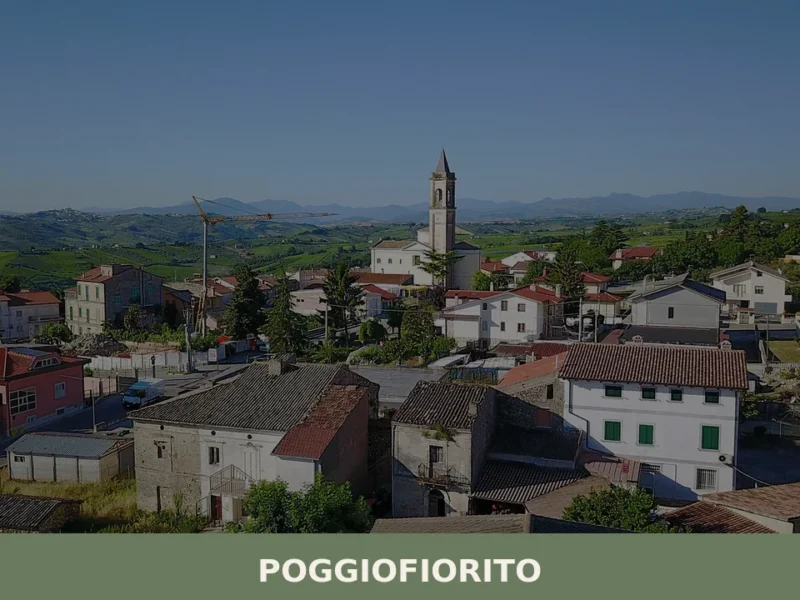
In the course of its more recent history, Treglio became part of a larger administrative entity, the Union of Municipalities “Città della Frentania e costa dei trabocchi” (City of Frentania and Trabocchi Coast). This aggregation, which also includes other villages in the area such as Poggiofiorito, testifies to an attempt at joint enhancement of territorial resources, both historical and touristic, and reflects the dynamics of cooperation among the small local realities of Abruzzo.
Its evolution was probably marked by agricultural events and rural life, foundational elements for the economy and culture of these places.
What to see in Treglio: main attractions
The Old Town and its streets
Strolling through Treglio, visitors find themselves immersed in the atmosphere of its historic center, characterized by an urban fabric that reflects typical Abruzzese rural architecture.
The houses, often built of local stone or with light plaster, face narrow and winding alleys that occasionally open onto small squares or wider spaces, revealing an urban structure that developed organically over centuries.
Despite the absence of a precise founding year in historical sources, the layout of the houses suggests a settlement of medieval or later origin, designed for defense and social cohesion.
The facades of the houses, despite their simplicity, feature details such as stone doorframes and architraves, elements that testify to local craftsmanship and care in construction.
The hilly terrain typically influenced the development of the village, with changes in elevation creating unexpected views and privileged vantage points over the surrounding landscape.
Those who visit Treglio can appreciate the quiet of these places, where time seems to flow at a different pace, far from the hustle and bustle of cities.
Exploring the old town allows one to grasp the essence of village life, observing the solid wooden doors and wrought-iron railings that adorn the windows, elements that tell stories of generations. The population of 1,604 inhabitants helps keep alive the authenticity of this small center, where human relationships retain a central role.
It is advisable to walk the streets unhurriedly, letting curiosity guide you to discover the most evocative corners.
The Frentania Landscape
Treglio’s elevated position offers a privileged perspective on the vast and varied landscape of Frentania, a geographical area extending between the hills and the Adriatic coast.
From the heights of the village, the gaze can sweep eastward, where the profile of the Adriatic Sea is glimpsed, and westward, where the imposing peaks of Majella and Gran Sasso, Abruzzo’s most important mountain ranges, rise.
This landscape duality, between sea and mountains, is one of the region’s distinctive features and is clearly visible from several panoramic points in the town.
The area surrounding Treglio is characterized by an expanse of olive groves, vineyards, and cultivated fields, which create a mosaic of colors that changes with the seasons. The land, worked for centuries, is the beating heart of the local economy and culture, influencing the gastronomy and traditions of the place.
Treglio’s belonging to the province of Chieti places it in an area known for its fertility and for the production of quality agricultural products, elements that visitors can appreciate by observing the panorama.
Those looking for what to see in Treglio beyond the architecture can dedicate time to observing this natural scenery, which offers ideas for light excursions or simply moments of contemplation.
The distance from the coast, although Treglio is not directly on the sea, is short, allowing access to the beaches and the famous trabocchi with a brief car journey. The contrast between the tranquility of the hills and the liveliness of the coast makes this area particularly interesting for diversified itineraries.
Traditional Rural Architecture
Treglio’s architecture is a clear expression of the Abruzzese building tradition, focused on functionality and the use of locally available materials.
The houses in the village, built predominantly of stone, often covered with plaster, feature simple and robust lines, designed to withstand the climate and integrate harmoniously into the hilly landscape.
Sloping roofs, covered with terracotta tiles, are a recurring element, as are the stone portals that frame the main entrances, some of which may feature simple decorations or engraved dates from the 18th or 19th century.
The arrangement of windows and the size of the internal spaces reflect the needs of rural and family life, with well-defined areas for daily activities.
Many homes still retain original elements, such as wrought-iron balconies or small votive niches, which add a touch of history and authenticity.
This type of building is also common in nearby villages like Pennapiedimonte, where Majella stone is the protagonist, albeit with peculiarities linked to the specific geological conformation of the place.
The attention to constructive details and the choice of materials reveal a deep knowledge of the territory and a respect for techniques handed down from generation to generation. Observing these structures allows for a better understanding of the social and economic history of
Panoramic Viewpoints
Given its hilly conformation, Treglio offers several points from which it is possible to enjoy expansive views of the surrounding territory.
These natural vantage points, often located on the outskirts of the inhabited centre or along its higher streets, allow one to encompass a vast horizon that includes cultivated fields, the profiles of other nearby villages and, on clearer days, the Adriatic coastline.
The view, which extends for tens of kilometres, is an attraction in itself, an invitation to contemplate the beauty of the Abruzzo landscape.
One of the most evocative panoramas opens to the east, where the view extends freely to the sea, offering a contrast between the green of the hills and the blue of the water.
To the west, however, the majestic peaks of Majella and Gran Sasso stand out on the horizon, often snow-capped for much of the year, creating a visually striking scenario. These observation points are not specifically named in sources, but are an intrinsic feature of every hilly village in the region, as can also be found in Rocca di Botte, albeit with mountain views.
For those who wish to fully discover what to see in Treglio, dedicating time to identifying and enjoying these panoramic viewpoints is essential.
Each season offers a different perspective: spring with the blossoming fields, summer with intense green and the blue of the sea, autumn with the warm hues of the woods, and winter with snow on the mountain peaks.
The chromatic variation of the landscape makes every visit unique and offers significant photographic opportunities.
The Connection with the Costa dei Trabocchi
Although Treglio is not directly overlooking the sea, its belonging to the Union of Municipalities “Città della Frentania e costa dei trabocchi” underlines its cultural and geographical link with one of the most fascinating coastal stretches of the Abruzzo Adriatic.
The Costa dei Trabocchi, famous for its ancient fishing machines on stilts, represents an icon of the territory and a major tourist attraction.
From Treglio, the coast is reachable in a few minutes by car, offering the opportunity to combine a visit to the village with an exploration of the coastline.
The trabocchi, wooden engineering structures that extend over the sea, are a testament to the local fishing tradition, and today many of them have been converted into restaurants where it is possible to taste fresh seafood.
The proximity to this coast allows visitors to Treglio to expand their itinerary, discovering not only mountain and hill traditions, but also maritime ones.
This synergy between inland and sea is a distinctive feature of Abruzzo and offers a variety of experiences within a limited radius.
Treglio’s connection with this union of municipalities is not only administrative but reflects a sharing of resources and objectives for the promotion of the territory.
For those looking for what to see in Treglio and its surroundings, the opportunity to explore the Costa dei Trabocchi significantly enriches the tourist offer, proposing an itinerary that ranges from the tranquility of the village to the allure of the sea. It is a way to understand the diversity and richness of the Abruzzo landscape and culture in a single trip.
Typical Cuisine and Products of Treglio
The gastronomic tradition of Treglio is part of the broader context of Abruzzese cuisine, a cuisine rooted in a peasant and pastoral tradition, characterized by robust flavors and genuine ingredients sourced from the land and farming.
The village’s location, between the Frentane hills and its proximity to the coast, suggests an influence that balances inland products with those from the sea, while maintaining a focus on the most authentic and rustic flavors typical of the province of Chieti.
The simplicity and quality of raw ingredients are the pillars of this gastronomy.
Among the typical dishes presumed to be common in the Treglio area, in line with Abruzzese tradition, homemade pasta preparations stand out.
For example, sagne a pezze or sagne e fagioli are a type of fresh pasta cut into rhombuses or squares, often seasoned with legumes or meat sauces. Another classic is maccheroni alla chitarra, an egg pasta with a square cross-section, traditionally served with a mixed meat ragù.
Lamb and mutton are very common, prepared in various ways, including grilled lamb (agnello alla brace) or pecorelle al cotturo, a slow-cooked stew.
Sources do not document specific certified products for the Treglio area (DOP/IGP/PAT/DOC/DOCG). However, the territory of Frentania and the province of Chieti is known for the production of high-quality extra virgin olive oil, obtained from local cultivars such as Gentile di Chieti, and for robust wines, particularly Montepulciano d’Abruzzo and Trebbiano d’Abruzzo.
Cured meats, such as ventricina, a spicy sausage typical of the area, are also an integral part of the local gastronomic tradition, made with selected pork and flavored with chili pepper and spices.
Although specific sagre (food festivals) or markets for Treglio are not indicated in the sources, the Abruzzo region is rich in gastronomic events, especially in the summer and autumn months, celebrating local produce and traditional recipes.
Visitors to the area can look for farmers’ markets in the larger centers of the province of Chieti, where it is possible to buy oil, wine, cheeses, and cured meats directly from producers, thereby supporting the local economy and discovering the true flavors of the territory.
Festivals, Events, and Traditions of Treglio
The available sources do not document specific festivals, events, or patron saint traditions directly attributable to Treglio with precise dates or details about their celebrations. This does not exclude the existence of local customs but indicates that they have not been recorded in a way that allows them to be included in the information provided.
It is common practice for small Italian villages to celebrate their patron saint with an annual festival, which usually includes a religious procession, band music, and community gathering moments.
In the absence of specific details for Treglio, one can refer to the broader traditions of the province of Chieti and Abruzzo.
Many municipalities in the region organize gastronomic festivals (sagre), often dedicated to typical seasonal products such as new olive oil in autumn, wine, or seafood in summer.
These occasions represent opportunities to promote culinary and cultural heritage, attracting visitors and residents. For updated information on any events in Treglio or the surrounding municipalities, it is always advisable to consult the official municipal website or the tourism portals of the province of Chieti.
When to visit Treglio and how to get there
The best time to visit Treglio and the surrounding Frentania area of Abruzzo is from spring to early autumn, approximately from April to October. During these months, the weather is generally mild and sunny, making walks in the village and excursions in the hilly landscape pleasant. Spring offers blooming fields and pleasant temperatures, ideal for those seeking tranquility and nature.
Summer, while potentially hot, allows full enjoyment of the proximity to the Costa dei Trabocchi and its beaches, combining relaxation in the hills with days at the sea.
Finally, autumn offers warm colors and the opportunity to participate in any events related to the grape harvest or olive picking.
For those arriving by car, Treglio is easily accessible via the A14 Adriatica motorway.
The most convenient exit is Lanciano, from which the village is about 10-15 kilometers away. From there, follow well-marked provincial roads that cross the Frentana countryside. Those who prefer the train can arrive at Lanciano railway station, connected to the Trenitalia network, or the larger Pescara Centrale station, which is about 40 kilometers from Treglio. From these stations, it is possible to continue by public bus or taxi, checking timetables on their respective official websites, such as Trenitalia.
The nearest airport is Abruzzo International Airport (PSR) in Pescara, located approximately 40-45 kilometers from Treglio.
From the airport, it is possible to rent a car or use public transport services or taxis to reach the village. The estimated travel time by car from the airport is about 40-50 minutes, depending on traffic. It is always advisable to consult the official website of Abruzzo Airport for flight and connection information.
| Starting Point | Distance | Estimated Time |
|---|---|---|
| Lanciano (A14 exit) | 10-15 km | 15-20 min |
| Lanciano Station | 10-15 km | 15-20 min |
| Pescara Airport | 40-45 km | 40-50 min |
Frequently asked questions about Treglio
What is the best time to visit Treglio?
The best time to visit Treglio spans from spring to early autumn, offering diverse experiences. In spring, particularly around April 23rd for the Feast of San Giorgio, you can enjoy blossoming fields and mild weather perfect for strolls. Summer, especially mid-August (15th-16th) for the Feasts of Santa Maria Assunta and San Rocco, provides warm days, clear views of the Adriatic Sea and the distant Majella and Gran Sasso mountains, and easy access to the nearby Costa dei Trabocchi. Autumn brings a stunning palette of warm hues across the Frentana landscape, ideal for photography and contemplation. Each season reveals a unique facet of Treglio's natural beauty.
What to see in Treglio? Main monuments and landmarks
In Treglio, the main attraction is the village itself: its authentic historic center. Stroll through narrow, winding alleys to discover traditional Abruzzese rural architecture, characterized by houses built of local stone, often with light plaster. Observe the simple yet robust lines, the solid wooden doors, stone doorframes, architraves, and wrought-iron railings that adorn the windows. These architectural details tell the story of generations and local craftsmanship. Additionally, Treglio's elevated position offers numerous unnamed panoramic viewpoints, providing breathtaking vistas of the Frentana countryside, the Adriatic Sea, and the majestic peaks of Majella and Gran Sasso.
What are the main natural or scenic attractions of Treglio?
Treglio boasts two primary natural and scenic attractions: its expansive Frentana Landscape and its strategic panoramic viewpoints. From the village's elevated position, you can admire a vast mosaic of olive groves, vineyards, and cultivated fields stretching towards the horizon. To the east, the glistening Adriatic Sea is visible, while to the west, the imposing profiles of the Majella and Gran Sasso mountain ranges rise majestically. These natural vantage points, intrinsic to the hilly village, offer spectacular views that change with the seasons. Furthermore, Treglio's close connection to the Costa dei Trabocchi means this iconic stretch of coastline, with its unique fishing structures, is just a short drive away, offering a maritime natural experience.
Where to take the best photos in Treglio?
For captivating photographs in Treglio, focus on two main areas. Firstly, the historic center with its charming, narrow alleys and traditional Abruzzese rural architecture provides excellent opportunities for capturing the village's authentic atmosphere. Look for details like stone doorframes, wrought-iron balconies, and the interplay of light and shadow on the ancient buildings. Secondly, seek out the various panoramic viewpoints scattered around the village's higher streets. These vantage points offer sweeping vistas of the Frentana landscape, encompassing the patchwork of cultivated fields, the distant Adriatic Sea to the east, and the dramatic peaks of Majella and Gran Sasso to the west, especially striking during sunrise or sunset.
What can you do in Treglio? Activities and experiences
In Treglio, you can immerse yourself in the authentic pace of village life. Activities primarily involve leisurely exploration: strolling through the historic center's charming alleys, observing the traditional rural architecture, and soaking in the quiet atmosphere. Dedicate time to discovering the various panoramic viewpoints, perfect for contemplation and light excursions, offering stunning views of the Frentana landscape, the Adriatic Sea, and the Abruzzo mountains. Given its belonging to the 'Città della Frentania e costa dei trabocchi' union, Treglio also serves as an ideal base for exploring the famous Costa dei Trabocchi, reachable in minutes by car, where you can visit the iconic fishing machines and enjoy fresh seafood in trabocchi restaurants.
Who is Treglio suitable for? Families, couples, hikers, solo travelers?
Treglio is an ideal destination for those seeking tranquility, authentic village life, and scenic beauty. It's particularly suitable for couples looking for a romantic and peaceful escape, and for solo travelers seeking quiet contemplation amidst picturesque surroundings. Families can enjoy the relaxed pace and the opportunity for light excursions in the surrounding countryside. Hikers will appreciate the Frentana landscape for gentle walks, with more challenging trails available in the nearby Majella and Gran Sasso mountains. Its strategic location also appeals to visitors who wish to combine the charm of an inland village with easy access to the beaches and unique trabocchi of the Abruzzo coast, creating diversified itineraries.
Nearby Villages near Treglio
In Abruzzo More villages to discover
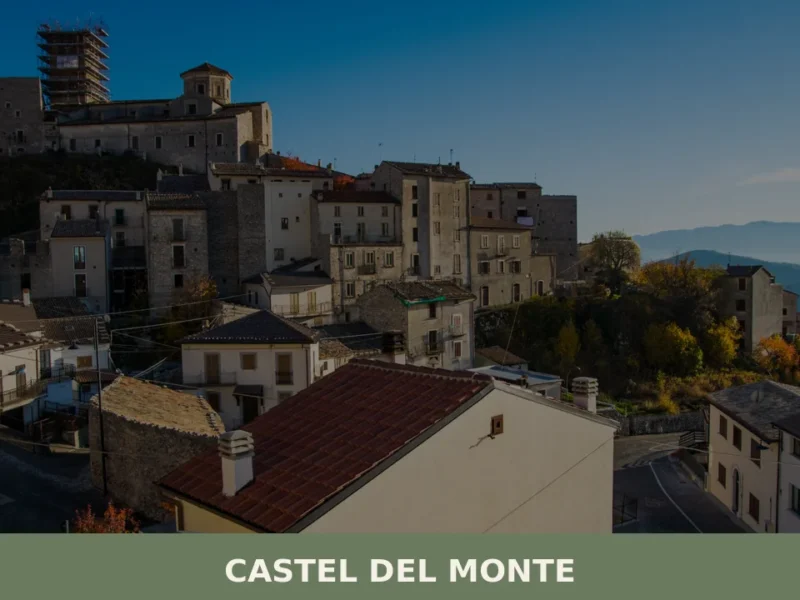
Castel del Monte
 Mountain
what to see in Castel del Monte? Discover this Abruzzo village at 1346m altitude. Explore historic churches, medieval walls, and taste traditional canestrato cheese in Italy.
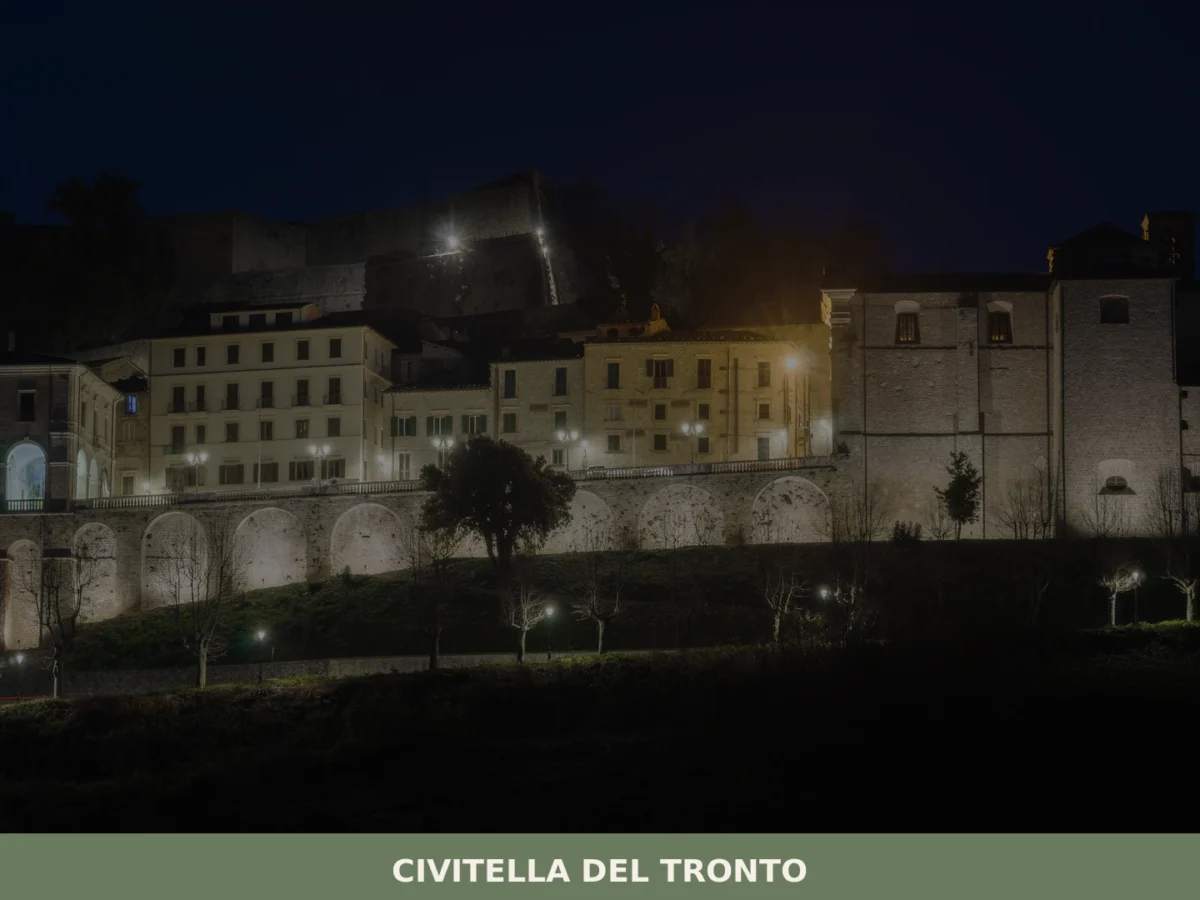
Civitella del Tronto
 Hills
Hills
what to see in civitella del tronto, Italy: Discover the historic Fortress and the 1326 San Francesco church in this Abruzzo village at 589 meters altitude. Explore now.
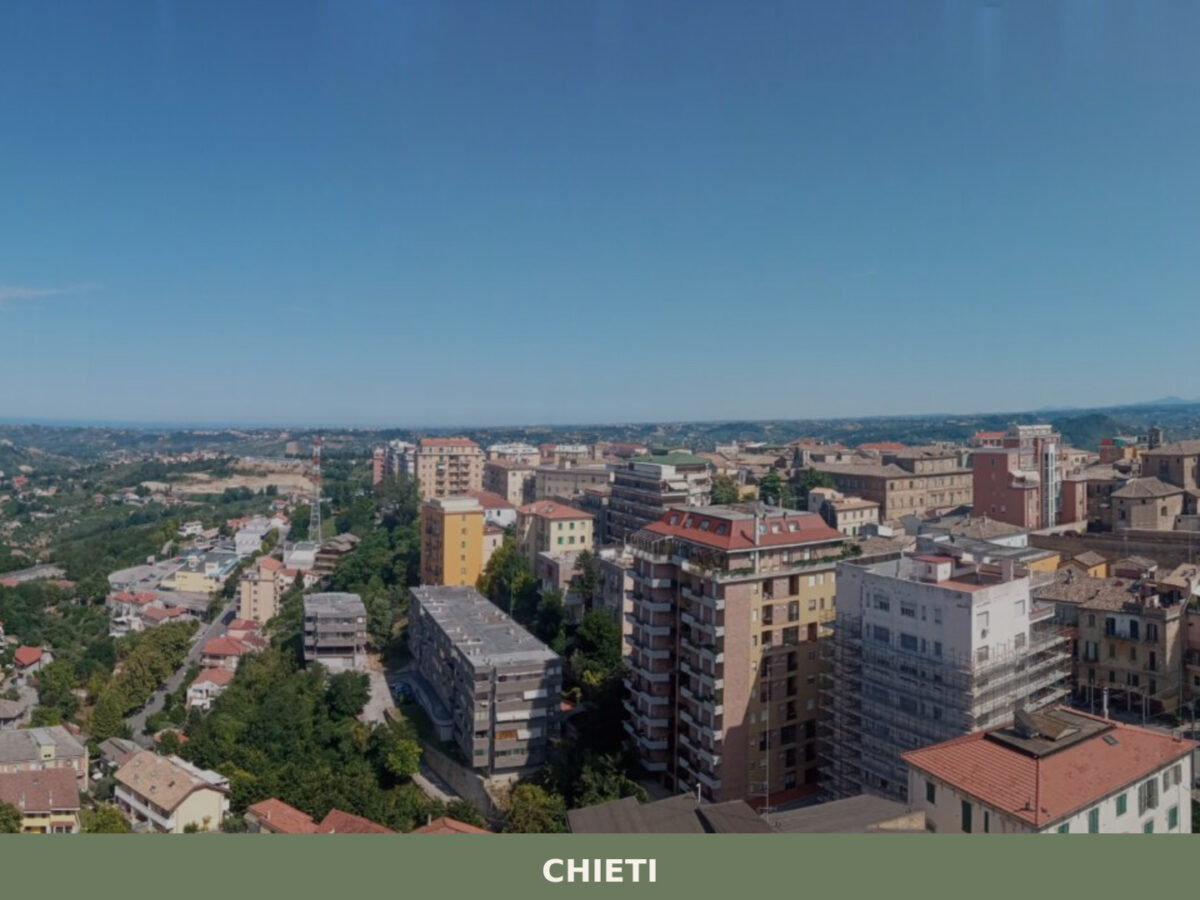
Chieti
Hills
Chieti, an art city in Abruzzo: discover the National Archaeological Museum, Roman monuments and historic districts. Plan your visit with our guide.
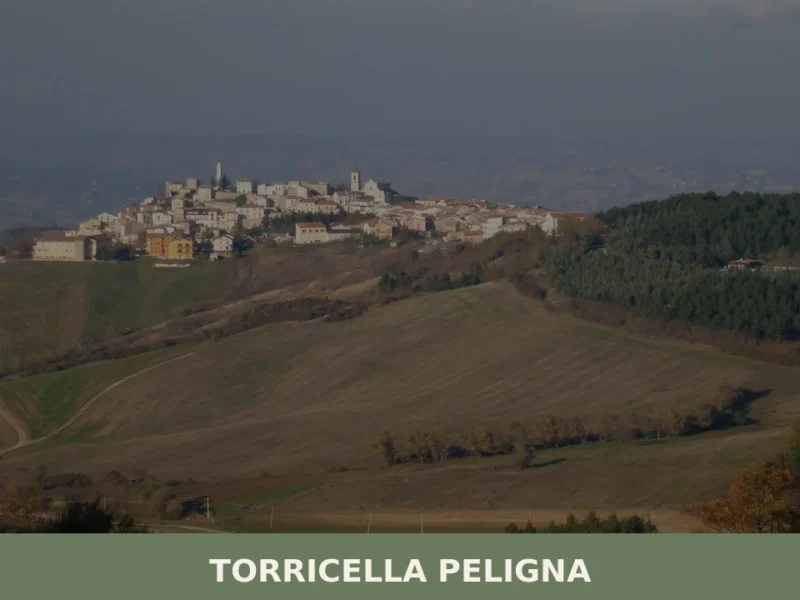
Torricella Peligna
Mountain
What to see in Torricella Peligna, Italy: Explore its 1,392 inhabitants and significant WWII history. Discover ancient Samnite finds and the Church of San Giacomo.
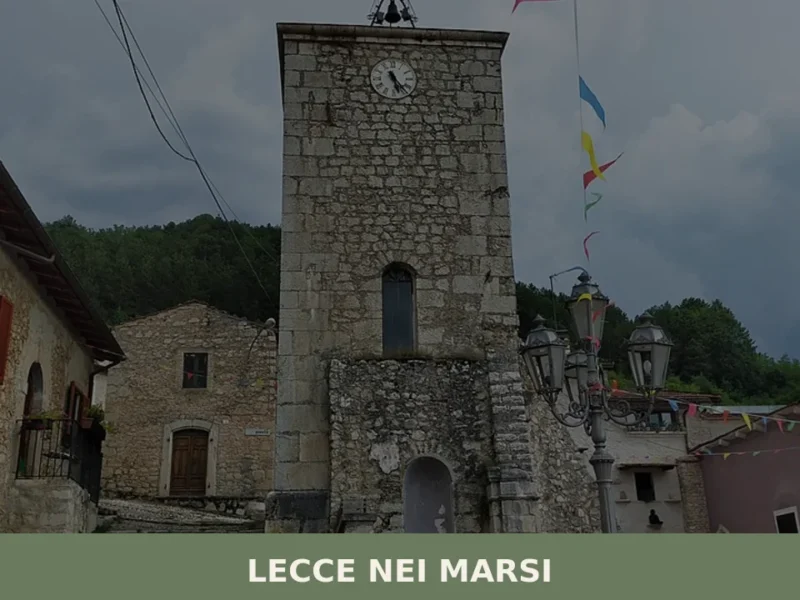
Lecce nei Marsi
Mountain
Lecce nei Marsi has 1,534 inhabitants spread between the main centre and outlying hamlets along the eastern slope of the Marsica area, at 740 metres above sea level. The municipal territory borders the Abruzzo, Lazio and Molise National Park and falls within the province of L’Aquila. Anyone looking into what to see in Lecce nei […]
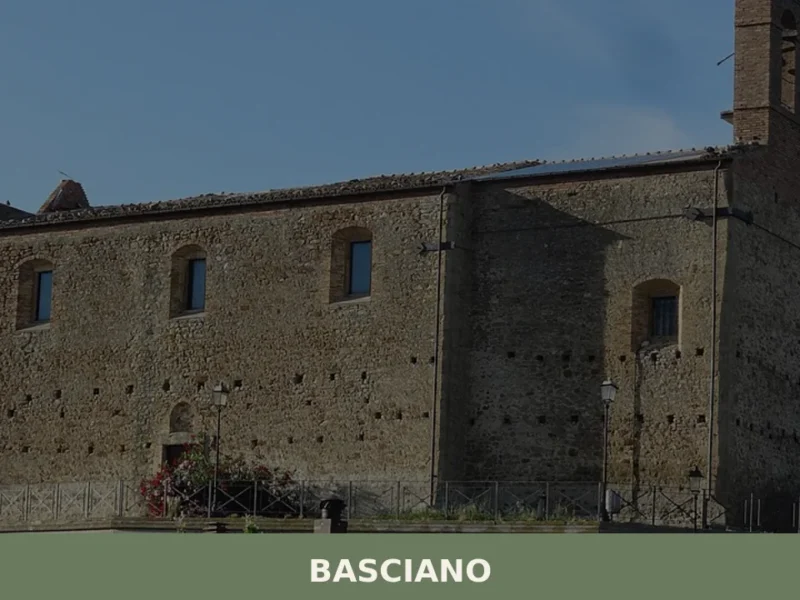
Basciano
Hills
What to see in Basciano (Italy) at an altitude of 400m. Explore the historic church and medieval tower. Discover local traditions and festivals.
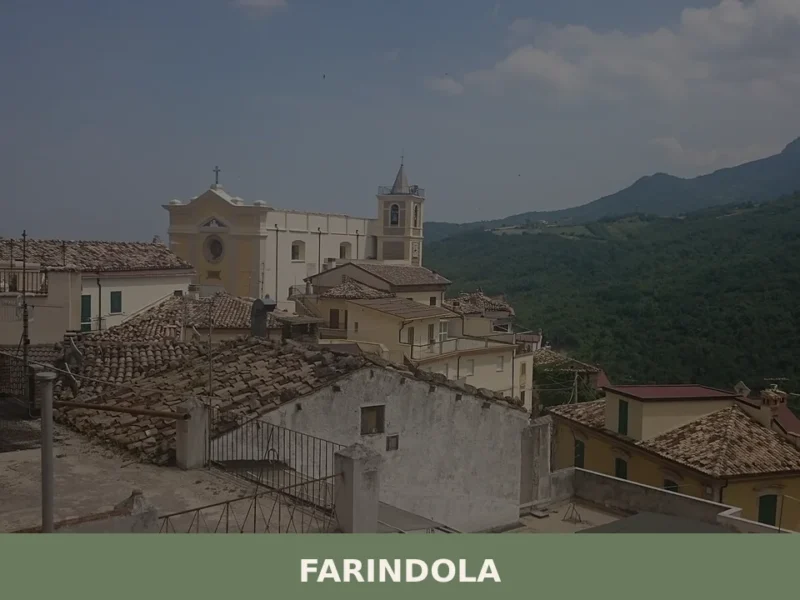
Farindola
Mountain
What to see in Farindola, Abruzzo, Italy: explore the 28 m Vitello d'Oro falls, Gran Sasso National Park and Pecorino di Farindola. Discover 1,569 inhabitants strong.
Rosello
Mountain
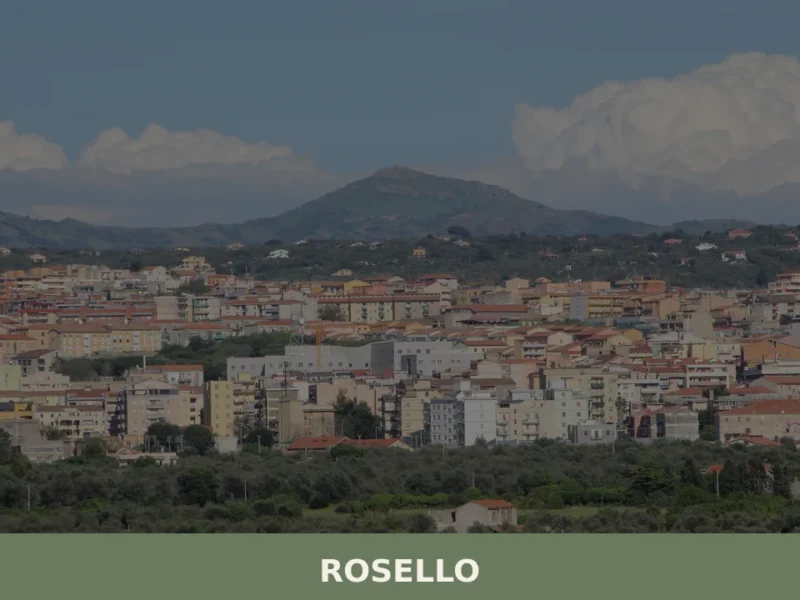
what to see in rosello: Explore Rosello, Italy, a village founded in the 11th century, with its historic chapel and artistic legacy. Discover its WWII history and Abruzzese charm.
Torano Nuovo
 Sea
Sea
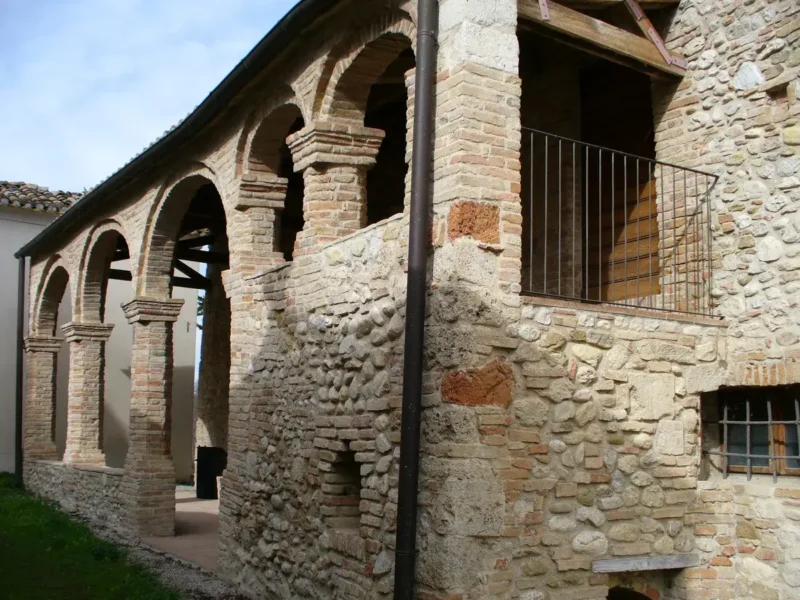
What to see in Torano Nuovo: 5 attractions including historic village, churches and Abruzzo vineyards. Discover the complete guide to visit in one day.
Ovindoli
Mountain
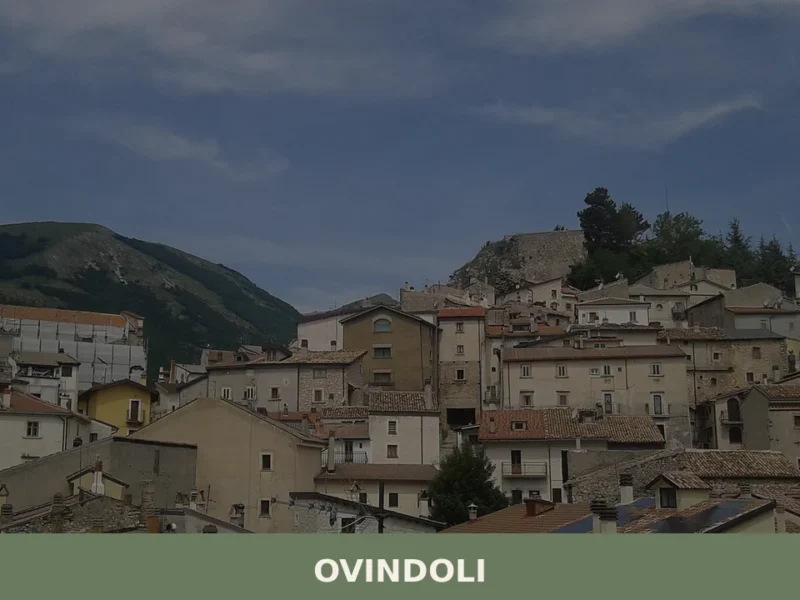
What to see in Ovindoli, Italy: ski slopes on Monte Magnola, hiking in Sirente-Velino park, 1,203 inhabitants. Discover top attractions and how to get there.





🏡 Know Treglio better than we do?
If you’re a local or have been there, your knowledge matters: add what’s missing or fix a detail on this page.