


What to see in Casalbordino, Italy: a sanctuary dating to 1576, 7.5 km of sand beach, and a nature reserve. Discover top attractions and travel tips.
Discover Casalbordino
A hill rises roughly 6 km (3.7 mi) from the Adriatic, caught between the Osento and Sinello rivers, and from its crest a single tower still marks the spot where a fortified farmhouse once protected a monastery.
That early settlement, built around a garrison position and known in local Abruzzese dialect as Lù Cuasàlë, grew steadily outward from stone to stone until it became the municipality visitors arrive in today.
The sand beach below stretches an unbroken 7.5 km (4.7 mi), and the two rivers bracket the coastal strip like parentheses around a sentence.
Cosa Vedere a Casalbordino
Casalbordino offre una triplice esperienza: un centro storico collinare con radici medievali, una meta di pellegrinaggio dal 1576 e una località balneare adriatica con aree naturali protette. I visitatori possono scoprire il Santuario della Madonna dei Miracoli, la riserva naturale di Punta Aderci e il Lido di Casalbordino, tutti all’interno del suo compatto territorio comunale.
Come Arrivare a Casalbordino
Casalbordino è facilmente raggiungibile grazie alla sua posizione strategica. La città dispone di una propria stazione ferroviaria, che rende l’accesso agevole anche senza auto. In auto, è possibile arrivare tramite l’autostrada A14 (uscita Vasto Nord) e proseguire sulla SS16 Adriatica. Per chi arriva in aereo, l’aeroporto più vicino è quello d’Abruzzo (Pescara), da cui si può proseguire in treno o in autobus.
Storia di Casalbordino
The name Casalbordino breaks into two components that tell its origin story directly. Casal, meaning a small cluster of dwellings or farmhouse, identifies the settlement type: a modest inhabited enclave that functioned as a defensive outpost around a monastery. The second part of the name traces back to a garrison commander identified in local records as Roberto Bordinus, who led the defence of that monastic position. The full name, then, is essentially a medieval address: the farmstead of Bordinus.
That original tower and its surrounding structures were progressively reinforced into a fortified centre, following a pattern common across the hill towns of the Province of Chieti, where elevation above the Adriatic plain provided both visibility and defensive advantage.
The Osento and Sinello rivers that flank the municipal territory formed natural barriers that reinforced the site’s strategic value.
Villages across this part of the Chieti hinterland, including Castelguidone, which sits further inland along similar river-flanked ridges, were established along comparable defensive logic during the same broad medieval period.
By the sixteenth century the settlement’s character began to shift. The apparition of the Virgin Mary reported in 1576 by the peasant Alessandro Muzii transformed Casalbordino from a purely agricultural and administrative centre into a pilgrimage site. Sacred tourism became economically significant from the nineteenth century onward, adding a layer of infrastructure — the sanctuary, its surrounding buildings, accommodation for pilgrims — that shaped the town’s layout in ways still visible today.
The writer Gabriele D’Annunzio, born in nearby Pescara, was alive to the scale of these pilgrimages: by his era the gatherings on 10 and 11 June had reached what contemporary records describe as considerable proportions, drawing participants from across Abruzzo.
What to see in Casalbordino, Abruzzo: top attractions
Sanctuary of the Madonna dei Miracoli
The sanctuary stands as the nucleus around which Casalbordino’s identity as a pilgrimage town was built over more than four centuries.
The documented origin is precise: in 1576 a local farmer named Alessandro Muzii prayed to the Virgin Mary during a storm, seeking protection for his farm, and reported an apparition in response. Devotion spread rapidly beyond the immediate area, reaching across the whole of Abruzzo within generations. Today the interior houses votive offerings that accumulate as physical records of the graces attributed to the Madonna, and the altar displays the icon that pilgrims travel to venerate.
The annual festival on 10 and 11 June draws the largest concentrations of visitors, but the sanctuary is open and active throughout the year.
Lido di Casalbordino Beach
The beach district carries its own name — Lido di Casalbordino — and operates as a semi-autonomous coastal zone equipped with bathing establishments, a small church, and the settlement of Termini at its southern end. The sand itself is fine-grained and extends for the full 7.5 km (4.7 mi) of the municipality’s Adriatic frontage. Within the coastal zone, a designated natural area known locally as the duri — the “hard ones” of Casalbordino — protects a stretch of shoreline where the fratino, a small shorebird known in English as the Kentish plover, nests seasonally.
The beach of Santo Stefano, where the Osento river meets the sea, marks the northern boundary of this coastal strip and offers a distinct character from the developed bathing areas further south.
Punta Aderci Nature Reserve
The Punta Aderci guided nature reserve sits within the coastal municipal area and represents one of the most ecologically significant sections of the Adriatic shoreline in the Province of Chieti.
Unlike the managed beach zones, this reserve operates on a guided-access model, meaning independent exploration is structured around designated paths and, during peak season, accompanied visits. The reserve’s value lies in its combination of coastal cliff, scrubland vegetation, and direct sea access — a configuration that becomes rarer as development pressures intensify along the Abruzzo coast. Visiting in spring, before the June pilgrimage crowds arrive, gives the best balance of mild temperatures and quieter access to the reserve’s paths.
Bosco Collerusci Nature Reserve
At Termini, the southernmost point of the Lido di Casalbordino district, the Bosco Collerusci nature reserve occupies a wooded area that contrasts with the open shoreline immediately to its east. The reserve’s position near the mouth of the Sinello river places it at a transitional zone between coastal and riparian ecosystems. Termini itself is described in municipal sources as a small village equipped with a church, making it a coherent stop that combines the reserve with a functional settlement rather than an isolated natural site.
The distance from the main hilltop town to Termini covers the full length of the coastal strip, so visitors arriving by car can cover both ends of the beach zone in a single morning.
Historic Hilltop Centre and the Tower
The original tower that anchored the medieval settlement still stands as the oldest readable structure in Casalbordino’s built fabric.
It marks the point where a defensive garrison position gradually expanded into the fortified centre that survives today. Walking the upper streets, the logic of the original layout remains: the town sits approximately 6 km (3.7 mi) from the coast, at an elevation that gives clear sightlines toward the Adriatic.
The village of Tufillo, further into the Chieti hinterland along the Trigno river valley, shares a similar pattern of tower-anchored settlement that illustrates how this defensive model repeated itself across the province. For those visiting the hilltop centre, the morning light from the east — coming off the sea — is when the structure of the old town reads most clearly against the surrounding landscape.
Local food and typical products of Casalbordino
The economy of Casalbordino has been predominantly agricultural since its earliest documented period. Olive trees and vineyards cover the slopes between the hilltop town and the coastal plain, and these two crops define the baseline of local food production. The proximity to the Adriatic means that fish has historically complemented the inland agricultural output, though the town itself sits 6 km (3.7 mi) back from the shore. The dual economic character — inland farming plus coastal access — is reflected in a local table that draws from both sources without privileging either exclusively.
Across Abruzzo, pasta traditions run deep, and the Chieti province is no exception.
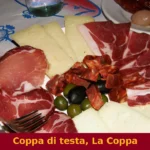
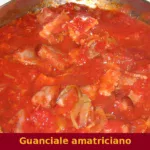
Sagne e fagioli, a rough-cut pasta cooked with borlotti beans in a broth enriched with olive oil and dried chilli, is a standard of the inland kitchen and appears regularly in this area.
Arrosticini, the thin skewers of mutton fat threaded onto flat wooden sticks and grilled over charcoal in a purpose-built elongated brazier called a fornacella, originate in the Abruzzo pastoral tradition and are found at festivals and markets throughout the province, including Casalbordino. The olive oil produced from the local groves is used raw on bread and cooked into virtually every savoury preparation, forming the fat base that carries flavour across both meat and vegetable dishes.
The vineyards around Casalbordino produce grapes within the broader Abruzzo wine zone, where Montepulciano d’Abruzzo is the dominant red variety. This grape produces a wine with firm tannins and dark fruit character that pairs with the heavier meat preparations of the local table. Trebbiano d’Abruzzo is the corresponding white, lighter in body and more mineral-edged, suited to the fish dishes that coastal proximity makes available.
Both are produced throughout the Province of Chieti, and bottles from local producers can be found at the markets that accompany the June festival.
The annual festival of the Madonna dei Miracoli on 10 and 11 June incorporates a civil programme on the second day that includes fairs and markets.
These provide the most concentrated opportunity to source locally made products — oils, preserved vegetables, cured meats — directly from producers. Outside the festival period, the agricultural cooperative structures that serve the olive and vine sectors operate throughout the harvest seasons, with olive pressing typically running from October into December.
Festivals, events and traditions of Casalbordino
The central event of the Casalbordino calendar is the Feast of the Madonna dei Miracoli, held on 10 and 11 June each year. The first day follows a strictly religious programme: the statue of the Madonna is carried in procession from the sanctuary to the village, preceded by holy masses, the adoration of the votive icon at the altar, and the communal recitation of the Rosary. The procession closes with the blessing of the statue. This sequence has been observed continuously since the apparition of 1576 was formally recognised, and the pilgrimage draws participants from across the Abruzzo region, a pattern already documented in the era of Gabriele D’Annunzio.
The second day shifts to a civil register.
Fairs and markets open in the town, giving the gathering a secular dimension that runs alongside the ongoing religious observance.
The day closes with a large concert. The combination of sacred and civic programming across the two days means the festival functions simultaneously as a pilgrimage event and as one of the area’s significant summer markets. For those planning a visit specifically around the festival, accommodation in the coastal district of Lido di Casalbordino provides a practical base, as the beach zone is fully operational by June and the distance to the hilltop sanctuary is manageable by car.
When to visit Casalbordino, Italy and how to get there
The question of the best time to visit Abruzzo in general applies with particular clarity to Casalbordino, because the town’s two main draws — the pilgrimage sanctuary and the beach — peak at different moments. June combines both: the festival on 10 and 11 June represents the sanctuary at its most active, and the Adriatic season is opening.
July and August bring the highest beach occupancy and the warmest sea temperatures, typically reaching 24–26°C (75–79°F), but also the densest tourist traffic along the coast.
Spring visits from April through May allow access to the Punta Aderci reserve and the hilltop centre in cooler, quieter conditions. International visitors who want to cover both the religious heritage and the natural coastline in a single trip will find late May or early June the most efficient window. English is not widely spoken in smaller shops and restaurants in the historic centre, so carrying some euro cash and a translation app is a practical precaution.
Casalbordino sits approximately 80 km (50 mi) southeast of Pescara, the nearest large city with a regional airport. Abruzzo Airport in Pescara is 42 miles (67 km) from Casalbordino by road, making it the standard arrival point for international visitors flying into the region. From Rome, the distance by road is approximately 250 km (155 mi), a journey of roughly two and a half to three hours depending on traffic on the A25 motorway toward Pescara and then south on the A14 Adriatic motorway.
Those travelling from Pescara can reach Casalbordino in under an hour, making it a practical day trip from that city.
Casalbordino has its own train station, Casalbordino Pollutri, served by regional rail connections on the Adriatic line, which links the town to both Pescara to the north and the broader southern Adriatic network. If you arrive by car on the A14, the relevant exit toward this stretch of the Chieti coast is Lanciano or Vasto, both within a short drive of the municipal area.
The village of Pietraferrazzana, a small comune further into the Chieti interior near the Sangro valley, can be included in a longer itinerary for those driving inland from the coast after visiting Casalbordino.
The route through the Chieti hinterland connects the coastal plain to the mountain settlements of the Majella and Sangro areas and is fully accessible by standard vehicle.
Visitors to Casalbordino based in Lanciano, 20 km (12.4 mi) to the north, can also use the town as a hub for reaching Bellante and other smaller comuni of the Chieti and Teramo provinces on a multi-day Abruzzo circuit.
Where to stay near Casalbordino
The coastal district of Lido di Casalbordino functions as the main accommodation zone, with bathing establishments that often include or are adjacent to holiday rental structures operating through the summer season. The settlement of Termini, at the southern end of the beach strip, is a small village with its own church and basic services, providing a quieter alternative to the more developed central lido area.
The pilgrimage infrastructure around the sanctuary has historically supported accommodation for visiting faithful, adding a further accommodation layer distinct from the seaside offer.
For those seeking farm-based stays, the agricultural land between the hilltop town and the coast — olive groves and vineyards — supports the type of rural property that typically operates as agriturismo accommodation in this part of Abruzzo.
Frequently asked questions about Casalbordino
What is the best time to visit Casalbordino?
Spring — particularly April and May — offers mild temperatures, uncrowded beaches, and ideal conditions for exploring the Punta Aderci nature reserve before the summer season begins. The most significant cultural event is the pilgrimage to the Sanctuary of the Madonna dei Miracoli on 10 and 11 June, which draws visitors from across Abruzzo and is worth planning around. The patron saint's feast (Santo Stefano) falls on the last Sunday of June, marking the start of the peak coastal season. July and August are busy and hot along the Lido; September is a quieter alternative for sea and hill combined.
What are the historical origins of Casalbordino?
The name Casalbordino derives from two medieval elements: casal, meaning a small farmhouse settlement built around a monastery, and Bordinus, the garrison commander recorded as defending that position. The hilltop location, roughly 6 km from the Adriatic between the Osento and Sinello rivers, was chosen for its defensive sightlines — a pattern common across the Province of Chieti. The town's character shifted in 1576 when farmer Alessandro Muzii reported a Marian apparition, transforming Casalbordino into a pilgrimage destination that attracted growing numbers of faithful throughout subsequent centuries.
What to see in Casalbordino? Main monuments and landmarks
The Sanctuary of the Madonna dei Miracoli is the principal landmark, housing centuries of votive offerings and the venerated icon linked to the 1576 apparition — open year-round, with peak activity on 10–11 June. The medieval tower in the hilltop historic centre marks the original fortified nucleus of the settlement and is best seen in morning light. Along the coast, Lido di Casalbordino offers 7.5 km of Adriatic beach, while the southern end of the coastal strip at Termini includes the Bosco Collerusci nature reserve beside the mouth of the Sinello river.
What are the main natural or scenic attractions of Casalbordino?
Casalbordino has two protected natural areas within its municipal territory. The Punta Aderci nature reserve is one of the most ecologically significant stretches of the Chieti coastline, combining coastal cliffs, Mediterranean scrubland, and sea access; visits are structured along designated paths and guided during peak season. The Bosco Collerusci reserve at Termini occupies a wooded zone at the mouth of the Sinello river, offering a riparian and coastal transition habitat. The beach of Santo Stefano, where the Osento meets the Adriatic, provides a quieter northern alternative to the main bathing establishments.
Where to take the best photos in Casalbordino?
The hilltop historic centre, elevated at 203 m roughly 6 km from the sea, provides eastward sightlines toward the Adriatic that are sharpest in morning light — the medieval tower makes a strong foreground element. The Punta Aderci reserve offers coastal cliff scenery with clear water below, best photographed in spring when the scrubland vegetation is green. The mouth of the Osento at the beach of Santo Stefano, where river and sea meet, creates a natural frame particularly effective at low tide.
Are there museums, churches or historic buildings to visit in Casalbordino?
The Sanctuary of the Madonna dei Miracoli is the main religious monument, built around the site of the 1576 apparition and continuously developed over four centuries; its interior displays an accumulation of votive offerings reflecting the pilgrimage tradition. The original medieval tower in the upper historic centre is the oldest surviving built structure in the town and marks the original defensive nucleus. The Lido district includes a small church serving the coastal settlement, and Termini at the southern end of the beach zone has its own church documented in municipal sources.
What can you do in Casalbordino? Activities and experiences
Swimming and beach activities along 7.5 km of Adriatic sand at Lido di Casalbordino are the dominant summer draw, with bathing establishments spread along the coast. Guided nature walks in the Punta Aderci reserve are available, particularly rewarding in spring for birdwatching — the Kentish plover nests in the protected duri shoreline area. The annual pilgrimage and festival on 10–11 June includes markets and fairs where local olive oil, wines, preserved vegetables, and cured meats can be purchased directly from producers. Visiting the hilltop historic centre and sanctuary rounds out a compact itinerary covering all three registers of the town.
Who is Casalbordino suitable for? Families, couples, hikers, solo travelers?
Casalbordino suits a wide range of visitors. Families benefit from a long, fine-sand Adriatic beach with established bathing facilities and shallow water. Pilgrims and culturally motivated travellers will find the Sanctuary of the Madonna dei Miracoli a compelling destination, especially around the June festival. Nature lovers and hikers are well served by the Punta Aderci and Bosco Collerusci reserves. Couples and solo travellers interested in the interplay of medieval hilltop history, religious heritage, and coastal landscape will find the compact municipal territory easy to explore in two to three days, aided by the town's own train station.
What to eat in Casalbordino? Local products and specialties
The local table draws from both inland agriculture and coastal proximity. Sagne e fagioli — rough-cut pasta with borlotti beans, olive oil, and dried chilli — is a staple of the Chieti inland kitchen found throughout the area. Arrosticini, thin mutton skewers grilled on a fornacella brazier, are the signature street food of Abruzzo festivals and appear at the June markets. Locally produced olive oil dresses virtually every dish. The vineyards around Casalbordino fall within the Abruzzo wine zone; Montepulciano d'Abruzzo (robust red) and Trebbiano d'Abruzzo (mineral white) are the two main varieties available from local producers.
📷 Photo Gallery — Casalbordino
Nearby Villages near Casalbordino
In Abruzzo More villages to discover
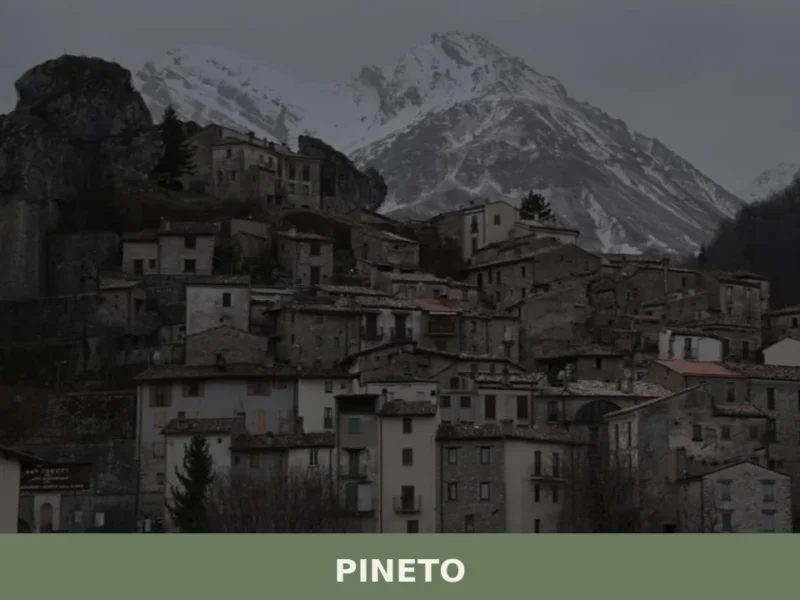
Pineto
 Sea
Sea
Pineto is a coastal town in Abruzzo's Teramo province where a 1920s pine plantation gave a whole stretch of Adriatic coastline its name — and its character.
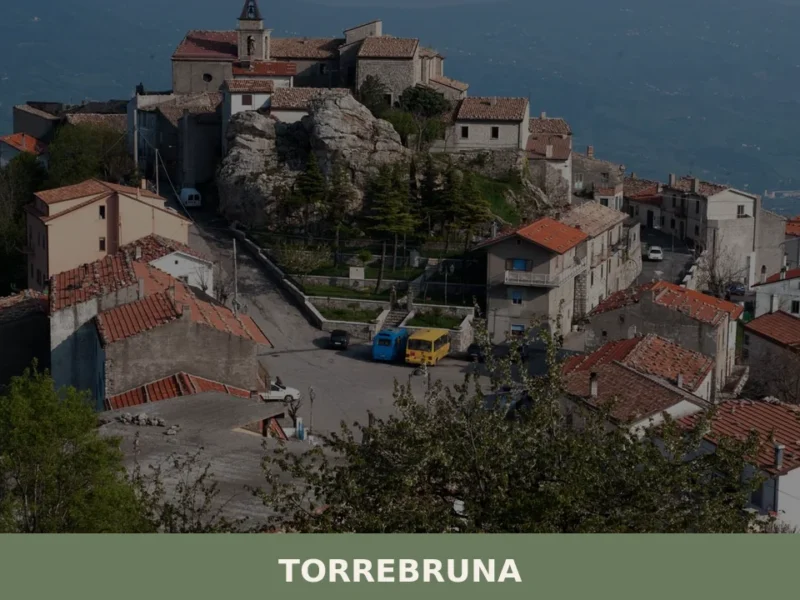
Torrebruna
 Mountain
Torrebruna, an ancient mountain village in Abruzzo, offers sweeping views from the Maiella peaks to the Adriatic Sea and a layered past.
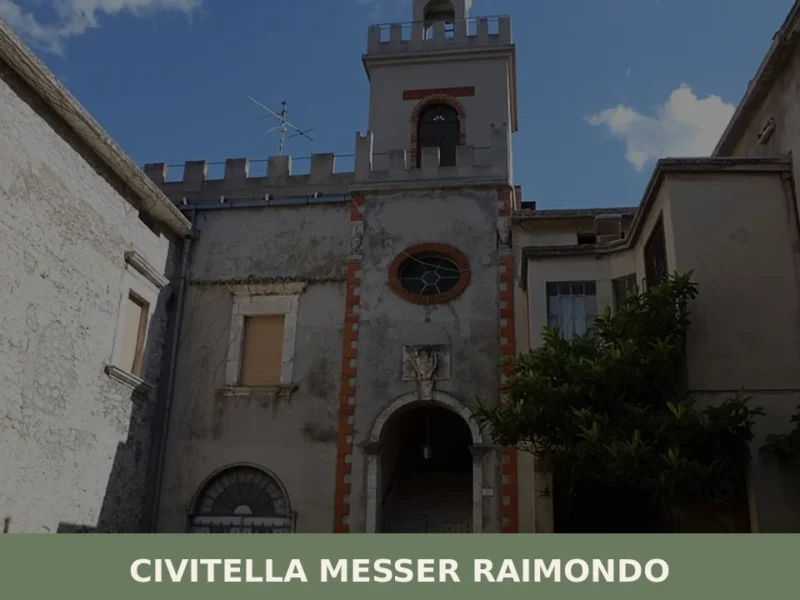
Civitella Messer Raimondo
Mountain
Civitella Messer Raimondo has 769 inhabitants and sits at 613 metres above sea level, on the eastern slope of the Maiella massif, in the province of Chieti. The village’s name still bears that of a medieval feudal lord — Raimondo — who shaped its political fortunes between the 13th and 14th centuries. Understanding what to […]
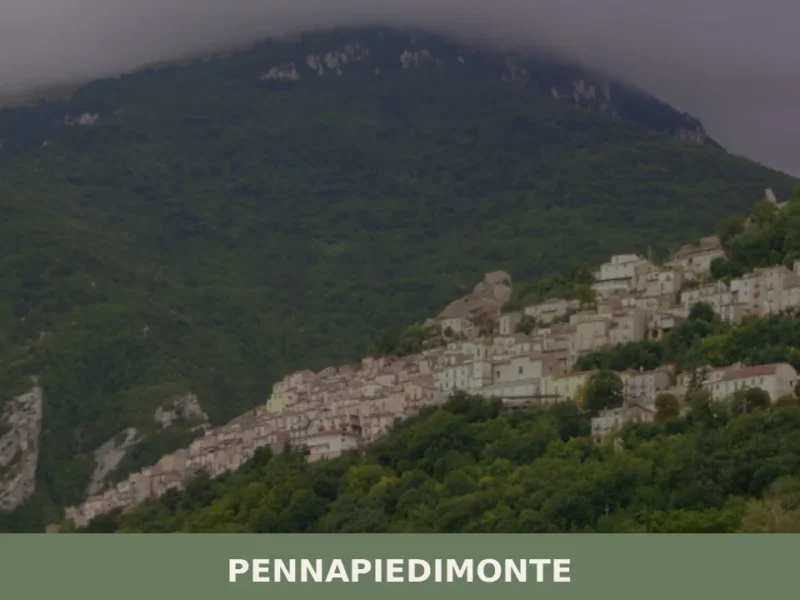
Pennapiedimonte
Mountain
Pennapiedimonte is a mountain comune of 384 residents in the province of Chieti, set at 682 metres within the Parco Nazionale della Maiella in Abruzzo.
Farindola
Mountain
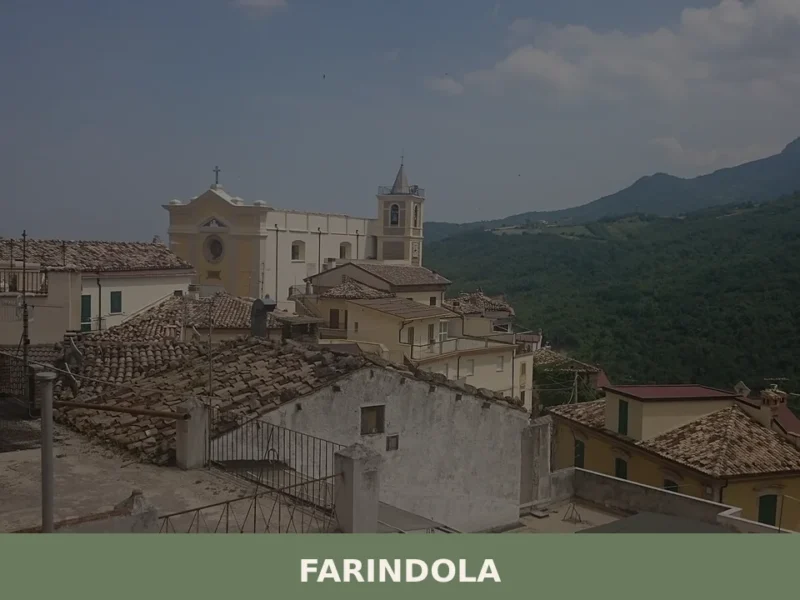
Farindola is a mountain village in the province of Pescara, perched at 540 metres on the south-eastern flanks of the Gran Sasso within the boundaries of one of Italy's great national parks.
Montebello di Bertona
Mountain
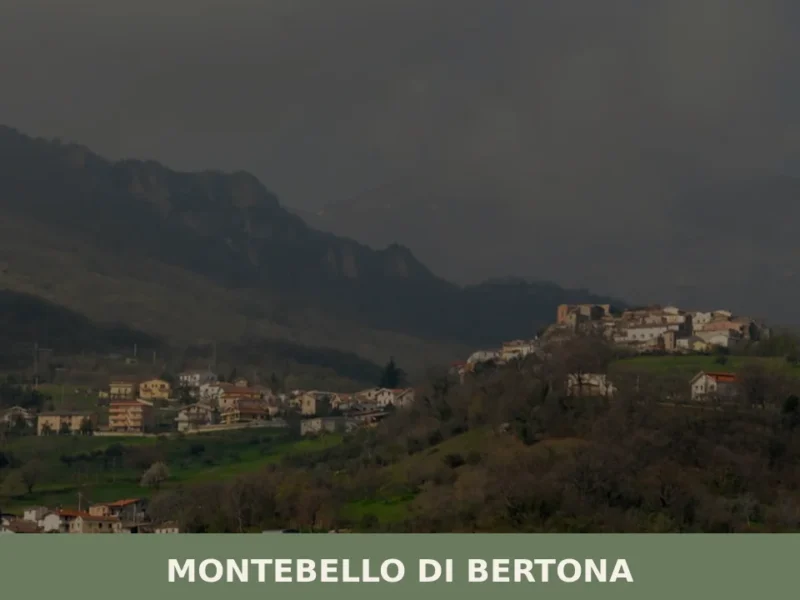
Montebello di Bertona is a compact hill settlement at 597 metres in Pescara province, surrounded by the Gran Sasso and Monti della Laga National Park.
Celano
Mountain
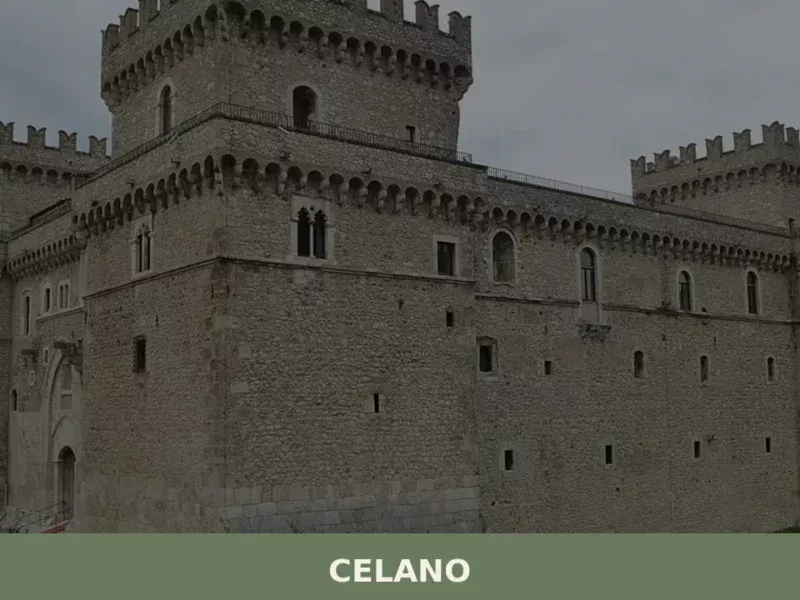
The Castello Piccolomini in Celano, with its four corner towers and curtain wall enclosing a perimeter of over one hundred metres, commands the Fucino plain from an altitude of 840 metres. Anyone wondering what to see in Celano will find an unequivocal starting point here: a fortress that has endured six centuries of history, earthquakes […]
Fano Adriano
Mountain
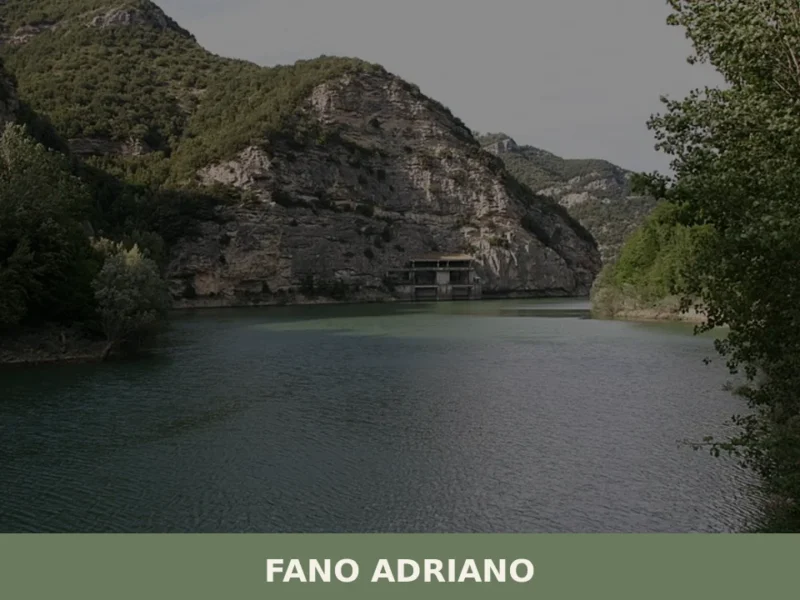
what to see in fano adriano, Italy: Discover 5 key attractions and local traditions in this Abruzzo village at 750 m (2,461 ft) altitude. Explore.
Rocca di Botte
Mountain
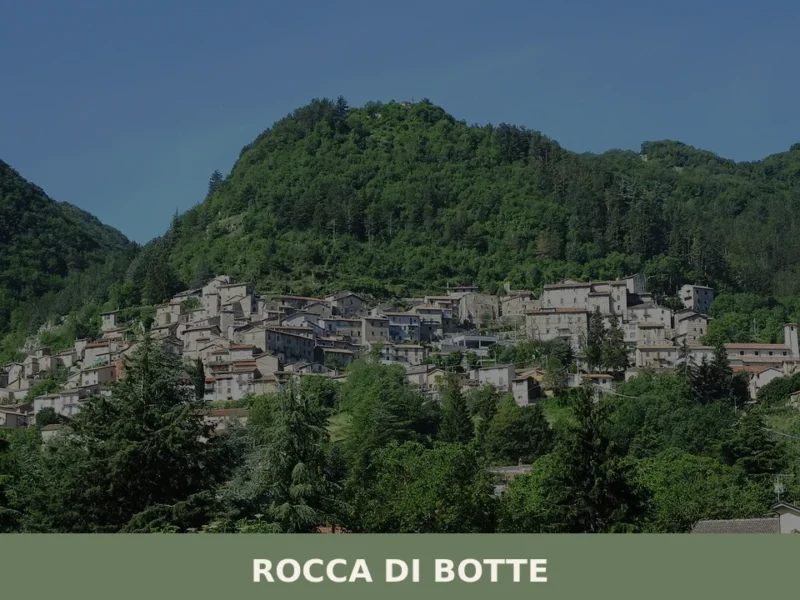
Rocca di Botte è un borgo montano in Abruzzo, un rifugio pacifico dove storia e natura si intrecciano.
Canzano
 Hills
Hills
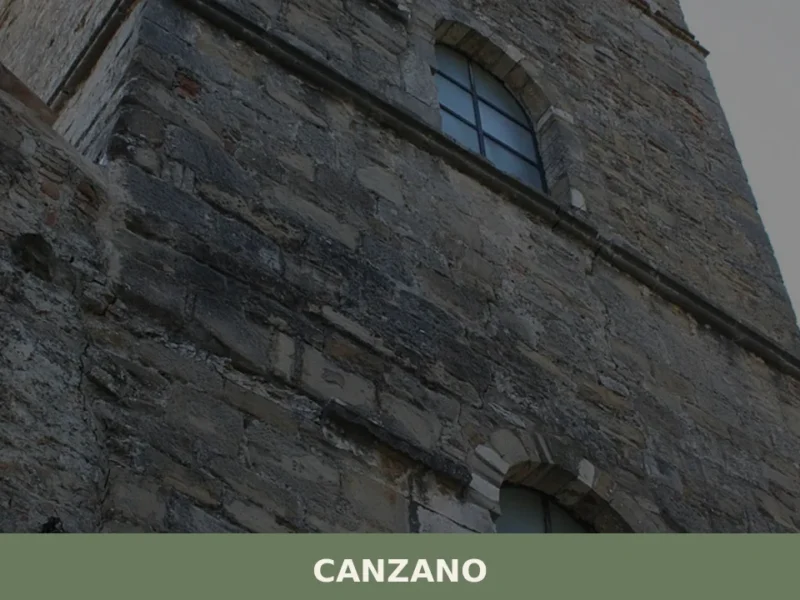
Canzano has 1,786 inhabitants and stands at 448 metres above sea level on a hill in the province of Teramo, along the foothill belt separating the Vomano valley from the first Apennine ridges. Anyone wondering what to see in Canzano will find an urban core where the fortified medieval layout coexists with a precise and […]

🏡 Know Casalbordino better than we do?
If you’re a local or have been there, your knowledge matters: add what’s missing or fix a detail on this page.