


Marentino
 Hills
Hills
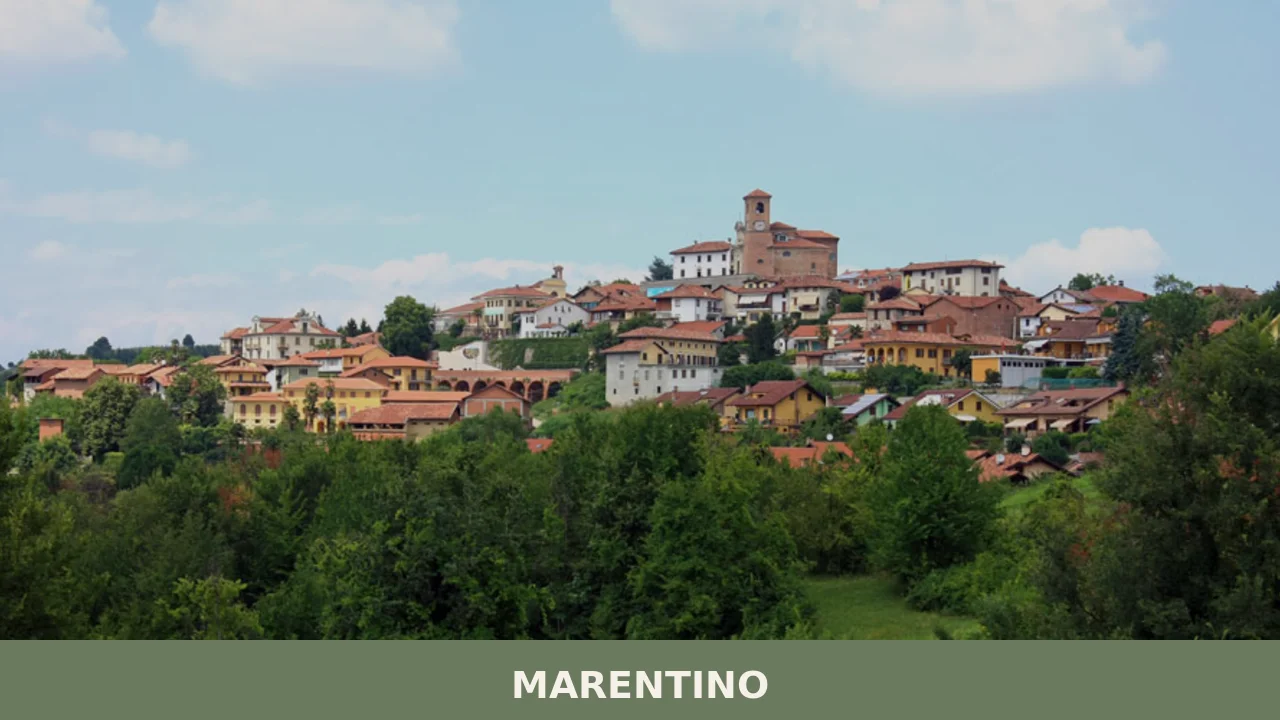
Three ancient boroughs, six historic churches and a Romanesque monument listed since 1888 make Marentino a compact but layered destination east of Turin.
Marentino: Three Boroughs, One Hill, a Thousand Years of Story
On a low hill about twenty kilometres east of Turin, where the Collina Torinese begins to flatten toward the Po plain, three separate medieval boroughs grew up around their own churches, castles and communities over the course of many centuries. Today they share a single name and a single municipal identity, yet each still reads as a distinct place on the ground: a cluster of stone houses here, a baroque campanile there, a Romanesque apse half-hidden behind the cemetery wall. The ridge between the boroughs is just high enough to frame a broad sweep of Piedmontese countryside without turning the view into spectacle.
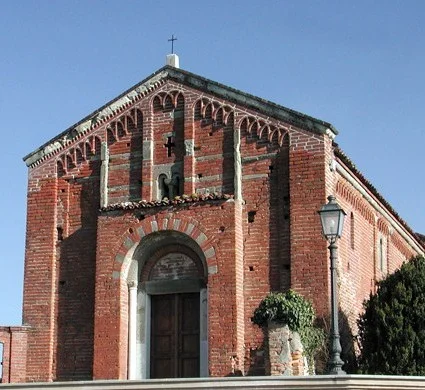
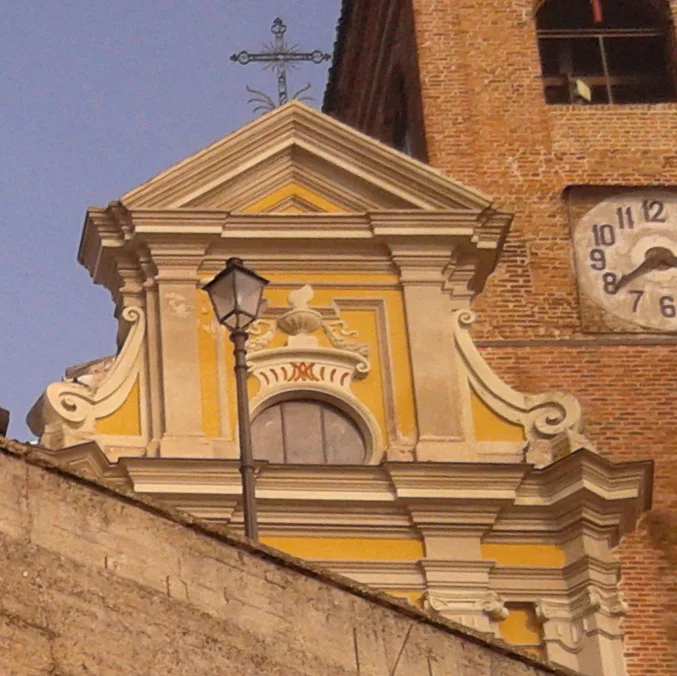
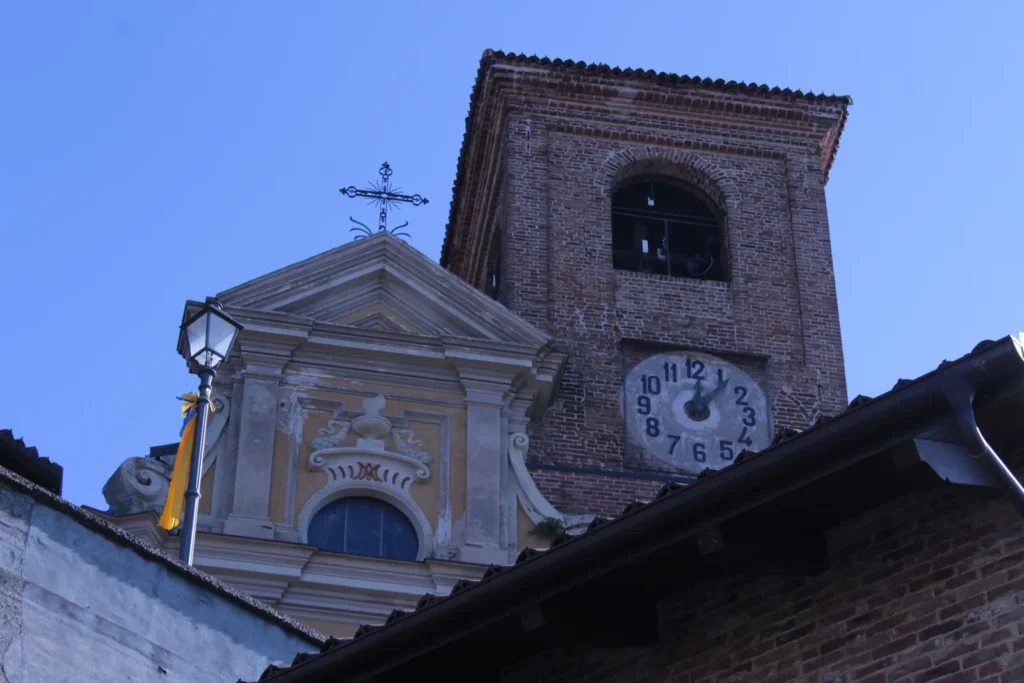
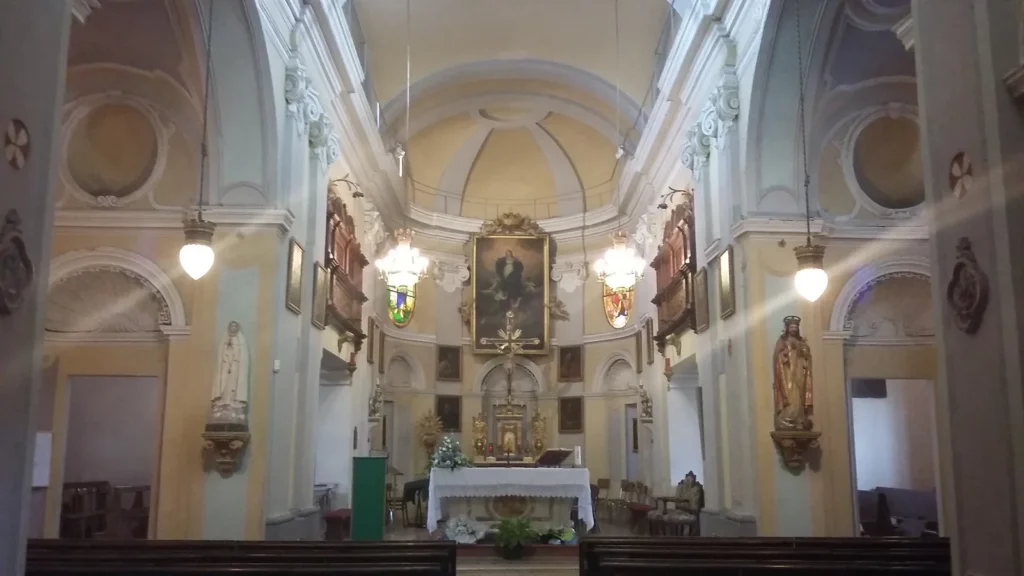
Marentino village in Piedmont draws two kinds of visitor: those drawn to its layered religious architecture, which ranges from an eleventh-century Romanesque chapel to a baroque parish church whose bell tower still incorporates an old castle keep, and those who come for the twenty-two mural rebus painted on house walls across the comune — an open-air enigmistics trail unlike anything else in the province of Turin.
- Municipality: Marentino
- Province: Turin (Metropolitan City)
- Region: Piedmont
- Altitude: 383 m above sea level
- Population: 1,1263 inhabitants
- Patron saint: Assunzione di Maria Vergine
- Postal code: 10020
- Official website: www.comune.marentino.to.it
| Departure | Distance | Time |
|---|---|---|
| Turin (city centre) | approx. 20 km | approx. 30 min |
| Chieri | approx. 8 km | approx. 15 min |
| Turin Caselle Airport | approx. 40 km | approx. 50 min |
| Uscita A21 Chieri | approx. 10 km | approx. 15 min |
Frequently asked questions about Marentino
How far is Marentino from Turin, and how do I get there by car?
Marentino is located approximately twenty kilometres east of Turin in the Collina Torinese area. The village is accessible by car via regional roads from Turin. The nearest motorway is the A4/A21 junction near Turin. Journey time from central Turin is roughly thirty to forty minutes depending on traffic and your exact starting point.
When is the best time to visit Marentino?
The patron saint feast, Assunzione di Maria Vergine (Assumption of Mary), is celebrated on August 15th and offers an excellent opportunity to experience local traditions and religious ceremonies. Spring and autumn provide pleasant weather for exploring the rolling Piedmontese countryside and the mural rebus trail. Summer is ideal for outdoor activities and visiting the layered religious architecture throughout the comune.
What is the mural rebus trail, and how long does it take to explore?
Marentino features twenty-two mural rebus paintings displayed on house walls across the municipality—an open-air enigmatics trail unique in the Turin province. These painted puzzles invite visitors to decode visual riddles while walking through the three medieval boroughs. A complete tour typically requires two to three hours, depending on your pace and interest in solving each rebus puzzle.
What religious monuments should I visit in Marentino?
Marentino offers exceptional religious architecture spanning centuries. Highlights include an eleventh-century Romanesque chapel and a baroque parish church whose distinctive bell tower incorporates stones from an old castle keep. The three separate medieval boroughs each developed around their own churches and communities, creating a layered religious landscape that reflects centuries of local spiritual history.
How long should I plan to spend in Marentino?
A full-day visit of four to six hours allows time to explore all three medieval boroughs, discover the religious monuments, and complete the mural rebus trail. Half-day visits work well if you focus on specific interests—either the architectural heritage or the enigmatics trail. The village's modest size and rural setting make it ideal for a leisurely morning or afternoon excursion from Turin.
📷 Photo Gallery — Marentino
In Piedmont More villages to discover
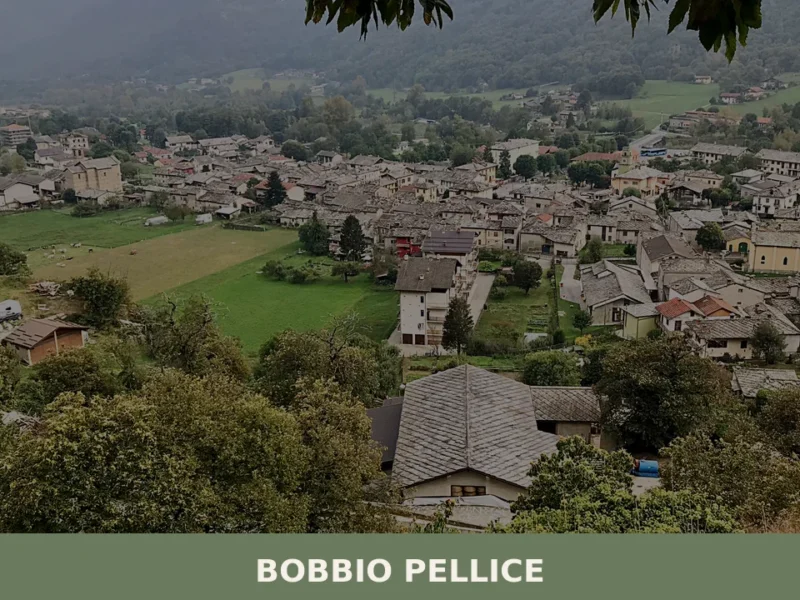
Bobbio Pellice
 Mountain
Bobbio Pellice has 536 inhabitants and lies in the Val Pellice, one of the Occitan and Waldensian valleys of southern Piedmont, in the Province of Turin. It is the highest municipality in the valley and the starting point for trails leading to the Colle Giulian and the Colle delle Traversette. Anyone looking to understand what […]

Beinasco
 Plains
Beinasco traces its roots to a Roman frontier post. Discover how this small town survived plague, warfare and transformation to anchor modern metropolitan Turin.
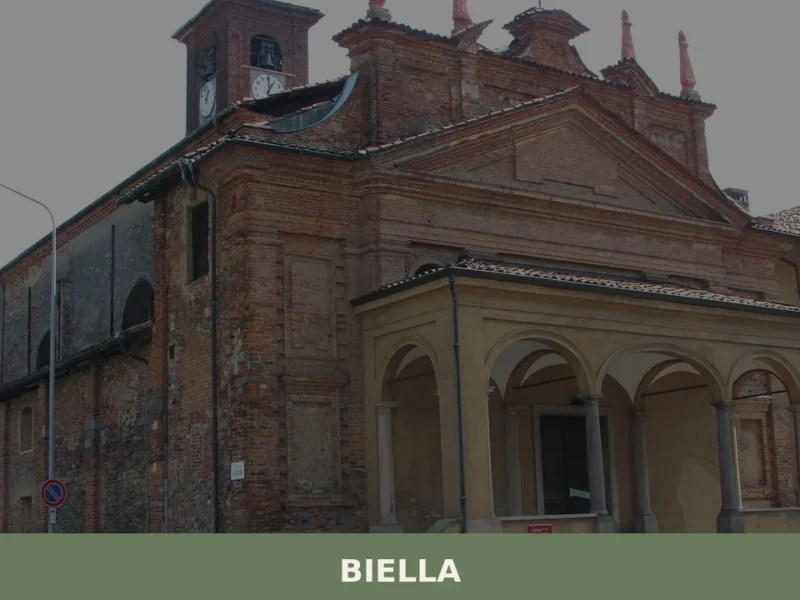
Biella
Hills
what to see in biella, Italy? Explore the UNESCO Sanctuary of Oropa and Biella's historic 420m altitude Piazzo quarter. Read our guide for top attractions.
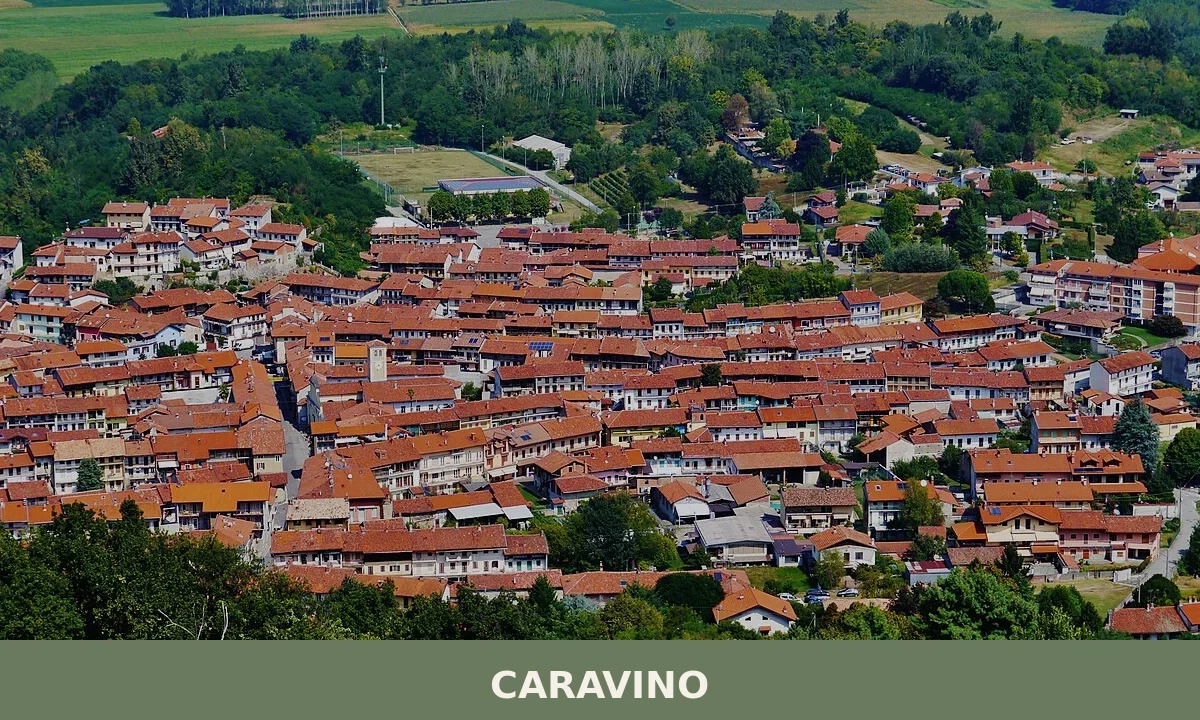
Caravino
Plains
885 residents live in this hillside village of northeastern Canavese, where medieval castles and 15th-century frescoes reveal centuries of noble patronage and religious devotion.
Andezeno
Hills
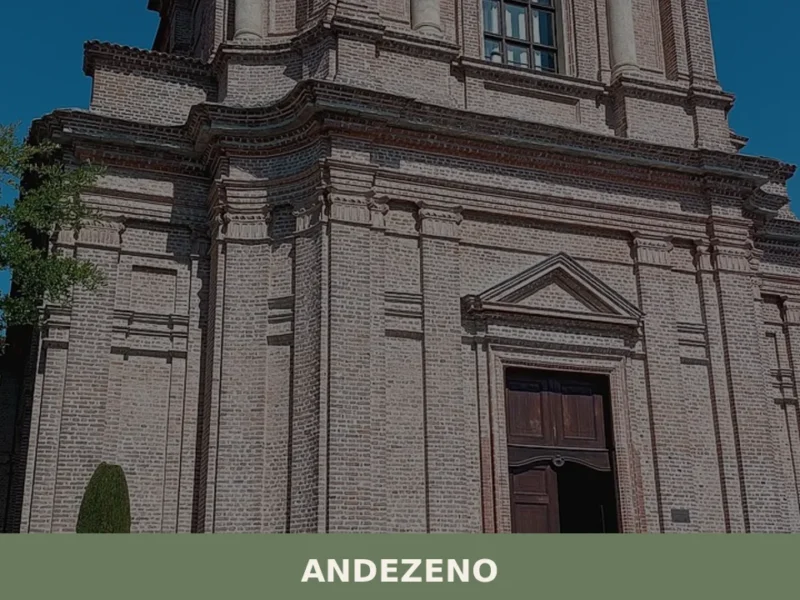
At 306 metres above sea level, on the eastern Turin hills, Andezeno has 2,012 inhabitants spread between the historic centre and its rural hamlets. The municipality appears in medieval documents as early as the 10th century, linked to the affairs of local lords and the Diocese of Turin. Today, anyone wondering what to see in […]
Andrate
Mountain
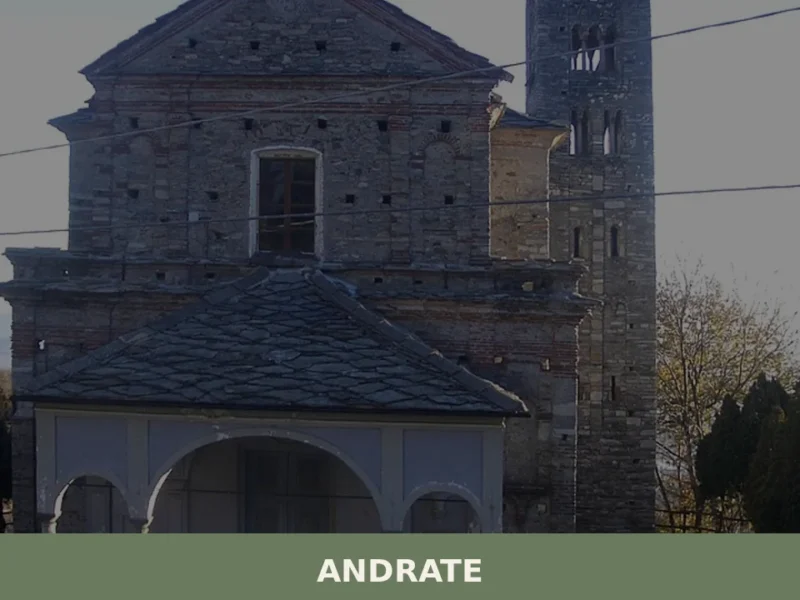
What to see in Andrate in Piedmont: panoramic views over the Serra d'Ivrea, trails, chestnut groves, Canavese cuisine. Complete guide with history and practical information.
Oglianico
Hills
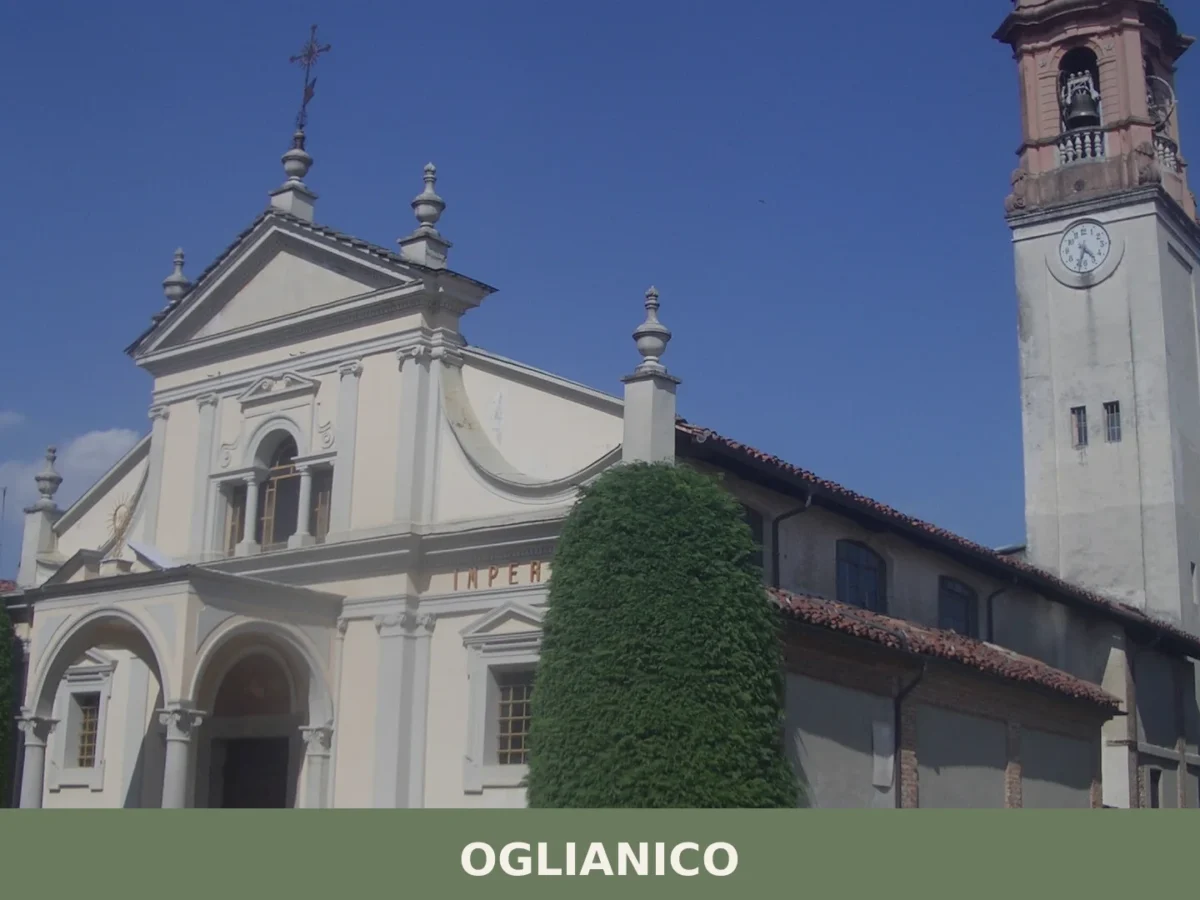
1,428 residents, a medieval gate-tower reproduced in Turin and frescoed chapels: Oglianico offers concentrated Canavese history in a compact, walkable village.
San Pietro Val Lemina
Mountain
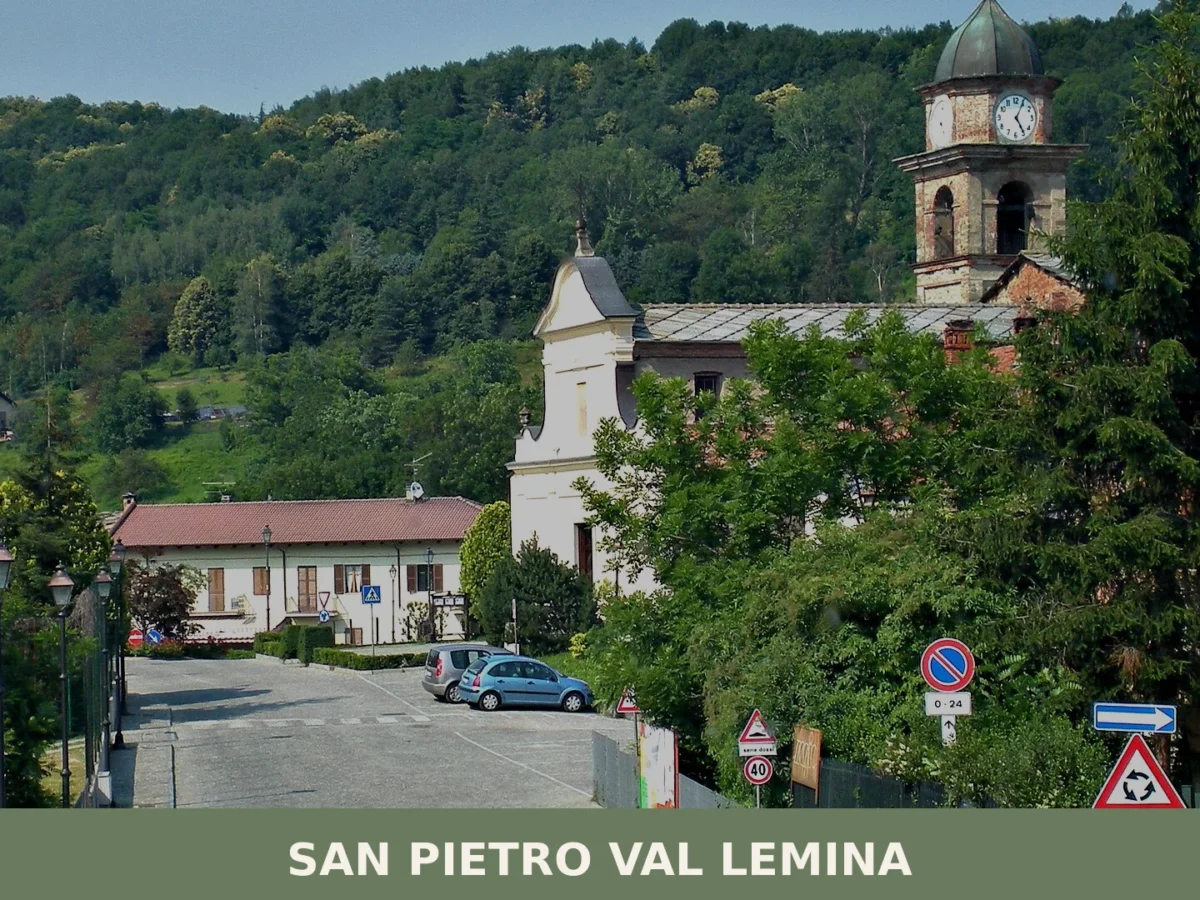
Population 1,447. A small Turin commune where the Lemina torrent shaped settlement and identity, and where a landmark monument honors Piedmontese emigrants worldwide.

Salza di Pinerolo
Mountain
Population 61. A high-altitude Piedmont village where stone fractions cluster around alpine pasture and white fir woods; patron feast on 8 September.
Meana di Susa
Mountain
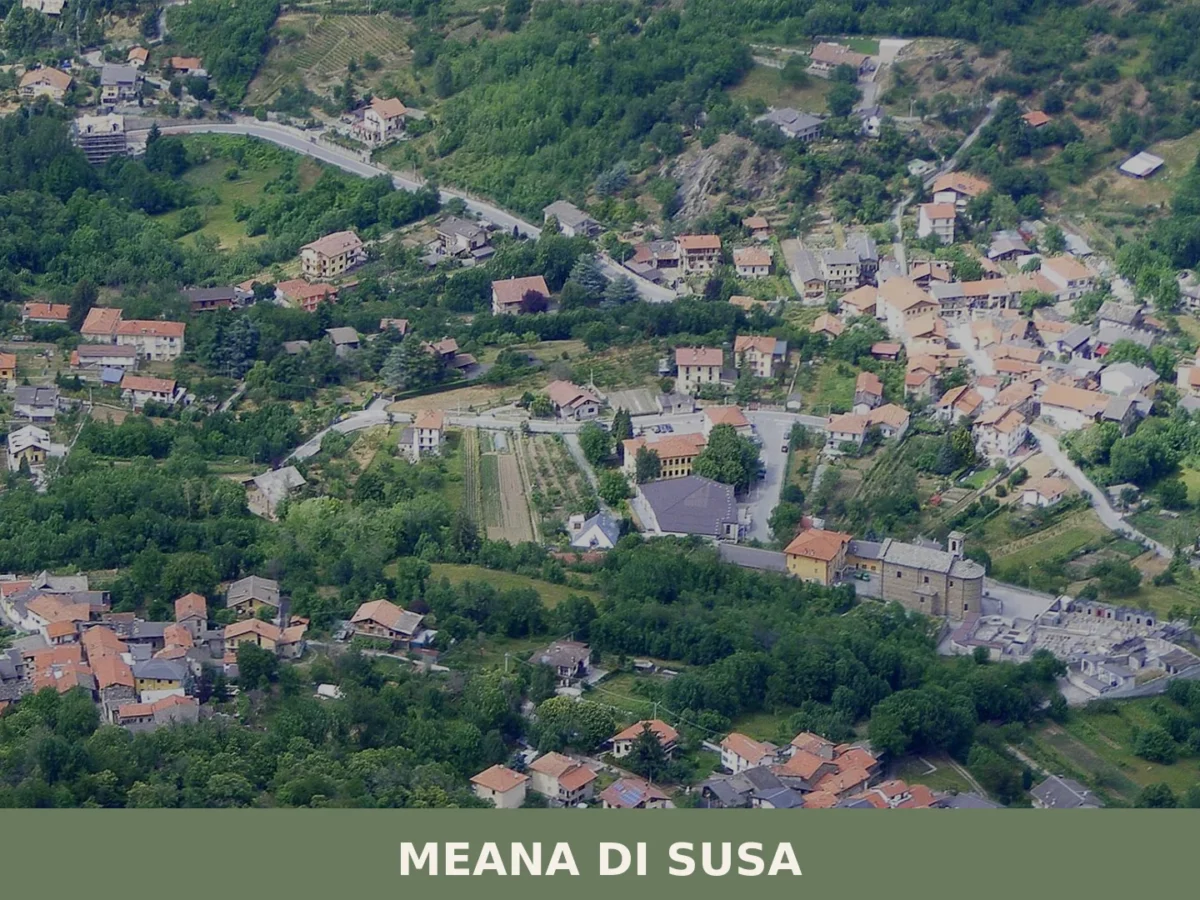
794 inhabitants, 23 hamlets and a road climbing to 2176 m: Meana di Susa rewards visitors with layered history and a direct connection to the high Alps.



🏡 Know Marentino better than we do?
If you’re a local or have been there, your knowledge matters: add what’s missing or fix a detail on this page.