


Caravino
 Plains
885 residents live in this hillside village of northeastern Canavese, where medieval castles and 15th-century frescoes reveal centuries of noble patronage and religious devotion.
Caravino: A Feudal Village of Castles and Sacred Art in Piedmont
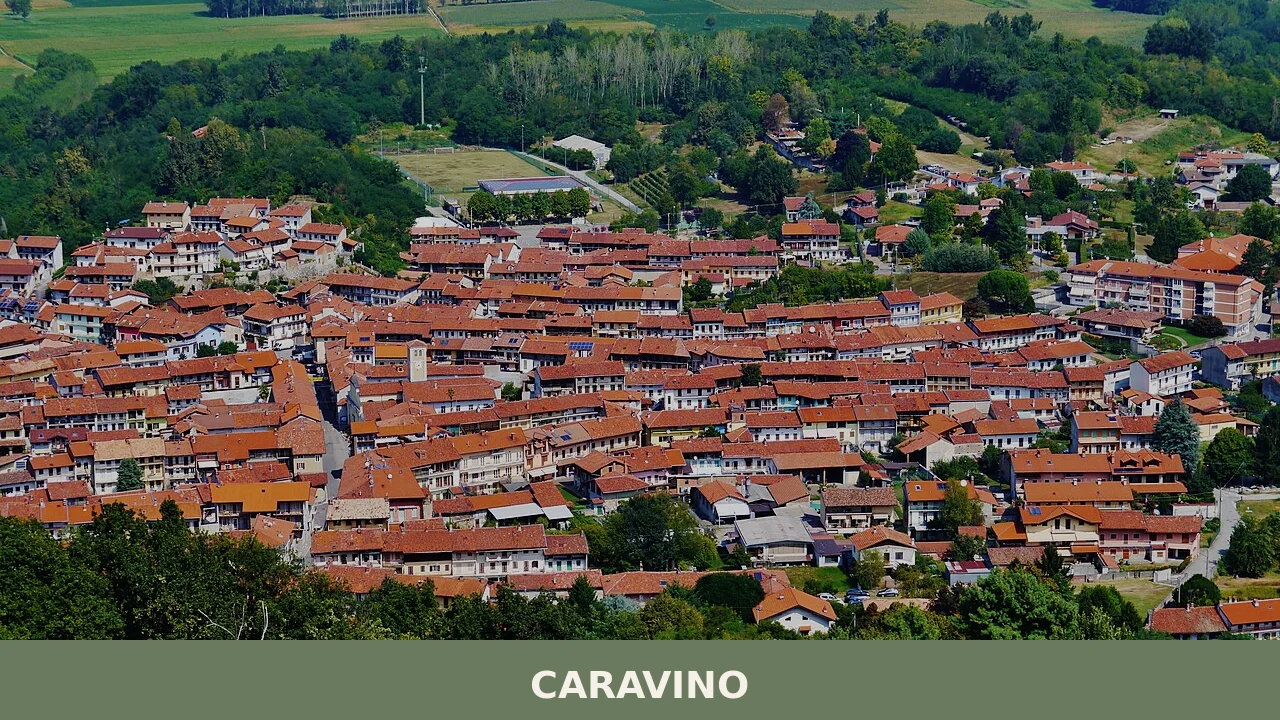
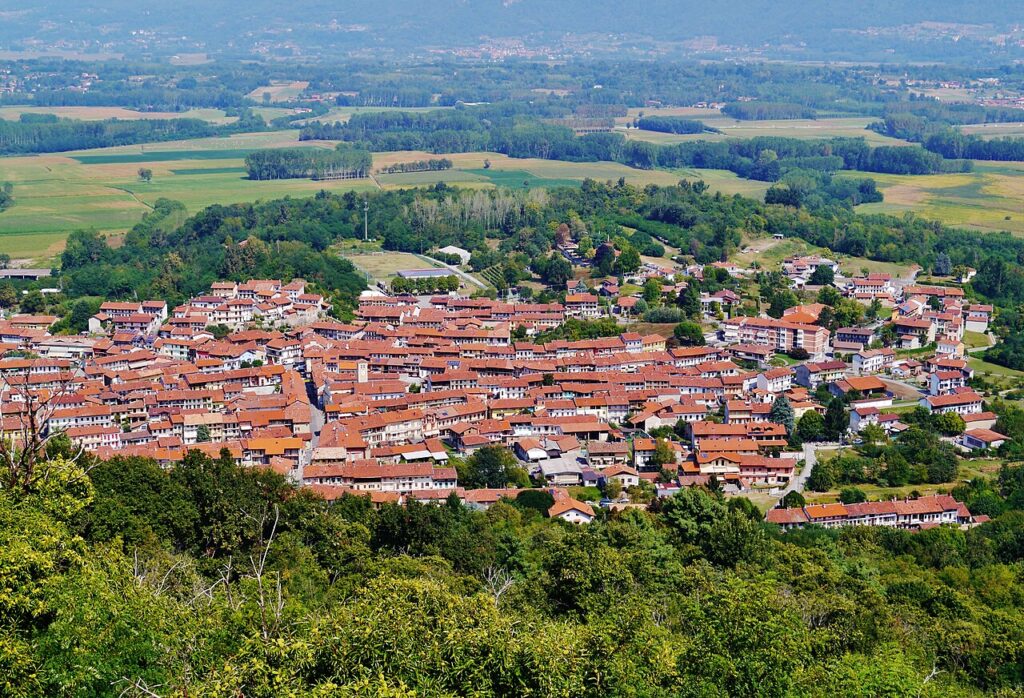
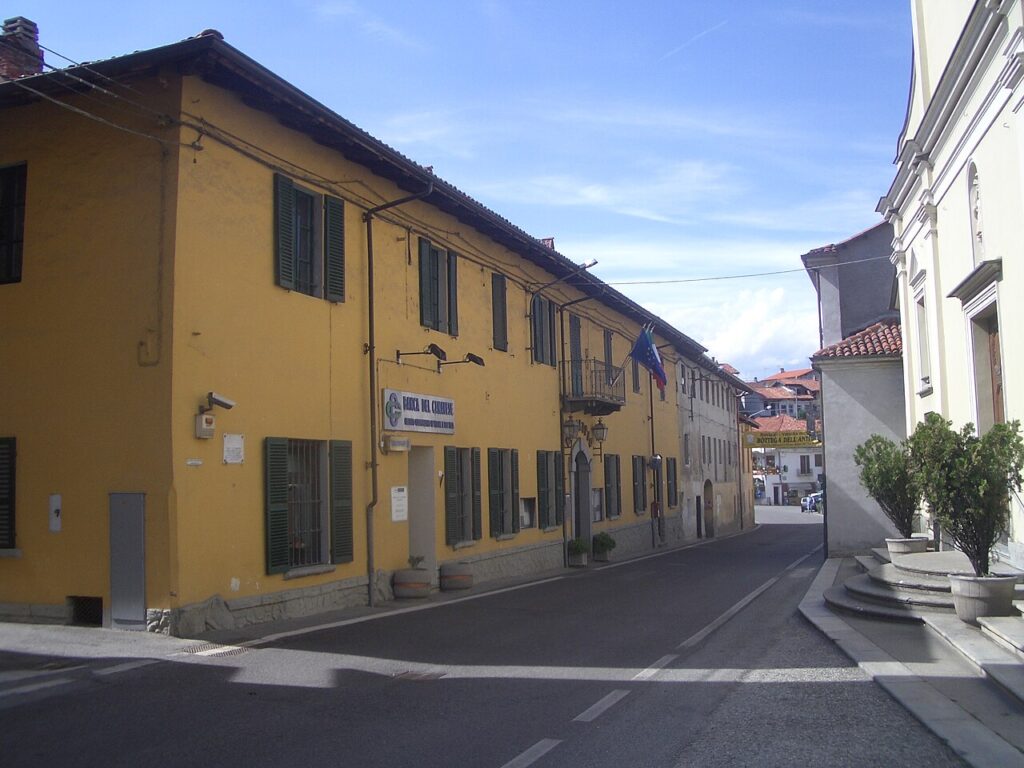
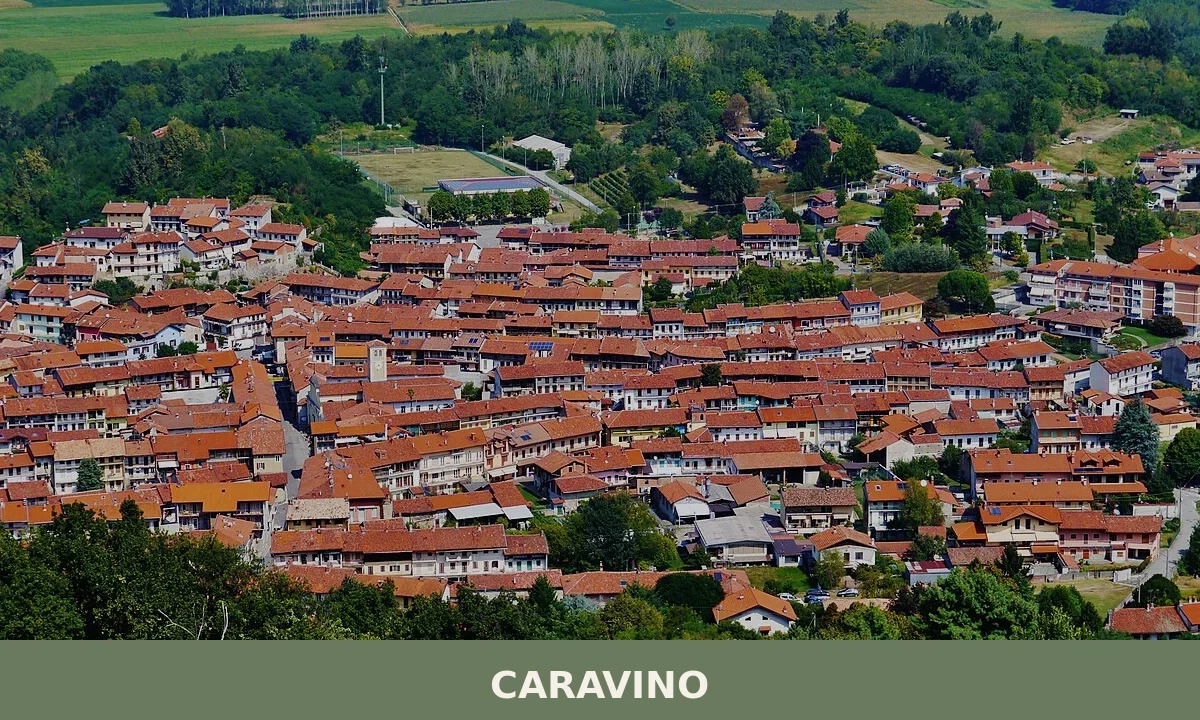
Stone bridges the gap between the Dora Baltea’s distant murmur and the quiet squares of Caravino, a village that sits among the ochre and green hills of northeastern Canavese. At 257 metres above sea level, this small settlement watches over a landscape of subtle elevation changes—not dramatic, but enough to give it the air of a minor stronghold. Here, light catches the pale facades of rural chapels and the timber-framed windows that face inward, toward the village’s own rhythms rather than outward to passing travellers.
Caravino is home to fewer than 900 residents and counts among the communes of Turin’s metropolitan area. Two main draws define its character: the Castello di Masino, whose park and interior rooms hold the memory of noble residence, and a constellation of small churches whose walls preserve frescoes and votive art. The village’s identity rests on its feudal past and its role as a religious way-station along medieval pilgrimage and monastic networks.
Origins and the Long Shadow of Masino
Roman fragments found in the area date to the third century, evidence of settlement long before feudal order took shape. The name Caravino itself appears in written records from the eleventh century, when it served as a fief of the Masino-Valperga counts, a dynasty that claimed descent from Arduino, leader of the Marca d’Ivrea. From that same period, Benedictine monks introduced the cult of Saint James—whose feast is celebrated on 25 July—and the saint became the village’s patron.
One small church in the locality of Carpaneto preserves work by Giacomino da Ivrea, a fifteenth-century painter whose frescoes date to 1465. The chapel fell under the spiritual care of the Cella of Vestignè and the Abbey of Fruttuaria at San Benigno Canavese, linking Caravino to a larger monastic geography. This arrangement—where a minor village church answered to distant abbeys—was typical of Benedictine administration, a structure that outlasted any single noble house.
The Valperga counts could not withstand the advance of Facino Cane, a condottiero from the Monferrato who ravaged the countryside in the summer of 1397. Political power then flowed toward France and the House of Savoy. The Peace of Cateau-Cambrésis (1559) sealed dynastic marriage between French and Savoyard lines, and by the seventeenth century, figures such as Madama Cristina and the regent Maria Giovanna Nemours, whose regency extended from 1675 to 1684, used the Castello di Masino both as a residence and as a command centre for ducal control. The plague of 1630–1632 left its mark: one small Baroque chapel dedicated to Saint Rocco dates from this dark period.
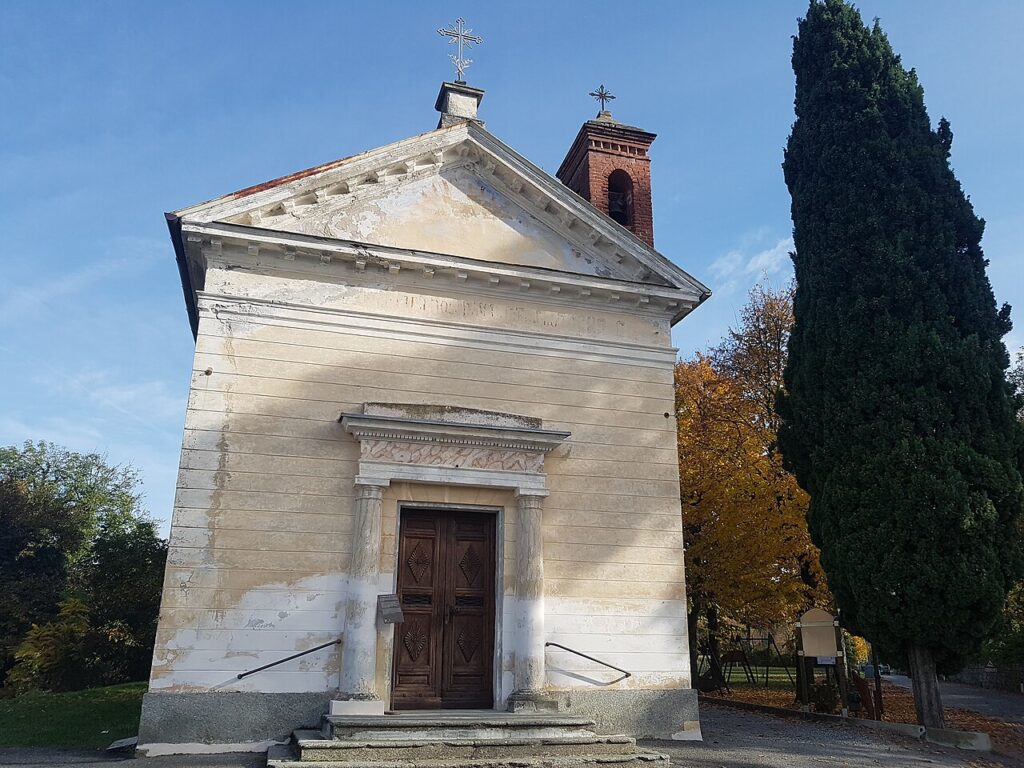
The frescoed church of San Giacomo in Carpaneto stands as a threshold between lay and monastic power—a modest sanctuary that belonged not to the village itself, but to abbeys many kilometres distant.
In 1929, administrative boundaries shifted: Caravino merged temporarily with the frazione of Masino and with nearby Cossano Canavese to form a single commune. That union dissolved in 1949, when Masino returned as a fraction of an independent Caravino. The village’s coat of arms and civic banner were formally granted by presidential decree on 19 July 1986.
The Churches and Sacred Sites of the Valley
Castello di Masino
Built in the eleventh century by the Valperga counts, this castle rose above the valley as both fortress and seat. In the eighteenth century it underwent transformation into a country residence, its interior fitted with richly decorated rooms furnished with period paintings and furnishings. Now owned and managed by the FAI (Fondo Ambiente Italiano) and open to the public, the extensive English-style park that surrounds it houses the Museo delle Carrozze, a collection of historic carriages. The castle remains the most substantial monument to the feudal framework that once shaped the entire Canavese region.
Chiesetta di San Giacomo in Carpaneto
This small chapel preserves the work of Giacomino da Ivrea, whose frescoes were completed in 1465. Dependent upon distant abbeys, the church represents the Benedictine network that extended spiritual authority across scattered hamlets. The frescoes themselves survive as traces of a painter and a devotional moment largely forgotten outside specialist circles. The chapel’s simple stonework and rural location emphasize its role as a way-station for clergy and villagers rather than as a parish church of the first rank.
Parrocchiale di San Solutore
The main parish church honours San Solutore Martire. A separate campanile and smaller chapels scattered through the locality—including the Chiesetta campestre dedicated to the same saint, and the Chiesetta Madonna delle Grazie—form a patchwork of devotional sites. These structures reflect the layering of piety across centuries, with each chapel marking a particular moment of fear (plague, warfare) or gratitude.
Chiesetta di San Rocco
Erected during the plague years of 1630–1632, this small church in the street bearing its name stands in Baroque style. It embodies the votive impulse common to many villages during epidemic: a prayer in stone, built in hope of divine mercy. The chapel’s modest scale and late date mark it as a response to collective emergency rather than the product of established institutional power.
Chiesetta di San Lorenzo Martire
A further reminder of the village’s religious inventory, this chapel completes a circuit of sacred sites that trace the spiritual landscape of Caravino. Each building reinforces the pattern of a community for which faith was as essential as water.
The Taste of Canavese Agriculture
The hills of northeastern Canavese nurture a modest agricultural tradition. Wine from the zone—including Erbaluce di Caluso and Canavese varietals—represents the region’s main viticultural identity, and these wines appear in the cellars and tables of the broader Canavese area. The territory is also home to a variety of protected agricultural products typical of Piedmont: from cheeses such as Toma Piemontese to cured meats and regional confections. These are not products exclusive to Caravino itself, but rather goods that emerge from the agricultural systems of the province and the hill zones that surround it.
The village’s own kitchen draws from this shared larder: seasonal vegetables, preserved meats, and local grains form the backbone of daily eating. Visitors will encounter the flavours of Turin’s province reflected in modest trattorias and home tables, though no single dish or specialty distinguishes Caravino from its neighbours in memorable ways.
Visiting Caravino: Access and Planning
Caravino lies in the Turin metropolitan area, roughly 45 kilometres northeast of the city centre. It is best reached by private vehicle or local bus connections; the village has no railway station. The landscape is entirely rural—rolling hills with no dramatic peaks or gorges, making it suitable for a half-day excursion combined with visits to nearby communes such as Azeglio, Albiano d’Ivrea, or Borgomasino.
| Departure Point | Distance | Time by Car |
|---|---|---|
| Turin city centre | 45 km | 50–60 minutes |
| Ivrea | 12 km | 18–22 minutes |
| Settimo Rottaro | 8 km | 12–15 minutes |
Spring and early autumn offer the gentlest light and the least rain; summer can be warm, and winters are cool but rarely severe. The village has no grand piazza or commercial hub; instead, visitors will find modest cafés, a municipal office, and a rhythm governed by agricultural seasons and religious observance. The feast of San Giacomo on 25 July marks the main annual gathering. A monument to the war dead stands in Piazza Marconi, and a bronze plaque on Via Cavour commemorates Federico Saudino, a local Alpine captain who fell during the First World War.
There are no large hotels; nearby Ivrea or towns along the Canavese offer wider accommodation choices. Caravino rewards those who arrive not seeking “attractions” in the modern sense, but rather the slow contemplation of how feudal power, monastic networks, and small-town faith created the physical and spiritual landscape that persists today.
Frequently asked questions about Caravino
When is the best time to visit Caravino?
The patron saint feast of San Giacomo on July 25th is the highlight of Caravino's calendar, offering a window into local traditions and community celebration. Summer months (June–September) provide pleasant weather for exploring the Canavese hills and visiting the Castello di Masino. Spring and autumn offer milder temperatures ideal for walking the surrounding countryside and photographing the ochre and green landscape.
How do I reach Caravino from Turin?
Caravino lies in Turin's metropolitan area, approximately 40–50 km northeast. By car, take the A5 motorway toward Aosta and exit toward Canavese, then follow regional roads toward the village. Public transport options include regional trains and buses connecting to nearby towns; check local Turin transport authority (GTT) schedules for current routes and journey times to Caravino.
What is the main historical attraction in Caravino?
Castello di Masino is the primary landmark, featuring noble residences, period rooms, and extensive park grounds that document centuries of aristocratic heritage. The village also contains a constellation of small churches housing frescoes and votive art. Roman fragments from the third century indicate even earlier settlement, reflecting layers of history from ancient times through the medieval feudal period.
How long should I plan to spend in Caravino?
A half-day visit (3–4 hours) allows exploration of the village center, local churches, and casual observation of rural chapels with timber-framed windows. A full day enables leisurely visits to Castello di Masino, its park, and nearby Canavese countryside walks. The village's intimate scale and quiet character reward unhurried exploration rather than rushed touring.
Are there hiking or cycling routes near Caravino?
Caravino sits within the northeastern Canavese region, known for subtle elevation changes and pastoral landscapes ideal for gentle walking and cycling. Specific CAI (Club Alpino Italiano) routes and documented trails in the immediate area should be verified through local tourism offices or regional Piemonte hiking resources for current route conditions and difficulty ratings.
📷 Photo Gallery — Caravino
Nearby Villages near Caravino
In Piedmont More villages to discover
Avigliana
 Hills
Hills
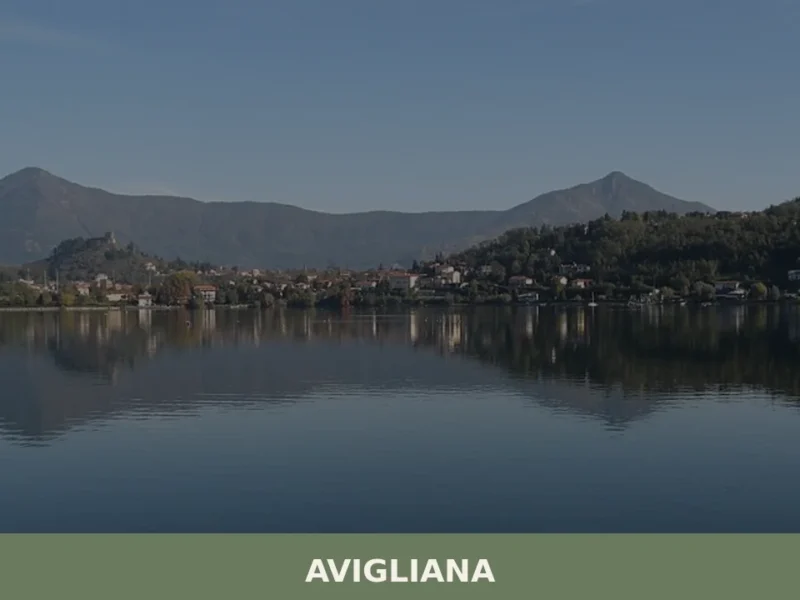
In 1092, a donation charter by Countess Adelaide of Susa mentioned for the first time the castrum Avillianae, a fortified settlement on the hill overlooking two moraine-origin lake basins in the lower Susa Valley. Anyone wondering what to see in Avigliana today will find an urban fabric preserving precise layers of history: thirteenth-century towers, Gothic […]

Strambino
Plains
6,000 residents, one castle on a hill, and a church whose floor plan mirrors a frog. Strambino offers a layered Canavese identity few visitors expect.
Mombello di Torino
 Mountain
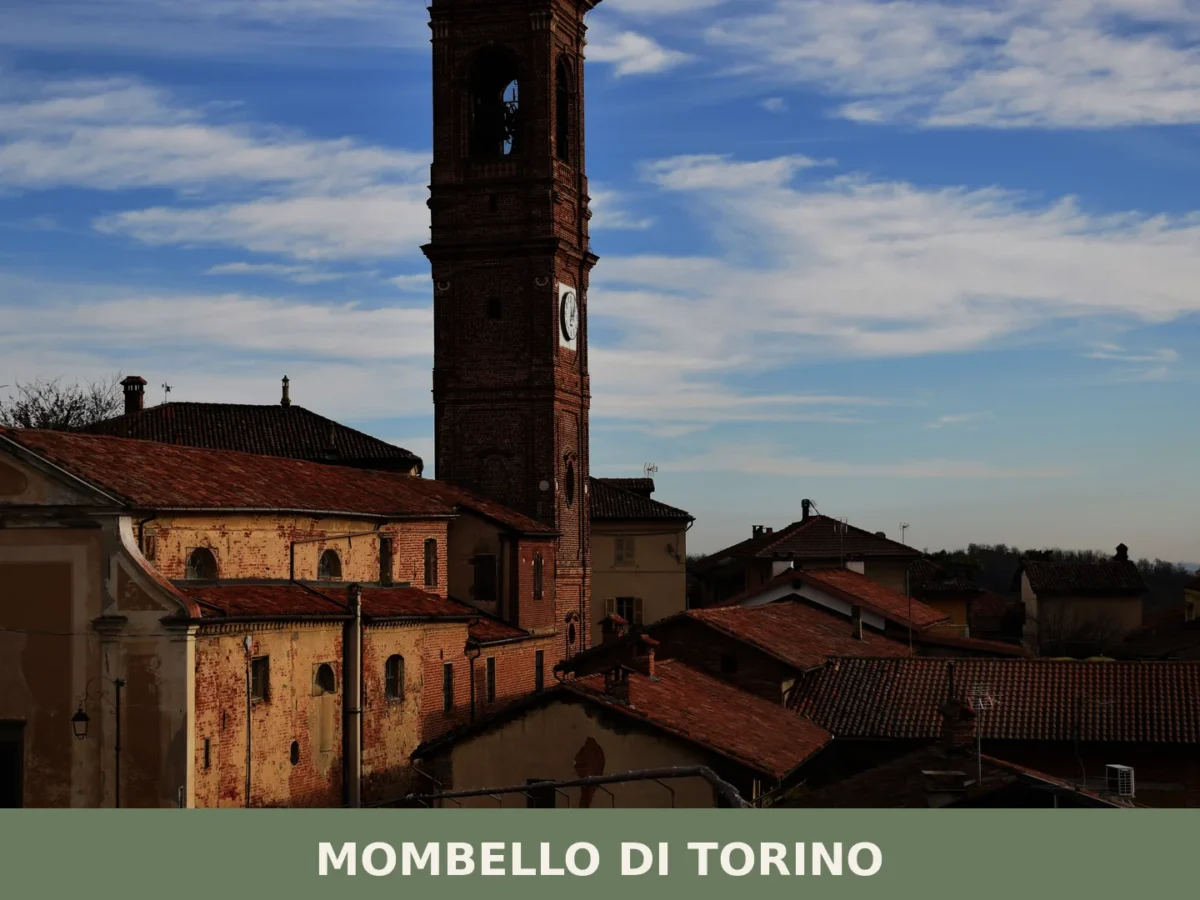
399 residents, three churches and eight centuries of documented history. Mombello di Torino rewards visitors drawn to genuine Piedmontese hill culture and Romanesque architecture.
Brosso
Mountain
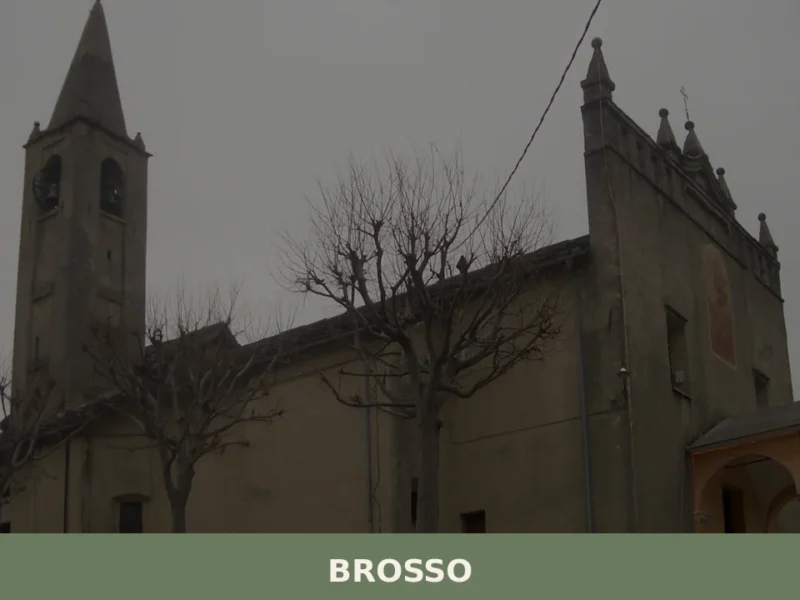
Brosso has a population of 391 and sits at 797 metres above sea level in the Valli del Canavese, in the province of Turin, on the south-eastern slopes of the Serra di Ivrea. The area was historically defined by mining activity — particularly iron and copper extraction — a practice that left lasting physical marks […]
Osasco
Plains
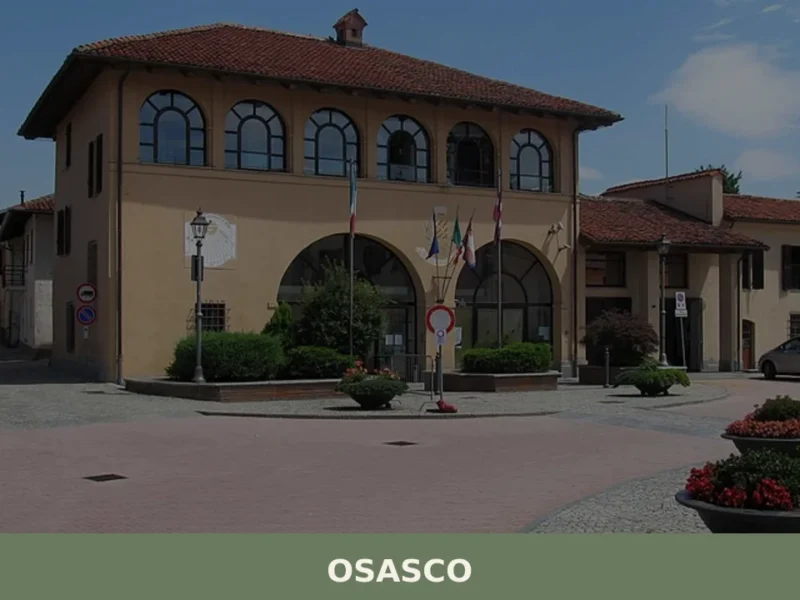
Osasco is a comune of 1,161 inhabitants in the Metropolitan City of Turin, sitting in the Piemonte region of northwestern Italy. Known in the local Piedmontese language as Osasch, the village occupies a modest position in the hills and plains south of Turin, one of dozens of small agricultural and residential communes that form the […]
San Pietro Val Lemina
Mountain
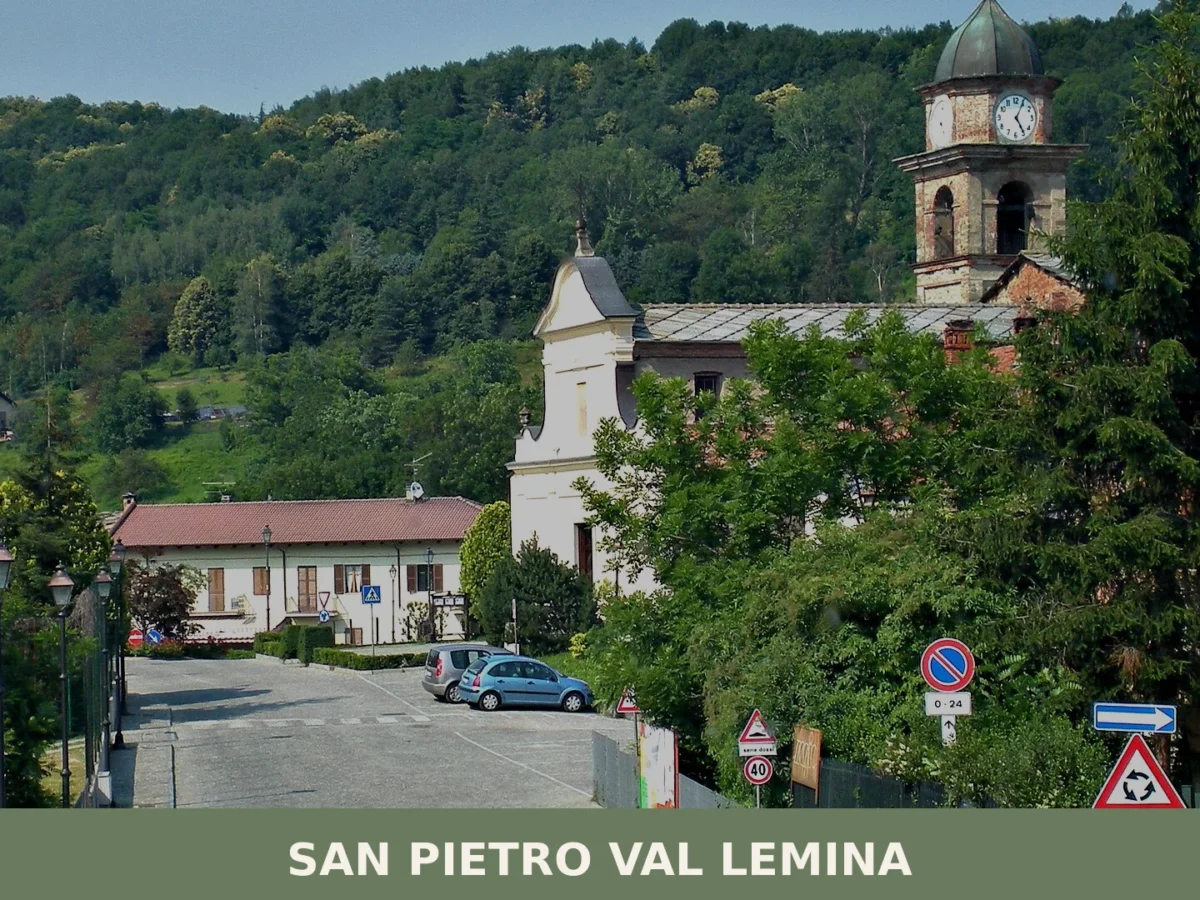
Population 1,447. A small Turin commune where the Lemina torrent shaped settlement and identity, and where a landmark monument honors Piedmontese emigrants worldwide.
Bibiana
Hills
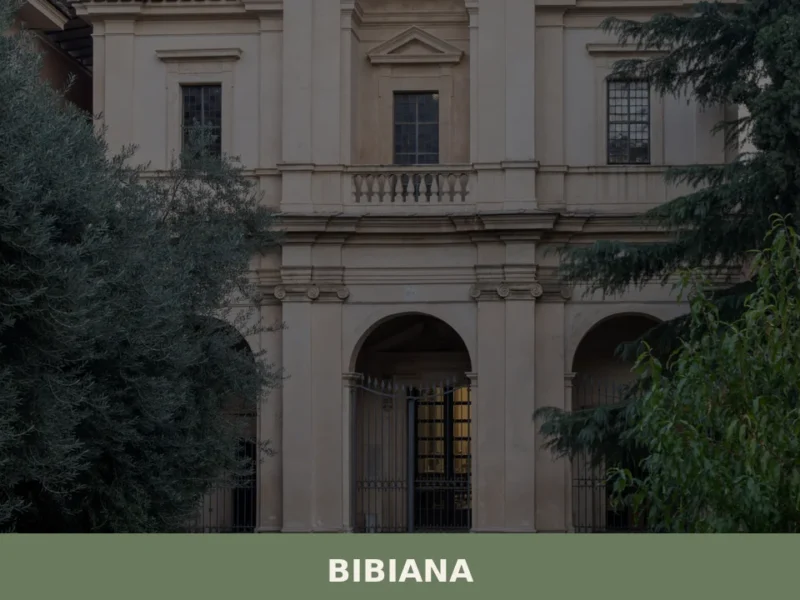
Bibiana sits at the entrance to the Val Pellice, a valley that cuts into the Cottian Alps southwest of Turin, and counts just over 3,300 residents within the metropolitan city of Torino. The village belongs to the Unione Montana del Pinerolese, a grouping of mountain and foothill municipalities that share administrative and territorial planning functions. […]
Sant’Ambrogio di Torino
Mountain
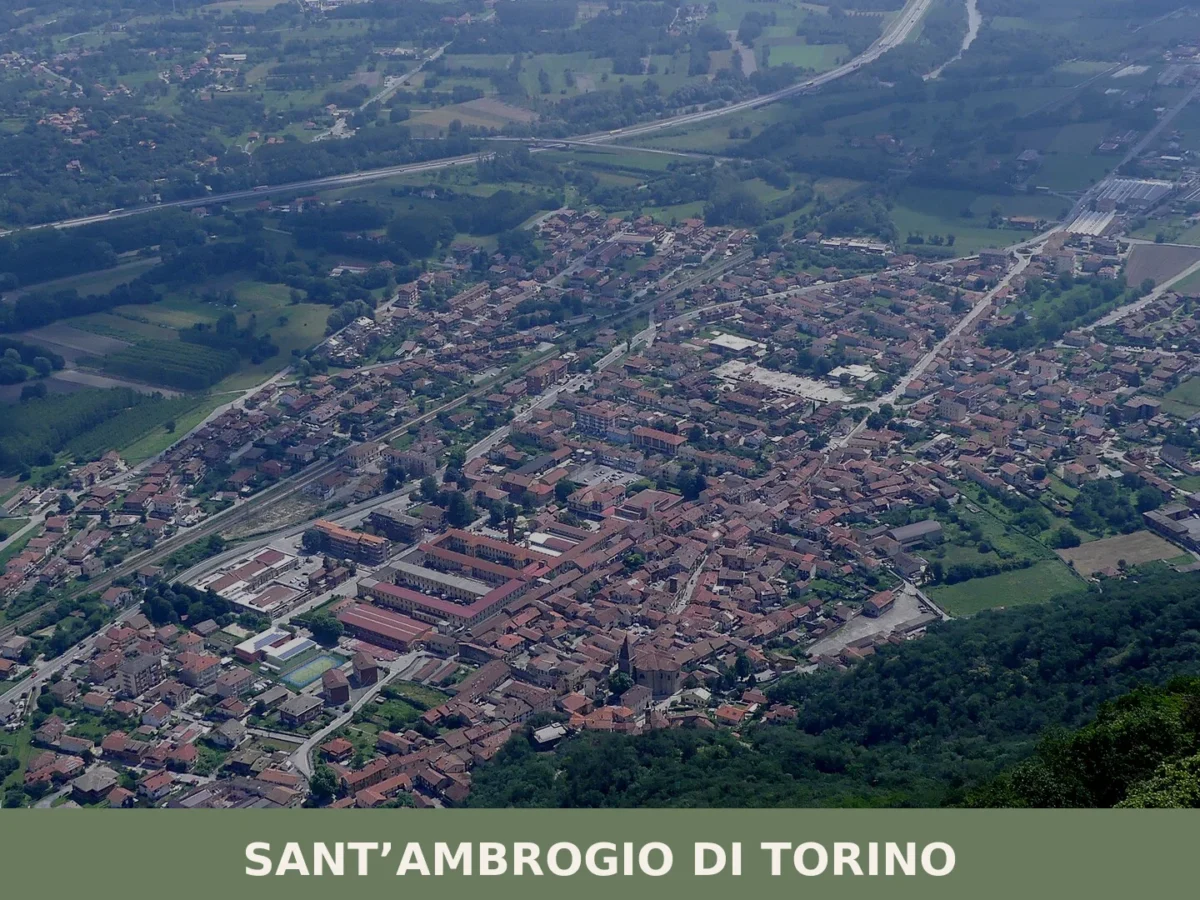
A village of 4,518 inhabitants at the threshold of the Turin foothills. Sant'Ambrogio di Torino stands on two major pilgrimage routes: the Via Francigena and the Cammino di San Michele.
Anzola d’Ossola
Mountain
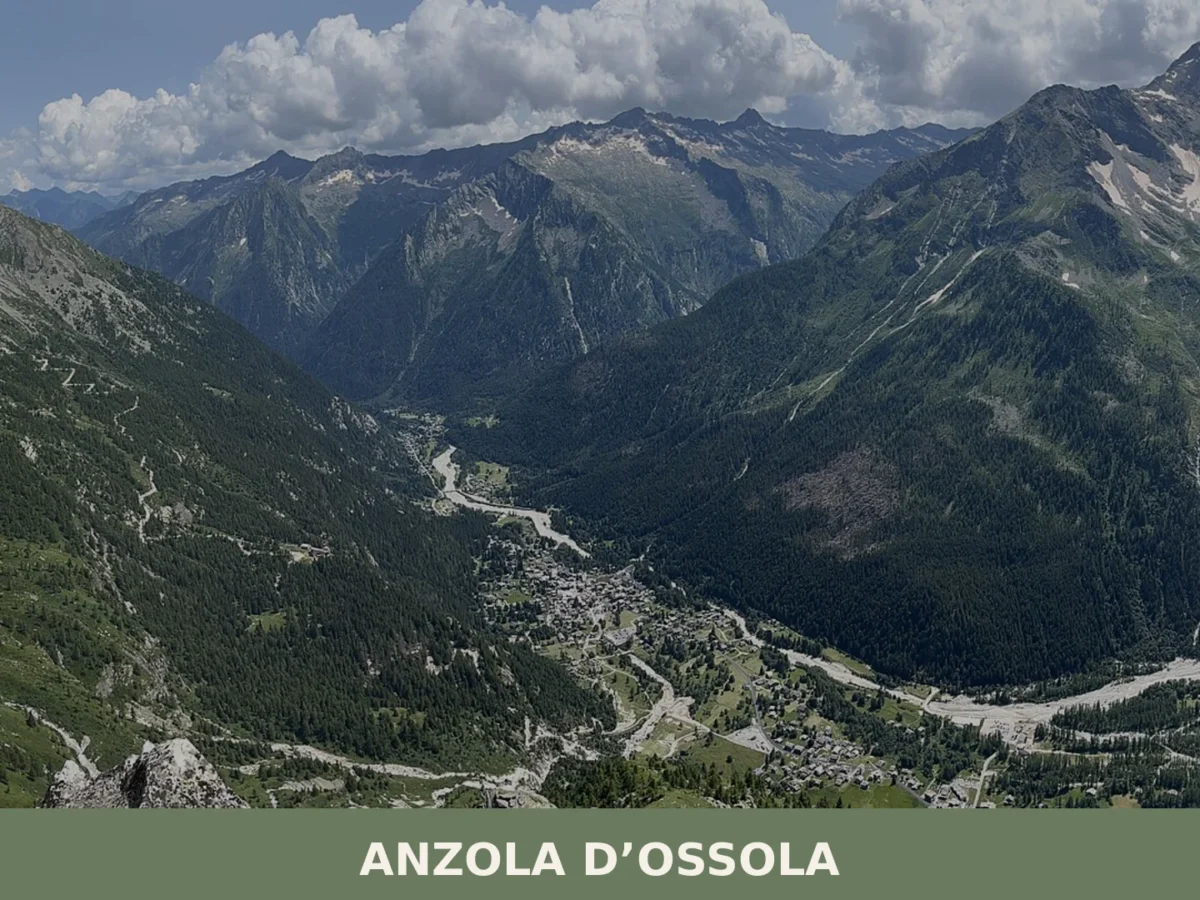
Macugnaga is a Walser mountain commune in Verbano-Cusio-Ossola, Piemonte, set at the head of the Valle Anzasca beneath the 2,600-metre eastern wall of Monte Rosa.
Giaglione
Mountain
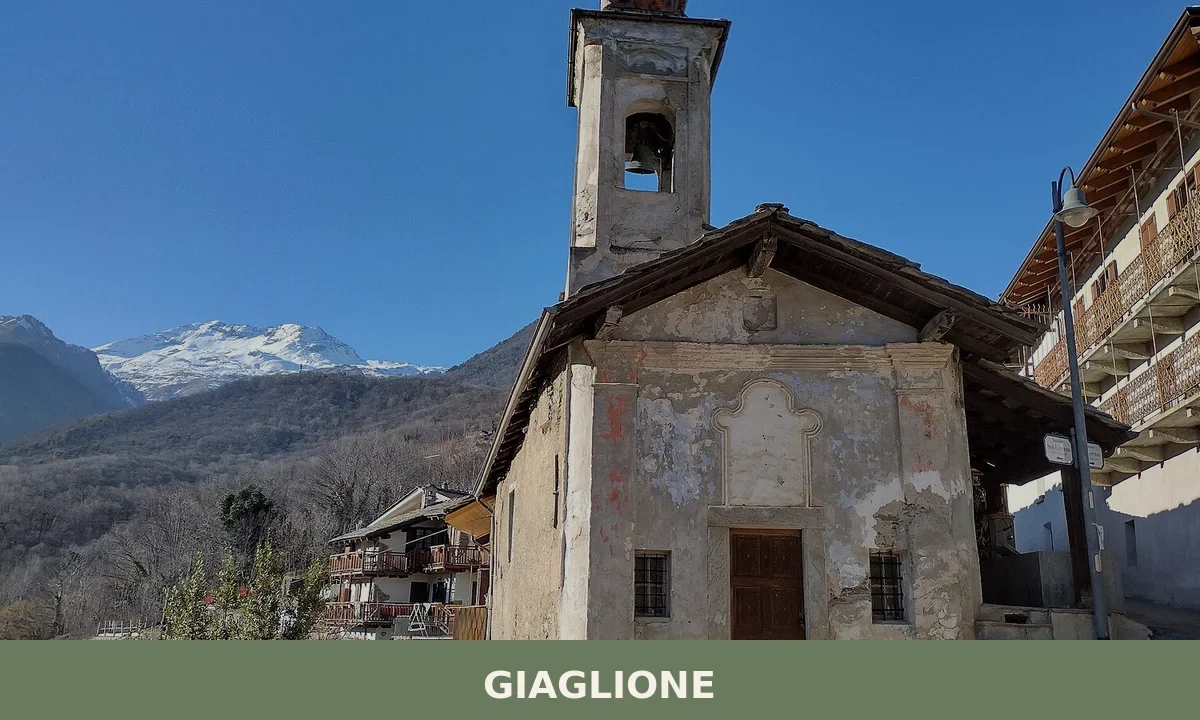
Population 595. Medieval fortified settlements, a 15th-century fresco chapel, and a living folk tradition that marks the feast of the patron saint each January.

🏡 Know Caravino better than we do?
If you’re a local or have been there, your knowledge matters: add what’s missing or fix a detail on this page.