


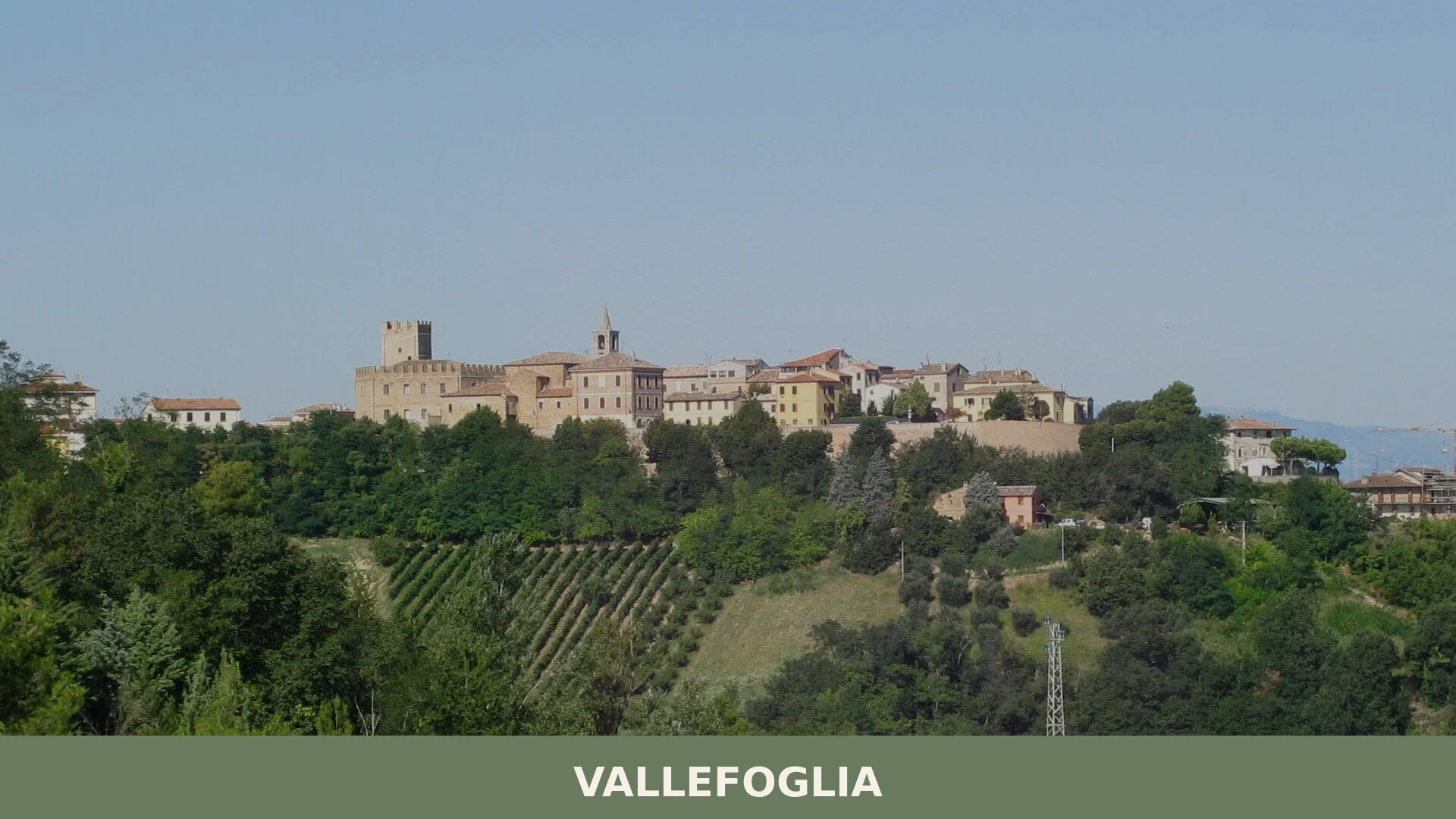

Vallefoglia is a hillside municipality of about 15,000 inhabitants in the province of Pesaro e Urbino, born in 2014 from the merger of Colbordolo and Sant’Angelo in Lizzola, and named after the river
Discover Vallefoglia
Vallefoglia is a municipality of roughly 15019 inhabitants in the province of Pesaro and Urbino, in the Marche region of central Italy, covering an area of about 38.51 square kilometres across the coastal hill zone of the Foglia river valley. It came into being on 1 January 2014, when the two formerly separate communes of Colbordolo and Sant’Angelo in Lizzola were united into a single administrative body following a referendum in which more than three quarters of voters backed the merger.
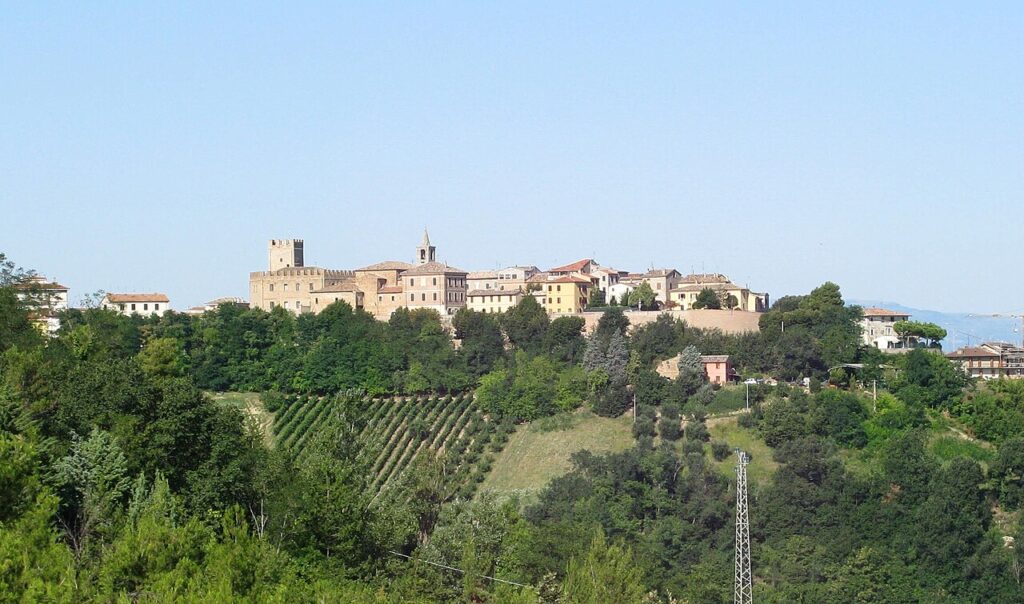
Vallefoglia village in Marche carries within its short institutional life the weight of a much older landscape: castles, hilltop hamlets, and a river that lends the territory both its name and a thread of continuity across centuries of local history. Sant’Angelo in Lizzola serves as the communal seat, while the fraction of Montecchio is the most populous settlement — a place that also bears the memory of a wartime tragedy in January 1944, when an ammunition depot explosion killed more than thirty people and left much of the village in ruins.
Vallefoglia village in Marche: history and identity
Castles, Churches and a Museum Dedicated to Giovanni Santi
Vallefoglia offers visitors a documentation centre devoted to the painter Giovanni Santi, two medieval castles, and a handful of churches spread across its frazioni.
El Paternal Mio Nido — Centro di Documentazione Giovanni Santi
This museum and documentation centre is dedicated to the artistic and literary work of Giovanni Santi (1435–1494), the painter who was Raphael’s father and first teacher. The exhibition presents photographic reproductions and enlarged details of Santi’s works, placed alongside reproductions by other artists of the period, in order to highlight both the influences on his painting and its originality. The material is arranged along a historical, educational and divulgative itinerary that reconstructs the court culture of fifteenth-century Italy.
Castello di Montefabbri and Castello Maniani
Two castles are documented within the municipal territory: the Castello di Montefabbri, in the frazione of the same name, and the Castello Maniani. The sources provide no further architectural or historical detail beyond their names and locations.
Churches
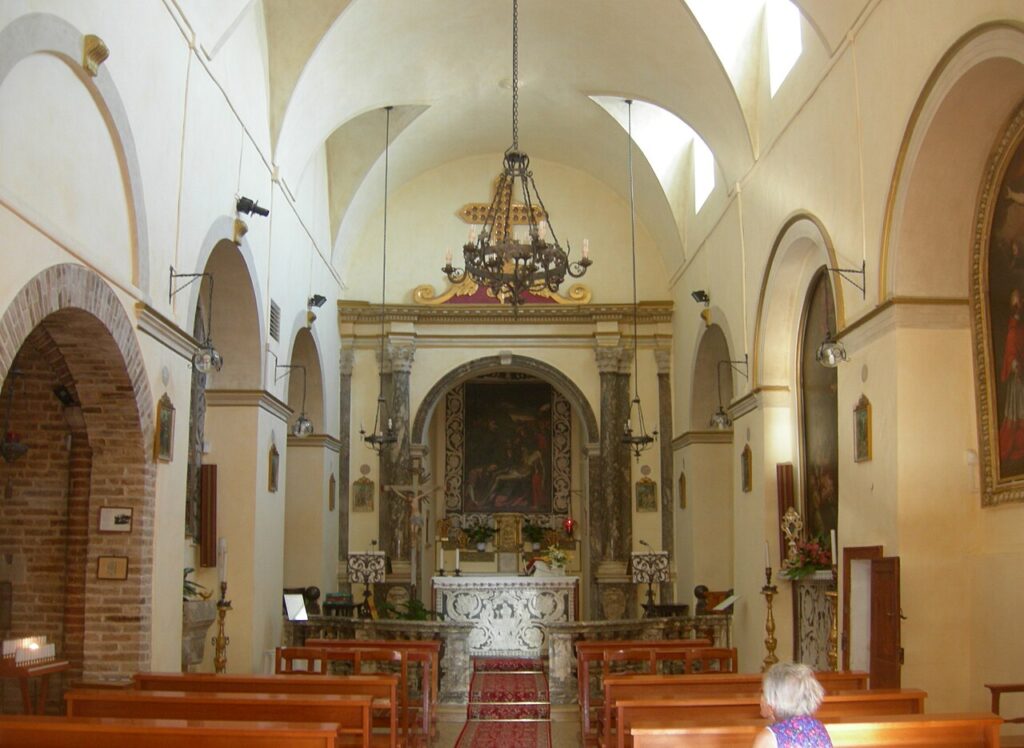
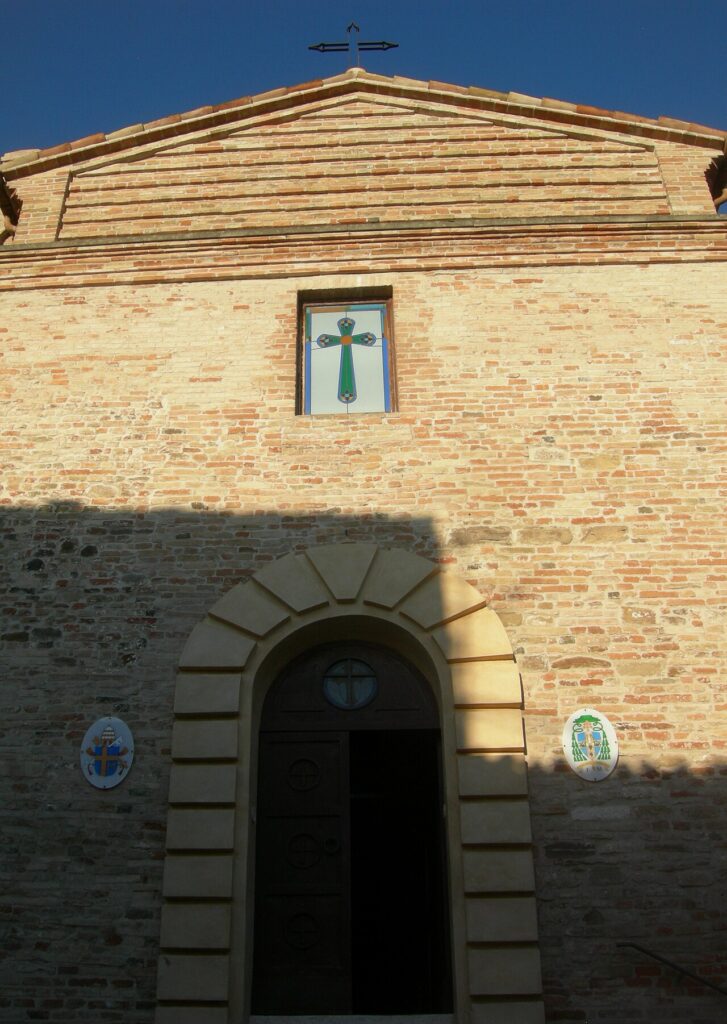
Two churches are recorded in the commune: the church of San Michele Arcangelo and the church of San Gaudenzio. No additional information about their architecture or contents appears in the available sources.
Flavours of Vallefoglia and the Pesaro-Urbino Territory
The area around Vallefoglia is anchored in a rich agricultural and gastronomic tradition, best represented by two celebrated DOP cheeses: Casciotta d’Urbino, a semi-soft mixed-milk cheese with deep roots in the province, and Cartoceto, a PDO-certified extra-virgin olive oil pressed from groves in this part of the Marche — a tradition to which Vallefoglia’s membership of the national Città dell’Olio association directly speaks.
Other certified products from the broader provincial and regional context include Formaggio di Fossa di Sogliano DOP, a cave-aged cheese of intense character, and Agnello del Centro Italia IGP, a protected designation covering lamb raised across central Italy.
Wines from the surrounding territory are equally worthy of attention. The Bianchello del Metauro DOC and Colli Pesaresi DOC are the two appellations most closely tied to this corner of the province, both producing whites and reds from vineyards across the Pesaro hills. The Pergola DOC adds a further local dimension, while the broad Marche IGT umbrella covers a wide range of varietal wines produced throughout the region.
Among the traditional preparations worth seeking out are Moretta di Fano — a layered hot coffee-and-spirits drink with roots in the nearby port town — and Vino cotto, a cooked grape must reduction long made in farmhouse kitchens across this stretch of the Marche. Sapa and Vino di visciole (a wild-cherry wine) complete the picture of a territory that has quietly preserved its pantry.
Getting to Vallefoglia and Planning Your Visit
Vallefoglia sits in the coastal hill zone of the province of Pesaro e Urbino, at around 280 metres above sea level, and is most comfortably reached by road from Pesaro — the nearest major city — or via the A14 Adriatic motorway, with the spring and early autumn months offering the mildest conditions for exploring its ten scattered frazioni. The territory divides broadly into four administrative quarters, each centred on a cluster of villages, so a car is effectively essential for moving between them.
The comune of Vallefoglia borders a stretch of the Marche countryside that rewards unhurried exploration. From the frazione of Montefabbri, minor provincial roads lead toward other hill villages worth combining into a single day’s itinerary. Isola del Piano, further along the Foglia valley, is a natural companion stop, as is Monteciccardo in the same provincial arc. For those with more time, the medieval fortifications of Gradara lie to the north-east, closer to the Adriatic coast, and make a vivid contrast to the quieter inland atmosphere of Vallefoglia itself.
| Departure | Distance | Time |
|---|---|---|
| Pesaro | approx. 10 km | approx. 15 min |
| Urbino | approx. 25 km | approx. 30 min |
| Rimini | approx. 45 km | approx. 40 min |
| Ancona | approx. 80 km | approx. 60 min |
Overnight accommodation is more plentiful in Pesaro or along the Adriatic coast, making Vallefoglia well suited to a day visit from a coastal base. The frazione of Montecchio, the most populous and economically active part of the comune, is the practical hub for orientation, while the hilltop capoluogo of Sant’Angelo in Lizzola and the older core of Colbordolo offer a quieter, more historic character.
Frequently asked questions about Vallefoglia
When was Vallefoglia officially established as a municipality?
Vallefoglia was officially established on 1 January 2014, following the merger of two formerly separate communes: Colbordolo and Sant'Angelo in Lizzola. The unification was approved by referendum, with more than three quarters of voters supporting the merger. Sant'Angelo in Lizzola now serves as the municipal seat of the united administration.
What is the geographical setting of Vallefoglia?
Vallefoglia is situated in the province of Pesaro and Urbino, in the Marche region of central Italy, at an elevation of 280 metres. The municipality covers approximately 38 square kilometres across the coastal hill zone of the Foglia river valley, from which it derives its name. The landscape features castles, hilltop hamlets, and a river that has shaped local history for centuries.
What significant wartime event occurred in Vallefoglia?
On 21 January 1944, during World War II, an ammunition depot explosion devastated the fraction of Montecchio, killing more than thirty people and destroying much of the village. This tragedy remains one of the most dramatic episodes in the area's recorded history. The event left a lasting mark on the community and is remembered as a crucial moment in local memory.
How many inhabitants does Vallefoglia have?
Vallefoglia has a population of approximately 15,000 inhabitants. Montecchio is the largest settlement within the municipality, while Sant'Angelo in Lizzola serves as the administrative and communal centre. The population is distributed across various hamlets and settlements throughout the 38-square-kilometre territory.
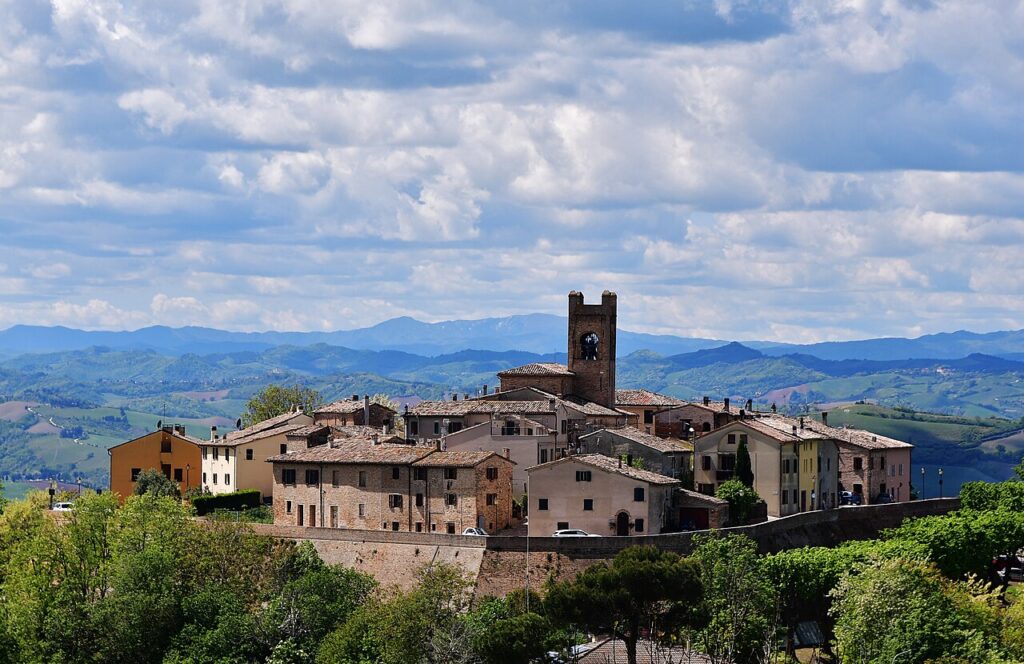
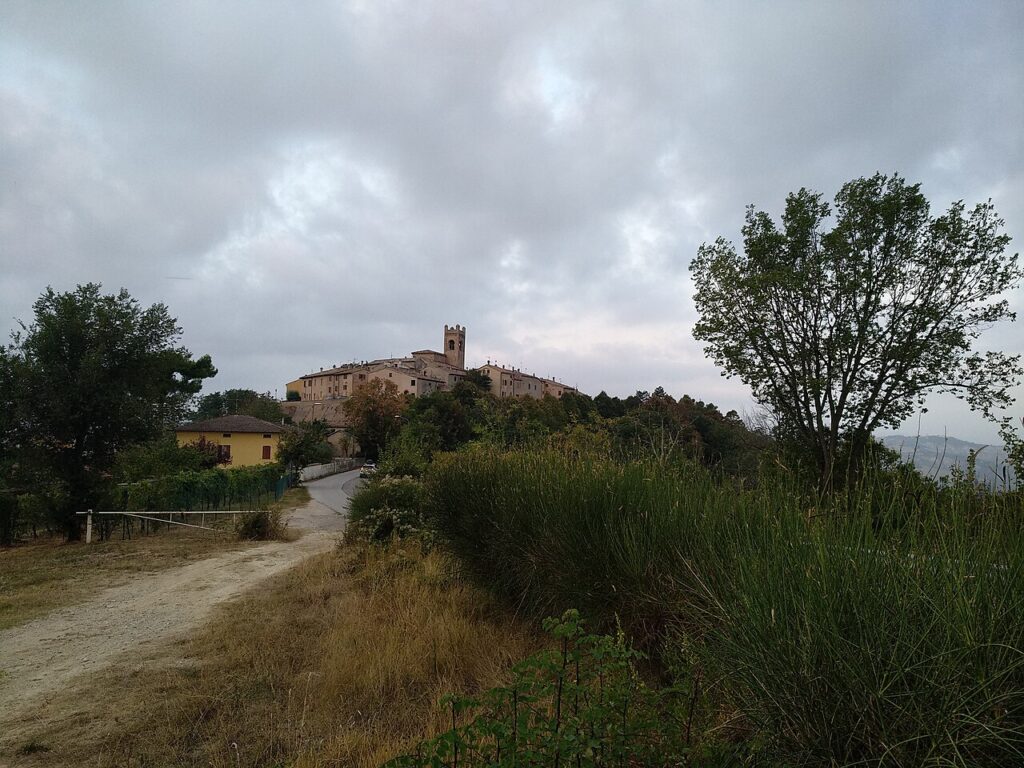
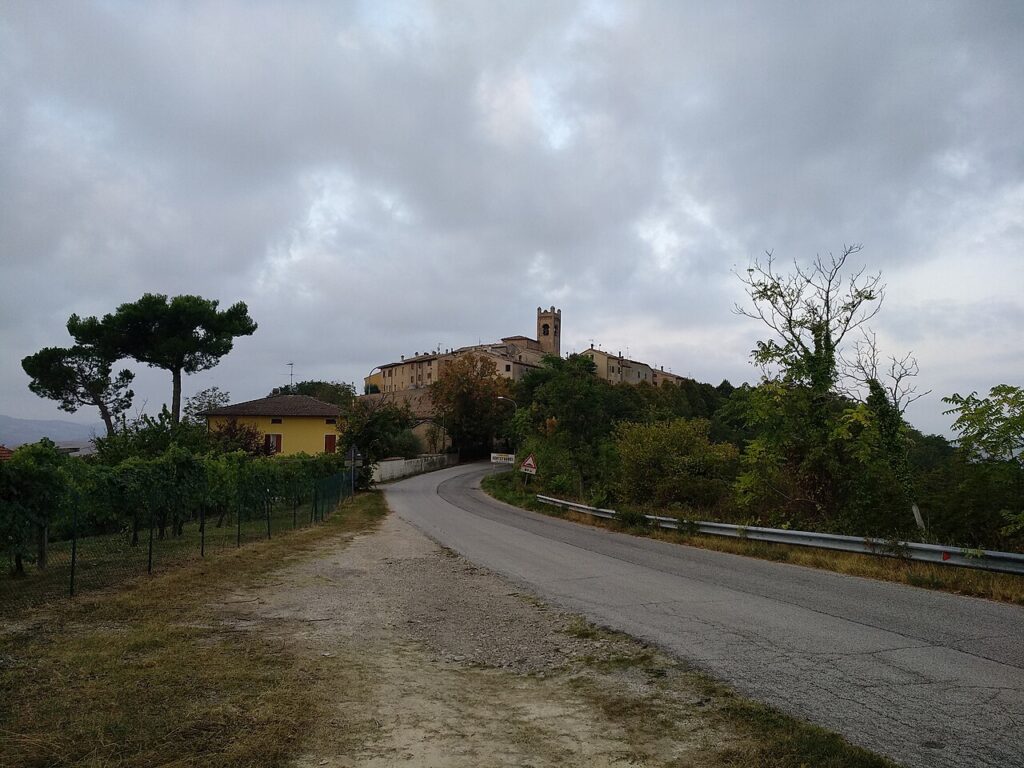
📷 Photo Gallery — Vallefoglia
In Marche More villages to discover
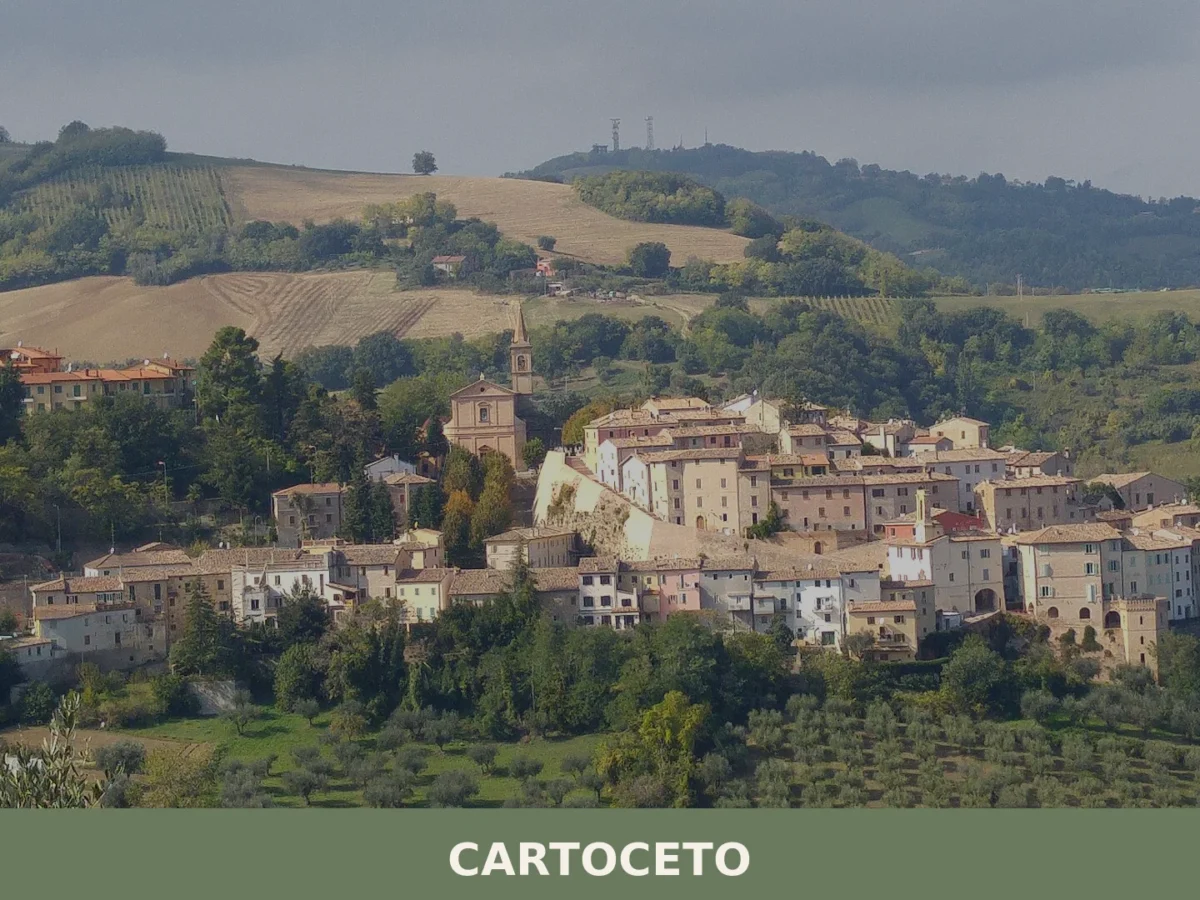
Cartoceto
 Hills
Hills
Cartoceto is a hilltop comune in the province of Pesaro e Urbino, renowned for its centuries-old olive oil tradition and the first olive oil DOP of the Marche region.
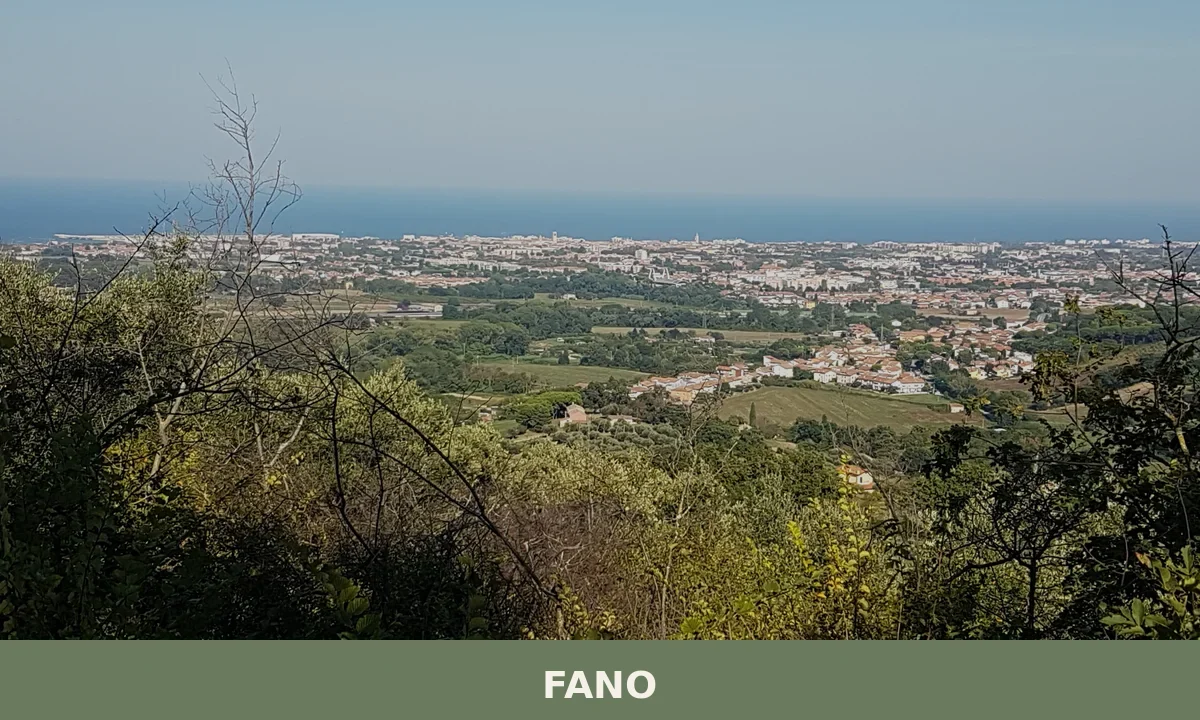
Fano
 Sea
Sea
Fano holds one of Italy's oldest carnivals and a Roman triumphal arch dating to 9 AD. Two thousand years of layered history await on the Adriatic coast.
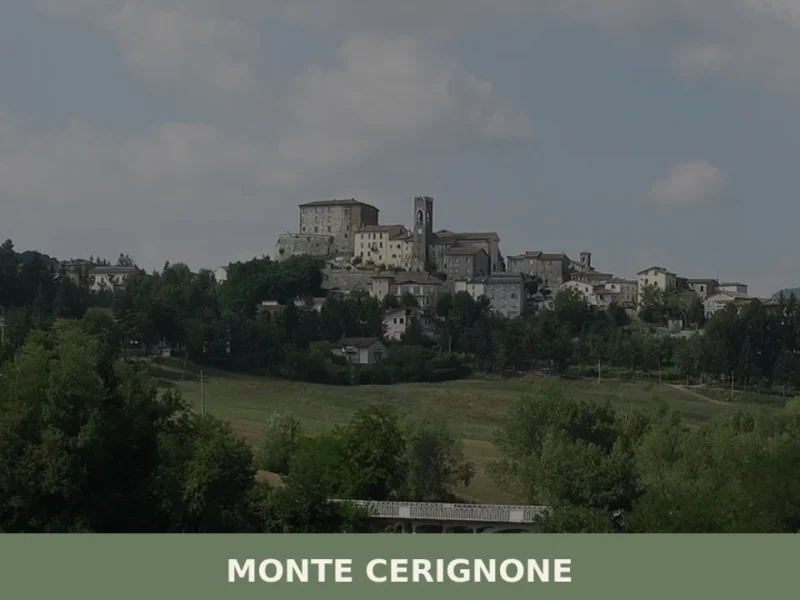
Monte Cerignone
Hills
What to see in Monte Cerignone: discover 5 must-see attractions, from Malatesta Fortress to St. Blaise Church. Plan your trip to this Marche village.
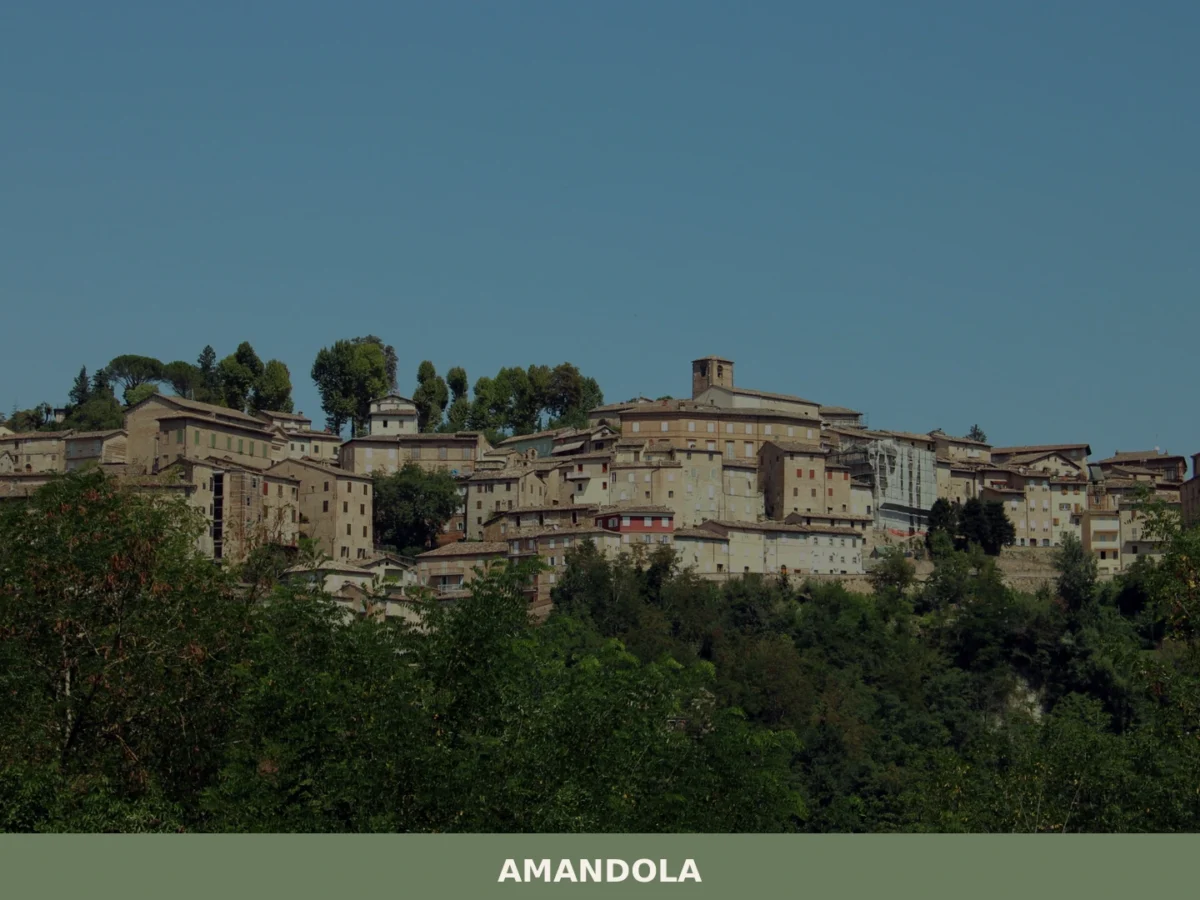
Amandola
Hills
What to see in Amandola: 5 attractions in this Marche village, from the historic centre to the Sibillini Mountains. Discover the complete guide and plan your visit.
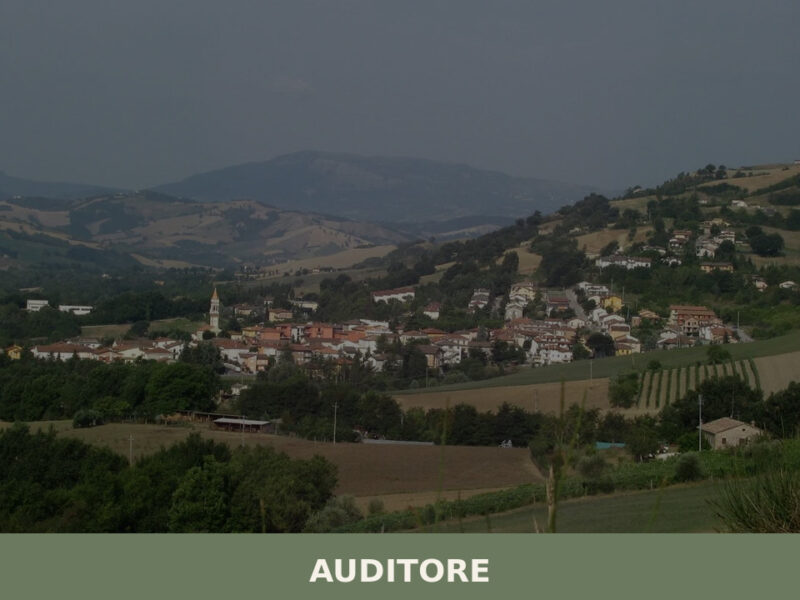
Auditore
Hills
Morning light falls across a line of stone houses the colour of dry wheat, and somewhere below the rooftops a church bell marks the hour with a single, unhurried stroke. Auditore sits in the hill country of the province of Pesaro e Urbino, a settlement of 1,631 people where the Foglia river valley opens toward […]
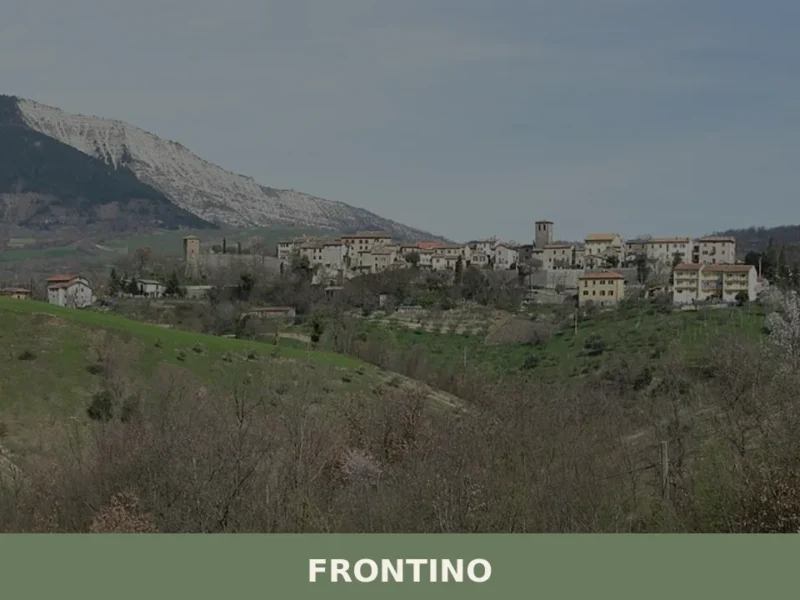
Frontino
Hills
Frontino has around 300 inhabitants today, spread across a hilly area in the province of Pesaro and Urbino at 519 metres above sea level, along the eastern slope of the Apennines separating the Marche from Tuscany and Romagna. The municipality, one of the least populated in the entire region, retains a compact and legible urban […]
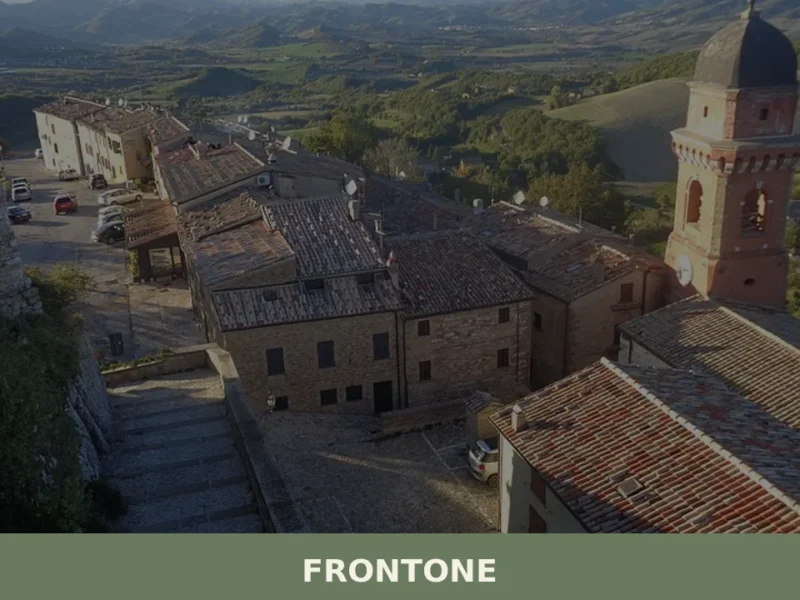
Frontone
Hills
Frontone Castle, whose original structure dates between the 11th and 12th centuries, overlooks the village of the same name, a municipality of 1,218 inhabitants in the province of Pesaro and Urbino. Situated at 412 meters above sea level, Frontone extends along the slopes of Mount Catria, offering a view of the surrounding hilly landscape. Its […]
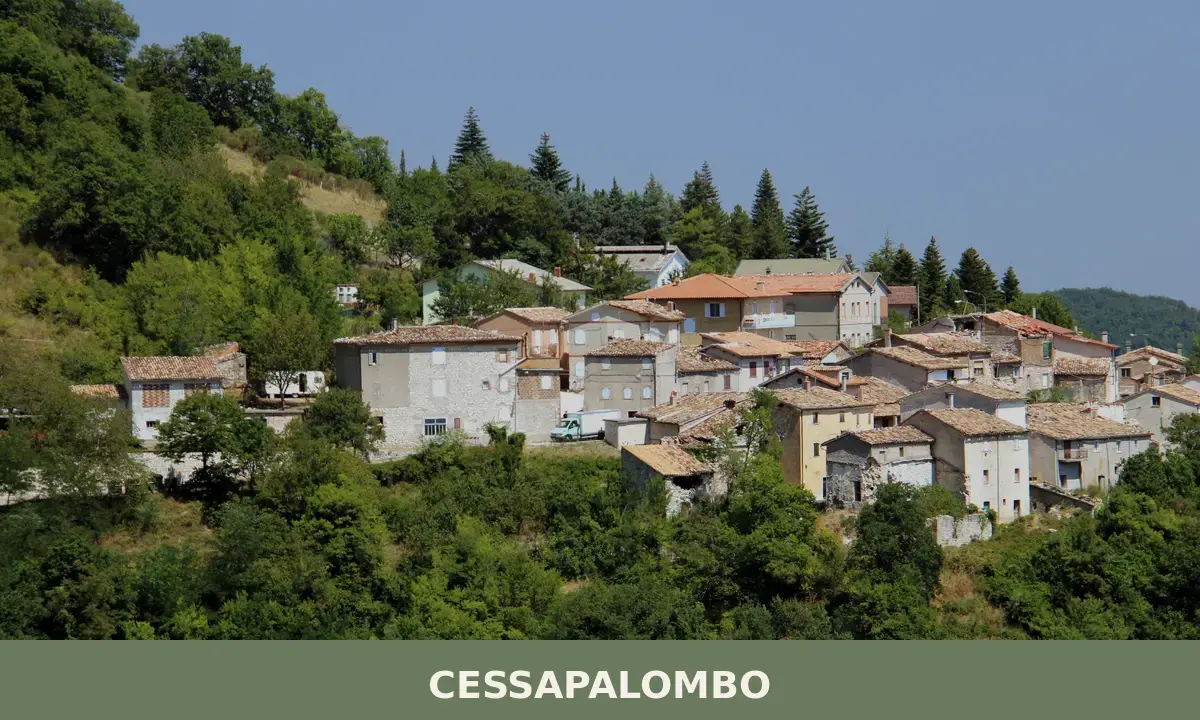
Cessapalombo
 Mountain
Cessapalombo is a mountain commune of 426 residents in the province of Macerata, set within the Monti Sibillini national park and rich in medieval heritage and Apennine landscape.
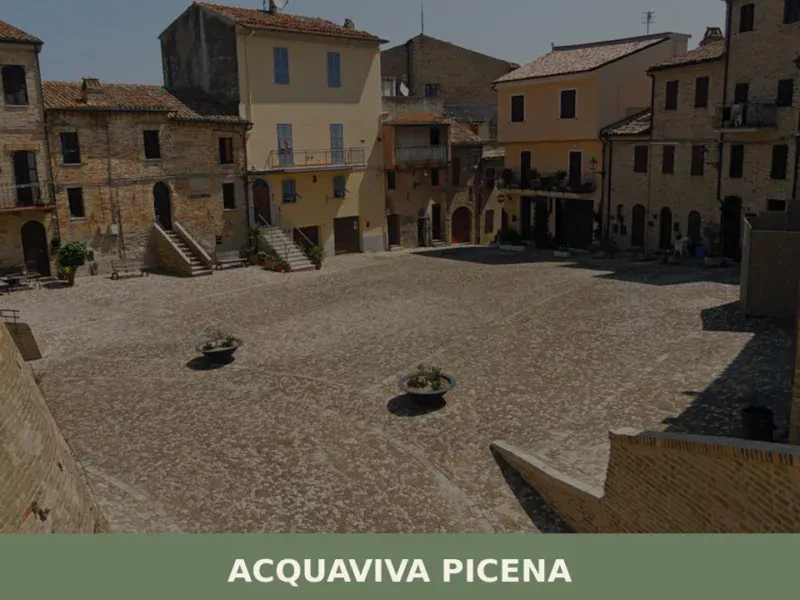
Acquaviva Picena
Sea
Discover what to see in Acquaviva Picena: medieval fortress, town walls, local food and travel tips for this hilltop village in Ascoli Piceno, Marche.
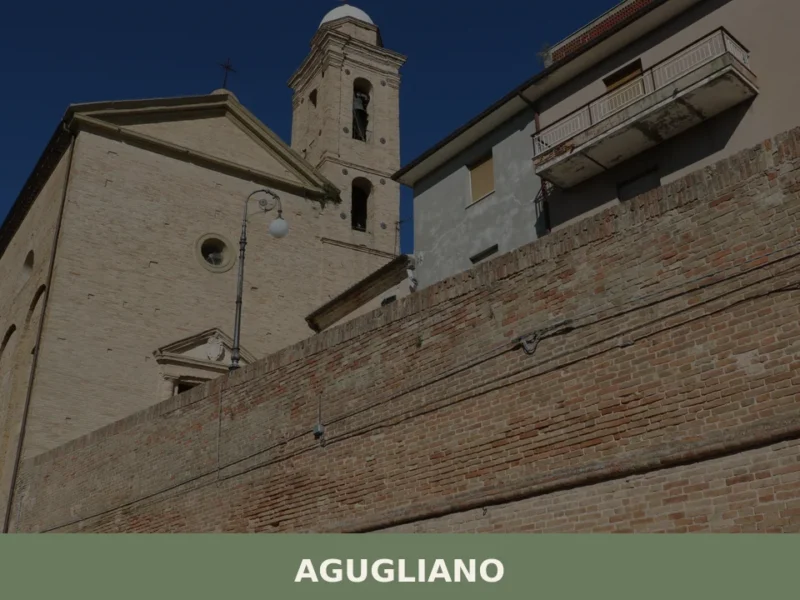
Agugliano
Sea
Discover what to see in Agugliano, a hill comune near Ancona in Marche. History, food, attractions, travel tips and where to stay.



🏡 Know Vallefoglia better than we do?
If you’re a local or have been there, your knowledge matters: add what’s missing or fix a detail on this page.