


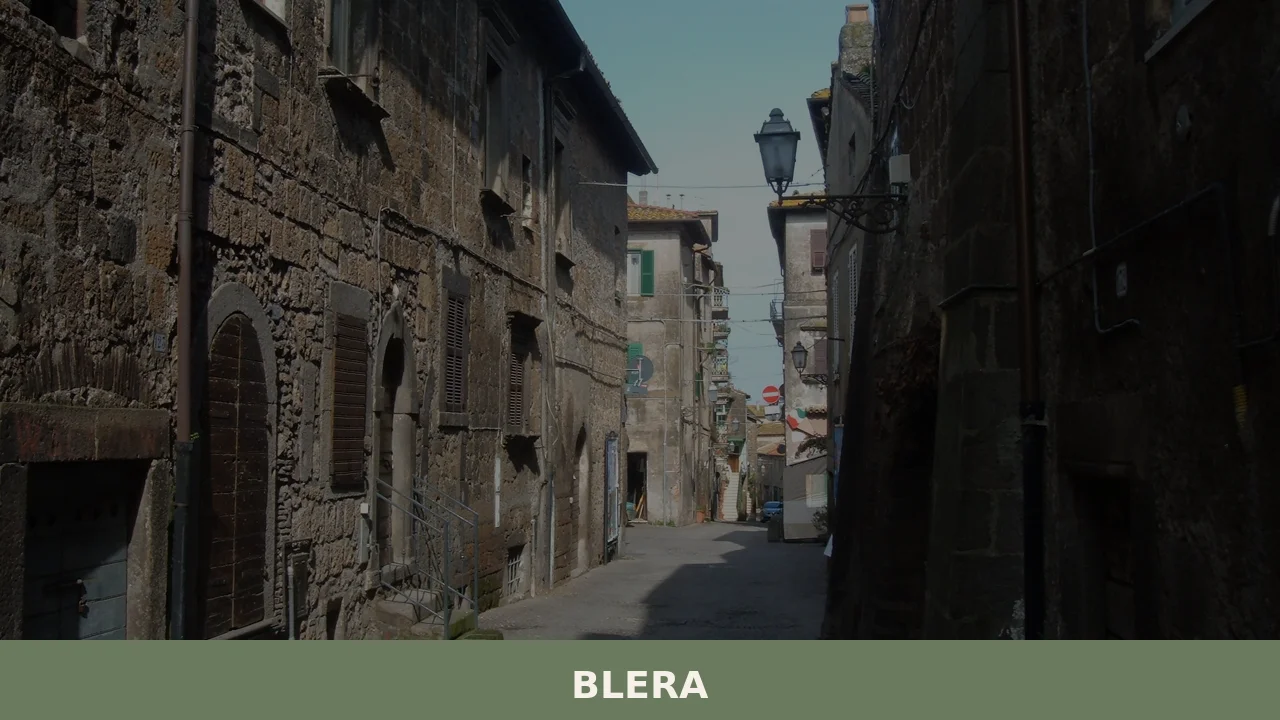
Blera
 Hills
Hills
What to see in Blera, Lazio, Italy: Etruscan rock tombs, Via Clodia bridges, and a town at 270 m altitude. Explore history, food, and travel tips. Discover now.
Discover Blera
Two deep glens converge below the rock on which Blera stands, cutting the plateau so sharply that the town occupies a long, narrow tongue of tufa barely wide enough for a single road spine.
The junction of these valleys defines the settlement as precisely as any wall: approach from any direction and the drop is abrupt, the opposite cliff face close enough to read the strata.
At 270 m (886 ft) above sea level in the Province of Viterbo, the site was chosen not for convenience but for defence, and the logic of that choice is still legible in the street plan today.
For visitors planning what to see in Blera, the town offers a layered sequence of Etruscan rock-cut tombs, two ancient bridges that once carried the Via Clodia, surviving stretches of town walls, and a compact medieval centre with a population of 3,341.
Blera, Lazio, Italy, sits roughly 80 km (50 mi) north of Rome, making it a practical day trip from the capital.
The highlights range from funerary architecture carved directly into the cliff faces to a Republican-era villa site excavated by Swedish archaeologists in the 1960s.
History of Blera
The settlement’s origins belong to the Etruscan period, when the town occupied its current promontory as a node on the Via Clodia, the consular road that connected Rome to the Etruscan heartland of Tuscany. The ancient name, which evolved during the Middle Ages into Bieda, was formally restored to its original form in the twentieth century. Ancient geographers and inscriptions are the primary documentary sources for the town’s early existence; it held no great political weight in the Etruscan federation, but its position on a major road gave it commercial and logistical relevance that the surviving tombs confirm.
The early medieval period brought repeated violence.
In 772, the Lombard king Desiderius destroyed the town during the wars that preceded Charlemagne’s intervention in the Italian peninsula.
Blera recovered, and by the thirteenth century it had passed into the control of the Di Vico family, a powerful Lazio dynasty that held it through the fifteenth century.
The year 1247 brought another episode of destruction when the army of Holy Roman Emperor Frederick II ravaged the settlement during his conflict with the papacy. Despite these episodes, the town retained enough strategic value to remain contested. Pope Boniface IX transferred Blera to the Anguillara family in the fifteenth century, and they held it until 1572, interrupted only by a brief period of direct Papal control from 1465.
Blera carries a specific papal connection that distinguishes it among the small towns of northern Lazio. Pope Sabinian, who served as pontiff from 604 to 606, was born here — a fact that places the town in the line of early medieval Church history.
Pope Paschal II, who reigned from 1099 to 1118, was also at one point considered a native of Blera, though that attribution was later questioned.
After the Anguillara period, Blera followed the general trajectory of the Papal States until Italian unification.
Villages in the same broad corridor of northern Lazio share comparable feudal and ecclesiastical histories; Lubriano, for instance, sits within the same landscape of tufa plateaux and experienced similar cycles of baronial and papal control during the late medieval period.
What to see in Blera, Lazio: top attractions
Etruscan Rock-Cut Tombs
The cliff faces flanking the two valleys below Blera contain tombs carved directly into the tufa, their interiors designed to replicate domestic architecture: beams, rafters, and ceiling elements are rendered in relief on the stone, giving the burial chambers the structural logic of a built house rather than an excavated cavity. This funerary practice, common across southern Etruria, here reaches a concentration that makes the valley walks genuinely informative.
The carvings date to the period between roughly the sixth and second centuries BCE.
Walking the paths that descend from the town perimeter, visitors can compare multiple chamber types and note how the relief work varies in ambition and execution from tomb to tomb.
The Ancient Bridges of the Via Clodia
Two bridges survive from the ancient road network that once passed through Blera, both attributable to the Via Clodia.
The structures span the water courses at the base of the rock promontory and represent some of the more intact examples of Roman bridge engineering in this part of Lazio. Their construction used local stone, and the arched forms have resisted the erosion that has eliminated comparable structures elsewhere along the same road corridor. Reaching the bridges requires a descent from the town on foot, and the paths are uneven, so appropriate footwear is advisable.
The context of the surrounding valley makes the scale of the ancient road project more legible than any museum reconstruction could.
Town Walls and Medieval Perimeter
Sections of the ancient town walls remain standing along the edge of the promontory, marking the perimeter where the settlement met the cliff drop.
The surviving masonry incorporates material from multiple construction phases, reflecting the long sequence of occupation from the Etruscan period through the medieval centuries when the Di Vico and Anguillara families held the town.
Walking the wall line, which follows the natural logic of the plateau edge, gives a clear sense of how limited the buildable surface actually is: the town has always been constrained by geography as much as by any planned boundary.
The best preserved stretches are accessible on foot from the historic centre.
Selvasecca Villa Site
At a distance of approximately 6 km (3.7 mi) southwest of Blera lies the hill of Selvasecca, where a Republican-period rural structure — variously described as a farm complex or villa — was excavated between 1965 and 1967 by Eric Berggren and the Swedish Institute in Rome, with preliminary findings published in 1969.
The site includes a courtyard building and a vaulted cistern constructed using opus caementicium, the Roman concrete technique that allowed large-span vaulted structures without cut-stone centering. Evidence recovered during the excavation also indicates that architectural terracottas were manufactured at the site. The implications of the villa have been revisited in more recent scholarship.
The site is not developed for mass tourism, so visiting it requires some advance orientation.
Historic Centre and Papal Connections
The compact historic centre of Blera preserves the street pattern imposed by the narrow promontory: a single main axis with lateral lanes that dead-end at the cliff edge. The town’s status as the birthplace of Pope Sabinian (pontificate 604–606) is the most specific historical distinction it carries among the villages of northern Lazio’s Tuscia area.
The patronal church and the central piazza anchor the upper town, and the feast of the patron saint Vivenzio di Blera, celebrated on 11 December, draws the town’s 3,341 residents into the streets.
For those interested in comparing similar medieval fabric across the region, Bassano in Teverina, another small comune in the Province of Viterbo, offers a comparable scale of historic centre and ecclesiastical heritage.
Local food and typical products of Blera
The food culture of Blera belongs to the broader culinary tradition of northern Lazio’s Tuscia sub-region, an area shaped by its agricultural base — grain, legumes, sheep, and pork — and by centuries of relative isolation from the urban influence of Rome.
The landscape of tufa plateaux, oak woodland, and river valleys surrounding the town supported a subsistence economy that produced dense, calorie-rich dishes suited to agricultural labour.
That culinary logic persists in the local kitchen, where ingredients are treated with minimal transformation and technique is prioritised over elaboration.
Among the preparations associated with Tuscia cooking, acquacotta stands as the most historically rooted: a vegetable and bread soup, traditionally built on onion, celery, tomato, and stale bread, finished with an egg cracked directly into the hot broth.
The result is thick and filling, the bread absorbing the liquid into a dense mass rather than floating.
Pasta con le fave — pasta with fresh broad beans, olive oil, and wild herbs — reflects the spring agricultural cycle and remains a fixture in domestic kitchens around Blera. Pork, prepared as salumi and as roasted cuts, provides the protein base for winter meals; the local version of porchetta, whole pig stuffed with rosemary, garlic, and black pepper before roasting, is sold at weekly markets and during festivals.
Sheep’s milk cheese, matured for varying periods depending on the producer, accompanies both the salumi and the bread-based dishes.
The sources available for Blera do not document specific certified products with Protected Designation of Origin or Protected Geographical Indication status attributable exclusively to the commune.
The broader Tuscia area of Viterbo province is associated with the Canino DOP extra-virgin olive oil, produced from Canino-variety olives in a defined production zone that extends across multiple municipalities in the province, though the specific inclusion of Blera in that zone requires verification against the official product specification.
Visitors should consult the official Blera municipality website for current information on local producers and market days.
The weekly market, where local producers sell seasonal vegetables, cheese, and cured meats, is the most practical point of access for food shopping in Blera. Spring and early summer bring the broadest range of fresh produce, while autumn sees mushrooms and chestnuts from the surrounding woodland appear alongside the staple goods.
For those travelling through Viterbo province more widely, the food culture of neighbouring communes follows a closely related pattern, and market days in the area tend to be scheduled on different days of the week to avoid overlap.
Festivals, events and traditions of Blera
The primary annual event in Blera is the feast of the patron saint Vivenzio di Blera, celebrated on 11 December each year.
The feast day is a civic and religious occasion that structures the town’s December calendar, bringing residents together for religious observances centred on the patronal church. Given the December date and the altitude of 270 m (886 ft), the celebration takes place in cold conditions, which shapes the character of the gathering — processions move through the narrow streets of the historic centre, and the occasion typically includes a liturgical ceremony followed by communal activity in the town’s public spaces.
Beyond the patronal feast, Blera participates in the broader cycle of sagre — traditional food and produce festivals — that punctuate the calendar of Tuscia’s villages from late spring through autumn.
These events, common across the Province of Viterbo, mark the seasonal availability of specific ingredients and provide a point of contact between local producers and visitors.
The sources do not document specific named sagre attributed exclusively to Blera, but the regional pattern is consistent enough that visitors in the May-to-October window are likely to find at least one such event within a short drive.
Checking the municipal calendar before visiting is advisable.
When to visit Blera, Italy and how to get there
The best months to visit Blera fall between April and June, and again in September and October. Spring brings the countryside into productive colour without the heat that makes the valley walks uncomfortable in July and August, when temperatures across inland Lazio regularly exceed 32°C (90°F). The autumn window, particularly September and October, offers stable weather and the additional interest of the harvest season, when local markets carry mushrooms, chestnuts, and fresh pressed olive oil.
December visitors will find the town at its most local during the feast of Vivenzio di Blera on the 11th, though the season is cold and the light fades early. For those planning what to see in Blera around regional travel in Lazio more broadly, spring and early autumn represent the most rewarding combination of climate, events, and crowd levels.
Blera sits approximately 80 km (50 mi) north of Rome, making it a realistic day trip from the capital by car.
If you arrive by car from Rome, take the A1 motorway northbound and exit at Vetralla, from where Blera is approximately 10 km (6.2 mi) to the northeast on provincial roads.
The drive from Rome to Blera takes roughly one hour under normal traffic conditions. Alternatively, from Rome’s Ostiense or Termini stations, Trenitalia regional services connect to Viterbo, from where local bus connections serve the villages of the province, including Blera.
The nearest major airport is Rome Fiumicino (Leonardo da Vinci International Airport), approximately 105 km (65 mi) from Blera, with a travel time of around 80-90 minutes by car depending on Rome’s urban traffic.
For international visitors, it is worth noting that English is not widely spoken in smaller shops and services in Blera; carrying a supply of euro cash is practical, as card payment terminals are not universal in the smaller establishments of the village.
Travellers based in Florence can reach Blera in approximately two hours by car via the A1.
Those driving through the area and interested in extending their itinerary will find that Morro Reatino, a small village in the Rieti province of Lazio, offers a comparable experience of a small historic centre set within the landscape of northern Lazio, for those willing to add a further leg to their journey. Closer at hand, the Province of Viterbo contains several other villages at a similar scale to Blera, and the road network makes it straightforward to combine two or three stops in a single day.
Visitors who want to explore what to see in Blera and the surrounding tufa landscape should plan at minimum a half-day for the town itself, with additional time for the valley walks to the bridges and tombs. Those with a full day available can incorporate the Selvasecca site and one of the neighbouring communes before returning to Rome in the evening. Labro, a small medieval settlement in the Rieti area of Lazio, is another option for travellers interested in the region’s network of compact historic centres, though it lies in a different directional arc from Blera and is better suited to a separate itinerary.
Frequently asked questions about Blera
What is the best time to visit Blera?
Spring (April–June) is the ideal season: mild temperatures suit the valley walks to the Etruscan tombs and ancient bridges, and local markets offer fresh broad beans and seasonal produce. Early summer brings the widest range of food at weekly stalls. Autumn is pleasant for exploring the tufa landscape without summer heat. The patronal feast of San Vivenzio di Blera on 11 December draws the community into the streets for the most distinctly local celebration of the year, making early December worth considering for visitors interested in traditional village life.
What are the historical origins of Blera?
Blera began as an Etruscan settlement occupying its current tufa promontory as a node on the Via Clodia, the consular road linking Rome to Tuscany. Its ancient name survived into the Middle Ages as Bieda before being officially restored in the twentieth century. The town has a notable papal connection: Pope Sabinian, pontiff from 604 to 606, was born here. In the medieval period Blera passed through the hands of the Di Vico family, suffered destruction in 772 under Lombard king Desiderius and again in 1247 under Frederick II, before coming under Anguillara control until 1572.
What to see in Blera? Main monuments and landmarks
Blera's top attractions are its Etruscan rock-cut tombs carved into the cliff faces flanking the two valleys below town, with interiors mimicking domestic architecture in tufa relief (6th–2nd century BCE). Two ancient bridges attributable to the Via Clodia survive at the base of the promontory and rank among the more intact examples of Roman bridge engineering in this part of Lazio. The town walls trace the plateau edge with masonry spanning Etruscan to medieval phases. The compact historic centre follows a single road spine, and the Selvasecca villa site lies approximately 6 km southwest.
What are the main natural or scenic attractions of Blera?
The two deep glens that flank Blera's tufa promontory form the town's most distinctive natural setting. Paths descending from the town perimeter run through these valleys, passing Etruscan tomb facades cut directly into the cliff walls and reaching the ancient Via Clodia bridges at the valley floor. The surrounding landscape of tufa plateaux, oak woodland, and river valleys is characteristic of northern Lazio's Tuscia area. The abrupt drop from the plateau edge and the close proximity of the opposite cliff face make even a short walk along the town's perimeter visually striking.
Where to take the best photos in Blera?
The most photogenic vantage points in Blera are the plateau edge where the town walls meet the cliff drop, offering views across the two converging valleys and the opposite tufa strata. Descending into the valleys, the Etruscan tomb facades cut into the rock face provide dramatic subjects, particularly in morning light when shadows accentuate the carved relief work. The two ancient Via Clodia bridges, seen from the valley floor with the rock promontory rising behind them, give a clear sense of the town's geological and historical scale.
What can you do in Blera? Activities and experiences
The primary activity in Blera is on-foot exploration: valley paths connect the town perimeter to the Etruscan tomb complex and the two ancient Via Clodia bridges, both requiring a descent on uneven terrain (sturdy footwear advised). The weekly market is the most practical opportunity for food shopping, with local producers selling seasonal vegetables, cheese, and cured meats. The Selvasecca Republican villa site, approximately 6 km southwest, rewards visitors with an interest in Roman rural archaeology, though advance orientation is needed as the site is not developed for mass tourism.
Who is Blera suitable for?
Blera suits travellers with a genuine interest in Etruscan and Roman archaeology: the tomb complex and Via Clodia bridges reward curiosity and willingness to walk uneven valley paths. History enthusiasts will appreciate the layered medieval fabric and the town's papal connection as birthplace of Pope Sabinian. The compact scale and 80 km distance from Rome make it a practical day trip for independent visitors based in the capital. It is less suited to those seeking developed tourist infrastructure, beach access, or family-oriented attractions; the experience is quiet, site-focused, and authentically small-town.
What to eat in Blera? Local products and specialties
Blera's food culture belongs to the Tuscia culinary tradition of Viterbo province. The most historically rooted dish is acquacotta, a dense vegetable and stale-bread soup finished with an egg cracked into the hot broth. Pasta con le fave — pasta with fresh broad beans, olive oil, and wild herbs — reflects the spring agricultural cycle. Porchetta, whole pig stuffed with rosemary, garlic, and black pepper, is sold at weekly markets and festivals. Sheep's milk cheese at various stages of maturation accompanies salumi and bread dishes. The broader Tuscia area is associated with Canino DOP extra-virgin olive oil.
Nearby Villages near Blera
In Lazio More villages to discover
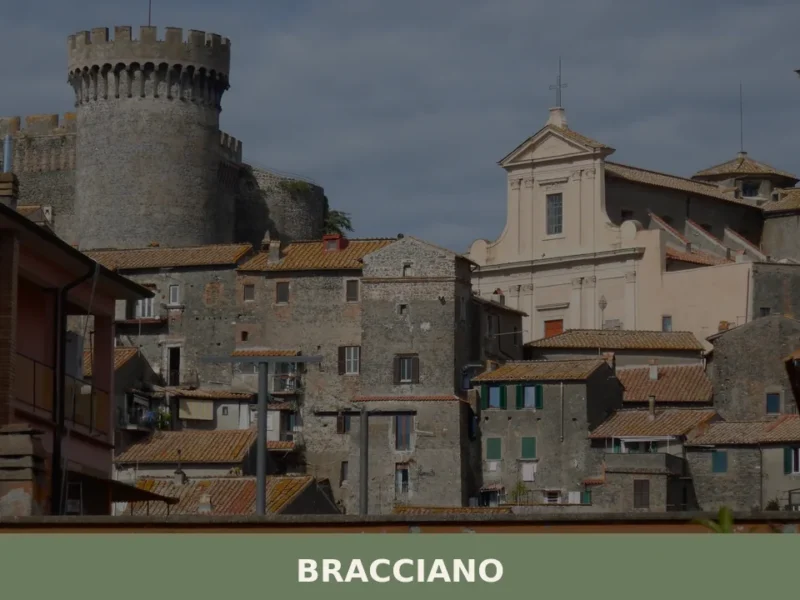
Bracciano
Hills
 Lake
Lake
What to see in Bracciano, Italy: Discover its medieval castle and volcanic lake. Located 30 km (19 mi) from Rome, explore this Lazio village for a memorable day trip.
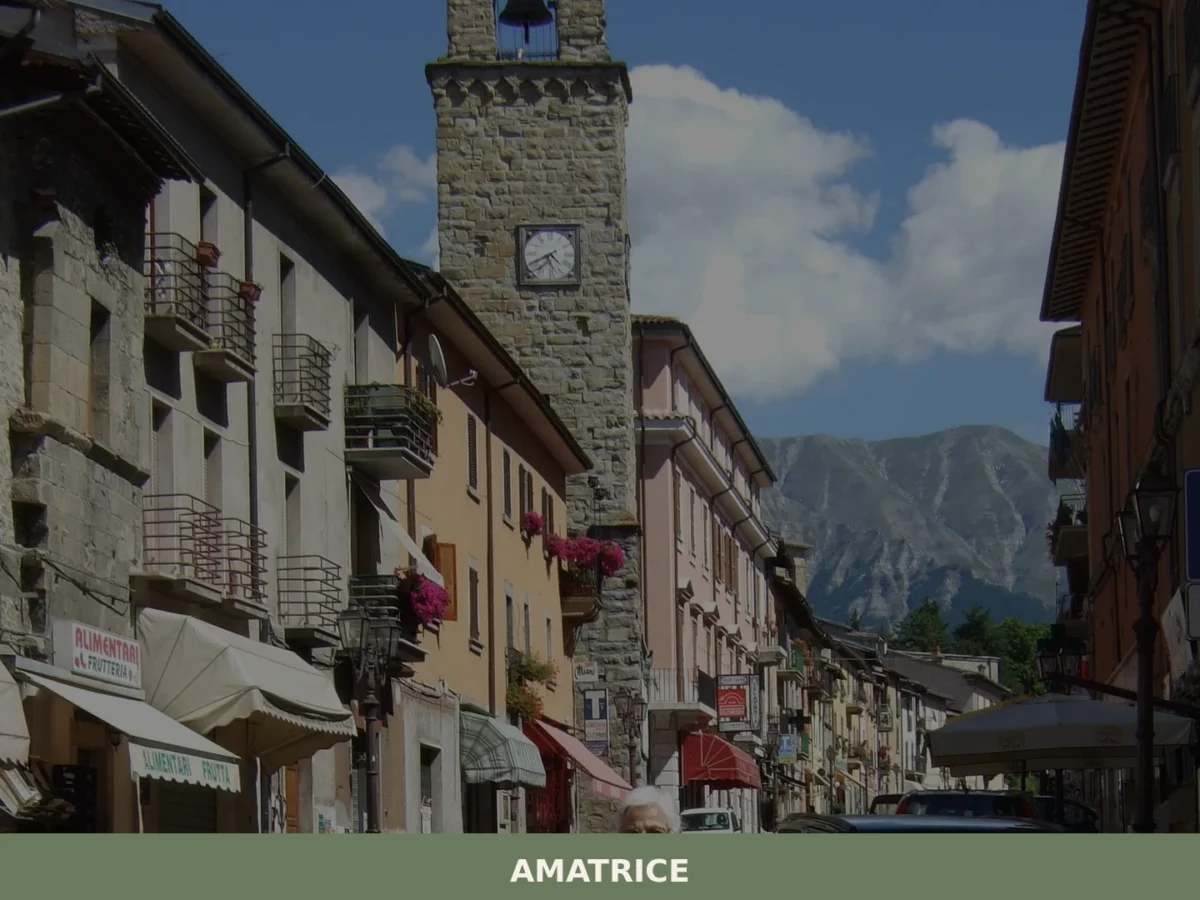
Amatrice
 Mountain
What to see in Amatrice? Explore the 5 main attractions of this village in Lazio. The complete guide awaits you with useful tips. Plan your visit!
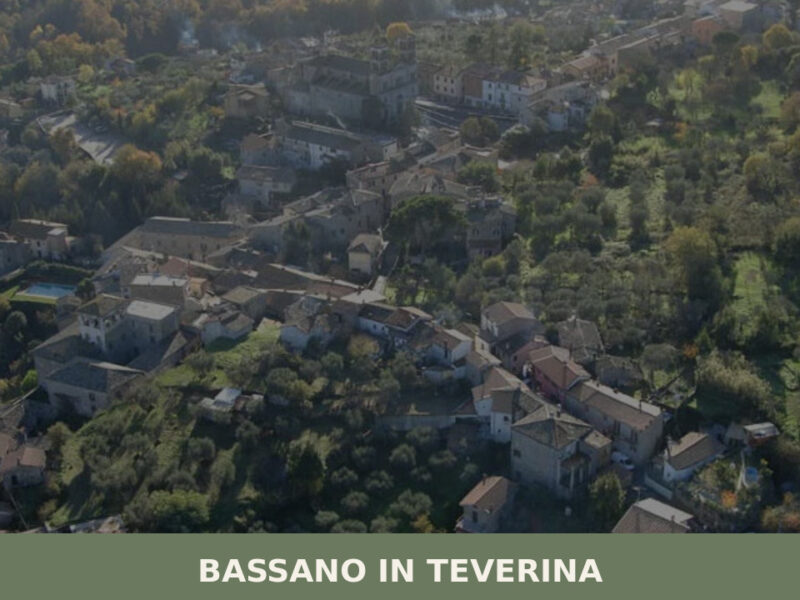
Bassano in Teverina
Hills
Standing at 304 metres above sea level, with a population of 1,260, Bassano in Teverina occupies a tuff plateau overlooking the Tiber valley in the province of Viterbo. The village owes the second part of its name to the river that flows just a few kilometres to the east — a geographical reference that distinguishes […]
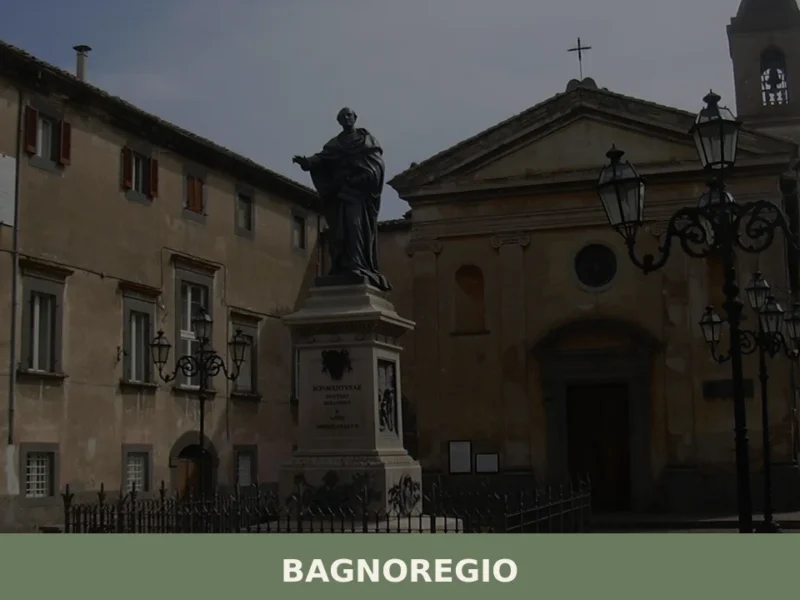
Bagnoregio
Hills
Lake
What to see in Bagnoregio, Lazio, Italy: explore Civita di Bagnoregio, the birthplace of St. Bonaventure, 90 km from Rome. Discover top attractions and local food.
Arsoli
Mountain
What to see in Arsoli, Lazio, Italy: a castle from the 11th century, medieval streets at 666 m altitude, and a Roman aqueduct. Discover the complete guide.
Latina
 Sea
Sea
What to see in Latina: discover the 5 top attractions in this Lazio village, from monuments to the historic centre. Plan your visit with this guide.
Borgo Velino
Hills
What to see in Borgo Velino: discover 5 key attractions in this village of 996 inhabitants at 460m. Explore Palazzo Brancaleoni and taste Cacio fiore. Plan your visit now.
Carbognano
Hills
What to see in Carbognano, Italy: a hilltop village at 394 m, 50 km from Rome. Explore its churches, local food, and festivals. Discover Viterbo province.
Agosta
Hills
A block of tuff rock rises above the Aniene valley in the Monti Simbruini area, and on its crown sits a tight cluster of stone buildings at 382 m (1,253 ft) above sea level. The Arch of the Cardinal still stands near the point where a bridge once crossed the Aniene river, its masonry dated […]
Bolsena
Hills
Lake
What to see in Bolsena, Lazio, Italy: the 1263 Eucharistic Miracle, Basilica of Santa Cristina, Lake Bolsena at 350 m. Discover history, food and how to get there.
🏡 Know Blera better than we do?
If you’re a local or have been there, your knowledge matters: add what’s missing or fix a detail on this page.