


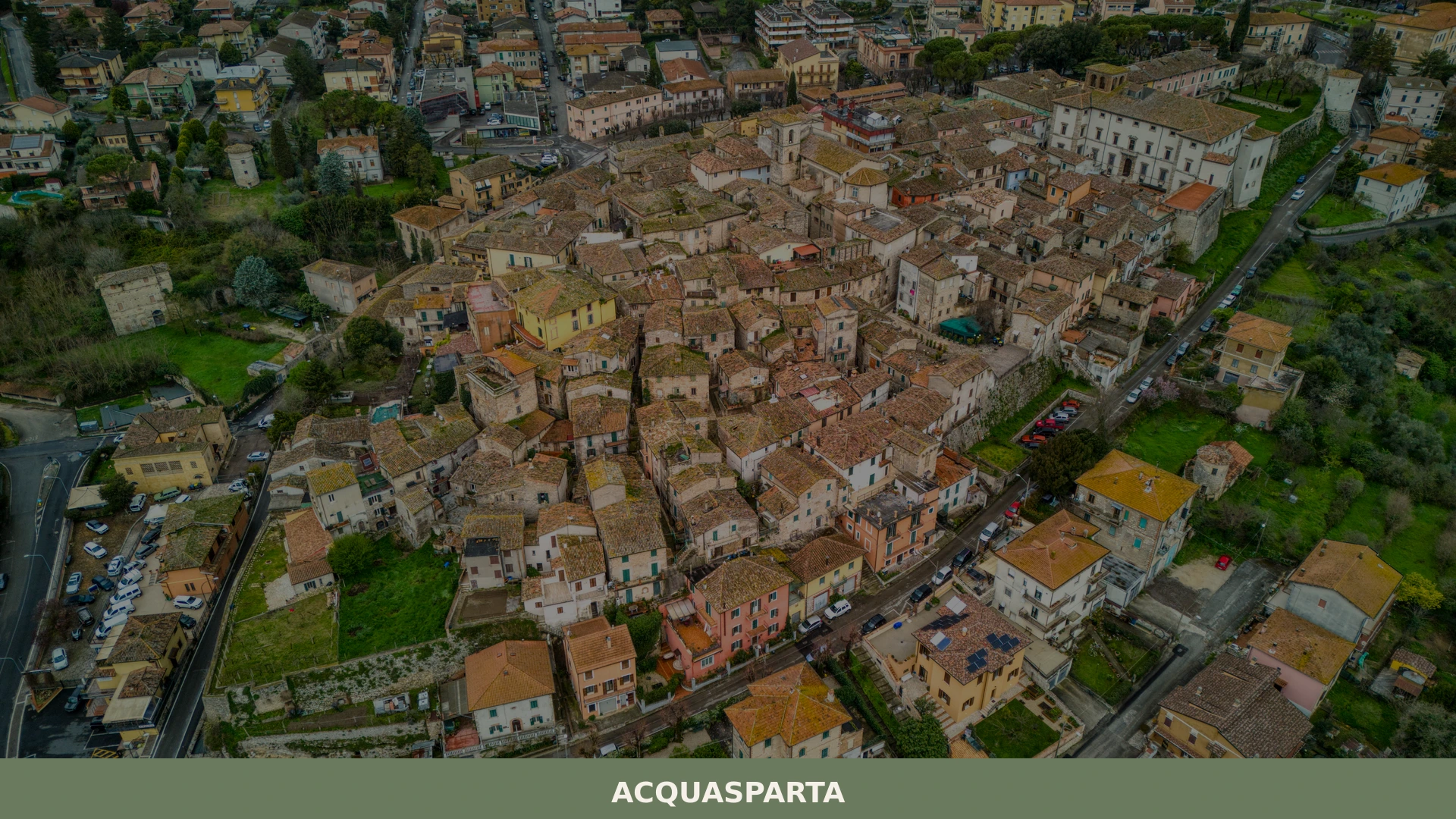

Discover what to see in Acquasparta, Umbria: Renaissance palaces, the Cesi legacy, mineral springs, Martani Hills trails, and local food. A complete travel guide.
Discover Acquasparta
Acquasparta belongs to the association I Borghi più belli d’Italia — the most beautiful villages in Italy — a recognition awarded to fewer than 350 communes across the entire country. Sitting in the province of Terni in southern Umbria, this commune of around 4,300 inhabitants occupies a position between the Martani Hills and the Nera river valley. For anyone wondering what to see in Acquasparta, the answer begins with its Renaissance architecture, its medieval street plan, and its deep association with one of Italy’s most important early-modern scientific institutions.
History of Acquasparta
The name itself points to a defining geographical feature: acqua sparta, meaning dispersed or scattered water, refers to the mineral springs that emerge across this stretch of Umbrian terrain.
These waters were known and exploited well before the medieval period, and they gave the settlement its identity long before it acquired formal administrative status. The town’s elevated position along a ridge controlling the route between Terni and Spoleto made it strategically valuable, and by the medieval period it had passed under the control of the Duchy of Spoleto before later coming within the orbit of the Church State, a political arrangement that defined much of Umbria’s trajectory through the late medieval and Renaissance centuries.
The most historically significant episode in Acquasparta’s documented past is its connection with Federico Cesi, Duke of Acquasparta, who in 1603 founded the Accademia dei Lincei — one of the oldest scientific academies in the world and the institution that would later count Galileo Galilei among its members. Cesi used Palazzo Cesi, the family’s substantial Renaissance residence in the village, as a base for his naturalist research and as a meeting point for the academy’s early gatherings.
The choice of Acquasparta was not incidental: the mineral waters, the botanical diversity of the surrounding hills, and the relative isolation from papal Rome all made it a practical laboratory for early scientific inquiry.
Under the Papal States, Acquasparta functioned as a minor administrative centre within the territory of Umbria, a status it retained through the unification of Italy in the nineteenth century, when it became part of the newly formed Kingdom of Italy and was incorporated into the province of Perugia before later passing to the province of Terni. The town’s built fabric — its grid of Renaissance-era streets, its noble palaces, and its fortified perimeter — largely survived this transition intact, which explains why the Borghi più belli d’Italia committee found sufficient architectural coherence to award it membership in the association.
What to see in Acquasparta: 5 must-visit attractions
Palazzo Cesi
The sixteenth-century Renaissance palace built by the Cesi family dominates the upper part of the village. Its loggia, courtyard, and frescoed interior rooms reflect the wealth and intellectual ambitions of a dynasty that produced Federico Cesi, founder of the Accademia dei Lincei.
The palace is now owned by the University of Perugia and hosts cultural events and academic activities.
Collegiate Church of Santa Cecilia
Located in the central part of the historic centre, the Collegiate Church of Santa Cecilia is the principal religious building of Acquasparta. Its interior preserves works of art from multiple periods, including paintings and carved wooden elements consistent with the Umbrian ecclesiastical tradition of the sixteenth and seventeenth centuries. The façade opens directly onto the main square.
The Historic Centre and Medieval Street Plan
The village’s street layout retains the compact, largely pedestrianised structure of a medieval hill settlement, with stone lanes converging on a central piazza. Walking the full perimeter of the upper town gives a clear sense of its former defensive function — the original walls and several gate structures remain partially visible at the edges of the built fabric.
The Mineral Springs and Terme di Acquasparta
The sulphur and mineral springs that gave the village its name have been exploited since antiquity.
The thermal establishment, known as the Terme di Acquasparta, draws on these local waters and has historically attracted visitors seeking treatment for digestive and dermatological conditions. The springs remain the most direct link between the village’s name and its physical geography. You can find more information through the official municipality website.
The Surrounding Martani Hills
The ridge system of the Martani Hills, which forms the immediate landscape around the village, supports a network of marked trails crossing oak and holm oak woodland. The hills separate the Tiber valley to the west from the Nera valley to the east, and the viewpoints accessible on foot from the village perimeter offer direct sightlines to Terni, Spoleto, and on clear days, as far as Assisi.
Local food and typical products
The food culture of Acquasparta belongs to the broader Umbrian inland tradition, built around ingredients that have defined this landlocked region for centuries.
Black truffles from the surrounding hills appear in pasta dishes, most typically with strangozzi — a thick, hand-rolled Umbrian pasta with no egg — dressed simply with oil and shaved truffle. Lentils from nearby Castelluccio, pork products including norcineria cured meats from the Norcian tradition, and locally pressed extra-virgin olive oil from the Martani Hills all feature in the kitchens of the area. The olive groves around Acquasparta and the wider Terni province contribute to Umbria’s DOP olive oil production, recognised under the Umbria DOP designation.
The village has a small number of restaurants and trattorias operating within the historic centre and in the surrounding commune, generally oriented toward a local clientele rather than high-volume tourism. This means the cooking tends toward the practical and seasonal rather than the elaborate. For a broader picture of Umbrian food and wine traditions in this part of the region, the official Umbria Tourism portal provides updated listings of producers and food events in the Terni province.
Best time to visit Acquasparta
Spring — roughly April through early June — and autumn from September through October represent the most practical windows for a visit.
In spring, the Martani Hills carry green cover and the trails around the village are walkable without the heat that settles over inland Umbria in July and August. The truffle season for black summer truffle (Tuber aestivum) runs from late May through August, while the prized black winter truffle (Tuber melanosporum) peaks between December and March — a consideration for visitors whose itinerary is partly food-driven. August brings a significant drop in services in small villages of this size, as local businesses often close for the central weeks of the month.
The village participates in the broader calendar of Umbrian festivals and medieval re-enactments that run through the summer, and local feast days tied to Santa Cecilia provide a specific point of contact with community life.
Winter visits are quieter and colder — the Martani Hills can see frost and occasional snow — but the bare-branched landscape makes the village’s architecture more readable, and the thermal establishment is open year-round.
How to get to Acquasparta
Acquasparta sits in the southern portion of Umbria, approximately 15 kilometres north of Terni and around 90 kilometres south of Perugia. The most direct road connection from the south is via the E45 superstrada, exiting at Acquasparta. From Terni, the SR3 Flaminia and local provincial roads provide straightforward access in under 30 minutes by car.
- By car from Rome: approximately 120 kilometres via the A1 autostrada to Orte, then the E45 north — roughly 1 hour 30 minutes depending on traffic.
- By car from Perugia: approximately 90 kilometres south via the E45 — around 1 hour.
- By train: the nearest railway station is Terni, on the Rome–Ancona and Rome–Florence lines. From Terni, onward travel to Acquasparta requires a local bus or taxi, as there is no direct rail connection to the village.
- By air: the nearest airports are Perugia Sant’Egidio (approximately 80 kilometres) for regional connections, and Rome Fiumicino (approximately 140 kilometres) for international arrivals.
Where to stay in Acquasparta
Accommodation options in Acquasparta itself are limited in scale, reflecting the village’s size and its position outside the main Umbrian tourist circuits. The available options include small guesthouses and B&Bs within or immediately adjacent to the historic centre, as well as agriturismo properties in the surrounding countryside, which tend to offer a more spacious base with direct access to the Martani Hills. The thermal establishment also carries accommodation associated with its spa offer.
For visitors planning to use Acquasparta as a base for exploring the Terni province, staying in the village centre provides easy walking access to the main architectural sites.
For stays of more than two nights, an agriturismo in the hills around the commune offers a practical alternative, particularly for those combining a visit with hiking or cycling on the Martani trail network. Booking directly with properties is common practice in villages of this size, though national platforms also list available options. Availability can tighten during the peak summer weeks of July and August and during local festival weekends.
More villages to discover in Umbria
The Terni province and the broader region of Umbria contain several other villages that reward careful attention. Bettona, a small Etruscan-origin settlement west of Assisi, offers one of the most complete medieval wall circuits in the region and a civic museum with notable Perugino paintings.
Further north, Bastia Umbra occupies the plain between Assisi and Perugia and provides a useful practical base for exploring the central Umbrian valley, with transport connections that smaller hilltop communes cannot match.
For visitors drawn to water landscapes rather than hill architecture, Castiglione del Lago occupies a promontory on the western shore of Lake Trasimeno — the largest lake in central Italy — and combines a well-preserved Renaissance fortress with direct lake access. The regional capital, , lies just 15 kilometres south of Acquasparta and serves as the administrative and transport hub for the entire southern Umbrian province, providing the practical infrastructure — rail connections, larger hotels, hospitals — that smaller communes in the area rely upon.
Frequently asked questions about Acquasparta
What is the best time to visit Acquasparta?
The best time to visit Acquasparta is during the spring months from April to early June and in the fall from September to October. These periods offer pleasant weather for outdoor activities like hiking in the Martani Hills. Additionally, the village celebrates the feast of Santa Cecilia on November 22, providing a unique opportunity to experience local traditions. Avoid August if possible, as many businesses close, although festivals may offer cultural insights.
What to see in Acquasparta? Main monuments and landmarks
In Acquasparta, don't miss Palazzo Cesi, a stunning example of Renaissance architecture, which hosts cultural events. Also visit the Collegiate Church of Santa Cecilia, showcasing art from the 16th and 17th centuries. These landmarks reflect the village's rich history and offer a glimpse into its cultural past. Ensure to check opening times in advance, as they may vary seasonally or for events.
Who is Acquasparta suitable for?
Acquasparta is ideal for history enthusiasts, couples, and those interested in cultural tourism, given its Renaissance architecture and historical significance. Nature lovers and hikers will appreciate the trails in the Martani Hills. The village's tranquil environment makes it an excellent choice for solo travelers seeking a peaceful retreat and for families eager to explore a less touristy, authentic Italian village experience.
Nearby Villages near Acquasparta
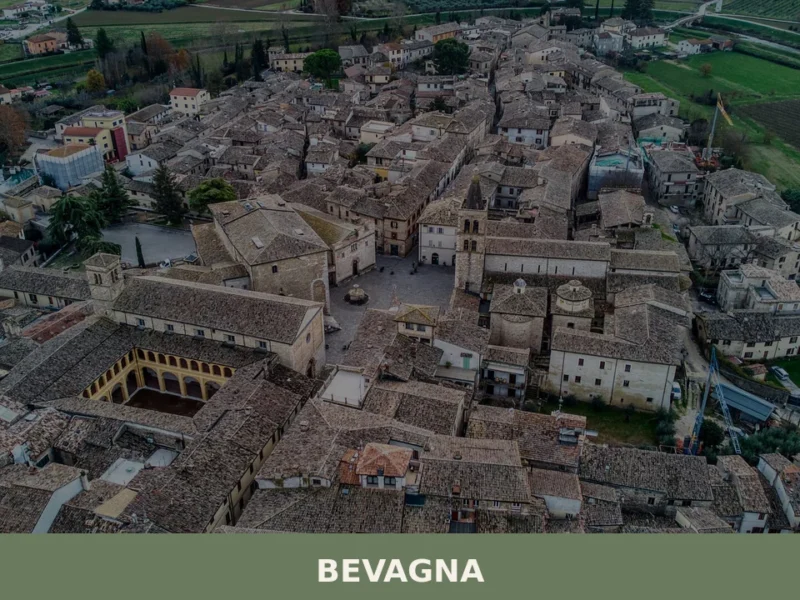
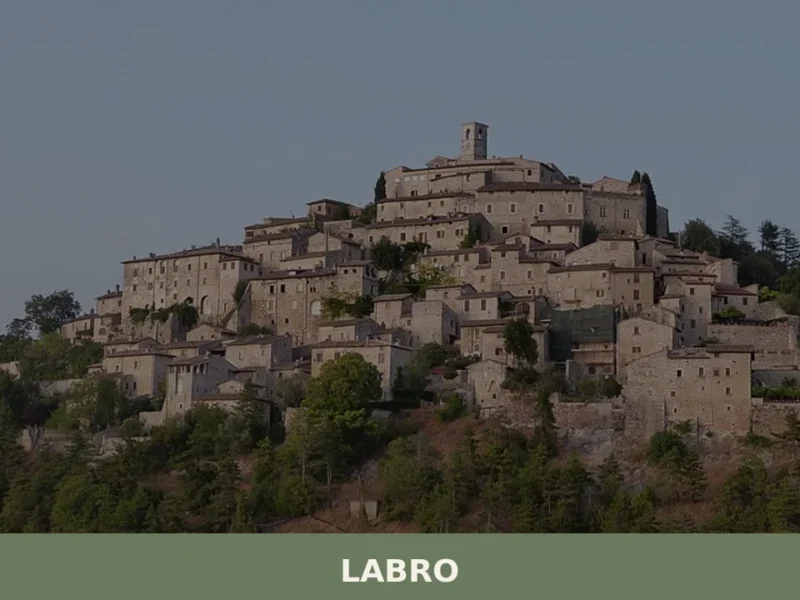
In Umbria More villages to discover
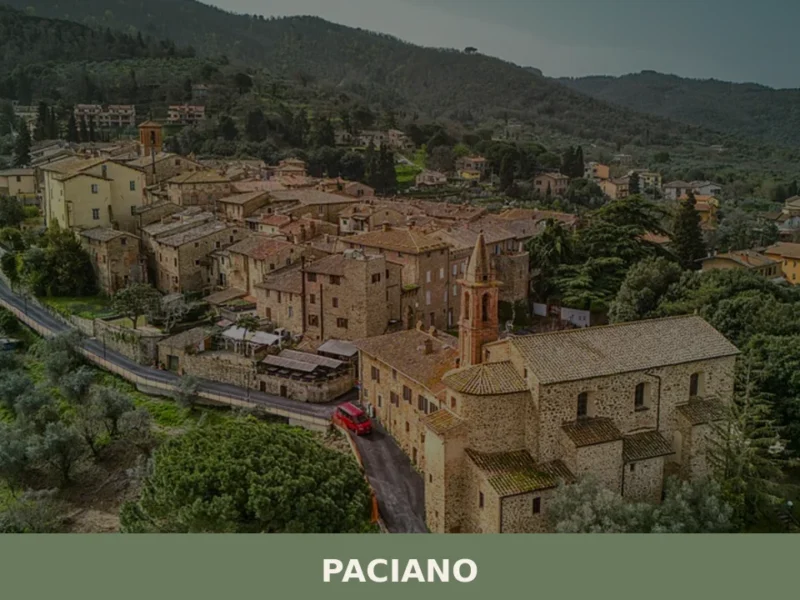
Paciano
 Hills
Hills
As the early morning mist begins to lift from the rolling hills, a faint scent of woodsmoke and damp earth hangs in the air. The first rays of sunlight strike the ancient stone of Paciano, illuminating a quiet street where a lone figure sweeps the flagstones outside a modest doorway. Here, life unfolds with a […]
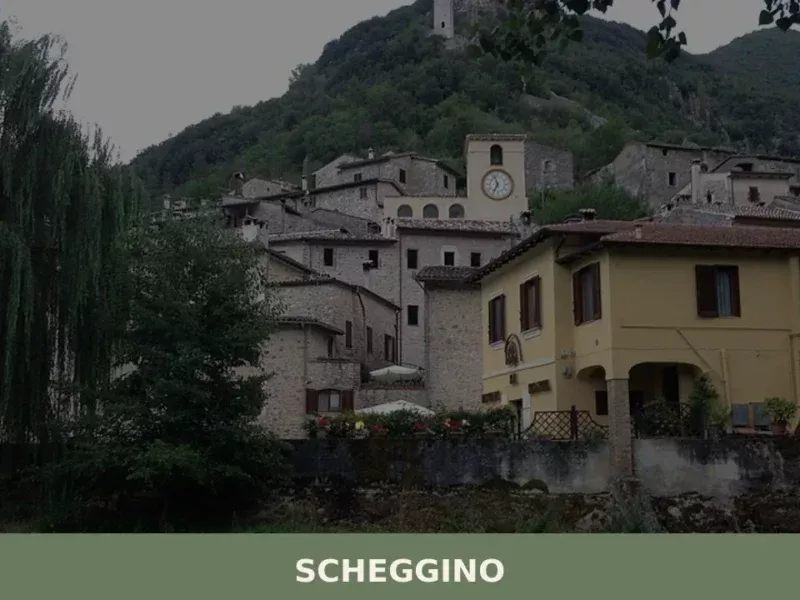
Scheggino
Hills
Situated at an altitude of 282 meters above sea level, Scheggino is a compact village in the Umbrian Apennines, home to 446 inhabitants in the province of Perugia. Its development has been shaped by its proximity to the Nera River, a constant presence that influenced both its economy and defensive structures over centuries. Understanding what […]
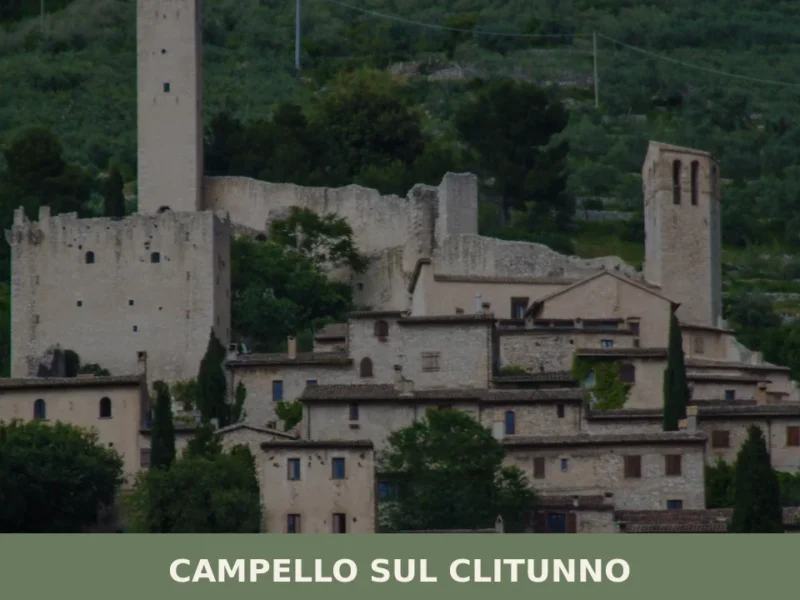
Campello sul Clitunno
Hills
Campello sul Clitunno è un borgo umbro che unisce storia longobarda, architetture medievali e una ricca tradizione enogastronomica.
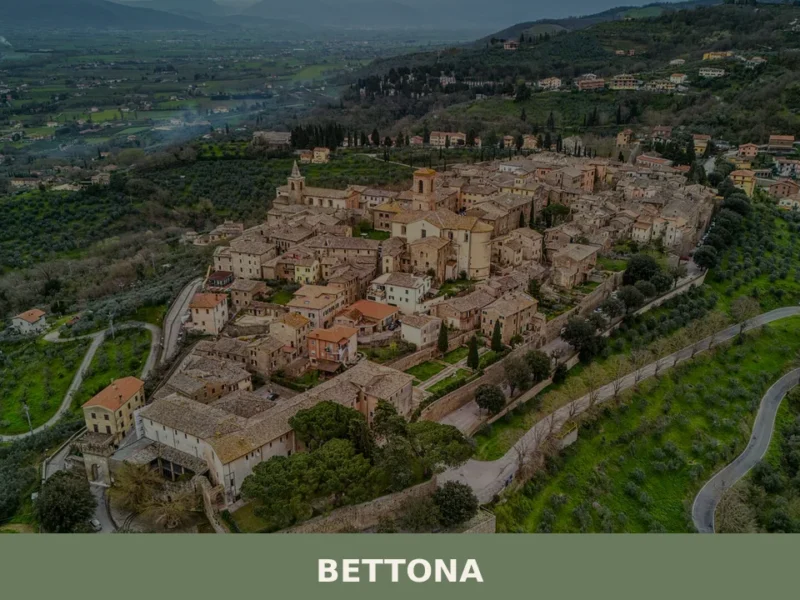
Bettona
Hills
Bettona, a municipality in the province of Perugia, Umbria, rises 353 meters above sea level with a population of 4,227 inhabitants.
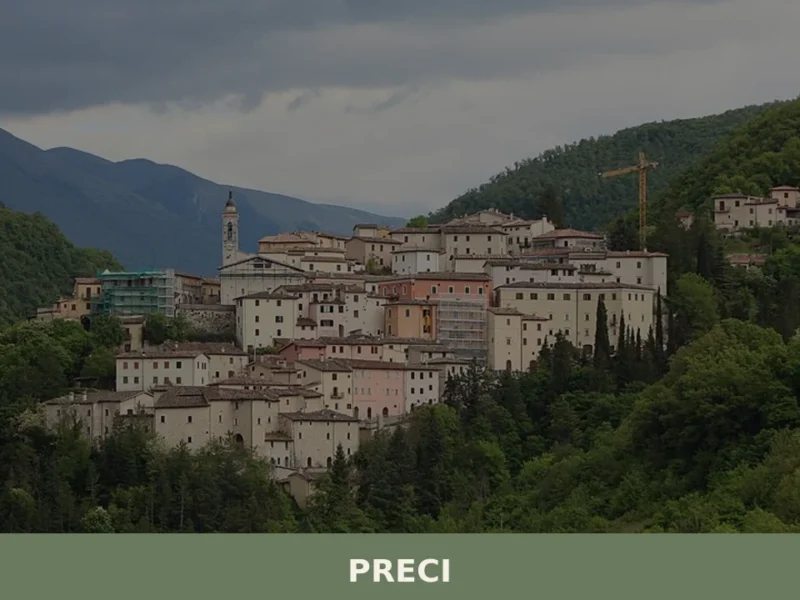
Preci
Hills
With a recorded population of 681 inhabitants, Preci stands at an elevation of 596 metres above sea level in the heart of Umbria, a region often referred to as Italy’s ‘green heart’. This small village, historically shaped by its monastic tradition and a renowned surgical school (see English Wikipedia), offers a distinct window into a […]
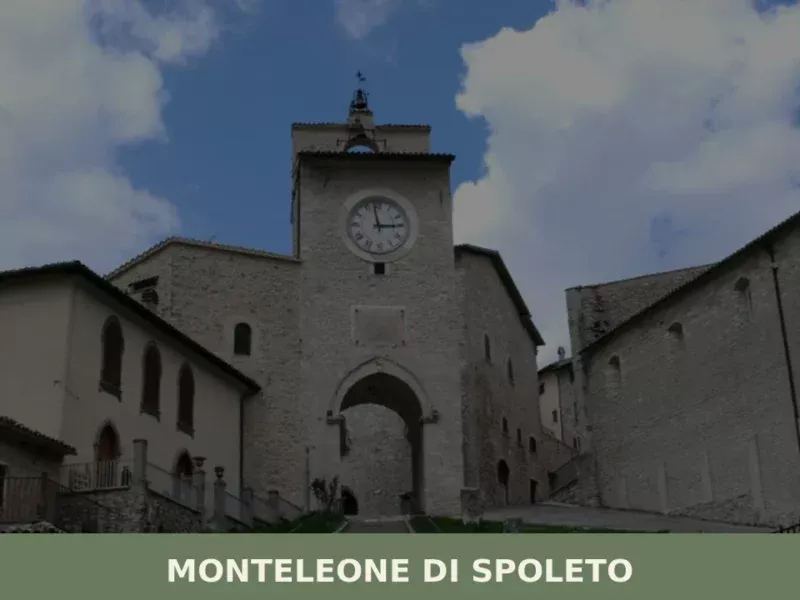
Monteleone di Spoleto
 Mountain
Monteleone di Spoleto: discover the history and art of this Umbrian village. Visit the museum and the Church of San Francesco. Plan your visit now!
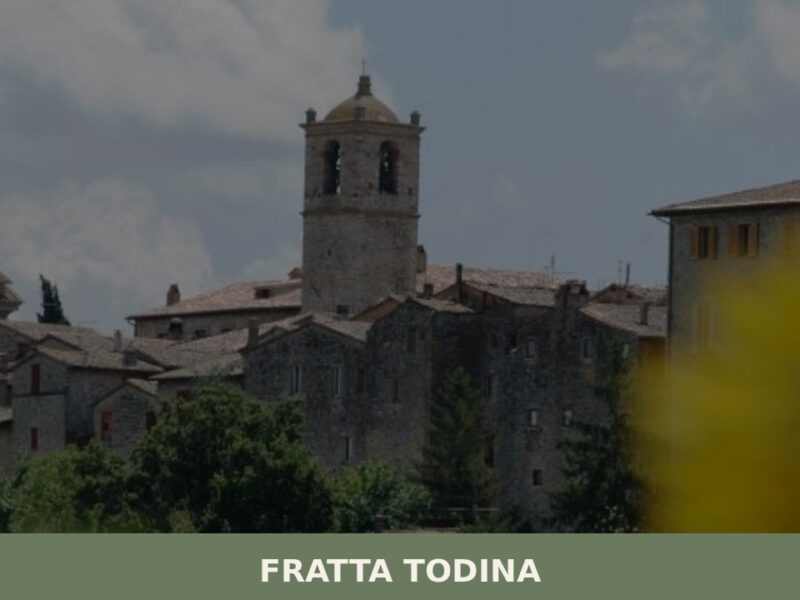
Fratta Todina
Hills
Morning light falls across a line of stone façades, turning the tufa walls the colour of raw honey. A church bell marks the hour from somewhere above the rooftops, its sound carrying across the Tiber valley below. Fratta Todina sits on a low hill in the province of Perugia, home to just 1,817 residents — […]
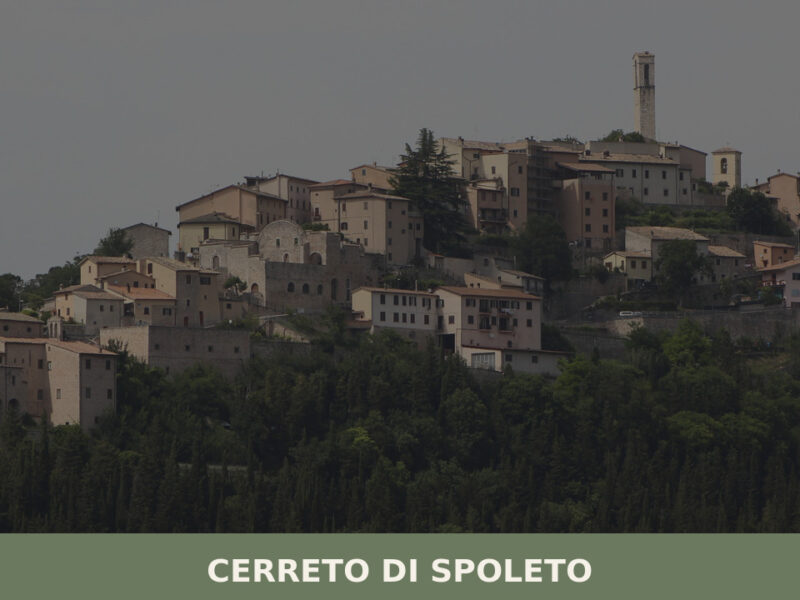
Cerreto di Spoleto
Hills
A ridge-top village of 975 inhabitants in the Valnerina, Cerreto di Spoleto holds medieval streets, scattered hamlets, and a centuries-old tradition of itinerant herbalists.
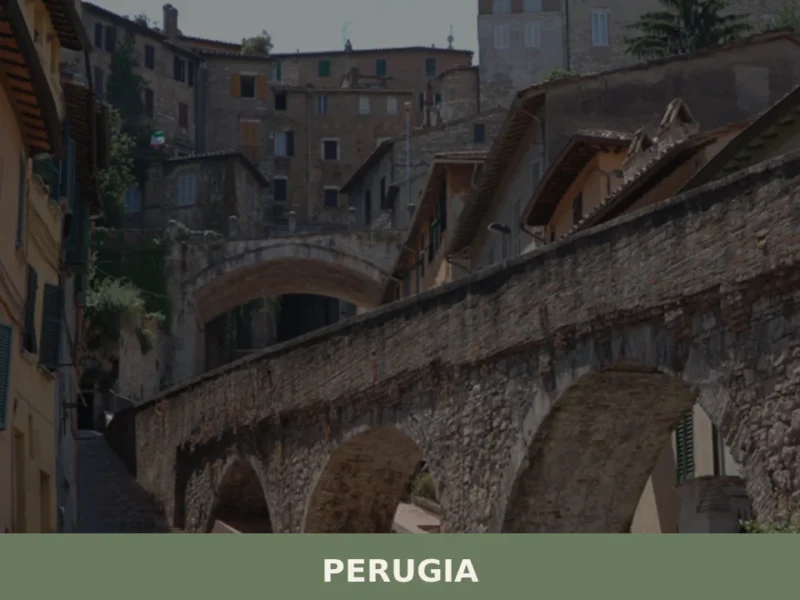
Perugia
Hills
Perugia, the hilltop regional capital of Umbria at 484 metres above sea level, offers visitors more than three thousand years of continuous history, from Etruscan walls to Renaissance frescoes.
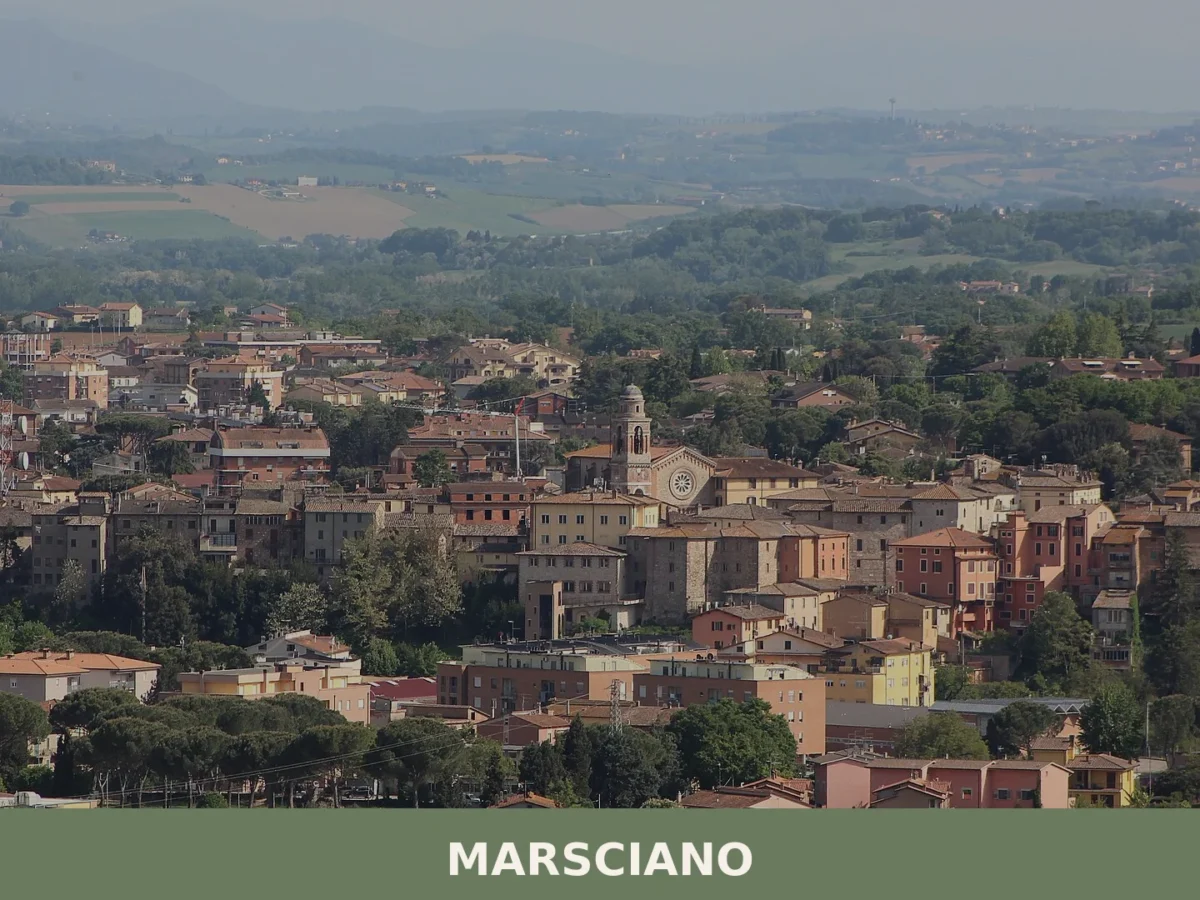
Marsciano
Hills
Marsciano is a hill town in the province of Perugia, Umbria, renowned as the region's principal centre of brick and terracotta production and shaped by layers of history from Etruscan settlement to Re




🏡 Know Acquasparta better than we do?
If you’re a local or have been there, your knowledge matters: add what’s missing or fix a detail on this page.