


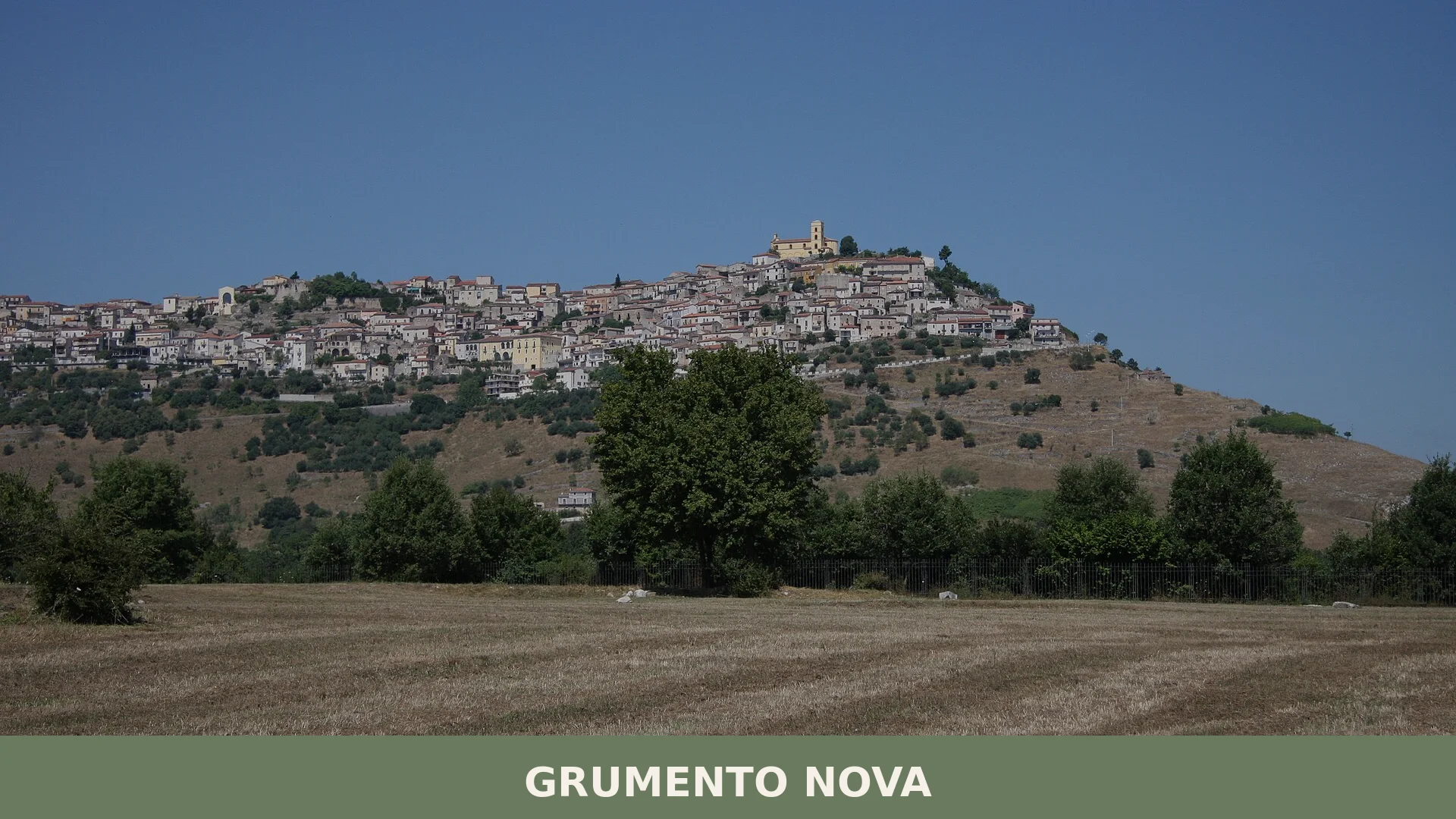
Grumento Nova
 Mountain
Grumento Nova is a mountain comune at 746 metres in Basilicata’s Val d’Agri, where the ruins of Roman Grumentum and more than a thousand years of layered history await travellers seeking an authentic
Discover Grumento Nova
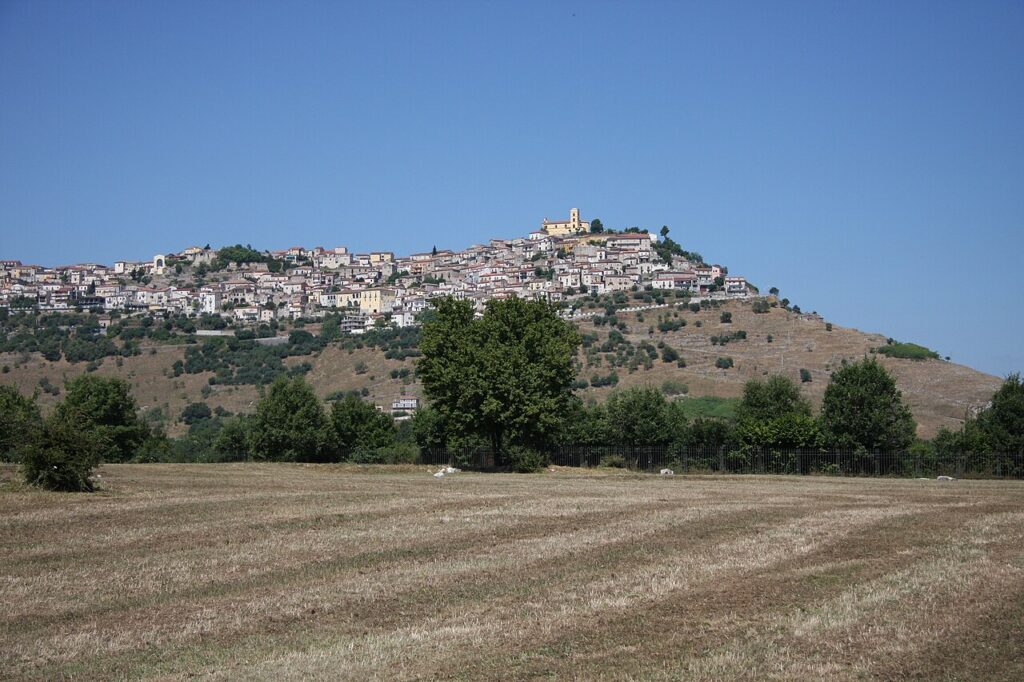
Grumento Nova is a mountain commune of around 1529 inhabitants in the province of Potenza, Basilicata, sitting at 771 metres above sea level in the Val d’Agri valley. Its modern name dates only to 1932, yet the ground beneath it holds more than two millennia of continuous human presence: the archaeological park of Grumentum preserves the ruins of one of the major Roman cities of the ancient region of Lucania, while the hilltop itself has been inhabited since a community of survivors from that same city resettled here around the mid-tenth century.
The Grumento Nova village in Basilicata carries an unusually layered identity — part archaeological destination, part medieval hill town, part gateway to the Parco Nazionale dell’Appennino Lucano Val d’Agri Lagonegrese. Its story moves from Roman forum to Norman castle, through Swabian and Angevin dominion, the long rule of the Sanseverino family, a catastrophic earthquake in 1857, and a tradition of civic resistance that surfaced repeatedly in the nineteenth century. Visitors today can move between the excavated streets of Grumentum, the national archaeological museum that contextualises those finds, and the compact historic centre where Castello Sanseverino and several churches trace the town’s post-Roman centuries.
Grumento Nova village in Basilicata: history from Roman ruins to the modern era
Grumento Nova traces its origins to around 954 AD, when survivors from the ancient Roman city of Grumentum — abandoned following Saracen raids near 878 AD — founded a new settlement on a hilltop, calling it Saponaria; the Roman predecessor was definitively destroyed in 1031, and the village that replaced it would carry several names before becoming Grumento Nova only in 1932.
The earliest feudal chapter opened when Roberto d’Altavilla, a Norman lord first documented as Count of Montescaglioso around 1055, raised a fortified castle on the crest of the hill. After his death, Saponaria passed to his son Guglielmo alongside Polla and Brienza. The town subsequently fell under the authority of Holy Roman Emperor Frederick II of Swabia, whose conflict with Pope Innocent IV stirred a broad baronial uprising known as the Congiura di Capaccio of 1246, led by Pandolfo di Fasanella and joined by Tommaso, lord of Saponaria at the time. In 1254 the Sanseverino family took possession of the town, though it was sacked on the orders of Manfredi, Frederick II’s son, because the new lords sided with the Angevins. In 1267 Charles I of Anjou restored the city to Count Ruggero Sanseverino, whose dynasty held it until 1806.
The post-Napoleonic transition brought its own upheavals: after the French conquest, Tommaso di Saponara was appointed minister of the Kingdom of Naples by Joseph Bonaparte. During the Risorgimento, several citizens took active roles in the liberal uprisings of 1820–1821, the revolts of 1848, and Mazzinian activities around 1853. In December 1857 a catastrophic earthquake levelled much of the town, claiming more than two thousand lives and destroying key buildings including the parish church. The post-unification decades were marked by brigandage, with figures such as Donato “Caronza” Toscano and Diego “Lineo” Di Rago among the most noted. A royal decree of April 1863 renamed the settlement Saponara di Grumento, and a further decree of 3 November 1932 gave it its current name, Grumento Nova.
Roman Ruins, a Feudal Castle and Sacred Architecture in Grumento Nova
Grumento Nova offers visitors two major archaeological sites — the Parco Archeologico di Grumentum and the Museo Archeologico Nazionale dell’Alta Val d’Agri — alongside the medieval Castello Sanseverino and several historic churches, all within a village of around 1529 inhabitants set at roughly 771 metres above sea level in the Val d’Agri.
Parco Archeologico di Grumentum
On the outskirts of the modern village lie the remains of one of the principal Roman cities of the ancient Regio III — Lucania et Bruttii. The settlement had roots from at least the early third century BC as a Lucanian centre allied with Rome. During the Second Punic War, Hannibal passed through the area and a battle here was recorded by the historian Livy. Over the following centuries the city was progressively romanised, with land distributed to Roman settlers through the centuriation system and the urban fabric gradually monumentalised. The ruins are set within a landscape of considerable scenic interest.
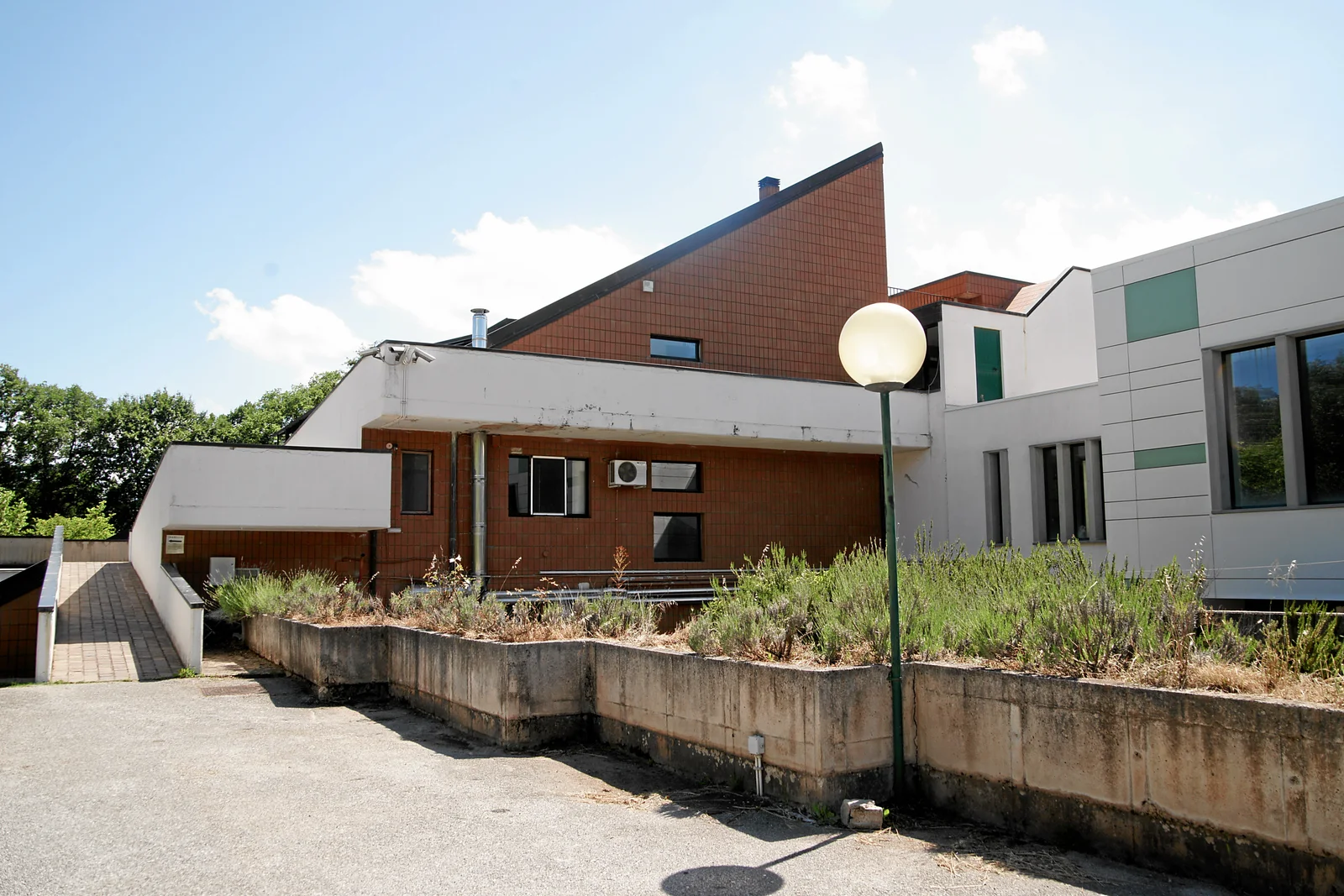
Museo Archeologico Nazionale dell’Alta Val d’Agri
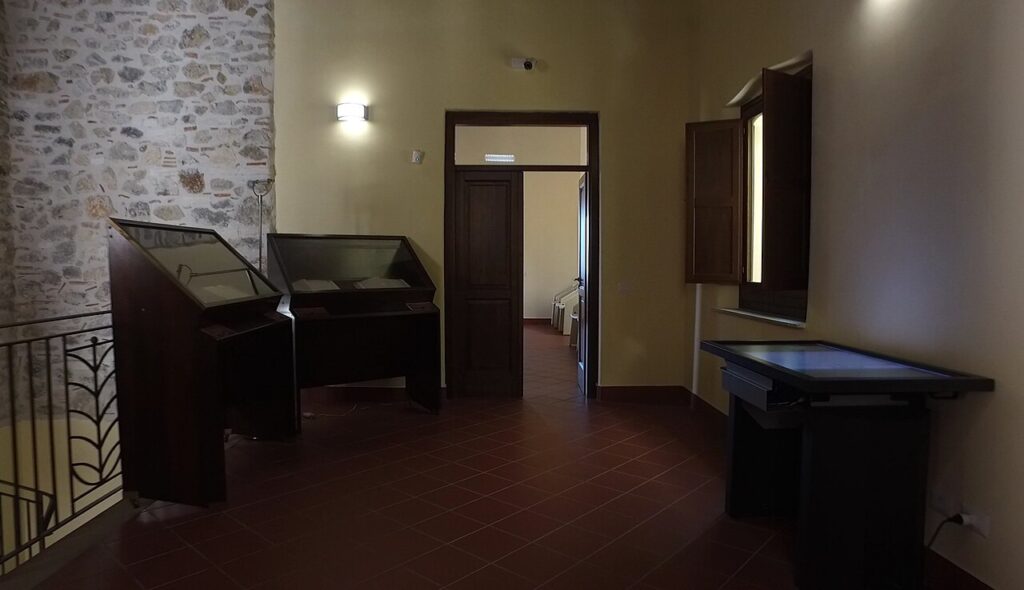
Housed near the archaeological park, this national museum traces human presence across the upper Val d’Agri from prehistory to the Roman period. An opening section is devoted to the deep past: fossil remains of Elephas antiquus and other Pleistocene fauna document a time, roughly 120,000 years ago, when the valley floor was occupied by a large lake basin. Subsequent displays address the Middle Bronze Age Apennine culture through material evidence from sites including Murgia Sant’Angelo di Moliterno and Civita di Paterno, before the collection turns to the Roman city of Grumentum itself.
Castello Sanseverino
The castle was built in the second half of the eleventh century by the Counts of Montescaglioso, the first feudal lords of Saponaria. The original structure centred on the highest point of the hill, and a surrounding residential quarter — known as the Borgo — grew up around it, eventually enclosed by a walled perimeter with seven gates. As the Sanseverino dynasty consolidated its hold on the town, the complex underwent successive enlargements over several centuries. By the mid-eighteenth century a document recorded the property as comprising more than two hundred structures, with an adjacent garden. Around 1700 Prince Carlo Maria Sanseverino undertook a complete rebuilding, during which the castle reached its greatest extent. He added a large courtroom, which survives today as the only standing remnant of the feudal palace, along with twelve residential apartments and a small theatre for musical works — the prince was himself the author of a musical comedy, Eliododro, staged on the occasion of his daughter Aurora’s wedding. The stable block, accessed from the open yard called the steccato (now Largo Umberto I), could accommodate well over a hundred horses, and flanking towers once rose on either side, though no trace of them remains.
Chiesa Madre di Sant’Antonino Vescovo e Martire
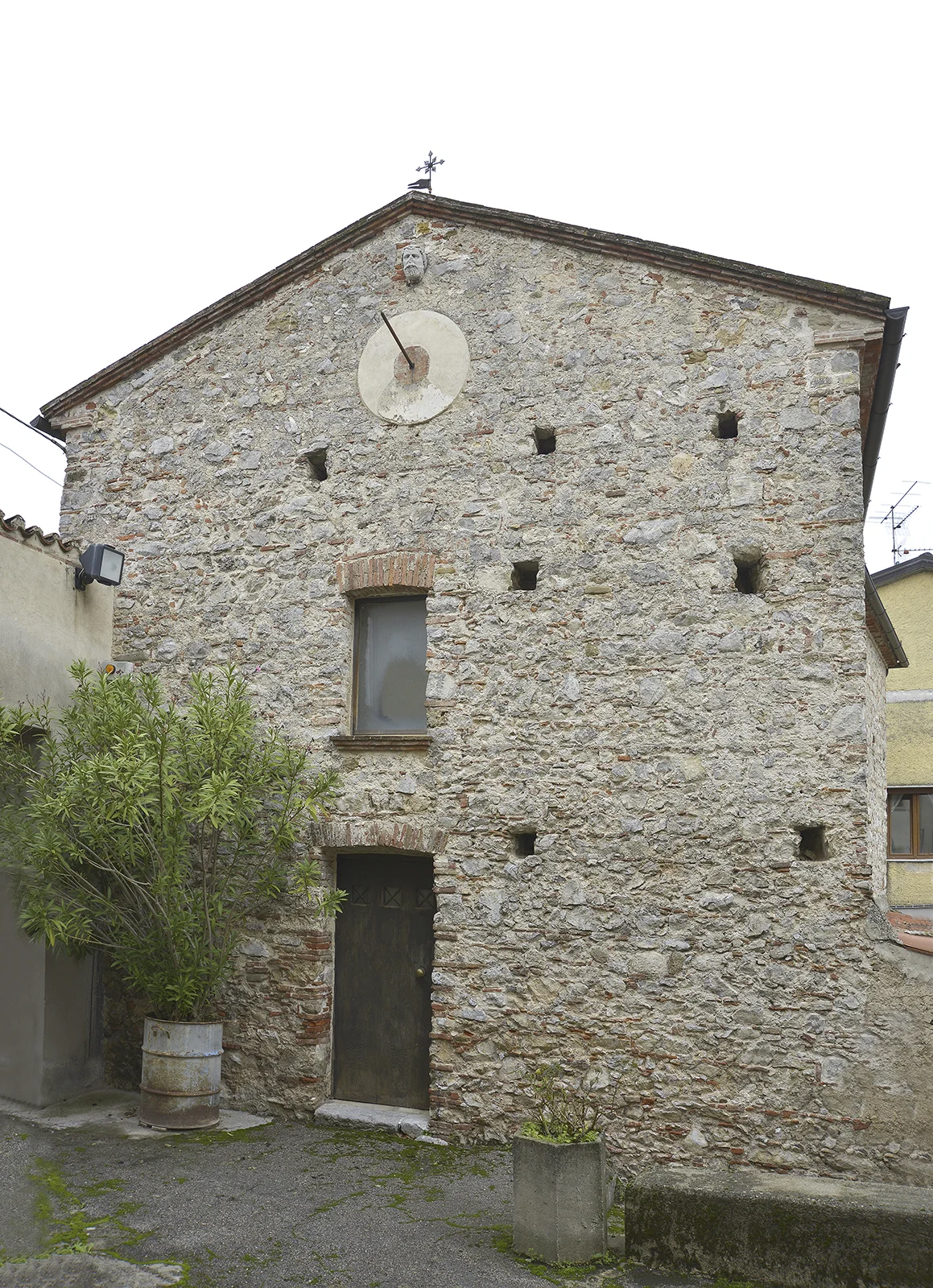
The parish church stands on the northern part of the hill on which the village is built. It was erected in 1118 on the site of an earlier pagan structure and dedicated to Antonino of Apamea. The building was substantially reworked in 1561 under the direction of the archpriest Bernardino Giliberti. In 1604 the Cotino family added a chapel on the right side dedicated to the Holy Crucifix, and wall paintings inside the church date from the same period. The bell tower, consisting of three storeys, was completed in 1609; the archpriest Bernardino Cioffi, the first mitred archpriest of Saponaria, had a large bell installed there. In 1635 archpriest Giovanni Francesco Danio extended the right arm of the church by adding three new chapels. The building was destroyed by the earthquake of 1857 and subsequently rebuilt.
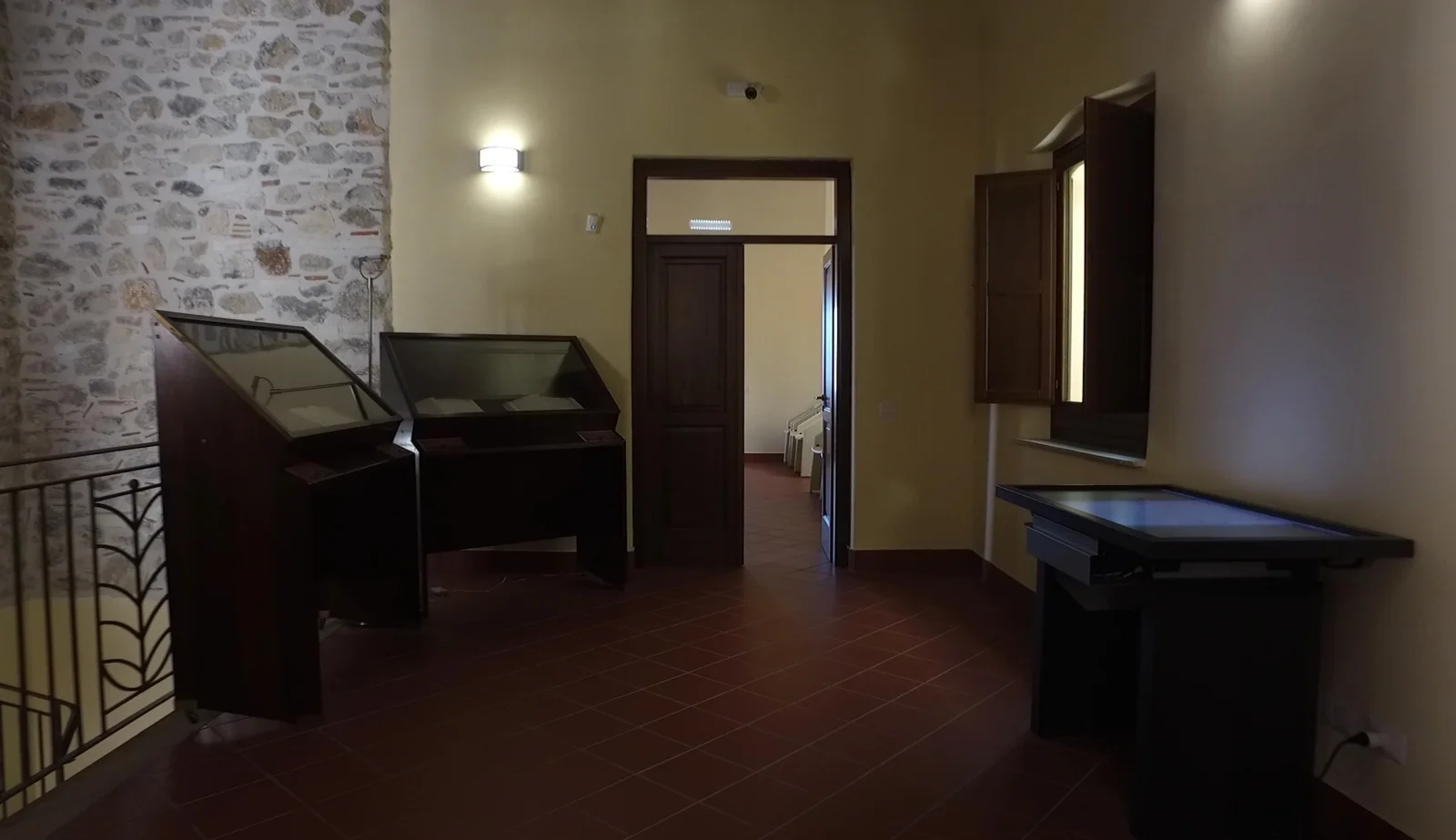
Other Churches
The village also retains the church of Santa Caterina and the church of Santa Maria Assunta, both nominable though the surviving sources do not provide further architectural or artistic detail. The church of San Giuseppe, destroyed in the 1857 earthquake, was rebuilt in 1860 by Andrea Giliberti and is today known as the Cappella Giliberti.
Tastes of Grumento Nova and the Alta Val d’Agri
The territory around Grumento Nova, set within the Alta Val d’Agri in Basilicata, is associated with a range of certified products that reflect the pastoral and agricultural traditions of this inland mountain area — among them the DOP-certified Caciocavallo Silano and the IGP-recognised Canestrato di Moliterno, two aged cheeses with deep roots in the Lucanian highlands, alongside the IGP-certified Fagiolo di Sarconi, grown in a neighbouring valley just a few kilometres away.
Cured meats are equally well represented at the provincial level: the Lucanica di Picerno (IGP), a seasoned pork sausage, and traditional preparations such as capocollo and carne podolica from local Podolian cattle appear across the wider territory. The Fagioli Bianchi di Rotonda (DOP) rounds out a larder built on legumes, grains and slow-food traditions that characterise Basilicata’s mountain interior.
On the wine side, the broader area falls within appellations including Terre dell’Alta Val d’Agri (DOC) and Grottino di Roccanova (DOC), while the celebrated Aglianico del Vulture (DOCG), Basilicata’s most prominent red wine designation, is also part of the regional offering. These products are not exclusive to Grumento Nova itself but belong to the shared food culture of the province of Potenza and its surrounding valleys.
Planning your visit and getting there
Grumento Nova can be reached easily from the lower Val Pellice and the Turin area. The practical distances and journey times below are kept concise on purpose, so the access information stays clear and consistent.
| Departure | Distance | Time |
|---|---|---|
| Potenza | approx. 65 km | approx. 1 h |
| Viggiano | 14 km | approx. 20 min |
| Sarconi | 7 km | approx. 10 min |
| Tramutola | 13 km | approx. 20 min |
These practical reference points are enough to plan the journey without overloading the text with unstable logistics. Once on site, the village is best understood slowly, on foot and in relation to the surrounding landscape.
Frequently asked questions about Grumento Nova
When is the best time to visit Grumento Nova?
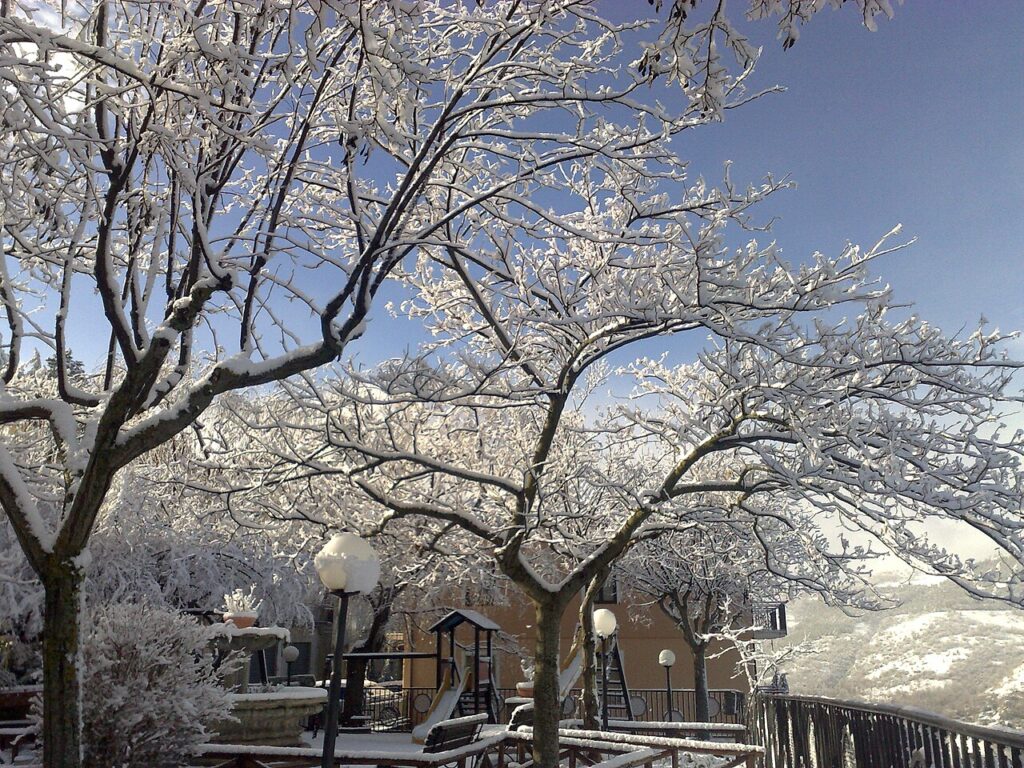
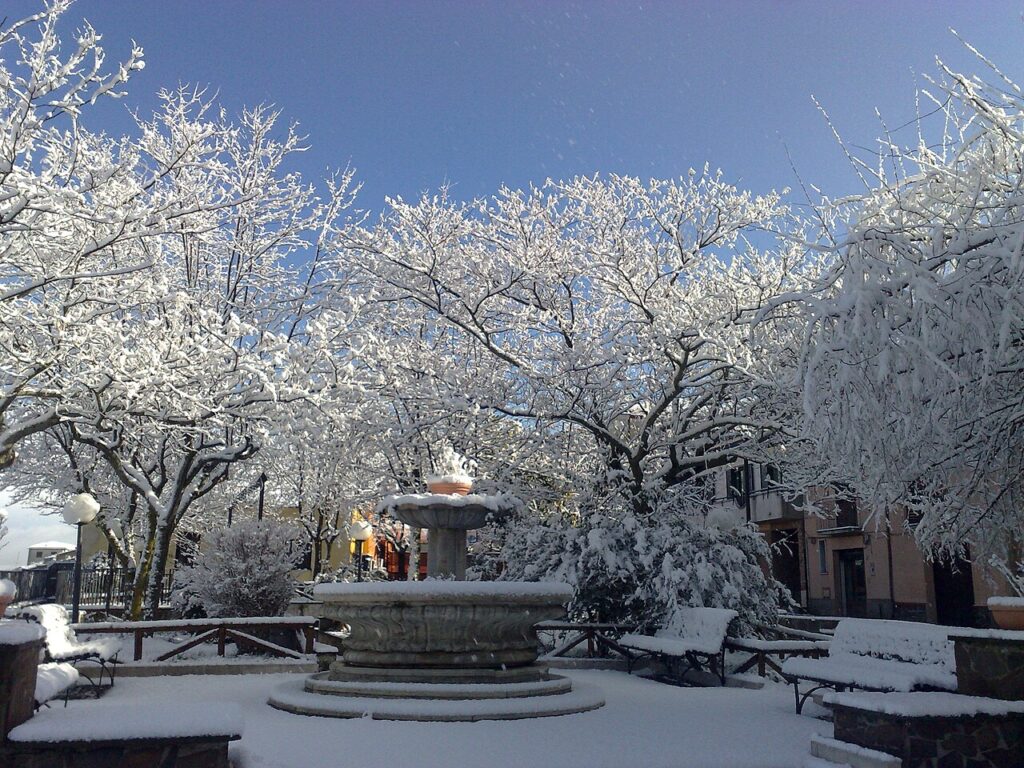
The ideal period is late spring through early autumn (May–September) for comfortable mountain weather and outdoor exploration. The patron saint feast of Madonna del Monserrato falls on the Tuesday after Easter, featuring local religious celebrations and traditional events. This is an excellent time to experience authentic village culture. Winter can bring snow at 771 metres elevation, limiting archaeological site access.
How do I reach Grumento Nova by car?
Grumento Nova sits in the Val d'Agri valley in Potenza province, Basilicata. The nearest major motorway access is the A3 Salerno–Reggio Calabria. From there, follow regional routes toward Val d'Agri. The village is approximately 100 km south of Potenza city. Detailed GPS coordinates or directions from nearby towns like Maratea or Lagonegro are recommended for precise navigation.
What should I plan to see and how long should I stay?
Plan 2–4 hours for the Roman archaeological park of Grumentum and its national museum, plus 1–2 hours exploring the medieval hilltop village, Castello Sanseverino, and churches. A full day allows leisurely visits to both layers. If combining with Parco Nazionale dell'Appennino Lucano Val d'Agri hiking, extend to 2–3 days for immersive mountain and historical experience.
Is Grumento Nova accessible for day trips from larger cities?
Yes. Grumento Nova works as a day trip from Potenza (approximately 100 km), the Amalfi Coast, or Naples region (2–3 hours drive). Public transport options are limited; a rental car is strongly recommended. The compact size of the village and concentrated archaeological attractions make it feasible to visit core sites in half a day, though staying overnight enriches the experience.
Are there documented hiking trails near Grumento Nova?
Grumento Nova serves as a gateway to Parco Nazionale dell'Appennino Lucano Val d'Agri, which offers established mountain trails. CAI (Italian Alpine Club) routes are available in the surrounding Appennine region. Specific trail maps and difficulty ratings should be obtained from the national park visitor centre or local tourism offices before departure.
📷 Photo Gallery — Grumento Nova
In Basilicata More villages to discover
Anzi
Mountain
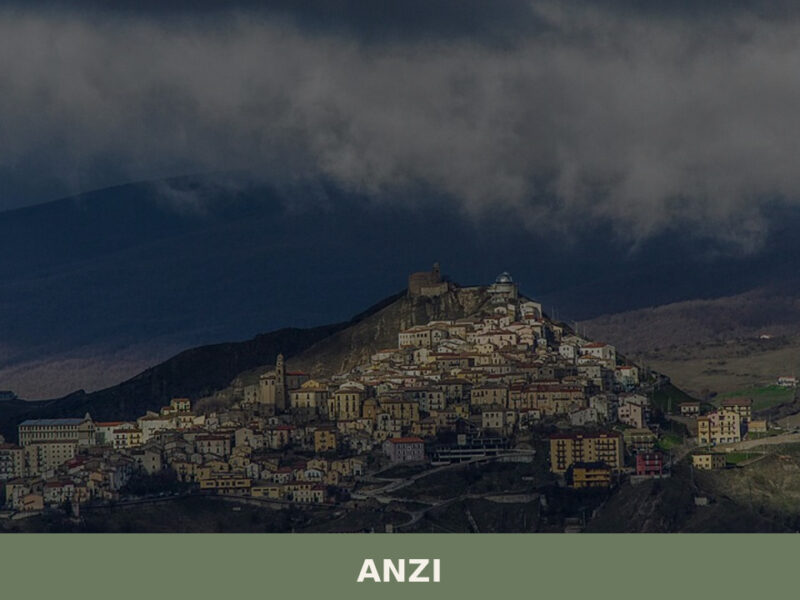
Anzi sits at 1,008 metres above sea level in the province of Potenza, making it one of the highest settlements in Basilicata. Home to 1,745 inhabitants, this small Lucanian village occupies a rocky spur along the upper valley of the Camastra river, surrounded by dense forests of oak and chestnut. For anyone researching what to […]
Atella
 Hills
Hills
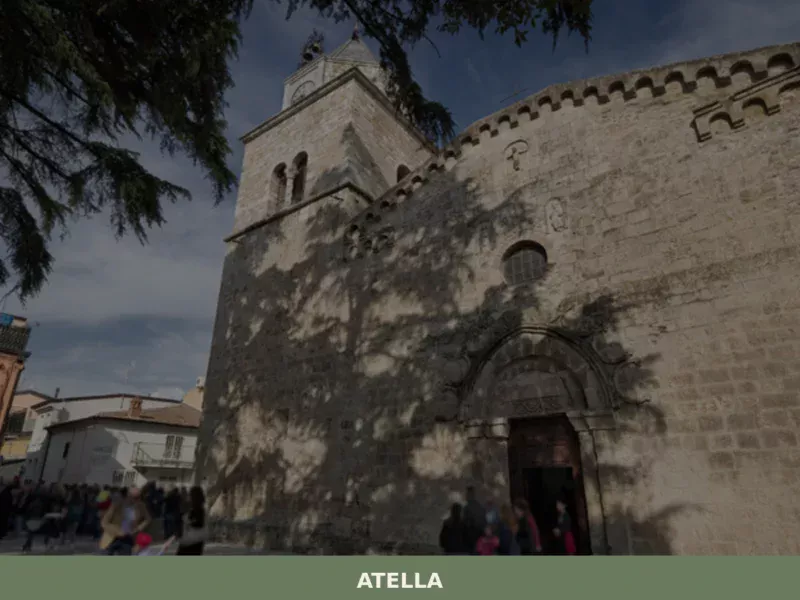
Discover what to see in Atella, a 3,574-inhabitant comune in Potenza province. History, food, travel tips and the best of the Vulture-Melfese area.
Castelluccio Superiore
Mountain
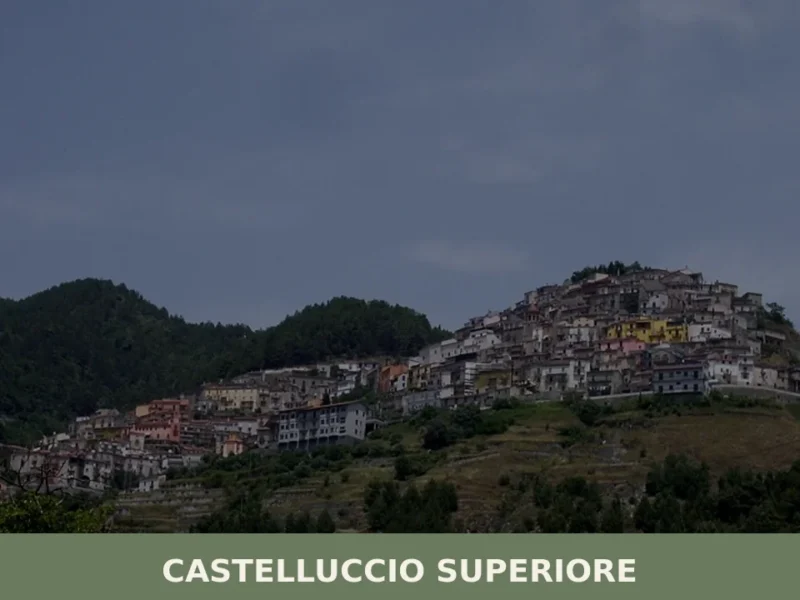
what to see in castelluccio superiore, Italy. Discover this mountain village at 680 m, explore its historic core, and experience the feast of Santa Margherita di Antiochia.
Baragiano
Mountain
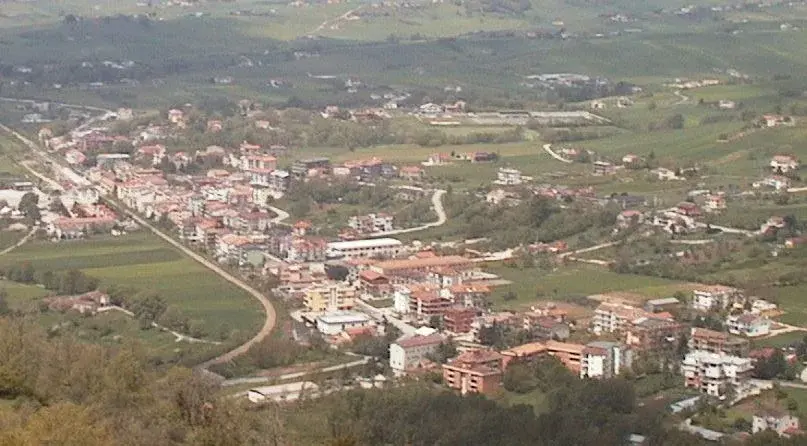
What to see in Baragiano, Italy: a village at 625 m altitude with 2,485 inhabitants. Discover top attractions, local food, festivals and how to get there.
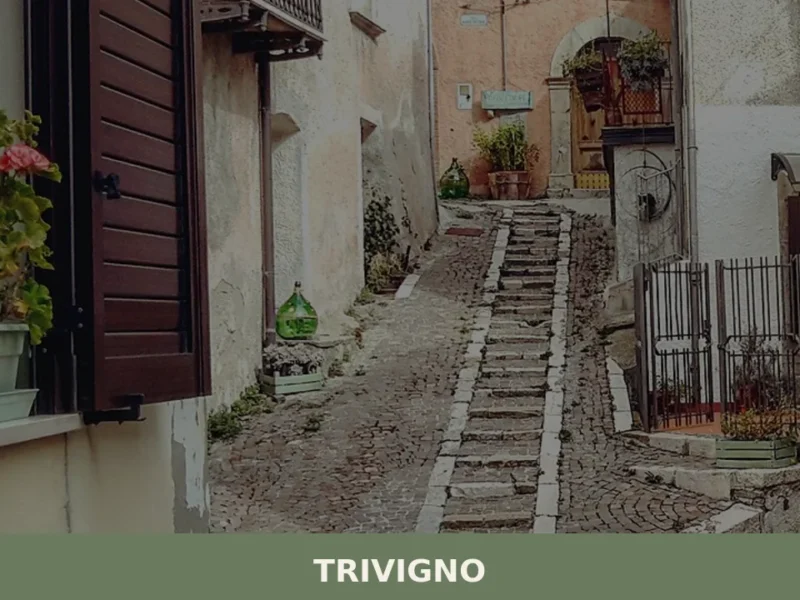
Trivigno
Mountain
Trivigno has a current population of 570 and occupies a ridge at 725 metres above sea level in the middle Basento valley, in the province of Potenza. Its territory extends across fields of durum wheat and Turkey oak woods covering the eastern slopes up to the borders with neighbouring municipalities. Those looking for what to […]
Balvano
Hills
Balvano, a municipality in the province of Potenza, rises 425 meters above sea level, fitting into the hilly landscape of Basilicata. This altitude is not just a number, but the coordinate of a natural observatory from which the Platano valley can be viewed. With a population of 1,722 inhabitants, the village maintains the size of […]
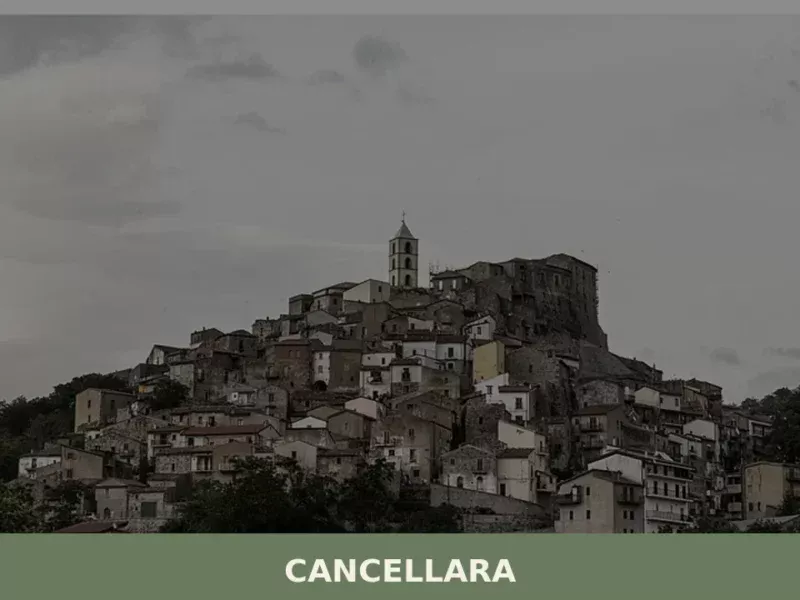
Cancellara
Mountain
Population 1,091. A hillside village in Potenza province where rural rhythms and agricultural heritage define everyday life.
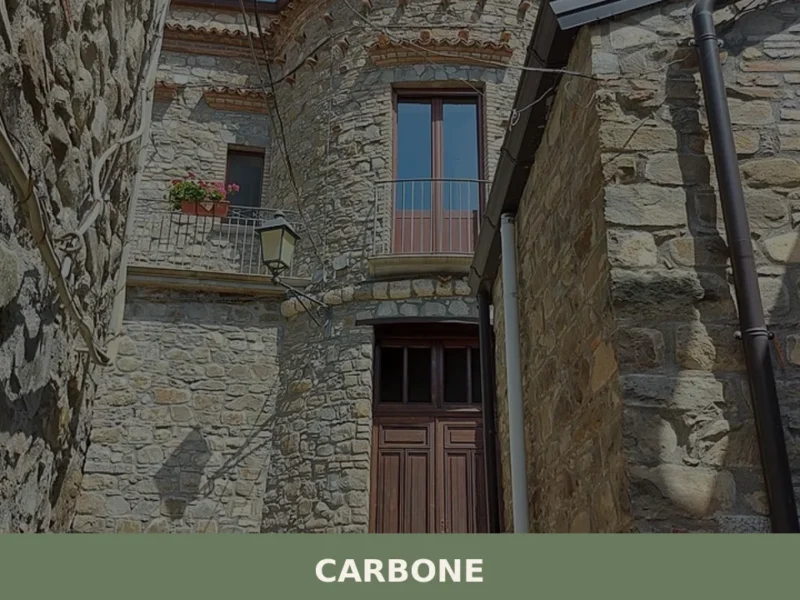
Carbone
Mountain
In the heart of Basilicata, 692 meters above sea level, lies Carbone, a settlement whose history is deeply connected to the 10th-century foundation of the Abbey of San Luca by Basilian monks. This monastic settlement, which became one of the most influential in Southern Italy, influenced the village’s identity, affecting its architecture and culture for […]
Tursi
 Plains
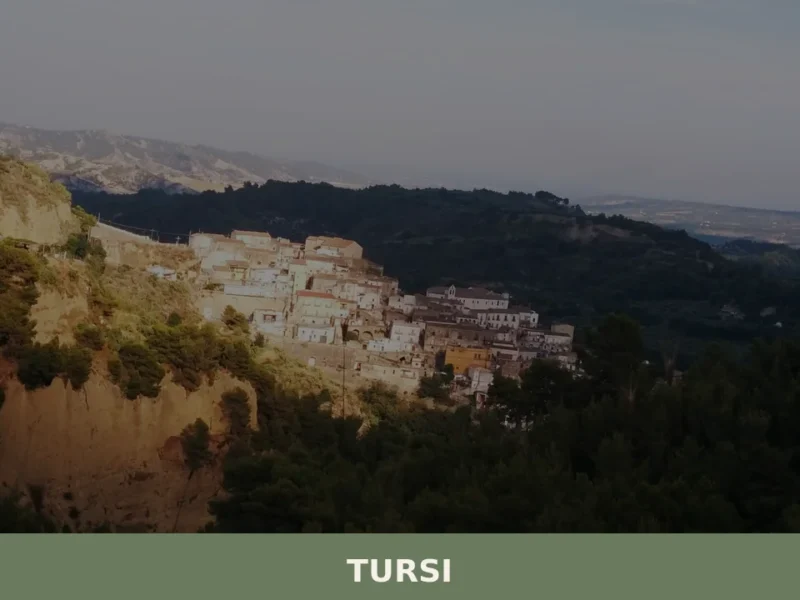
The ochre-yellow clay slopes that surround Tursi do not stay still. Every significant rainfall shifts the marly sediment, exposing new gullies in the Cenozoic rock and deepening the three chasms — the Palmara ditch to the north, the St. Francis ditch to the east, and the Cathedral ditch to the west — that have protected […]

Castelluccio Inferiore
Mountain
What to see in Castelluccio Inferiore: 5 must-see attractions, from the historic center to baroque churches. Discover the complete guide to this Basilicata village.



🏡 Know Grumento Nova better than we do?
If you’re a local or have been there, your knowledge matters: add what’s missing or fix a detail on this page.