


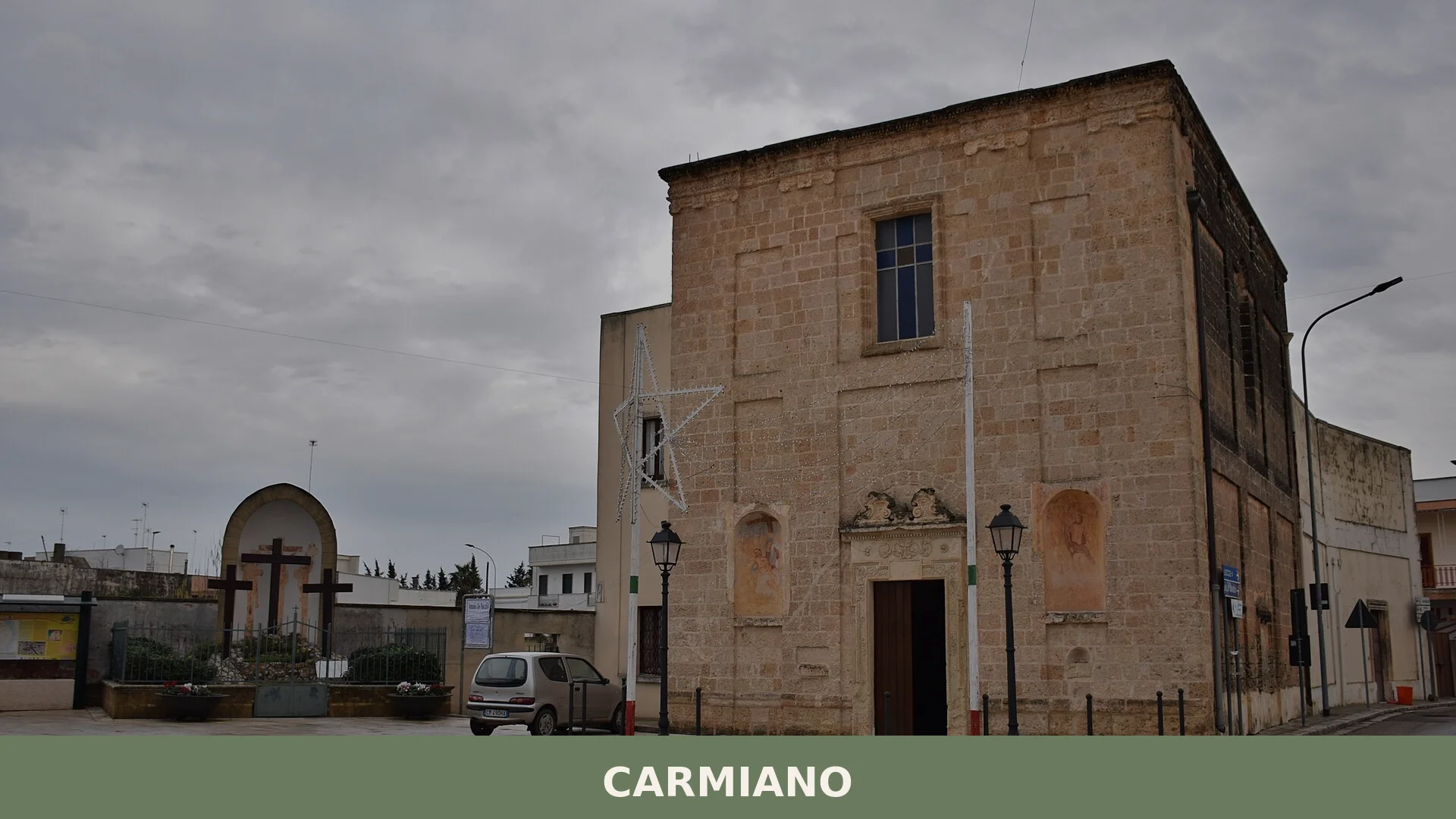
Carmiano
 Plains
A comune of 11,660 souls in the northern Lecce province, Carmiano anchors its identity in medieval palaces, baroque altars, and the veneration of Maria Immacolata.
Carmiano in Apulia: History, Churches and Rural Salento
In the flat heart of the Salento, where olive groves stretch toward a hazy horizon and the afternoon light casts long shadows across weathered stone, Carmiano emerges not as a fortress perched on a hilltop, but as a sprawling agricultural settlement rooted in the clay and limestone of the Valle della Cupa—a gentle depression that defines its territory. The village breathes the quiet rhythm of wine country, its low white buildings and bell towers rising from vineyards and olive orchards that have nourished the community for centuries.
Carmiano village in Apulia is a comune of nearly 11,700 inhabitants in the province of Lecce, situated in the northern reaches of the Salento peninsula. Visitors arrive to encounter two magnetic draws: a tangible Roman legend embedded in the village’s name, and a succession of Baroque churches that bear witness to monastic stewardship and sustained popular devotion—particularly to the Immaculate Virgin, who has been revered as the village’s protector since the Second World War.
Origins and the Celestine Era
The true founding of Carmiano remains veiled. Local tradition and historical scholarship offer competing explanations: some trace the name to the crimson hue of the soil; others, among them scholars De Giorgi, Marciano, Arditi, Coco and Galateo, attribute it to a Roman centurion called Carminius, to whom the Senate granted 100 iugeri of land in what was then called Calabria—the modern Salento.
What remains certain is the village’s transformation under monastic rule. In 1448, the Celestine fathers acquired the feudal settlement and established themselves as both spiritual and temporal authority. The Palazzo dei Celestini, still visible today with its oldest sections rising from the early 14th century, became their seat. For nearly four centuries, the monks shaped the community, leaving behind chapels, devotional confraternities, and a deep Catholic identity that persists. When secular authority returned in 1806, the Celestines withdrew but left an imprint: the landscape of faith and architecture that still defines the place.
On 3 September 1943, Allied aircraft dropped bombs on Carmiano that all exploded beyond the village boundary. The people attributed this mercy to the Immaculate Virgin, and the gratitude kindled a transfer of patronage that would endure.
Bombing raids spared the inhabited centre, an event interpreted by the villagers as divine intervention. This episode crystallised the switch of patronal protection from San Vito Martire—the earlier patron—to Maria SS. Immacolata, the Immaculate Virgin, who remains the spiritual guardian of Carmiano. On 8 September 1943, the fraction of Magliano celebrated the news of the Armistizio with a nighttime torch procession to a rural chapel, honouring the Virgin’s nativity—a tradition that echoes into the present.
Sacred Spaces: Churches and Confraternities
Chiesa madre dedicata a Maria SS. Assunta
Completed in 1961, the main parish church stands as a modernist statement of faith. Its Latin-cross floor plan encloses two 16th-century frescoes depicting the apostles Peter and Paul, salvaged from an earlier destroyed church. Above the high altar rises a ceramic statue of the Virgin Assumed, crafted in 1962 by sculptor and ceramicist Enzo Assenza. The church serves as the spiritual centre of the comune and houses the bones of the village’s religious history within its contemporary walls.
Chiesa dell’Immacolata
Built in the mid-17th century, this smaller church radiates Baroque conviction. Its architectural gem is the central altar, a masterwork of Giuseppe Zimbalo‘s Lecce Baroque style—ornate, theatrical, and deeply reverential. Local legend recounts that a farmer discovered an image of the Virgin Mary in an old well, loaded it onto his cart, and when the oxen suddenly knelt and refused to move, the bishop Luigi Pappacoda interpreted the sign as divine will and ordered a church erected on the spot. Within its walls rest the last Celestine monks who inhabited the adjacent convent before leaving in 1806.
Chiesa antica di San Giovanni Battista
This 19th-century church, built atop an earlier sanctuary by the Confraternity of John the Baptist (founded 1645), preserves a single nave and a pavement mosaic depicting the Lamb of Christ. Eight Corinthian capitals and a Baroque altar with a statue of the Baptist demonstrate the craftsmanship of rural Baroque decoration. After decades of neglect, the parish acquired and restored the building in 1994, transforming it into a multipurpose parish hall while protecting its artistic fabric.
Chiesa Madonna del Carmine and Other Chapels
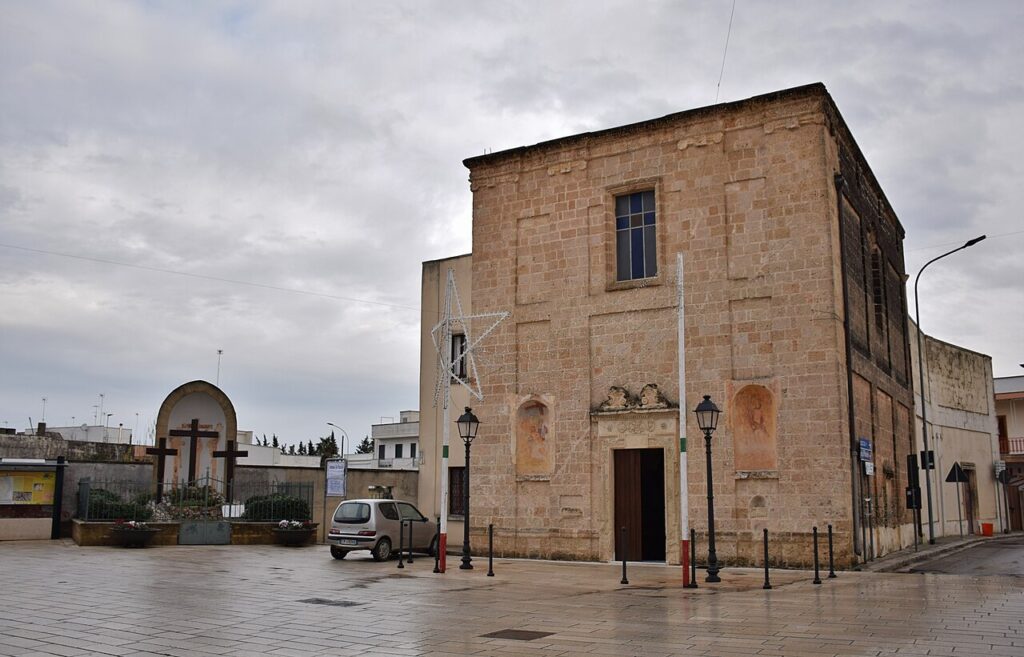
Dating to the early 1800s, this modest church honours the Virgin of Mount Carmel and was erected by a wealthy local devotee. Surrounding the core churches are seven additional chapels—some named after saints (San Francesco, San Donato), others after local benefactors or geographical features (the Turriso, the Cona, De Simone, Don Felice)—each a node in a network of prayer and popular piety that extends into the countryside and across the frazione of Magliano.
Palazzo dei Celestini
The ground and first floors feature a handsome Renaissance-Baroque facade punctuated by portals, windows, and niches holding statues of saints. Inside, a chapel dedicated to San Donato is adorned with frescoes; a cloister centred on a ornamental Baroque well opens to the sky. The comune now owns the palazzo and preserves it as a repository of civic memory.
The Fontana Monumentale and Water’s Journey
In 1922, when the Acquedotto Pugliese reached Carmiano with flowing fresh water, the village erected a monumental fountain to celebrate the triumph of modern engineering. Originally shaped like a pyramid and adorned with a Fascist-era relief sculpture, the fountain was radically transformed after 1945: it now rises in stepped tiers crowned by a marble basin bearing a statue of the Immaculate Virgin. Standing approximately 5 metres high, it bears the inscription L’Acqua Sgorghi Copiosa Su Questa Terra Feconda e Madre di Eroi—”May water flow abundantly on this fertile land and mother of heroes”—a testimony to the village’s pride in both its agricultural bounty and its human resilience.
Land, Wine and Oil: The Salento Table
Carmiano sits within the Negroamaro wine park, a designation reflecting the centrality of viticulture to local identity and economy. The territory’s predominantly flat and clay-rich soils, combined with Mediterranean heat and seasonal rains averaging 626 millimetres per year, favour the cultivation of vines and olive trees. The wines and oils produced here carry the fingerprint of Salento terroir: full-bodied reds, crisp whites, and robust extra-virgin oils flow from the cooperative and private cantinas that dot the landscape.
The agricultural rhythm shapes feast days, family meals, and the rhythms of work. Though no specific dishes bear Carmiano’s name in official registers, the village participates in Puglia’s broader culinary patrimony—an inheritance of southern Italian cooking that blends Greek, Arabic, Norman, and Spanish influences into a cuisine centred on bread, vegetables, legumes, oil and wine. Visitors will find these elements honoured in family restaurants and agriturismos scattered through the municipality and neighbouring settlements.
Visiting Carmiano: Access and Practicalities
Winters are mild (average January temperature around 9°C); summers are warm and moderately humid (average August around 24.7°C). Rainfall clusters in autumn and winter, with dry springs and summers. The best visiting seasons are spring (April–May) and autumn (September–October), when temperatures are pleasant and the agricultural landscape shows its rhythms most clearly.
Most visitors arrive by car. The village sits on well-maintained provincial roads connecting to nearby comuni such as Arnesano, Campi Salentina, Novoli, Veglie and Leverano. Public transport links exist but are limited; a car is advisable for exploring the municipality and surrounding territory. The village centre is compact and walkable, with the main piazza and churches within easy reach on foot. Parking is generally available near religious sites and the town hall.
| Departure | Distance | Approximate Time |
|---|---|---|
| Lecce (city centre) | 9 km | 12–15 minutes by car |
| Brindisi airport | 35 km | 40–50 minutes by car |
| Bari airport | 130 km | 1 hour 45 minutes by car |
Plan a half-day visit if your focus is the churches and main piazza; a full day allows for exploring the Palazzo dei Celestini, walking the back lanes, and visiting a local cantina or olive mill. August temperatures can be intense; bring water and comfortable walking shoes. The festa patronale honouring Maria SS. Assunta falls around Ferragosto (15 August), when the village swells with devotional activity, processions, and communal meals—a vivid moment to witness local faith in action. The Confraternity of the Immaculate also organises celebrations, and the nighttime torch procession in Magliano (8 September) remains a distinctive folk-religious tradition worth timing your visit around if possible.
Frequently asked questions about Carmiano
What is the best time to visit Carmiano?
August is ideal for experiencing Carmiano's most important celebration: the Feast of the Assumption (Ferragosto) on August 15th, when the village honors its patron, Maria SS. Assunta, with religious ceremonies and local festivities. The summer season offers warm Mediterranean weather perfect for exploring olive groves and vineyards. Spring (April-May) and autumn (September-October) provide pleasant temperatures and fewer crowds, ideal for agricultural tourism and wine tasting in the Salento region.
How do I reach Carmiano from Lecce?
Carmiano is located in the province of Lecce in northern Salento, approximately 30 kilometers away. By car, take the SS16 state road heading north; the journey takes roughly 30-40 minutes depending on traffic. Public transport options include regional buses operated by local carriers connecting Lecce to Carmiano. The nearest major train station is Lecce, served by regional and intercity connections. From there, local buses provide convenient access to the village.
What are the main attractions in Carmiano?
Carmiano's primary attractions include its succession of Baroque churches reflecting centuries of religious devotion and monastic influence, particularly those dedicated to the Immaculate Virgin. The Fontana Monumentale is a notable landmark representing the village's water heritage. The surrounding landscape offers authentic agricultural experiences: extensive olive groves and vineyards that define the Salento economy. Visitors can explore the flat terrain characteristic of the Valle della Cupa depression and sample local wines and olive oils.
Is Carmiano suitable for agritourism and wine visits?
Yes, Carmiano's identity is deeply rooted in agriculture and wine production. The village's extensive vineyards and olive orchards spanning centuries make it an excellent destination for agritourism experiences. Visitors can explore working farms, participate in harvest activities, and taste local wines produced in the Salento region. The flat landscape and organized agricultural settlements provide accessible routes for touring wine estates and understanding traditional production methods that sustain the local economy.
How long should I plan to spend in Carmiano?
A half-day visit (3-4 hours) allows exploration of the village's Baroque churches, the Fontana Monumentale, and the historic center. A full day (6-8 hours) enables deeper engagement: visiting local wineries, tasting oils and wines, and experiencing agricultural landscapes. Overnight stays (1-2 days) are recommended for agritourism experiences, attending local events, or using Carmiano as a base for exploring the broader Salento peninsula and nearby attractions in Lecce province.
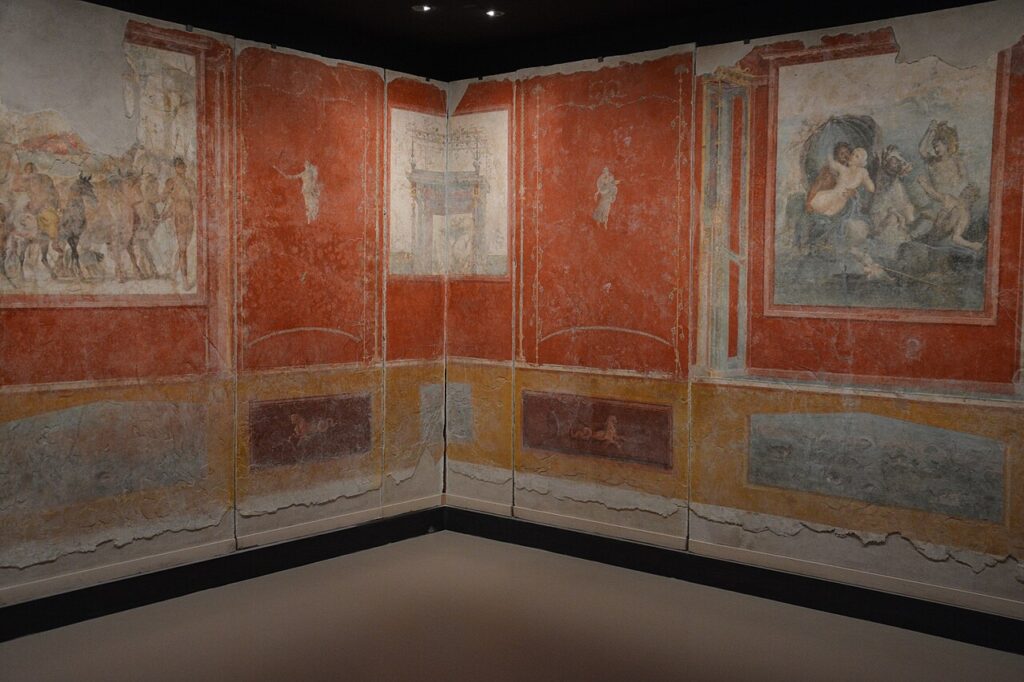
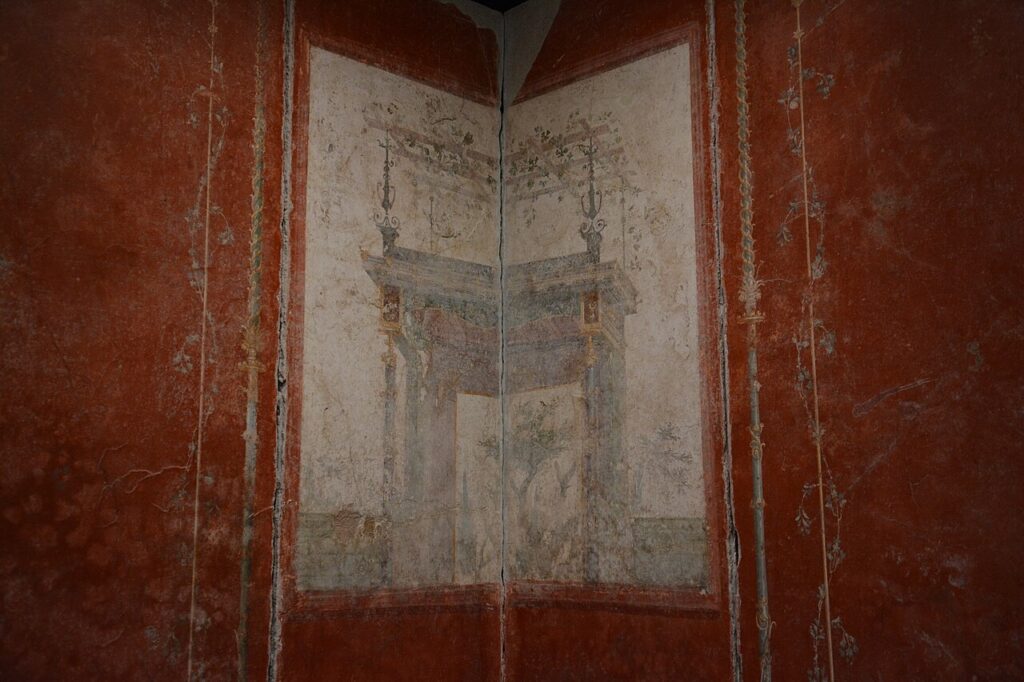
📷 Photo Gallery — Carmiano
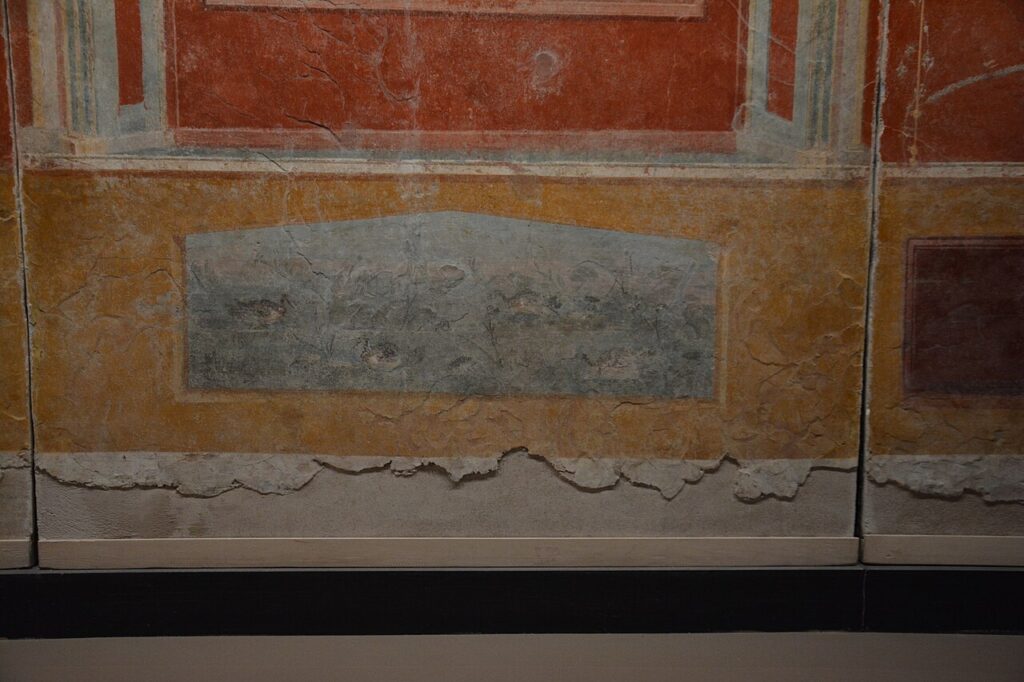
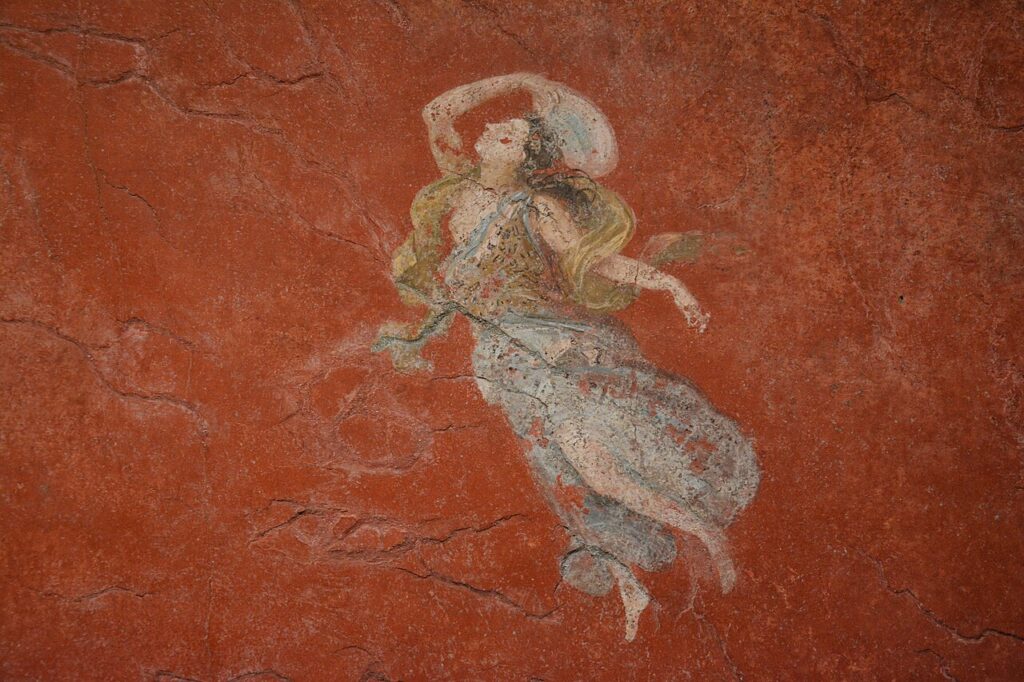
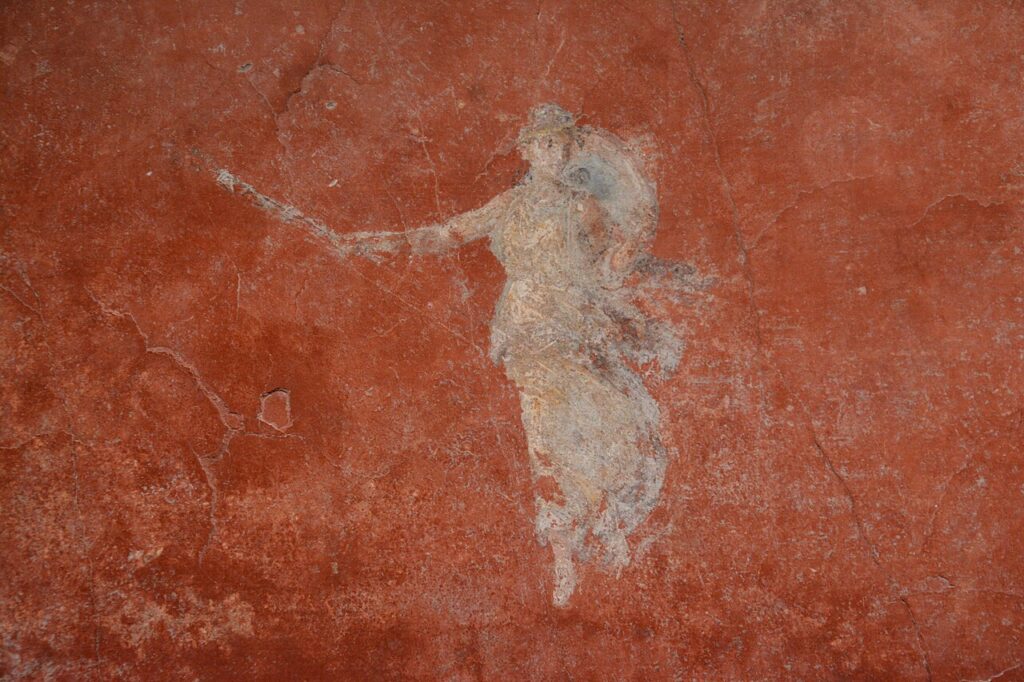
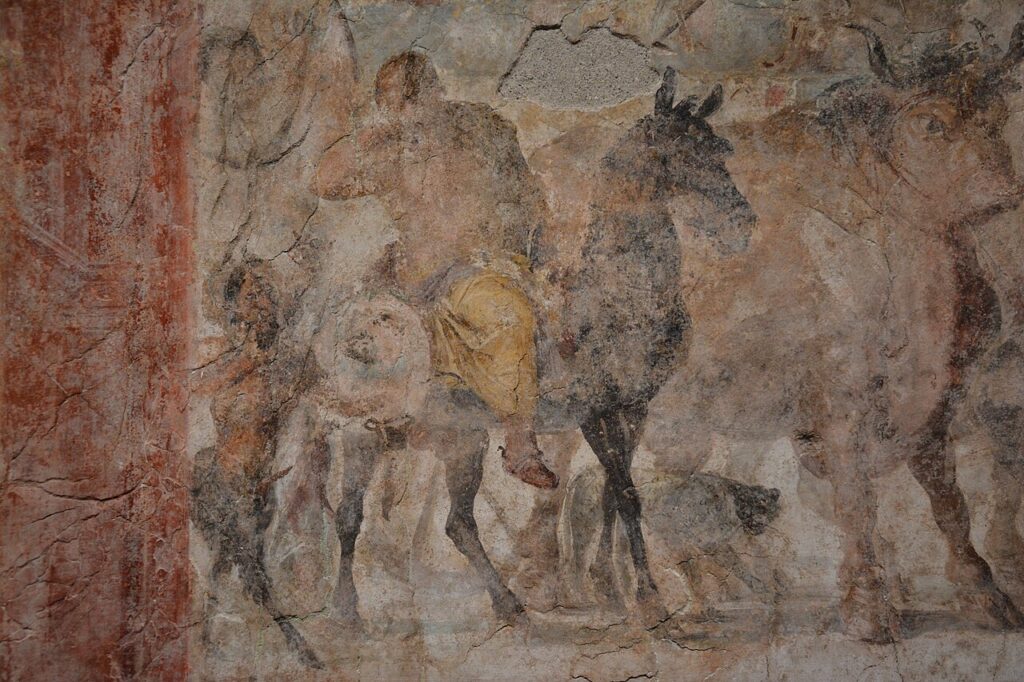
In Apulia More villages to discover
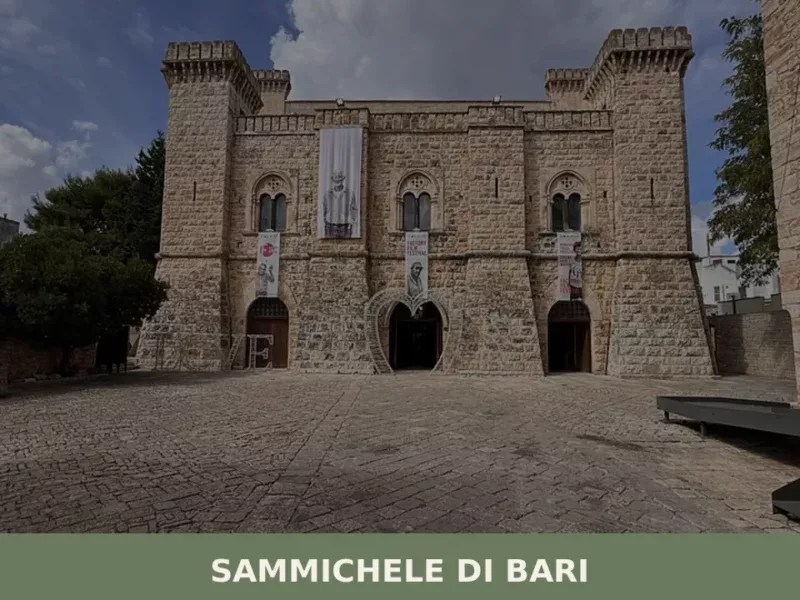
Sammichele di Bari
 Hills
Hills
Sammichele di Bari, a settlement of 6,656 inhabitants, is located 280 meters above sea level, in the heart of the Murgia dei Trulli and the Canale di Pirro. Its geographical position, on a rise overlooking the surrounding plain, has defined its role throughout the centuries. Officially founded in the 17th century by the will of […]
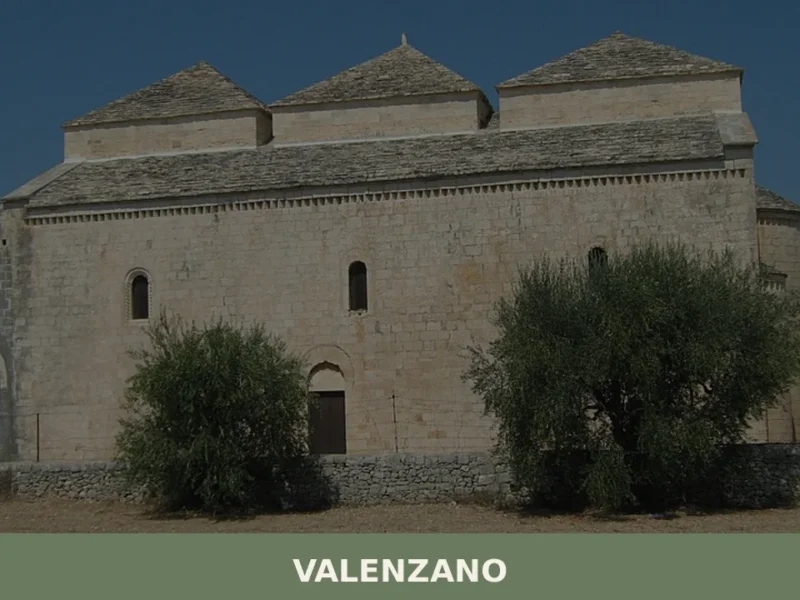
Valenzano
Plains
What to See in Valenzano: explore the Castle and Mother Church. Discover authentic flavors and experience memorable events in the Apulian village.
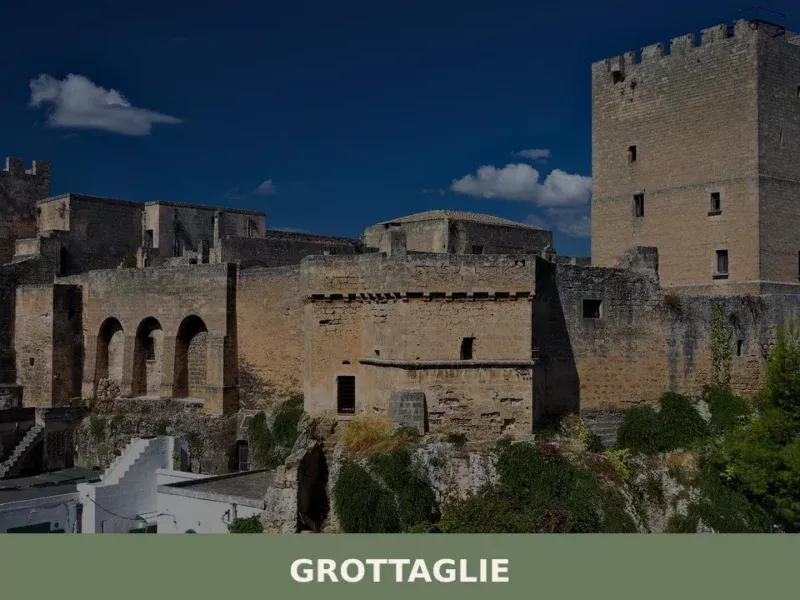
Grottaglie
Plains
Discover what to see in Grottaglie, Puglia: ceramic quarter, Castello Episcopio, ravines and local food. Practical travel guide with history and tips.
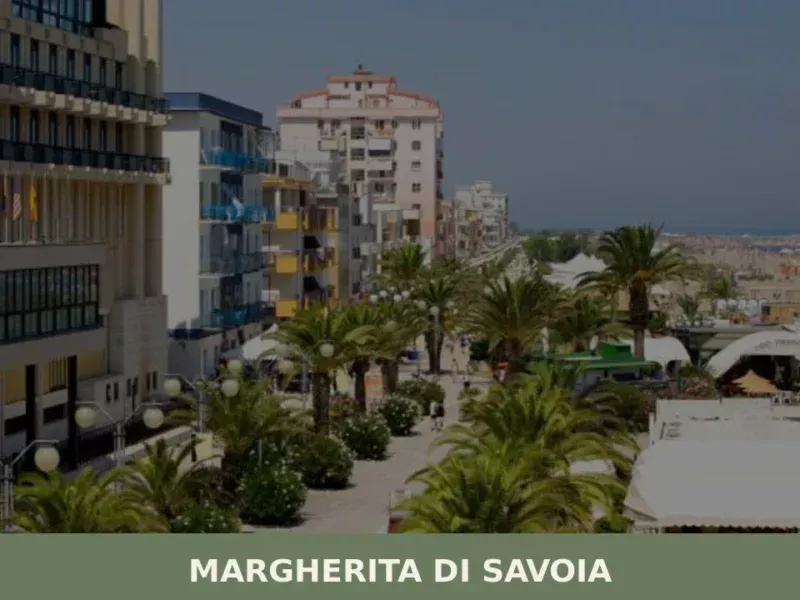
Margherita di Savoia
 Sea
Sea
Discover what to see in Margherita di Savoia: Europe's largest salt flats, the historic Torre delle Saline, thermal baths and an Adriatic beach in Puglia.
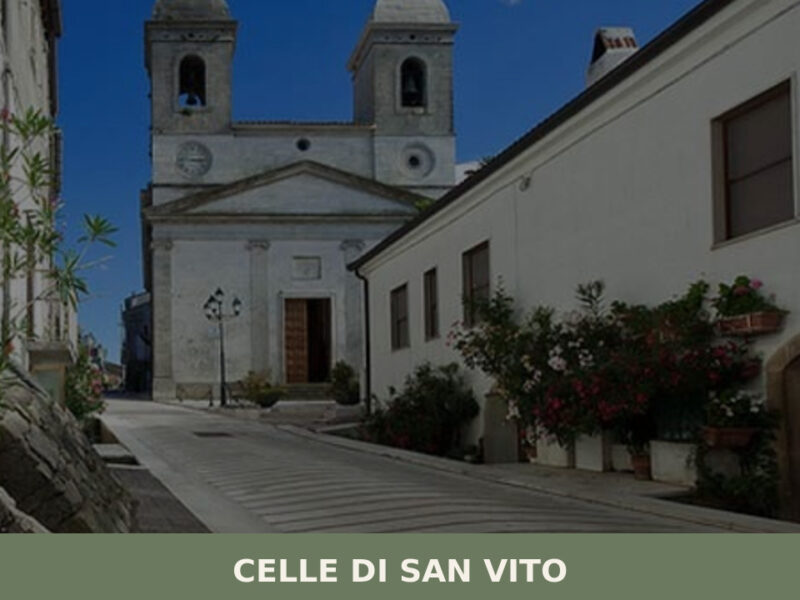
Celle di San Vito
 Mountain
A 148-resident Franco-Provençal enclave at 726 metres in the Daunia sub-Apennines. Discover what to see in Celle di San Vito, from medieval stone lanes to linguistic heritage.
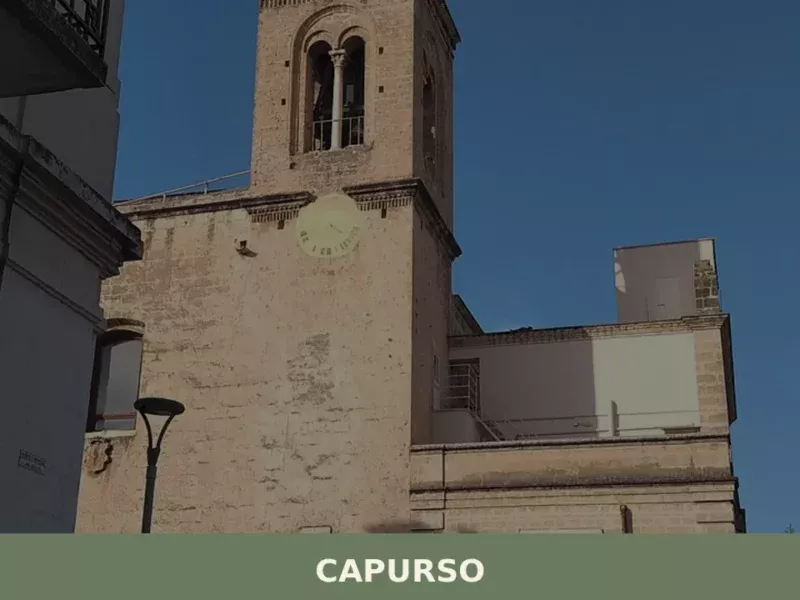
Capurso
Plains
Every last Sunday of August, the streets of Capurso light up with illuminations reaching twenty metres in height, and the sheer weight of the crowd forces traffic to be diverted onto the provincial road to Cellamare. This is the climax of the feast of the Madonna del Pozzo, a devotional event that since 1705 has […]
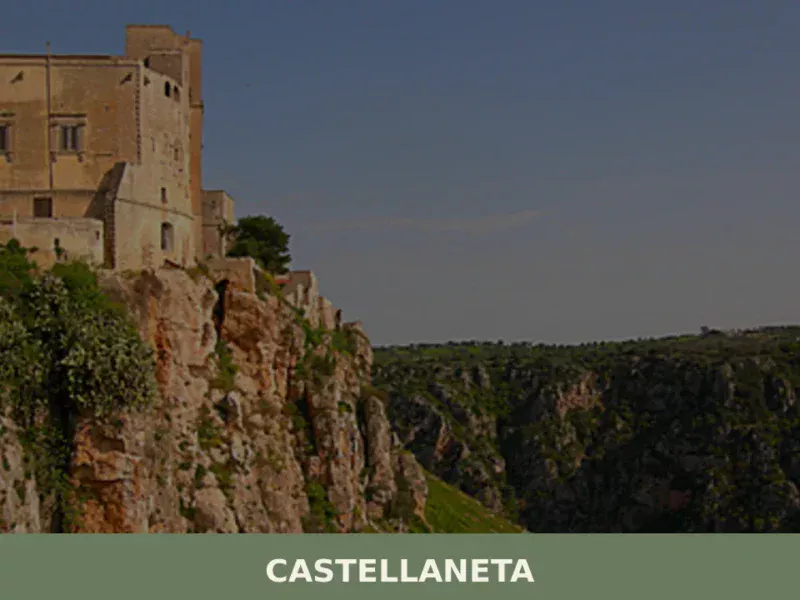
Castellaneta
Sea
Castellaneta, a comune of around 15,784 inhabitants in the province of Taranto, sits above a dramatic ravine system carved into the Apulian plateau — a geological fact that has determined the town’s layout, its defensive logic, and the views that define it today. Visitors drawn to this corner of southern Puglia often arrive expecting little […]
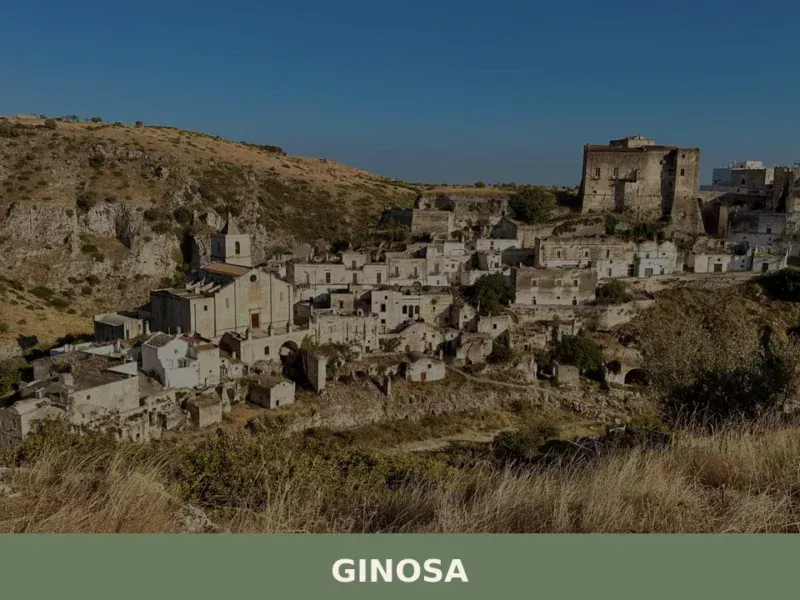
Ginosa
Sea
Discover what to see in Ginosa, Puglia: the dramatic gravina, rupestrian churches, castle, cathedral and Ionian coast. Practical travel guide with tips.
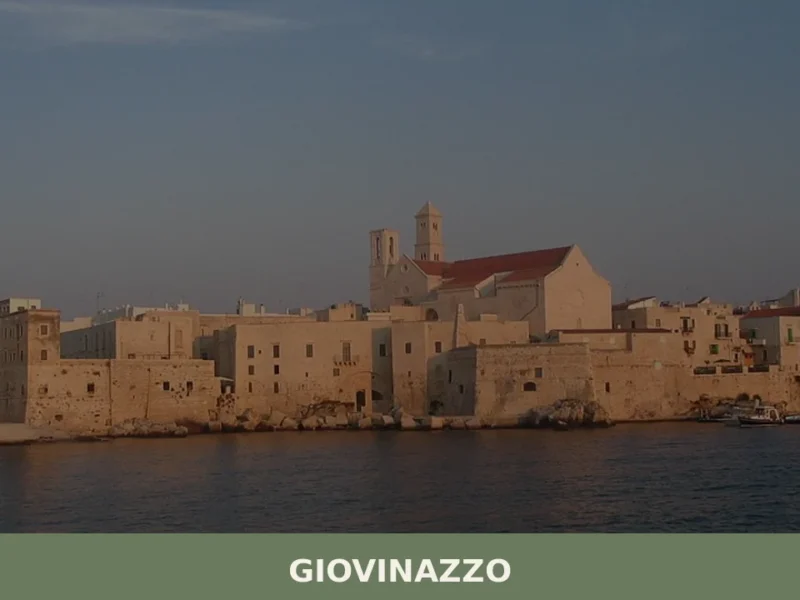
Giovinazzo
Sea
The walls of Giovinazzo’s old port form an irregular semicircle jutting out into the Adriatic Sea, visible from the SS16 state road that runs along the Bari coastline. This small city of 19,366 inhabitants, sitting at just 7 metres above sea level, retains a compact medieval historic centre, still partly surrounded by the original city […]
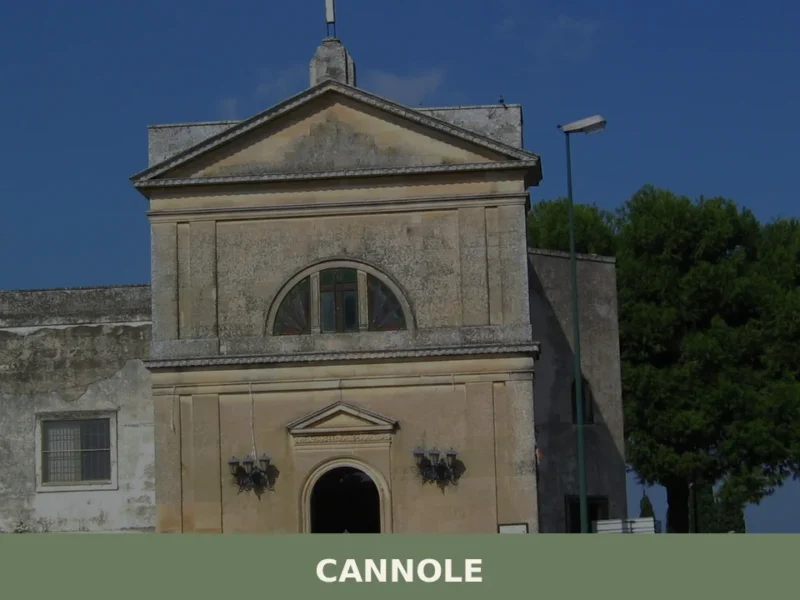
Cannole
Plains
With its 1,631 inhabitants spread across a plateau at 100 metres above sea level in the interior of the Salento, Cannole is one of the smallest municipalities in the province of Lecce. The settlement is organised around a compact core of Lecce stone houses, with a central square that still serves as a daily point […]
🧀 Italian traditional products





🏡 Know Carmiano better than we do?
If you’re a local or have been there, your knowledge matters: add what’s missing or fix a detail on this page.