


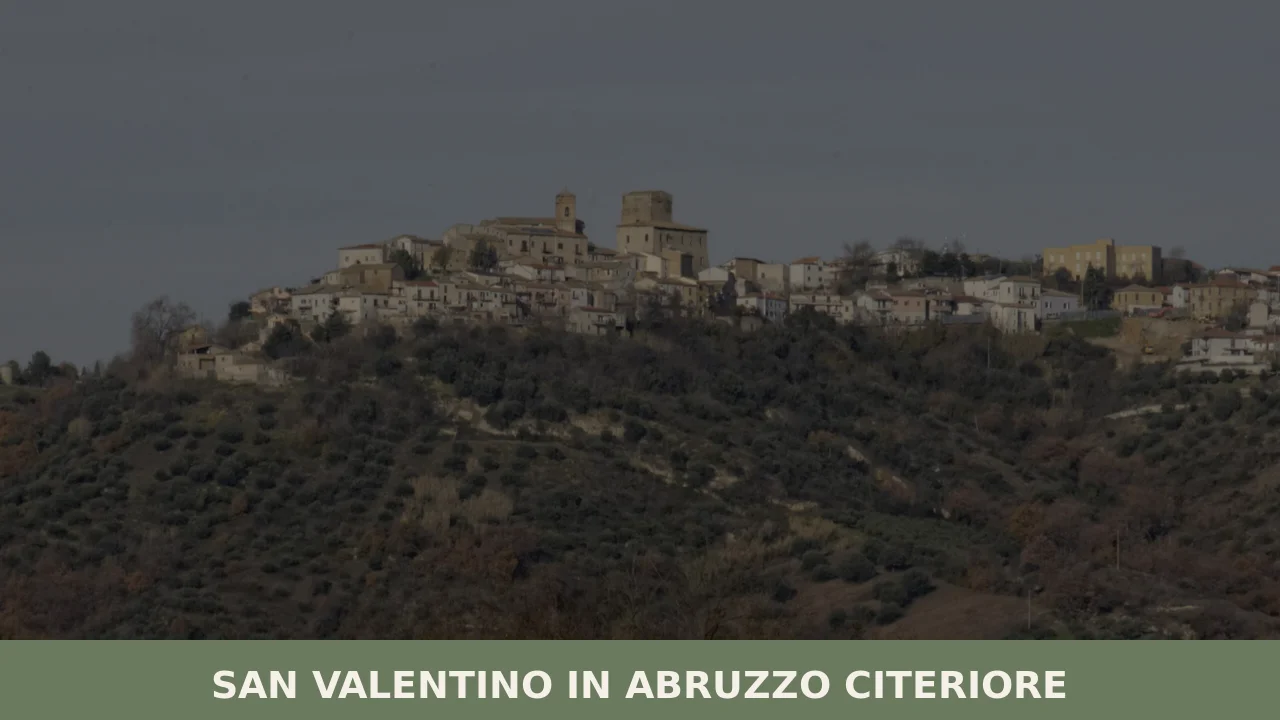
San Valentino in Abruzzo Citeriore
 Hills
Hills
The Apennine peaks rise around San Valentino in Abruzzo Citeriore, a mountain hill town that has maintained its historical character over centuries. Situated on the northern edge of the Majella National Park, this location offers commanding views and a sense of enduring heritage. In this article History of San Valentino in Abruzzo Citeriore What to […]
Discover San Valentino in Abruzzo Citeriore
The Apennine peaks rise around San Valentino in Abruzzo Citeriore, a mountain hill town that has maintained its historical character over centuries.
Situated on the northern edge of the Majella National Park, this location offers commanding views and a sense of enduring heritage.
Its strategic position, less than 40 kilometres (25 mi) from the Adriatic coast, has historically shaped its development and defenses.
For those planning what to see in San Valentino in Abruzzo Citeriore, the village offers a rich experience combining history and natural beauty. Visitors can explore the imposing Castello Farnese and wander through the well-preserved medieval town centre, which sits at the foot of the Apennines.
This guide provides essential information for discovering the charm of San Valentino in Abruzzo Citeriore, Abruzzo, Italy.
History of San Valentino in Abruzzo Citeriore
The origins of San Valentino in Abruzzo Citeriore are deeply intertwined with its geographical position and historical nomenclature.
The town’s name itself provides insight into its past, deriving from two distinct elements: Saint Valentine, revered globally, and the historical province of Abruzzo Citeriore. This former province, meaning ‘Further Abruzzo’ or ‘Nearer Abruzzo’ relative to the Kingdom of Naples, was one of the administrative divisions of the Abruzzo region before the unification of Italy, underscoring the town’s long-standing regional identity.
As a mountain hill town, San Valentino in Abruzzo Citeriore likely developed as a strategic settlement, benefiting from its elevated position in the Apennines for defense and observation.
The presence of the Castello Farnese, identified as one of its most important architectural landmarks, points to a feudal past where powerful families, such as the Farnese, held sway.
The medieval character of the town, still evident today, suggests a history of gradual growth around such fortifications, with stone houses and narrow streets adapting to the challenging terrain.
Throughout the centuries, San Valentino in Abruzzo Citeriore has preserved its cultural fabric, maintaining traditions that reflect its rural and mountainous environment.
Its location on the northern edge of the National Park of Majella also highlights a continuous relationship with the surrounding natural landscape.
This blend of historical governance, architectural development, and environmental integration defines the town’s evolution, offering visitors a tangible connection to central Italy’s past, much like the fortified settlements found in Fosdinovo in Tuscany.
What to see in San Valentino in Abruzzo Citeriore, Abruzzo: top attractions
Castello Farnese
The imposing structure of Castello Farnese stands as a primary architectural landmark within San Valentino in Abruzzo Citeriore.
Its robust stone walls and commanding presence reflect centuries of history and strategic importance in the region. While specific dates of its construction are not detailed, its designation as a Farnese castle indicates its likely prominence during the Renaissance period, a time when powerful noble families consolidated their influence across central Italy.
Visitors can observe the castle’s exterior, imagining its past as a defensive stronghold and a residence of power, a common feature in many historic Italian towns.
The Medieval Historic Center
Wandering through the historic center of San Valentino in Abruzzo Citeriore reveals the authentic character of a mountain hill town.
The tightly clustered stone houses, narrow cobblestone alleys, and small squares reflect centuries of urban development shaped by the challenging terrain. This medieval layout, designed for defense and community, offers a tangible glimpse into daily life in past eras.
Exploring these streets allows visitors to appreciate the town’s architectural heritage and the ingenuity of its early inhabitants, much like the compact, winding pathways seen in Morano Calabro.
The Apennine Scenery and Distant Adriatic Views
From its elevated position in the Apennines, San Valentino in Abruzzo Citeriore offers expansive panoramic vistas that stretch across the surrounding mountain ranges and towards the distant Adriatic coast.
This visual spectacle, a direct consequence of being a mountain hill town less than 40 kilometres (25 mi) from the sea, provides a profound sense of place.
Visitors can find viewpoints that showcase the dramatic contours of the Abruzzese landscape, witnessing the interplay of rugged peaks and the subtle shimmer of the sea on the horizon, particularly clear on bright days.
Gateway to the Majella National Park
San Valentino in Abruzzo Citeriore is strategically positioned on the northern edge of the National Park of Majella, making it an ideal starting point for exploring one of Italy’s most significant natural protected areas.
The park, known for its diverse ecosystems, rich biodiversity, and towering peaks that reach over 2,700 metres (8,858 ft), offers numerous opportunities for hiking, nature observation, and outdoor activities.
This proximity allows visitors to easily transition from the historical environment of the town to the wild, untamed beauty of the Apennine wilderness, discovering a region celebrated for its natural heritage.
The Enduring Identity of Saint Valentine
The town’s very name, San Valentino, speaks volumes about its historical and cultural identity, deriving from the venerated Saint Valentine.
This namesake connects the village to a broader tradition of saintly patronage that has shaped countless communities across Italy for over a millennium.
While specific monuments to the saint are not detailed in sources, the name itself signifies a deep-rooted historical bond and provides a lens through which visitors can understand the local culture and its enduring connections to ancient traditions, offering a unique perspective on the town’s character.
Local food and typical products of San Valentino in Abruzzo Citeriore
The gastronomic traditions around San Valentino in Abruzzo Citeriore are deeply rooted in the broader culinary heritage of Abruzzo, a region celebrated for its robust and hearty cuisine.
Influenced by its mountainous terrain and proximity to the Adriatic coast, the local diet historically relied on pastoral farming, seasonal produce, and wild game. This context has fostered a cuisine characterized by strong flavours, fresh ingredients, and a practical approach to cooking that maximizes the use of available resources, reflecting a way of life that has sustained communities for centuries.
Typical dishes found in this area of Abruzzo often feature lamb and mutton, reflecting the region’s strong shepherding traditions.
Preparations like Arrosticini, small skewers of lamb cooked over an open flame, are a regional specialty, though not exclusive to San Valentino.
Pasta dishes, such as maccheroni alla chitarra (square-cut spaghetti made with a special frame with strings like a guitar), served with rich ragùs, are also common.
Sheep’s milk cheeses, robust olive oils from the surrounding hills, and pulses like lentils and chickpeas form the backbone of many traditional meals, offering a taste of authentic Abruzzese flavours.
While specific certified products directly linked to San Valentino in Abruzzo Citeriore are not detailed in the available sources, the wider Abruzzo region boasts several renowned specialties.
These include the potent red wine Montepulciano d’Abruzzo, celebrated for its full body and rich fruit notes, and Pecorino d’Abruzzo, a firm sheep’s milk cheese. The area is also known for saffron from Navelli, though that is further afield.
Visitors can expect to find these regional products, alongside locally produced honey, cured meats, and artisanal bread, in shops and eateries throughout the area, embodying the rich agricultural bounty of Abruzzo.
Festivals, events and traditions of San Valentino in Abruzzo Citeriore
One of the most distinctive cultural events in San Valentino in Abruzzo Citeriore is the annual Festival of the Cuckolds, or Festa dei Cornuti, held in mid-November.
This unique parade is a long-standing tradition within the town, offering a blend of humor and social commentary.
The event either honors or gently derides, depending on one’s perspective, men whose wives have been unfaithful, creating a lively and sometimes boisterous atmosphere that draws both locals and curious visitors.
The Festa dei Cornuti provides a fascinating glimpse into the local customs and communal spirit of San Valentino in Abruzzo Citeriore. Participants often wear symbolic horns and engage in playful processions, reflecting a tradition that dates back centuries in various forms across Italy.
While the exact origins of this particular celebration in San Valentino are not fully detailed, its continued observance highlights the town’s commitment to preserving its unique cultural identity and providing memorable experiences for those who visit during this autumnal period.
When to visit San Valentino in Abruzzo Citeriore, Italy and how to get there
The best time to visit San Valentino in Abruzzo Citeriore, Abruzzo, Italy largely depends on the type of experience you seek.
Spring (April to June) and autumn (September to October) offer mild weather, ideal for exploring the medieval town and hiking in the nearby Majella National Park, with landscapes vibrant in spring and rich with autumnal colours.
Summers (July to August) are warm and sunny, suitable for those who enjoy higher temperatures and wish to combine mountain exploration with visits to the Adriatic coast, though this is also the busiest period for tourism. Winters (November to March) are cooler, potentially bringing snow to the higher elevations, which can appeal to visitors looking for a quieter, more serene experience.
The terrain within San Valentino in Abruzzo Citeriore, being a mountain hill town, features steep and uneven streets common in medieval settlements.
Visitors should wear comfortable walking shoes, and those with mobility challenges might find some areas difficult to navigate. For those arriving by car, the town is accessible via the Italian motorway network, typically involving exits from the A25 (Rome-Pescara) or A14 (Adriatic) motorways, followed by regional roads.
The nearest major city and transport hub is Pescara, located less than 40 kilometres (25 mi) to the east, offering connections to the national rail network and the Abruzzo Airport (PSR).
From Pescara, San Valentino is approximately a 40-minute drive.
For international visitors, reaching San Valentino in Abruzzo Citeriore often involves flying into Rome’s Leonardo da Vinci-Fiumicino Airport (FCO) or Pescara Abruzzo Airport (PSR). From Rome, the journey to Pescara takes approximately 2 hours by car or bus, covering about 190 km (118 mi), after which a local transfer is needed.
When visiting smaller Italian villages like San Valentino, it is advisable to carry some Euros cash, as card payments may not be universally accepted in all local shops or cafes, and English may be limited among some shopkeepers.
Consider extending your trip to explore other fascinating Italian villages such as Castiglione di Garfagnana, which shares a similar fortified medieval heritage.
Frequently asked questions about San Valentino in Abruzzo Citeriore
What is the best time to visit San Valentino in Abruzzo Citeriore?
Spring (April–June) and autumn (September–October) are ideal, offering mild temperatures perfect for exploring the medieval centre and hiking in the Majella National Park. September is particularly rewarding: on the 10th, the village celebrates its patron saint Nicola da Tolentino with local festivities. Mid-November brings the lively Festa dei Cornuti, a unique traditional parade worth attending. Summer suits visitors combining mountain and Adriatic coast, while winter offers snowy landscapes and a quieter atmosphere at 450 m elevation.
What are the historical origins of San Valentino in Abruzzo Citeriore?
The village takes its name from Saint Valentine and the former province of Abruzzo Citeriore, a historical administrative division of the Kingdom of Naples. Its elevated Apennine position encouraged development as a strategic defensive settlement during the medieval period. The presence of the Castello Farnese confirms feudal lordship by the powerful Farnese family, likely during the Renaissance. The town's medieval street layout and stone architecture reflect centuries of gradual growth around this fortification, maintaining its historical character to the present day.
What to see in San Valentino in Abruzzo Citeriore? Main monuments and landmarks
The Castello Farnese is the village's primary landmark, an imposing stone fortress linked to the influential Farnese noble family and offering a tangible connection to the region's feudal past. The medieval historic centre rewards leisurely exploration: narrow cobblestone alleys, clustered stone houses and small squares preserve the authentic character of a hillside Apennine settlement. Panoramic viewpoints along the village perimeter reveal sweeping vistas toward the Majella massif and, on clear days, the distant Adriatic coast roughly 40 kilometres away.
What are the main natural or scenic attractions of San Valentino in Abruzzo Citeriore?
San Valentino in Abruzzo Citeriore sits on the northern edge of the Majella National Park, one of Italy's most important protected areas, home to diverse ecosystems, wolves, golden eagles and peaks exceeding 2,700 metres. The park offers extensive hiking opportunities on marked trails, nature observation and outdoor activities accessible directly from the village. The surrounding Apennine hills and valleys, visible from the village's elevated position at 450 m, provide spectacular scenery throughout the seasons, from spring wildflowers to autumn foliage and winter snowscapes.
What can you do in San Valentino in Abruzzo Citeriore? Activities and experiences
Visitors can hike into the adjacent Majella National Park, exploring Apennine trails and observing wildlife in a protected natural environment. The medieval village itself invites slow exploration on foot, discovering the Castello Farnese and historic alleyways. In September, the Feast of San Nicola da Tolentino on the 10th offers local cultural immersion, while mid-November's Festa dei Cornuti provides a uniquely humorous and centuries-old community tradition. The proximity to the Adriatic coast, under 40 kilometres away, also allows easy day trips combining mountain and seaside.
Who is San Valentino in Abruzzo Citeriore suitable for? Families, couples, hikers, solo travelers?
San Valentino in Abruzzo Citeriore suits hikers and nature lovers particularly well, given its immediate access to the Majella National Park and Apennine trails. History enthusiasts will appreciate the Castello Farnese and well-preserved medieval centre. Couples seeking a quiet, authentic Italian hill village experience away from mass tourism will find it appealing, especially in spring and autumn. Solo travellers interested in local traditions should consider visiting during the September patron saint feast or the November Festa dei Cornuti. Note that steep medieval streets may challenge visitors with limited mobility.
What to eat in San Valentino in Abruzzo Citeriore? Local products and specialties
The area shares Abruzzo's robust culinary traditions. Arrosticini — small lamb skewers grilled over open flame — are the region's most iconic street food. Maccheroni alla chitarra, square-cut egg pasta served with rich lamb ragù, is a staple first course. Local sheep's milk cheeses, cured meats and extra-virgin olive oil from the Pescara hinterland are widely available. Montepulciano d'Abruzzo DOC red wine and Trebbiano d'Abruzzo DOC white pair naturally with these dishes. Visitors should seek out small local trattorias and agriturismo farms around the Majella foothills for the most authentic experience.
Getting there
Via Fiume, 65020 San Valentino in Abruzzo Citeriore (PE)
Nearby Villages near San Valentino in Abruzzo Citeriore
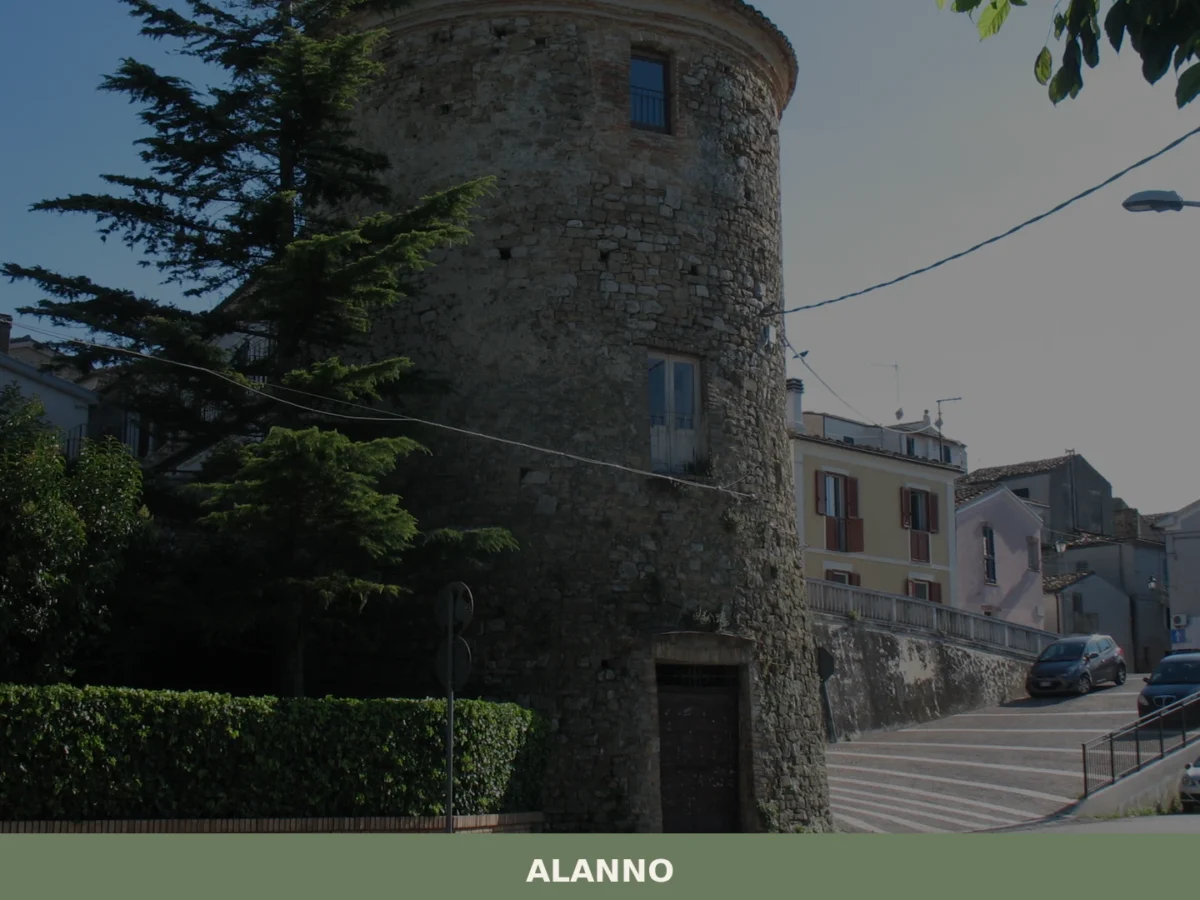
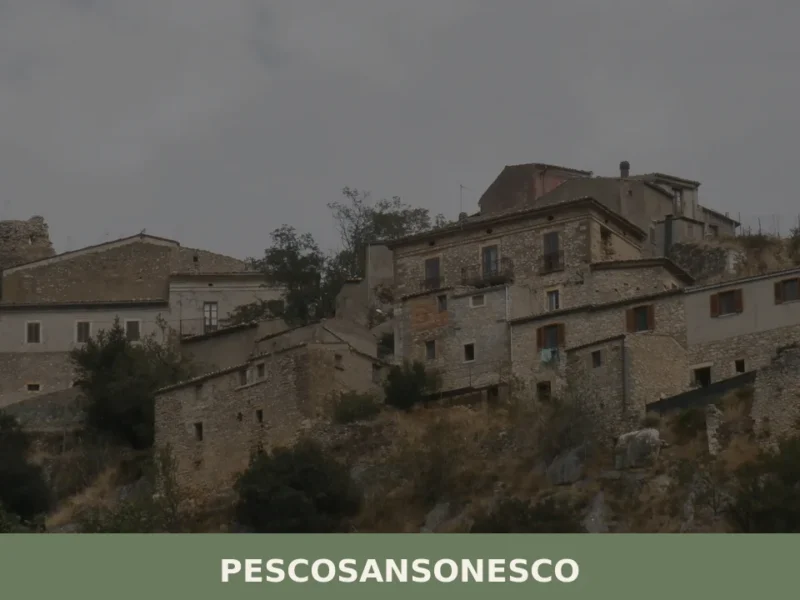
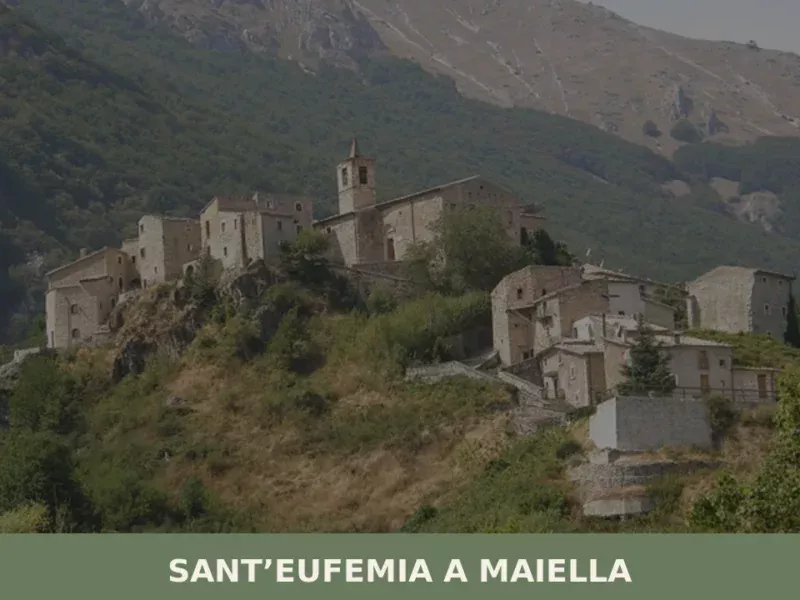
In Abruzzo More villages to discover
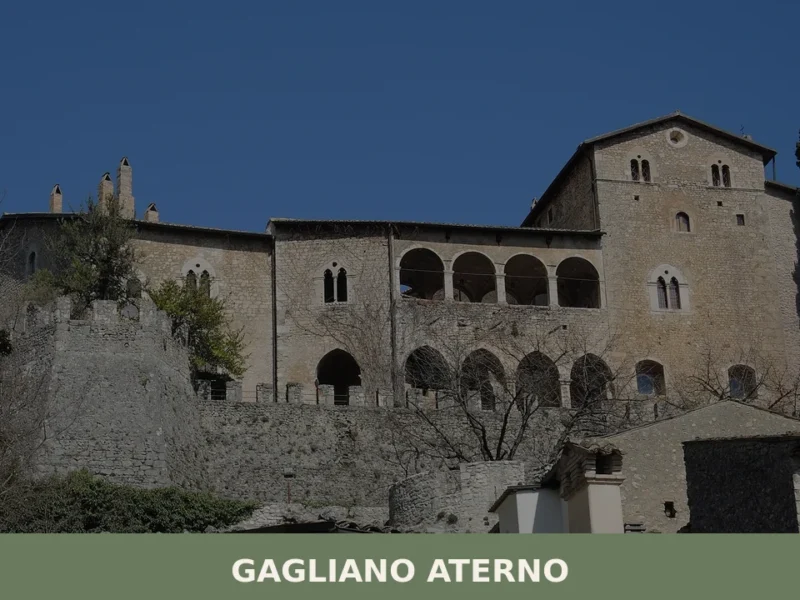
Gagliano Aterno
 Mountain
What to see in Gagliano Aterno, Italy: a 14th-century castle, Baroque stucco church and a village of 251 inhabitants 45 km from L'Aquila. Discover the full guide.
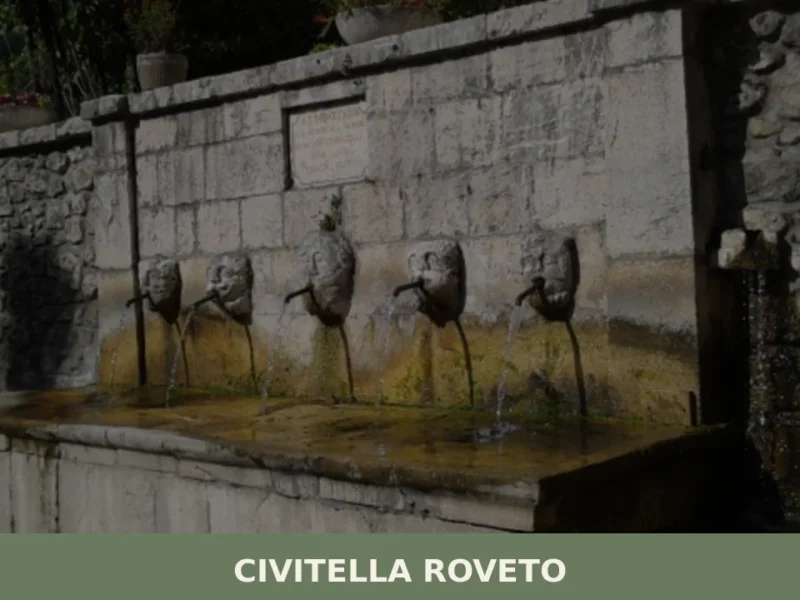
Civitella Roveto
Hills
At 528 metres above sea level, on the eastern side of the Valle Roveto, Civitella Roveto has a current population of 3,327, spread between the old town and the hamlets along the River Liri. The valley, a natural corridor between the Marsica and Lazio, determined the strategic role of this settlement for centuries. Understanding what […]
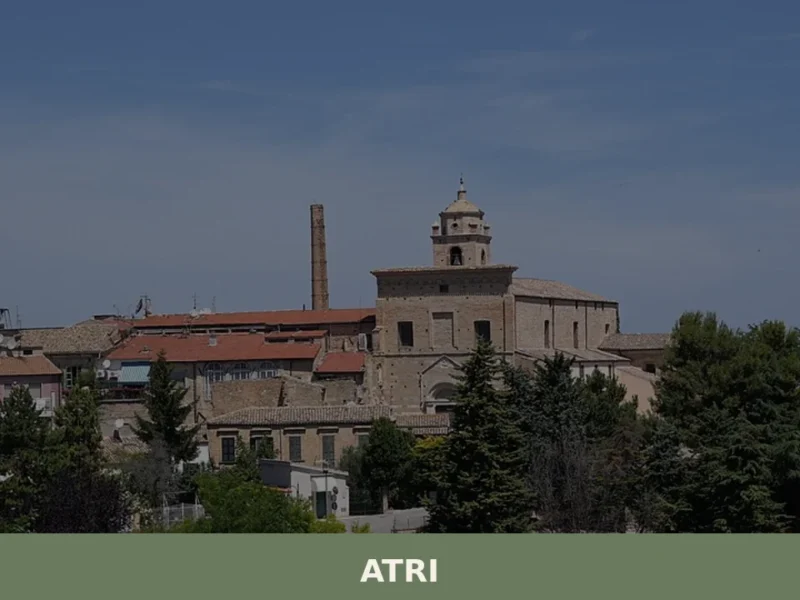
Atri
Hills
Atri, in the province of Teramo, stands at 442 meters above sea level, an altitude that allows the city to overlook the Teramo hills. Its origins lie in ancient Hatria, a Picene settlement and later an important Roman municipality, known for minting its own coins as early as the 3rd century BC. This historical richness […]

Casoli
Hills
What to see in Casoli, Abruzzo, Italy: explore Castello Masciantonio, Lake Casoli 4 mi away, and a medieval town listed among Italy's most beautiful villages. Discover it now.
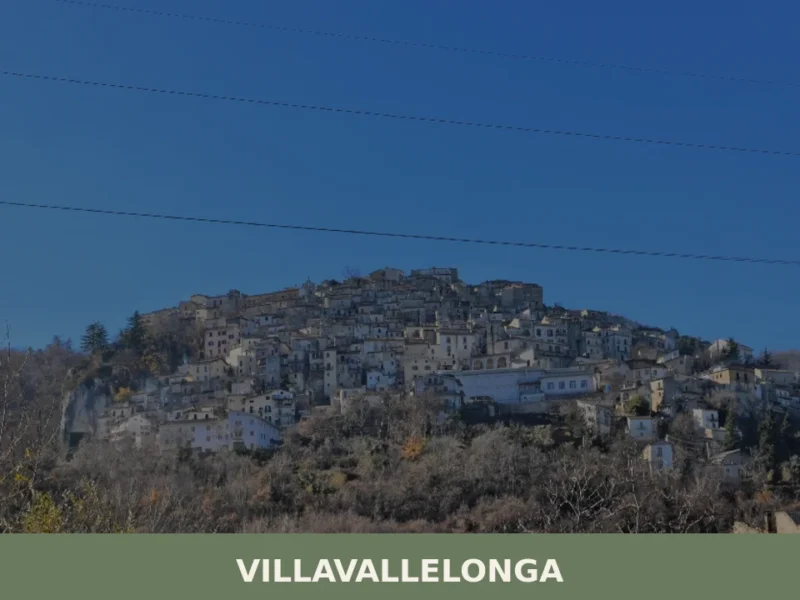
Villavallelonga
Mountain
What to see in Villavallelonga, Italy: explore the national park, botanical garden and 927-inhabitant village of Abruzzo. Discover top attractions and travel tips.

Casalbordino
Hills
 Sea
Sea
What to see in Casalbordino, Italy: a sanctuary dating to 1576, 7.5 km of sand beach, and a nature reserve. Discover top attractions and travel tips.
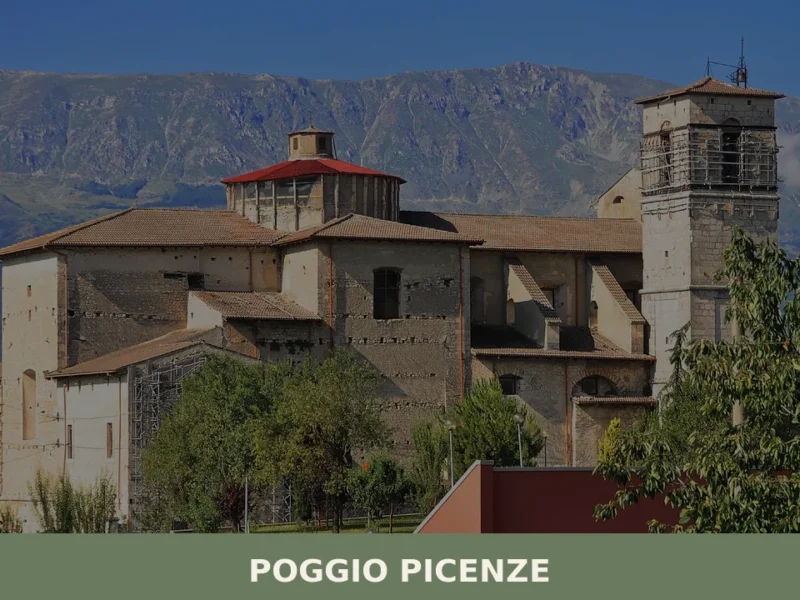
Poggio Picenze
Mountain
What to see in Poggio Picenze, Italy: explore 5 top attractions at 760 m altitude, the Blues festival, and San Felice feast. Discover Abruzzo's limestone village.
Civitella Alfedena
 Lake
Mountain
Lake
Mountain
At 1123 metres above sea level, on the southern slopes of the Abruzzo, Lazio and Molise National Park, Civitella Alfedena is home to just 285 residents — fewer than a single apartment block in Rome — spread along an urban core that retains its medieval defensive layout, complete with stone portals and covered passageways. Asking […]
Ari
Hills
Ari has 1,071 inhabitants spread across a hilly area at 289 metres above sea level, in the strip of land that separates the Teatine coast from the first undulations of the Maiella massif. The municipality, in the province of Chieti, occupies a position that commands a view over the valley corridor of the Dendalo stream, […]
Frisa
Hills
At 237 metres above sea level, on the plain that connects the Chieti hills to the Adriatic coast, Frisa has a current population of 1,620 and a territory dominated by olive groves and arable land. The municipality, in the province of Chieti, retains in its urban layout the marks of an almost total reconstruction following […]






🏡 Know San Valentino in Abruzzo Citeriore better than we do?
If you’re a local or have been there, your knowledge matters: add what’s missing or fix a detail on this page.