


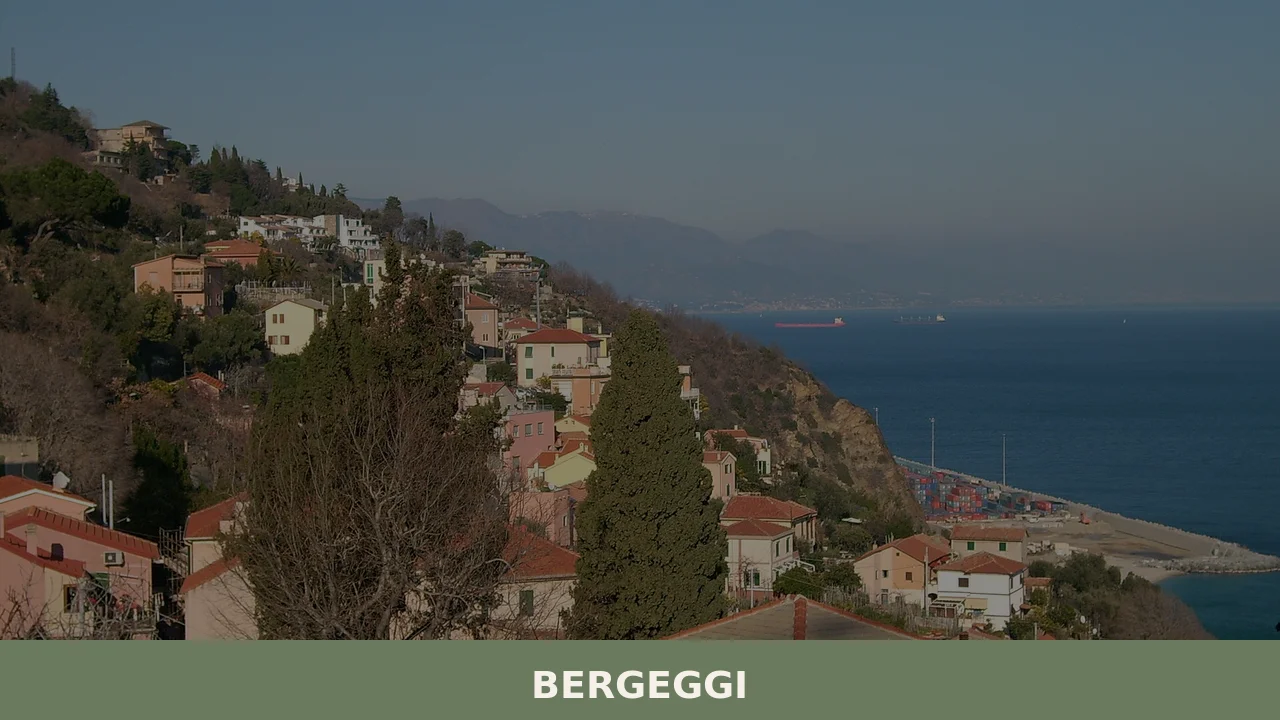
Bergeggi
 Sea
Sea
The limestone bluffs that drop into the Ligurian Sea west of Savona do not ease the traveller in gently. The coastline here is direct: rock, water, and the smell of salt on warm stone. Bergeggi sits at roughly 10 km (6.2 mi) from Savona, at a point where the Via Aurelia, the ancient Roman road […]
Discover Bergeggi
The limestone bluffs that drop into the Ligurian Sea west of Savona do not ease the traveller in gently. The coastline here is direct: rock, water, and the smell of salt on warm stone.
Bergeggi sits at roughly 10 km (6.2 mi) from Savona, at a point where the Via Aurelia, the ancient Roman road that once connected Rome to the northwest, still traces the edge of the cliffs above the water.
The municipality counts 1,117 inhabitants and occupies a stretch of the Riviera di Ponente that keeps one eye on the sea and one on the wooded slopes rising behind it.
For travellers planning what to see in Bergeggi, the answer is structured around a clear geographical logic: a protected marine and terrestrial area that includes an uninhabited island, a stretch of coast accessible largely on foot, and a small historic core positioned above the shoreline. Visitors to Bergeggi find a concentration of natural and historical interest within a compact area, making it a practical base or day-trip destination from Savona, which lies approximately 10 km (6.2 mi) to the northeast along the coast road.
History of Bergeggi
The name Bergeggi derives from the Ligurian form Berzezzi, which reflects the pre-Roman substrate of this stretch of coastline.
The area was inhabited long before the Roman consolidation of Liguria, and the presence of the Via Aurelia along the coastal edge confirms that Roman road engineers recognised the strategic value of this narrow corridor between the hills and the sea. The island visible from the shore, now a protected reserve, functioned in Late Antiquity as a site of Christian anchorite settlement, a documented pattern across the Tyrrhenian and Ligurian coasts during the early medieval period.
Through the medieval centuries, the territory of Bergeggi fell within the broader contest for control of the Ligurian Riviera between Genoa and the Marquisate of Savona.
The municipality is located about 90 km (56 mi) southwest of Genoa, placing it historically within the western zone of Genoese influence while remaining close enough to Savona to be contested. The coastal position made it relevant for maritime traffic and for the small-scale fishing economy that characterised these communities.
The village that exists today retains the outline of a settlement organised around defensive elevation and access to the sea.
By the modern period, Bergeggi had consolidated as a small comune within the Province of Savona, administratively part of the Italian region of Liguria. The twentieth century brought changes to the local economy as tourism along the Riviera di Ponente expanded, shifting the economic base away from fishing and small-scale agriculture toward seasonal visitor services. The establishment of a protected natural area around the island and the adjacent coastal strip formalised the environmental value of the territory that residents had long depended on for subsistence.
Today the municipality maintains its administrative identity within the province, with a registered population of 1,117 inhabitants.
What to see in Bergeggi, Liguria: top attractions
Isola di Bergeggi and the Marine Protected Area
The island sits approximately 300 m (984 ft) offshore, a block of limestone rising from the sea at a point where the water deepens sharply.
Uninhabited in the modern era, it was the site of a Late Antique tower and early Christian settlement. The surrounding waters, along with a section of the adjacent coast, form a protected natural reserve managed by the municipality, covering both the marine environment and the terrestrial cliff zone. Snorkelling and diving in the reserve require a permit from the local authority; the clearest water conditions occur between June and September, when visibility can exceed 15 m (49 ft).
Torre di Bergeggi
The tower that stands on the island’s highest point dates to the medieval period and was constructed as a coastal watchtower, part of a network of defensive structures that ran along the Ligurian coast to signal the approach of vessels. Its walls are built from the local limestone, weathered to a pale grey by centuries of salt wind. From the mainland shore at Bergeggi, the silhouette of the tower is clearly visible against the sky.
Access to the island itself is restricted to protect the reserve, but the tower can be observed closely from a boat; local operators in the area offer guided tours during the summer months.
Grotta Marina di Bergeggi
At sea level, carved into the limestone base of the cliffs near the island, the sea cave known as the Grotta Marina di Bergeggi extends several metres into the rock face.
The cave is accessible by sea kayak or small boat and is notable for the play of light on the water surface inside, a product of the specific orientation of the opening relative to the afternoon sun. The cave has been documented as a site of archaeological interest, with evidence suggesting use during prehistoric periods. Boat trips from the local shoreline pass the cave entrance, and guides active in the reserve area can provide access details on request.
The Coastal Path and the Cliffs
The footpath that follows the cliff edge above the sea gives the clearest account of Bergeggi’s physical character: limestone outcrops, Mediterranean scrub including macchia (dense low shrub of rosemary, cistus, and mastic), and unobstructed views toward Capo Noli to the west.
The path connects sections of the protected area and drops in places toward small coves reachable only on foot. Elevation changes along the coastal section are moderate, with some stretches requiring care on loose rock. The route is most comfortably walked in spring, when the flowering macchia is at its densest, or in autumn, when temperatures drop below 25°C (77°F) and the light is lower and clearer.
The Village Core and the Church
The historic centre of Bergeggi occupies elevated ground above the coast road, with the parish church as its most visible structure.
The church’s façade faces the Ligurian hillside rather than the sea, consistent with a settlement that organised itself around land-based community functions even as the economy looked seaward.
The interior contains documented examples of Ligurian votive painting, a tradition in which fishermen and sailors commissioned small paintings recording miraculous escapes at sea, catalogued in several coastal parishes across the province of Savona. The village streets are narrow, paved with local stone, and rise steeply from the main road, covering a compact area that takes under an hour to walk through systematically.
Local food and typical products of Bergeggi
The culinary tradition of Bergeggi is inseparable from its position on the Ligurian coast. The province of Savona sits within a region where the mountains descend so steeply to the sea that flat agricultural land is limited, which historically pushed both fishing and the cultivation of terraced hillside crops. Olive groves on the Ligurian slopes produce oil with a distinctly grassy, low-acidity profile; basil grown in the coastal microclimate provides the base for the region’s most documented preparation.
The Riviera di Ponente, of which Bergeggi is part, has historically shared culinary influences with the adjacent Piedmontese interior through the mountain passes above Savona.
Fish forms the structural base of the local table.
Bagnun di acciughe, a preparation of fresh anchovies cooked in tomato, olive oil, and onion, is documented across the coast between Savona and the Ligurian border with Genoa; the dish uses anchovies caught close to shore, typically between May and September when the schools move along the coast. Focaccia genovese, the flat olive-oil bread baked in rectangular trays and distinguished by its dimpled surface and high olive-oil content, is present in every bakery along this coast. In Bergeggi and the surrounding area, it is eaten as a morning food, often alongside the local variety of farinata, a thin unleavened pancake made from chickpea flour, olive oil, water, and salt, cooked in a copper pan in a very hot oven and served in wedges while still hot.
The olive oil produced in the province of Savona falls within the broader Ligurian olive oil tradition, characterised by the Taggiasca cultivar, a small olive with a mild, fruity flavour and low bitterness.
While no specific certified designation applies exclusively to Bergeggi, the Taggiasca olive and its oil are fundamental to the local diet and appear in preserved form — cured in brine or in oil — in local markets and small food shops throughout the area.
Travellers passing through villages such as Dolceacqua, further west toward the French border, will find the same olive in different preparations, confirming the continuity of this agricultural tradition across the western Ligurian Riviera.
The best season to find fresh anchovies and seasonal seafood preparations in local restaurants is late spring through early autumn, roughly May to October. Small food markets in the Savona area supply the surrounding municipalities, and several producers of olive oil in the province sell directly to visitors during the harvest period, which typically falls between October and December.
Festivals, events and traditions of Bergeggi
The liturgical calendar structures the public life of Bergeggi as it does in most small Ligurian municipalities.
The parish church observes its patron saint’s feast with a local celebration that includes a religious procession through the village streets, following the pattern common to coastal communities in the province of Savona, where the sea and the protection of those who work on it remain central to communal religious observance.
The procession typically involves the carrying of a sacred image through the historic centre, with participation from both resident families and seasonal visitors present during the summer period.
Summer also brings the informal gatherings associated with the sagra, a traditional local food festival, format that operates across Ligurian municipalities during July and August, centred on communal eating and local produce. In the broader area around Bergeggi, these events focus on fish-based preparations and the products of the local olive groves.
The evening gatherings on the waterfront during summer months follow a pattern well established along this stretch of coast, combining food, local music, and the practical function of drawing together a community that expands significantly in population during the tourist season before contracting again after September.
When to visit Bergeggi, Italy and how to get there
The best time to visit Bergeggi depends on the purpose of the trip.
For swimming and sea-based activities within the marine reserve, July and August offer the warmest water temperatures, typically reaching 26°C (79°F), but also the highest visitor numbers along the entire Riviera di Ponente. Late May, June, and September provide a practical middle ground: water temperatures remain suitable for swimming, the coastal path is walkable without the heat of midsummer, and accommodation in the surrounding area is less pressured. For those interested in the coastal flora, April and May are when the cliff-top macchia is in full growth.
Winter visits are possible and the village remains accessible, but the marine reserve activities and most boat-based tours are suspended between November and March.
Bergeggi is located about 90 km (56 mi) southwest of Genoa, making it reachable from Genoa in approximately one hour by car under normal traffic conditions, and a realistic day trip from that city. From Milan, the distance is approximately 170 km (106 mi), roughly one hour and forty minutes by car via the A26 motorway connecting to the A10 coastal route. Travellers arriving by car should exit at Spotorno on the A10 Autostrada dei Fiori, which places them approximately 3 km (1.9 mi) from Bergeggi.
By rail, the nearest station is Spotorno-Noli, served by regional trains on the Genoa–Ventimiglia line operated by Trenitalia; from the station to the village centre the distance is walkable or covered by local bus connections. The nearest major airport is Genoa Cristoforo Colombo Airport, approximately 80 km (50 mi) to the northeast, from which a car rental or direct train connection to the coastal rail line provides the most direct access.
International visitors should be aware that English is not widely spoken in smaller local shops and that carrying euro cash remains practical for markets, small bars, and parking.
Travellers who want to extend their time along this stretch of coast will find that Castiglione Chiavarese, in the Ligurian hinterland east of Genoa, offers a contrasting experience of the inland Ligurian landscape — a useful point of comparison for those covering more of the region in a single trip.
For a broader understanding of what to see in Bergeggi and its surrounding province, the nearby city of Savona provides useful context: its port history and civic museums document the wider administrative and maritime framework within which small coastal municipalities like Bergeggi developed. Those curious about hill villages further into the Ligurian interior can also consider Mezzanego, in the Val Graveglia northeast of Chiavari, which illustrates how different the Ligurian experience becomes once the coast is left behind.
Frequently asked questions about Bergeggi
What is the best time to visit Bergeggi?
Late spring (May–June) and early autumn (September–October) offer the best conditions: sea water is warm, coastal paths are comfortable to walk, and anchovies are in season at local restaurants. Summer (July–August) is peak season for diving and snorkelling in the marine reserve, with water visibility exceeding 15 m. On 11 November the village celebrates its patron saint San Martino di Tours with a local liturgical feast — a quieter, more authentic moment to visit outside the tourist high season.
What are the historical origins of Bergeggi?
The name Bergeggi derives from the Ligurian form Berzezzi, reflecting a pre-Roman substrate. The Via Aurelia, the ancient Roman coastal road, ran along the cliffs here, confirming early strategic importance. In Late Antiquity the offshore island hosted Christian anchorite settlers, a documented pattern across the Ligurian coast. During the medieval period, the territory was contested between Genoa and the Marquisate of Savona, with its coastal position making it relevant for maritime traffic. The modern comune consolidated within the Province of Savona and shifted toward tourism in the twentieth century.
What to see in Bergeggi? Main monuments and landmarks
The key sites are the Isola di Bergeggi with its medieval Torre di Bergeggi — a limestone coastal watchtower visible from shore and viewable up close by boat via local guided tours — and the parish church in the historic village core, which contains documented Ligurian votive paintings commissioned by fishermen and sailors. The Grotta Marina di Bergeggi, a sea cave accessible by kayak or small boat, is also notable for its archaeological interest and striking interior light. The village streets can be explored on foot in under an hour.
What are the main natural attractions of Bergeggi?
The Riserva Naturale Regionale di Bergeggi protects both the marine environment surrounding the island and the adjacent terrestrial cliff zone. Diving and snorkelling require a permit from the local municipality; the best conditions run from June to September. The coastal footpath along the cliff edge passes through macchia mediterranea — rosemary, cistus, and mastic — with views toward Capo Noli to the west and drops to coves accessible only on foot. Spring brings the densest flowering; autumn offers cooler temperatures and clearer light.
Where to take the best photos in Bergeggi?
The mainland shoreline directly facing the Isola di Bergeggi offers the most iconic view: the limestone island with the silhouette of the medieval tower set against the open Ligurian Sea. The cliff-top coastal path provides elevated vantage points over the protected coves and toward Capo Noli to the west. Late afternoon light, particularly in autumn, enhances contrast on the pale limestone. The interior of the Grotta Marina, reached by small boat, offers striking shots of light playing on the water surface in the cave's afternoon orientation.
Are there churches or historic buildings to visit in Bergeggi?
The parish church in the elevated historic centre is the main ecclesiastical landmark, dedicated to San Martino di Tours, the village patron. Its façade faces the hillside rather than the sea. The interior holds documented examples of Ligurian votive painting — small ex-voto panels commissioned by fishermen and sailors who survived maritime emergencies, a tradition catalogued across multiple parishes in the Province of Savona. On the island, the medieval Torre di Bergeggi stands as the most visible historic structure, though island access is restricted to protect the nature reserve.
What can you do in Bergeggi? Activities and experiences
Bergeggi centres on marine and coastal activities. Snorkelling and diving in the protected reserve are the main draws from June to September (permit required from the municipality). The Grotta Marina can be explored by sea kayak or small boat, with local operators offering guided access. The cliff-top footpath is suited to walking, with the best conditions in spring and autumn. Guided boat tours around the island run in summer. Local restaurants serve fresh anchovies from May to October; olive oil producers in the Province of Savona sell directly during the October–December harvest period.
Who is Bergeggi suitable for?
Bergeggi suits travellers who prioritise natural environment over infrastructure. Divers and snorkellers benefit most from the protected marine reserve. Couples and independent travellers seeking an uncrowded Ligurian coast will find the compact village and protected coves appealing, particularly in spring and early autumn. Hikers comfortable on uneven terrain will enjoy the coastal cliff path. The small village scale and limited commercial facilities make it less suited to families requiring extensive amenities, though it functions well as a day trip from Savona for visitors of all ages.
What to eat in Bergeggi? Local products and specialties
Fresh anchovies are the centrepiece of the local table, best from May to September; bagnun di acciughe — anchovies cooked with tomato, olive oil, and onion — is the signature preparation of this stretch of coast. Focaccia genovese and farinata (a thin chickpea-flour pancake cooked in copper pans) are eaten daily, particularly in the morning. Olive oil from the Taggiasca cultivar, grown on the terraced hillsides of the Province of Savona, is fundamental to the local diet and available in preserved form — cured olives or bottled oil — in local shops and from producers during the October–December harvest.
Nearby Villages near Bergeggi
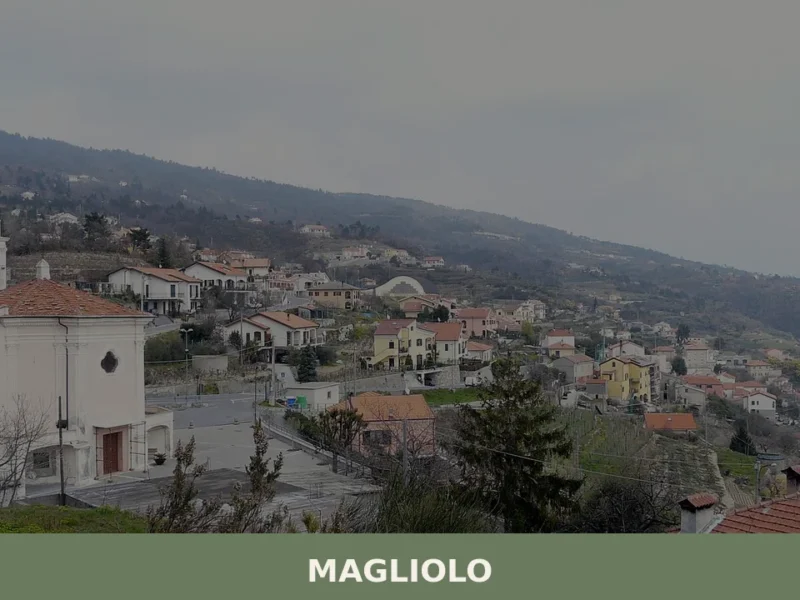
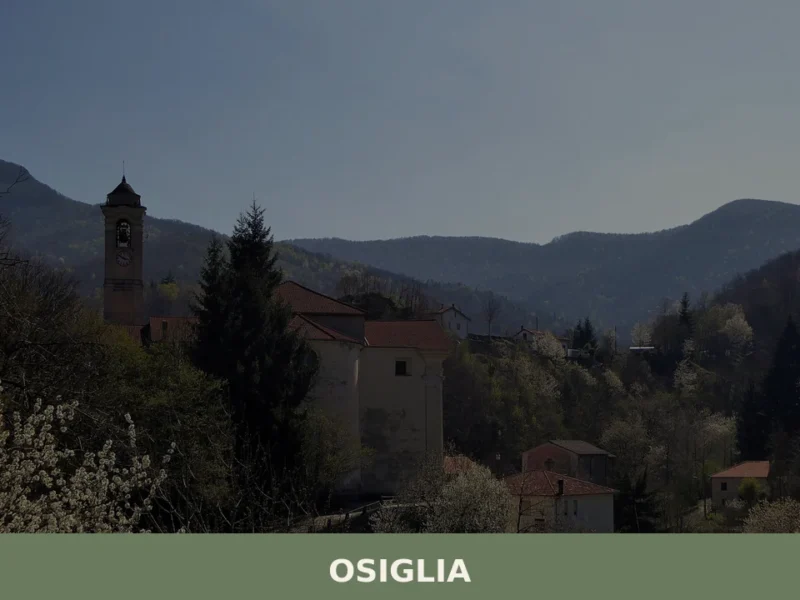
In Liguria More villages to discover
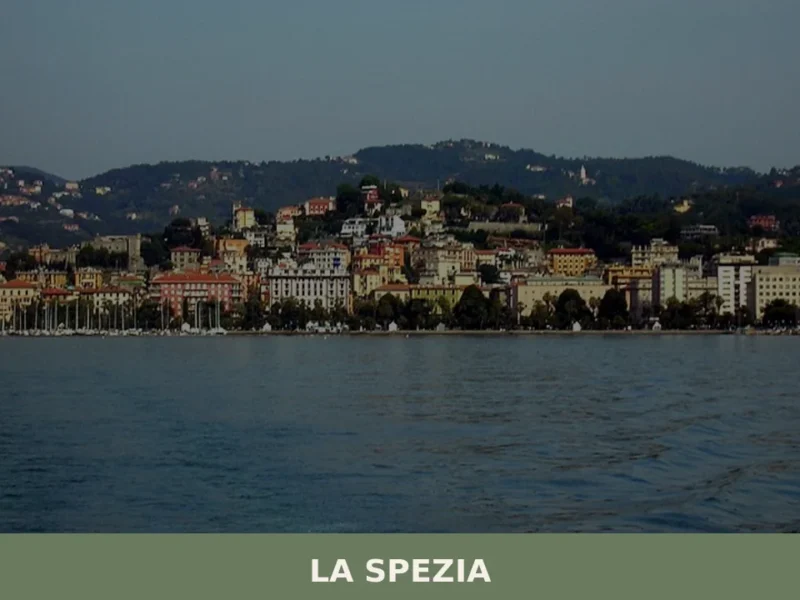
La Spezia
Sea
What to see in La Spezia, Italy: explore the Castle of San Giorgio, 10 museums, the Palio del Golfo and Cinque Terre links. Discover La Spezia's top highlights.
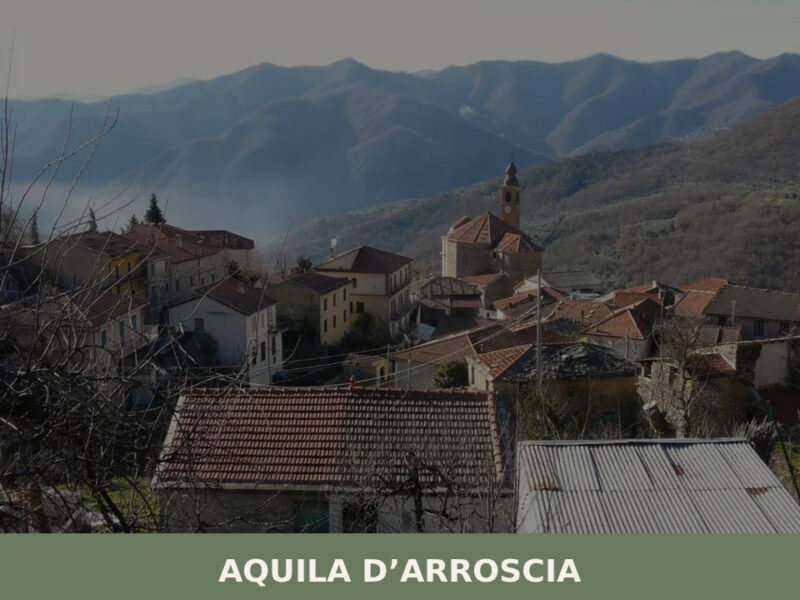
Aquila d’Arroscia
 Mountain
From the heights of the Arroscia Valley, the stone facades and light plasterwork of Aquila d’Arroscia stand out against the intense green of the Mediterranean maquis, dotted with olive groves that trace the slopes. The profile of the parish bell tower, with its slender spire, emerges among the slate roofs, marking the highest point of […]
Giustenice
Sea
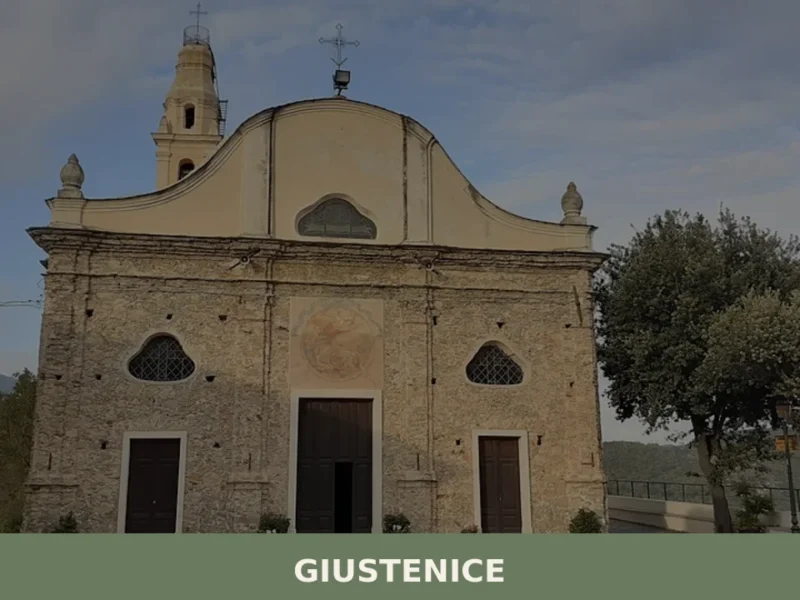
The Scaincio stream cuts through the Maremola Valley floor, and the path that follows it northward from San Lorenzo climbs steadily toward a ridgeline where the elevation crosses 1,200 m (3,937 ft). Above, the bulk of Monte Carmo reaches 1,389 m (4,557 ft), its limestone flanks visible for much of the valley. In this article […]
Pompeiana
Sea
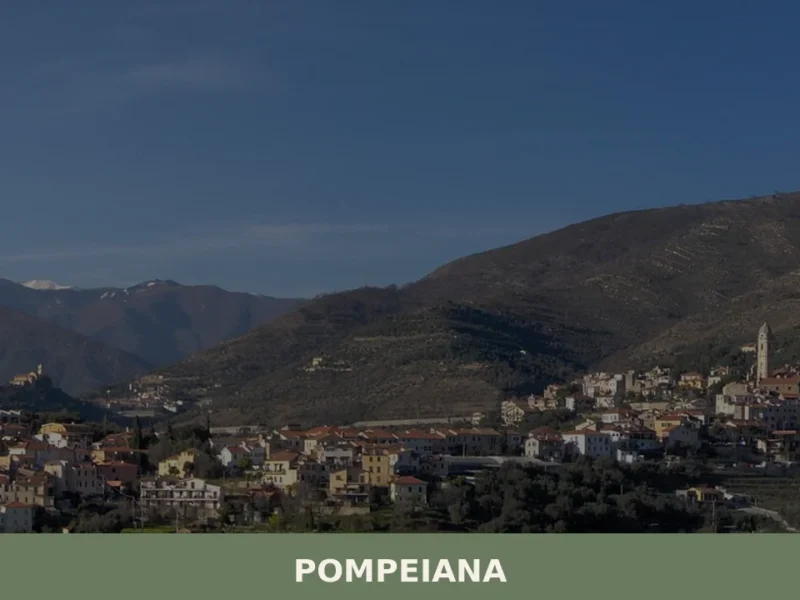
what to see in pompeiana, Italy. Discover this Imperia village of 837 residents, explore its historic center and surrounding olive terraces. Read our guide to Liguria.
Cosseria
Mountain
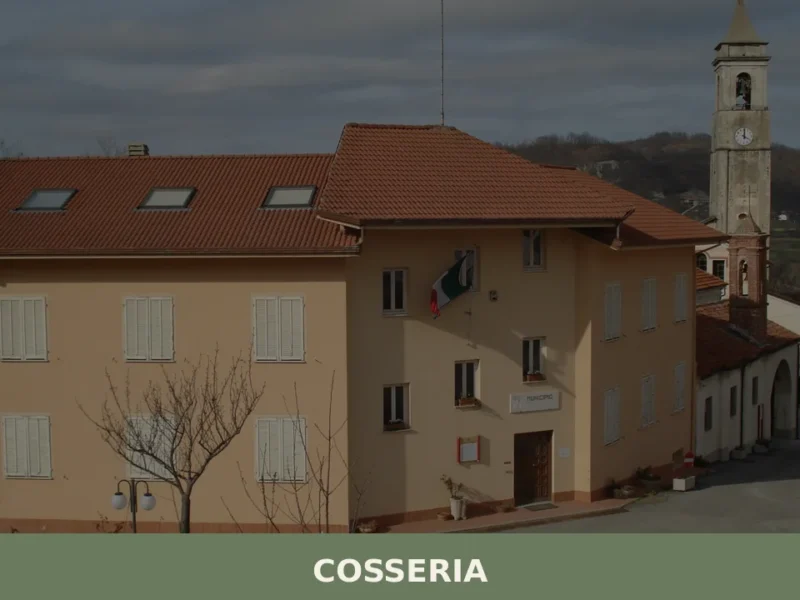
What to see in Cosseria, Liguria, Italy: explore a comune of 1,095 inhabitants near Savona. Discover the 5th Infantry Division history, local food and how to get there.
Nasino
Mountain
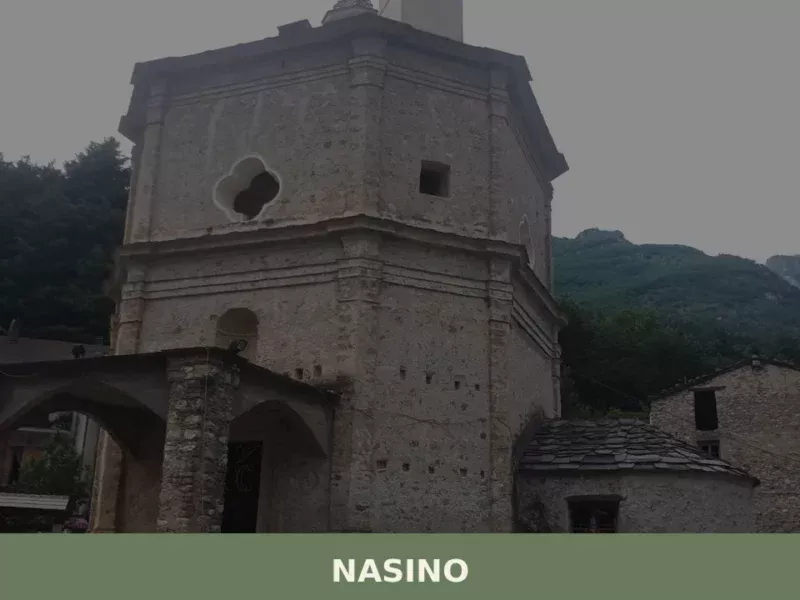
What to see in Nasino, Italy: a village of 212 inhabitants southwest of Savona. Explore its Ligurian character and scenic surroundings. Discover its unique charm.
Pallare
Mountain
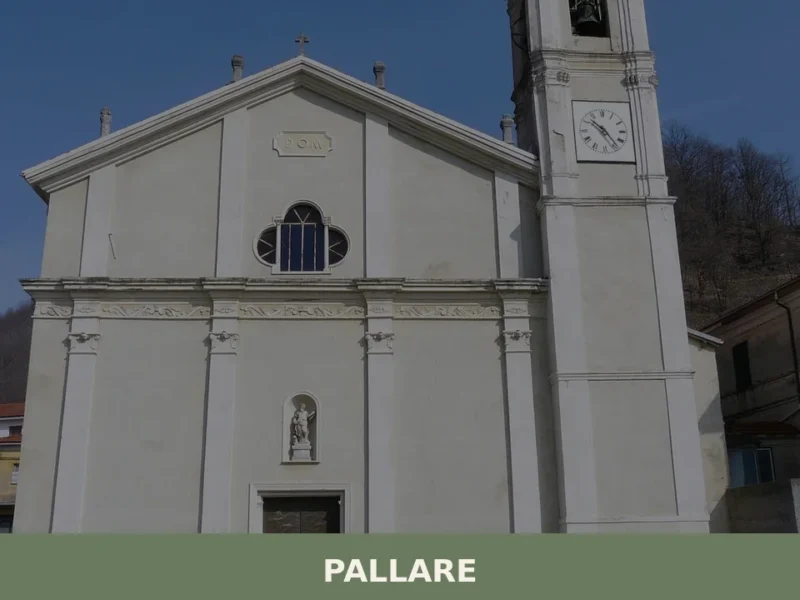
what to see in pallare: Explore this Ligurian comune, 15 km from Savona, Italy. Discover its geographical context and accessibility. Read our guide.
Calizzano
Mountain
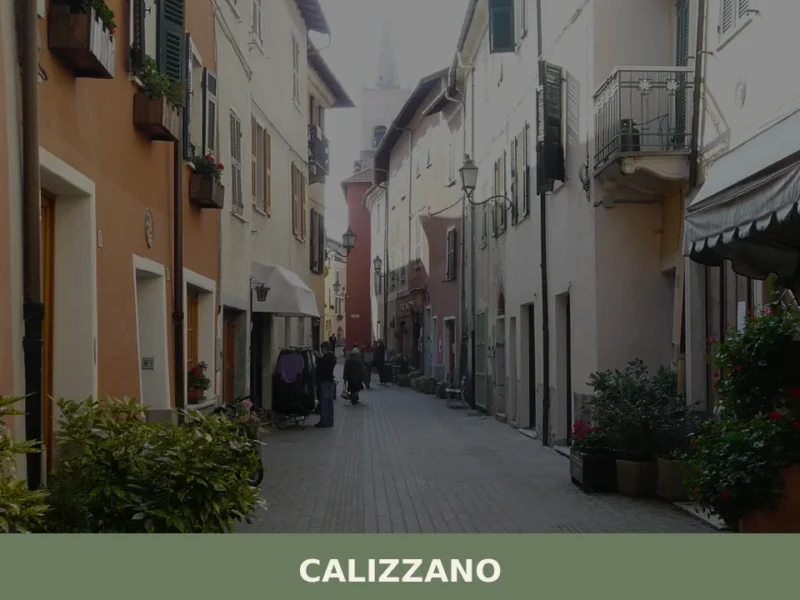
What to see in Calizzano, Liguria, Italy: explore the upper Bormida Valley at 70 km from Genoa. Discover Monte Spinarda, local food and festivals. Read the guide.
Giusvalla
Mountain
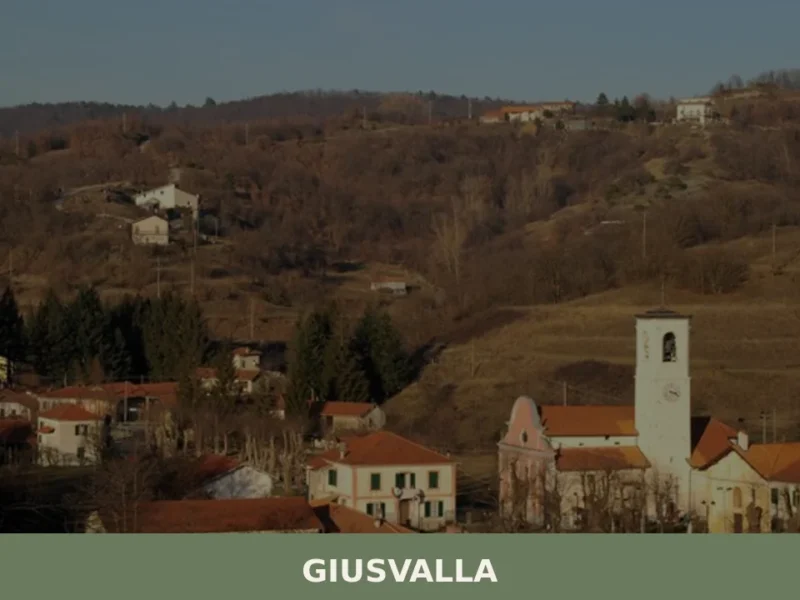
What to see in Giusvalla, Italy: 465 inhabitants, 45 km from Genoa. Discover the Festa Patronale di S. Matteo, Bricco della Croce, and local Ligurian food traditions.
Calice Ligure
 Plains
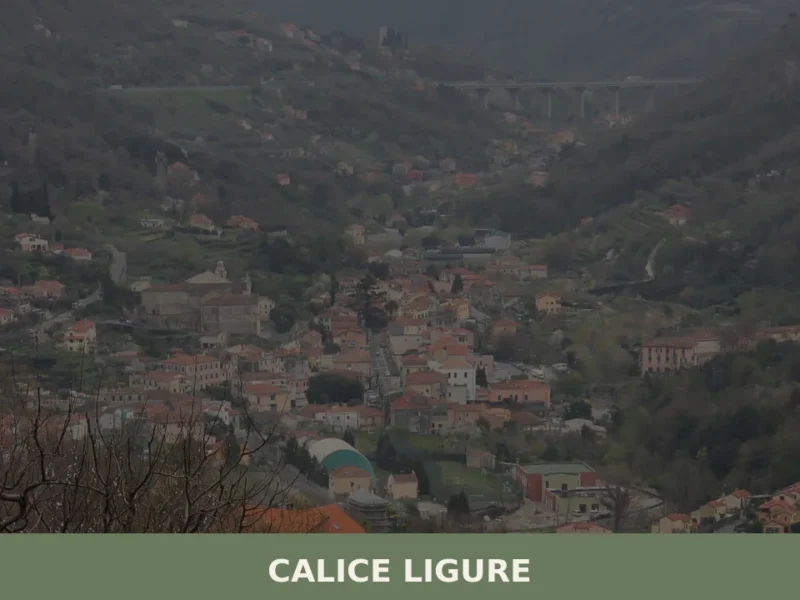
What to see in Calice Ligure, Italy: explore top attractions, local food and how to reach this Savona village of 1,727 people. Discover Liguria's inland.



🏡 Know Bergeggi better than we do?
If you’re a local or have been there, your knowledge matters: add what’s missing or fix a detail on this page.