



Tiglieto
 Mountain
what to see in tiglieto: Explore Tiglieto, Italy, located 52 km (32 mi) from Genoa. Discover the historic Abbey and the Beigua Regional Park.
Discover Tiglieto
In the year 1120, a significant monastic foundation was established in what is now Tiglieto, marking a pivotal moment in Italian religious history.
This event saw the creation of the nation’s first Cistercian monastery, an institution that would later influence the establishment of other prominent abbeys.
The village, situated in the Metropolitan City of Genoa, developed around this early spiritual center, reflecting a deep historical connection to the Cistercian order.
For those wondering what to see in Tiglieto, this Ligurian municipality, located approximately 52 kilometres (32 mi) northwest of Genoa, offers a blend of historical significance and natural beauty. Visitors can explore the ancient Tiglieto Abbey, a foundational site for the Cistercian order in Italy, and experience the expansive landscapes within the Parco naturale regionale del Beigua.
The Tiglieto highlights include its rich monastic heritage and access to protected regional parklands.
History of Tiglieto
The historical trajectory of Tiglieto is anchored firmly in the early medieval period, specifically the year 1120, when it became the site of a profound religious milestone. This date marks the foundation of Tiglieto Abbey, known in Italian as Badia di Tiglieto, which holds the distinction of being the very first Cistercian monastery established on Italian soil. The arrival of the Cistercian order brought with it a disciplined approach to monastic life and agricultural development, shaping the local landscape and culture significantly.
This initial establishment laid the groundwork for the future expansion of the order across the peninsula, demonstrating Tiglieto’s foundational role, much like other historically significant sites found across Italy, from the northern regions such as Campo Tures to the southern island of Sicily.
The influence of Tiglieto Abbey extended well beyond its immediate surroundings, as its monks were instrumental in the proliferation of the Cistercian movement throughout Italy.
From this primary foundation, communities of monks departed to establish new monasteries, notably Staffarda Abbey near Saluzzo and Casanova Abbey. These subsequent foundations underscore Tiglieto’s role as a mother house, disseminating Cistercian architectural styles, agricultural techniques, and spiritual practices across different regions. This period of expansion solidified the abbey’s reputation as a spiritual and cultural hub in medieval Italy.
Today, Tiglieto functions as a comune, or municipality, within the Metropolitan City of Genoa, located in the Italian region of Liguria.
The village’s geographical position, approximately 52 kilometres (32 mi) northwest of the regional capital Genoa, places it amidst a landscape characterized by its proximity to several other municipalities.
These include Campo Ligure, Genoa, Masone, Molare, Ponzone, Rossiglione, Sassello, and Urbe, forming a network of communities in this part of Liguria. The historical significance of the abbey remains a central element of Tiglieto’s identity, connecting its past to its present administrative and cultural landscape, as detailed on the official municipal website.
What to see in Tiglieto, Italy: top attractions
Tiglieto Abbey (Badia di Tiglieto)
The ancient stone walls of Tiglieto Abbey rise from the Ligurian landscape, reflecting its foundational role in Italian monasticism. Established in 1120, it holds the distinction of being the first Cistercian monastery in Italy, a fact that draws visitors interested in medieval history and religious architecture. Standing within its historic grounds, one can appreciate the austere beauty characteristic of the Cistercian order and reflect on its profound influence.
Visiting this site offers a direct connection to a pivotal moment in the region’s spiritual and cultural development, particularly during the milder seasons.
Parco naturale regionale del Beigua
Expansive green vistas and diverse ecosystems characterize the territory of the Parco naturale regionale del Beigua, a significant natural area partly encompassing the municipality of Tiglieto.
This regional natural park, recognized for its geological and biological importance, offers a stark contrast to the historical architecture of the abbey. Visitors can explore a network of trails, observing the unique flora and fauna of the Ligurian Apennines and enjoying panoramic views that extend for many kilometres (miles). Access points to the park are available from various locations around Tiglieto, providing opportunities for hiking and nature observation.
The Ligurian Hinterland Landscape of Tiglieto
The terrain surrounding Tiglieto, situated approximately 52 kilometres (32 mi) northwest of Genoa, presents the characteristic rolling hills and valleys of the Ligurian hinterland.
This geographical setting, away from the coastal bustle, offers visitors a tranquil environment defined by its natural contours and traditional agricultural patterns. Exploring the local roads reveals the interplay of forested areas and cultivated lands, providing insights into the region’s rural character. The elevation of the area, while not specified with an exact altitude in the sources, contributes to varied perspectives across the landscape.
The Cistercian Legacy and Route
Beyond the physical structure of the Abbey, the broader Cistercian legacy forms an intangible yet significant attraction for those exploring Tiglieto’s history.
The fact that monks from this initial 1120 foundation went on to establish Staffarda Abbey near Saluzzo and Casanova Abbey highlights its strategic importance. Understanding this network allows visitors to trace the historical ‘route’ of the Cistercian order, appreciating Tiglieto as a pivotal starting point.
This historical depth enriches the experience, connecting the village to a wider narrative of medieval European monasticism and its spread across Italy, echoing the enduring historical significance found in places like Bomba in Abruzzo, which also preserves centuries of regional heritage.
The Geographical Context and Neighboring Villages
Tiglieto’s geographical position within the Metropolitan City of Genoa, bordering municipalities such as Campo Ligure and Masone, frames its unique regional identity. The village’s location, about 52 kilometres (32 mi) from the bustling port city of Genoa, places it in a distinct area where historical routes and local communities intersect.
Visitors can observe the transition in landscape and settlement patterns as they travel through the area, understanding Tiglieto’s place within this network of Ligurian villages.
This perspective offers a broader appreciation of the region’s diverse topography and communal structure, a characteristic shared with other Italian regions where villages like Caltanissetta in Sicily serve as regional hubs amidst varied landscapes.
Local food and typical products of Tiglieto
The culinary landscape of Tiglieto, like many smaller Italian villages, is inherently tied to its regional context within Liguria. While the region as a whole boasts a celebrated gastronomic tradition, characterized by fresh Mediterranean ingredients and robust flavors, the provided historical and geographical sources do not offer specific details regarding unique local food products or traditional dishes directly associated with Tiglieto itself.
This absence of documented culinary specialties means that visitors will not find mentions of particular Tiglieto-branded items or recipes passed down through generations within the available information.
Furthermore, there is no verifiable information concerning certified products such as DOP (Denominazione di Origine Protetta), IGP (Indicazione Geografica Protetta), or other recognized designations for Tiglieto.
These certifications typically highlight specific agricultural or food products with strong ties to a defined geographical area and traditional production methods. Without such documentation, it is not possible to identify any distinct cheeses, cured meats, olive oils, or other foodstuffs that are officially recognized as originating solely from Tiglieto or its immediate vicinity.
This does not preclude the presence of general Ligurian products in the area, but their specific connection to Tiglieto is not affirmed by the sources.
While specific Tiglieto food facts are not available, visitors to the municipality and its surrounding areas would encounter the broader Ligurian culinary offerings. These often include dishes featuring pesto, focaccia, fresh seafood, and various vegetable-based preparations, reflecting the region’s diverse geography from coast to mountains. However, without specific mention in the sources, it is not possible to describe concrete ingredients, textures, or techniques that are unique to Tiglieto.
Travelers interested in local gastronomy are encouraged to explore the culinary traditions of the wider Metropolitan City of Genoa area.
Festivals, events and traditions of Tiglieto
Regarding local festivals, events, and traditions in Tiglieto, the provided authoritative sources do not offer specific details or documented occurrences.
There is no mention of a patron saint festival with an exact date, nor descriptions of how such events might unfold with processions, rituals, music, or fireworks. This means that information on unique cultural celebrations, historical reenactments, or seasonal gatherings specific to the municipality of Tiglieto is not available through the given materials. The absence of data prevents the detailing of any distinct local customs or annual festivities.
Similarly, the sources do not confirm the existence of documented food fairs (sagre) with specific months of occurrence, or any other verified traditions that are regularly celebrated in Tiglieto. While many Italian villages have rich calendars of events tied to agricultural cycles, religious holidays, or historical anniversaries, no such information has been provided for this Ligurian municipality. Therefore, it is not possible to describe any unique local practices, community gatherings, or traditional celebrations that visitors might experience during their stay in Tiglieto.
The cultural calendar remains undocumented in the available data.
When to visit Tiglieto, Italy and how to get there
The best time to visit Tiglieto, Italy, generally aligns with the milder seasons, specifically spring (April to June) and early autumn (September to October).
During these months, the Ligurian climate offers pleasant temperatures, making it ideal for exploring the historic Tiglieto Abbey and enjoying the natural landscapes of the Parco naturale regionale del Beigua. Summer can be warm, particularly in July and August, while winters are typically cool and potentially rainy, which might limit outdoor activities. Visitors seeking comfortable conditions for walking and sightseeing will find the shoulder seasons most suitable for their travel plans.
For visitors pondering what to see in Tiglieto beyond the main historical sites, the overall natural environment offers much to discover.
For those planning a day trip from nearest major city hubs, Tiglieto is accessible primarily by road. The village is located approximately 52 kilometres (32 mi) northwest of Genoa, the capital of the Metropolitan City. If arriving by car, the most straightforward route involves taking the A26 motorway (Autostrada dei Trafori) and exiting at a suitable interchange, though specific exit recommendations are not provided in the sources.
From Genoa, the drive typically takes around 1 hour to 1 hour and 15 minutes, depending on traffic, making it a feasible destination for a single-day excursion into the Ligurian hinterland. When planning an itinerary for Liguria, visitors often ask what to see in Tiglieto to make the most of their experience.
The village’s unique position offers tranquil exploration.
While direct train services to Tiglieto are not available, visitors relying on public transport would typically arrive at Genoa’s main railway stations, such as Genova Piazza Principe or Genova Brignole, and then proceed by bus or rental car. The nearest major airport is Genoa Cristoforo Colombo Airport (GOA), situated near Genoa, from which travellers can rent a car for the onward journey to Tiglieto, Liguria, Italy.
For international visitors, it is advisable to carry some Euros cash for smaller purchases in local establishments, as card payments may not always be universally accepted in smaller villages, and English may be limited. When planning longer Italian itineraries, visitors often combine trips to northern regions with explorations of southern Italy, considering destinations such as Poggioreale in Sicily for a diverse cultural experience.
Frequently asked questions about Tiglieto
What is the best time to visit Tiglieto?
The best time to visit Tiglieto is spring (April–June) and early autumn (September–October), when temperatures are mild and ideal for exploring Tiglieto Abbey and the trails of the Parco naturale regionale del Beigua. Summer is also pleasant at 500 metres elevation, cooler than the Ligurian coast. The most significant date on the local calendar is 15 August, the feast of the Assunzione di Maria, Tiglieto's patron celebration, which falls during the peak summer season.
What are the historical origins of Tiglieto?
Tiglieto's history is rooted in 1120, when the first Cistercian monastery in Italy — Tiglieto Abbey (Badia di Tiglieto) — was founded here. This establishment made the village a pivotal centre of medieval monasticism. Monks from Tiglieto went on to found Staffarda Abbey near Saluzzo and Casanova Abbey, confirming the village's role as a mother house of the Cistercian order in Italy. The entire settlement developed around this early spiritual and agricultural centre.
What to see in Tiglieto? Main monuments and landmarks
The unmissable site is Tiglieto Abbey (Badia di Tiglieto), founded in 1120 and recognised as the first Cistercian monastery established on Italian soil. Its austere Cistercian architecture and medieval stonework make it a remarkable landmark. The village is also part of the Parco naturale regionale del Beigua, a UNESCO-recognised geopark offering scenic Ligurian Apennine landscapes. For updated opening hours and access conditions to the abbey, it is advisable to check with the municipal office or local tourist contacts before visiting.
What are the main natural or scenic attractions of Tiglieto?
Tiglieto falls within the Parco naturale regionale del Beigua, a large regional natural park and UNESCO Global Geopark that covers part of the Ligurian Apennines. The park offers hiking trails, diverse flora and fauna, and panoramic views across the hills northwest of Genoa. Situated at 500 metres altitude, the municipality is surrounded by forested slopes and valleys typical of the Ligurian hinterland, making it an appealing destination for nature walks and outdoor exploration away from the Riviera coast.
What to see in Tiglieto? Museums, churches and historic buildings
The principal historic building in Tiglieto is the Abbey (Badia di Tiglieto), founded in 1120 as Italy's first Cistercian monastery. Its architectural character reflects the order's hallmark austerity and has influenced subsequent abbeys across northern Italy, including Staffarda and Casanova. The abbey represents both a religious monument and an architectural document of early medieval Cistercian building traditions in Liguria. Visitors with an interest in Romanesque and early medieval religious architecture will find it the defining cultural heritage site of the village.
What can you do in Tiglieto? Activities and experiences
Tiglieto offers hiking and nature walks within the Parco naturale regionale del Beigua, which surrounds the municipality and provides trails through the Ligurian Apennine landscape. Cultural visits to the 12th-century Cistercian abbey are a central activity for history enthusiasts. The tranquil hinterland setting, at 500 metres altitude and roughly 52 kilometres from Genoa, also suits slow tourism: scenic drives through neighbouring villages such as Masone, Campo Ligure, Rossiglione and Sassello complement a stay in Tiglieto.
Who is Tiglieto suitable for? Families, couples, hikers, solo travelers?
Tiglieto is particularly well suited to history enthusiasts drawn by the first Cistercian monastery in Italy, and to hikers and nature lovers who appreciate the trails and landscapes of the Parco naturale regionale del Beigua. Couples seeking a quiet, authentic Ligurian hinterland escape will find the village's peaceful atmosphere appealing. It is less oriented toward families seeking entertainment infrastructure or beach tourism, but works well as a cultural and outdoor day trip from Genoa or as part of a broader Ligurian Apennine itinerary.
📷 Photo Gallery — Tiglieto
Getting there
Piazza Martiri Per La Libertà, 16010 Tiglieto (GE)
Nearby Villages near Tiglieto

In Liguria More villages to discover
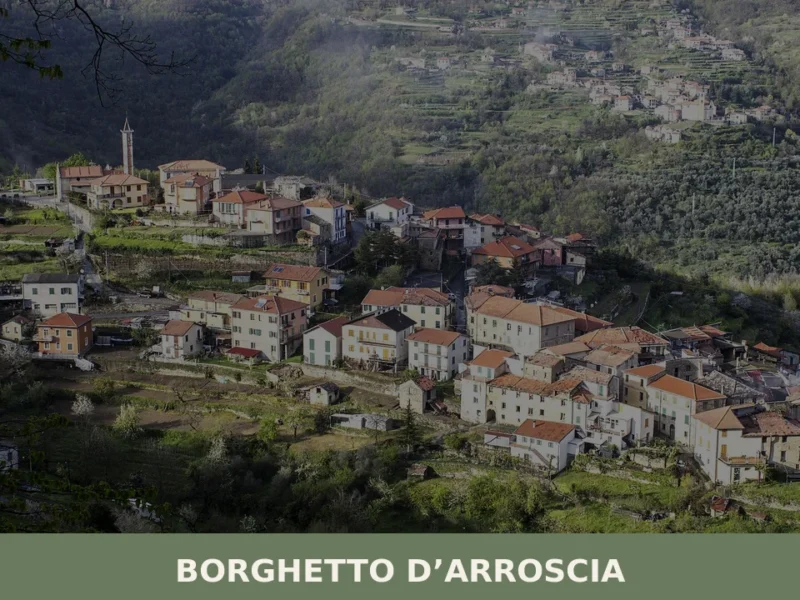
Borghetto d’Arroscia
 Plains
Along the banks of the Arroscia river, amidst centuries-old olive groves and cultivated terraces, lies the territory of Borghetto d’Arroscia, a scattered municipality in the province of Imperia. Its hamlets, such as Gavenola and Bastia, preserve the appearance of small Ligurian settlements, characterized by stone buildings and narrow streets that follow the contours of the […]
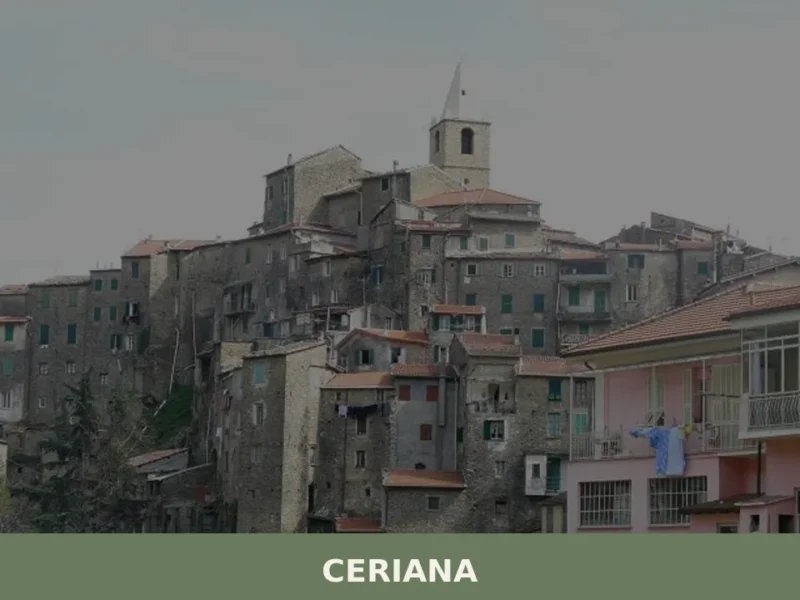
Ceriana: A Ligurian Hill Village Guide
 Hills
Hills
What to see in Ceriana, Italy: Explore this Ligurian village at 369 m (1,211 ft) altitude. Discover historical sites and lively festivals. Read our guide.
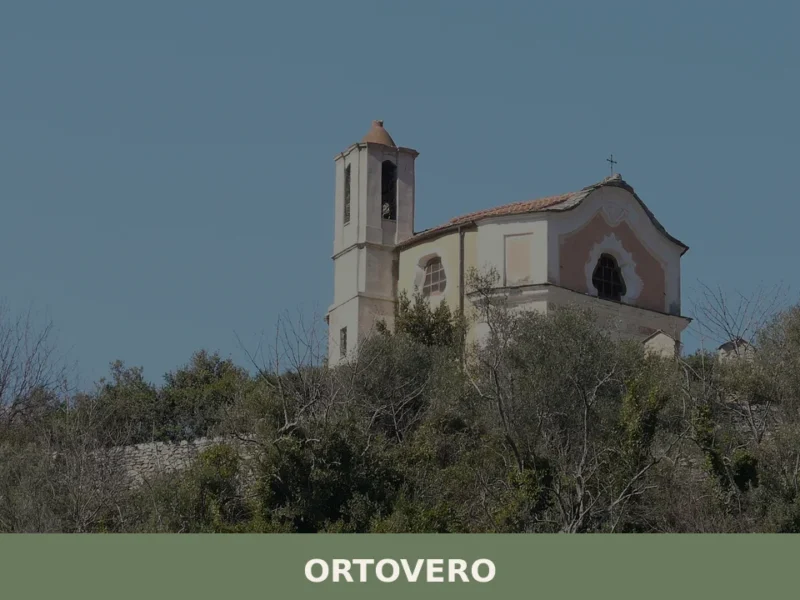
Ortovero
Hills
what to see in ortovero: Explore Italy's Ligurian coast. Located 40 km (25 mi) from Savona, discover historic Ligurian architecture and regional culinary traditions. Read on for travel tips.

Imperia
 Sea
Sea
What to see in Imperia: dual city rising to 534 m in Liguria. Explore the Parasio, the free Olive Museum and sardenaira. Plan your visit now.
Vessalico
Plains
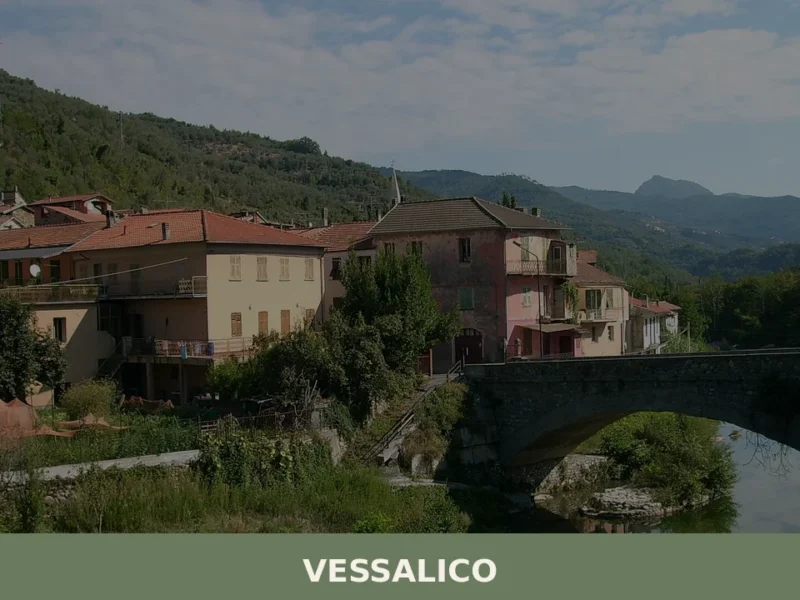
what to see in vessalico, Italy: Explore this Ligurian village at 197m. Discover its history and the patron saint festival on July 22. Read more.
Crocefieschi
Mountain
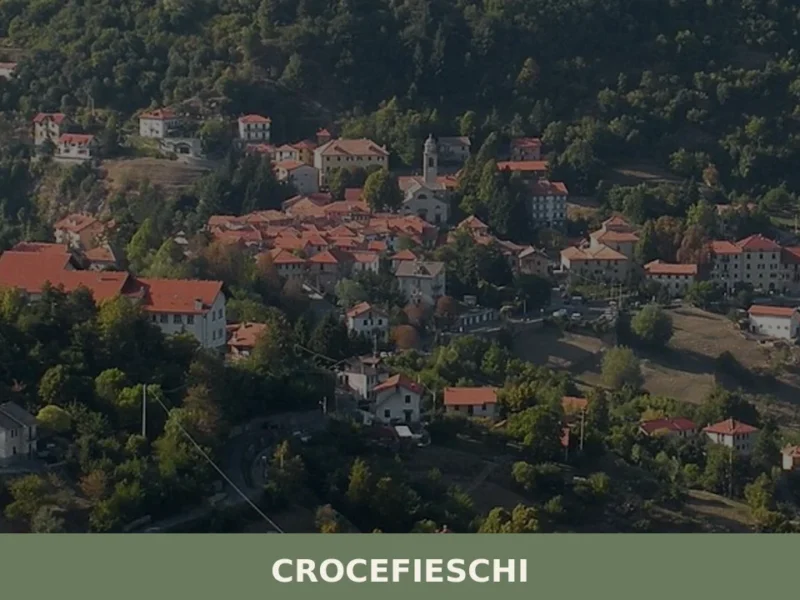
At 742 meters above sea level, in the heart of the Ligurian Apennines, lies Crocefieschi, a municipality in the province of Genoa with 518 inhabitants. Its geographical position makes it a reference point for those seeking significant altitudes in the Genoese hinterland, away from coastal dynamics. The village’s name, according to tradition, is said to […]
Bergeggi
Sea
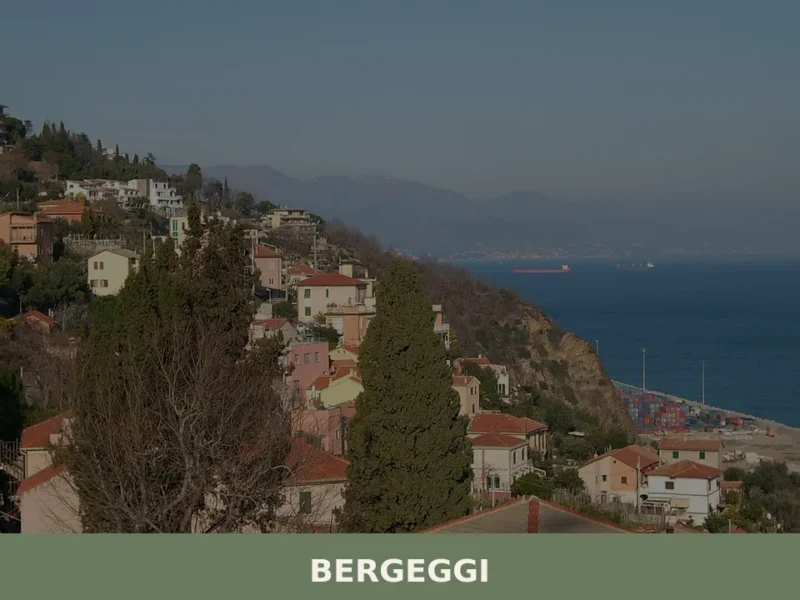
The limestone bluffs that drop into the Ligurian Sea west of Savona do not ease the traveller in gently. The coastline here is direct: rock, water, and the smell of salt on warm stone. Bergeggi sits at roughly 10 km (6.2 mi) from Savona, at a point where the Via Aurelia, the ancient Roman road […]
Calice Ligure
Plains
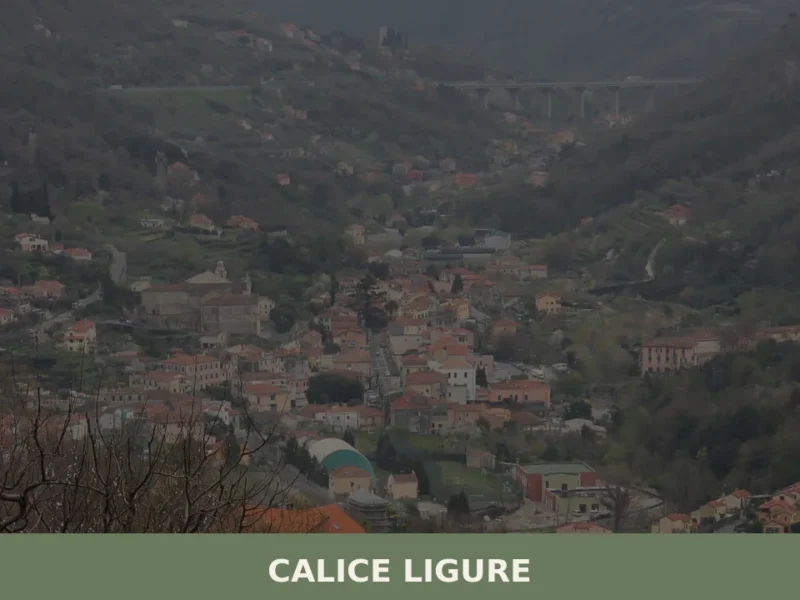
What to see in Calice Ligure, Italy: explore top attractions, local food and how to reach this Savona village of 1,727 people. Discover Liguria's inland.

Plodio
Mountain
What to see in Plodio, Liguria, Italy: explore Val Bormida, Col di Cadibona and local traditions in a village of 640 inhabitants. Discover the full travel guide.
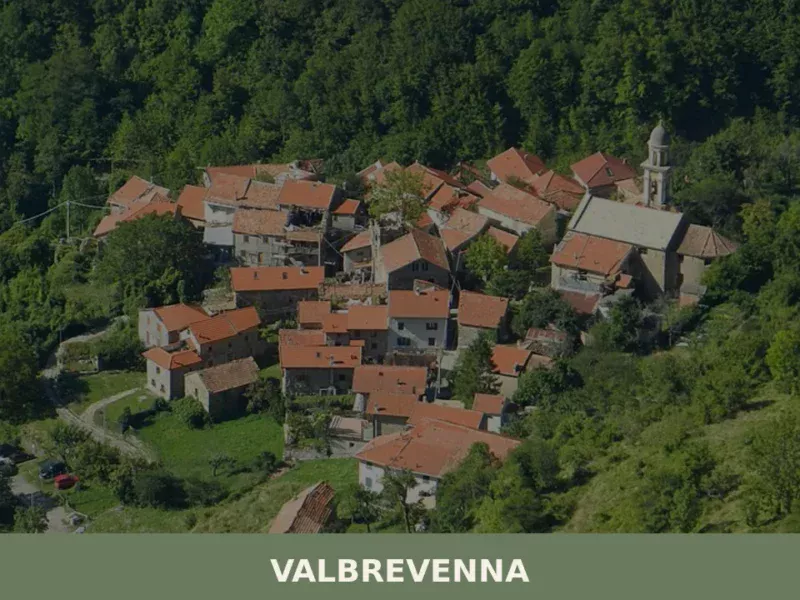
Valbrevenna
Mountain
what to see in valbrevenna, Italy: Explore the Ligurian Apennines. With 817 inhabitants, discover hiking in Antola Park and traditional hamlets. Read our guide.






🏡 Know Tiglieto better than we do?
If you’re a local or have been there, your knowledge matters: add what’s missing or fix a detail on this page.