


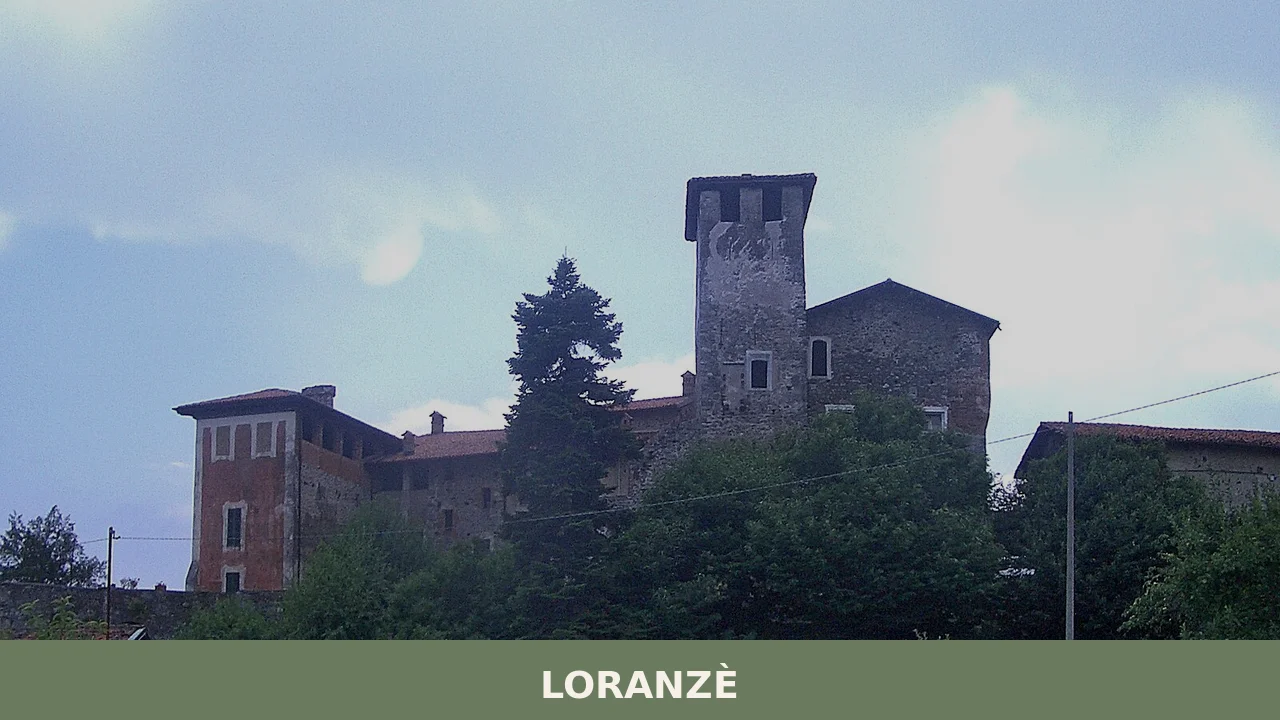
Loranzè
 Plains
Home to around 1,200 residents, Loranzè draws visitors with its 11th-century Castel Rosso and a documented medieval lineage tied to the counts of San Martino.
Loranzè: A Canavese Village Between Castle Walls and Hilltop Vines
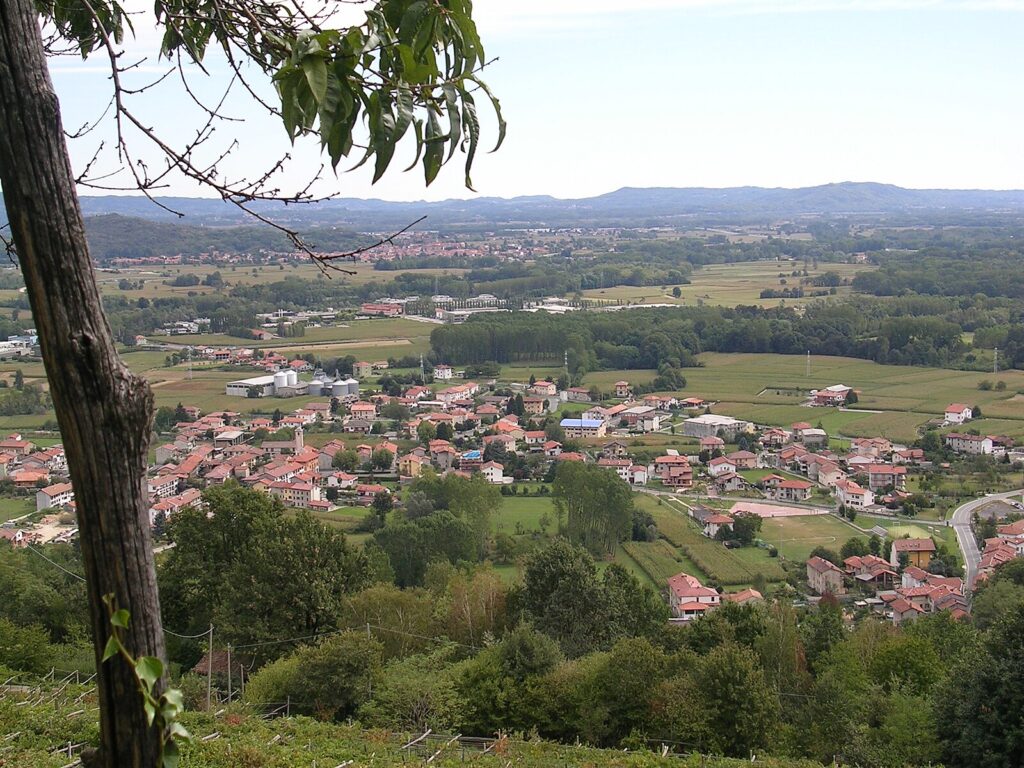
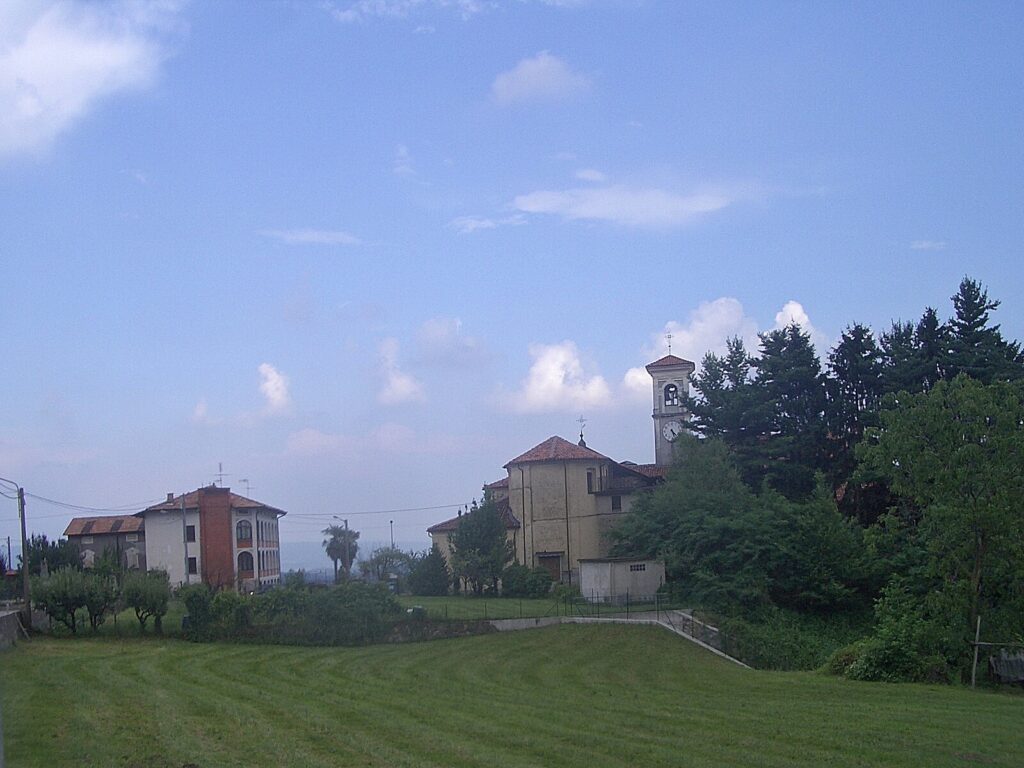
Loranzè stands on a gentle hill in the Canavese area of the Turin metropolitan territory, approximately 40 kilometres north of the city, where the land shifts between cultivated slopes and compact stone settlements. The village carries its compact layout with quiet confidence: a medieval castle silhouette, a parish church, a cluster of houses that follow the contour of the hill rather than any modern grid.
Loranzè village in Piedmont draws two kinds of visitor: those interested in the surviving traces of medieval lordship visible in Castel Rosso, and those who use the Canavese hills as a base for exploring the broader arc of small communes that share this corner of the Turin province. With around 1,213 residents and a surface area of just over four square kilometres, it is a place where scale itself becomes meaningful.
From the Lords of Lorenzato to the Republic: A Village That Reclaimed Itself
The earliest documented reference to this settlement comes from the fourteenth-century Canavese chronicler Pietro Azario, who recorded the place under the Latin names Laurenciacum and Lorenzato. In his account, the territory belonged to the consortile family known as the Lorenzato, a branch of the counts of San Martino, who held the castle then called Castrum Lorenzate. This medieval record anchors the village within the complex web of noble families who divided the Canavese between competing claims and alliances throughout the late medieval period.
Centuries later, during the Fascist era, Loranzè lost its administrative independence entirely. A royal decree dated 28 February 1929 merged it with Colleretto Giacosa, Parella, Quagliuzzo and Strambinello into a single municipality named Pedanea. The arrangement erased the individual identities of five distinct communities for nearly two decades. On 23 August 1947, shortly after the end of the Second World War, all five communes recovered their separate status. That act of administrative restoration is still part of local memory, a moment when the village reasserted a continuity that the merger had interrupted.
The coat of arms granted to Loranzè by presidential decree on 6 April 1987 divides its shield into three fields: a golden maize cob on green, a black bunch of grapes on silver, and a red castle on blue — agriculture, viticulture and the fortress, the three pillars of local identity condensed into heraldry.
The coat of arms and standard, formally recognised by decree of the President of the Republic on 6 April 1987, translate this layered identity into visual form. The three fields of the shield speak directly to what shaped the village: the land, the vine and the fortified residence of its medieval lords.
The Places That Define Loranzè
Castel Rosso
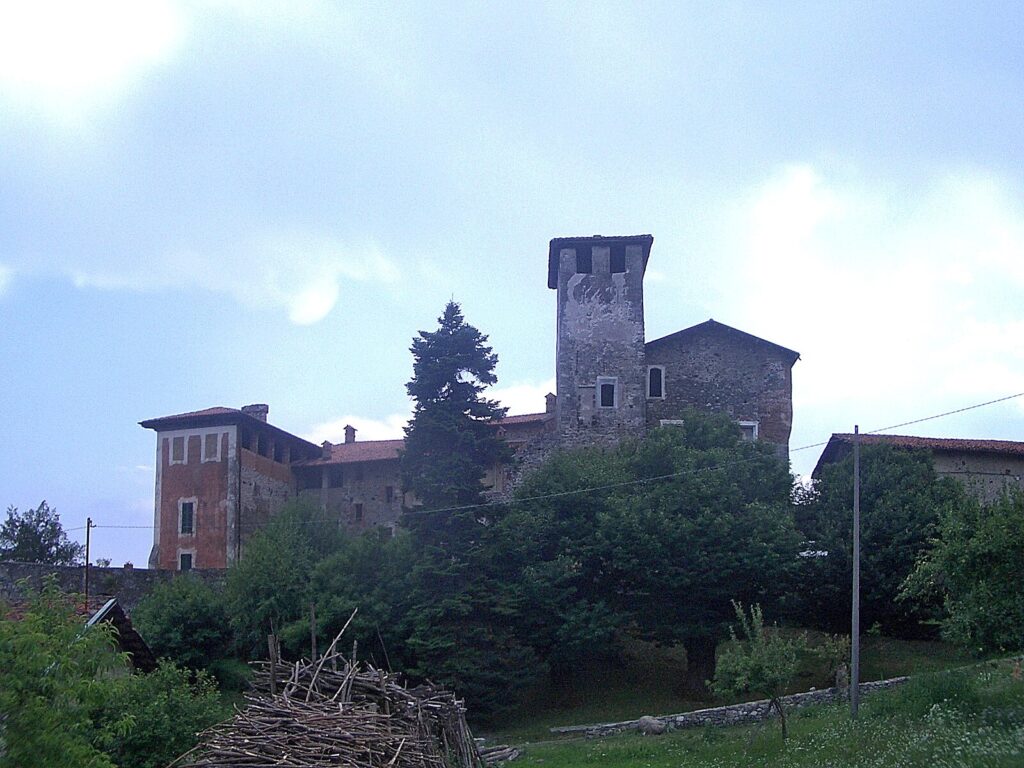
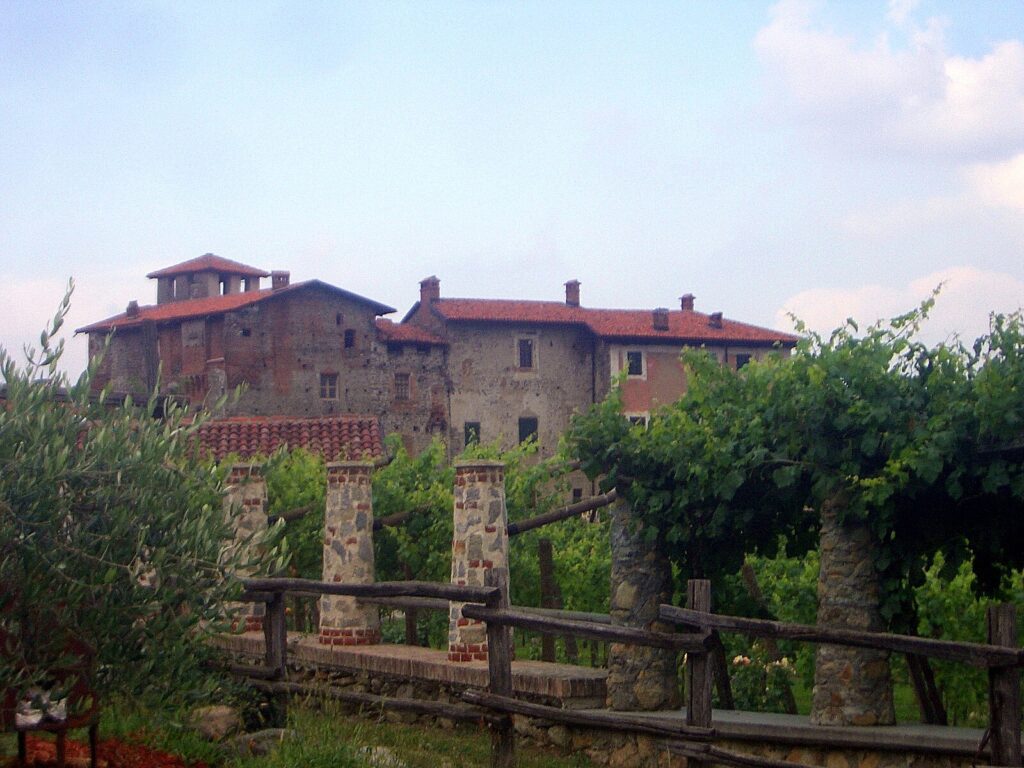
Castel Rosso is the most visible landmark on the Loranzè skyline. The structure carries the name that local usage has given it for generations, and its reddish stone gives an immediate visual explanation for that name. It stands as a direct physical link to the period when the Lorenzato lords governed this hill, though the castle has evolved across many subsequent centuries. Visitors approaching from the lower road get the clearest view of its mass against the sky.
Chiesa Parrocchiale di San Lorenzo Martire
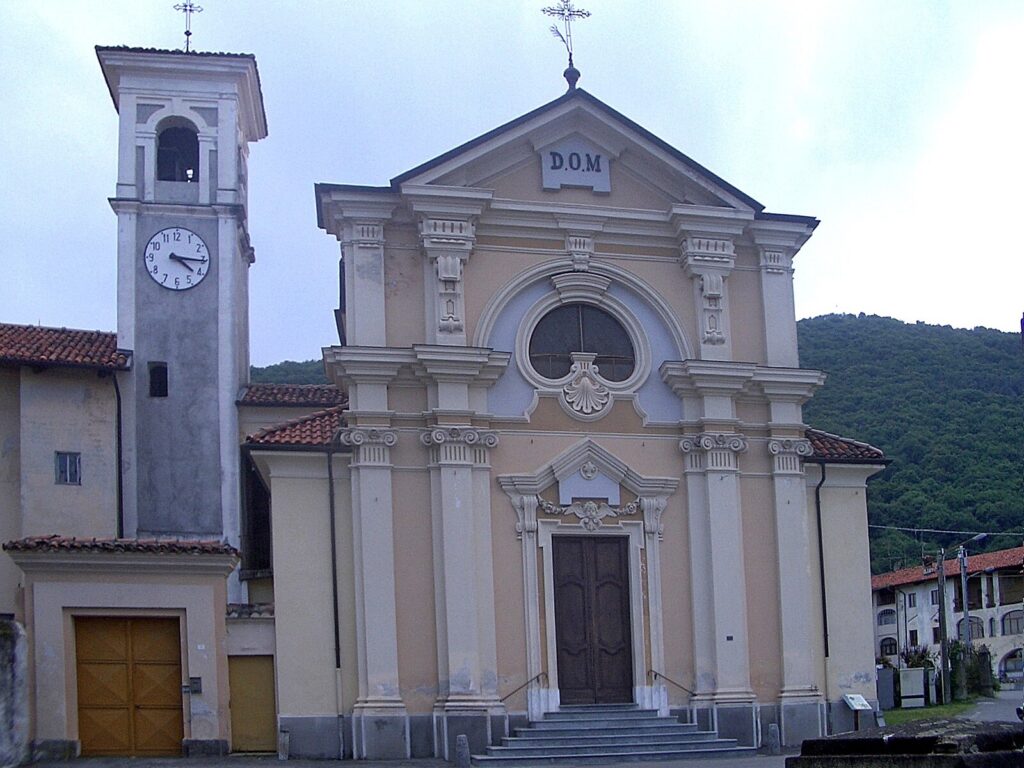
The parish church dedicated to San Lorenzo Martire serves as the spiritual and architectural centre of the village. Its placement within the settled core of Loranzè makes it a natural gathering point, and its dedication to San Lorenzo reflects a medieval religious tradition common across this part of the Canavese. The interior deserves a measured visit rather than a quick glance from the doorway; the proportions of a small Piedmontese parish church reward attention to detail in the carved furnishings and the light through the side windows.
Chiesa di San Firmino
Work on the church dedicated to San Firmino began in 1897, giving it a late nineteenth-century character that sets it clearly apart from the older parish fabric of the village. San Firmino is also the patron saint of Loranzè, and this church carries a particular devotional significance for the community. The building represents a period of local investment in religious architecture during the decades when the village was still a fully autonomous commune, before the mid-twentieth-century administrative mergers reshaped the area.
Cappella di San Rocco
The small chapel dedicated to San Rocco belongs to a widespread tradition of wayside and village oratories found across the Piedmontese countryside. San Rocco was invoked historically as a protector against plague and epidemic illness, and chapels bearing his dedication often mark either an older route through the territory or a site of particular communal memory. In Loranzè, the chapel adds a devotional layer to the built landscape that complements the two larger churches.
Canavese on the Table: Agricultural Roots and Regional Wines
The Canavese hills around Loranzè have long supported both cereal cultivation and viticulture, as the village’s own coat of arms makes plain with its maize cob and grape cluster. The wider area belongs to the production zone of Erbaluce di Caluso DOCG, a white wine with a sharp mineral character that has earned recognition beyond the region. The Canavese DOC designation also covers the territory, offering a range of styles from the local grape varieties. These are wines of the broader zone rather than exclusively of Loranzè, but they are the natural accompaniment to any meal taken in the area.
Among the traditional products associated with this part of the Turin province, the nocciolino di Chivasso and the aromatic ratafià liqueur appear in lists of Piedmontese specialities with roots in the Canavese. As with the wines, these belong to a territorial tradition rather than to Loranzè alone, but they give texture to a food culture that rewards exploration across the neighbouring villages.
Planning a Visit to Loranzè and the Surrounding Area
Loranzè sits within comfortable reach of Turin by road, making it a realistic destination for a day trip from the city or a base for a slower exploration of the Canavese. The hill terrain is gentle enough to walk without specialist equipment, and the village itself is compact enough to cover on foot in under an hour. Spring and early autumn offer the most agreeable conditions: the light is clear, the vines are either in leaf or in harvest, and the roads are quieter than in the summer peak.
Visitors travelling with a broader interest in the area will find natural connections to neighbouring communes. The village of Parella is one of the five communities that shared the enforced Pedanea union with Loranzè between 1929 and 1947, making it an interesting companion stop for anyone tracing that particular administrative history. Further into the hills, Alice Superiore and Pecco offer additional examples of small Canavese settlements with their own distinct characters. Closer to the valley floor, Banchette and Perosa Canavese round out a circuit that can be completed over a weekend without retracing the same roads.
If you arrive by car from Turin, the most direct route follows the roads through Ivrea, itself a significant Canavese centre with services, markets and transport connections. Accommodation options in Loranzè itself are limited given the village’s size, so most visitors base themselves in Ivrea or one of the larger surrounding towns and use the village as a half-day destination.
| Departure | Distance | Time |
|---|---|---|
| Turin (Torino) | approximately 40 km | around 45 minutes by car |
| Ivrea | approximately 10 km | around 15 minutes by car |
| Milan (Milano) | approximately 110 km | around 90 minutes by car |
Frequently asked questions about Loranzè
How do I reach Loranzè from Turin by car?
Loranzè is located approximately 30 kilometres north of Turin in the Canavese area. From the city centre, take the SS26 road heading towards Ivrea, or use the A5 motorway (Turin–Aosta) and exit towards Canavese. The journey takes roughly 45 minutes depending on traffic. The village is well signposted once you enter the Canavese region. Parking is available in the village centre near the parish church and castle area.
What is the best time to visit Loranzè?
Spring (April–May) and autumn (September–October) offer pleasant weather for exploring the medieval village and surrounding Canavese hills. The patron saint San Firmino is celebrated in July, which may attract visitors interested in local traditions. Summer can be warm but pleasant for outdoor activities. Winter visits are possible but may limit access to smaller attractions. Check locally for specific event dates.
What can I see at Castel Rosso in Loranzè?
Castel Rosso represents surviving traces of medieval lordship in the village. Originally called Castrum Lorenzate, it was built by the Lorenzato family, a branch of the counts of San Martino, documented from the fourteenth century onwards. The castle's silhouette remains a defining feature of the village skyline. Visitors should confirm current opening hours and access conditions with local tourism information before visiting, as castle visiting times vary seasonally.
How long should I plan to spend in Loranzè?
A typical visit to Loranzè itself requires 2–3 hours to explore the medieval village, parish church, and Castel Rosso. With a population of only 1,213 residents spread across four square kilometres, it is a compact destination. However, many visitors use Loranzè as a base for exploring the broader Canavese hills and neighbouring small communes throughout the Turin province, which could extend your stay to a full day or longer.
📷 Photo Gallery — Loranzè
In Piedmont More villages to discover
Germagnano
 Mountain
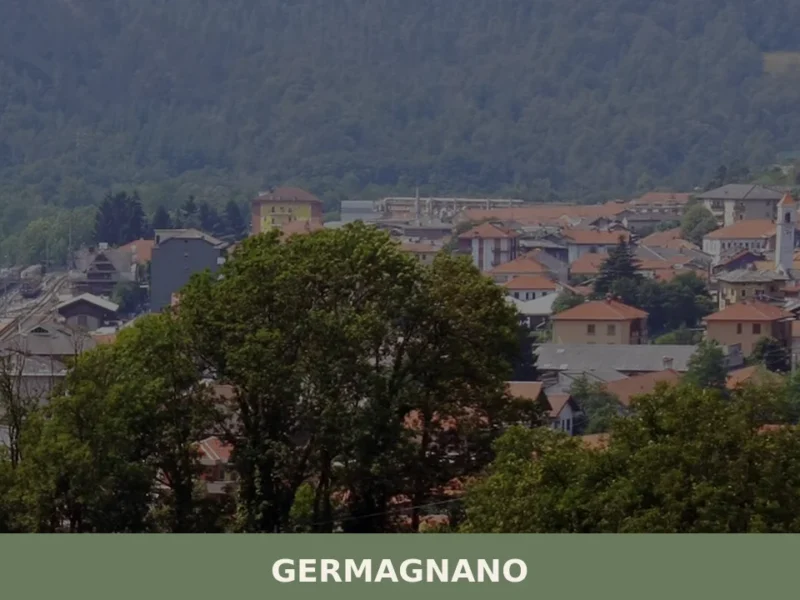
What to see in Germagnano, Italy: 30 km from Turin in the Valli di Lanzo. Discover the railway village, local cuisine and best times to visit. Read the guide.
Mathi
 Hills
Hills
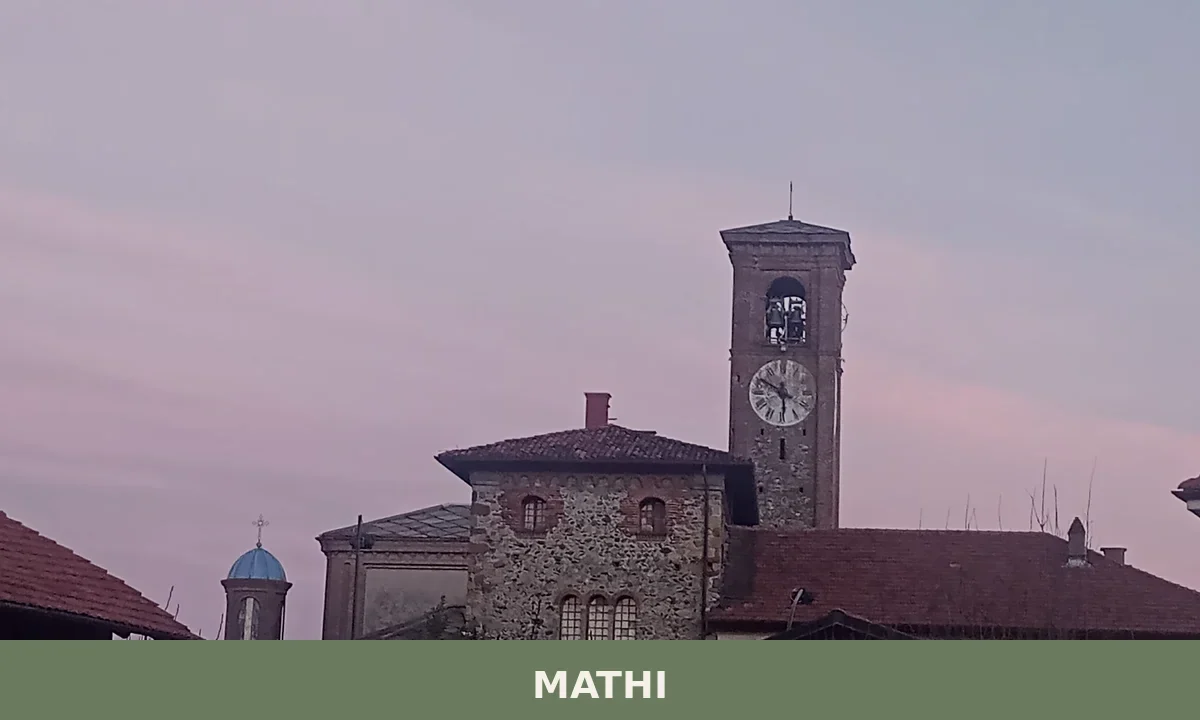
3,729 residents, a Benedictine tower still standing behind the parish church, and an industrial paper mill story linked to Don Giovanni Bosco. Mathi rewards those who look closely.
Sauze d’Oulx
Mountain
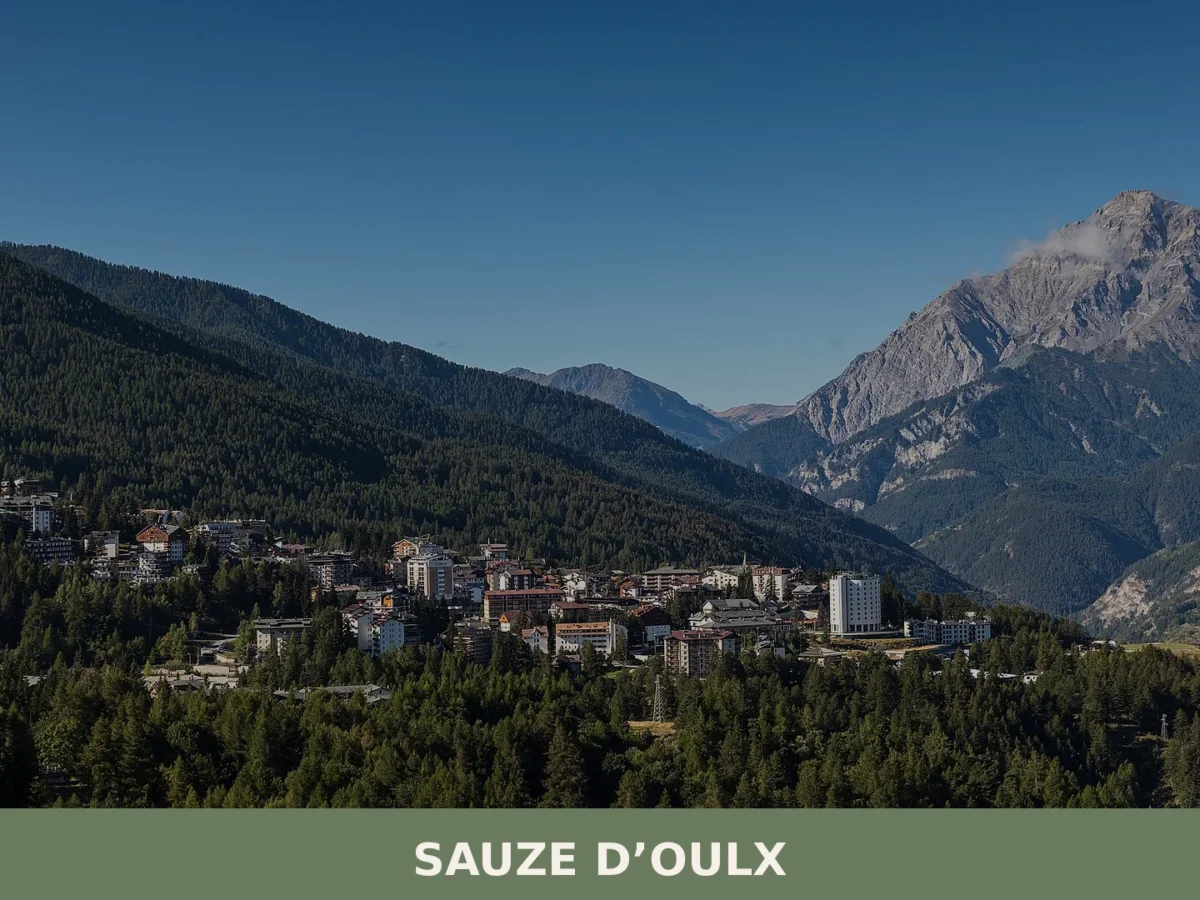
A mountain village of just over 1,000 residents at 1,509 metres altitude in the high Susa Valley. Winter sports and Alpine heritage define its identity.
Almese
Hills
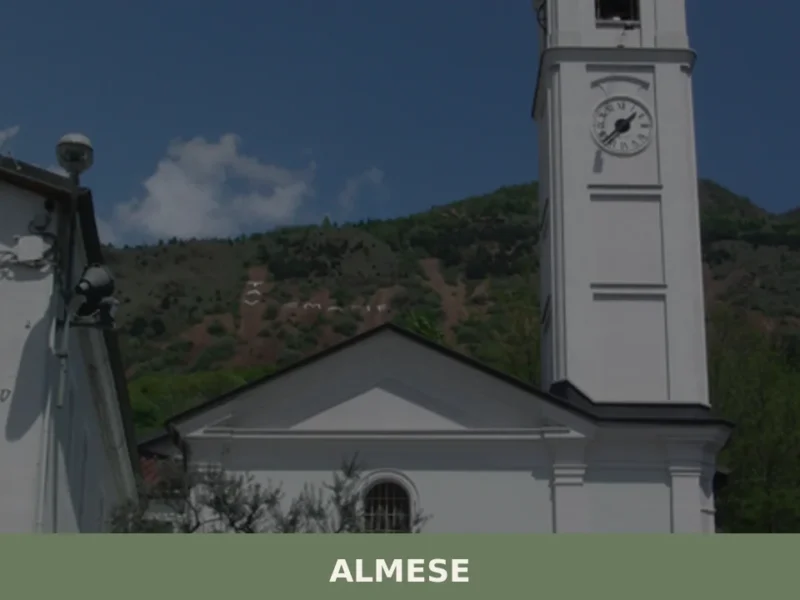
In 1029, a document from the Abbey of Novalesa recorded the name Almese for the first time, linked to a series of land holdings in the lower Val di Susa. That place name — probably derived from a Celtic or pre-Latin word connected to alpine pastures — appears in a territory that already served as […]
San Secondo di Pinerolo
Hills
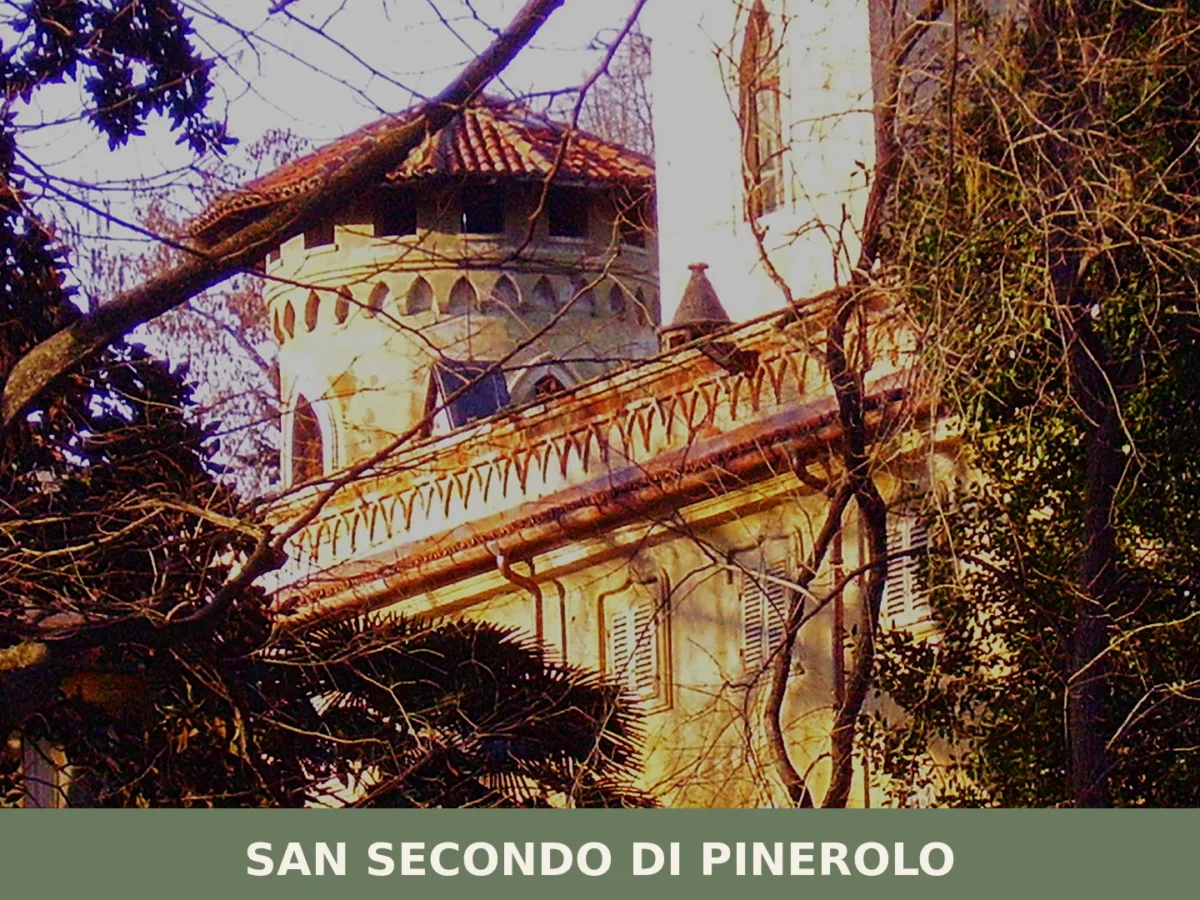
Population 3,643. A small Piedmont comune where 18th-century terracotta crafts shaped the landscape and baroque architecture anchors memory.

Pramollo
Mountain
212 residents spread across mountain hamlets at 1,071 metres. Protestant heritage and Alpine pasture define this Turin comune in Piemonte.

San Bernardino Verbano
Mountain
San Bernardino Verbano unites 3 historic hamlets at 304 m above Lake Maggiore, offering Val Grande trails, partisan history, and genuine Piedmontese cuisine.

Quincinetto
Hills
A mountain comune of 976 inhabitants where Roman roads once connected the Po Valley to Gaul. Medieval castles and seven fountains mark this Piemontese village.
Mezzenile
Mountain
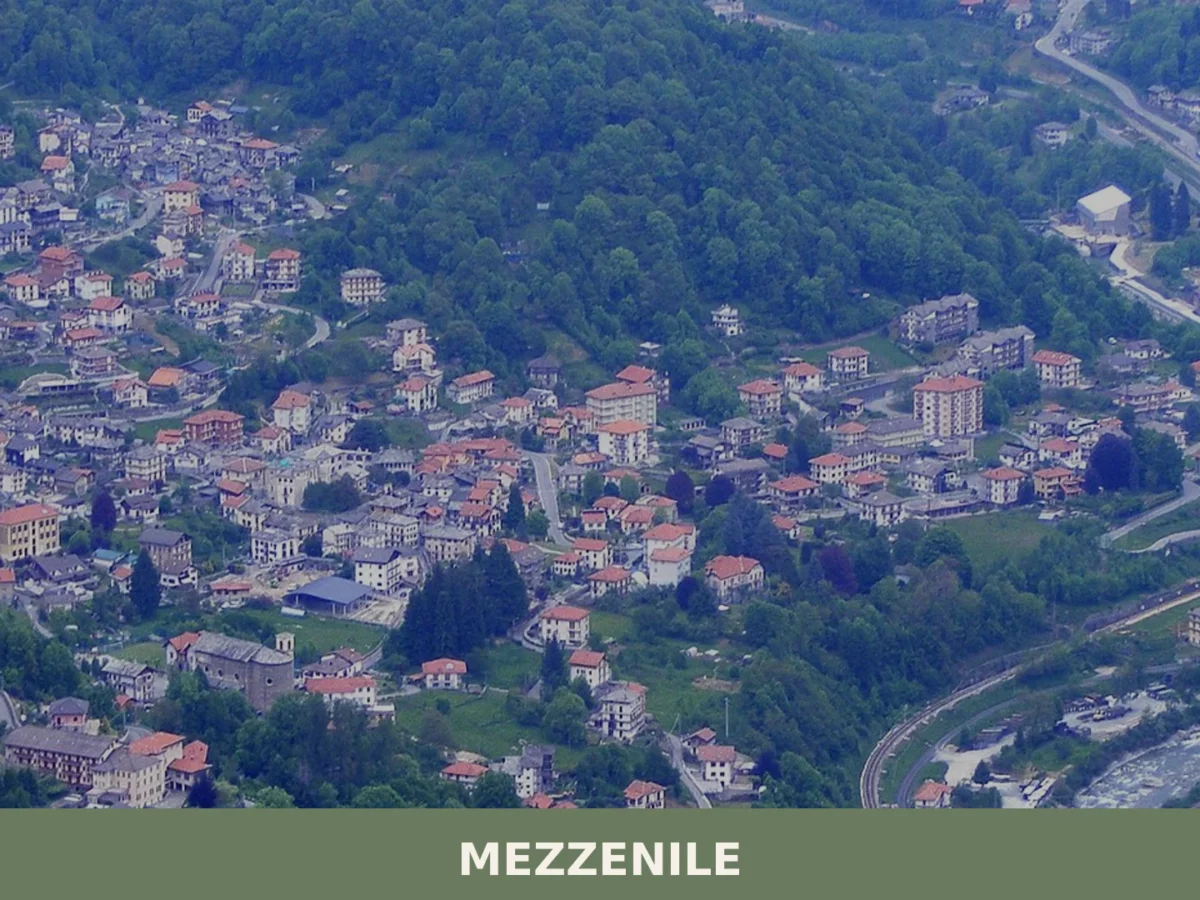
734 residents, one river bank, and a territory stretching from valley floor to high ridge. Mezzenile rewards visitors with cave systems, mountain lakes and a craftsmen's ecomuseum.
Giaglione
Mountain
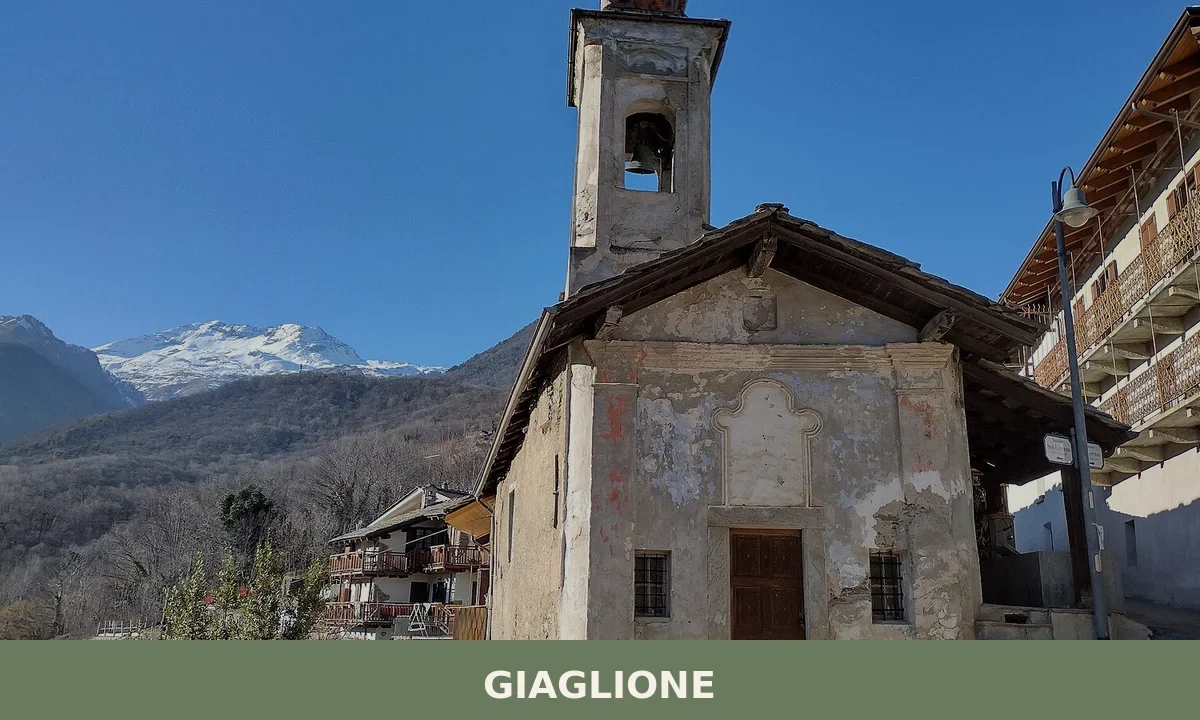
Population 595. Medieval fortified settlements, a 15th-century fresco chapel, and a living folk tradition that marks the feast of the patron saint each January.

🏡 Know Loranzè better than we do?
If you’re a local or have been there, your knowledge matters: add what’s missing or fix a detail on this page.