


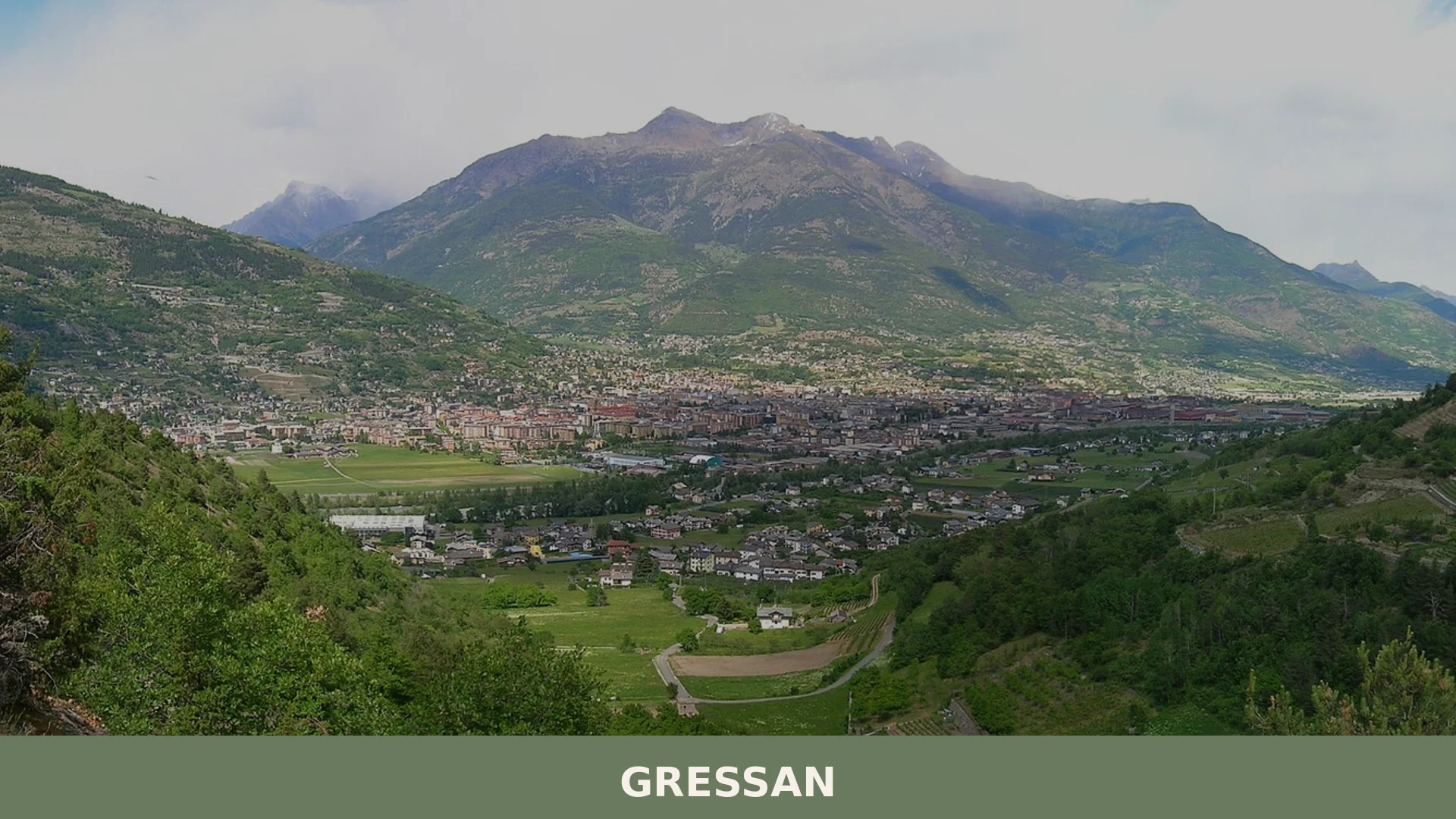

Gressan is a mountain commune of around 3,300 inhabitants in the Valle d’Aosta, rich in medieval heritage, natural landscapes and alpine traditions.
Discover Gressan
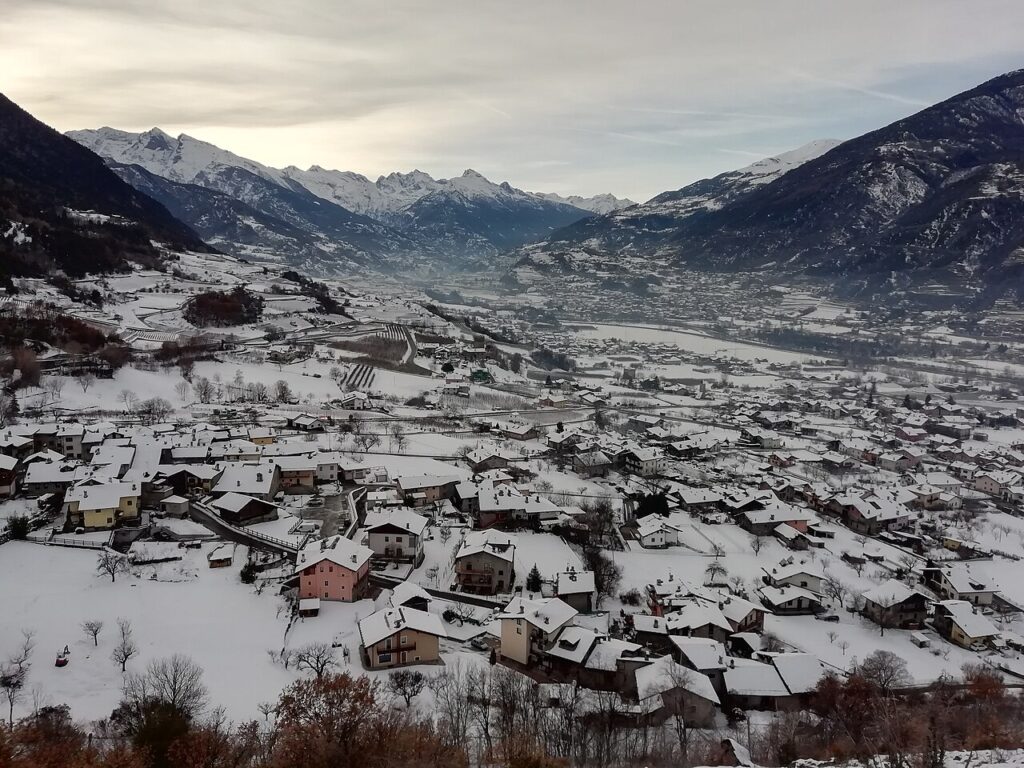
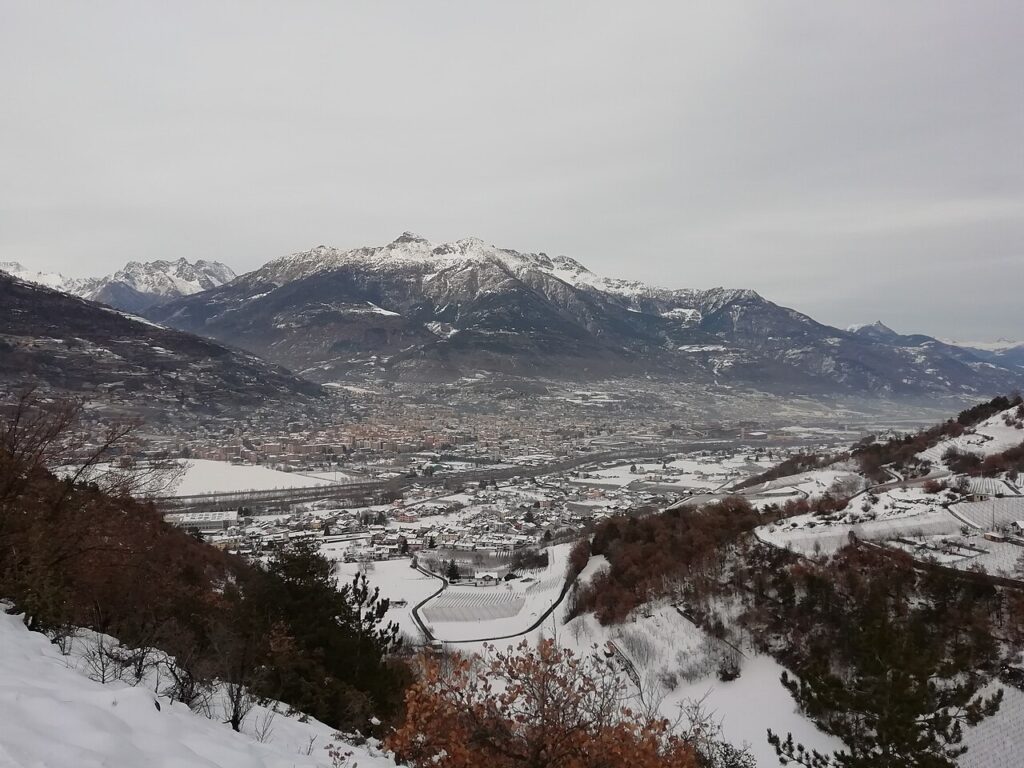
Gressan is a mountain commune of around 3324 inhabitants in the Valle d’Aosta, situated at 626 metres above sea level and covering approximately 25.47 square kilometres, a short distance west of the regional capital Aosta. It belongs to the Unité des Communes valdôtaines Mont-Émilius and is classified as an inner mountain zone, with a municipal seat that serves a territory of scattered localities rather than a single concentrated centre. The via delle Gallie, the consular road that Augustus had built to link the Po Plain with Gaul, ran through this territory, marking Gressan from an early date as a point of passage rather than a destination at the margins.
Gressan village in Aosta Valley rewards those who look beyond the main valley floor: medieval towers, a natural reserve, a skiing area at Pila, and a calendar that includes the autumn Fëta di pomme — the traditional apple festival held on the first Sunday of October — give the commune a character that is both historically layered and practically alive for visitors today. The demonym, in Italian gressanesi and in the local patois gressanins, reflects the bilingual identity that runs through every aspect of life in this part of the Alps.
Gressan village in Aosta Valley: history and identity
Gressan is a mountain commune in the Valle d’Aosta whose recorded history stretches from the Roman consular road built under Augustus through medieval feudal lordship, fascist-era administrative absorption, and modern municipal restoration. The via delle Gallie, a consular road linking the Po Plain with Gaul, passed through the territory of Gressan in Roman times, marking the area as a corridor of strategic importance from an early date.
Churches, towers and historic buildings across Gressan
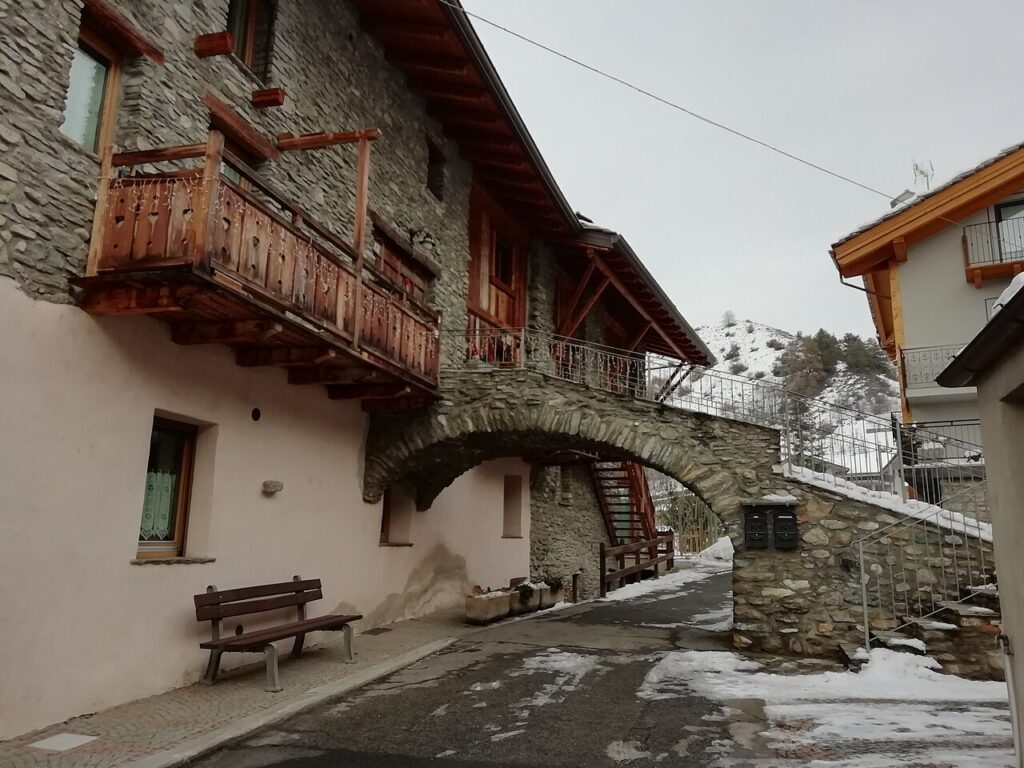
Gressan preserves several religious buildings, medieval fortifications and civil structures spread across its territory, from the romanesque campanile of the church of La Madeleine to the ruins of fourteenth-century fortified houses and a sixteenth-century villa in the locality of Ronc.
Church of La Madeleine
Dedicated to Sainte-Marie-Madeleine, this church carries a romanesque campanile considered among the finest of its kind in the Valle d’Aosta. A separate parrocchiale, Saint-Jean-de-Chevrot, also survives in the commune’s territory.
Parrocchiale di Gressan
The main parish church was built between 1871 and 1879 using stone salvaged from the ruins of the castello De Graciano — the former casaforte dei Gressan, now entirely gone. The campanile still rests on the medieval castle’s original foundations, preserving a physical link to the earlier structure.
Castello di Tour de Villa
Also historically known as Tour des pauvres, this castle is the most prominent fortification named in the commune’s records.
Torre di Sant’Anselmo and casaforte di La Bagne
Situated in the locality of La Bagne, this tower originally belonged to the De Balnea family. According to the Valdostan historian Jean-Baptiste de Tillier, it later served as a summer residence for the Anselmo family.
Tour de la Plantaz
A further tower recorded in the commune, though documentary detail beyond its name and location is limited.
Casaforte dei Du Ru
In the locality of Chez-Le-Ru, foundations and cellars are all that remain of this fourteenth-century fortified house, once belonging to the Du Ru family and for a period used as the municipal offices.
Casaforte dei La Cour
Standing near the presbytery of Gressan, this fortified house dates from the fourteenth century. It passed through the hands of the Signori di Gressan before being purchased in 1462 by the nobleman Pietro Dubois, and later came under parochial ownership. Part of its fabric was incorporated into the new parish church’s campanile; the eastern portion, partially intact, has been integrated into a private dwelling.
Other historic structures
- Casa signorile medievale fortificata in the locality of Chevrot.
- Villa del XVI secolo in the locality of Ronc.
- Maison Montel (also known as Rascard de Moline) in the locality of Moline, which now houses the Maison Gargantua exhibition space.
- Miniera di magnetite del Chanté, a magnetite mine within the communal territory.
Chapels
Several smaller religious buildings are distributed across the territory: the cappella di Barrier, cappella di Charémoz, cappella Plan-David, cappella di Moline, cappella di Gorret, cappella di Colombier, and the oratorio Chapallin. Among those listed in the verified fact sheet, the cappella dei Santi Pietro e Paolo and the cappella di Sant’Anna e di San Rocco are also recorded.
Flavours of Gressan and the Aosta Valley
Gressan sits within a valley whose food tradition is built on a handful of protected designations: Fontina DOP and Valle d’Aosta Fromadzo DOP are widely shared across the province. Valle d’Aosta Jambon de Bosses DOP is a highly localised designation tied specifically to Saint-Rhémy-en-Bosses, while Valle d’Aosta Lard d’Arnad DOP is tied specifically to Arnad. These are mountain foods in the truest sense — aged cheeses, cured meats and preserved fat developed to sustain communities through long winters at altitude.
Beyond the DOP range, the broader regional table includes several products recognised under Italy’s PAT catalogue: Boudin, Mocetta (cured chamois or beef), Saouseusse, Teteun, Grappa, and Ratafià, among others. None of these should be read as a Gressan speciality, but visitors exploring the valley will encounter them readily in local shops and markets.
Each year on the first Sunday of October, Gressan holds the Fëta di pomme — the Apple Festival, to use its patois name — a seasonal event that draws the community together around local autumn produce and provides a lively occasion for visitors arriving in early autumn.
Planning your visit and getting there
Gressan can be reached easily from the lower Val Pellice and the Turin area. The practical distances and journey times below are kept concise on purpose, so the access information stays clear and consistent.
| Departure | Distance | Time |
|---|---|---|
| Aosta | approx. 5 km | approx. 10 min |
| Aymavilles | approx. 4 km | approx. 8 min |
| Brissogne | approx. 10 km | approx. 15 min |
These practical reference points are enough to plan the journey without overloading the text with unstable logistics. Once on site, the village is best understood slowly, on foot and in relation to the surrounding landscape.
Frequently asked questions about Gressan
What is the best time to visit Gressan?
Visit Gressan between late September and early October to experience the Fëta di pomme, the traditional apple festival held on the first Sunday of October, celebrating the region's agricultural heritage. Winter is also appealing for skiing at the nearby Pila area. The patron saint feast of Santo Stefano occurs on 26 December, marking another festive period. Summer offers pleasant mountain weather for hiking and outdoor exploration.
How do I reach Gressan from Aosta?
Gressan is located just west of Aosta, the regional capital, at a distance of approximately 15 kilometres. The journey takes around 20 minutes by car via the main valley road. Public transport connections via regional buses serve the commune, though a private vehicle is recommended for exploring the surrounding mountain terrain and accessing hiking trails.
What outdoor activities are available in Gressan?
Gressan offers hiking through mountain landscapes and access to the natural reserve within its territory. Winter sports enthusiasts can reach the Pila skiing area nearby. The commune's elevation of 626 metres and mountainous terrain make it ideal for trekking and nature walks. The territory's scattered localities provide opportunities for discovering medieval architecture while exploring rural mountain paths.
How long should I plan to spend in Gressan?
A half-day visit suffices for exploring the village centre and medieval towers. A full day allows time to visit churches, historic buildings, and enjoy local flavours. For serious hikers or those attending the Fëta di pomme festival, plan two to three days. An overnight stay enables fuller immersion in the mountain landscape and bilingual culture of this Valle d'Aosta commune.
What is the historical significance of Gressan?
Gressan lies on the route of the Via delle Gallie, the consular road built by Augustus to connect the Po Plain with Gaul. This ancient connection established Gressan as a strategic passage point rather than a destination. Medieval towers dot the commune, reflecting its layered history. The territory's scattered settlement pattern reflects its role as a transitional zone between the main valley and mountain periphery.
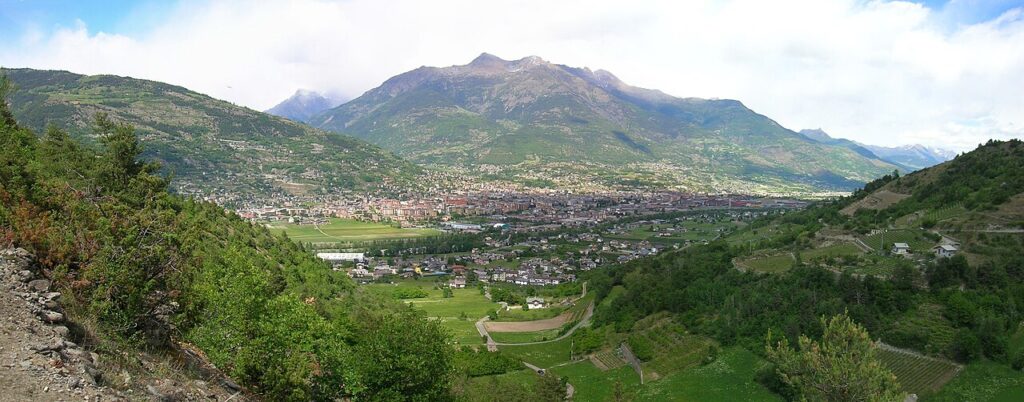
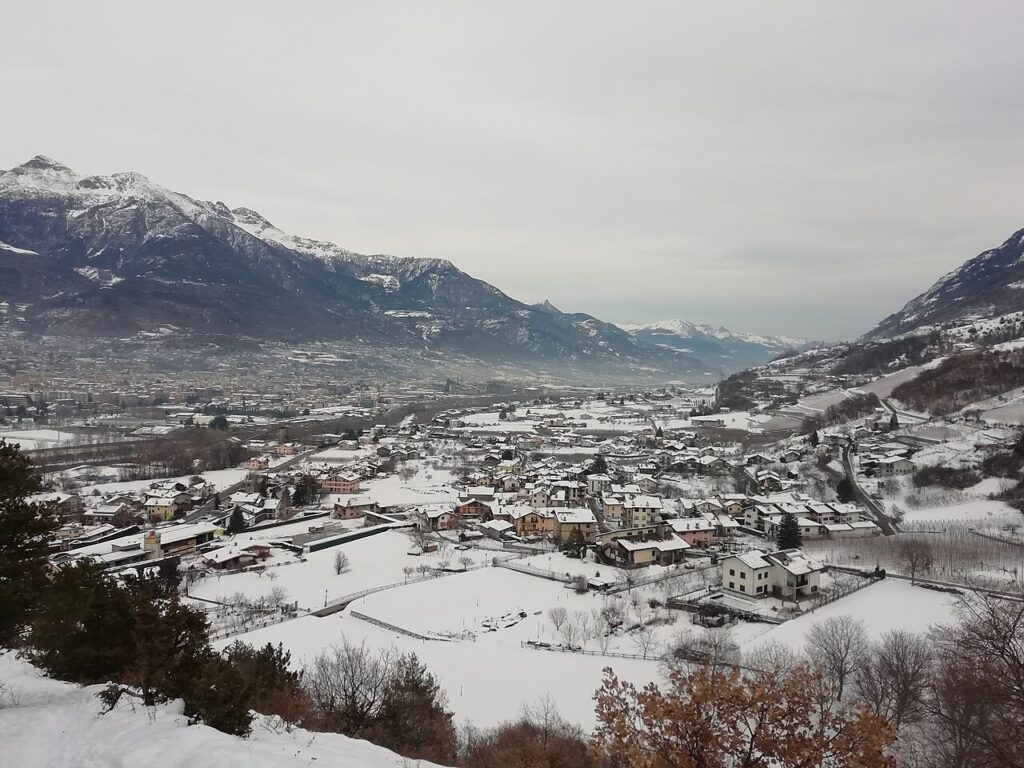
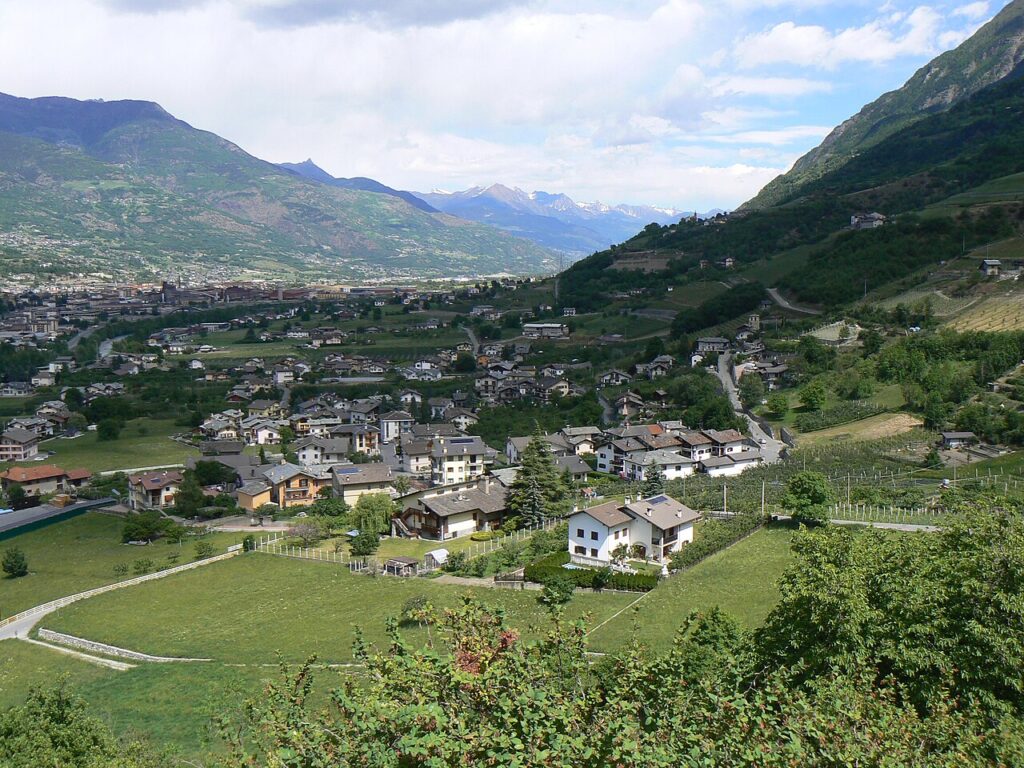
📷 Photo Gallery — Gressan

In Aosta Valley More villages to discover
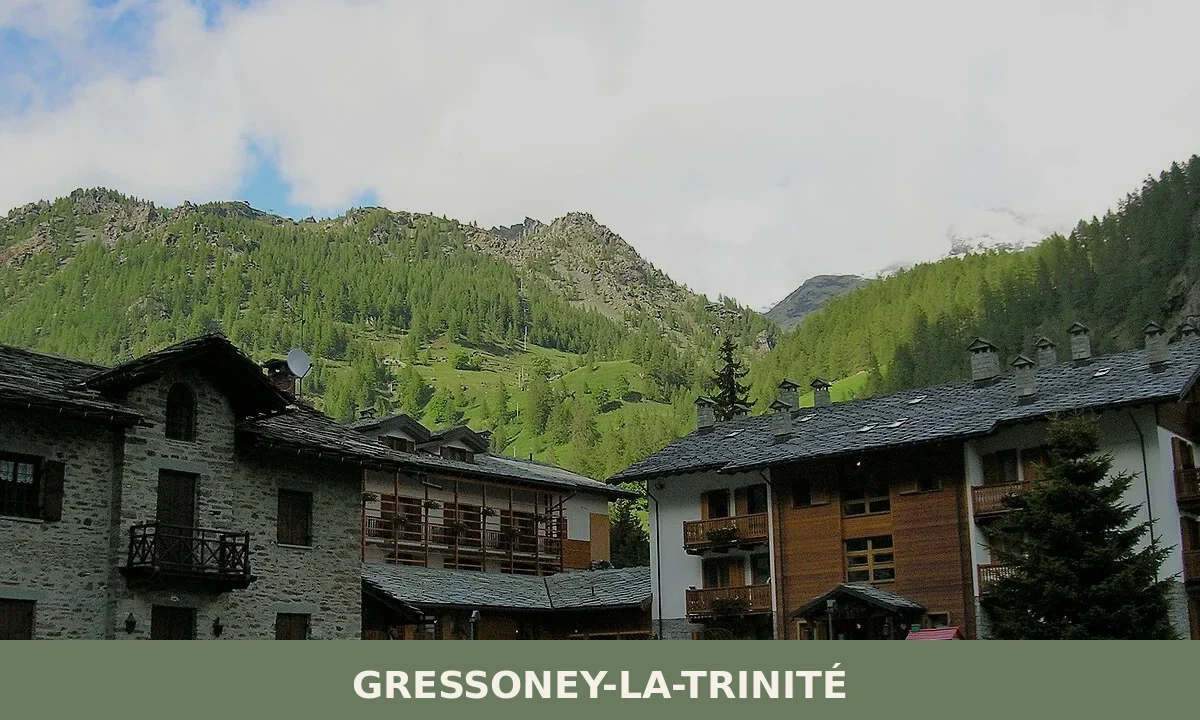
Gressoney-La-Trinité
 Mountain
Gressoney-La-Trinité is a 322-inhabitant Walser commune at 1,629 metres in the Valle del Lys, Valle d'Aosta, set against the glaciers and high peaks of the Monte Rosa massif.
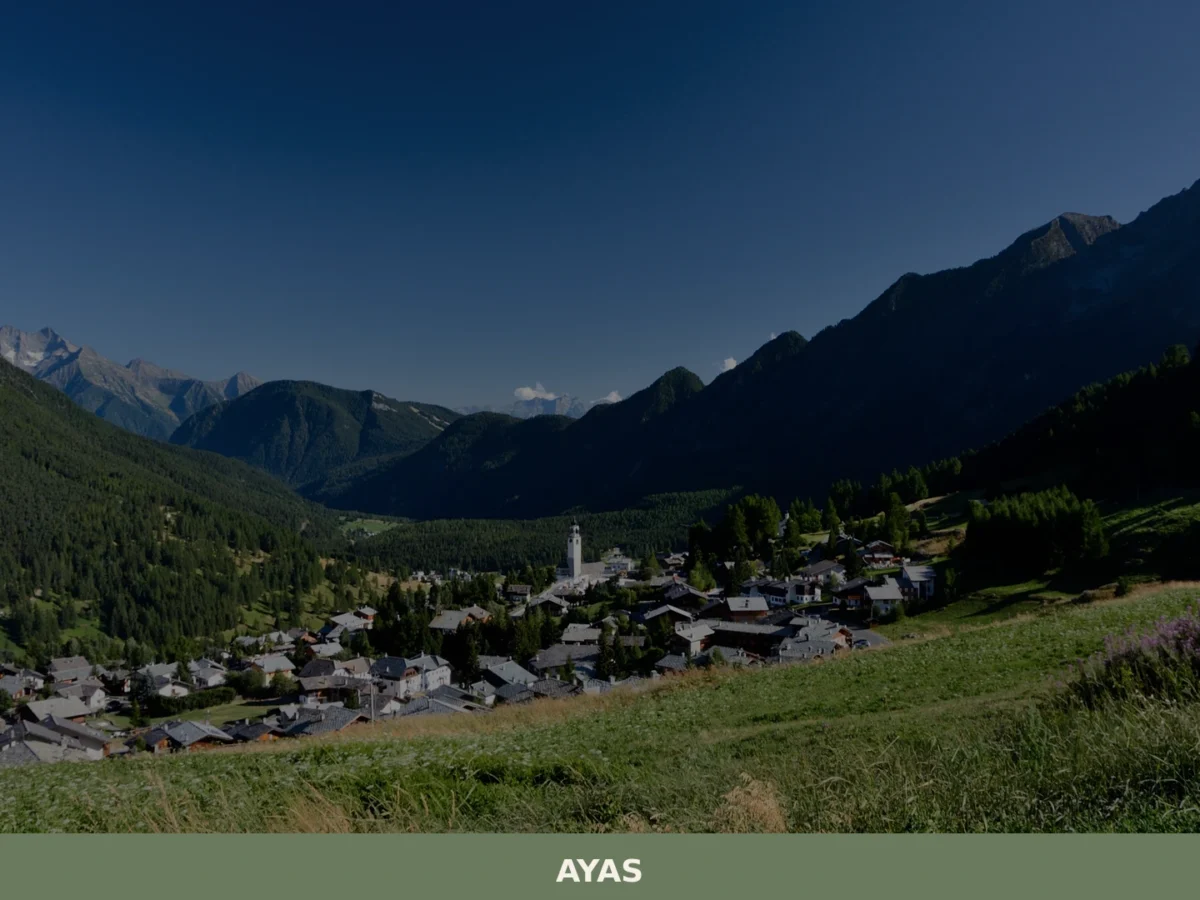
Ayas
Mountain
What to see in Ayas, Valle d'Aosta, Italy: explore alpine villages at 1,600 m, medieval chapels and local cuisine. Discover top attractions and how to get there.
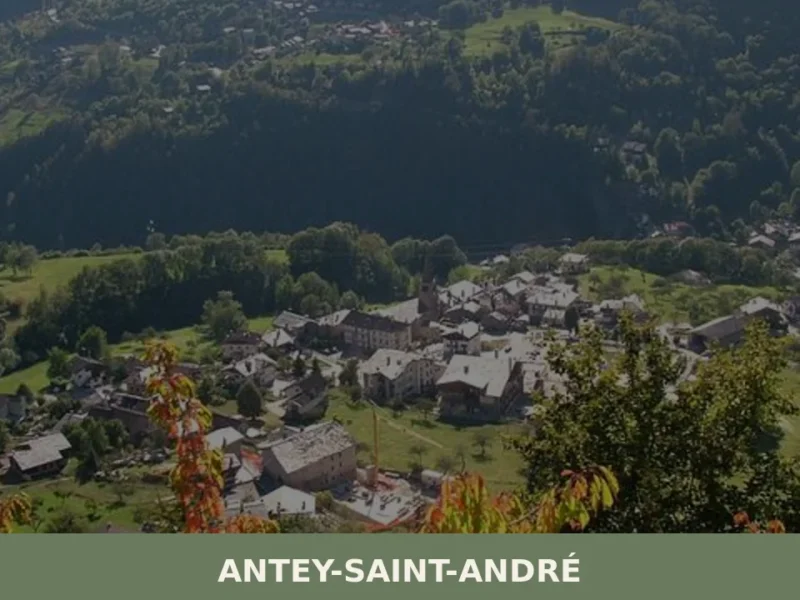
Antey-Saint-André
Mountain
Discover what to see in Antey-Saint-Andru00e9: Alpine hamlets, local food, hiking trails and practical travel tips for this Valtournenche village in Valle d'Aosta.
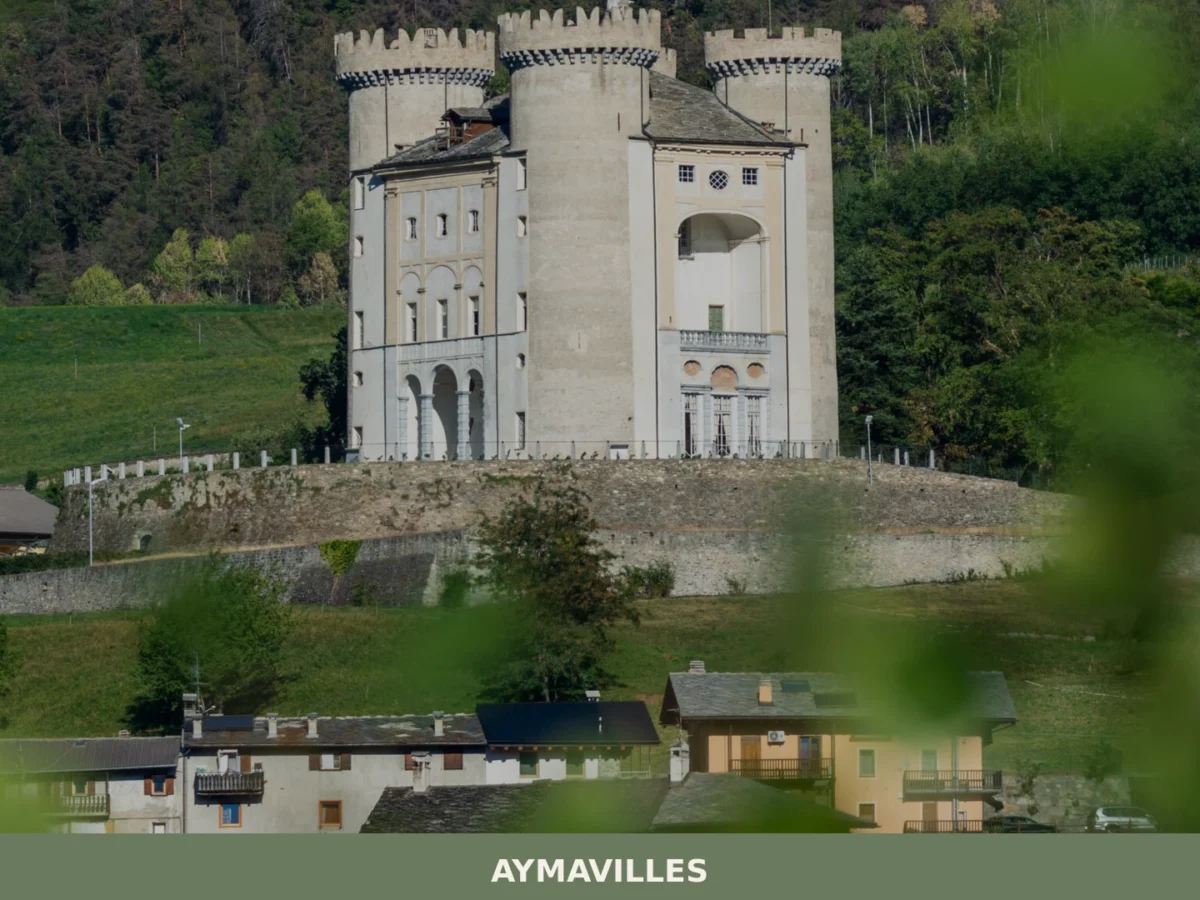
Aymavilles
Mountain
What to see in Aymavilles, Italy: explore the Roman Pont d'Aël bridge over a 66 m gorge and Alpine trails. Discover top attractions in Valle d'Aosta.
Brissogne
Mountain
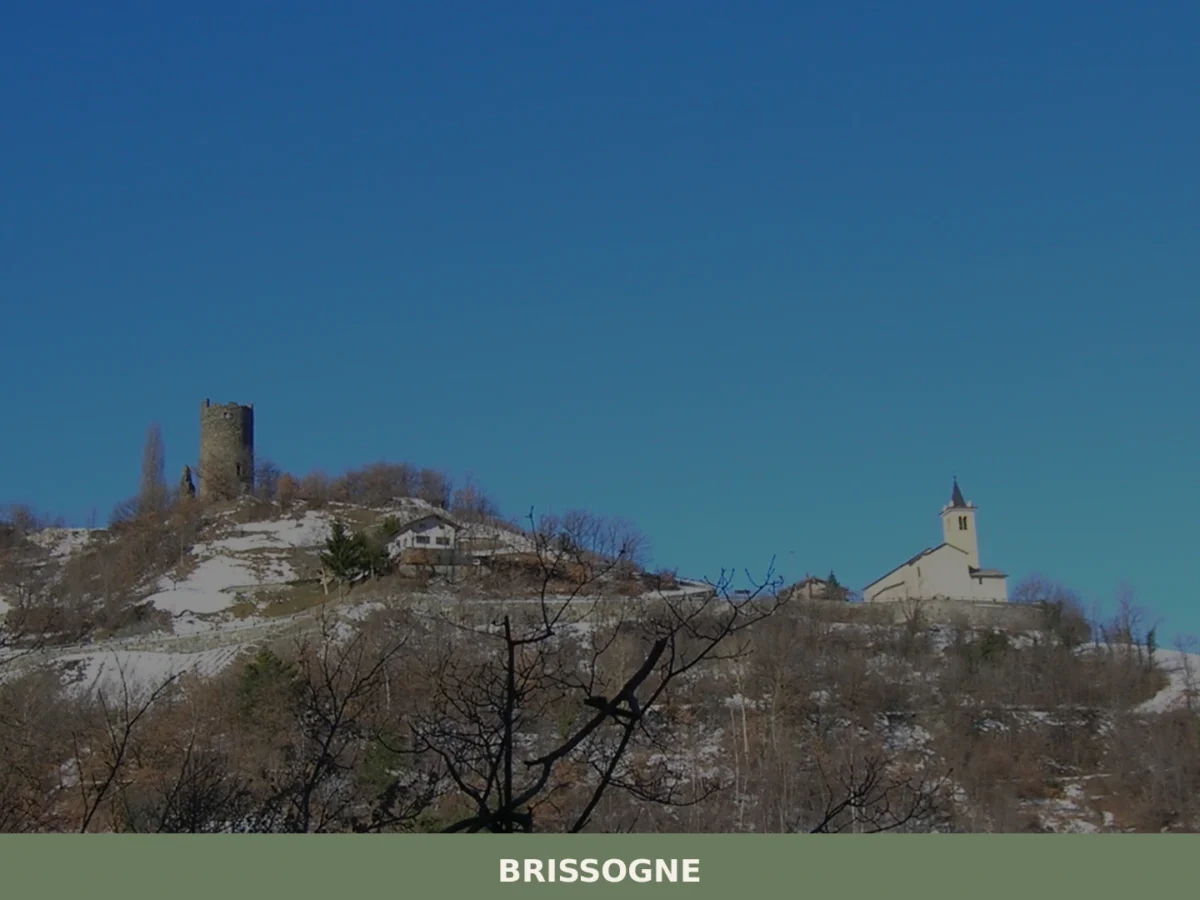
What to see in Brissogne? Discover the 5 unmissable attractions of this village in Aosta Valley. From the church to the castle, plan your visit here!
Avise
Mountain
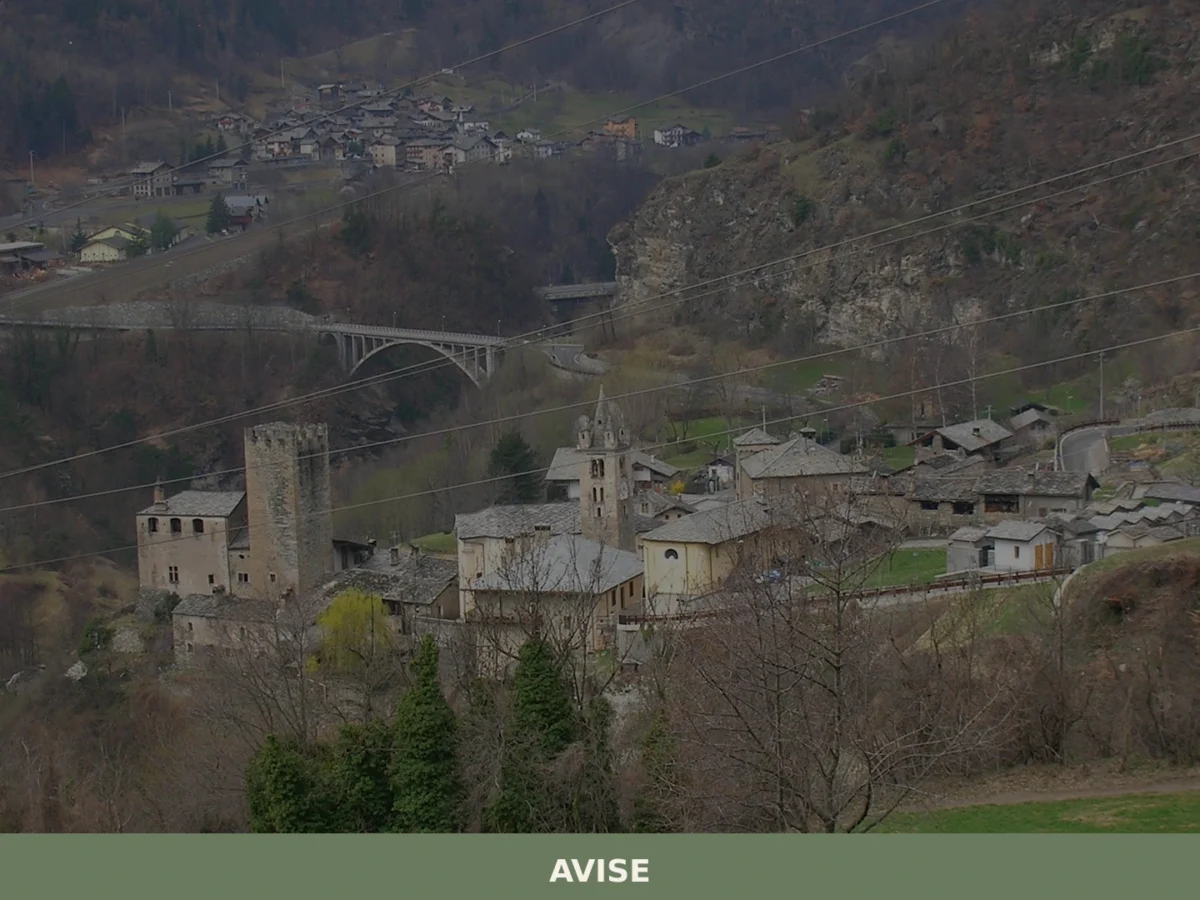
Discover what to see in Avise: a medieval castle, Romanesque church, alpine vernacular architecture and valley views in the upper Valle d'Aosta at 996 metres.
La Thuile
Mountain
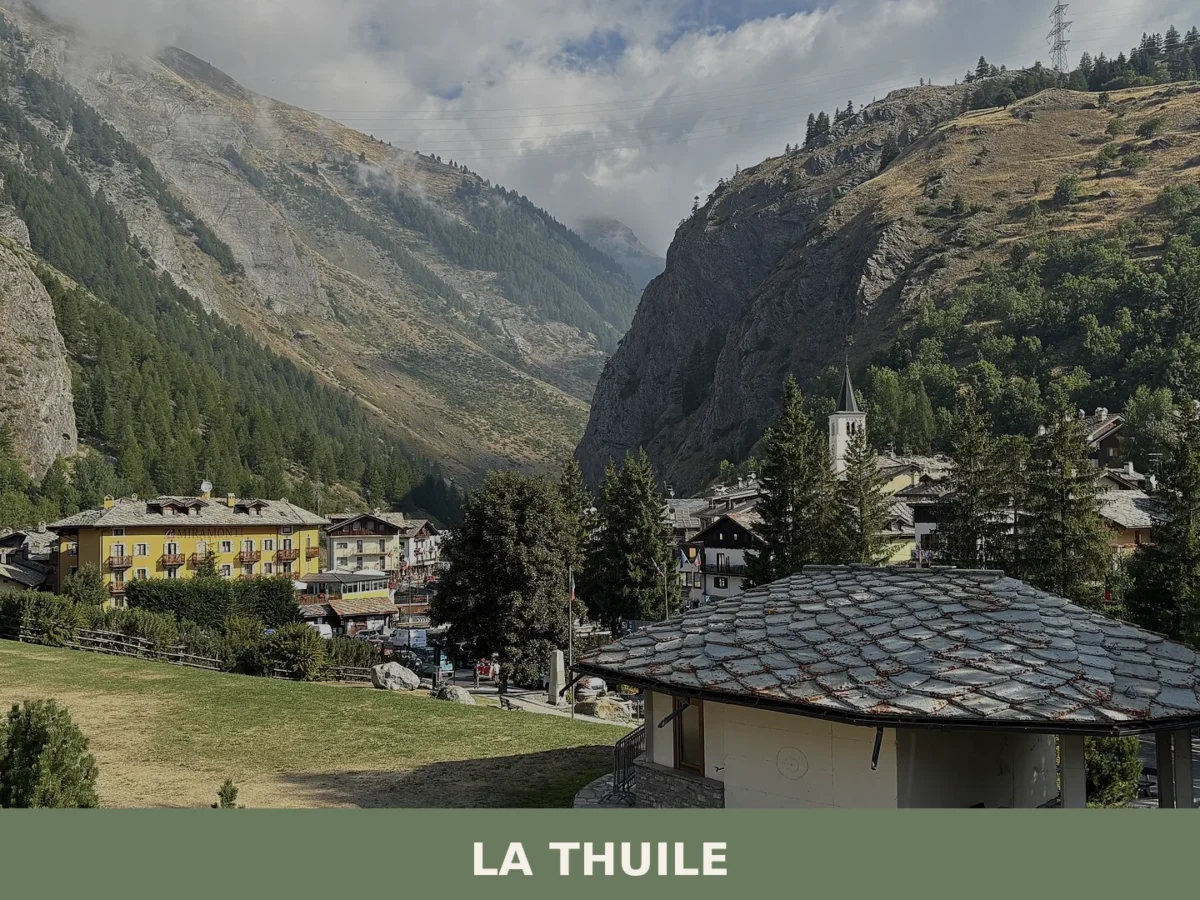
La Thuile is an Alpine municipality at 1,455 metres in the Aosta Valley, a historic mountain crossing between Italy and France with 774 residents and over 126 square kilometres of high-altitude landsc
Introd
Mountain
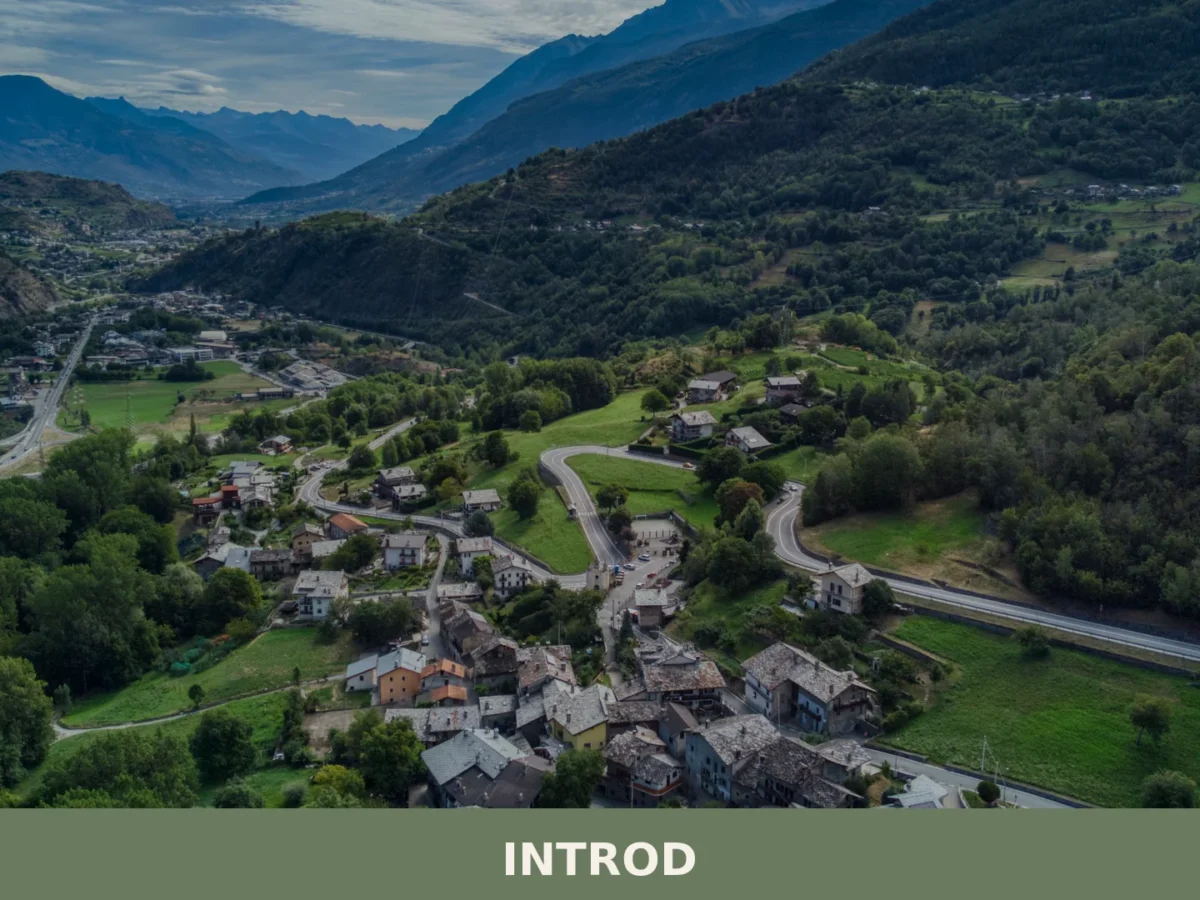
Introd is a mountain commune in the western Aosta Valley, sitting at 876 metres where two glacial valleys open into the Parco Nazionale del Gran Paradiso, with a history stretching back five thousand
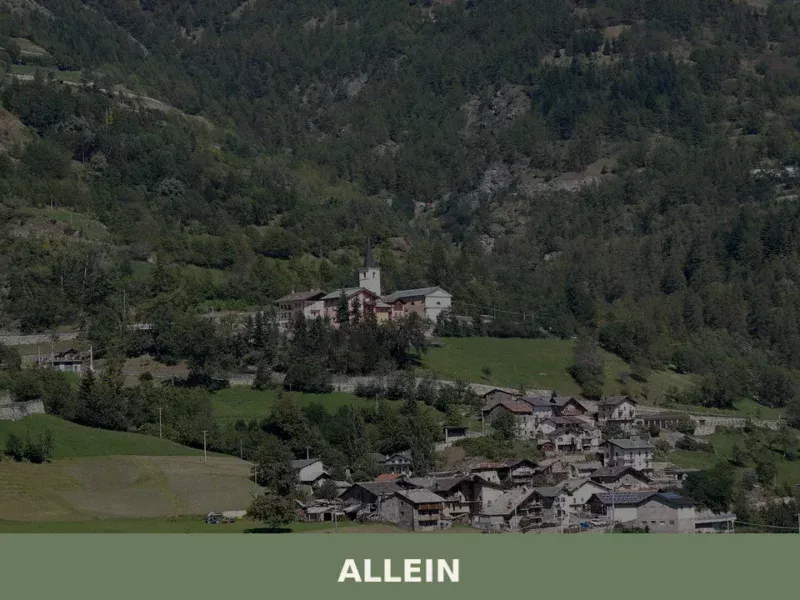
Allein
Mountain
Discover what to see in Allein, a 198-resident comune sparso in the Gran San Bernardo Valley, Valle d'Aosta. History, food, and travel tips.
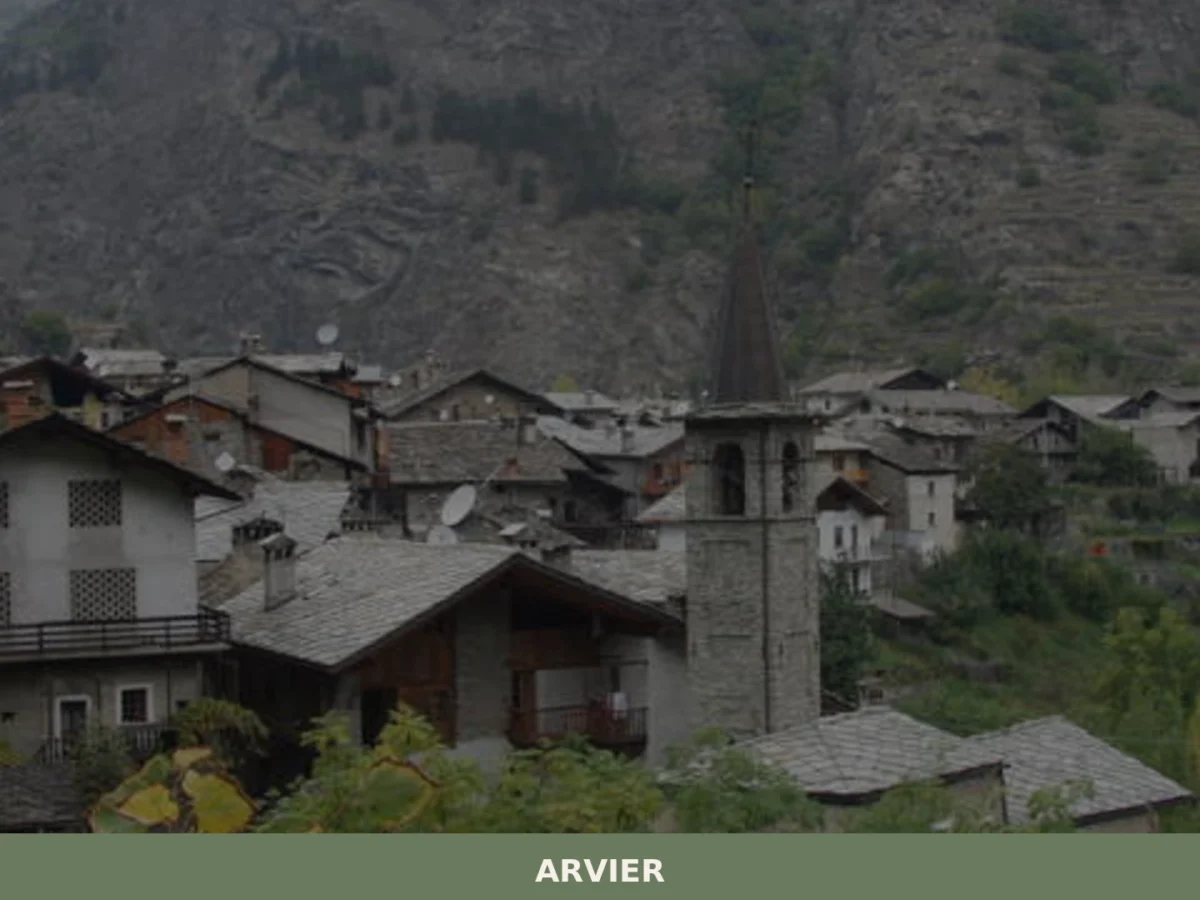
Arvier
Mountain
Discover what to see in Arvier, Valle d'Aosta: medieval borough, feudal tower, Enfer d'Arvier vineyards, local food and practical travel tips.




🏡 Know Gressan better than we do?
If you’re a local or have been there, your knowledge matters: add what’s missing or fix a detail on this page.