


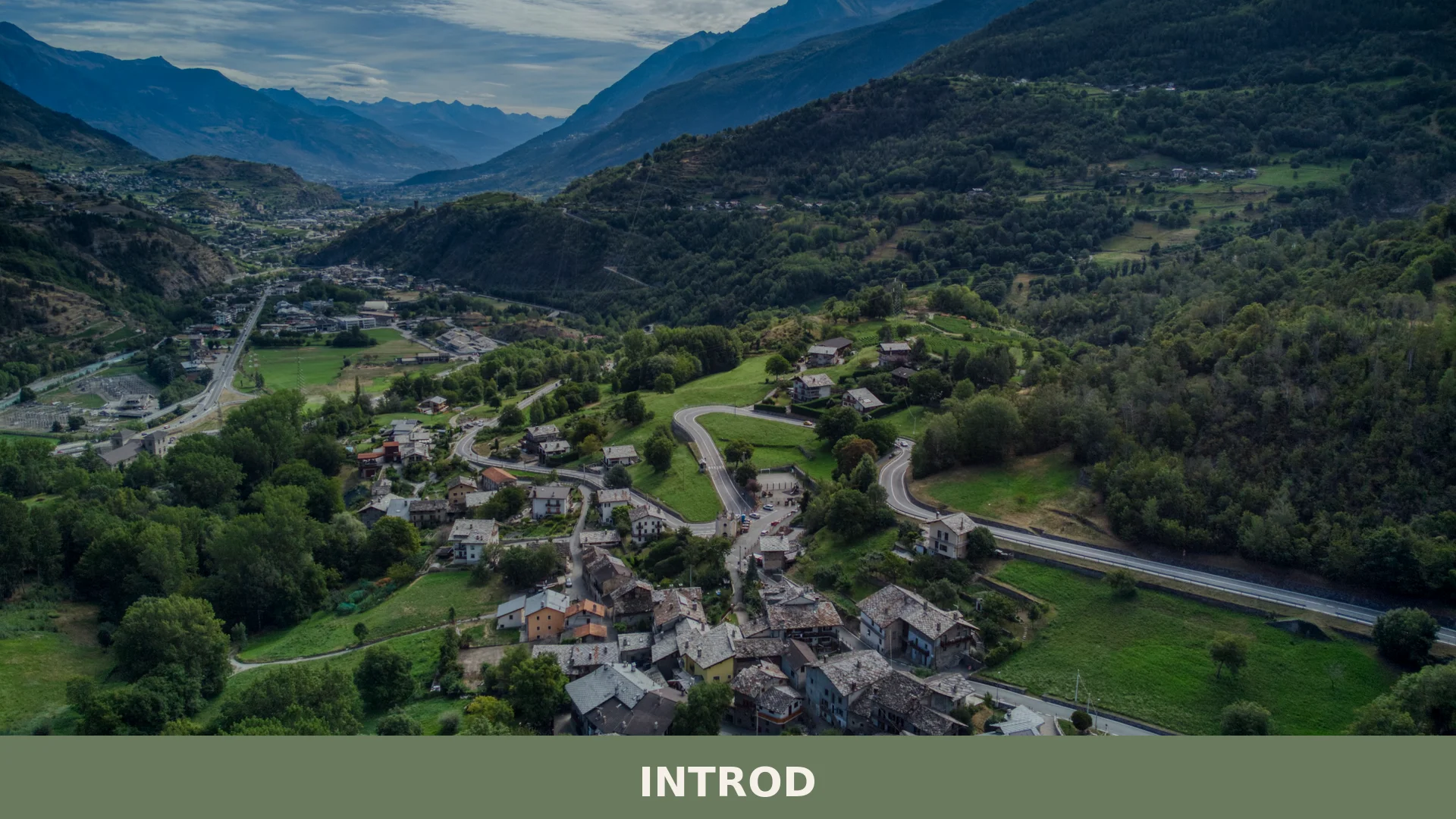

Introd is a mountain commune in the western Aosta Valley, sitting at 876 metres where two glacial valleys open into the Parco Nazionale del Gran Paradiso, with a history stretching back five thousand
Discover Introd
Introd is a mountain commune of 631 inhabitants in the western Aosta Valley, set at 876 metres above sea level on the ridge between the Dora di Rhêmes and the Savara torrent, where the Val di Rhêmes and the Valsavarenche — both within the Parco Nazionale del Gran Paradiso — begin their ascent toward the high peaks. Covering roughly 20 square kilometres and reached from Aosta in approximately 25 kilometres and 25–30 minutes by road, or from Aymavilles in about 8 kilometres and 10 minutes, the commune gathers a handful of distinct localities around its municipal centre at Plan d’Introd, each preserving traces of a settled life that reaches back at least five thousand years.
A medieval castle built around 1260, prehistoric rock engravings, a food and rural-life museum housed in a painstakingly restored farmhouse, and a small museum dedicated to the memory of Pope John Paul II — who spent summers here along with his successor Benedict XVI — give Introd village in Aosta Valley a depth of character unusual for a community of its size, earning it recognition as a Bandiera Arancione destination by the Touring Club Italiano.
History of Introd village in Aosta Valley: from prehistoric roots to modern times
Introd is a community in the western Aosta Valley whose documented human presence stretches back roughly five thousand years, marked by prehistoric burials, ancient rock engravings, and a medieval castle built around 1260 by Pierre Sarriod that remains the most visible landmark in the village today. The territory bears some of the earliest evidence of settlement in the region: carved stone surfaces known as the Pierre de Jean-Grat and the Pierre des Enfants, along with three boulders bearing cup marks in the locality of Perriettaz, point to organised activity in the area long before any written record. Stone-slab burials have also been identified at Moral and Plan d’Introd.
Two particularly striking archaeological discoveries sharpened understanding of the site’s deep past. In 1954, a shaped vertical stone was uncovered near two skeletons in the locality of Daillod. Then, in July 2011, excavations carried out during the planned expansion of the local nursery school brought to light the well-preserved skeletal remains of a woman who lived approximately five thousand years ago. Researchers nicknamed her the Signora di Introd; her age is broadly comparable to that of the Similaun man found in the Alpine ice.
Castles, Rural Houses and Sacred Spaces in Introd
Introd preserves a castle, several churches and chapels, two museums, a parochial art collection, and one of the most complete examples of traditional rural architecture in the Gran Paradiso area.
Castello di Introd
The castle stands in the Plan d’Introd locality. Built on commission from Pierre Sarriod in 1260, it has a nearly circular ground plan with a massive central tower. Damaged by fire and subsequently rebuilt in the years between 1912 and 1915, it remains the most prominent medieval landmark of the village. Alongside it stands the old farmstead known as the cascina L’Ôla, dating from between the fourteenth and fifteenth centuries, when the castle’s granary was also added. A fortified house called Casaforte Vorbert once stood in the Villes locality, belonging to the family of the same name; it fell out of use at the beginning of the eighteenth century.
Maison Bruil — Musée de l’alimentation
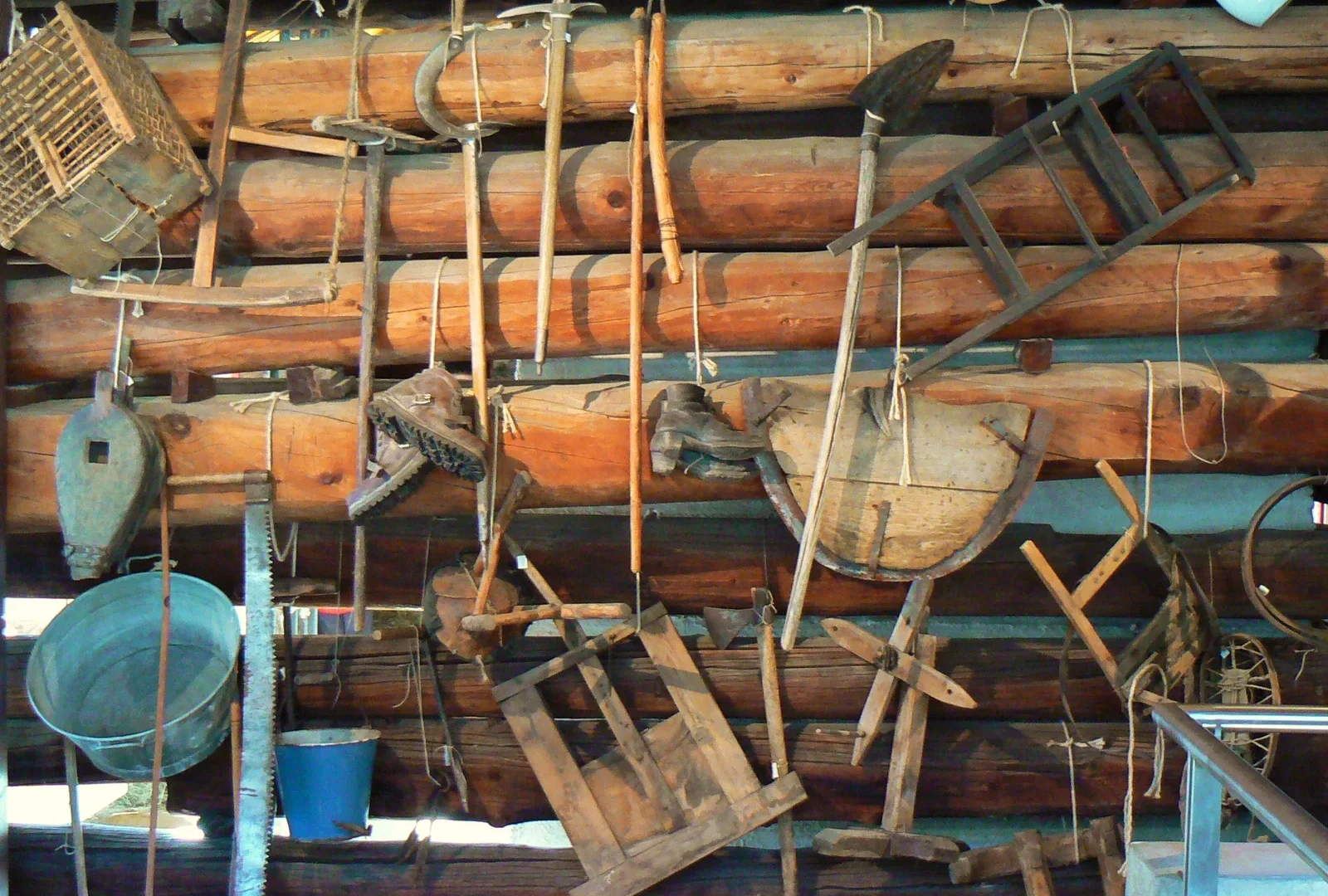
Located in the Villes-Dessus locality, Maison Bruil is regarded as one of the foremost examples of rural architecture in the Gran Paradiso region. It functioned as an all-in-one farmhouse, concentrating under a single roof all the spaces needed for the survival of both people and animals. Its current form is the result of a complex architectural evolution traceable between 1680 and 1856, during which several building sections merged into a single unit. Visitors move through three floors, taking in the various rooms of the traditional house, each restored to reflect its original purpose. The building also houses the Musée de l’alimentation, an ethnographic museum devoted to food and rural life, whose motto is Conserver le souvenir… se souvenir pour conserver.
Maison-Musée Jean-Paul II
Situated in the Les Combes d’Introd locality, this museum is dedicated to the papacy of John Paul II, who spent summer holidays in Introd. The collection brings together photographs, documents and personal objects used by the Pope, offering both a view of his apostolic activity across the world and a record of his presence in the Aosta Valley specifically.
Museo Parrocchiale di Arte Sacra
The parish museum holds statues, processional crosses and liturgical objects drawn from the parish church and from the village chapels. Among the most significant pieces are two fifteenth-century Madonnas with Child and a sixteenth-century processional cross in silver sheet.
Churches and Chapels
The parish church of the Conversion of Saint Paul, in Plan d’Introd, dates back to the eighth century. The same locality preserves the Cappella del Santo Sudario. Also present in the commune are the Cappella di San Leonardo and the Cappella di San Defendente. The parish church’s campanile is itself considered among the visible medieval testimonies of Introd.
Les Combes d’Introd
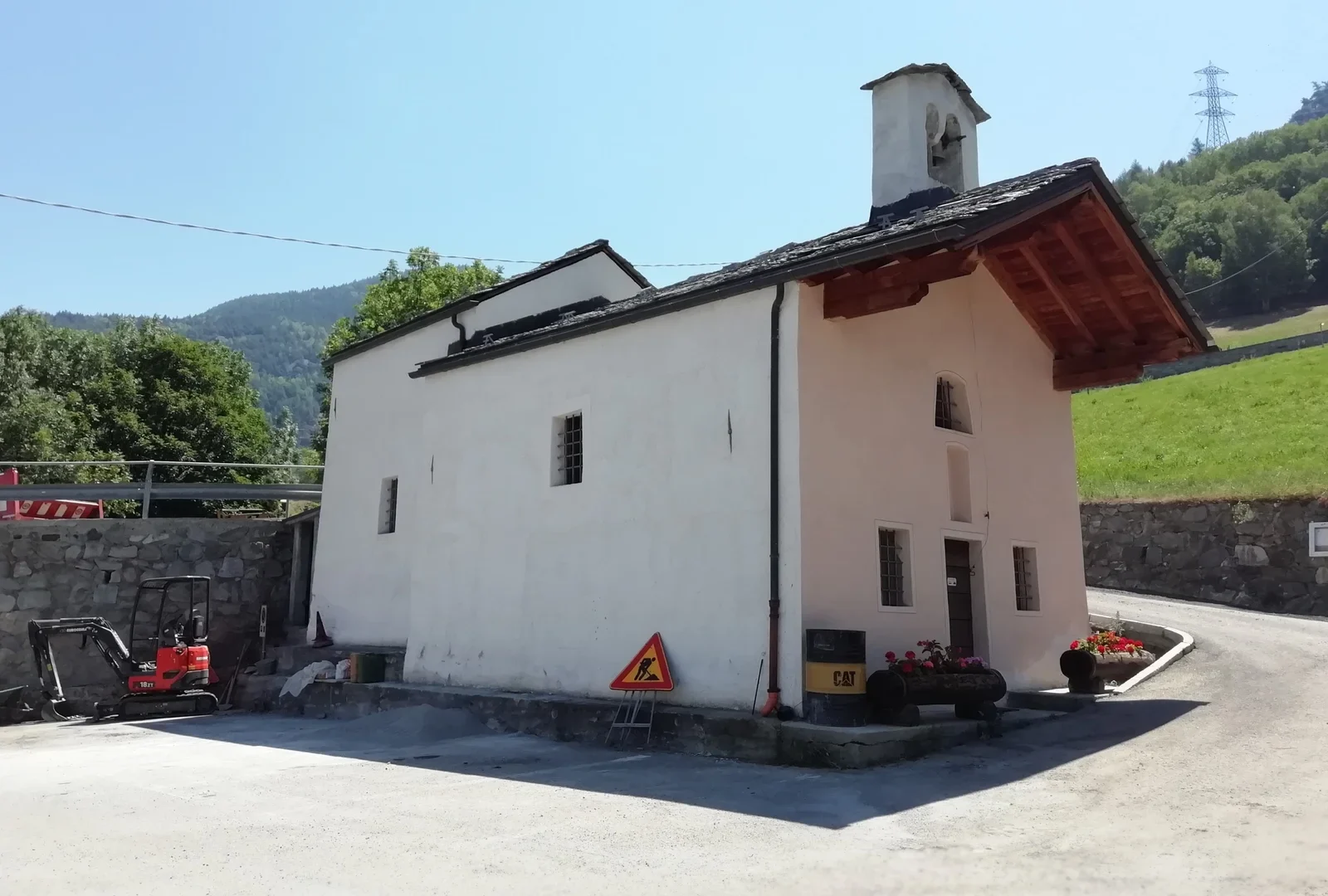
The village of Les Combes d’Introd is noted for its traditional architecture, considered representative of the building style associated with master-builders from the middle valley of the Lys, and from Gaby and Issime in particular.
Food and Flavours of Introd and the Aosta Valley
Introd sits within a wider Valle d’Aosta food culture built around four DOP-certified products: Fontina cheese, Valle d’Aosta Fromadzo, Valle d’Aosta Jambon de Bosses, and Lard d’Arnad. These are products of the broader province and region, not exclusive to Introd itself, but they form the edible backdrop to any visit to this part of the valley. The area also produces a range of traditional foods recognised under Italy’s PAT designation, among them Boudin, Mocetta, Saouseusse, Teteun, and the cured pork preparation known as Prosciutto alla brace Saint-Oyen, alongside spirits such as Grappa and Ratafià. Wines from the territory fall under the Valle d’Aosta / Vallée d’Aoste DOC appellation. Every August, the hamlet of Norat hosts the Festa del pane nero, a celebration centred on traditional dark bread that offers visitors a direct encounter with local baking customs rooted in mountain agriculture.
Getting to Introd and Planning Your Visit
Introd is most easily reached by car from Aosta, approximately 25 km away along the main valley road — a journey of roughly 25 to 30 minutes — or from Aymavilles, about 8 km and around 10 minutes to the south-west, which serves as a natural gateway to this stretch of the valley. The village sits at 876 metres above sea level in the inner mountain zone between the Dora di Rhêmes and the torrente Savara, at the entrance to both the Val di Rhêmes and the Valsavarenche, the two valleys that lead into the Parco Nazionale del Gran Paradiso.
Summer is the most rewarding season for a visit: the Festa del pane nero takes place in August in the hamlet of Norat, and the higher paths into the national park are fully accessible. Winter brings a different character, with a FISI-approved cross-country ski track near Les Combes. Spring and autumn suit those drawn to the Maison Bruil — a multi-purpose historic farmhouse now housing the Musée de l’alimentation, which documents traditional food production and rural life — and to the Maison-Musée Jean-Paul II at Les Combes, which can be visited comfortably outside peak season.
Nearby villages worth combining into a single itinerary include Arvier to the west and Avise further along the main valley, both within easy driving distance. Introd has received the Bandiera Arancione recognition from the Touring Club Italiano, a mark of quality for smaller inland destinations.
| Departure | Distance | Time |
|---|---|---|
| Aosta | approx. 25 km | approx. 25–30 min |
| Aymavilles | approx. 8 km | approx. 10 min |
These practical references help organise the journey clearly, while the village itself is best understood slowly and on foot once you arrive.
Frequently asked questions about Introd
How do I reach Introd from Aosta?
Introd is located approximately 25 kilometres from Aosta and takes 25–30 minutes by car. From Aymavilles, it is closer at about 8 kilometres and 10 minutes by road. The village sits at 876 metres elevation on the ridge between the Dora di Rhêmes and Savara torrent. There is no direct public transport; a personal vehicle or taxi is recommended for access to this mountain commune.
When is the best time to visit Introd?
Introd is ideal for summer and early autumn mountain visits, when alpine trails and valleys are accessible. The patron saint feast, Conversione di San Paolo (Conversion of Saint Paul), is celebrated on 25 January, marking the village's religious calendar. Winter snow may affect road access. Spring brings wildflower blooms along valley routes. Plan visits between June and September for optimal conditions and outdoor activities in Gran Paradiso National Park.
What historical sites can I visit in Introd?
Introd offers a medieval castle built around 1260, prehistoric rock engravings dating back at least five thousand years, a food and rural-life museum housed in a restored traditional farmhouse, and a small museum dedicated to Pope John Paul II, who spent summers here. These attractions reflect the village's deep historical roots and earn it Orange Flag status from Touring Club Italiano, recognising its cultural and heritage value.
What outdoor activities are available near Introd?
Introd serves as a gateway to Val di Rhêmes and Valsavarenche, both within Gran Paradiso National Park. These valleys offer mountain hiking trails ascending toward alpine peaks. The surrounding terrain at 876 metres elevation provides access to documented CAI (Italian Alpine Club) routes and natural landscapes. Summer and autumn are ideal for trekking, with varying difficulty levels available for visitors of different experience levels.
How long should I plan to spend in Introd?
A day visit allows exploration of the medieval castle, rock engravings, and both museums. However, to fully experience the village's character and undertake mountain excursions into Gran Paradiso valleys, plan 2–3 days. This timeframe accommodates visits to local museums, leisurely walks through distinct localities around Plan d'Introd, and introductory hiking on surrounding alpine trails without rushed schedules.
In Aosta Valley More villages to discover
Gignod
 Mountain
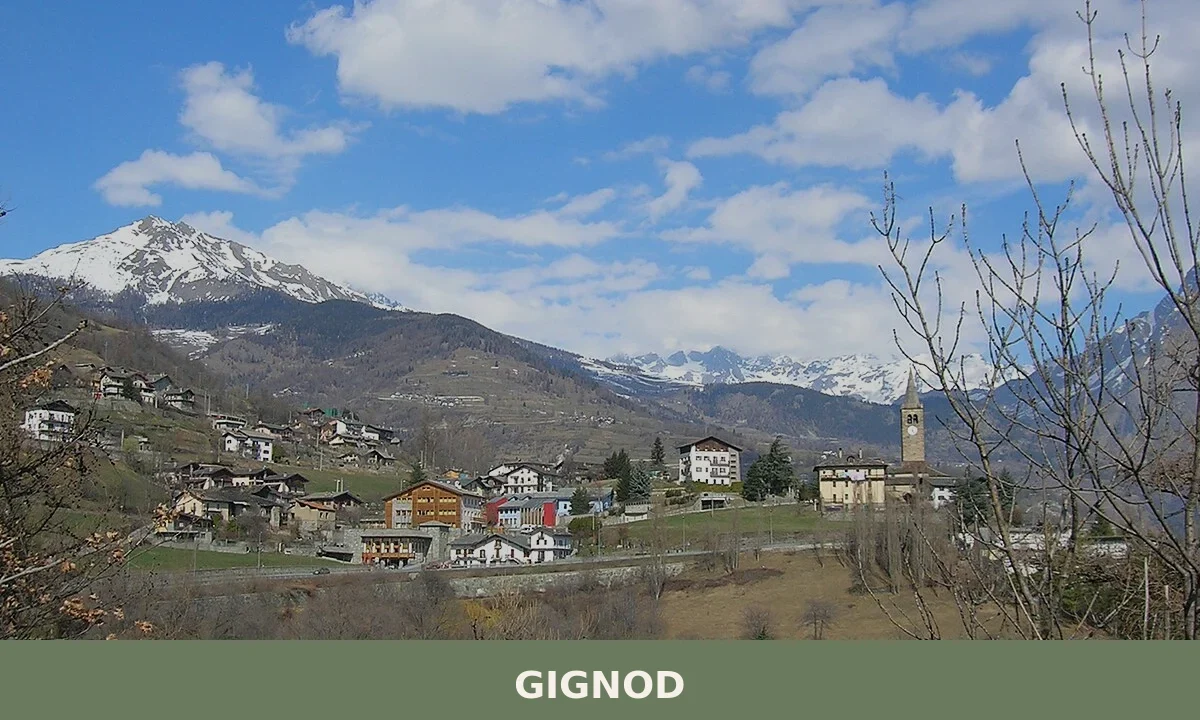
Gignod is a mountain comune in the Aosta Valley, lying at 944 metres between the Valpelline and the Valle del Gran San Bernardo, with a history stretching from prehistoric settlement to a living calen
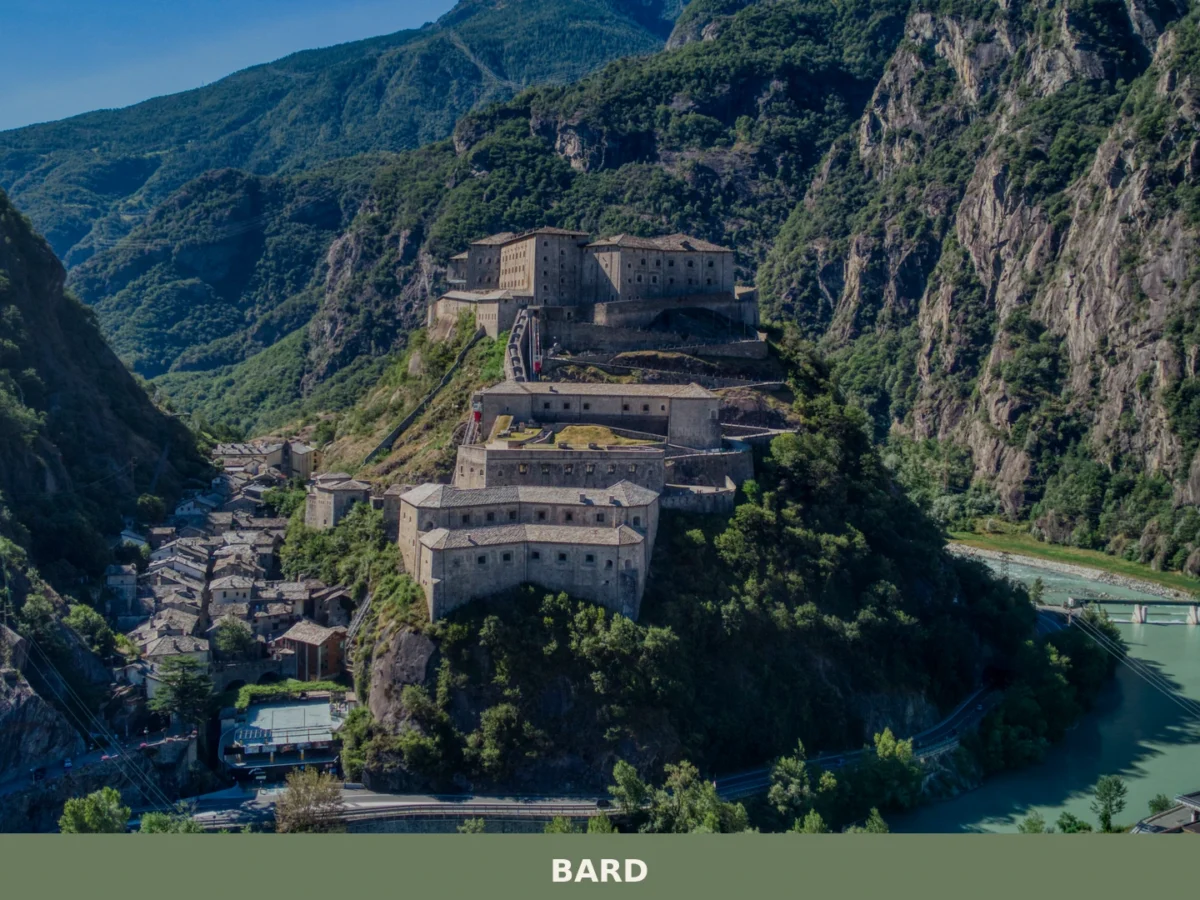
Bard
Mountain
What to see in Bard, Valle d'Aosta, Italy: explore the Fort, medieval streets and local food. Bard sits at 400 m. Discover top attractions and how to get there.
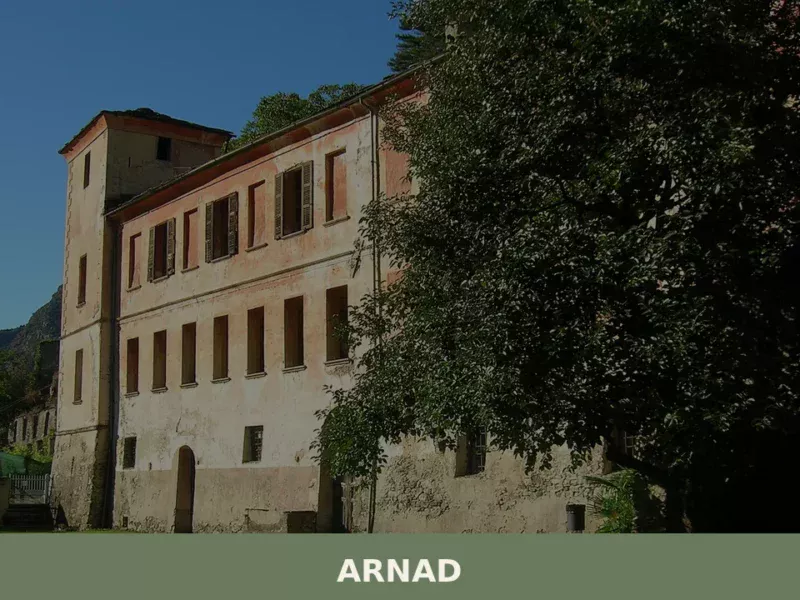
Arnad
Mountain
Discover what to see in Arnad: medieval Château Vallaise, Lard d'Arnad DOP, historic irrigation channels and terraced vineyards in Italy's Aosta Valley.
Arvier
Mountain
Discover what to see in Arvier, Valle d'Aosta: medieval borough, feudal tower, Enfer d'Arvier vineyards, local food and practical travel tips.
Challand-Saint-Anselme
Mountain
What to see in Challand-Saint-Anselme, Italy? Discover its 1036 m (3,399 ft) altitude, ancient mills, and the Church of Saint-Anselme. Explore this mountain village.
Aymavilles
Mountain
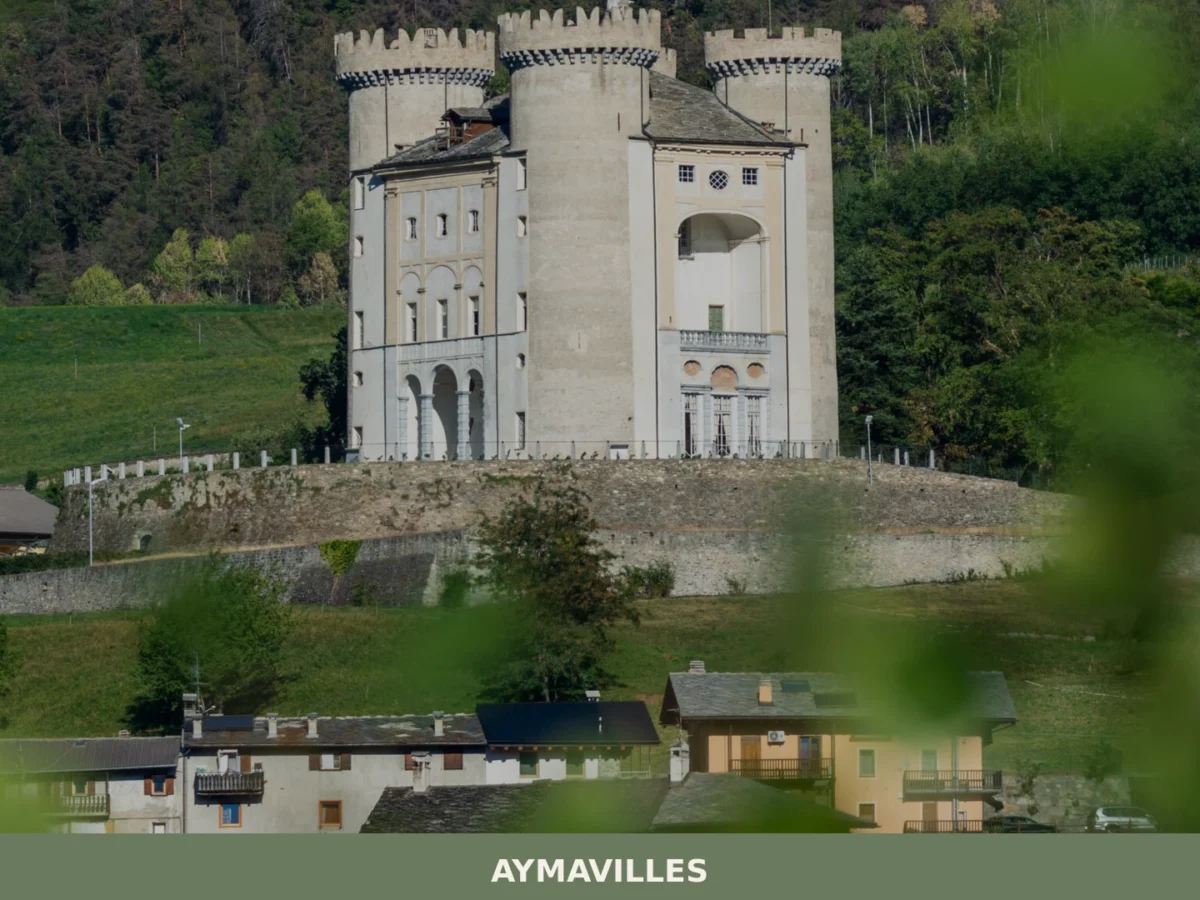
What to see in Aymavilles, Italy: explore the Roman Pont d'Aël bridge over a 66 m gorge and Alpine trails. Discover top attractions in Valle d'Aosta.
Gaby
Mountain
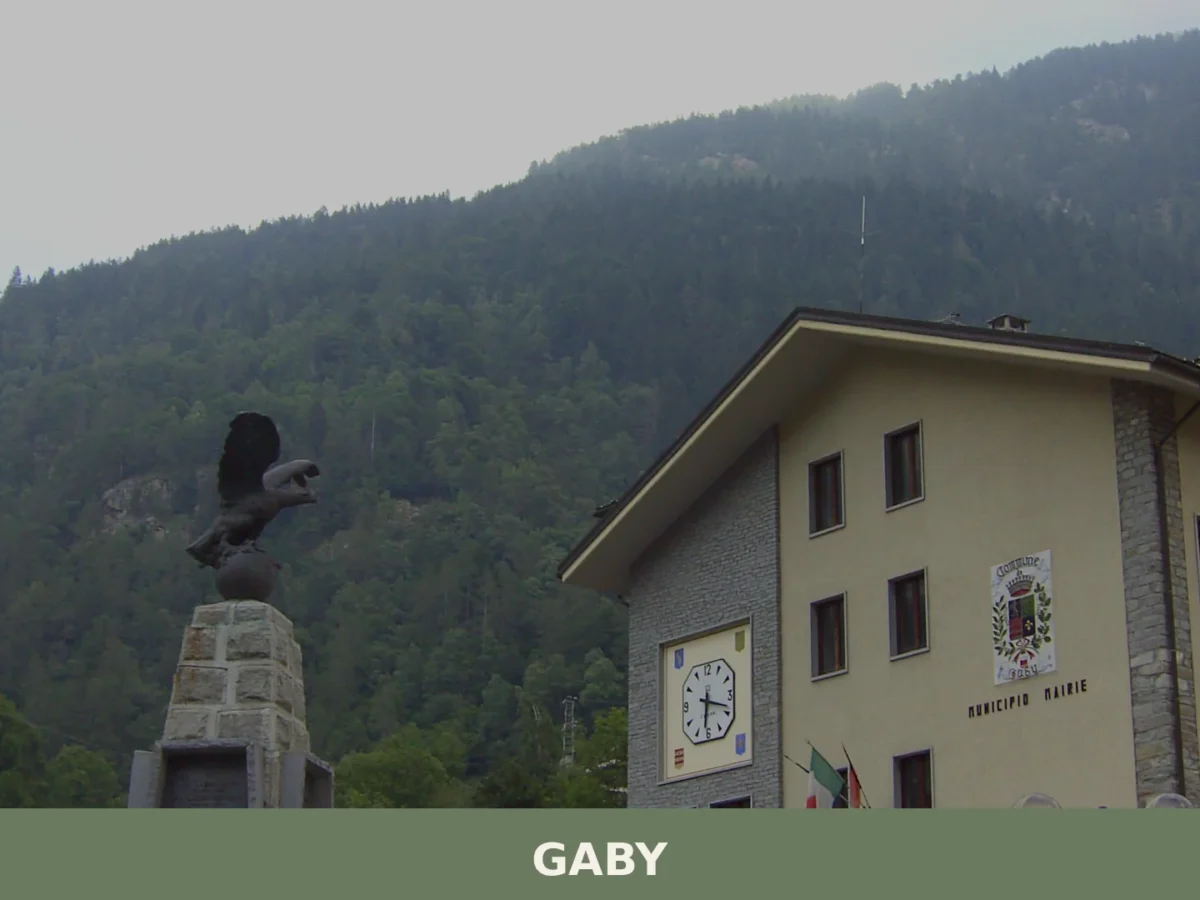
Gaby is a small mountain commune in the Valle d'Aosta, set at 1,050 metres in the Lys valley between Issime and Gressoney-Saint-Jean, where Walser heritage, francoprovençal culture and alpine scenery
Gressoney-La-Trinité
Mountain
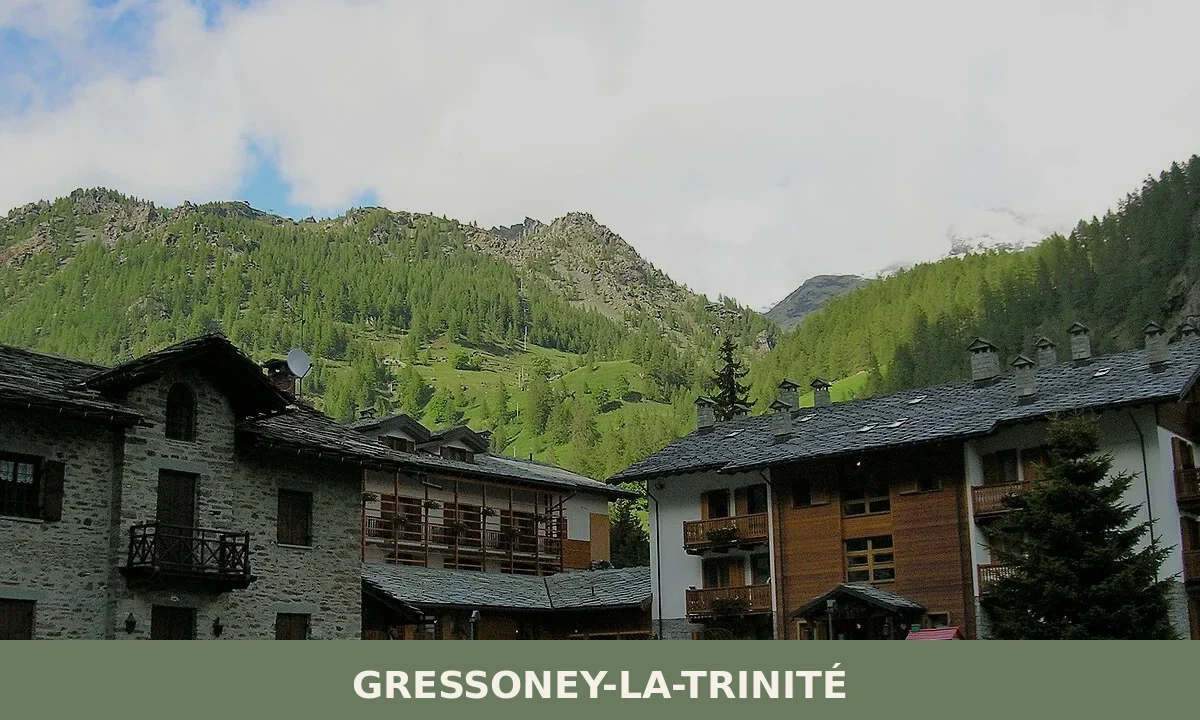
Gressoney-La-Trinité is a 322-inhabitant Walser commune at 1,629 metres in the Valle del Lys, Valle d'Aosta, set against the glaciers and high peaks of the Monte Rosa massif.
Brissogne
Mountain
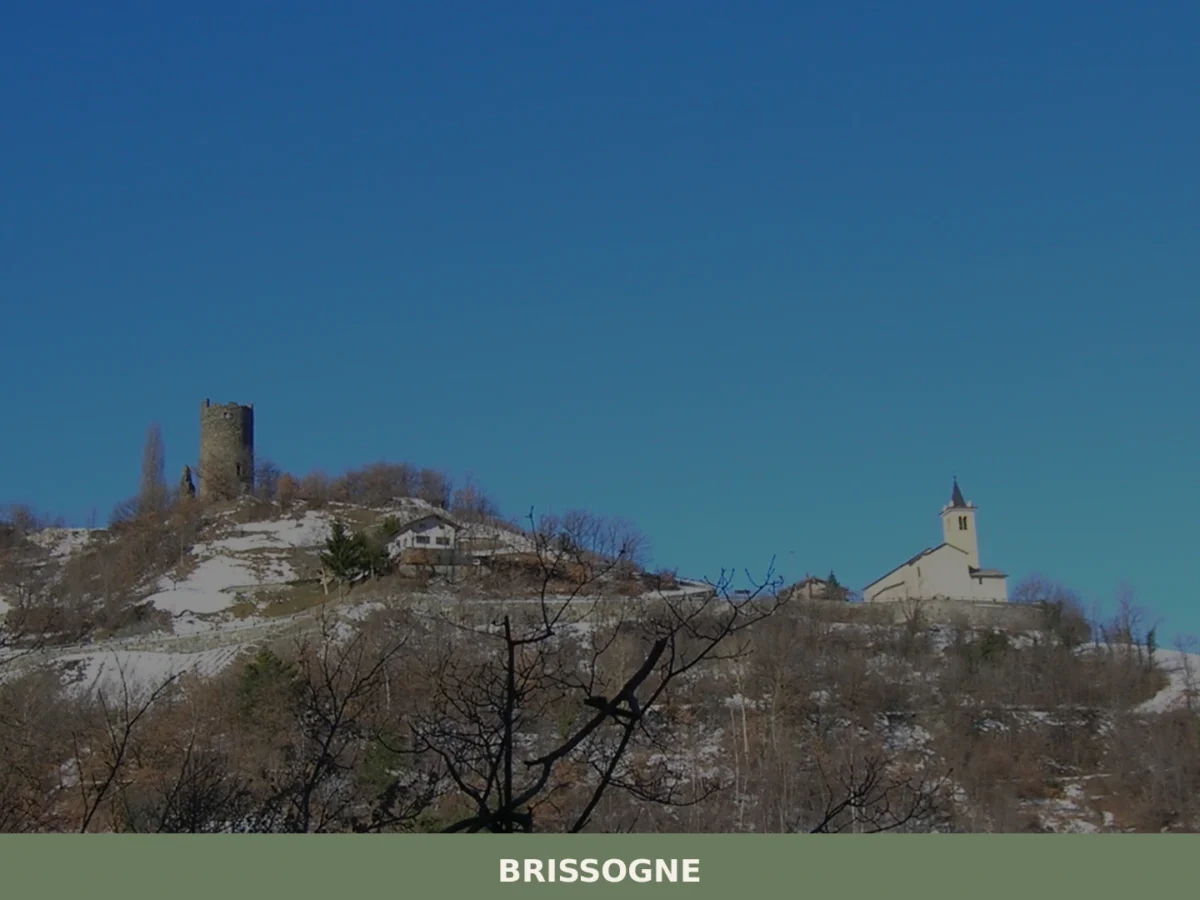
What to see in Brissogne? Discover the 5 unmissable attractions of this village in Aosta Valley. From the church to the castle, plan your visit here!
Avise
Mountain
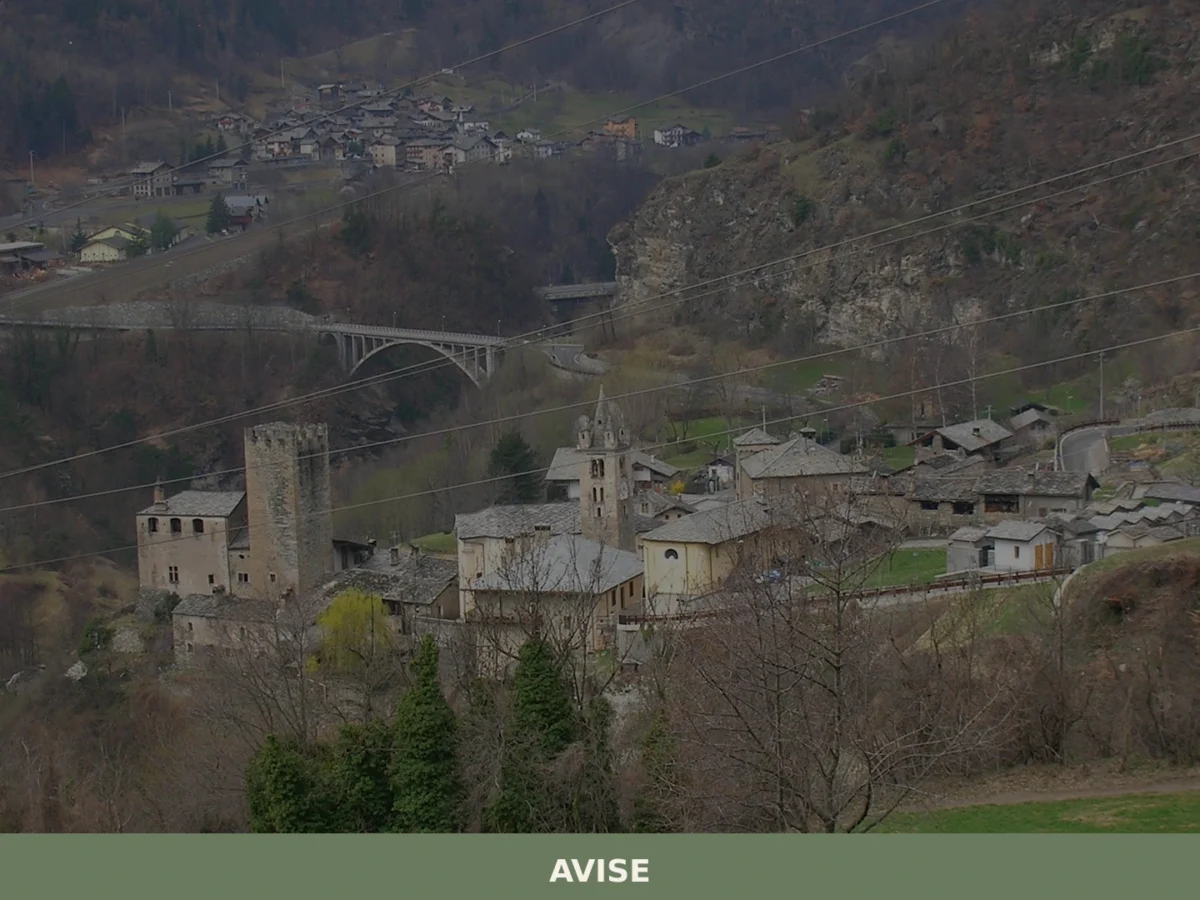
Discover what to see in Avise: a medieval castle, Romanesque church, alpine vernacular architecture and valley views in the upper Valle d'Aosta at 996 metres.


🏡 Know Introd better than we do?
If you’re a local or have been there, your knowledge matters: add what’s missing or fix a detail on this page.