


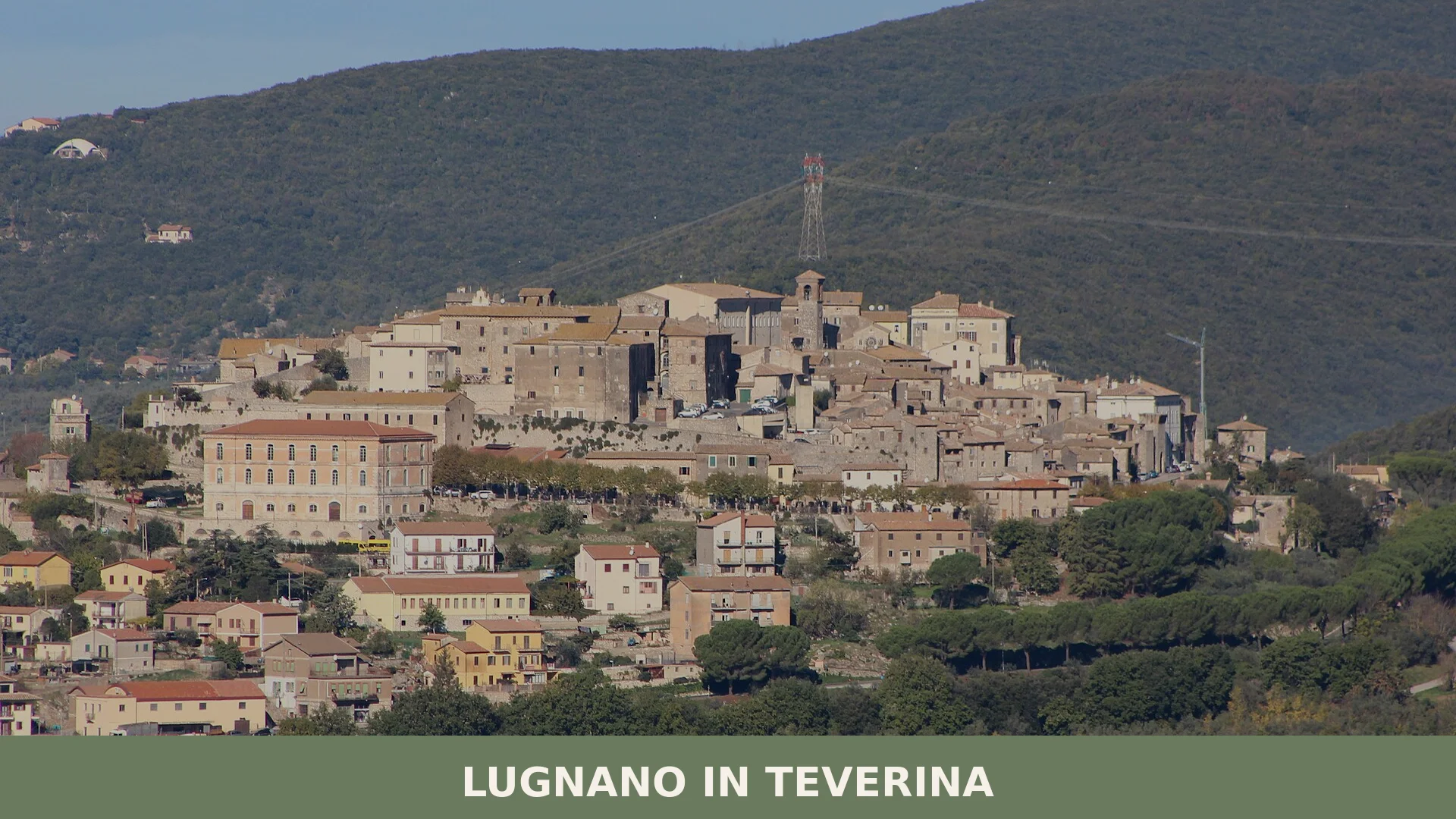

Lugnano in Teverina is a hilltop comune of around 1,400 residents in the province of Terni, Umbria, whose layered history ranges from a first-century BC Roman villa at Poggio Gramignano to a medieval
Discover Lugnano in Teverina
Lugnano in Teverina is a hilltop comune of around 1,400 residents in the province of Terni, Umbria, set at 419 metres above sea level in the lower Tiber valley and covering just under 29.68 square kilometres of inland hill country. Its recorded history spans more than a thousand years, from a Roman villa built at Poggio Gramignano in the second half of the first century BC through a medieval settlement that grew around the Collegiate Church of Santa Maria Assunta, raised between the eleventh and twelfth centuries. The Antiquarium in the Palazzo Comunale displays finds from those Roman excavations, while the old town retains its churches, a seventeenth-century palace, and the remains of a Franciscan convent founded in 1229.
Lying roughly 30 kilometres from Terni (about 35 minutes by road) and around 25 kilometres from Orvieto (about 30 minutes), the Lugnano in Teverina village in Umbria is included in the Associazione Nazionale Città dell’Olio — a designation reflecting the role of olive cultivation in the local agricultural economy — and draws visitors interested in its layered Roman, medieval, and early modern heritage rather than mass tourism infrastructure.
Lugnano in Teverina village in Umbria: history and landmarks across the centuries
Lugnano in Teverina is a hilltop comune in the province of Terni whose recorded past reaches back at least to the ninth century, with Roman occupation attested even earlier by the remains of a substantial villa at Poggio Gramignano, built in the second half of the first century BC along the Tiber valley below the medieval settlement.
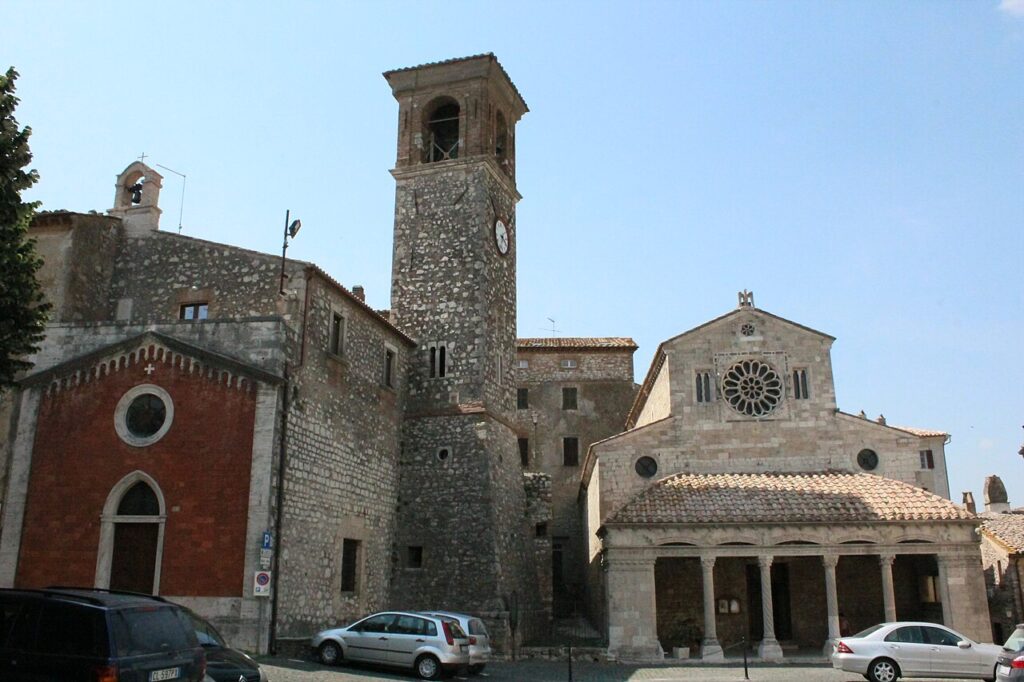
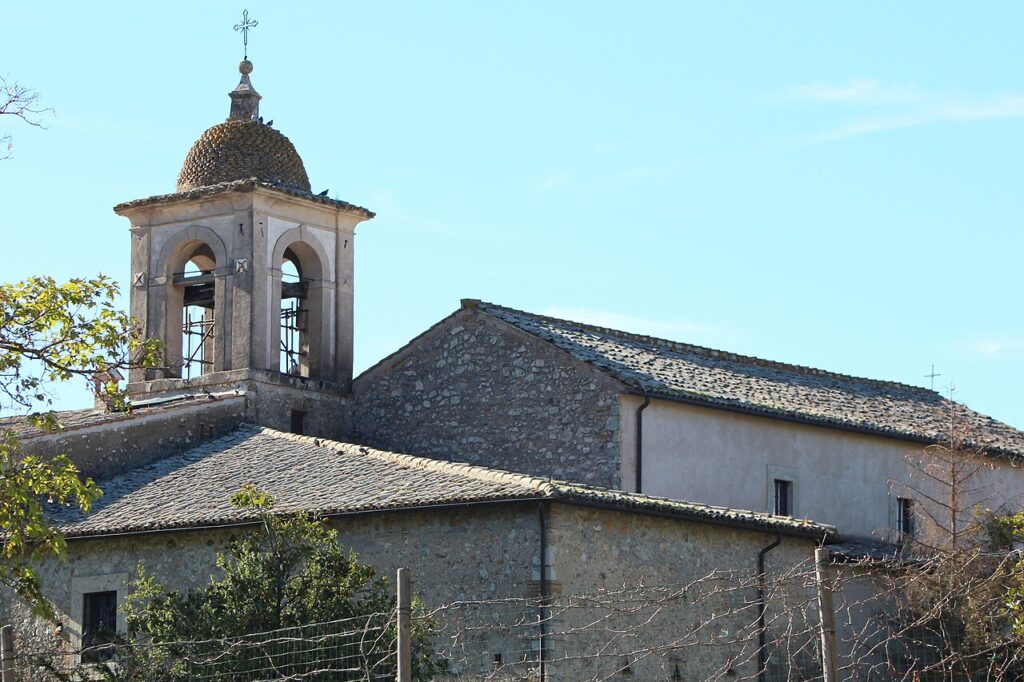
The Collegiate Church of Santa Maria Assunta, raised between the eleventh and twelfth centuries on the foundations of that earlier ninth-century structure, stands as the most visible marker of the commune’s medieval development. Its portico was added before 1230. By the early sixteenth century the church served as the gathering place for the entire population of Lugnano, and the surrounding ground also functioned as a cemetery until 1559, when burials were moved outside the town. Among the artworks preserved inside are a painting by Livio Agresti, a painter of the Forlì school, and frescoes completed by Domenico Bruschi in 1886 in the Cappella dei Conti Bufalari.
The Convento di San Francesco was built by the people of Lugnano in 1229 and retains its cloister and frescoed interior spaces. The Church of Sant’Antonio Abate dates from the early sixteenth century and was associated with a confraternity of agricultural character; the feast of Sant’Antonio on 17 January preserved for many years the tradition of bringing animals to the church for blessing. The Church of the Maestà — also referred to as the Maestade — dedicated to San Giovanni Decollato, is dateable to the fifteenth century and was linked to a public fair established by a papal bull of Pope Clement VIII; after a long period of abandonment it was restored and reopened on 31 August 2014.
Palazzo Pennone, today the seat of the municipal government, was built around 1650. It is sometimes called Palazzo Farnese-Ridolfi, a designation that attributes the building to cardinals Nicolao Ridolfi and Alessandro Farnese, though this attribution is inconsistent with the documented construction date, since both cardinals lived in the sixteenth century. The name Pennone in fact derives from the building’s first recorded owner, Antonio Penone.
Churches, palaces and archaeological finds along the Tiber valley
Lugnano in Teverina preserves a collegiate church dating from between the eleventh and twelfth centuries, a thirteenth-century Franciscan convent, several smaller churches, two civic palaces, and archaeological material from a Roman villa excavated at Poggio Gramignano — all within a compact hilltop comune of around 1396 inhabitants.
Collegiate Church of Santa Maria Assunta
The church was built between the eleventh and twelfth centuries on the foundations of an earlier structure dating from the ninth century. A portico was added before 1230. The interior holds cosmati mosaic work, a Crucifixion attributed to the school of Giotto, and the painting San Giovanni Decollato by Livio Agresti, a painter of the Forlì school. A separate chapel — the Cappella dei Conti Bufalari — contains frescoes executed by Domenico Bruschi in 1886. Through the sixteenth century the church served the entire population of Lugnano as a place of worship; a cemetery occupied the ground around and within it until 1559, when burials were moved outside the town.
Convent of San Francesco
Built by the people of Lugnano in 1229, the complex includes a walled enclosure, a church, a monastery and a cloister. Several interior spaces retain fresco decoration.
Palazzo Pennone
Constructed around the mid-seventeenth century, the building is sometimes called Palazzo Farnese-Ridolfi, though that attribution to the cardinals Nicolao Ridolfi and Alessandro Farnese is inconsistent with the documented construction date, since both men lived in the sixteenth century. The name Pennone derives from Antonio Penone, the building’s first recorded owner. The palazzo now serves as the municipal seat.
Palazzo dei Conti Bufalari
The civic record notes this palace in connection with the Bufalari family, whose chapel inside the Collegiate Church received Bruschi’s 1886 frescoes.
Church of Sant’Antonio Abate
Datable to the early sixteenth century, the church belonged to a confraternity of Sant’Antonio with an agricultural orientation. Each year on 17 January the feast of Sant’Antonio is still observed here; traditionally, animals from the surrounding countryside were brought before the church for a blessing.
Church of the Maestà
Also recorded as the Maestade, this church is dedicated to San Giovanni Decollato and is datable to the fifteenth century, possibly originating as a small roadside shrine. It stands outside the main built area. For centuries it was the site of the public fair of San Giovanni — held at the end of August under a papal bull issued by Clement VIII — but fell into abandonment before being restored and reopened on 31 August 2014.
Former factory building
In the late nineteenth and early twentieth centuries the structure operated as a factory producing electric light bulbs, later housing electricity generators, and subsequently an agricultural enterprise with an oil mill and a wine cellar. The municipality purchased it in 1991.
Antiquarium of Lugnano in Teverina
Housed in the Palazzo Comunale, the Antiquarium displays finds from the excavations of the Roman villa at Poggio Gramignano — a substantial residence established in the second half of the first century BC, situated near the Tiber below the medieval town. The collection documents daily life and the organisation of work at the villa, and introductory cases address the geology of the site and the building materials used.
Villa romana and necropolis at Poggio Gramignano
Outside the town, the archaeological site of Poggio Gramignano comprises the Roman villa and a separate children’s necropolis. The material recovered from both contexts forms the core of the Antiquarium’s holdings.
Food and wine from Lugnano in Teverina and the surrounding Terni area
Lugnano in Teverina and its surrounding Terni province are associated with several certified products, including IGP-recognised Agnello del Centro Italia and Vitellone bianco dell’Appennino Centrale, alongside the locally celebrated Pampepato di Terni IGP, a spiced confection long tied to this corner of Umbria. The area also produces Pecorino Toscano DOP and Salamini italiani alla cacciatora DOP, while olive oil holds particular significance: Lugnano is a member of the Associazione Nazionale Città dell’Olio, a national network that recognises communes where olive cultivation shapes agricultural and food culture. The broader Umbria DOP designation covers oils produced across the region.
Among cured meats, the Umbrian tradition is well represented by products such as capocollo, corallina, guanciale, mazzafegati and porchetta, all documented as part of the regional heritage, though none is exclusive to Lugnano itself. For wine, the territory sits within reach of several denominations: the Amelia DOC and Lago di Corbara DOC are the closest geographically, while the Rosso Orvietano DOC and the Narni IGT also fall within the wider zone. Further afield, Umbria’s two DOCG wines — Montefalco Sagrantino and Torgiano Rosso Riserva — represent the region’s highest appellations.
Getting to Lugnano in Teverina and planning your visit
Lugnano in Teverina sits at 419 metres in the inland hills of south-western Umbria, roughly 30 kilometres from Terni (approximately 35 minutes by road) and approximately 25 kilometres from Orvieto (approximately 30 minutes in a south-westerly direction), making it accessible as a day trip from either centre. The comune covers just under 29.68 square kilometres in the lower Tiber valley and carries a climate classification of zone E, with 2,127 degree-days, meaning winters can be cold; spring and early autumn are generally the most comfortable seasons for exploring the historic centre on foot.
The annual Festa di Sant’Antonio on 17 January and the late-August fair linked to the Chiesa della Maestà both offer occasions to visit when the village is at its most animated. Nearby, the small comune of Attigliano lies in the same valley and can be combined with a visit, as can Acquasparta to the north-east. Accommodation options in a comune of around 1,400 residents are limited, so planning ahead — particularly around festival dates — is advisable.
| Departure | Distance | Time |
|---|---|---|
| Terni | approx. 30 km | approx. 35 min |
| Orvieto | approx. 30 km | approx. 35 min |
| Attigliano | approx. 10 km | approx. 15 min |
| Acquasparta | approx. 20 km | approx. 25 min |
| Roma | approx. 110 km | approx. 1h 20 min |
These practical references help organise the journey clearly, while the village itself is best understood slowly and on foot once you arrive.
Frequently asked questions about Lugnano in Teverina
What is the best time to visit Lugnano in Teverina?
Late spring through early autumn offers pleasant weather for exploring the hilltop village. August is particularly significant as the patron saint feast of Santa Maria Assunta occurs on August 15th, featuring local celebrations. The mild climate of Umbria makes September and October ideal for visiting, when summer crowds diminish and the countryside remains vibrant. Winter can be rainy; spring wildflowers add scenic appeal to the surrounding countryside.
How do I reach Lugnano in Teverina by car from major cities?
From Terni, Lugnano in Teverina lies approximately 30 kilometres north, taking roughly 35 minutes by road. From Orvieto, it is about 25 kilometres away, requiring approximately 30 minutes of driving. The village sits in the lower Tiber valley in inland Umbria. Use GPS navigation for precise directions from the motorway. The nearest significant motorway connections serve the broader Terni and Umbria region.
What historical periods are represented in Lugnano in Teverina?
The village spans over a thousand years of documented history. Roman heritage includes a villa at Poggio Gramignano from the first century BC, with finds displayed in the Antiquarium at Palazzo Comunale. Medieval development centred on the Collegiate Church of Santa Maria Assunta, built between the eleventh and twelfth centuries. Early modern additions include a seventeenth-century palace and a Franciscan convent founded in 1229.
Why is Lugnano in Teverina part of the Associazione Nazionale Città dell'Olio?
The village holds membership in the National Association of Oil Cities due to the significant role of olive cultivation in its local agricultural economy. This designation reflects the importance of olive oil production to the region's heritage and contemporary food culture. The Umbrian landscape surrounding Lugnano in Teverina supports traditional olive groves that contribute to the area's gastronomic identity and rural character.
How long should I plan to spend visiting Lugnano in Teverina?
A half-day visit suffices for exploring the compact hilltop village and its main churches and palaces. A full day allows leisurely examination of the Collegiate Church of Santa Maria Assunta, the Antiquarium at Palazzo Comunale, and surrounding medieval streets. Visitors interested in broader Umbrian exploration might base themselves here and visit nearby Orvieto or Terni as day trips, combining the village with regional food and wine interests.
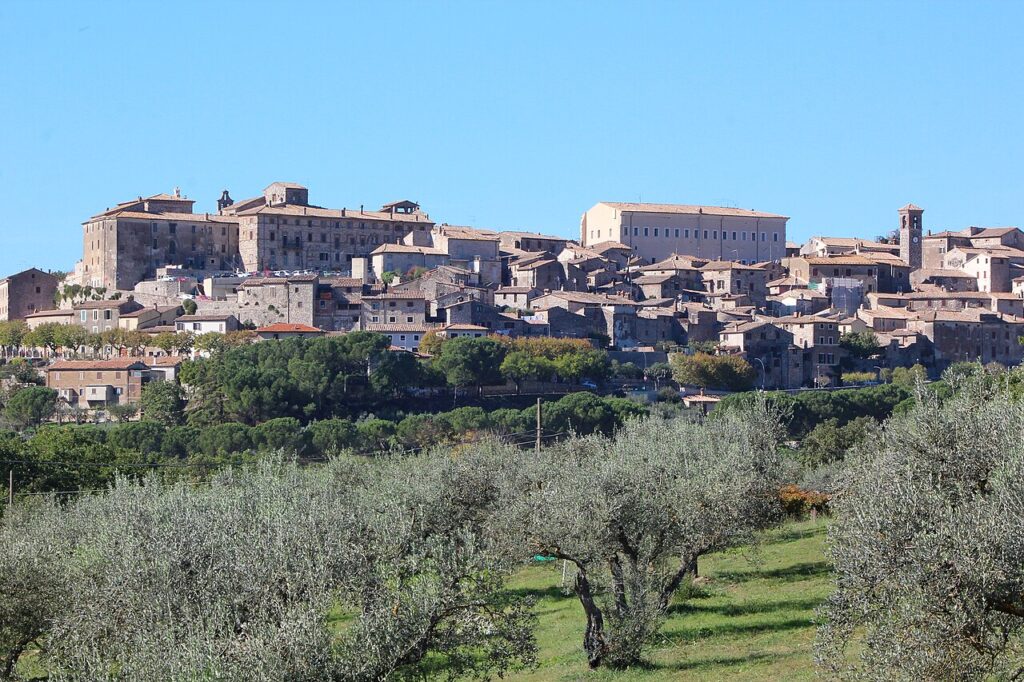
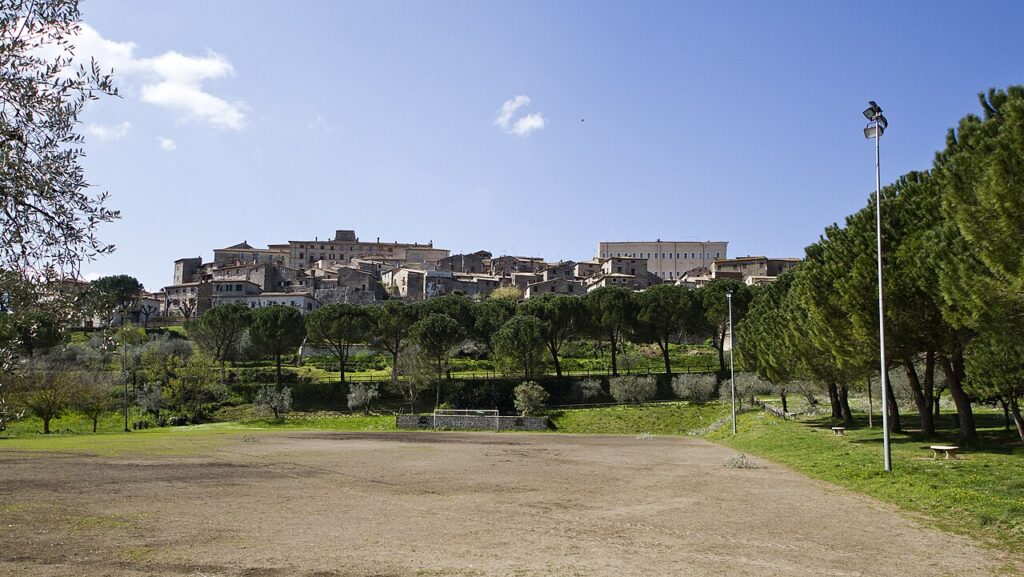
📷 Photo Gallery — Lugnano in Teverina
In Umbria More villages to discover
Preci
 Hills
Hills
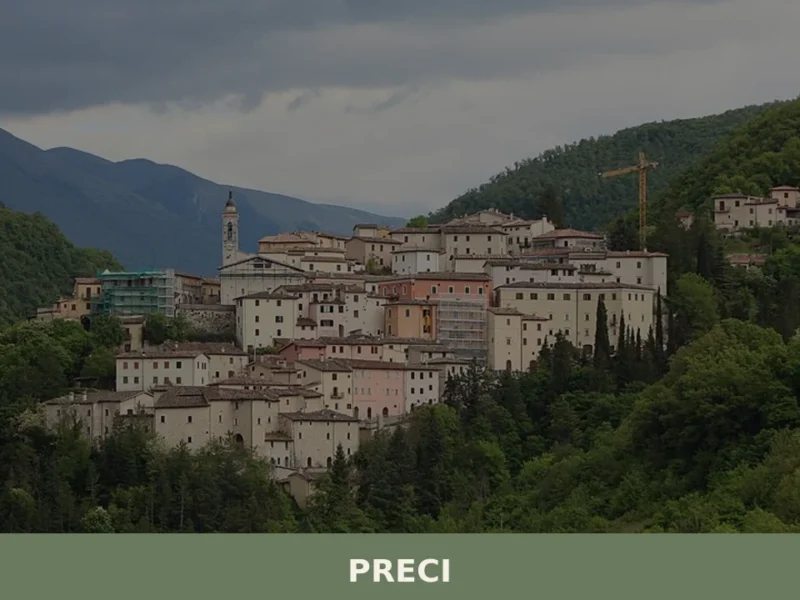
With a recorded population of 681 inhabitants, Preci stands at an elevation of 596 metres above sea level in the heart of Umbria, a region often referred to as Italy’s ‘green heart’. This small village, historically shaped by its monastic tradition and a renowned surgical school (see English Wikipedia), offers a distinct window into a […]
Marsciano
Hills
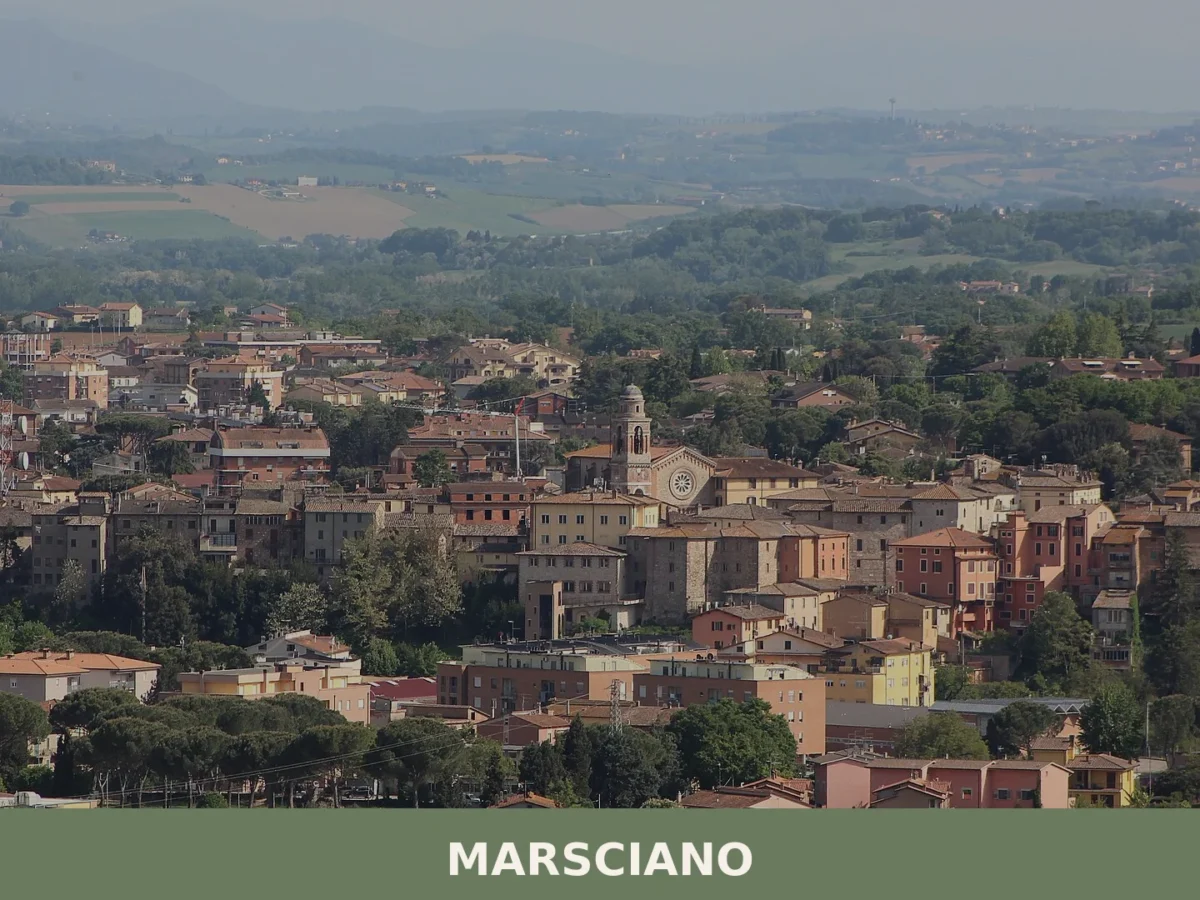
Marsciano is a hill town in the province of Perugia, Umbria, renowned as the region's principal centre of brick and terracotta production and shaped by layers of history from Etruscan settlement to Re
Citerna
Hills
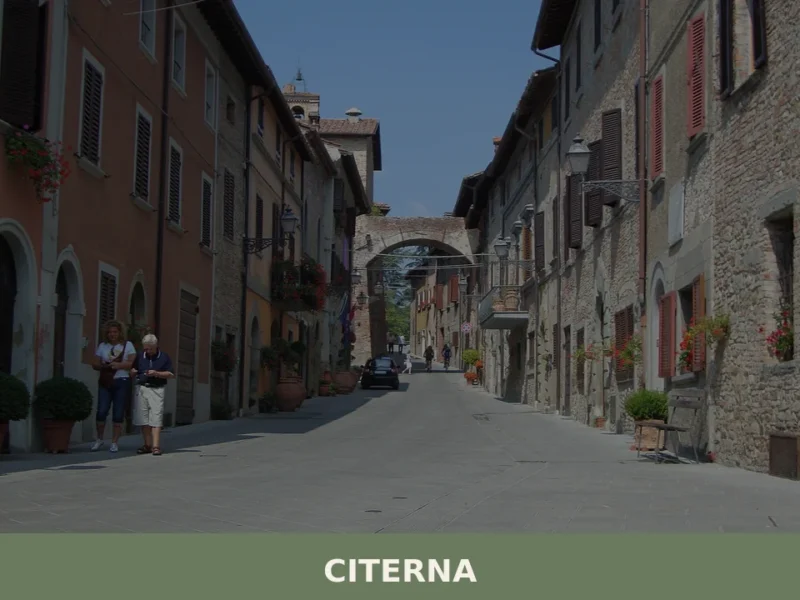
Citerna is a captivating Umbrian village that offers a journey through history, art, and authentic Italian flavors.
Bettona
Hills
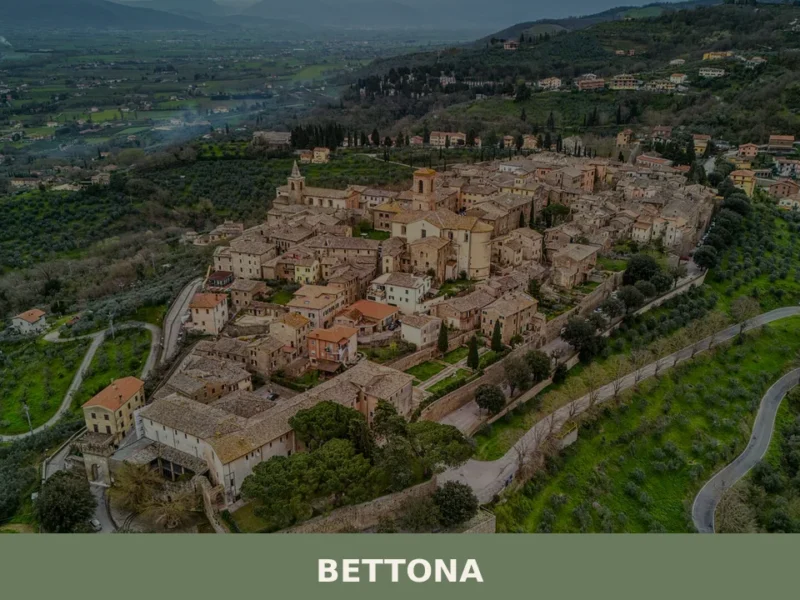
Bettona, a municipality in the province of Perugia, Umbria, rises 353 meters above sea level with a population of 4,227 inhabitants.
Sant’Anatolia di Narco
 Plains
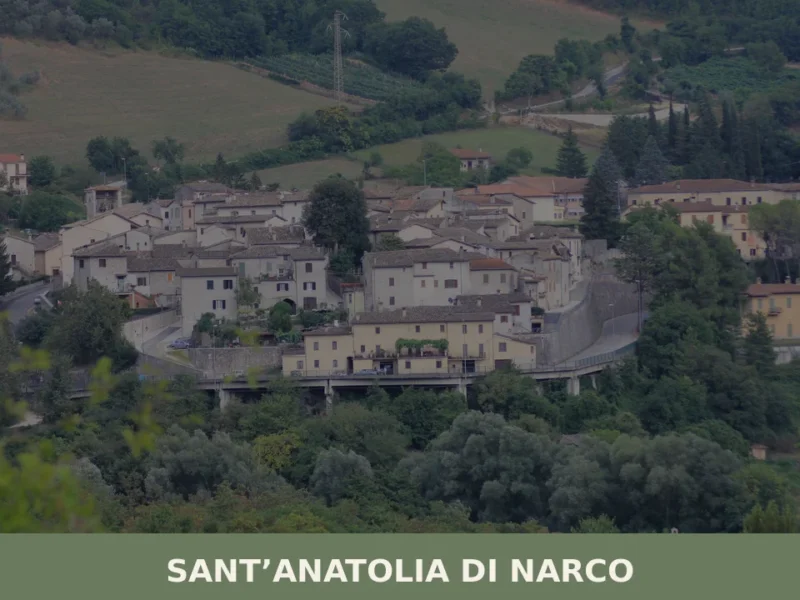
In 1213, a document from the Abbey of San Felice recorded for the first time the castrum of Sant’Anatolia, a fortified settlement on the left bank of the River Nera in the southern Valnerina. Today the municipality has 555 inhabitants spread between the main village and a handful of hamlets scattered across the wooded slopes […]
Paciano
Hills
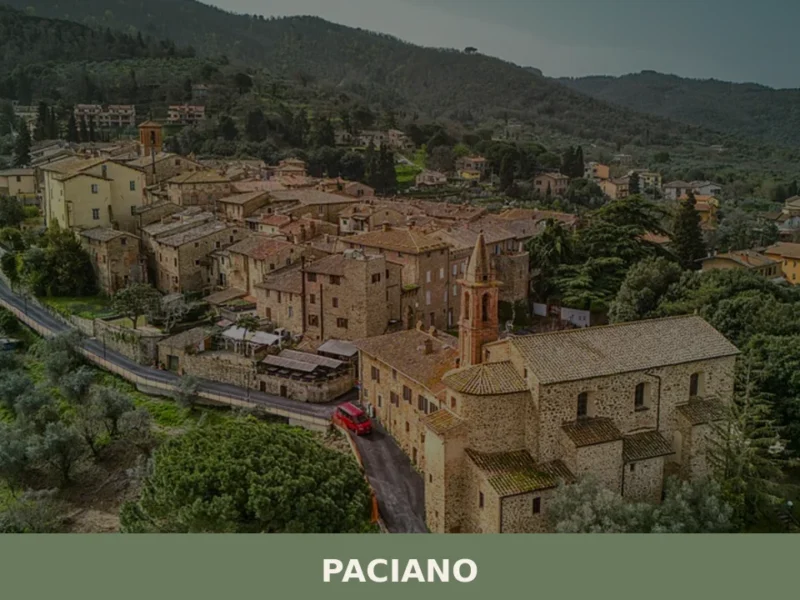
As the early morning mist begins to lift from the rolling hills, a faint scent of woodsmoke and damp earth hangs in the air. The first rays of sunlight strike the ancient stone of Paciano, illuminating a quiet street where a lone figure sweeps the flagstones outside a modest doorway. Here, life unfolds with a […]
Cascia
 Mountain
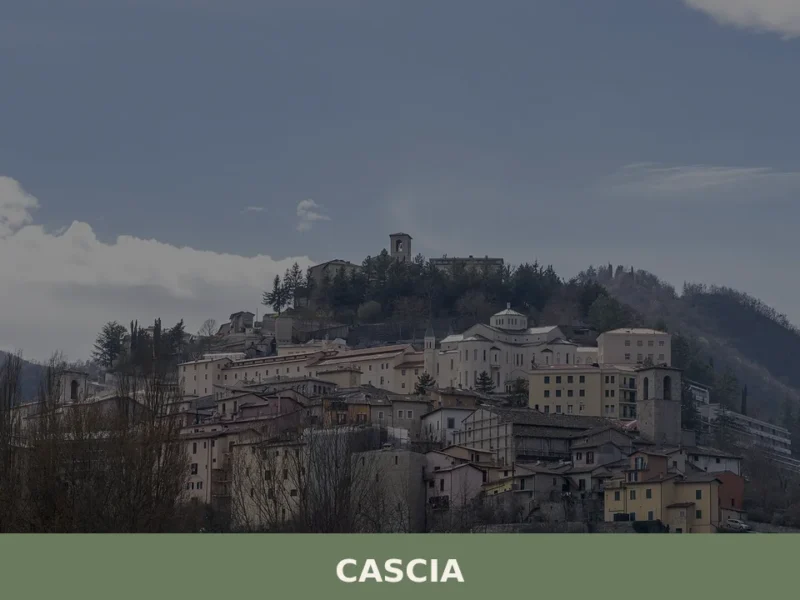
What to see in Cascia, Umbria, Italy: explore the Basilica of Santa Rita, medieval churches, and local truffles at 653 m altitude. Discover the full travel guide.
Costacciaro
Hills
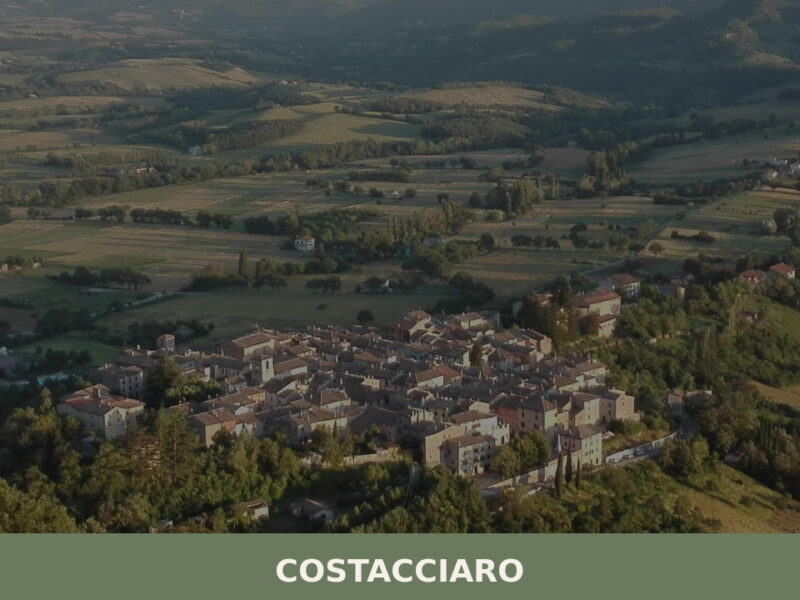
Morning light reaches Costacciaro slowly, filtered through the mass of Monte Cucco before it spills across stone facades and narrow lanes still damp from overnight mountain air. At 1,280 inhabitants, this is a village measured not in monuments but in texture — the grain of limestone walls, the sound of water channelled from karst springs, […]
Monte Santa Maria Tiberina
Mountain
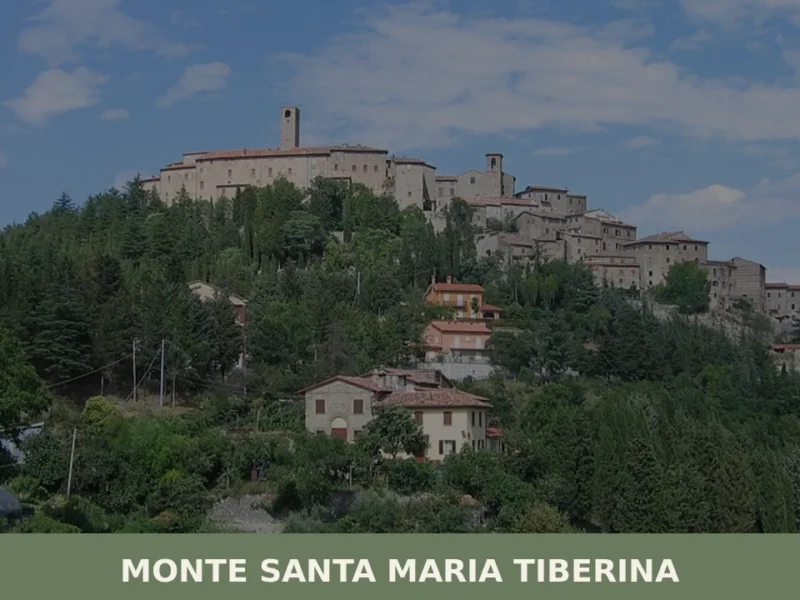
A quiet hush often settles over the stone lanes of Monte Santa Maria Tiberina as the morning sun climbs, painting the ancient walls with a warm ochre glow. From its vantage point at 688 metres above sea level, the village awakens slowly, the distant murmur of the Tiber River a faint counterpoint to the rustle […]
Guardea
Hills
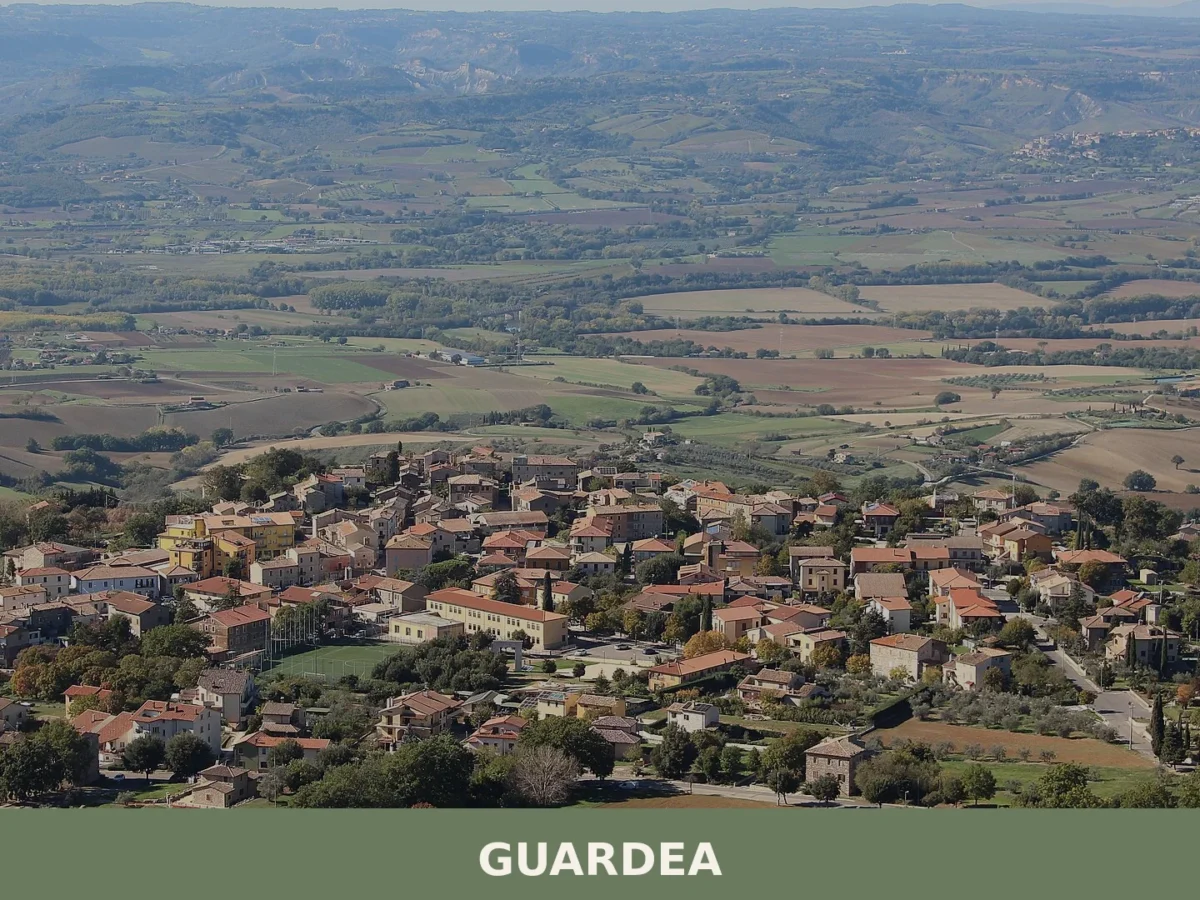
Guardea is a hilltop comune in the province of Terni, Umbria, where pre-Roman enclosures, a Norman castle and a storied landscape combine to create one of the region's most layered small-town destinat



🏡 Know Lugnano in Teverina better than we do?
If you’re a local or have been there, your knowledge matters: add what’s missing or fix a detail on this page.