


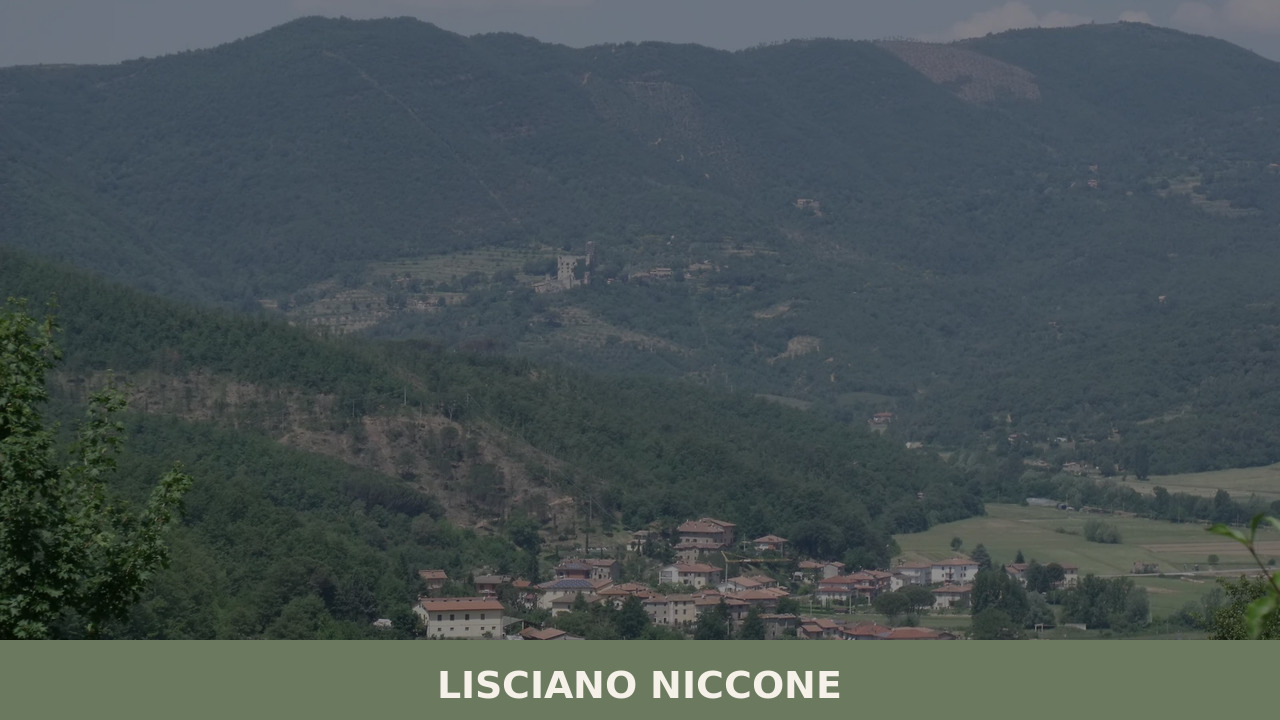

A 601-inhabitant village on the Umbria-Tuscany border. Discover what to see in Lisciano Niccone: its medieval core, valley trails, and traditional food.
Discover Lisciano Niccone
Morning light catches the stone bell tower before it reaches the valley floor. At 314 metres above sea level, this small settlement of 601 inhabitants wakes to the sound of wood pigeons crossing between oak groves and the faint mechanical hum of olive presses in season. The air carries resin and damp earth. If you are considering what to see in Lisciano Niccone, begin here — at the threshold where Umbria meets Tuscany, where the municipality’s scattered hamlets look out across Lake Trasimeno to the west and the upper Tiber valley to the east.
History of Lisciano Niccone
The name itself is a composite geography. “Lisciano” likely derives from a Roman landowner — a praedium Licinianum, the estate of someone named Licinius — a naming convention common across central Italy’s rural communes. “Niccone” refers to the Torrente Niccone, the stream that cuts the valley running north toward the Tuscan border. The territory has been shaped by this watercourse for millennia, its banks providing the fertile strips where early settlement took root.
During the medieval period, the area fell within the contested frontier between Perugia and the Tuscan cities. Feudal control shifted repeatedly. The imposing Rocca di Pierle — visible from the village on a clear day, rising from the hills near Cortona — served as one of several fortifications that enforced territorial claims along this borderland. Lisciano Niccone’s own defensive structures, though more modest, reflect the same era of strategic hilltop construction, when every ridgeline was a potential front line. The commune remained part of the Province of Perugia as Umbria took its modern administrative shape in the nineteenth century.
By the twentieth century, the population had contracted significantly — a pattern common to Umbria’s upland communities, where agricultural mechanisation and urban migration hollowed out villages that once sustained several hundred families. Today’s figure of 601 residents represents a community that persists through a combination of traditional farming, rural tourism, and the draw of foreign buyers restoring abandoned farmhouses across the Niccone valley.
What to see in Lisciano Niccone: 5 must-visit attractions
1. The historic centre
The compact medieval core gathers around narrow stone lanes that climb to the parish church. Buildings here are constructed from the local sandstone, their walls thick enough to hold coolness in summer. The layout is defensive in origin — tight passages, limited entry points — designed for a population that expected trouble from the valley below. A slow circuit of the centre takes no more than twenty minutes, but rewards close attention to carved lintels and worn thresholds.
2. Chiesa di San Salvatore
The parish church of San Salvatore anchors the village’s spiritual life and its skyline. Its stone façade is plain, characteristic of rural Umbrian ecclesiastical architecture that favoured solidity over ornamentation. Inside, the proportions are modest, the nave narrow. Look for traces of earlier construction phases in the masonry — this is a building that has been rebuilt and repaired across centuries, each layer recording a different moment in the village’s continuity.
3. The Niccone Valley
Below the village, the Torrente Niccone carves a green corridor of oak, chestnut, and cultivated olive groves. Walking trails follow the stream and branch into the surrounding hills. The valley functions as a natural boundary between Umbria and Tuscany, and its landscapes shift accordingly — denser woodland on the Umbrian side, more open cultivation toward Cortona. Birdlife is varied; raptors are common above the tree line.
4. Castello di Reschio (surroundings)
In the broader municipality, the landscape holds scattered fortified houses and rural estates dating from the medieval and Renaissance periods. The surrounding countryside contains several restored properties that preserve original tower structures and defensive walls. These are not museum pieces but lived-in architecture, often visible from the network of unpaved roads — strade bianche — that connect the valley’s farms and hamlets.
5. Views toward Rocca di Pierle
From several points along the village’s western edge, the ruined fortress of Pierle appears on the opposite ridge, inside the municipality of Cortona in Tuscany. The ruin dates to the thirteenth and fourteenth centuries and belonged to the Marquises of the territory. While the structure itself requires a separate trip, its silhouette from Lisciano Niccone serves as a constant visual reminder of the area’s strategic medieval importance.
Local food and typical products
The cuisine here belongs to the Umbrian hill tradition — robust, seasonal, built on a foundation of olive oil, legumes, and cured pork. Extra virgin olive oil from the Niccone valley is produced in small quantities, pressed from cultivars adapted to the altitude and clay-heavy soils. Truffle hunting, particularly for the black truffle (tartufo nero), is practiced in the surrounding woods from late autumn into winter. Pasta is typically handmade: strangozzi dressed with truffle or wild asparagus in spring, umbricelli with a heavy ragù of pork and tomato. The bread is unsalted, as is customary throughout Umbria — a tradition linked, according to local lore, to a medieval salt tax imposed by the Papal States.
Dining options are limited to a handful of small establishments in the village and its immediate surroundings, including agriturismi that serve meals based on their own production. This is not a place with a restaurant scene; rather, eating here means participating in a domestic economy where the kitchen and the land are closely connected. The Umbria regional tourism board lists local producers and seasonal food events in the area.
Best time to visit Lisciano Niccone
Late April through June offers the most comfortable conditions: warm days, green hillsides, wildflowers along the trails, and long evening light that turns the stone walls golden before eight o’clock. Summer brings heat to the valley floor, though the village’s elevation keeps temperatures a few degrees below Perugia or the lake plain. Autumn — October and November — is truffle season and olive harvest, when the village is most active with agricultural work and the woods smell of damp leaves and turned earth. Winter is quiet, often cold, with fog settling into the Niccone valley for days at a time. There are no large-scale festivals drawing crowds; the rhythms here are agricultural, not touristic.
Visitors should plan for self-sufficiency. There is no supermarket in the modern sense. Bring what you need, or time your visit to the weekly market days in nearby towns such as Umbertide. Mobile phone reception can be unreliable in the deeper parts of the valley.
How to get to Lisciano Niccone
By car, the most direct route from Perugia takes approximately 40 minutes, heading north along the E45 (Strada di Grande Comunicazione) toward Città di Castello, then turning west on provincial roads toward the Niccone valley. From Florence, the drive is roughly 130 kilometres via the A1 motorway to Arezzo, then south through the Tuscan hill roads. From Rome, allow approximately two and a half hours via the E45 through Terni and Perugia.
- Nearest railway station: Umbertide (approximately 15 km), on the Ferrovia Centrale Umbra line connecting Perugia to Sansepolcro.
- Nearest airports: Perugia San Francesco d’Assisi (approximately 45 km); Florence Peretola (approximately 150 km); Rome Fiumicino (approximately 230 km).
- Local transport: Extremely limited. A car is essential for reaching the village and exploring the surrounding territory.
More villages to discover in Umbria
Lisciano Niccone belongs to a constellation of small Umbrian municipalities that share common traits — modest populations, medieval cores, landscapes shaped more by agriculture than tourism. Travelling south through the region, the terrain changes but the scale remains intimate. Cerreto di Spoleto, positioned in the Valnerina near the course of the River Nera, offers a different version of Umbrian hill life: steeper gradients, narrower valleys, a stronger connection to the Apennine interior. Its history of isolation produced distinct local traditions, including a repertoire of itinerant trades that carried the village’s name across central Italy.
Exploring these smaller centres — rather than concentrating on Assisi, Orvieto, or Spoleto alone — reveals a less documented Umbria. The infrastructure is minimal, the signage sometimes absent, and the rewards are proportional to the effort. For those interested in how rural Italian communities persist at the margins of the modern economy, villages like Lisciano Niccone and Cerreto di Spoleto are essential viewing. They are not preserved for visitors; they are simply still here.
Frequently asked questions about Lisciano Niccone
When is the best time to visit Lisciano Niccone?
Spring and autumn offer ideal conditions, with mild temperatures and clear skies perfect for exploring the hillside village and surrounding valleys. The patron saint feast of San Benedetto on March 21st brings local celebrations. Summer can be warm at 314 metres elevation, while winter brings occasional frost. Avoid peak summer heat if you prefer hiking. The olive harvest season (autumn) provides atmospheric visits to working presses.
How do I reach Lisciano Niccone by car?
The village lies in Perugia province, near the Umbria-Tuscany border. Access via the E76 motorway toward Perugia, then regional roads toward Lake Trasimeno. The nearest major town is Tuoro sul Trasimeno (approximately 15 km). Parking is available in the village center. GPS coordinates place it at roughly 43.2°N, 12.1°E. Allow 1.5–2 hours from Perugia city center.
What is the closest train station?
Tuoro sul Trasimeno railway station is the nearest major stop on the Perugia–Terontola line, approximately 15 kilometres away. From there, local bus connections or car rental provide onward access to Lisciano Niccone. Journey times from Perugia central station to Tuoro are approximately 45 minutes by regional train.
How long should I plan to spend in Lisciano Niccone?
A half-day visit (3–4 hours) allows time to explore the stone architecture, bell tower, and main sightseeing points. A full day suits those combining village walks with the surrounding landscape, olive groves, and views toward Lake Trasimeno and the upper Tiber valley. Overnight stays enable deeper immersion in rural rhythms and access to agriturismos and local food experiences.
What can I do outdoors around Lisciano Niccone?
The hillside position offers walking routes through oak groves and olive terraces with views across Lake Trasimeno westward and the upper Tiber valley eastward. The Torrente Niccone stream valley provides natural corridors for exploration. Local agriturismos often suggest marked trails. Cyclists find the rolling terrain accessible. The area's proximity to Tuscan borders offers extended trekking options through rural Umbrian countryside.
Nearby Villages near Lisciano Niccone
In Umbria More villages to discover
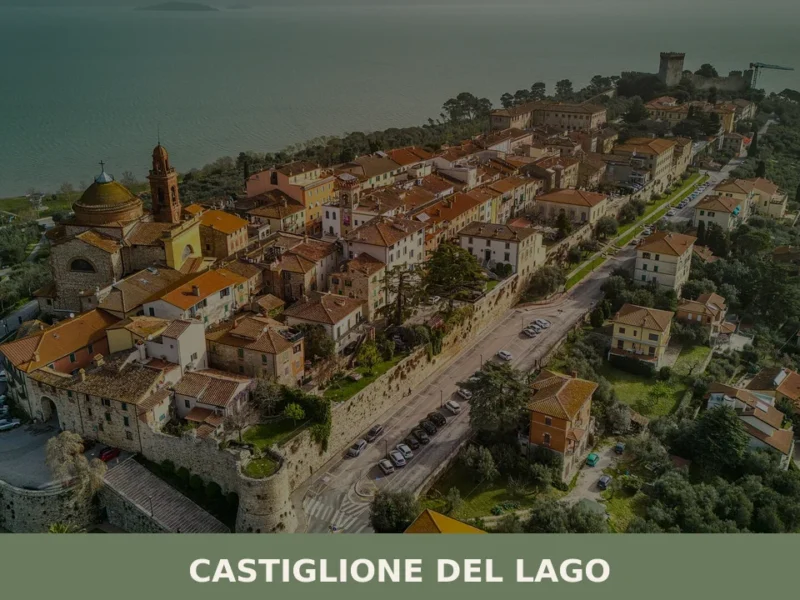
Castiglione del Lago
 Hills
Hills
 Lake
Lake
A medieval ridge town on a calcareous spur above Lake Trasimeno, Castiglione del Lago combines a pentagonal fortress, a frescoed Renaissance palace, and open water on three sides.
Perugia
Hills
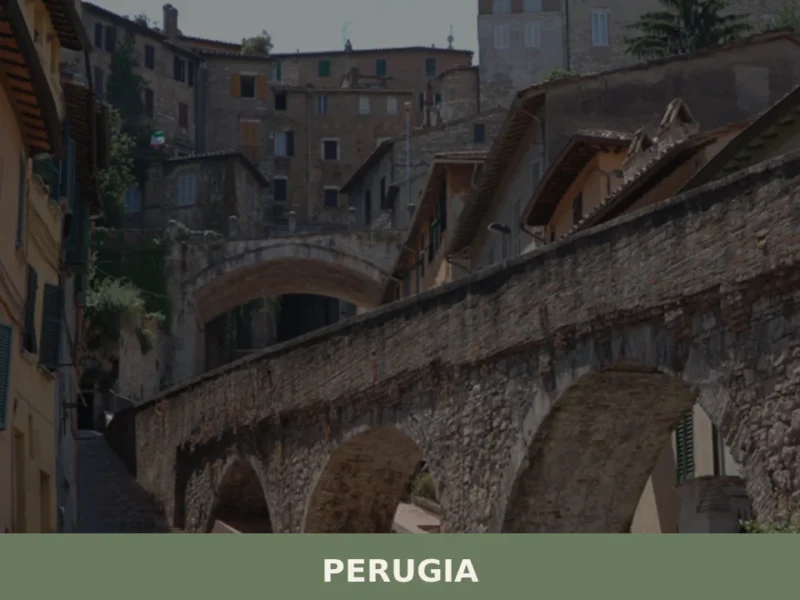
Perugia, the hilltop regional capital of Umbria at 484 metres above sea level, offers visitors more than three thousand years of continuous history, from Etruscan walls to Renaissance frescoes.
Attigliano
Hills
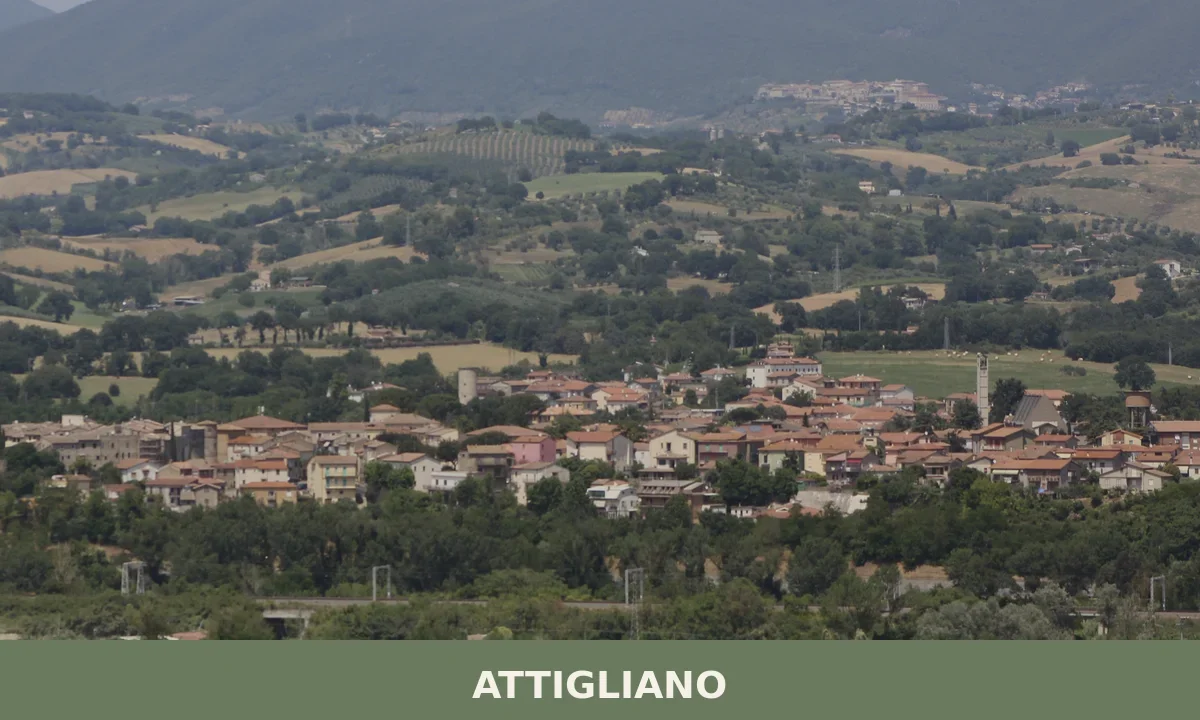
What to see in Attigliano, Umbria, Italy: explore a medieval castle with 6 towers, the 1885 Fontana dei Delfini, and San Lorenzo church. Discover how to get there.
Cannara
 Plains
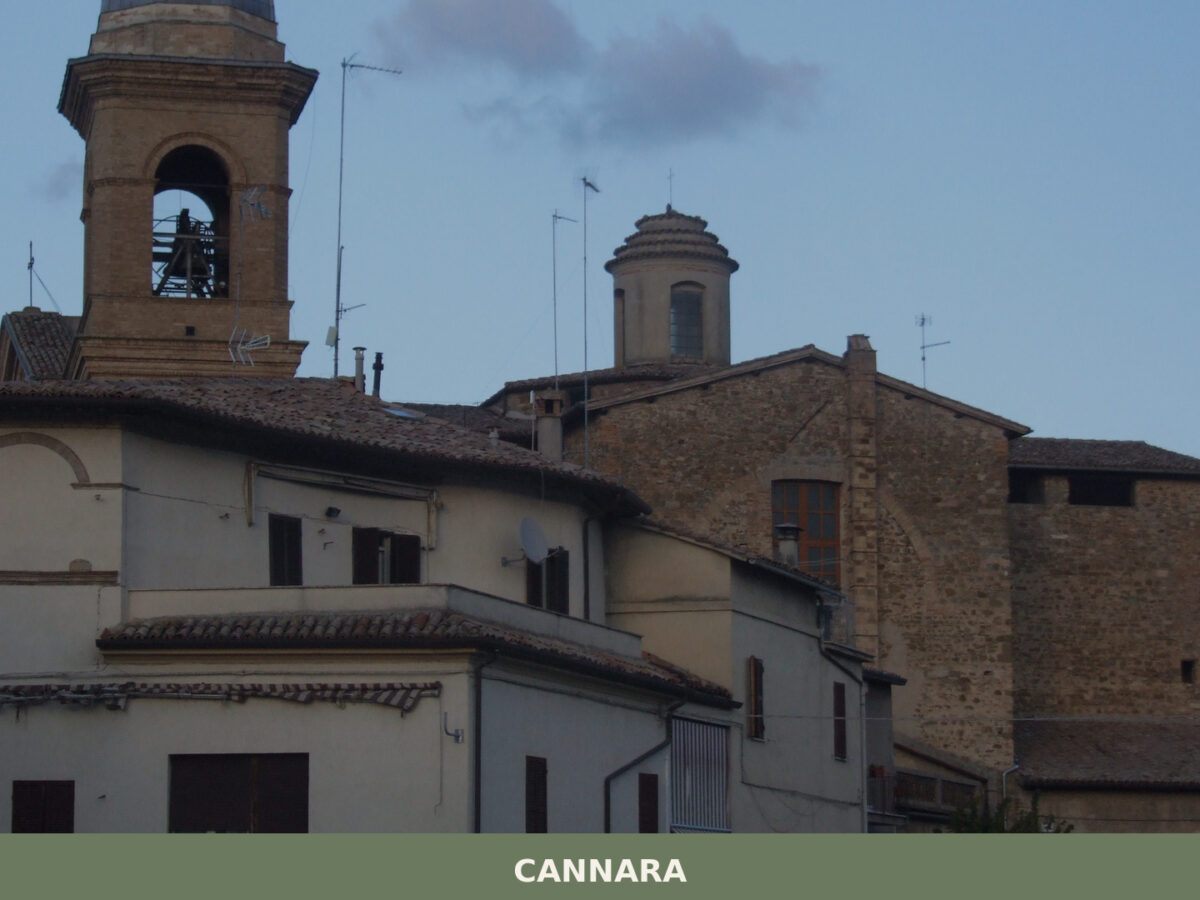
Cannara is a walled medieval town in Umbria's Valle Umbra where Franciscan tradition, old stone churches and a hilltop castle reward a quiet, unhurried visit.
Sant’Anatolia di Narco
Plains
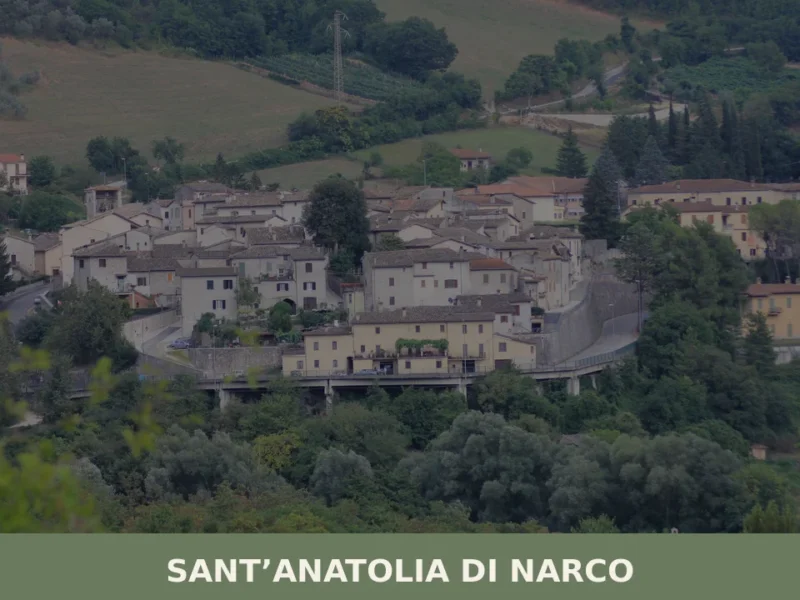
In 1213, a document from the Abbey of San Felice recorded for the first time the castrum of Sant’Anatolia, a fortified settlement on the left bank of the River Nera in the southern Valnerina. Today the municipality has 555 inhabitants spread between the main village and a handful of hamlets scattered across the wooded slopes […]
Poggiodomo
 Mountain
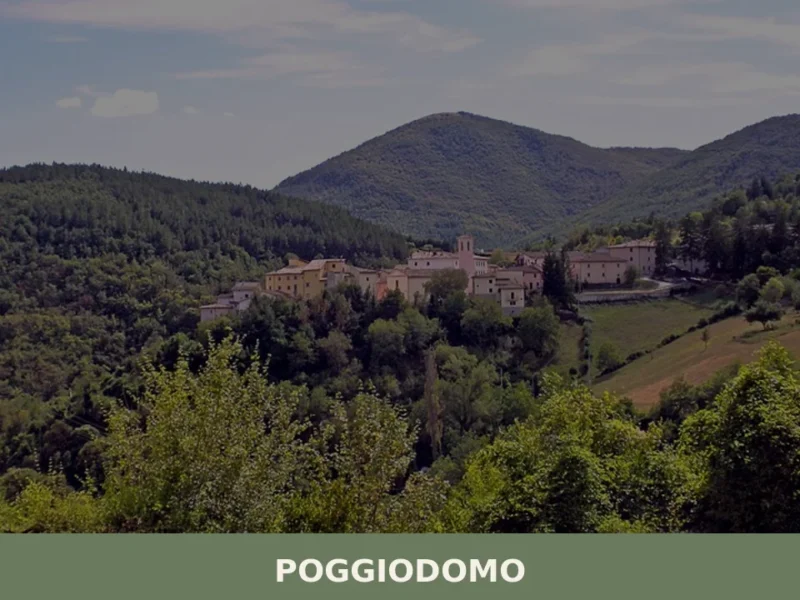
What to see in Poggiodomo, Italy? Explore this Umbrian village, situated at 974 m, and discover the historic Church of San Carlo Borromeo and the Hermitage of Madonna della Stella.
Todi
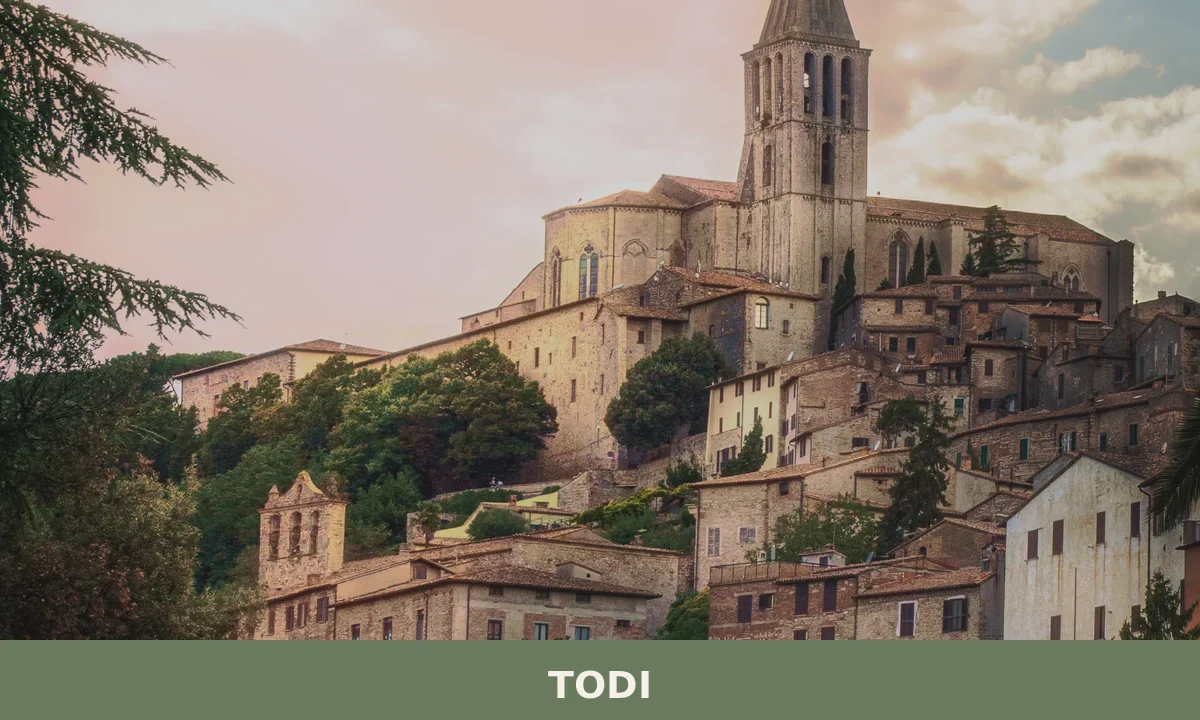
Discover Todi Umbria: a walled medieval town of 15,481 souls perched above the Tiber, anchored by Renaissance churches and civic palaces that shape one of Italy's most intact historic cores.
Guardea
Hills
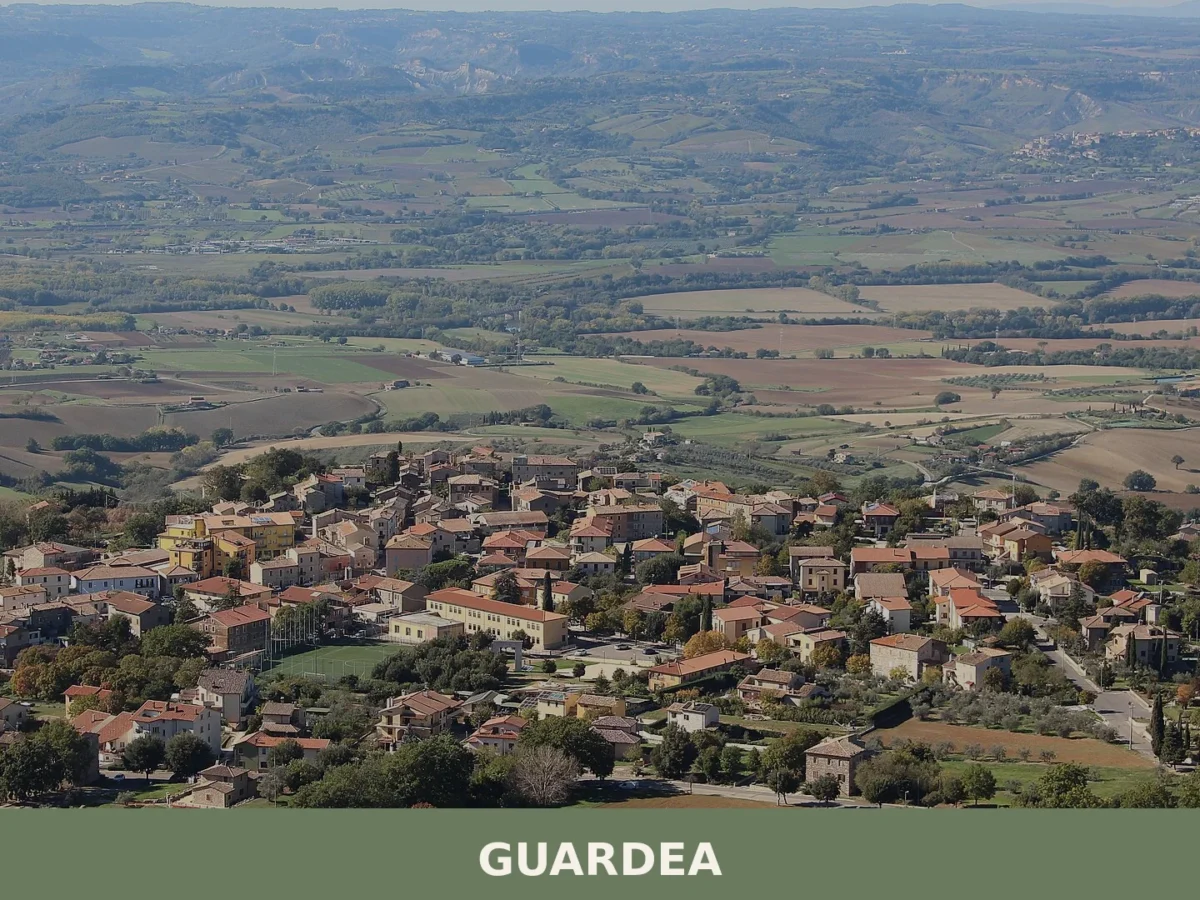
Guardea is a hilltop comune in the province of Terni, Umbria, where pre-Roman enclosures, a Norman castle and a storied landscape combine to create one of the region's most layered small-town destinat
Fratta Todina
Hills
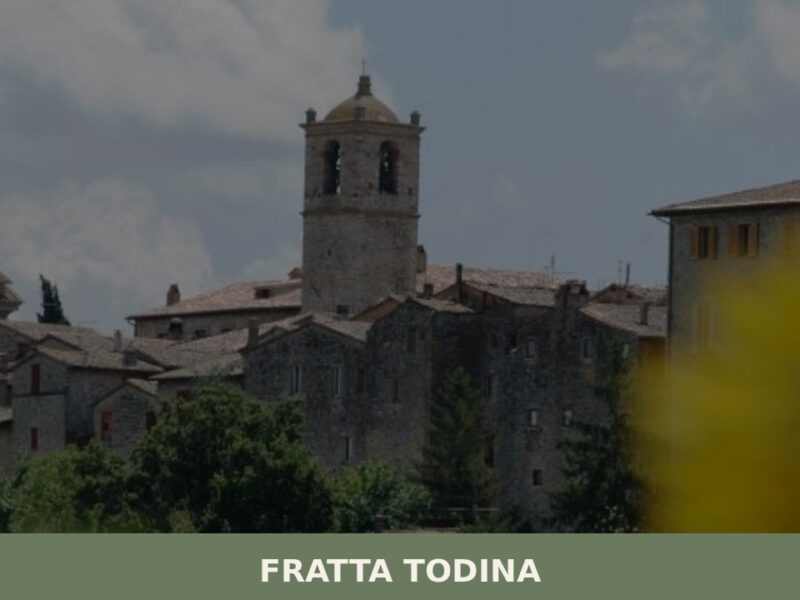
Morning light falls across a line of stone façades, turning the tufa walls the colour of raw honey. A church bell marks the hour from somewhere above the rooftops, its sound carrying across the Tiber valley below. Fratta Todina sits on a low hill in the province of Perugia, home to just 1,817 residents — […]
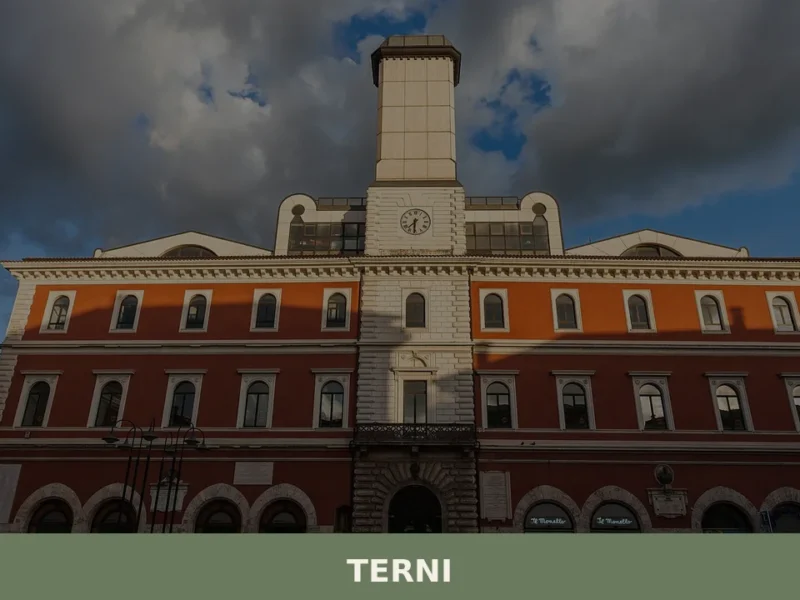
Terni
Lake
Plains
Terni is a historically rich Umbrian city of about 106,310 inhabitants, known as the birthplace of San Valentino and home to Roman, medieval and Renaissance heritage along the river Nera.






🏡 Know Lisciano Niccone better than we do?
If you’re a local or have been there, your knowledge matters: add what’s missing or fix a detail on this page.