


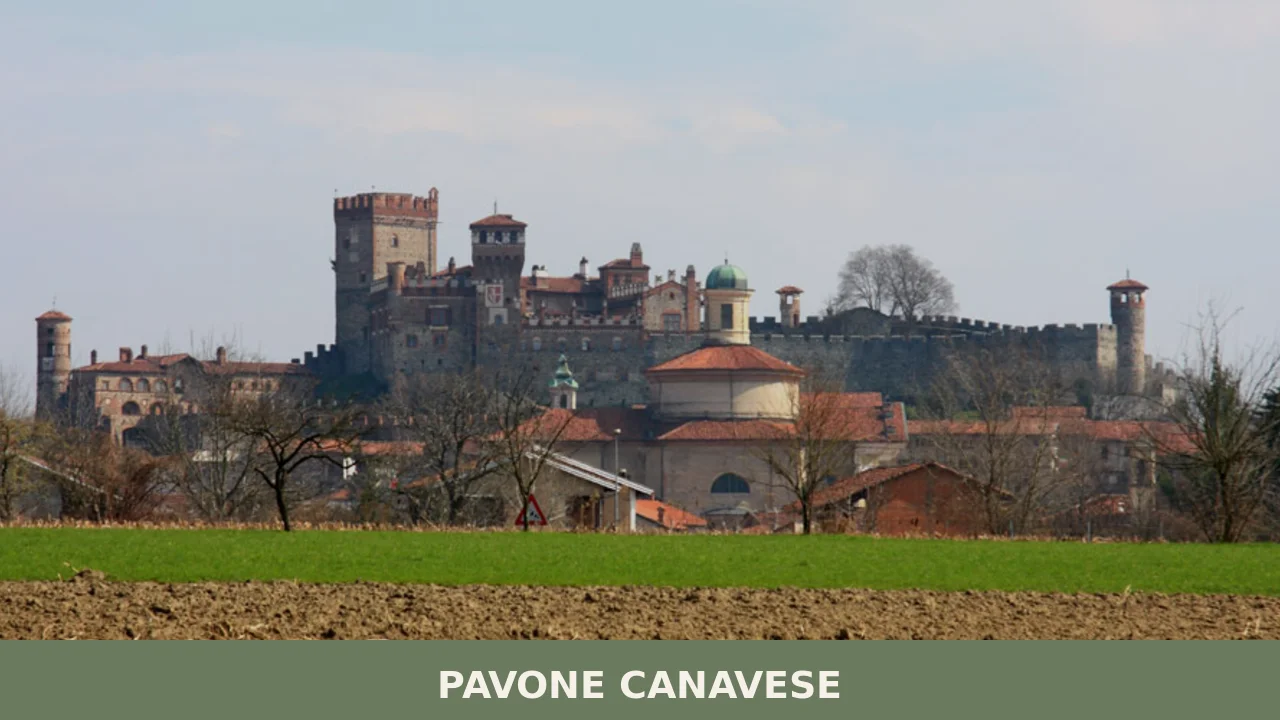
Pavone Canavese
 Plains
A community of around 3,600 people in the Turin metropolitan area, where a medieval castle, a nature reserve and the legacy of a pioneering restorer reward a focused visit.
Pavone Canavese: Castle, Landscape and Identity in the Canavese Hills
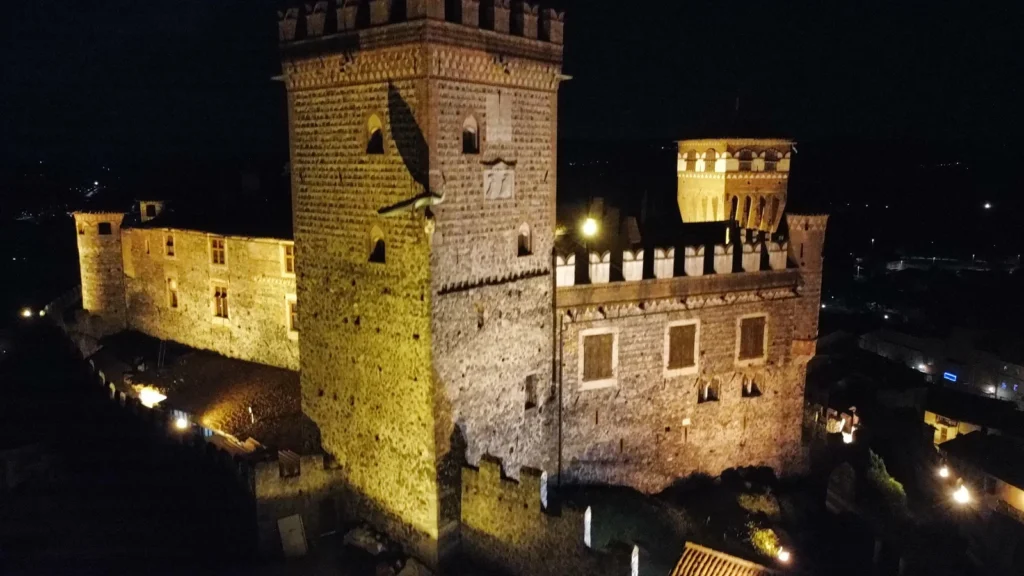
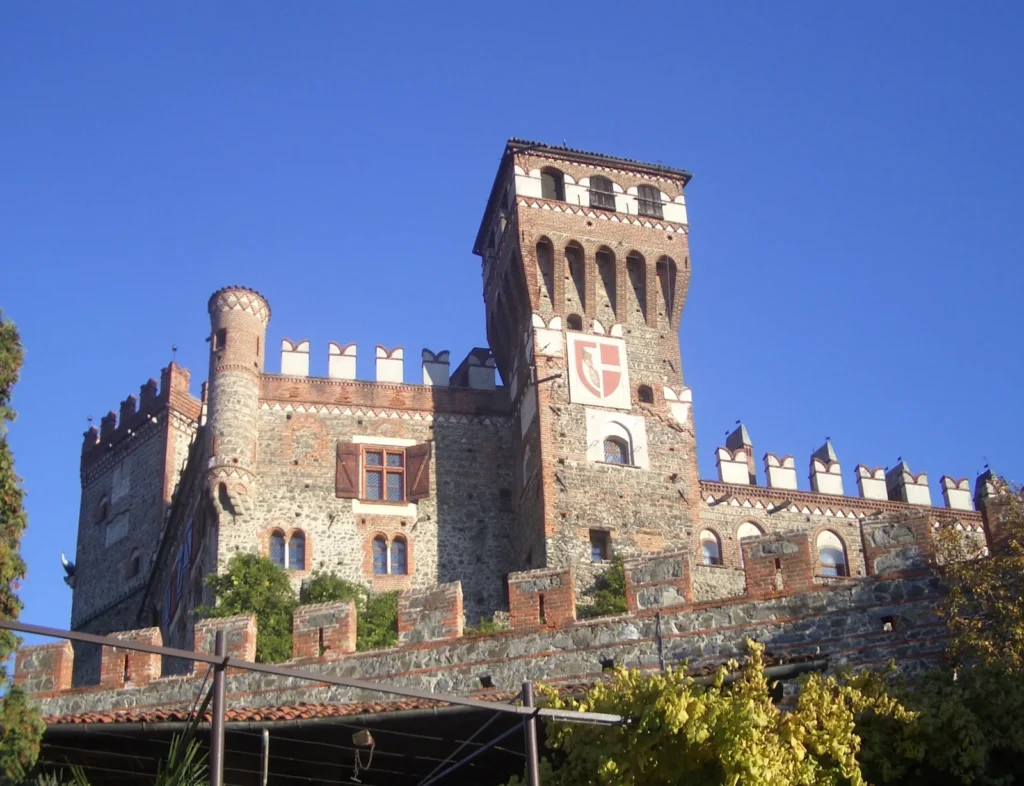
Pavone Canavese village in Piedmont draws two kinds of visitor in particular: those interested in medieval architecture and restoration history, and those who come for the protected natural landscape of the Paraj Auta, a site of Community Importance that occupies a significant portion of the communal territory. With approximately 3,600 residents, it is a functioning community rather than a preserved set piece, and that distinction matters when planning a visit.
Pavone Canavese sits within a productive agricultural and viticultural zone that covers much of the Canavese and the wider Turin metropolitan area. The hillside territory, with its mix of woodland, vineyard and arable land, reflects the agricultural character of the broader region. Among the wines produced across the area, Erbaluce di Caluso — a DOCG denomination — stands out as one of the most distinctive expressions of the Canavese, made from the indigenous Erbaluce grape. The Canavese DOC and Collina Torinese DOC cover additional styles produced across the surrounding zone.
Cured meats, aged cheeses and products tied to the traditions of the Piedmontese foothills circulate across this part of the province. These are productions of the wider territory, distributed across many communes, and Pavone Canavese participates in that shared food culture without being the exclusive origin of any single product. Travellers curious to go deeper into the food and wine identity of the Canavese will find useful context in the experiences offered by neighbouring communities such as Perosa Canavese and Parella.
Planning your visit and getting there
Pavone Canavese can be reached easily from the lower Val Pellice and the Turin area. The practical distances and journey times below are kept concise on purpose, so the access information stays clear and consistent.
| Departure | Distance | Time |
|---|---|---|
| Turin (city centre) | approx. 45 km | approx. 40 min |
| Turin Caselle Airport | approx. 50 km | approx. 45 min |
| Ivrea (stazione FS) | approx. 5 km | approx. 10 min |
| Milano | approx. 120 km | approx. 1 hour and 20 min |
These practical reference points are enough to plan the journey without overloading the text with unstable logistics. Once on site, the village is best understood slowly, on foot and in relation to the surrounding landscape.
Frequently asked questions about Pavone Canavese
What is the best time to visit Pavone Canavese?
September is ideal, particularly around the 8th when the Natività di Maria Vergine (Assumption of Mary) patron saint feast takes place, offering cultural celebrations. Late spring through early autumn provides pleasant weather for exploring the countryside and visiting the Paraj Auta natural site. Autumn also aligns with grape harvest season in the surrounding Canavese wine region, creating vibrant agricultural activity and wine-related events.
How do I reach Pavone Canavese by public transport?
The nearest major railway station is Turin (Torino), approximately 50 kilometres south. From Turin, regional trains and buses serve the Canavese area. Car rental is recommended for flexible exploration of the region. Check Trenitalia and local bus services for current schedules and connections to Pavone Canavese and nearby communes.
What protected natural sites are near Pavone Canavese?
The Paraj Auta, a Site of Community Importance, occupies a significant portion of Pavone Canavese's communal territory. This protected natural landscape features woodland, agricultural land, and diverse ecosystems. It is ideal for nature walks and observing the ecological character of the Canavese hillside region. Contact local tourism information for designated trails and access points.
Which wines should I try in the Canavese region around Pavone Canavese?
Erbaluce di Caluso, a DOCG-designated wine made from the indigenous Erbaluce grape, is the Canavese's most distinctive expression. Additionally, Canavese DOC and Collina Torinese DOC cover other regional styles. Local enotecas and wine producers throughout the area offer tastings. Many farms and agriturismos in the surrounding communes feature these wines alongside Piedmontese cured meats and aged cheeses.
How long should I plan to spend in Pavone Canavese?
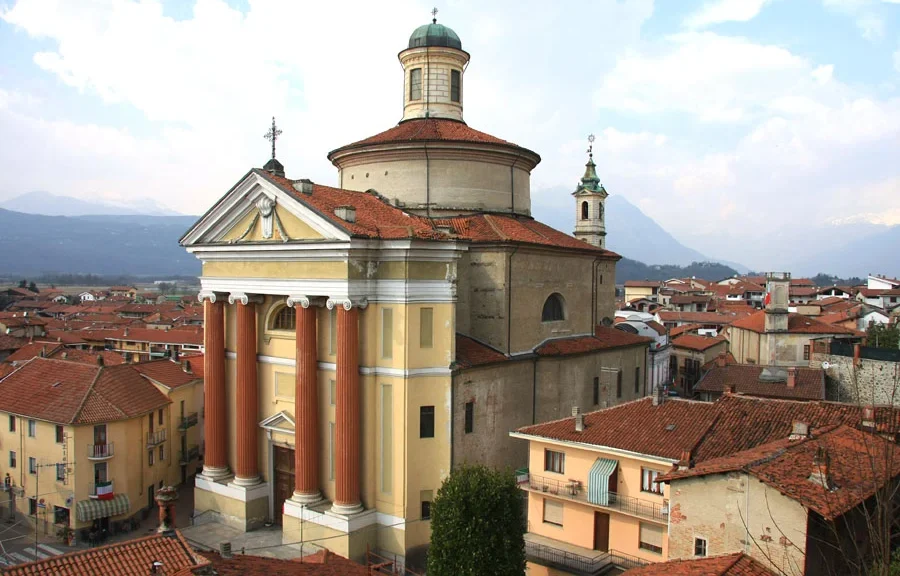
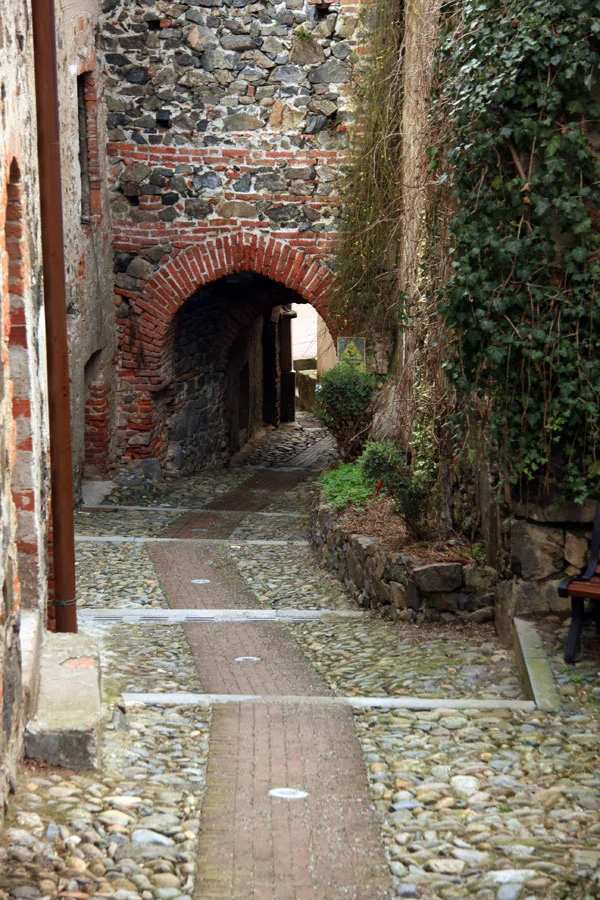
A half-day visit suffices for exploring the village's medieval architecture and central features. For deeper engagement—visiting the Paraj Auta natural site, attending patron saint celebrations, or undertaking wine and food experiences across the broader Canavese—plan one to two full days. This allows time to appreciate both the village and its surrounding agricultural and viticultural landscape.
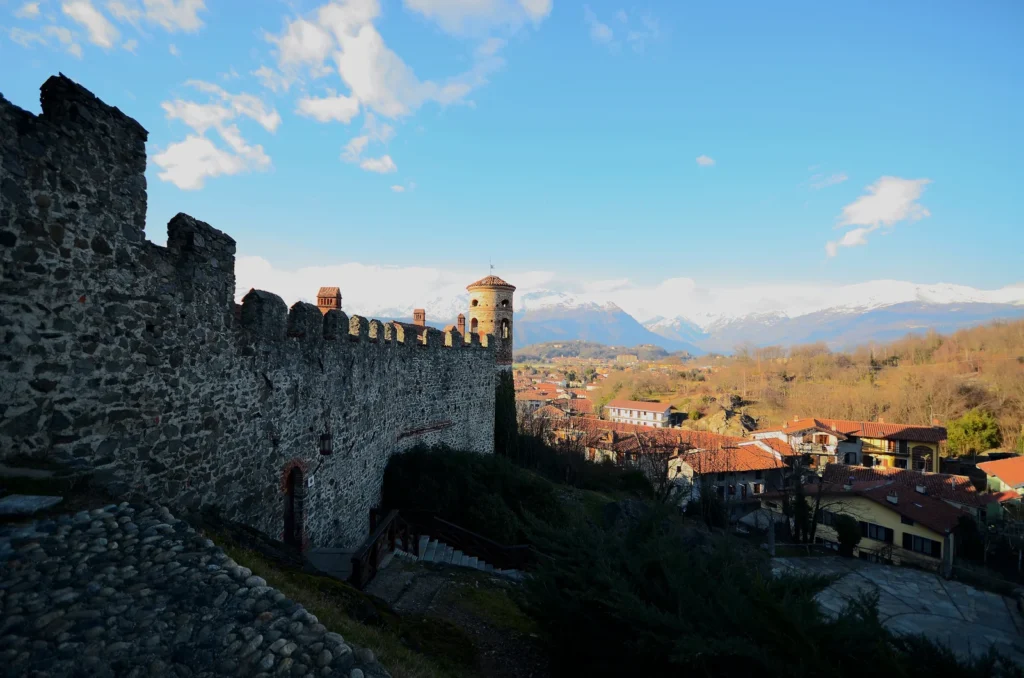
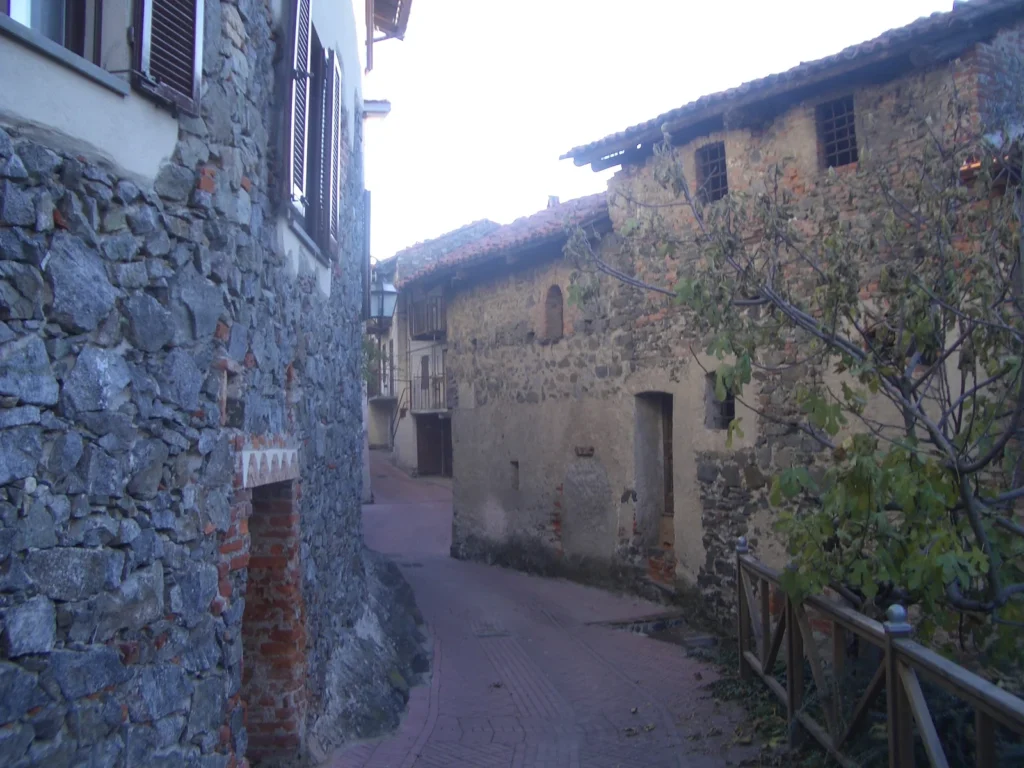
📷 Photo Gallery — Pavone Canavese
In Piedmont More villages to discover
Alessandria
Plains
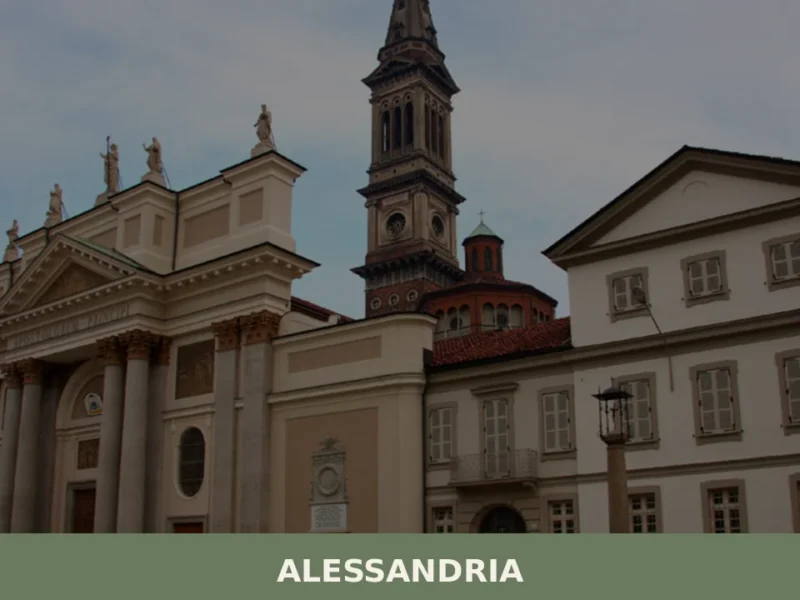
What to see in Alessandria: city at 95m in Piemonte with a military Citadel and Borsalino Museum. Explore 5 attractions, rabaton and Gavi DOCG wines.

San Benedetto Belbo
 Hills
Hills
145 residents, one literary trail, one medieval monastery legacy. San Benedetto Belbo rewards slow travellers with Fenoglio's landscape and Langa hilltop views.

Volpiano
Plains
3 Baroque churches and a Roman centuriation grid still visible in the fields make Volpiano a rewarding stop in the Canavese between Turin and the Alps.
Angrogna
 Mountain
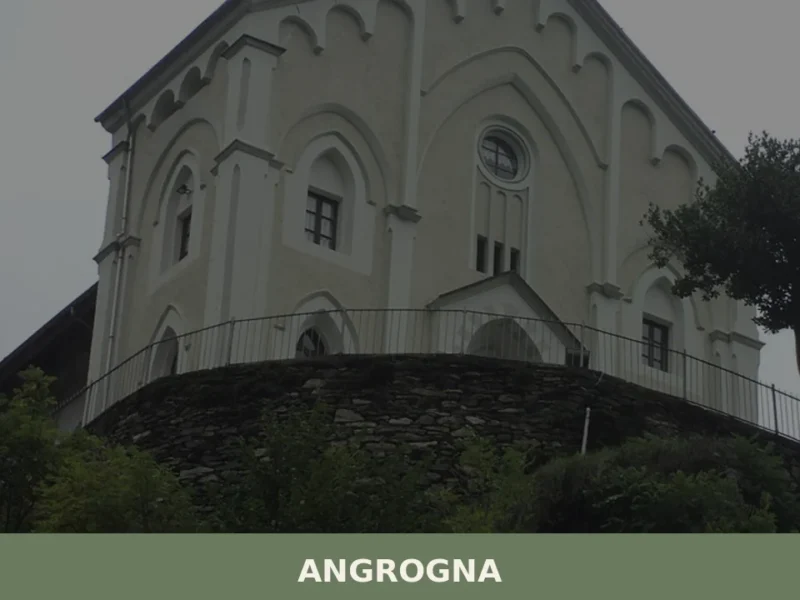
What to see in Angrogna: Chanforan, the Ghieisa d'la Tana, Waldensian trails, historic hamlets and mountain cuisine. A complete guide to the village.
Germagnano
Mountain
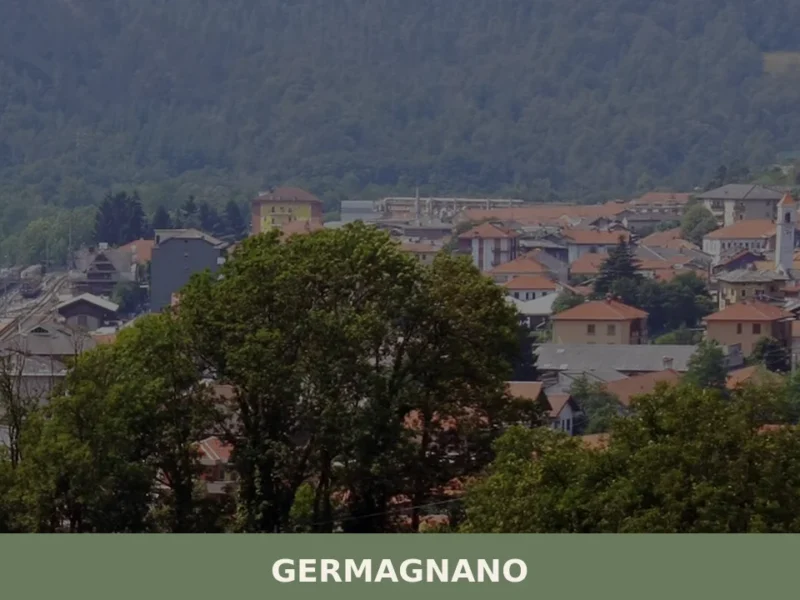
What to see in Germagnano, Italy: 30 km from Turin in the Valli di Lanzo. Discover the railway village, local cuisine and best times to visit. Read the guide.

Porte
Hills
Discover what to see in Porte, a 1,108-inhabitant comune in the Metropolitan City of Turin with Occitan heritage, foothill walks, and Piedmontese food culture.

Prarostino
Mountain
Population 1,230. A foothill comune where partisan memory and valley crossroads define the landscape and village rhythm.
Loranzè
Plains
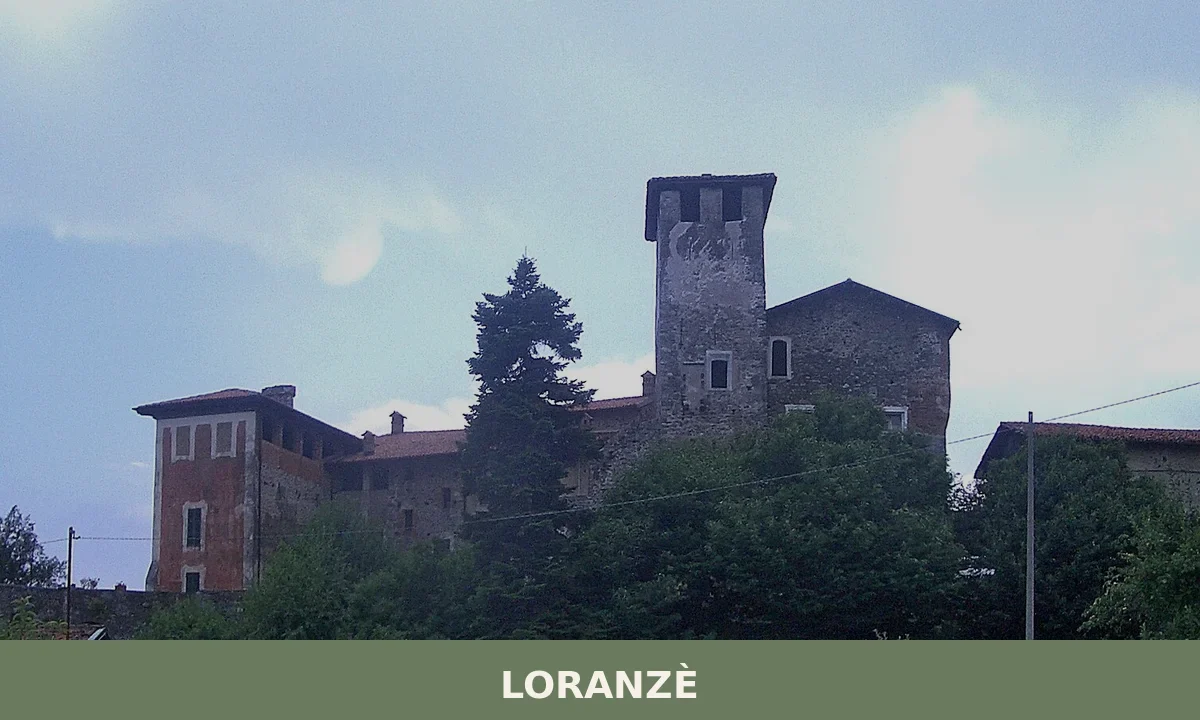
Home to around 1,200 residents, Loranzè draws visitors with its 11th-century Castel Rosso and a documented medieval lineage tied to the counts of San Martino.

Riva presso Chieri
Plains
A village of 4,700 inhabitants shaped by plague, fire and noble patronage. Visit for 18th-century churches, a noble palazzo, and the sanctuary tied to miraculous escape.
Piverone
Hills
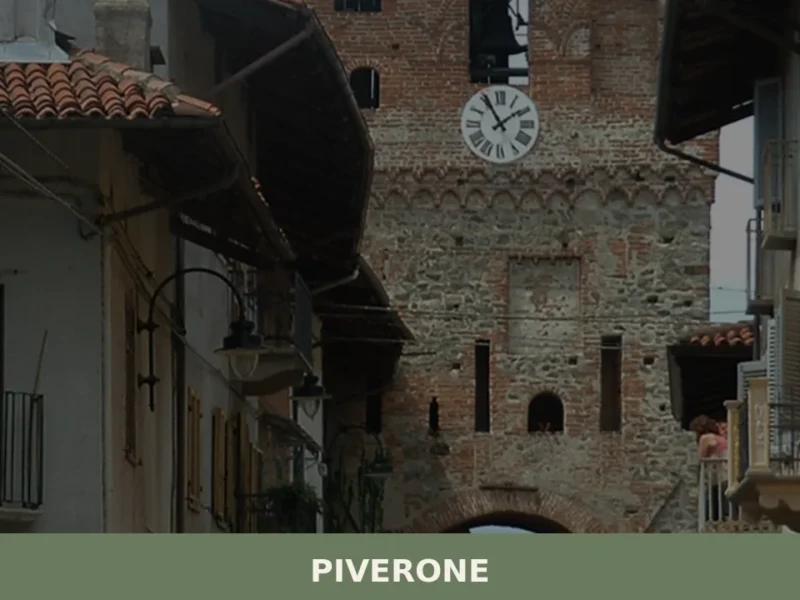
Piverone is a comune of 1,225 inhabitants in the Metropolitan City of Turin, sitting in the Canavese district of Piemonte at the foot of the Monferrato hills. Its Piedmontese name, Pivron, pronounced /pɪw’rʊŋ/, signals a linguistic heritage rooted deep in the region’s Franco-Provençal and Occitan-influenced dialects. For anyone researching what to see in Piverone, the […]


🏡 Know Pavone Canavese better than we do?
If you’re a local or have been there, your knowledge matters: add what’s missing or fix a detail on this page.