



Balestrate is a coastal comune of around 6,375 inhabitants on the Gulf of Castellammare in the province of Palermo, Sicily, with documented origins stretching from Byzantine watchtowers to nineteenth-
Discover Balestrate
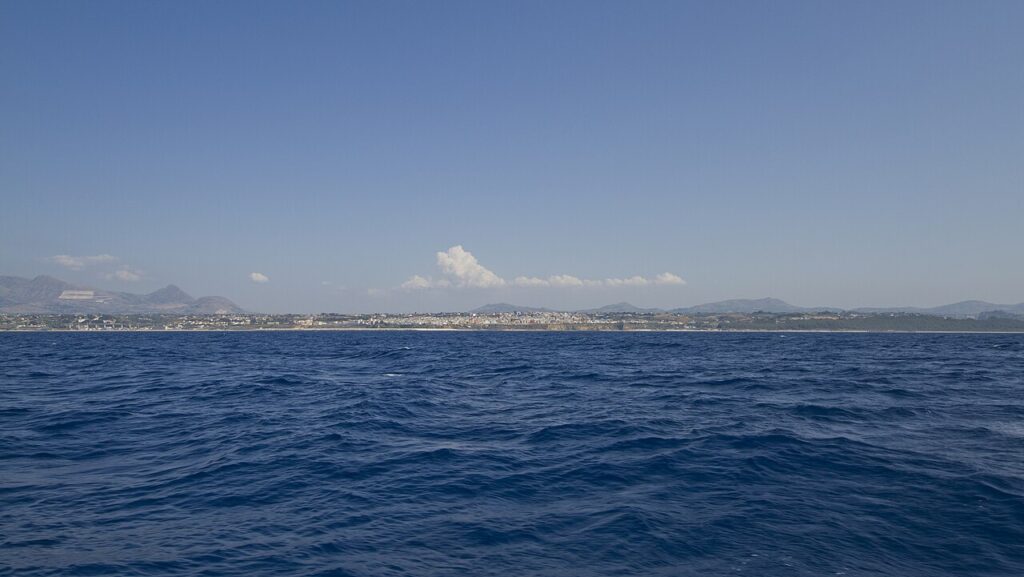
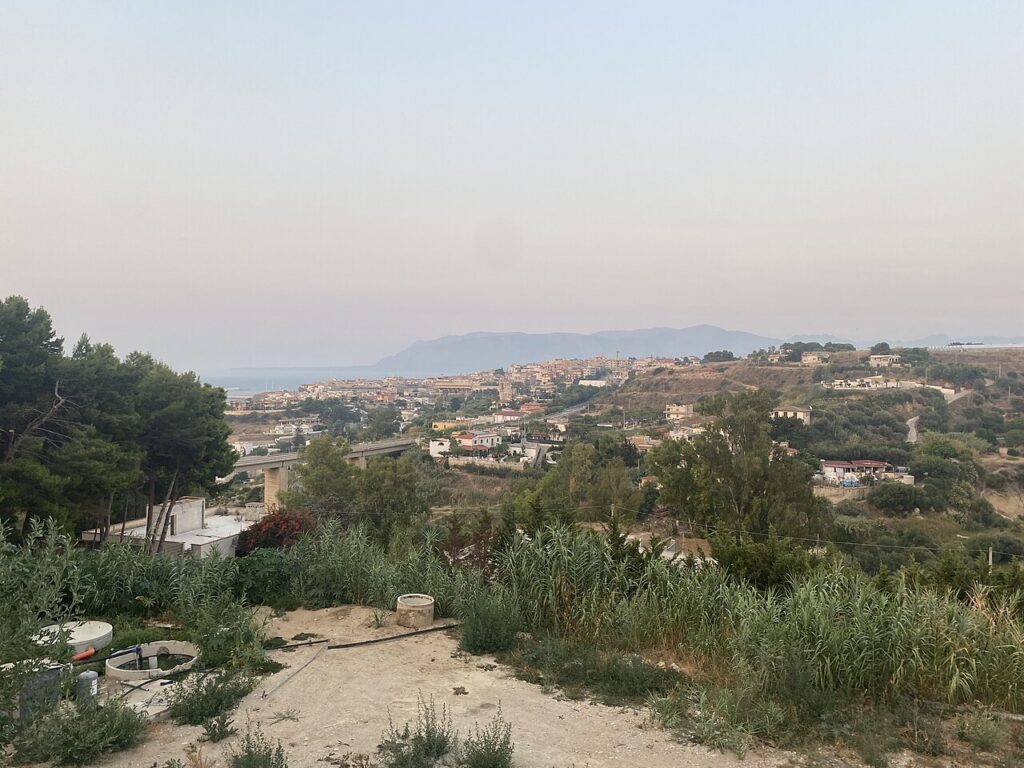
Balestrate is a small coastal comune of about 6375 inhabitants, covering roughly 3.87 square kilometres on the shore of the Gulf of Castellammare, in the province of Palermo, Sicily, at an elevation of 35 metres above sea level and approximately equidistant — around 50 kilometres — from both Palermo and Trapani. Its waterfront, classified by ISTAT among municipalities with a maritime vocation, stretches across a sequence of named coves and bays — from Cala di Sicciara and Baia delle Grotte to Cala del Drago and Baia dei Fenici — while just inland, pinewoods, eucalyptus groves and tamarisk thickets extend toward Alcamo Marina across more than fifty hectares of protected habitat.
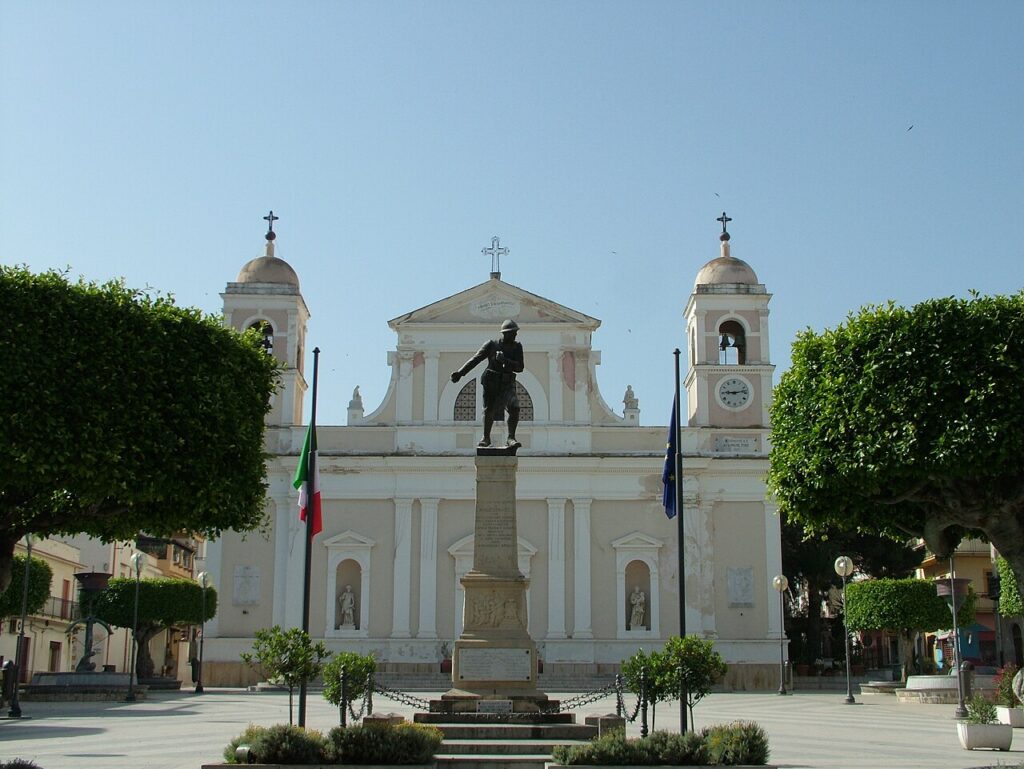
The layered past of this Balestrate village in Sicily — Byzantine watchtower, Arab irrigation channels, Aragonese royal privileges, a once-active tonnara, and the wine-trading ventures of the nineteenth century — surfaces at almost every turn: in the neoclassical façade of the church of Sant’Anna overlooking Piazza Rettore Filippo Evola, in the walls of Palazzo Santoro on Via Repubblica, and in the commemorative plaque marking the house where Giuseppe Garibaldi spent a night in 1860. The port completed in 2002 anchors the town’s more recent ambitions, giving Balestrate a working harbour to match its long relationship with the sea.
Balestrate village in Sicily: history and identity
Balestrate is a coastal settlement in the gulf of Castellammare whose documented origins reach back to the Byzantine period, when a small maritime community grew around a defensive tower recorded as Calatacupuni, formally named in royal decrees from 1307 onward and established as an independent comune by decree of King Ferdinando di Borbone on 29 March 1820. During the Arab occupation, around the ninth century, the hamlet expanded and gained an irrigation system fed by local springs. Through the medieval period the site — also known as Sicciara or Calatacupuni — served as an active coastal loading station until the wars between the Angevins and the Aragonese caused its decline between the late thirteenth and early fifteenth centuries.
The name Balestrate appears for the first time in 1307, in the royal privilege by which Federico II d’Aragona assigned the forest of Partinico to the Cistercians while reserving the lands of Jactum Balistae. A further reference dates to 1456, when Alfonso il Magnanimo donated the territory between the torrents San Cataldo and Calatubo to the camerlengo Nicolò de Leofante. In 1517 Carlo V authorized Giacomo Fardella, prince of Trapani, to build a tonnara, but the tonnara became operational in 1599, following the resolution of a prolonged legal dispute between Fardella and Bologna, and remained active for fewer than two centuries. Two Spanish engineers, Spannocchi in 1578 and Camilliani in 1583, each proposed rebuilding a defensive tower on the site of the old Calatacupone stronghold, though neither project was carried out. In 1678 Giacomo Santoro reconstructed the Leofante farmstead near what is now the piazzetta Sant’Anna, and in 1681 a small church dedicated to Sant’Anna was built alongside it — recognised by Bishop Papé in 1744 and elevated to parish status in 1800.
The nineteenth century brought significant change. Between around 1835 and 1840, the wine merchants Woodhouse, Ingham and Florio established production facilities in the territory, processing the local red grape variety known as perricone: the must was transported in wooden barrels to Marsala for the making of the celebrated fortified wine. A railway line through Balestrate opened in 1881, further stimulating commercial exchange. In 1860 Giuseppe Garibaldi spent a night in the house of the local mayor; a commemorative plaque still marks the building. The comune of Balestrate, created in 1820 by uniting the settlements of Sicciara and Trappeto, continued to grow through the twentieth century, though from around 1970 onward unregulated construction altered the urban fabric considerably. A new port, completed in 2002, marked a deliberate effort to reorient the town toward tourism.
Churches, Historic Buildings and Coastal Features of Balestrate
Balestrate offers visitors two churches, a seventeenth-century palazzo, traces of a former wine industry, a modern port, and a stretch of coastline divided into several named coves and bays.
Chiesa di Sant’Anna
The main church of Balestrate stands on the town’s principal square, Piazza Rettore Filippo Evola. Built in 1681 (recognized by Bishop in 1744, became parish in 1800), it presents a neoclassical façade flanked by two bell towers and an interior organised on a three-nave plan. The building underwent restoration works in the 1940s and again in the 1970s.
Chiesa di San Pietro
A second church, San Pietro, is also present in the town. The square in front of it was formerly known as Piazzetta Sant’Anna.
Cappella dell’Immacolata di Lourdes
A chapel dedicated to Our Lady of Lourdes completes the list of religious buildings recorded in the town.
Palazzo Santoro
Located at Via Repubblica 57, Palazzo Santoro dates to 1678, when Giacomo Santoro rebuilt the old Leofante farmstead on this site to house the farmworkers of the surrounding land. Local historian and headmaster Domenico Tuzzo identifies it as the oldest surviving building in Balestrate.
Traces of the Wine Industry
Between the 1830s and 1840s, establishments linked to the Woodhouse, Ingham and Florio trading families operated in the territory of Balestrate, part of a wider commercial activity involving the production and export of wine. Later additions to this industrial landscape include two distilleries belonging to the Vitrano-Pampinella complex, a facility known as the Stabilimento Enolio, and a former seat of the merchant marine delegation, subsequently converted into a private residence — all dating from the early twentieth century. Of these structures, only the names and approximate periods are documented.
Port and Coastline
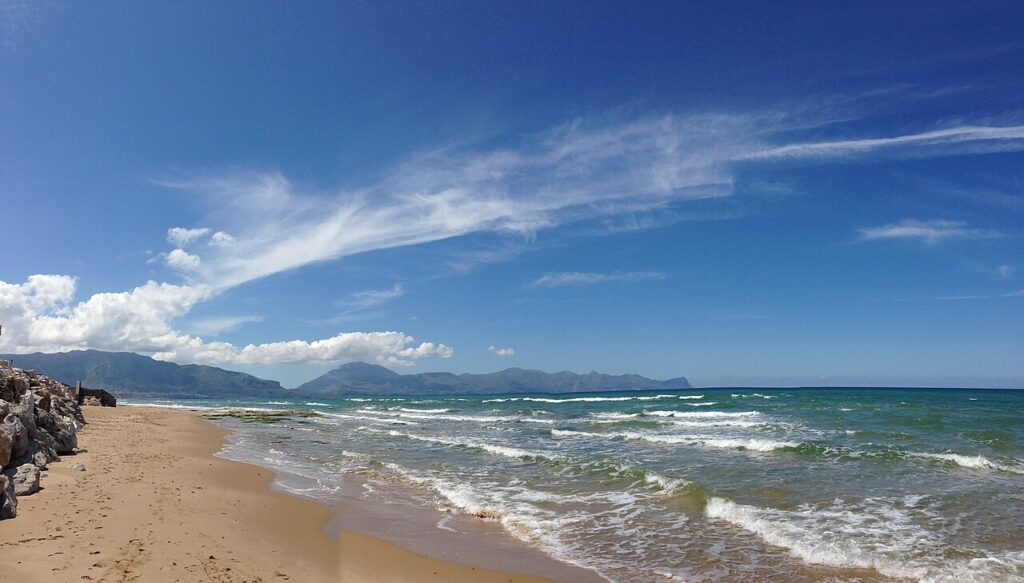
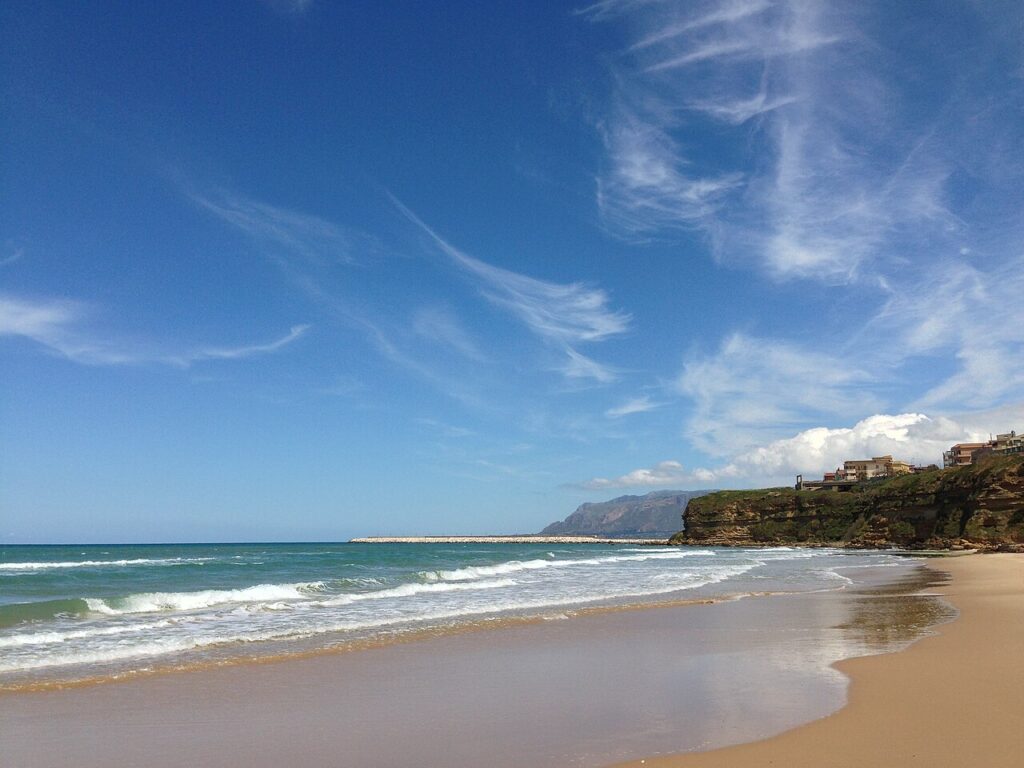
A port was completed in 2002 with the aim of supporting the local tourism sector. The surrounding coastline is divided into a series of distinct features: Cala di Sicciara (also known as Scalo Vecchio), Baia delle Grotte, Cala del Drago near the mouth of the Torrente Lupo, Cala dei Petrazzi, Baia dei Fenici close to the Torrente Calatubo, Baia Gaia on the border with Alcamo Marina, Cala Paliscarmi, Baia dello Iato, and Cala del Porto (the old Cala del Capone). The beach known as the Spiaggia dei Pescatori is noted for a coastal cliff face containing fossils of Pecten.
Calatacupuni and the Torre della Sicciara
Ruins associated with the ancient stronghold of Calatacupuni, documented in Byzantine and later periods as one of the defensive towers of the Gulf of Castellammare, remain visible in the territory. The Torre della Sicciara, a watchtower whose remains were reportedly still standing around the early twentieth century, is also recorded in the sources.
Historic Residences
A number of palazzi and historic dwellings dating from the eighteenth and nineteenth centuries, associated with local families including the Barretta, Bommarito, Chimenti, Clemente, Evola-Velez, Farina-Viviano, Finazzo, Garofalo, Giordano, Morici, Petruso, Rizzo, Rocca, Taormina, Tuzzo and Valenti, are recorded in the town. No further architectural detail is available from the sources.
Natural and Green Areas
A site of community interest extending across more than fifty hectares of coastal woodland — comprising maritime pines, eucalyptus and tamarisk — lies in the direction of Alcamo Marina.
Flavours of Balestrate and the Gulf of Castellammare
Balestrate and its surrounding territory are best known for viticulture and the sea, with local vineyards historically producing perricone grapes whose must was transported by wooden barrel to Marsala for the production of Marsala wine, a trade that flourished from the 1830s onward through partnerships with the English merchant houses of Woodhouse, Ingham and Florio.
The area falls within several protected wine appellations. Closest to the village are the Alcamo DOC and Monreale DOC zones, joined by Contea di Sclafani DOC and Contessa Entellina DOC. Broader regional IGT designations including Fontanarossa di Cerda and Valle Belice also cover this stretch of the Sicilian coast, while Cerasuolo di Vittoria represents the island’s only DOCG.
Among certified food products, the provincial territory supplies Val di Mazara DOP olive oil, Pecorino Siciliano DOP cheese, and Vastedda della valle del Belice DOP, a stretched-curd sheep’s milk cheese tied to the valleys inland from the coast. Fruit lovers will find Arancia di Ribera DOP oranges and Pescabivona IGP peaches among the most recognisable local names. None of these products is exclusive to Balestrate itself; they belong to a wider agricultural tradition shared across the province of Palermo and into Trapani.
The sea has always shaped the local diet. Fishing was central to Balestrate’s economy for centuries, and the tradition of the tonnara — the organised tuna catch — once gave the village a direct role in one of Sicily’s most ancient maritime industries.
Reaching Balestrate and Planning Your Visit
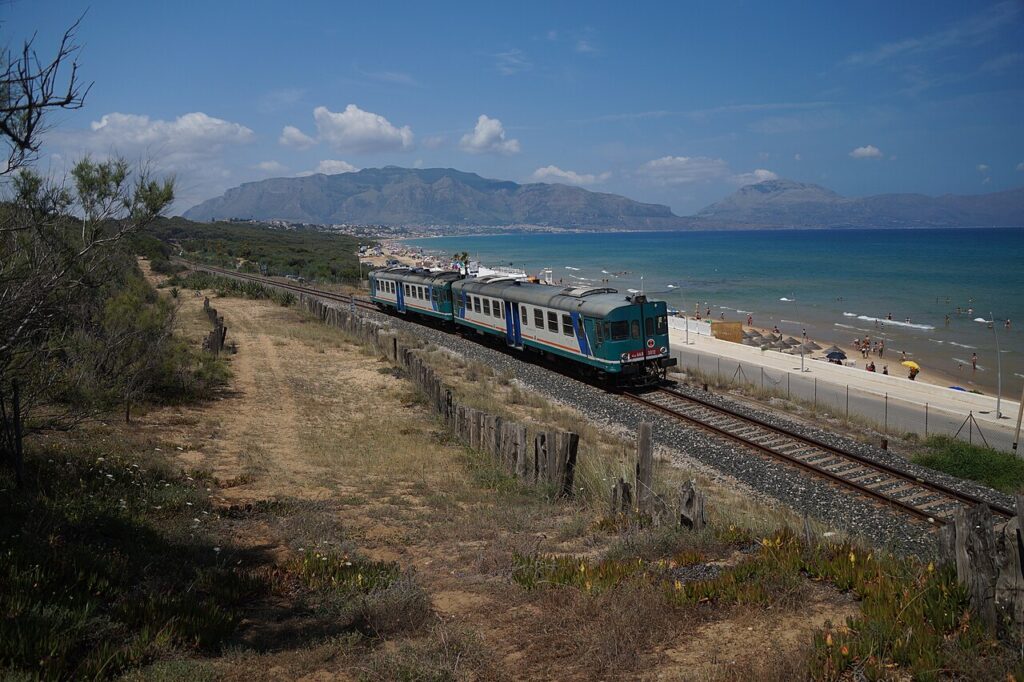
Balestrate is most easily reached by car via the Autostrada A29, lying approximately 50 km from both Palermo (about 45 minutes) and Trapani (about 50 minutes), making it a natural stopping point between the two provincial capitals on Sicily’s northwestern coast. The village also has a railway station on the Palermo–Trapani coastal line, which has been operational since 1881.
With a mean annual temperature of 18.4 °C and a peak of around 26 °C in August, Balestrate is a warm-season destination by temperament. Summer draws visitors to its string of named coves — Cala di Sicciara, Baia delle Grotte, Cala del Drago, Baia dei Fenici and several others — as well as to the modern port completed in 2002. The driest month is July; the rainiest are October through December, making spring and early autumn the most comfortable seasons for combining beach and sightseeing.
Inland excursions are well rewarded. The wine village of Contessa Entellina lies within the broader DOC zone that covers this part of Sicily, while Roccamena offers a contrast of hill-country landscape within easy driving distance. The towns of Partinico and Alcamo are the nearest urban centres.
| Departure | Distance | Time |
|---|---|---|
| Palermo | approx. 50 km | approx. 45 min (autostrada A29) |
| Trapani | approx. 50 km | approx. 50 min (autostrada A29) |
| Alcamo | approx. 12 km | approx. 15 min |
| Partinico | approx. 10 km | approx. 15 min |
| Trappeto | approx. 3 km | approx. 5 min |
These practical references help organise the journey clearly, while the village itself is best understood slowly and on foot once you arrive.
Frequently asked questions about Balestrate
When is the best time to visit Balestrate?
August is ideal, coinciding with the Feast of the Holy Family (Sacra Famiglia) celebrated on August 1st, featuring religious processions and local festivities. Summer months offer warm Mediterranean weather perfect for beach activities. The protected coastal habitat and pine groves provide pleasant conditions year-round, though July-September are peak tourist season. Spring and early autumn offer milder temperatures and fewer crowds for exploring the village's historic sites and waterfront.
How far is Balestrate from Palermo and Trapani?
Balestrate is approximately 50 kilometres equidistant from both Palermo and Trapani, positioned on the Gulf of Castellammare coast in Palermo province. By car, Palermo is roughly one hour away via the A29 motorway, while Trapani is similarly accessible. The village's strategic location makes it convenient for day trips from either major city or as a base for exploring the Castellammare gulf region.
What are the main beaches and coastal attractions in Balestrate?
The waterfront features several named coves and bays: Cala di Sicciara, Baia delle Grotte, Cala del Drago, and Baia dei Fenici. Protected habitats including pinewoods, eucalyptus groves, and tamarisk thickets stretch across more than fifty hectares toward Alcamo Marina. The village port, completed in 2002, serves as a working harbour and focal point for maritime activities, reflecting Balestrate's long historical connection with the sea and fishing traditions.
What historical sites should visitors see in Balestrate?
Key landmarks include the neoclassical church of Sant'Anna overlooking Piazza Rettore Filippo Evola, and Palazzo Santoro on Via Repubblica. A commemorative plaque marks the house where Giuseppe Garibaldi stayed during his 1860 campaign. The village's layered history encompasses Byzantine watchtowers, Arab irrigation systems, Aragonese royal privileges, a historic tonnara (tuna processing facility), and nineteenth-century wine-trading ventures—evidence of diverse cultural influences spanning centuries.
📷 Photo Gallery — Balestrate
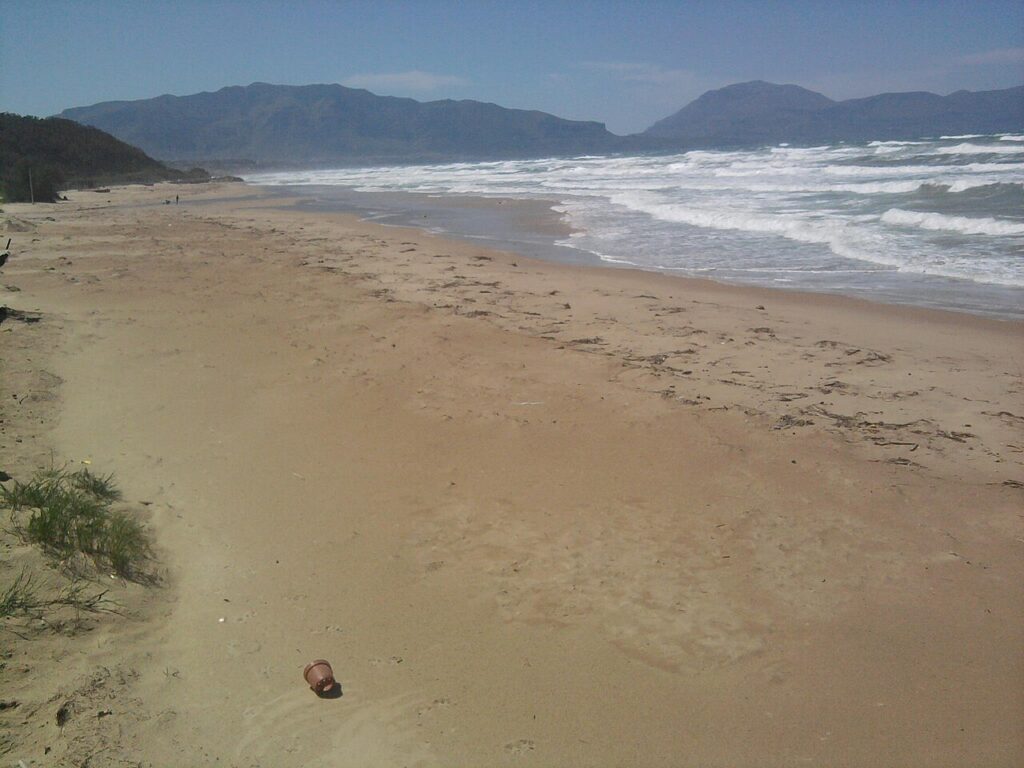
In Sicily More villages to discover
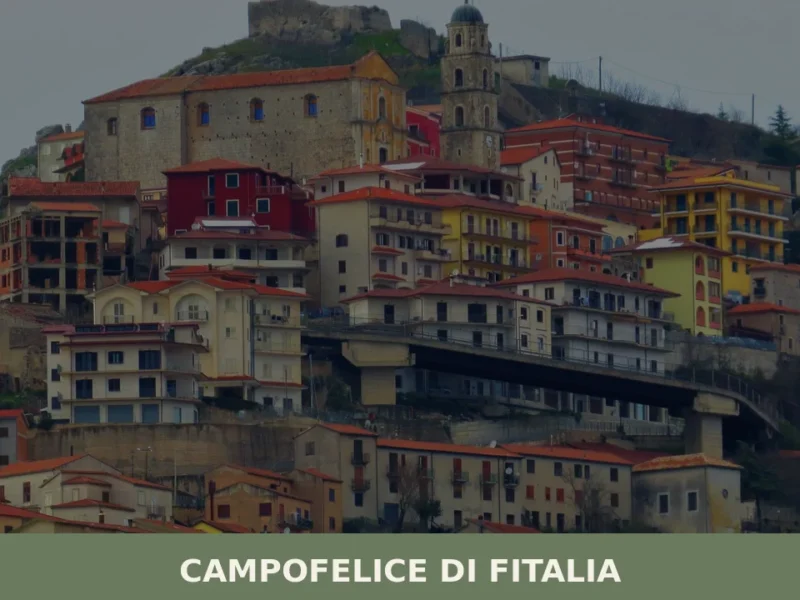
Campofelice di Fitalia
 Mountain
Discover what to see in Campofelice di Fitalia: history, rural architecture, local food, and the quiet beauty of inland Sicily at 734m altitude.

San Cataldo
 Hills
Hills
With over 400 years of documented history and a remarkable archaeological zone, San Cataldo offers cultural depth that rewards curious visitors.
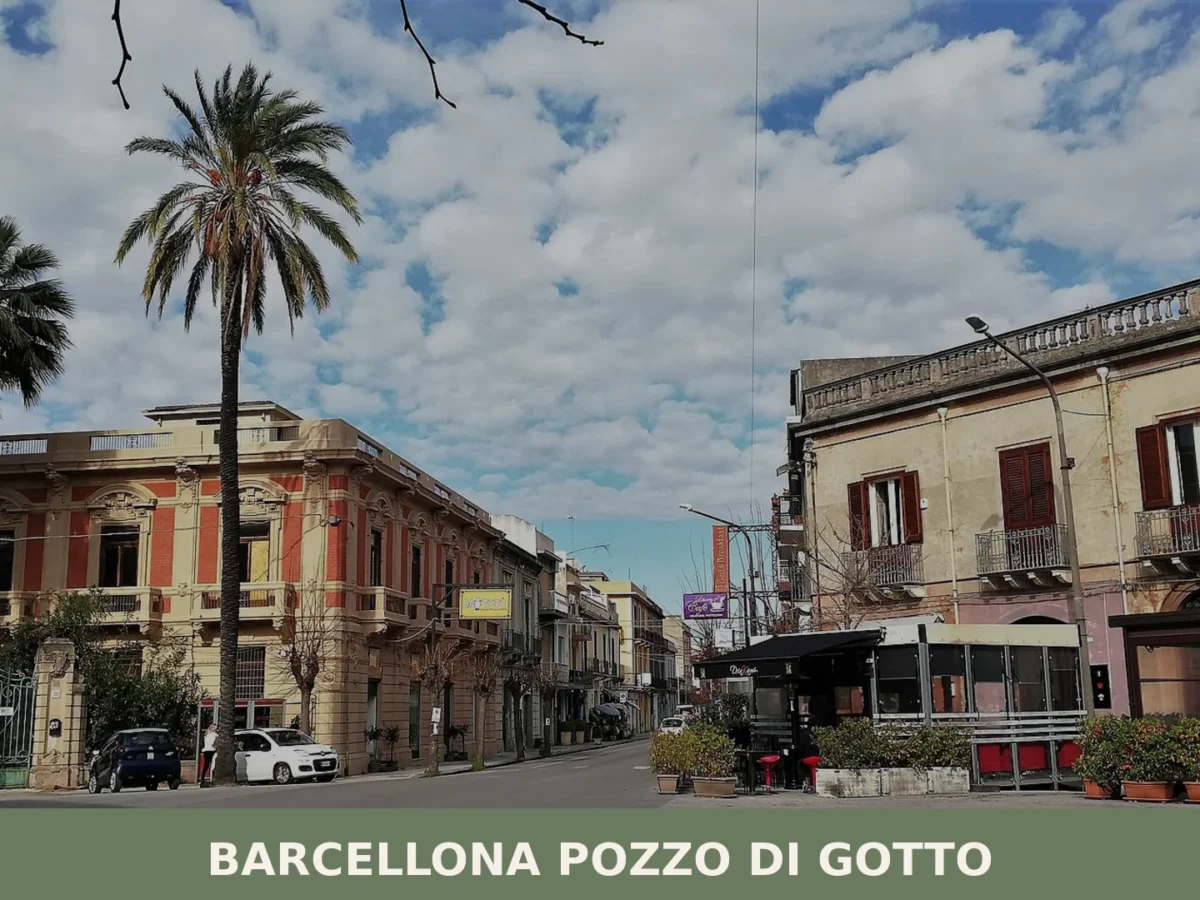
Barcellona Pozzo di Gotto
 Sea
Sea
Barcellona Pozzo di Gotto is a town of nearly forty thousand inhabitants in the province of Messina, Sicily, where the plain of the torrente Longano meets the Tyrrhenian shore.
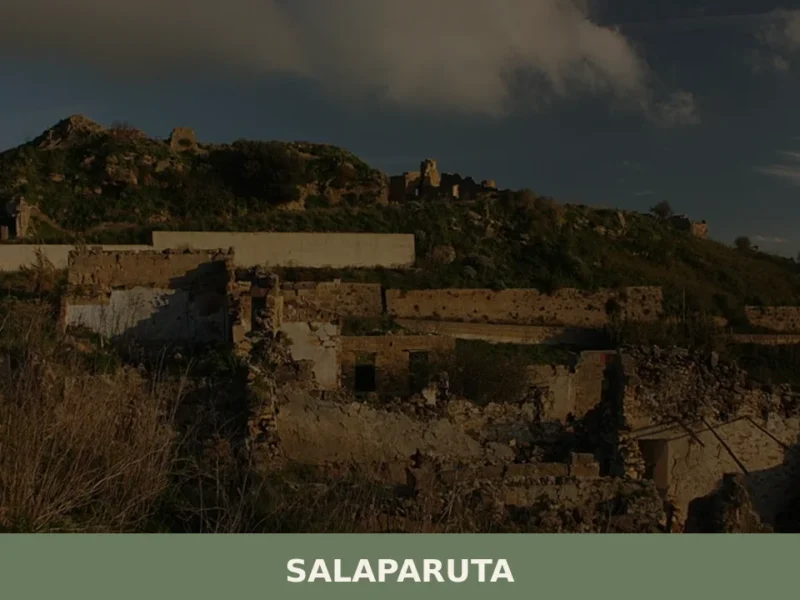
Salaparuta
 Plains
what to see in salaparuta, Italy: Explore this Belice Valley village, 171 meters above sea level, known for its DOC wine and the San Giuseppe feast on March 19. Discover local history and attractions.
Siracusa
Sea
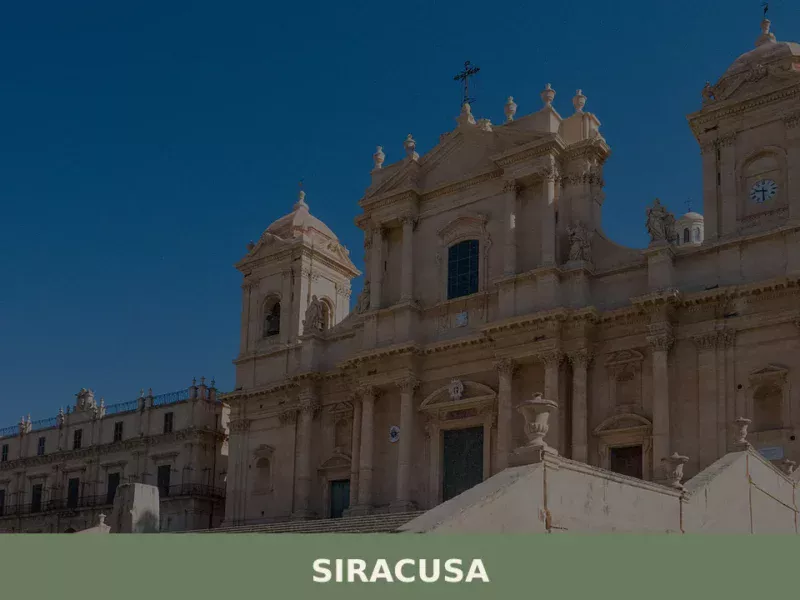
What to see in Siracusa: UNESCO city of 118,644 people. Explore the Greek Theatre, Ortigia, and the Catacombs of San Giovanni. Plan your visit with our complete guide.
Pedara
Hills
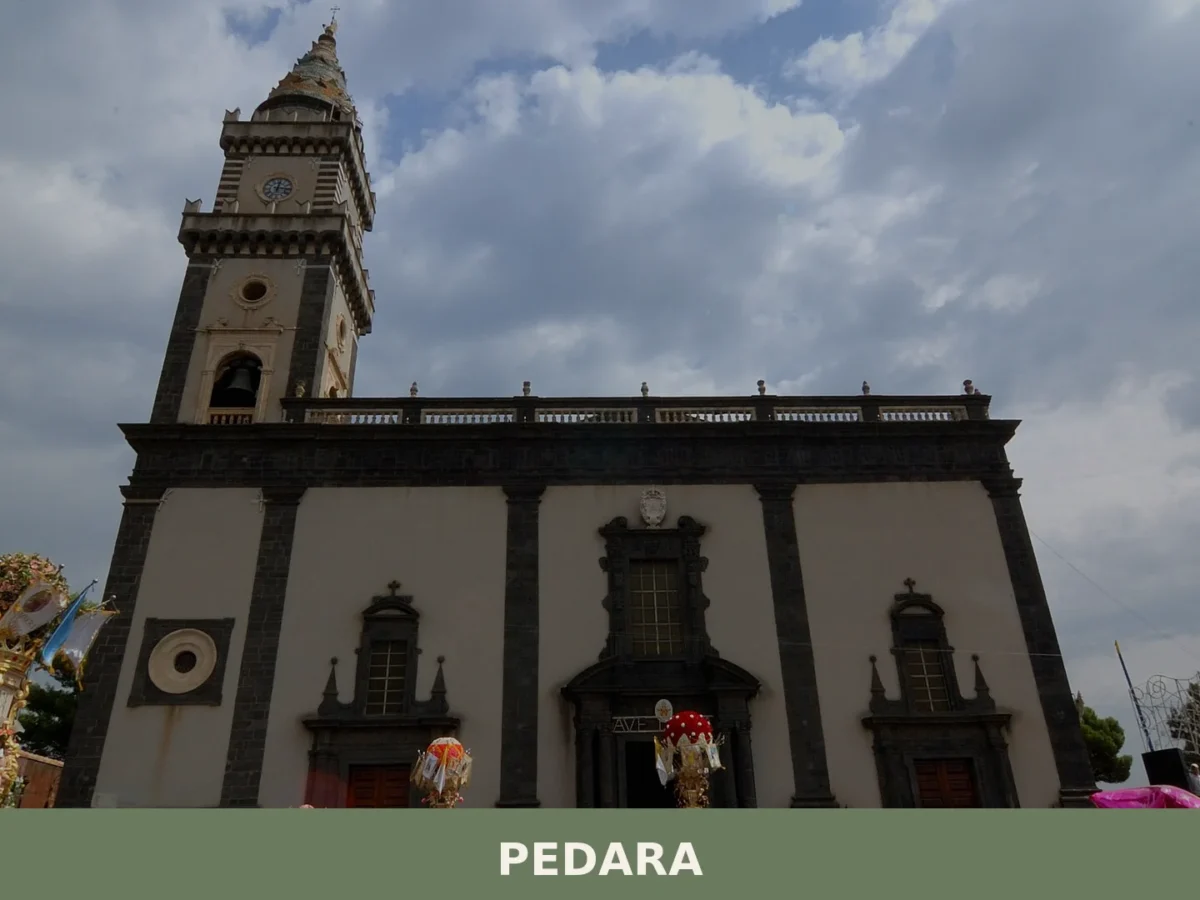
Pedara is a hillside town of around 15,000 people near Catania, set at 605 metres on the southern slopes of Etna and shaped by centuries of eruptions, earthquakes and remarkable religious heritage.
Geraci Siculo
Mountain
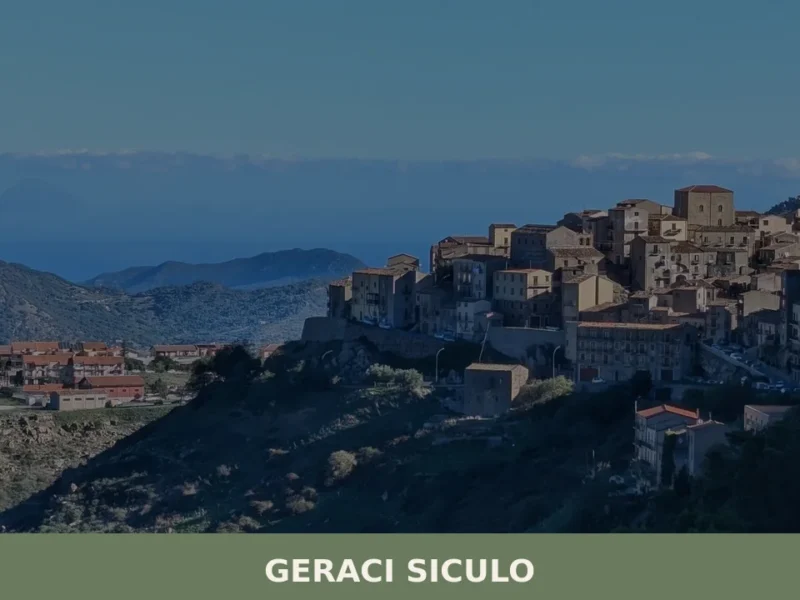
What to see in Geraci Siculo, Italy? Discover this mountain village at 1077 m, an I Borghi più belli d'Italia member, and its San Bartolomeo feast. Explore its historic core and Madonie views.

San Michele di Ganzaria
Hills
A village of 2,820 people shaped by a medieval Albanian settlement pact and a baroque parish church with neo-Gothic facade. History runs deep here.
Cefalà Diana
Hills
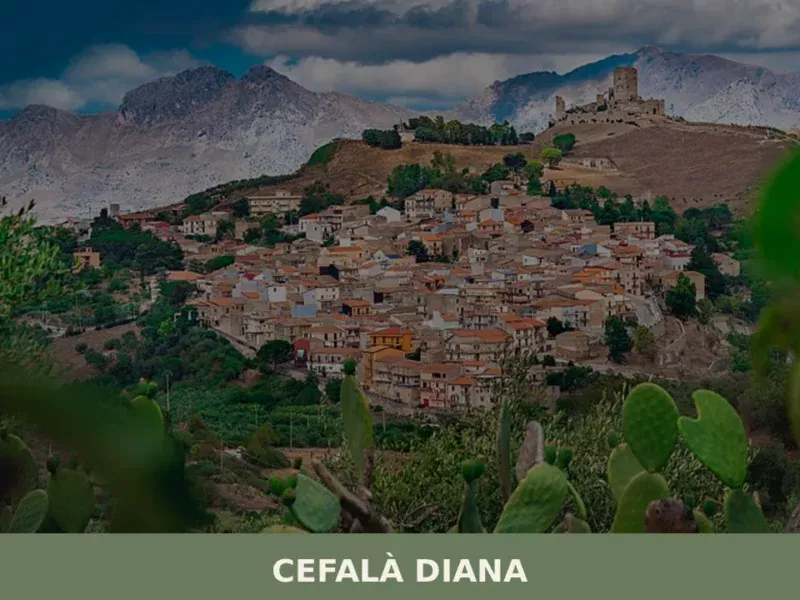
Discover what to see in Cefalà Diana, Sicily: Arab-Norman baths, castle ruins, local food, best season to visit, and how to get there from Palermo.
Aci Catena
Hills
27,507 inhabitants. A comune shaped by baroque devotion and natural disaster—where the 1693 earthquake sparked lasting veneration of the Madonna della Catena.




🏡 Know Balestrate better than we do?
If you’re a local or have been there, your knowledge matters: add what’s missing or fix a detail on this page.