 Mountain
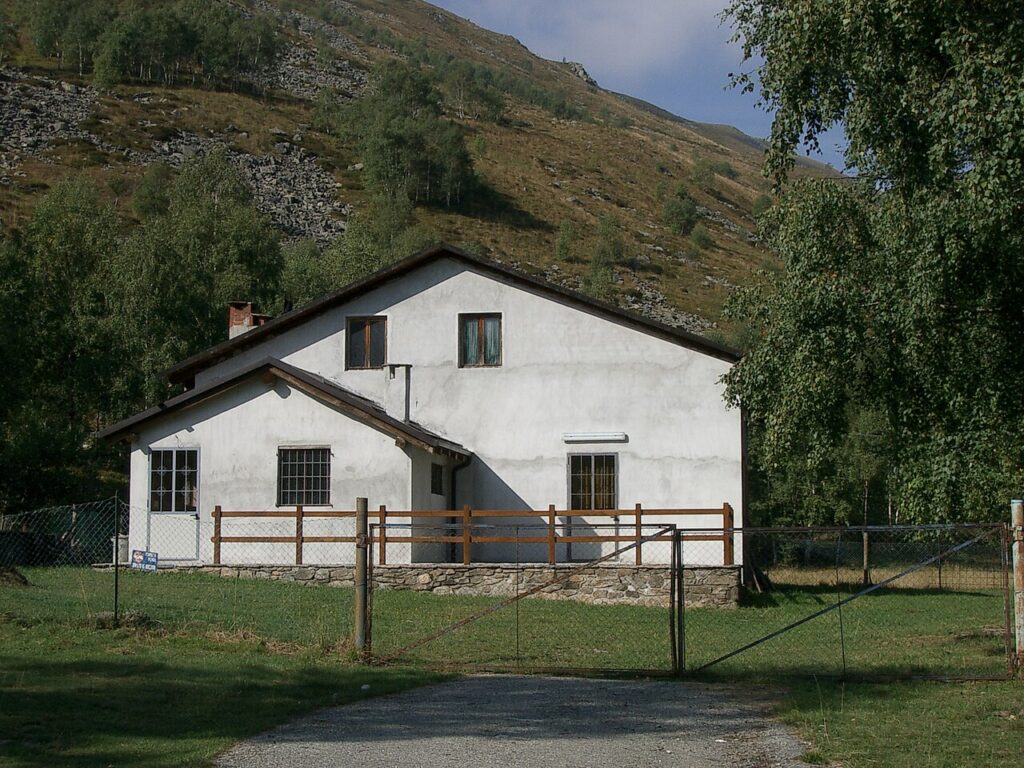
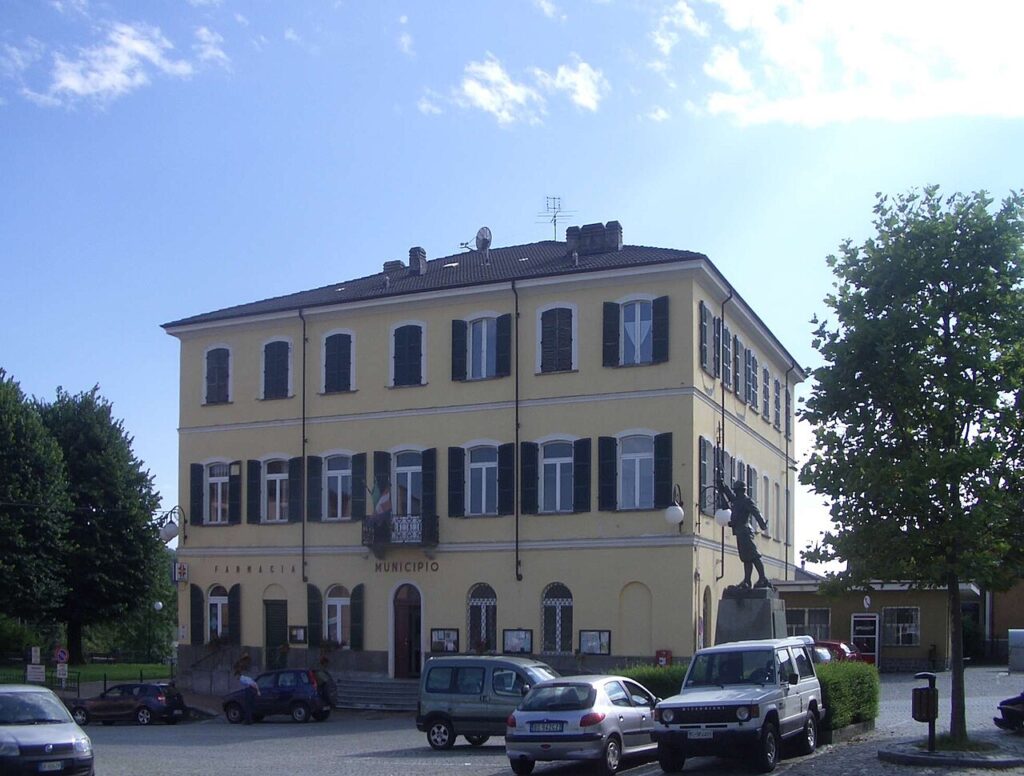
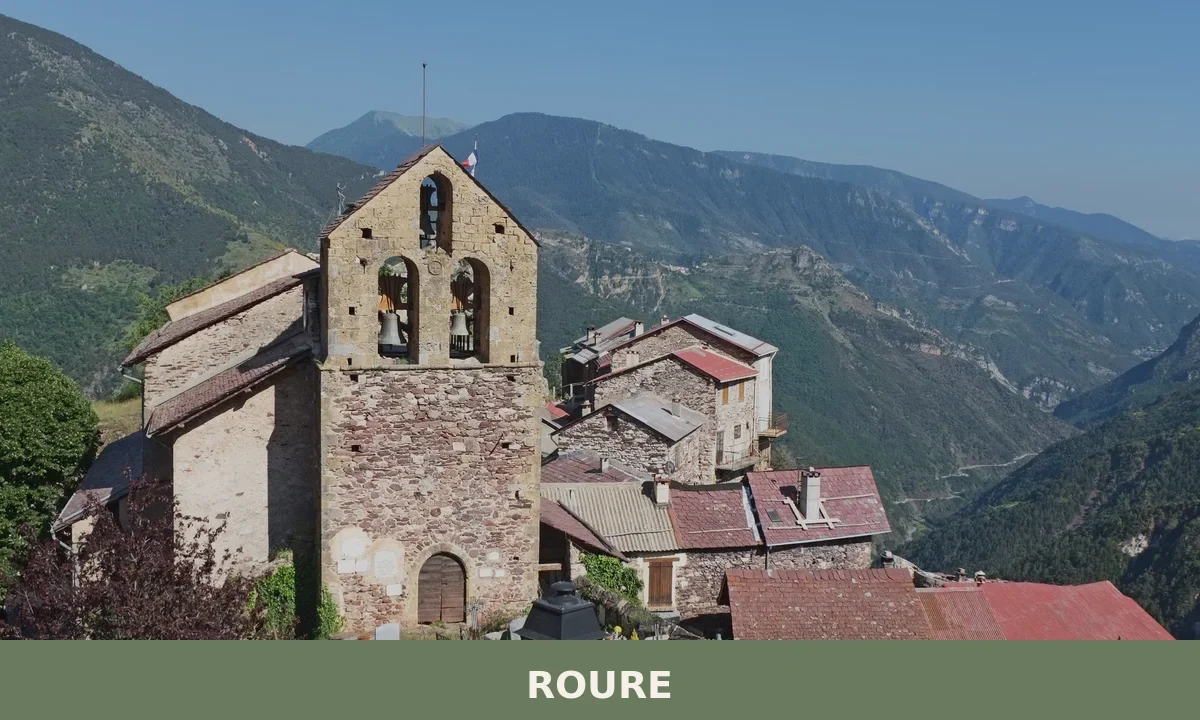
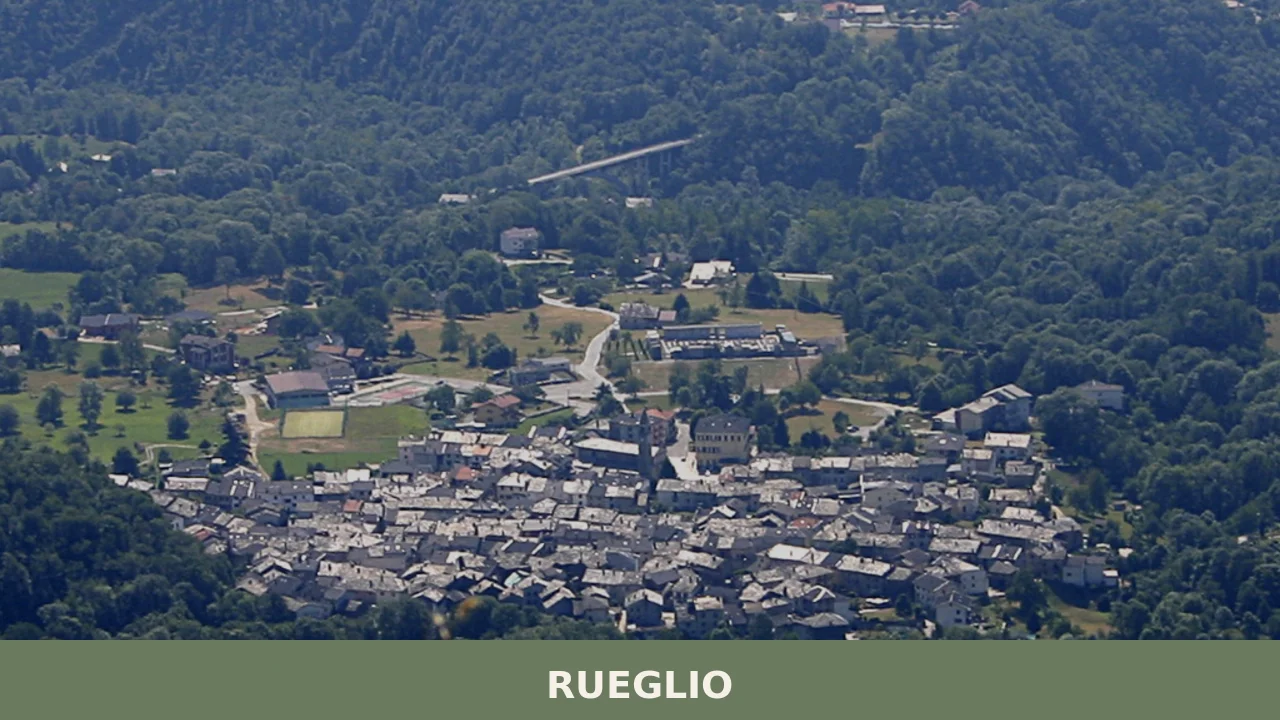
 The torrent Chiusella flows just below Rueglio, its water cutting through the valley floor a kilometre downslope from the village centre. Stone and slate buildings rise from the mountain slope at 675 metres above sea level, their south-facing walls catching light across the afternoon. This is the rhythm of a small alpine comune in the metropolitan area of Turin: modest, rooted in the terrain, connected to the water that has shaped the valley for centuries.
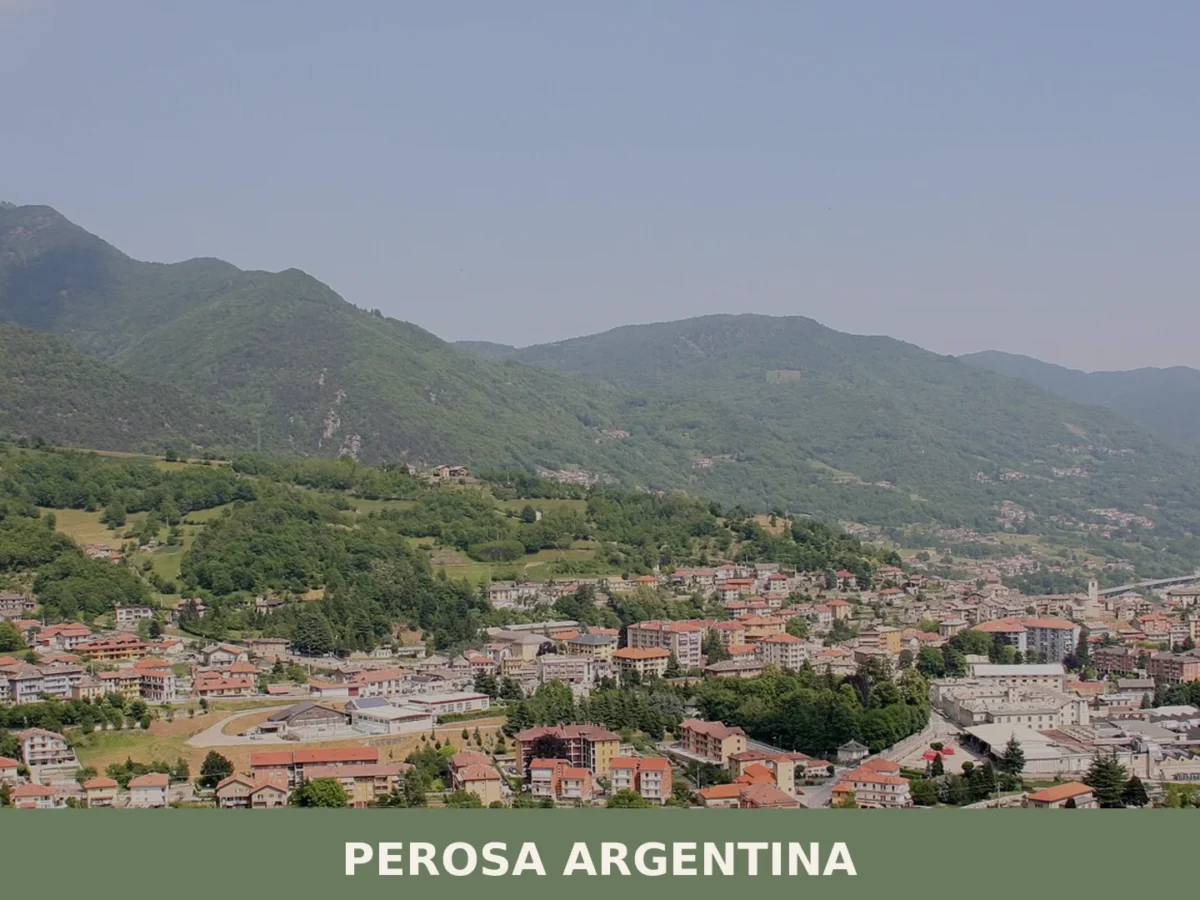
Rueglio village in Piedmont belongs to the Turin metropolitan area, though its identity is firmly anchored to the mountains and the Val Chiusella. With a population of 788, it preserves the character of a traditional Piedmont mountain settlement. The village draws visitors who seek authentic alpine landscape and the rhythms of a working rural community, rather than the crowds of larger tourist destinations.
Territory and Setting
The comune sits within Val Chiusella, a valley corridor that runs through the Canavese region of Piedmont. The orography places Rueglio on the right bank of the torrent, where the terrain rises toward the surrounding foothills. At this altitude, the growing season is shorter than in the lowlands, and the landscape retains a cooler, more austere beauty than the warmer slopes to the south.
Nearby comuni within Turin province include Alice Superiore, Issiglio, Pecco, Trausella, Meugliano, Vistrorio, Lugnacco and Vico Canavese. These villages share similar histories of mountain agriculture, forestry and small-scale settlement. The valley itself has historically served as a passage and a resource zone, where water power, timber and pastoral land supported local economies.
Val Chiusella stretches through some of Piedmont’s least commercialised mountain territory, a landscape where tradition and subsistence still matter more than spectacle.
History and Character
The documented history of Rueglio is modest, reflecting its status as a small mountain comune without major aristocratic estates or military significance. The sources available to historians offer limited detail about its medieval foundations or early development. What is clear is that the village belongs to a broader pattern of alpine settlement in the Canavese, where small communities clustered near water sources and cultivated the accessible slopes for grain, hay and pasture.
The patron saints Giacomo and Filippo have long been associated with the village’s spiritual identity and local feast traditions. The presence of these patron saints reflects Rueglio’s integration into the religious and cultural fabric of Piedmont, where such dedications tied communities to broader pilgrimage networks and Catholic calendar rhythms. Local observances tied to their feast day continue to mark the year in the comune.
Sacred Places
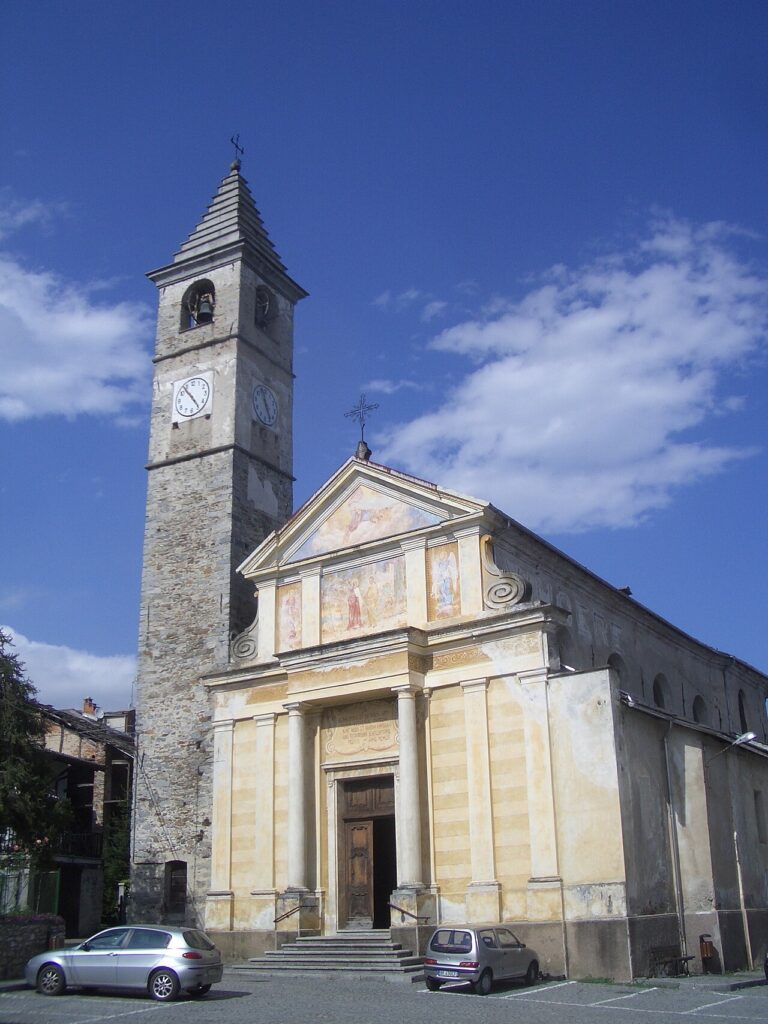
The Church of Santi Giacomo e Filippo
The village church stands as the focal point of the commune’s religious life and community gathering. Dedicated to its two patron saints, the church is the physical embodiment of Rueglio’s spiritual tradition and a place where local ceremonies and celebrations have unfolded across generations. The architecture and layout reflect the modest scale and practical character of a mountain parish church, built to serve a small population and maintained through shared community effort.
Food and Agricultural Tradition
Rueglio sits within a broader agricultural and food culture of Piedmont. The altitude and climate support traditional mountain crops and livestock practices that have sustained the region for centuries. While the commune does not produce any officially protected designation products of its own, its location within Piedmont connects it to a constellation of protected regional products. The province of Turin claims numerous protected designations, including Toma Piemontese (a traditional cheese), Nocciola del Piemonte (a hazelnut variety protected as PGI), and Salame Piemonte (a cured meat tradition).
The local diet reflects mountain economy: preserved meats, dairy products, grains and the vegetables that grow well in cooler altitudes. Visitors interested in exploring Piedmont’s food heritage will find that regional products from nearby comuni offer a window into the flavour world that shapes eating traditions across the valley.
Planning Your Visit
Rueglio is reached by road from Turin via the Canavese valley routes. The comune sits within easy driving distance of larger towns and the regional network, making it accessible for day visits or as a base for exploring the Val Chiusella and surrounding mountain comuni. The altitude and mountain setting mean that weather varies significantly across seasons; spring and early autumn offer mild temperatures and clear views, while winter can bring snow and reduced visibility on local roads.
The best approach is to arrive by car, as public transport to mountain comuni like Rueglio is limited and infrequent. If you are exploring the broader Canavese region, Rueglio works well as a waypoint between larger settlements and offers a genuine encounter with how small Piedmont villages function outside the tourist calendar.
| Departure point | Distance | Approximate travel time |
|---|---|---|
| Turin city centre | 70–80 km | 90 minutes by car |
| Ivrea | 35–40 km | 50 minutes by car |
| Cuorgnè (Canavese hub) | 20–25 km | 30 minutes by car |
Visitors should plan at least half a day to explore the village and its immediate surroundings. There are no major hotels within Rueglio itself, but nearby comuni like Alice Superiore and Pecco offer modest lodging options. The village remains a working community, not a tourist attraction, which means services are minimal but authentic. Bring provisions if you plan a picnic, and check local road conditions before traveling in winter.