


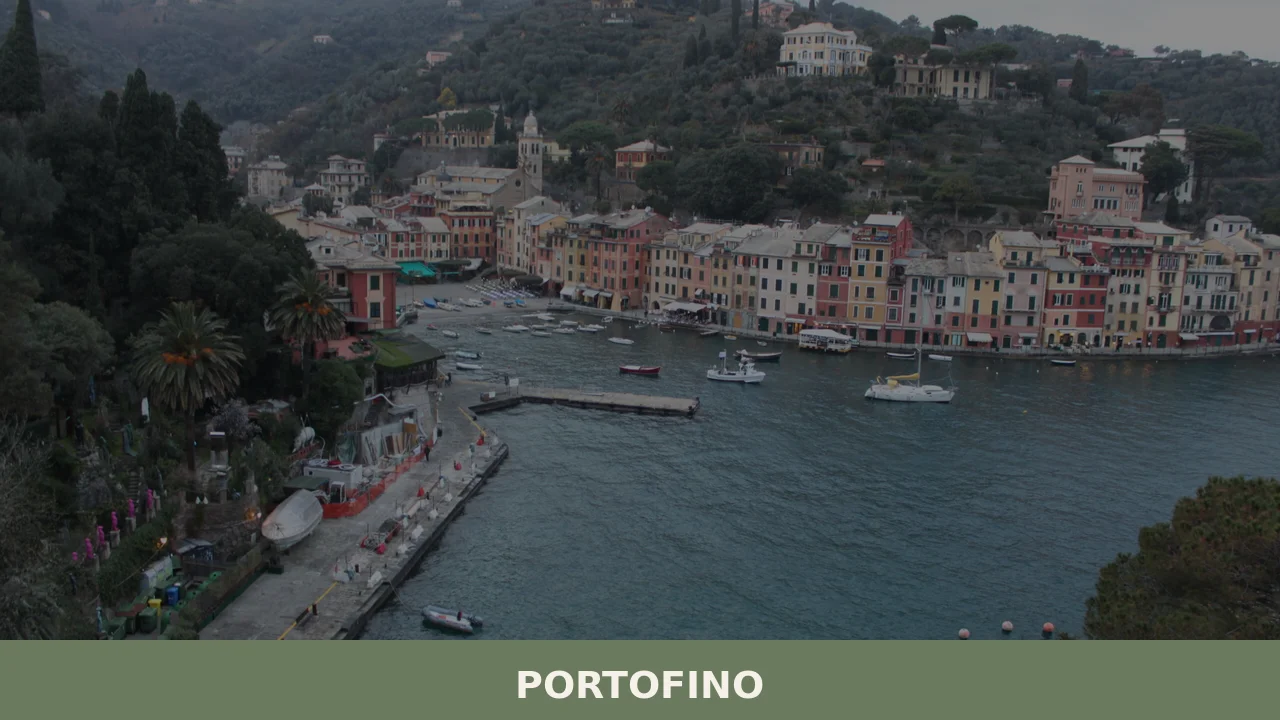
Portofino
 Sea
Sea
Portofino has a population of 355 residents spread across a headland that descends to sea level. It is one of the smallest municipalities in Italy by population, yet its natural harbour appears in almost every historical guide to the Ligurian Riviera. Anyone looking into what to see in Portofino will find a compact collection of […]
Discover Portofino
Portofino has a population of 355 residents spread across a headland that descends to sea level. It is one of the smallest municipalities in Italy by population, yet its natural harbour appears in almost every historical guide to the Ligurian Riviera. Anyone looking into what to see in Portofino will find a compact collection of architecture, walking routes and seabed habitats covering just a few hectares — small enough to explore entirely on foot, without ever losing your bearings. The municipality falls within the Province of Genoa, and its patron saint, San Giorgio, is celebrated on the first Sunday of April.
History and origins of Portofino
The name Portofino derives from the Latin Portus Delphini, documented as far back as Roman times: the bay served as a natural anchorage, and its geography — an inlet enclosed on three sides by the headland — made it a reliable shelter for vessels travelling the Tyrrhenian route. The medieval contraction “Portofino” begins to appear in Genoese records from the early Middle Ages. As the encyclopaedia entry dedicated to the village also notes, the site was frequented before Roman times, but it was under Genoese rule that it took on a stable role within the Tyrrhenian commercial network.
Throughout the Middle Ages, Portofino remained under the control of the Republic of Genoa, which exploited its strategic position. Castello Brown — the defensive structure still visible on the headland — has roots going back to the Genoese medieval period, although the building was transformed and extended in subsequent centuries. During the sixteenth century, Liguria was contested by the major European powers, and the system of towers and fortresses of which the castle formed a part was used to monitor naval movements in the Gulf of Tigullio. The entire headland area, today protected as the Portofino Marine Protected Area, was at that time used for fishing and for forestry and pastoral activities on the hillside slopes.
The most far-reaching change in Portofino’s history came in the nineteenth century, when the village began to attract British travellers and European aristocracy. It was during this period that the castle was purchased and renovated by Montague Yeats Brown, a British diplomat, who converted it into a private residence — hence the name “Castello Brown” by which it is still known today. The arrival of elite tourism between the late nineteenth and early twentieth centuries reshaped the local economy, shifting its centre of gravity from fishing and agriculture towards services and hospitality. For further administrative and institutional information, the official website of the Municipality of Portofino is available for consultation.
What to see in Portofino: 5 key attractions
Portofino’s Piazzetta
The focal point of the village is the small square overlooking the harbour, enclosed on three sides by buildings painted in ochre yellow, terracotta red and sage green, following the Ligurian chromatic tradition. Originally a functional space for the market and for fishermen’s boats to moor, it today accommodates café and restaurant tables. The frescoed façades of the surrounding buildings date from nineteenth-century restoration work, but the layout of the square itself is medieval.
Castello Brown
A medieval Genoese defensive structure converted in the nineteenth century into a private residence by the British diplomat Montague Yeats Brown. Positioned on the ridge overlooking the harbour, it offers a direct view across the mouth of the bay. It is now open to the public as a museum and exhibition space, with a terraced garden that retains Mediterranean plants alongside several exotic species introduced by its English owners.
Church of San Giorgio
Dedicated to the village’s patron saint, the church stands on a natural viewpoint above the piazzetta. The current structure is the result of eighteenth-century rebuilding works, though tradition holds that it houses relics of San Giorgio brought to Portofino by crusaders returning from the Holy Land. The interior is single-naved, with decoration in the Ligurian Baroque style.
Portofino Lighthouse
Located at the tip of the headland, the lighthouse marks the entrance to the Gulf of Tigullio and can be reached on foot via a path that passes through the park’s vegetation. The current structure dates from the late nineteenth century. The approach route — approximately 3 kilometres from the piazzetta — crosses dense Mediterranean scrub, with sections that run along sheer cliff edges.
Portofino Marine Protected Area
Established in 1999, it is one of the oldest marine protected areas in Italy. It safeguards the seabed around the headland, which includes Posidonia oceanica meadows, rocky reefs and coral formations. The area is popular with divers for the clarity of its waters and for the presence of protected species such as the fan mussel and the noble pen shell. Diving is regulated and requires specific permits.
Local cuisine and food products
Portofino’s cuisine reflects that of eastern Liguria as a whole, with a strongly maritime character that intersects with the farming traditions of the headland’s hillside slopes. The most representative dish of the area is brandacujun, a preparation based on desalted stockfish, potatoes, Ligurian extra virgin olive oil and garlic, worked at length until it reaches a smooth, creamy consistency. It is a dish of humble origins, born aboard the boats of Ligurian fishermen, and survives on local restaurant menus as a defining reference point of regional cooking. Equally present is Genoese pesto, whose genuine version — recognised as an Italian Traditional Agri-food Product — calls for Genoese DOP basil, Vessalico garlic, Italian pine nuts, Parmigiano Reggiano DOP or Grana Padano DOP, Sardinian Pecorino and Ligurian DOP extra virgin olive oil. Pairing it with trofie, the fresh pasta typical of Liguria, is the most widespread combination across the Gulf of Tigullio.
Among local products, Riviera Ligure DOP extra virgin olive oil deserves particular attention. It is produced mainly from the Taggiasca cultivar on the western slopes and from local olives in the Levante area, with a low yield but a delicate, low-bitterness flavour profile. Genoese focaccia, technically known as fugassa, is available in every bakery in the village and along the surrounding Riviera: the traditional recipe calls for a long-leavened dough, generous amounts of Ligurian oil on the surface and a characteristic texture marked by regular dimples. During festive periods, chickpea farinata makes an appearance, baked in copper trays in a wood-fired oven, representing one of the oldest preparations in Ligurian gastronomy. On the seafood side, Ligurian Sea anchovies — salt-cured and then preserved in oil — feature on local buffets both as a starter and as a condiment.
When to visit Portofino: the best time of year
Portofino receives the highest number of visitors between June and August, when private boats crowd the bay and the headland paths are busy from morning to evening. During this period, the prices of local services reach their highest point of the year and availability at accommodation facilities fills up well in advance. May and September offer favourable weather conditions — temperatures between 18 and 25 degrees, seas suitable for diving and sailing — with a noticeably smaller number of visitors. On the first Sunday of April, for the feast of the patron saint San Giorgio, the village comes to life with local celebrations involving the resident community. Winter, from November to March, is the season when Portofino returns to its actual scale: 355 inhabitants, many businesses closed, but the park’s paths walkable in peaceful conditions and with vegetation that reveals the geological structure of the headland. As the Touring Club Italiano also documents in its guides to Liguria, the Genoese Levante in spring is among the most appreciated destinations for coastal hiking.
How to get to Portofino
Portofino can be reached from several directions, but it is worth bearing in mind that car access is regulated: non-resident vehicles are not permitted into the village centre during certain hours and seasons, and the available car parks are located in Santa Margherita Ligure or Rapallo, with boat or shuttle bus services covering the remaining distance.
- By car: from the A26/A7 motorway (Genoa), take the A12 Genoa–Sestri Levante and exit at Rapallo or Santa Margherita Ligure. From Santa Margherita Ligure, it is approximately 5 kilometres along the coastal road.
- By train: the nearest railway station is Santa Margherita Ligure–Portofino, on the Genoa–La Spezia line. From Genova Brignole the journey takes around 40 minutes. From the station, local buses or taxis serve the village.
- By boat: regular ferry services connect Portofino with Santa Margherita Ligure, Rapallo, Camogli and Genoa during the summer season.
- From the airport: the nearest airport is Genoa Cristoforo Colombo (GOA), approximately 35 kilometres away. From there, Genova Brignole can be reached by bus or taxi, then by train to Santa Margherita Ligure.
Where to stay in Portofino
The accommodation offer within the municipality of Portofino is limited by definition: the size of the village — 355 inhabitants, a small municipal area — does not allow for a concentration of facilities comparable to that of neighbouring Riviera resorts. The structures available in the village centre are predominantly upmarket hotels and a number of short-term rental properties. Those looking for more accessible options will find a far broader and more varied offer in Santa Margherita Ligure, 5 kilometres away: hotels, B&Bs, guesthouses and holiday apartments covering all price ranges, with frequent connections to Portofino by bus and boat.
In high season — July and August in particular — booking at least two or three months in advance is essential, both for accommodation in the village and for that in the surrounding municipalities. Those choosing to stay in Rapallo have access to an even wider range of options and can reach Portofino by boat or by train to Santa Margherita. For visitors interested in the headland’s walking routes, staying in Camogli is a practical alternative: the town sits on the western side of the headland and the paths of the Portofino Regional Nature Park can be reached directly on foot.
Other villages to explore in Liguria
Liguria offers a variety of inland landscapes that stand well apart from the coastal image with which the region is most commonly associated. In the hinterland of the Province of La Spezia, Calice al Cornoviglio is an example of a Ligurian Apennine village with a well-preserved medieval structure, while Rocchetta di Vara, in the Val di Vara, is included in the circuit of the most beautiful villages in Italy and retains a historic built fabric that reflects the rural architecture of the Spezia hinterland. Both villages lie in an area geographically far from the Riviera, set within the forests of the Ligurian-Emilian Apennines.
Moving towards the Province of Genoa, Crocefieschi sits in the Alta Val Scrivia, in a mountain setting that offers a sharp contrast to the coast. In the western part of Liguria, Diano San Pietro, in the hinterland of Imperia, retains the architectural characteristics of Liguria’s olive-growing villages, with a compact urban layout and historic terracing. Exploring these smaller centres allows you to read Liguria beyond its coastal perimeter, revealing a more layered geographical and cultural dimension of the region.
Frequently asked questions about Portofino
What is the best time to visit Portofino?
The best time to visit Portofino depends on your preferred experience. For pleasant weather and fewer crowds, May and September are ideal, offering temperatures between 18-25°C, perfect for sailing and diving. The peak season from June to August sees the highest number of visitors and prices. For a truly local experience, visit on the first Sunday of April for the feast of San Giorgio, the patron saint, with village-wide celebrations. Winter (November-March) provides a peaceful atmosphere for exploring the park's paths, while spring is highly recommended for coastal hiking along the Levante coast.
What to see in Portofino? Main monuments and landmarks
Portofino's main attractions are easily explored on foot. The iconic Piazzetta, the village's heart, is surrounded by colourful Ligurian buildings overlooking the harbour. Perched above, Castello Brown, a historic defensive fortress, is now a museum and exhibition space with stunning terraced gardens and panoramic views. The Church of San Giorgio, dedicated to the patron saint, offers beautiful Ligurian Baroque interiors and another excellent viewpoint. A scenic 3-kilometre walk through Mediterranean scrub leads to the Portofino Lighthouse, marking the tip of the headland, offering dramatic coastal vistas. The Portofino Marine Protected Area is a key attraction for divers, requiring specific permits.
What are the main natural or scenic attractions of Portofino?
Portofino's natural allure is primarily found in its protected headland and marine environment. The Portofino Marine Protected Area, established in 1999, safeguards a rich underwater ecosystem featuring Posidonia oceanica meadows, rocky reefs, and coral formations, making it a premier destination for regulated diving. Above ground, the headland offers numerous walking paths, including the scenic route to the Portofino Lighthouse, which winds through dense Mediterranean scrub and along sheer cliff edges. These trails provide breathtaking views of the Gulf of Tigullio and an intimate connection with the area's unique geology and coastal vegetation.
Where to take the best photos in Portofino?
For iconic photographs, the Piazzetta is a must, capturing the vibrant colours of the buildings set against the sparkling harbour. Climb up to Castello Brown for breathtaking panoramic views of the bay, the village, and the Ligurian coastline from its terraced gardens. The area around the Church of San Giorgio, located on a natural viewpoint above the Piazzetta, also offers fantastic photo opportunities. For dramatic coastal landscapes, the path leading to the Portofino Lighthouse provides stunning shots, especially along sections that run beside the sheer cliff edges, showcasing the rugged beauty of the headland.
Are there museums, churches or historic buildings to visit in Portofino?
Yes, Portofino offers several significant historical and cultural sites. Castello Brown, originally a medieval Genoese defensive fortress, has been transformed into a public museum and exhibition space. It provides insights into its past and features beautiful terraced gardens with Mediterranean and exotic plants. The Church of San Giorgio, dedicated to the village's patron saint, is an 18th-century structure with a single-naved interior decorated in the Ligurian Baroque style. Tradition holds it houses relics of San Giorgio. Both sites are open to the public, allowing visitors to delve into Portofino's rich history and architectural heritage.
What can you do in Portofino? Activities and experiences
Portofino offers a range of activities focused on its natural beauty and charm. Explore the compact village entirely on foot, taking in the Piazzetta, Castello Brown, and the Church of San Giorgio. For outdoor enthusiasts, hike the scenic paths across the Portofino headland, including the picturesque route to the Lighthouse, which is particularly enjoyable in spring. Diving in the Portofino Marine Protected Area is a popular activity, allowing exploration of its rich seabeds, though permits are required. Indulge in local Ligurian cuisine, from brandacujun to authentic Genoese pesto with trofie, and sample local focaccia and Riviera Ligure DOP olive oil. Don't miss the local celebrations for San Giorgio on the first Sunday of April.
Who is Portofino suitable for? Families, couples, hikers, solo travelers?
Portofino is particularly suitable for couples seeking a romantic and picturesque escape, with its charming harbour and scenic viewpoints. It also appeals greatly to hikers and nature lovers, thanks to its well-maintained headland paths and the Portofino Marine Protected Area, which attracts divers. Its compact, pedestrian-friendly nature makes it accessible for solo travelers looking for tranquility, especially during the quieter off-peak seasons. While popular with an upscale clientele, families who enjoy walking and exploring beautiful, small settings will also find it enjoyable, despite limited accommodation options directly within the village.
What to eat in Portofino? Local products and specialties
Portofino's cuisine showcases the best of eastern Ligurian flavours. A must-try is 'brandacujun,' a creamy dish of desalted stockfish, potatoes, Ligurian extra virgin olive oil, and garlic. The authentic Genoese pesto, made with DOP basil and local ingredients, is best enjoyed with fresh 'trofie' pasta. Savor the delicate, low-bitterness Riviera Ligure DOP extra virgin olive oil. For a snack, try the traditional Genoese focaccia, or 'fugassa,' with its characteristic dimples and generous oil. During festive periods, 'farinata' (chickpea pancake) baked in a wood-fired oven is a local delight. Also, enjoy Ligurian Sea anchovies, salt-cured and preserved in oil.
Getting there
Piazza della Libertà, 16034 Portofino (GE)
Nearby Villages near Portofino
In Liguria More villages to discover
Lumarzo
 Hills
Hills
What to see in Lumarzo: a Ligurian village at 228m with 1,419 residents, historic oratories, Fontanabuona valley trails and the Saint Camillus feast. Plan your visit now.
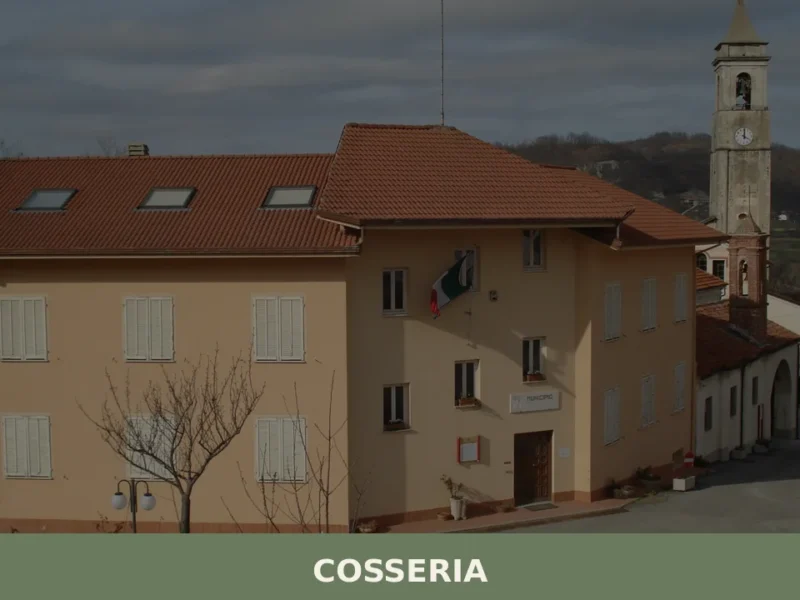
Cosseria
 Mountain
What to see in Cosseria, Liguria, Italy: explore a comune of 1,095 inhabitants near Savona. Discover the 5th Infantry Division history, local food and how to get there.
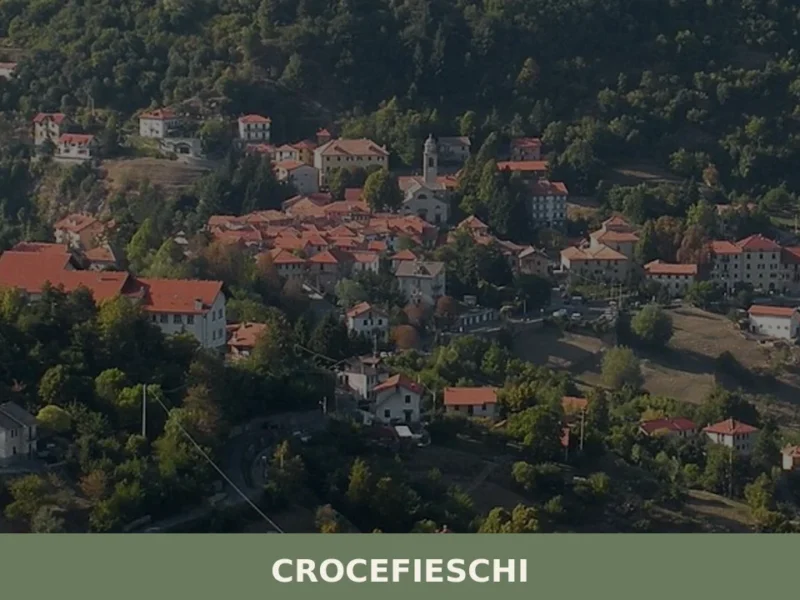
Crocefieschi
Mountain
At 742 meters above sea level, in the heart of the Ligurian Apennines, lies Crocefieschi, a municipality in the province of Genoa with 518 inhabitants. Its geographical position makes it a reference point for those seeking significant altitudes in the Genoese hinterland, away from coastal dynamics. The village’s name, according to tradition, is said to […]
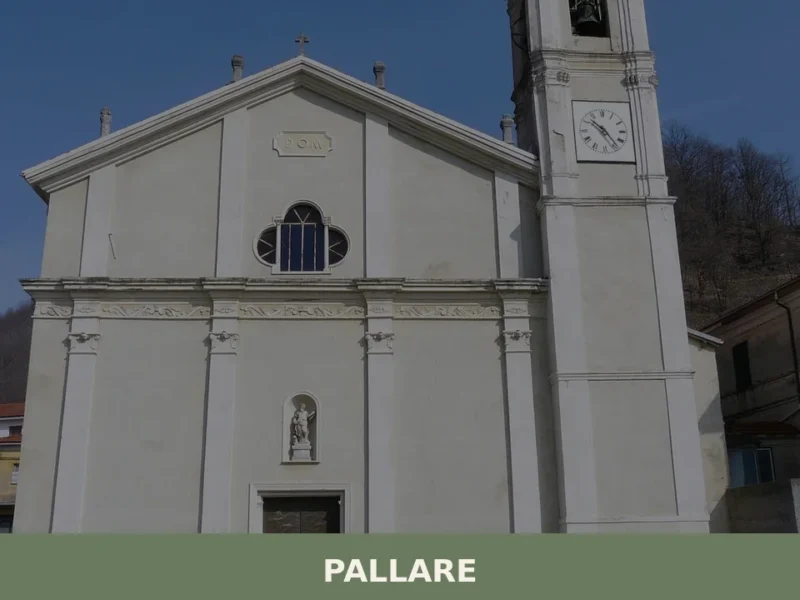
Pallare
Mountain
what to see in pallare: Explore this Ligurian comune, 15 km from Savona, Italy. Discover its geographical context and accessibility. Read our guide.
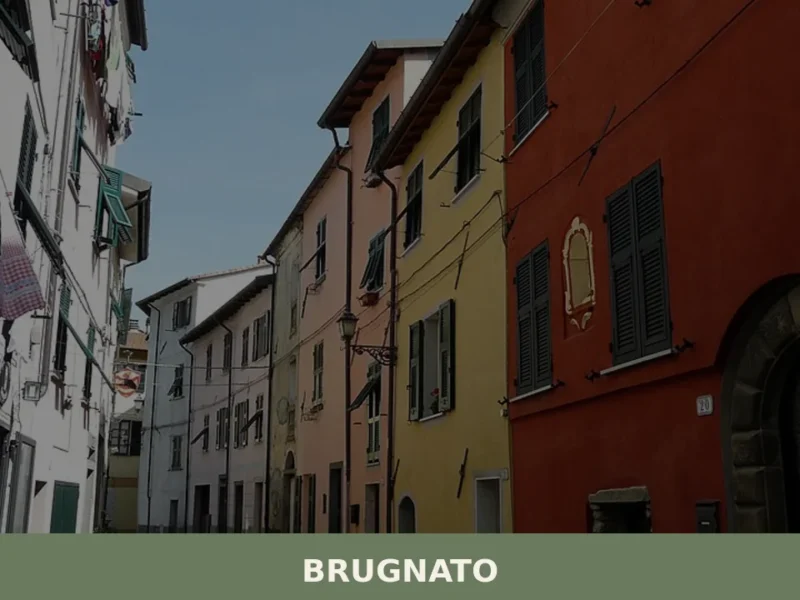
Brugnato
 Plains
What to see in Brugnato, a Ligurian village 115m above sea level? Explore the Co-Cathedral of San Pietro Apostolo and taste typical Val di Vara products. Discover its rich history!
Vasia
Hills
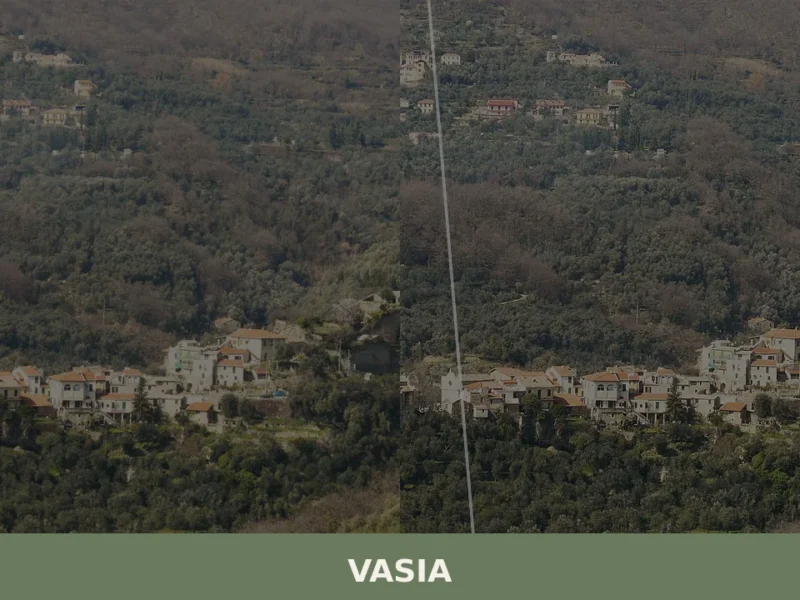
What to see in Vasia, Liguria, Italy: explore a village of 418 inhabitants 9 km from Imperia. Discover top attractions, local food, and how to get there.
Perinaldo
Mountain
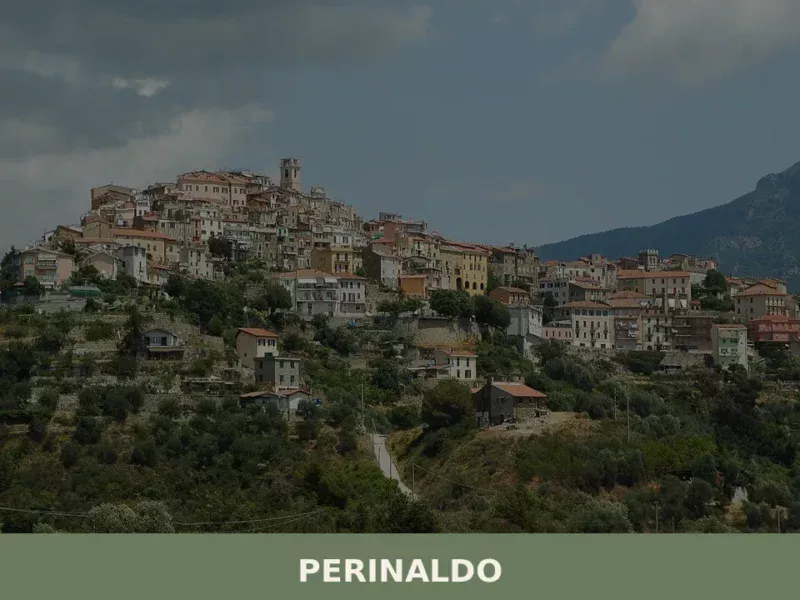
what to see in perinaldo, Italy: Discover the 15th-century church and Cassini Observatory in this Ligurian village of 913 inhabitants. Explore Perinaldo now.
Calice Ligure
Plains
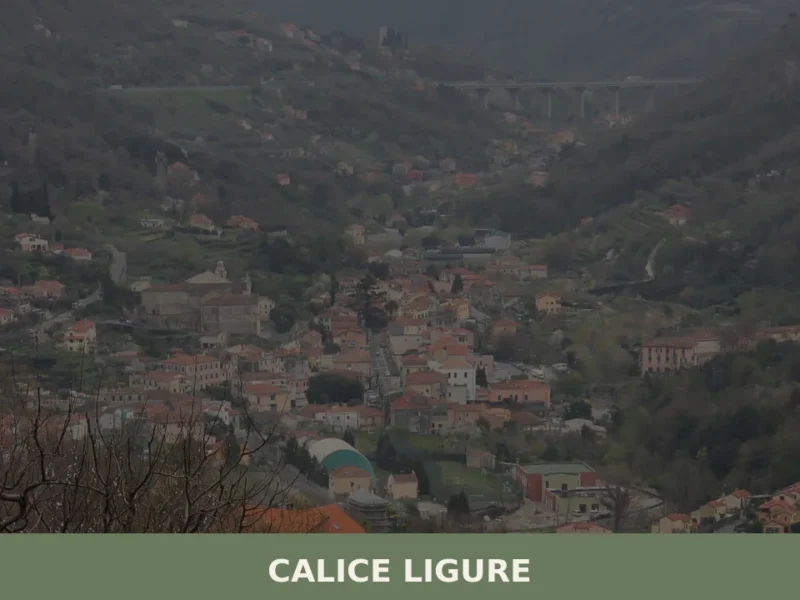
What to see in Calice Ligure, Italy: explore top attractions, local food and how to reach this Savona village of 1,727 people. Discover Liguria's inland.
Osiglia
Mountain
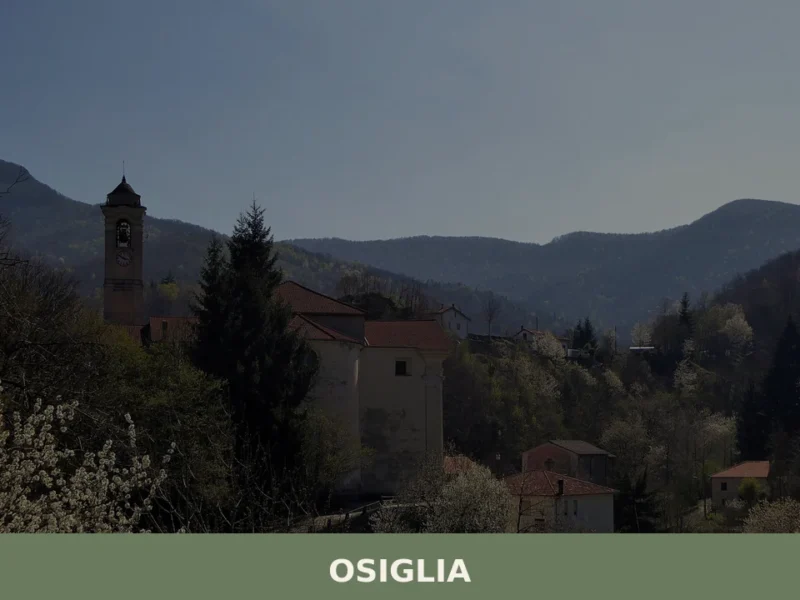
What to see in Osiglia, Italy? Explore this Ligurian comune of 458 inhabitants, 25 km (16 mi) from Savona. Discover its mountainous surroundings and tranquil environment.
Neirone
Mountain
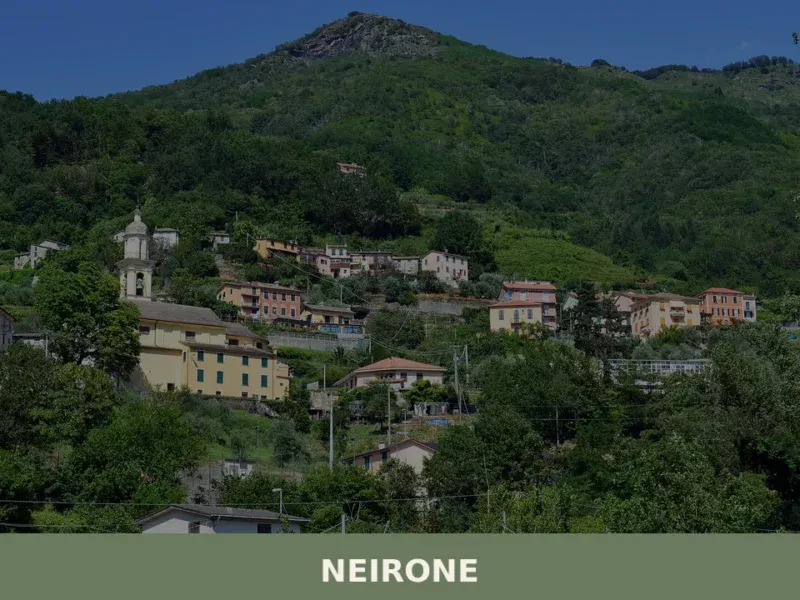
what to see in neirone explores this Ligurian village of 954 inhabitants in Italy. Discover local landscapes and general Ligurian cuisine.




🏡 Know Portofino better than we do?
If you’re a local or have been there, your knowledge matters: add what’s missing or fix a detail on this page.