


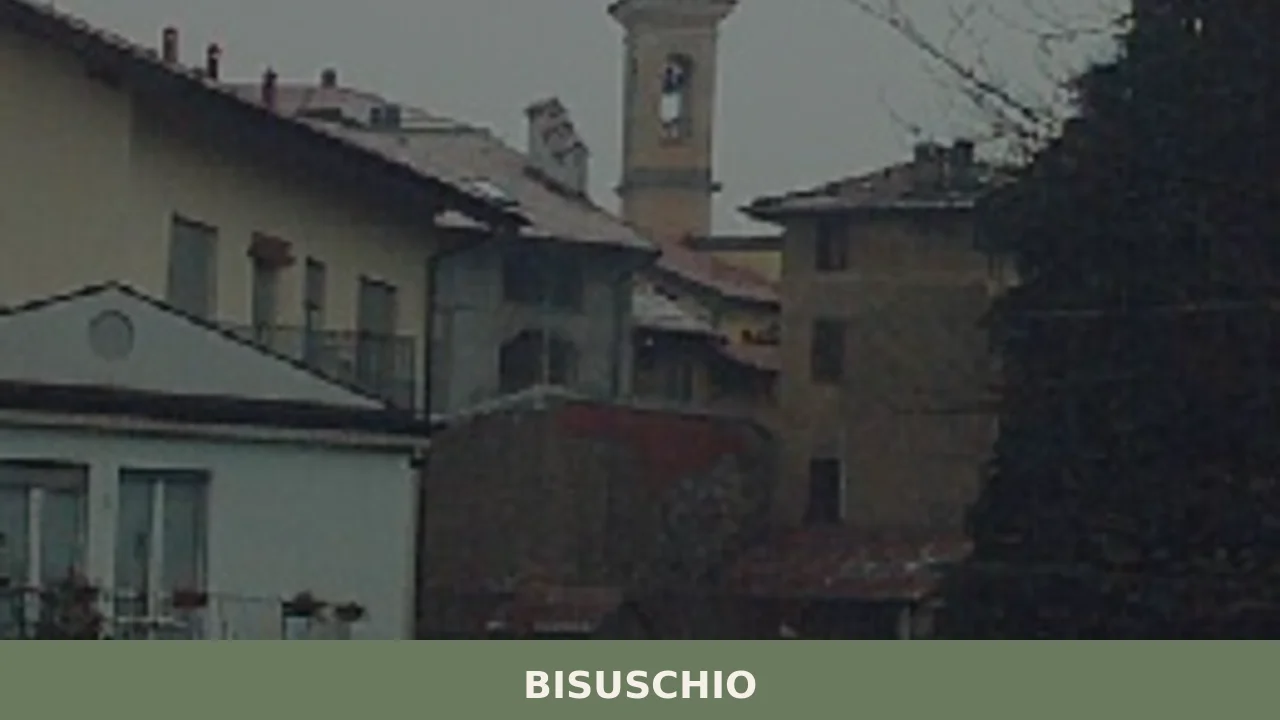
Bisuschio
 Hills
Hills
In Bisuschio, in the province of Varese, economic activity linked to ceramic production developed starting from the 18th century, with local kilns contributing to the manufacture of tableware and bricks for the area. This hillside village, located 370 meters above sea level, offers a view of the Prealpine landscape and nearby lakes. For those wondering […]
Discover Bisuschio
In Bisuschio, in the province of Varese, economic activity linked to ceramic production developed starting from the 18th century, with local kilns contributing to the manufacture of tableware and bricks for the area. This hillside village, located 370 meters above sea level, offers a view of the Prealpine landscape and nearby lakes. For those wondering what to see in Bisuschio, the town center and its surroundings feature various points of interest, from the historic Villa Cicogna Mozzoni to religious buildings that document the historical layers of the place. The population, numbering 4,343 inhabitants, lives a rhythm marked by local traditions, including the feast of the patron saint Saint George, celebrated on April 23.
History and Origins of Bisuschio
The name Bisuschio likely has its roots in Roman times, with hypotheses connecting it to a land-based toponym, perhaps “Bisusculum,” indicating a landed property. The first documented records date back to the Middle Ages, when the village was part of the Contado del Seprio, an important territorial entity of the Kingdom of Italy. During the subsequent centuries, Bisuschio followed the events of the Duchy of Milan, coming under the control of various noble families who influenced its urban and architectural development.
A significant phase in the village’s history is linked to the Mozzoni family and subsequently to the Cicogna Mozzoni, who between the 16th and 18th centuries built and expanded their villa, now a historical and artistic landmark. The village has maintained its agricultural and artisanal vocation over time, with particular relevance for the production of ceramics and bricks, an activity that characterized the local economy for several centuries. Its strategic position, close to the Swiss border and communication routes towards the Prealpine lakes, has contributed to defining the village’s identity within the Varese area.
During the 19th and 20th centuries, Bisuschio experienced a progressive transformation, with demographic growth and the development of new activities, while still preserving elements of its historical layout. The community has kept some traditions alive, linked both to the religious calendar and to ancient customs of the rural and artisanal world, providing a picture of continuity with the past.
What to see in Bisuschio: 5 key attractions
Bisuschio offers visitors various observation opportunities, ranging from historical architecture to the natural settings of the area.
Villa Cicogna Mozzoni
Built starting from the 16th century, Villa Cicogna Mozzoni is an architectural complex that includes a stately palace, Italian gardens, and a nymphaeum. Its structure documents stylistic transformations from the Renaissance to the Baroque, with frescoes and interior decorations that enhance its rooms. It represents one of the best-preserved examples of noble architecture in Lombardy.
Parish Church of Saint George
Dedicated to the village’s patron saint, the Church of Saint George features a structure that dates back to 18th-century modifications of older foundations. Inside, one can observe sacred artworks and wooden furnishings that reflect the taste of the era. The facade and bell tower define a focal point in the center of the village, visible from various angles.
Church of Saint John the Baptist
This church, although less imposing than the parish church, preserves elements of historical and artistic interest. Its construction dates to an earlier period compared to the rebuilding of the Church of Saint George, and inside it contains evidence of sacred art documenting local devotion through the centuries. The building contributes to the village’s architectural heritage.
Oratory of Saint Vitale
The Oratory of Saint Vitale is a small place of worship notable for its simplicity and location. Its origins are ancient and, although it has undergone restorations, it retains a character that evokes popular religiosity. It is an example of minor architecture that completes the picture of Bisuschio’s sacred buildings.
The Valceresio Trails
The surroundings of Bisuschio offer trails in Valceresio, an area characterized by woods and hills. These trails allow visitors to observe local flora and fauna and reach panoramic viewpoints over the Varese area. The network of trails is accessible for those who desire contact with the natural landscape surrounding the village.
Typical Cuisine and Local Products
Bisuschio’s cuisine fits within the gastronomic tradition of the province of Varese, characterized by hearty dishes that highlight products from the Prealpine territory. Among the preparations are “Bruscitti,” a finely minced meat stew, traditionally served with polenta, which represents a symbolic dish of Varese cuisine. Another distinctive element is “Asparagi di Cantello” (Cantello Asparagus), a variety of white asparagus recognized for its organoleptic qualities, often featured in risottos or as a side dish.
The area surrounding Bisuschio is also known for cheese production. “Formaggella del Luinese DOP,” a fresh or aged goat cheese, is an example of a typical dairy product from the area, appreciated for its delicate flavor. No less important is “Miele Varesino DOP” (Varese Honey), produced from various blossoms (acacia, chestnut, wildflower) that reflect the botanical richness of the Prealps. These products, along with cured meats like “Salame Prealpino Varesino” (Prealpine Varese Salami), define a gastronomic landscape linked to natural resources and local agricultural practices, offering a genuine culinary experience of the Lombardy region. For further details, one can consult the page dedicated to Lombard cuisine on Wikipedia ↗.
When
Frequently asked questions about Bisuschio
What is the best time to visit Bisuschio?
Spring and early autumn are the ideal seasons to visit Bisuschio. From April to June the Prealpine landscape is lush and temperatures are mild, perfect for walking the Valceresio trails. April 23 is a highlight: the feast of the patron saint San Giorgio brings the village to life with local celebrations. Summer stays pleasant at 370 meters altitude, avoiding the heat of the Po Valley. Autumn offers colorful woodland scenery around the hills. Winter is quiet but allows for an intimate visit to Villa Cicogna Mozzoni and the village churches.
What are the historical origins of Bisuschio?
Bisuschio's name likely derives from a Roman toponym, possibly 'Bisusculum,' referring to a landed estate. The earliest documented records place the village within the Contado del Seprio during the medieval period, under the Kingdom of Italy. In subsequent centuries it followed the fortunes of the Duchy of Milan. Its most distinctive historical chapter is linked to the Mozzoni and later Cicogna Mozzoni noble families, who from the 16th century shaped the village's architectural identity, culminating in the construction of the renowned Villa Cicogna Mozzoni.
What to see in Bisuschio? Main monuments and landmarks
The centerpiece is Villa Cicogna Mozzoni, a 16th-century noble complex with Italian gardens, a nymphaeum, and Renaissance-to-Baroque frescoes — one of Lombardy's best-preserved aristocratic residences. The Parish Church of San Giorgio, dedicated to the patron saint, features 18th-century architecture with sacred artworks and a distinctive bell tower in the village center. Also worth visiting are the Church of San Giovanni Battista, which preserves older sacred art, and the small Oratory of San Vitale, an example of vernacular religious architecture. Check locally for opening hours and guided visit availability.
What are the main natural or scenic attractions of Bisuschio?
Bisuschio sits at 370 meters on the Valceresio hills, offering trails through woods and across rolling Prealpine terrain. The Valceresio area provides a network of paths suitable for walking and light hiking, with viewpoints over the Varese lake district and towards the Swiss border. The surrounding landscape features mixed woodland with chestnut and acacia trees, particularly scenic in spring and autumn. The proximity to Lake Lugano and Lake Varese makes Bisuschio a convenient base for exploring the broader natural environment of the province of Varese.
Where to take the best photos in Bisuschio?
The gardens and facade of Villa Cicogna Mozzoni offer exceptional photographic subjects, with formal Italian garden geometry and historic architecture framed by greenery. The bell tower and facade of the Parish Church of San Giorgio provide a classic village composition from the central square. For landscape photography, the hilltop trails of Valceresio above Bisuschio offer panoramic views over the Prealpine lakes and towards the Swiss border, best captured at golden hour in spring or autumn when light and foliage combine effectively.
Are there museums, churches or historic buildings to visit in Bisuschio?
Villa Cicogna Mozzoni is the primary historic building, featuring period frescoes, decorated rooms, a nymphaeum, and structured Italian gardens; guided visits are available seasonally — contact the villa directly for current opening dates and admission fees. The Parish Church of San Giorgio and the Church of San Giovanni Battista both contain historic sacred art and furnishings. The Oratory of San Vitale completes the religious heritage of the village. For updated visiting hours and any entrance fees, it is recommended to consult the local municipality or the villa's official contacts.
What can you do in Bisuschio? Activities and experiences
Bisuschio offers a varied but relaxed range of activities. Walkers can explore the Valceresio trail network through chestnut and acacia woodland with lake-view panoramas. Culture enthusiasts can visit Villa Cicogna Mozzoni for its architecture, gardens, and frescoes. Food lovers can seek out local products such as Formaggella del Luinese DOP, Miele Varesino DOP, and Cantello Asparagus at nearby markets and producers. The patron saint festival of San Giorgio on April 23 offers an authentic local tradition. The village also serves as a base for day trips to Lake Lugano and Lake Varese.
Who is Bisuschio suitable for? Families, couples, hikers, solo travelers?
Bisuschio suits a diverse range of visitors. Couples and culture travelers will appreciate Villa Cicogna Mozzoni, its gardens, and the quiet historic village atmosphere. Hikers and nature lovers benefit from the Valceresio trails and Prealpine scenery at an accessible altitude. Families can combine easy walks with visits to the villa and the village churches in a safe, uncrowded environment. Food enthusiasts will find the Varese gastronomic tradition — from Bruscitti to DOP cheeses and honey — genuinely rewarding. It is less suited to those seeking nightlife or seaside activities.
What to eat in Bisuschio? Local products and specialties
Bisuschio's food tradition draws on the broader Varese culinary heritage. The signature dish is Bruscitti, a finely minced meat stew served with polenta, emblematic of the province. Risotto with Asparagi di Cantello, a prized local white asparagus, appears in spring menus. Formaggella del Luinese DOP, a delicate goat cheese produced nearby, is a notable dairy product of the area. Miele Varesino DOP — produced from acacia, chestnut, and wildflower blossoms — reflects the botanical richness of the Prealps. Salame Prealpino Varesino rounds out the local cured meat offer.
📷 Photo Gallery — Bisuschio
Nearby Villages near Bisuschio
In Lombardy More villages to discover

Campospinoso
 Plains
1,335 residents, two historic nuclei and eight centuries of feudal heritage. Campospinoso rewards visitors drawn to rural Lombardy's quieter, less-travelled corners.
Azzio
Hills
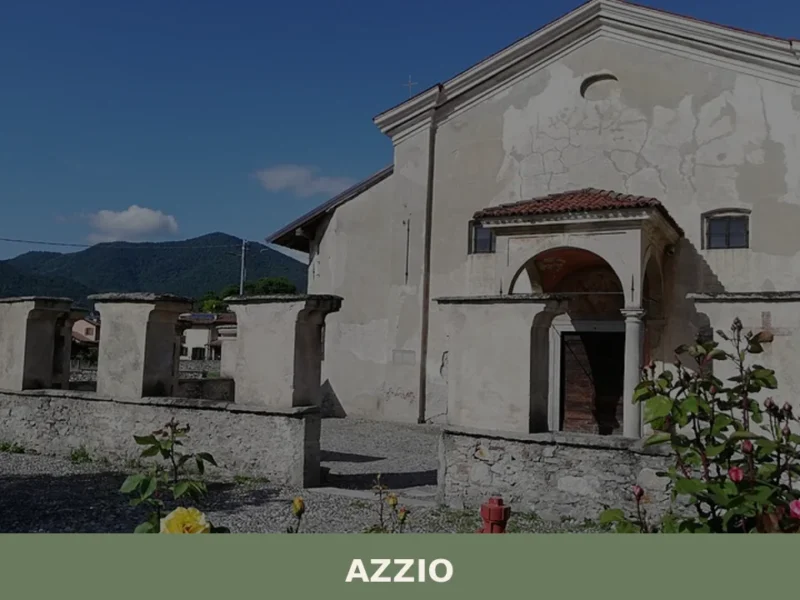
What to see in Azzio: discover attractions like the Parish Church and the Path of the Rocks. Explore Azzio now!

Vanzaghello
Plains
5,375 residents, one medieval parish church and a steam locomotive in the central square: Vanzaghello rewards visitors drawn to authentic Lombard daily life.
Brenta
Hills
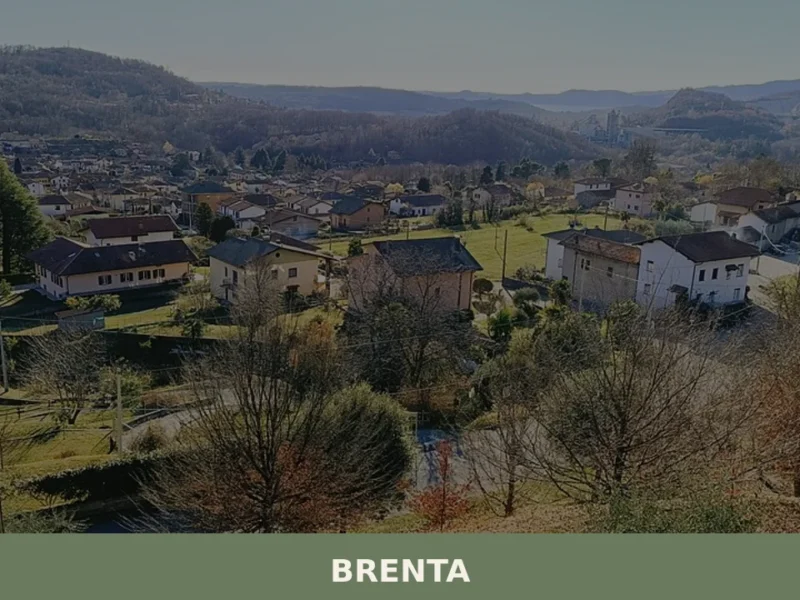
Brenta has 1,715 inhabitants and sits at 276 metres above sea level, on the hilly belt separating Lake Varese from the western Po Plain. The municipality, part of the province of Varese, comprises a central nucleus and agricultural hamlets spread across terrain that slopes gently southward. Anyone looking into what to see in Brenta will […]
Abbadia Lariana
 Lake
Lake
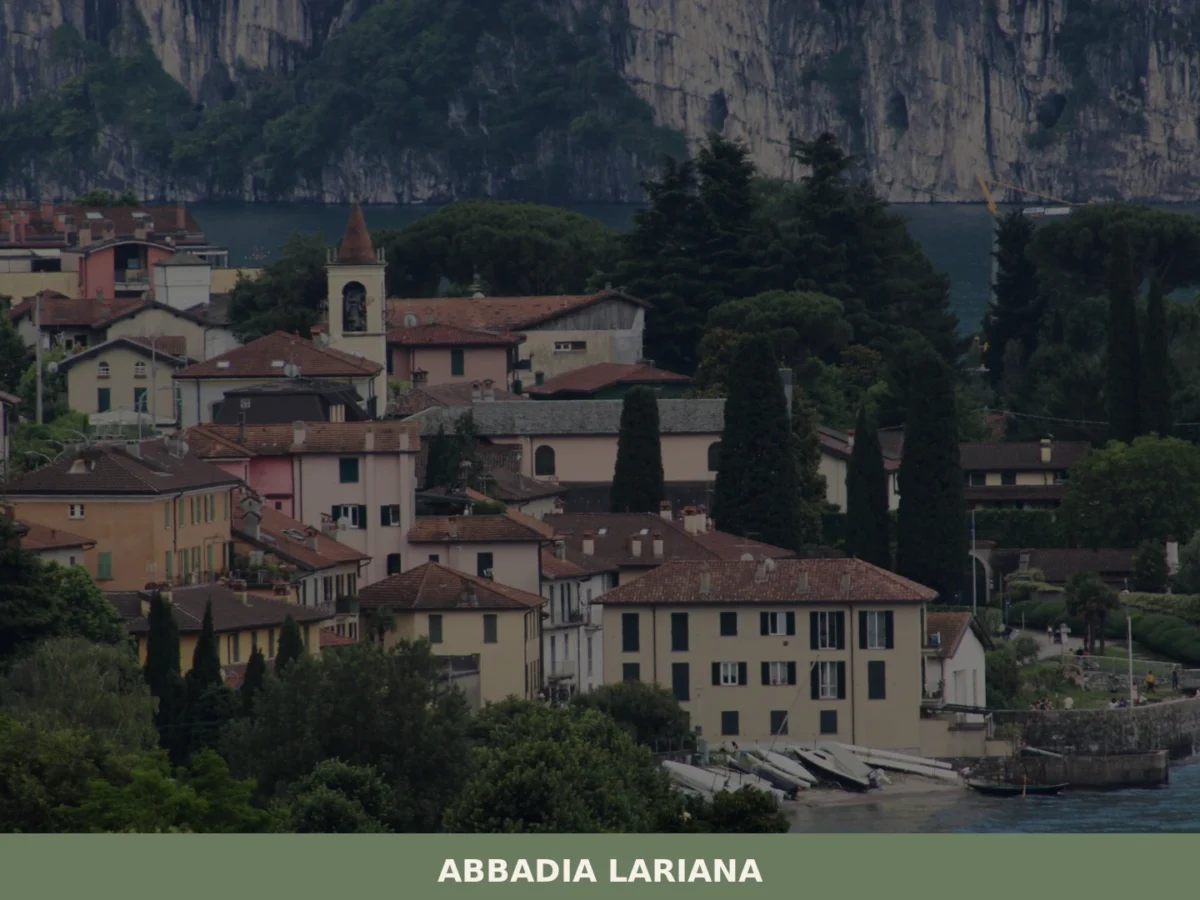
Discover what to see in Abbadia Lariana, a lakeside village on Lake Como in Lecco province. History, attractions, food, travel tips and how to get there.
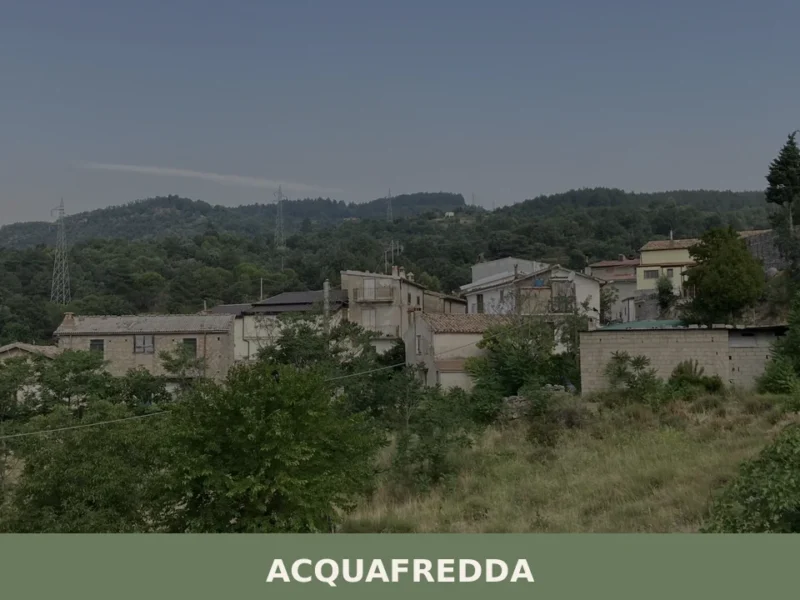
Acquafredda
Plains
What to see in Acquafredda, a municipality in the lower Brescian area at 55 m above sea level: the Church of San Biagio, historic farmsteads, fontanili and the traditional cuisine of the Po Plain.
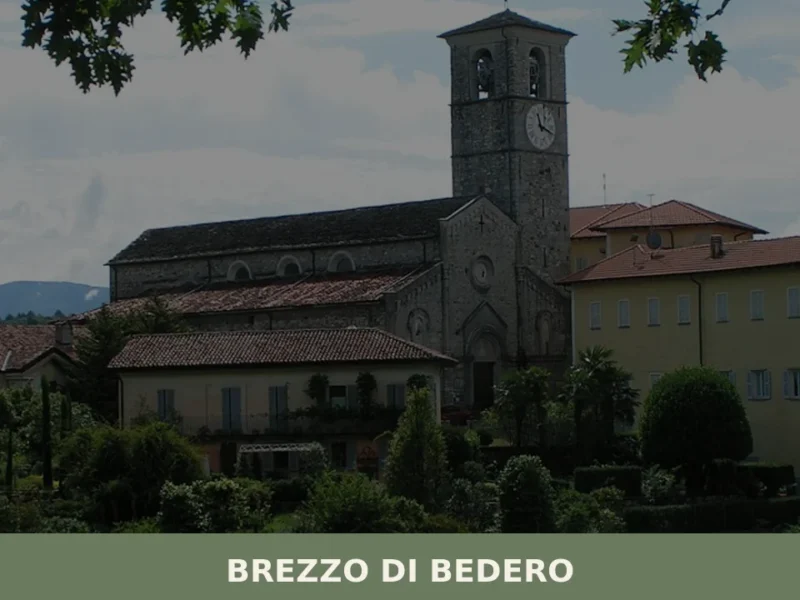
Brezzo di Bedero
Hills
Lake
What to see in Brezzo di Bedero: Explore Collegiata di San Vittore and the lakeside Hermitage. This village, home to 1,200 residents, offers rich history. Discover more!
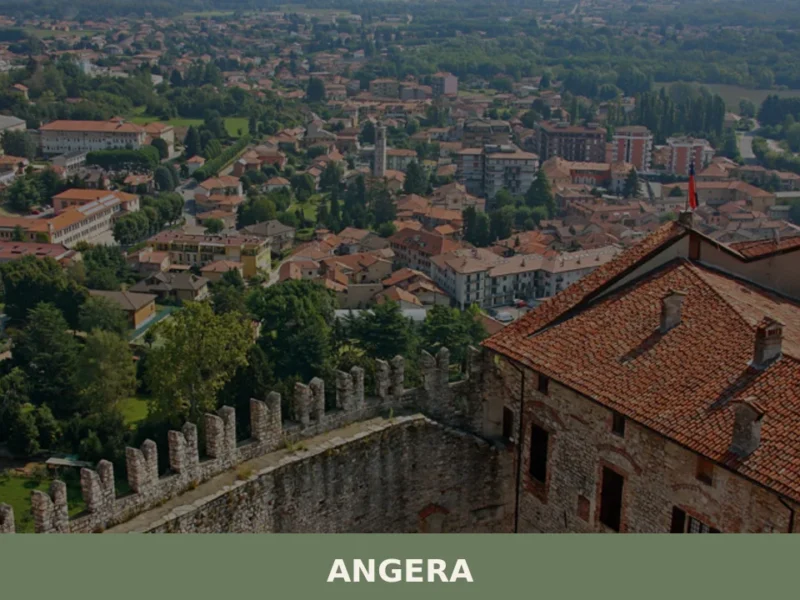
Angera
Hills
Lake
What to see in Angera: 5 must-see attractions. Discover the Borromea Fortress and the Doll Museum. Book your trip today!
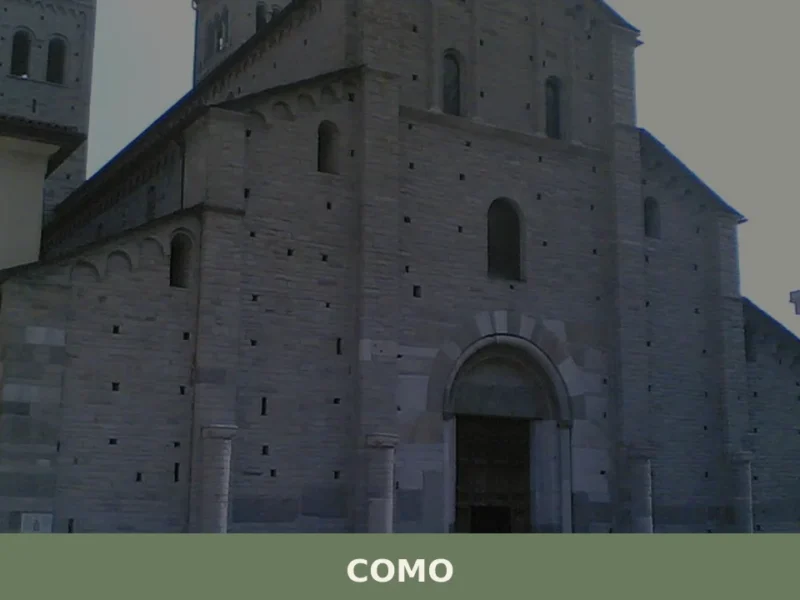
Como
Hills
Lake
what to see in como? Explore this city of 83,184 inhabitants. Discover its historic Duomo, Lake Como's beauty, and local cuisine. Read our guide.
Biandronno
Hills
Lake
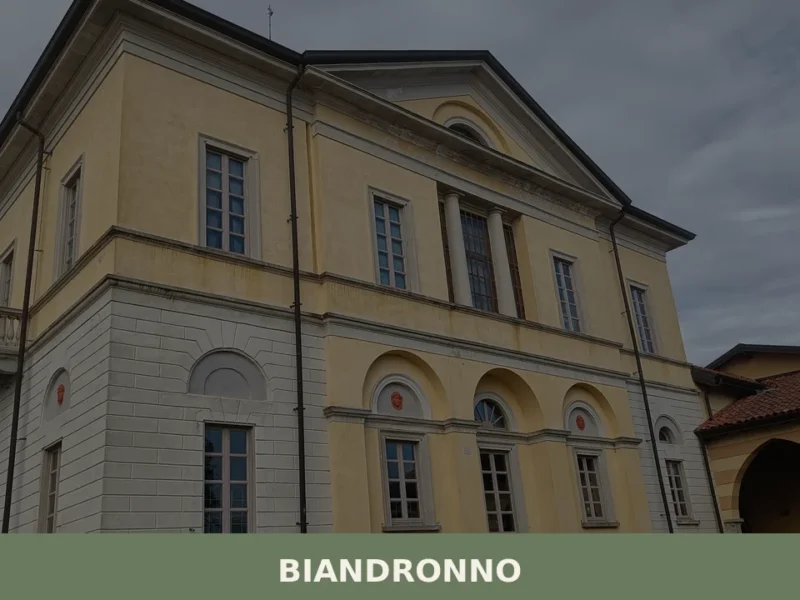
At 262 m a.s.l., Biandronno extends across the gentle hills that characterize the province of Varese, offering a panorama that opens onto the surrounding reliefs and the plain. The village, with its population of 3,162 inhabitants, maintains a discreet atmosphere, typical of smaller Lombard centers where life flows at rhythms tied to the territory. In […]





🏡 Know Bisuschio better than we do?
If you’re a local or have been there, your knowledge matters: add what’s missing or fix a detail on this page.