


Lugnacco
 Hills
Hills
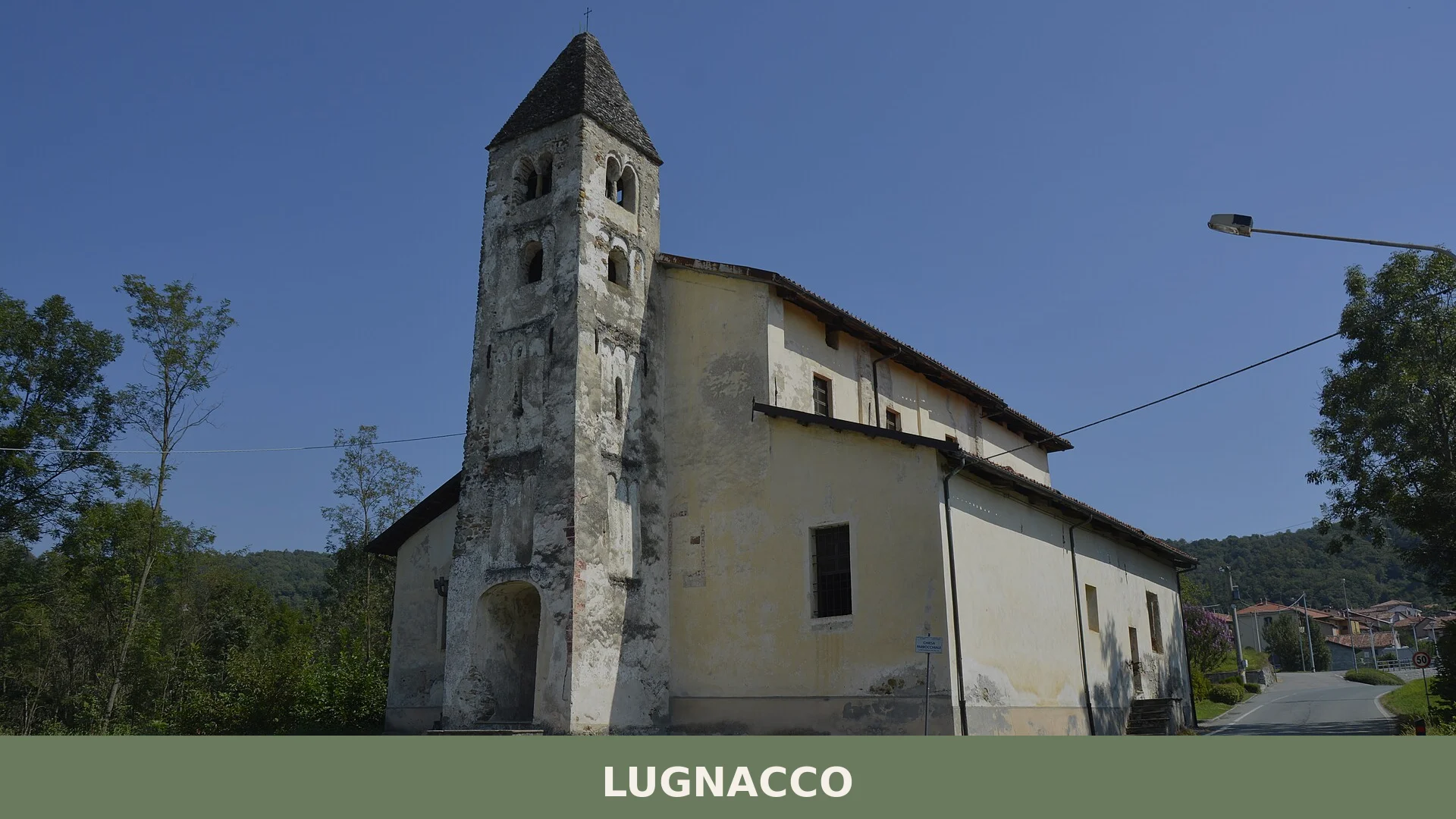
One of three historic centres forming Val di Chy, Lugnacco offers alpine scenery at 563 m and a window into small-settlement Piedmont north of Turin.
Lugnacco: a Mountain Settlement in the Val di Chy
Stone houses step up a forested hillside in the Canavese area north of Turin. The locality belongs to an area where the metropolitan fringe gives way to a quieter, more vertical geography, and the change is immediate for anyone arriving by road from the plain.
Lugnacco draws visitors with two things in particular: its position within a layered mountain landscape and its role as one of the original settlements that now form the wider commune of Val di Chy, creating an unusually varied character across a compact territory. Walkers, those curious about Piedmontese rural identity, and travellers looking to move beyond the well-worn routes south of Turin will find something worth their time here.
From Independent Village to Part of a Wider Commune
For much of its history Lugnacco functioned as a self-contained community in the Canavese hills, shaped by the rhythms of agriculture and the particular demands of mountain life at moderate altitude. The locality sat within the broader orbit of the Turin metropolitan area without being absorbed by it.
The most significant administrative change in recent memory came on 1 January 2019, when Lugnacco merged with its neighbours Alice Superiore and Pecco to form the new comune of Val di Chy. Alice Superiore became the municipal seat. The combined entity spans its three historic centres and several smaller localities including Buracco, Chiartano, Cornesco, Gauna, Raghetto and Verna. Lugnacco therefore no longer holds independent municipal status, but its physical presence — its streets, its buildings, its elevation — remains its own.
The merger of Lugnacco, Alice Superiore and Pecco into Val di Chy on 1 January 2019 is part of a broader pattern of municipal consolidation across the Piedmont highlands, where small communities have joined forces to sustain services that individual populations could no longer support alone.
The Settlements That Shape the Val di Chy Territory
Lugnacco
The houses are grouped in a way that reflects centuries of self-sufficient rural life. The patronal celebration of the Presentazione di Gesù al Tempio marks the liturgical year of the community, commemorating a Gospel event rather than an individual saint. Walkers using the area as a base will find the immediate surroundings offer accessible paths into the forested hills.
Alice Superiore
Now the administrative seat of Val di Chy, Alice Superiore is where residents from all three former communes go for municipal services. Its role as the legal and bureaucratic centre of the merged entity gives it a slightly different character from Lugnacco and Pecco. Visitors passing through will notice it functions as the practical hub of a territory that is otherwise spread across several distinct elevations and exposures. More detail on the settlement is available on the Alice Superiore village page.
Pecco
The third of the founding settlements, Pecco contributes its own built landscape and community memory to the Val di Chy identity. Like Lugnacco, it entered the merged comune in 2019 without losing its physical distinctiveness. Travellers curious about the full extent of the territory can find further information on the Pecco village page.
Flavours of the Canavese Area
Lugnacco sits within a wider Canavese and Piedmontese food culture rather than producing a documented set of exclusive local specialities. The surrounding province of Turin is associated with several recognised products, among them Erbaluce di Caluso, a white wine with DOCG status that comes from vineyards not far from this area and pairs naturally with the kind of simple, honest food the mountain communities have always favoured. The Canavese DOC and the broader appellations of the Collina Torinese zone also belong to the same viticultural neighbourhood.
At the table, the tradition is one of seasonal and agricultural produce rather than elaborate preparation. Visitors should look for what is in season, ask locally and avoid expecting a codified menu: the honest informality of a rural Piedmontese kitchen is part of what the area offers.
Planning a Visit to Lugnacco and the Val di Chy
The territory is accessible by road from Turin, heading north into the Canavese plain and then climbing into the hills. Ivrea, the main centre of the Canavese area, serves as a practical gateway with rail connections and a wider range of services. From Ivrea, the Val di Chy area is reachable in under half an hour by car. Visitors arriving without a car should check local transport options carefully, as services to the smaller settlements are limited.
Late spring and early autumn are generally the most comfortable seasons for exploring the area on foot. Summer brings reliable weather at this altitude, and the forested slopes offer shade that the lower Canavese plain cannot. Winter visits are possible but road conditions above the plain can be variable, and some local facilities may operate on reduced schedules.
Those who want to extend their stay can explore neighbouring settlements in the same part of the province. Brosso and Baldissero Canavese lie within the same general area and offer further glimpses of how this part of metropolitan Turin maintains a character distinct from the city. Parella is another nearby locality worth noting for those building a wider itinerary across the Canavese hills.
| Departure | Distance | Time |
|---|---|---|
| Turin (city centre) | — | Around 45–55 min by car |
| Ivrea | — | Around 20–25 min by car |
If you arrive by car, the most practical approach is to use Ivrea as a reference point and follow the provincial roads into the Val di Chy. Parking within the small settlements is informal and generally straightforward. The official reference for municipal information is now www. comune. valdichy. to. it, as Lugnacco ceased to exist as an independent commune on 1 January 2019.
Frequently asked questions about Lugnacco
When is the best time to visit Lugnacco?
Late spring through early autumn (May to September) offers mild Alpine foothill weather ideal for hiking and exploring the beech and pine landscapes. The patron saint feast, Presentazione di Gesù al Tempio (Candlemas, February 2nd), brings local religious observance. Winter transforms the 563-metre elevation into a quieter, snow-touched season suited to solitude seekers rather than active tourism.
How do I reach Lugnacco from Turin?
Lugnacco lies in the Turin province within the Canavese region, approximately 50 kilometres north toward Ivrea. By car, take the motorway toward Aosta; exit toward Ivrea and follow provincial roads into the rolling wine hills. Public transport options include regional trains to Ivrea station, followed by local buses or taxi services to the village. Exact distances and schedules depend on your Turin departure point.
What is Val di Chy and how does it affect visiting Lugnacco?
Val di Chy is the dispersed municipality formed on 1 January 2019, uniting Lugnacco, Alice Superiore, and Pecco across contiguous hillsides. Alice Superiore now hosts the municipal administrative office. Visitors experience no disruption; Lugnacco retains its village character and identity. The merger consolidated services across three small settlements while preserving each hamlet's distinct landscape and heritage.
What outdoor activities are available in and around Lugnacco?
The Alpine foothill setting at 563 metres elevation offers walking and hiking through beech and pine forests characteristic of the Turin hills. The Canavese region supports rural cycling routes through wine-growing countryside. The stone farmhouse landscape and dispersed settlement pattern invite exploration on foot. Specific CAI-marked trails and documented cycling paths require consultation with local tourism offices or regional hiking guides.
How long should I plan to spend in Lugnacco?
A half-day visit suits village exploration and landscape appreciation. Most visitors stay to experience the Alpine foothill silence, walk the narrow lanes, and absorb local religious traditions of the Canavese region rather than for specific monuments or attractions. Combining Lugnacco with nearby settlements in Val di Chy or broader Canavese wine territory justifies an overnight stay with agriturismos or small rural accommodations.
📷 Photo Gallery — Lugnacco
In Piedmont More villages to discover
Mathi
Hills
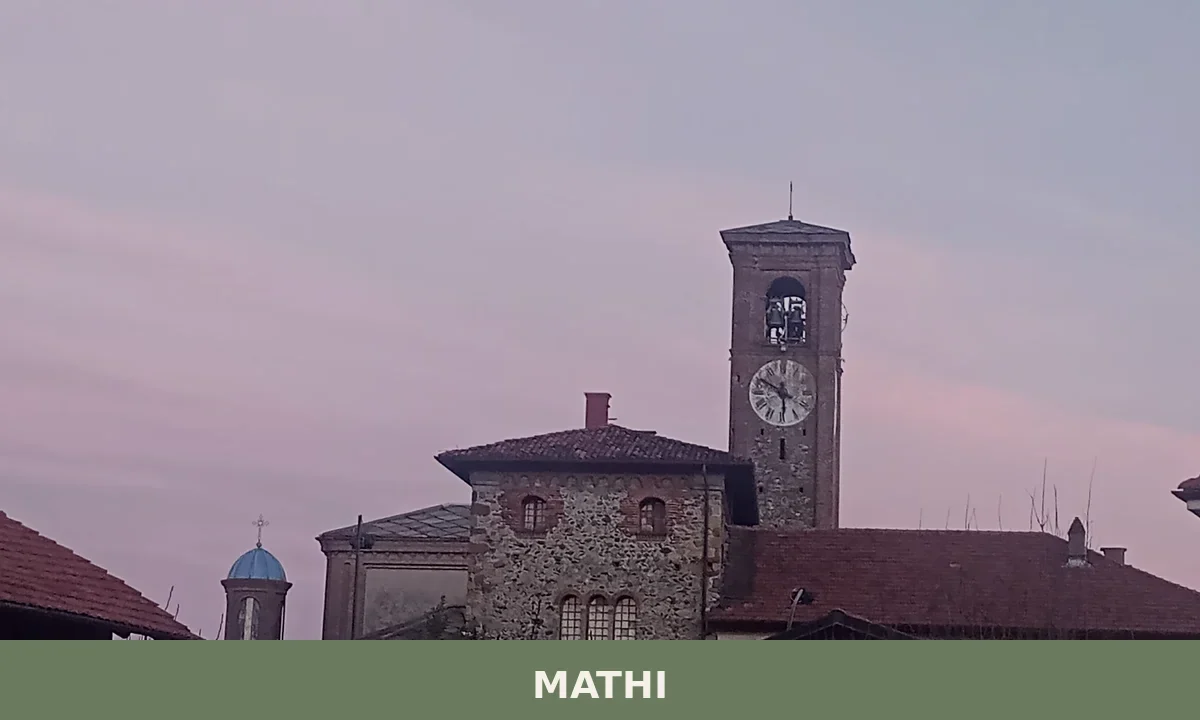
3,729 residents, a Benedictine tower still standing behind the parish church, and an industrial paper mill story linked to Don Giovanni Bosco. Mathi rewards those who look closely.
Scalenghe
Hills
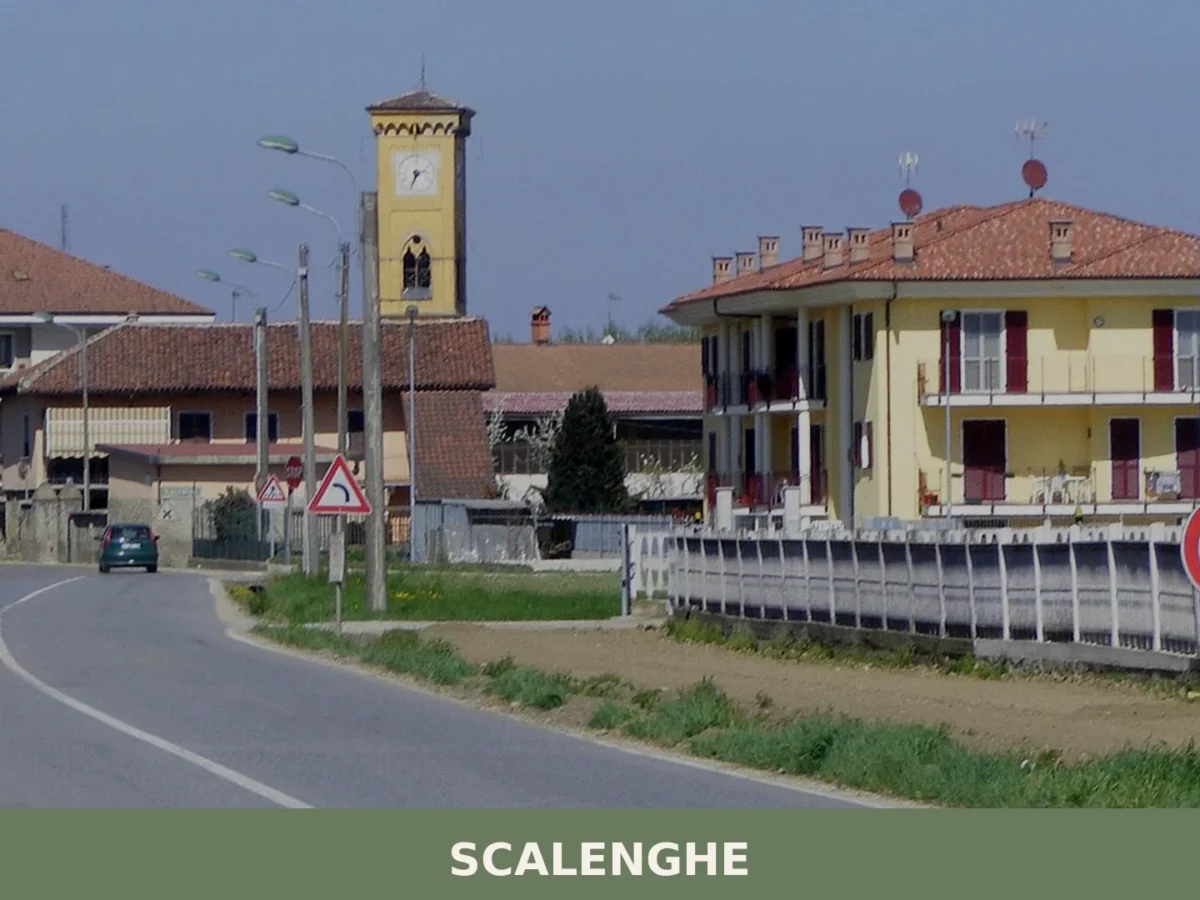
A comune of 3,195 residents where centuries-old churches meet a landscape shaped by cattle and grain. Medieval roots and modern farming define this territorial landmark.
Arignano
Hills
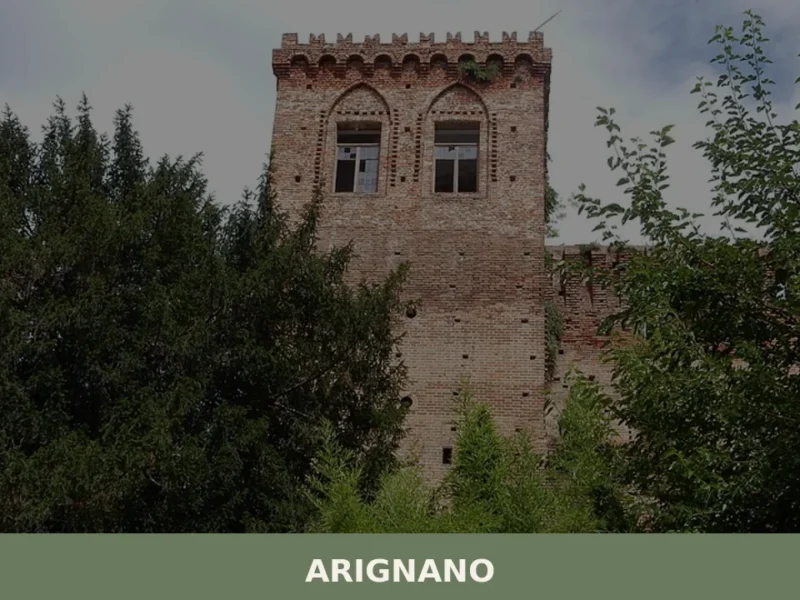
What to see in Arignano in Piedmont: castle, church, hill trails, traditional cuisine, and practical information for visiting the village at 321 m a.s.l.
Bollengo
Hills
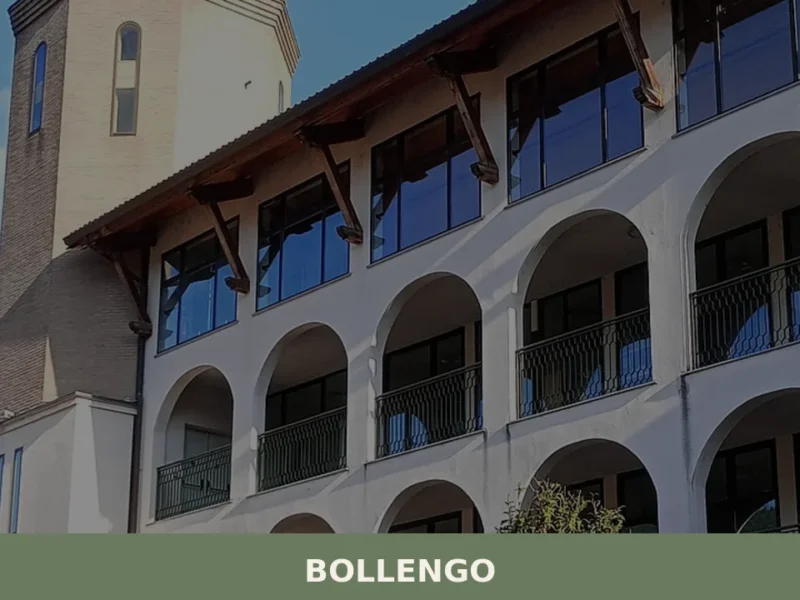
Discover what to see in Bollengo, a 2,089-resident comune in the Canavese area of Piemonte: morainic landscapes, Erbaluce DOCG wines, and rural architecture.

San Bernardino Verbano
 Mountain
San Bernardino Verbano unites 3 historic hamlets at 304 m above Lake Maggiore, offering Val Grande trails, partisan history, and genuine Piedmontese cuisine.
Casalborgone
Hills
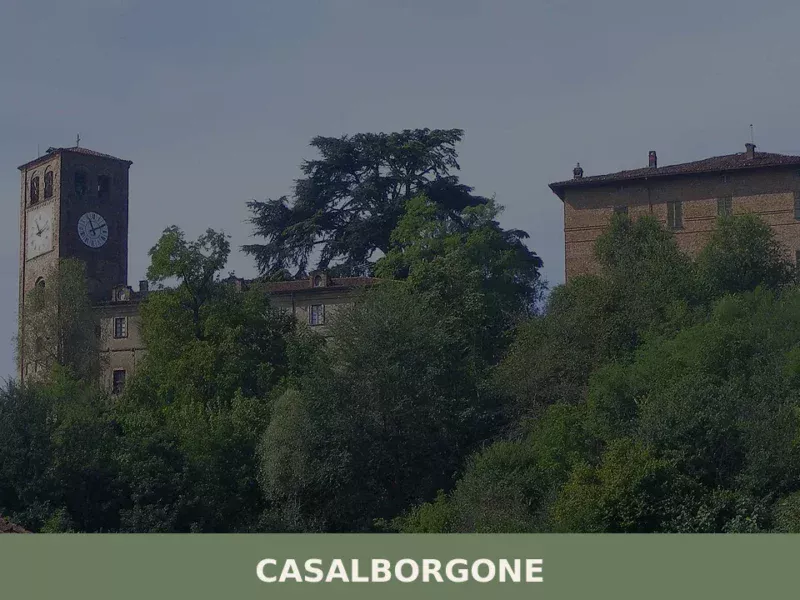
Scopri Casalborgone, affascinante borgo storico del Piemonte: storia, tradizioni e paesaggi mozzafiato nel cuore del Monferrato.
Samone
 Plains
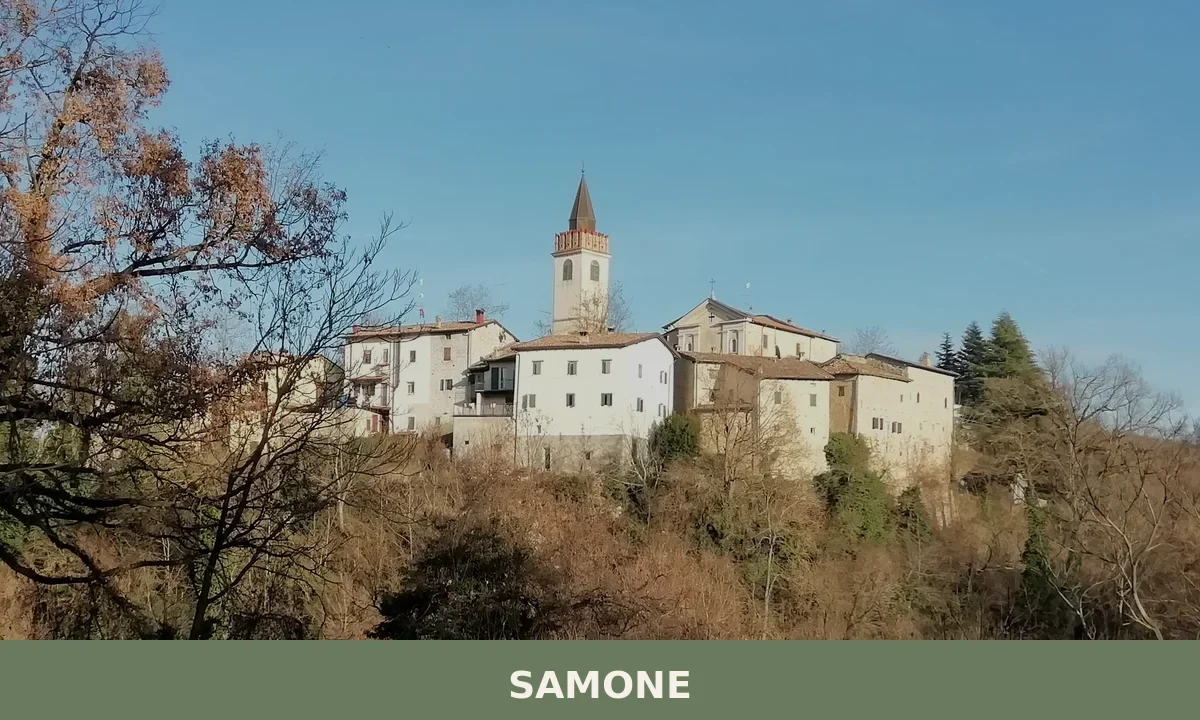
Population 1,536. A modest Turin-province comune with roots in a 10th-century diploma, reshaped by industrial employment and social migration across three generations.
Ozegna
Mountain
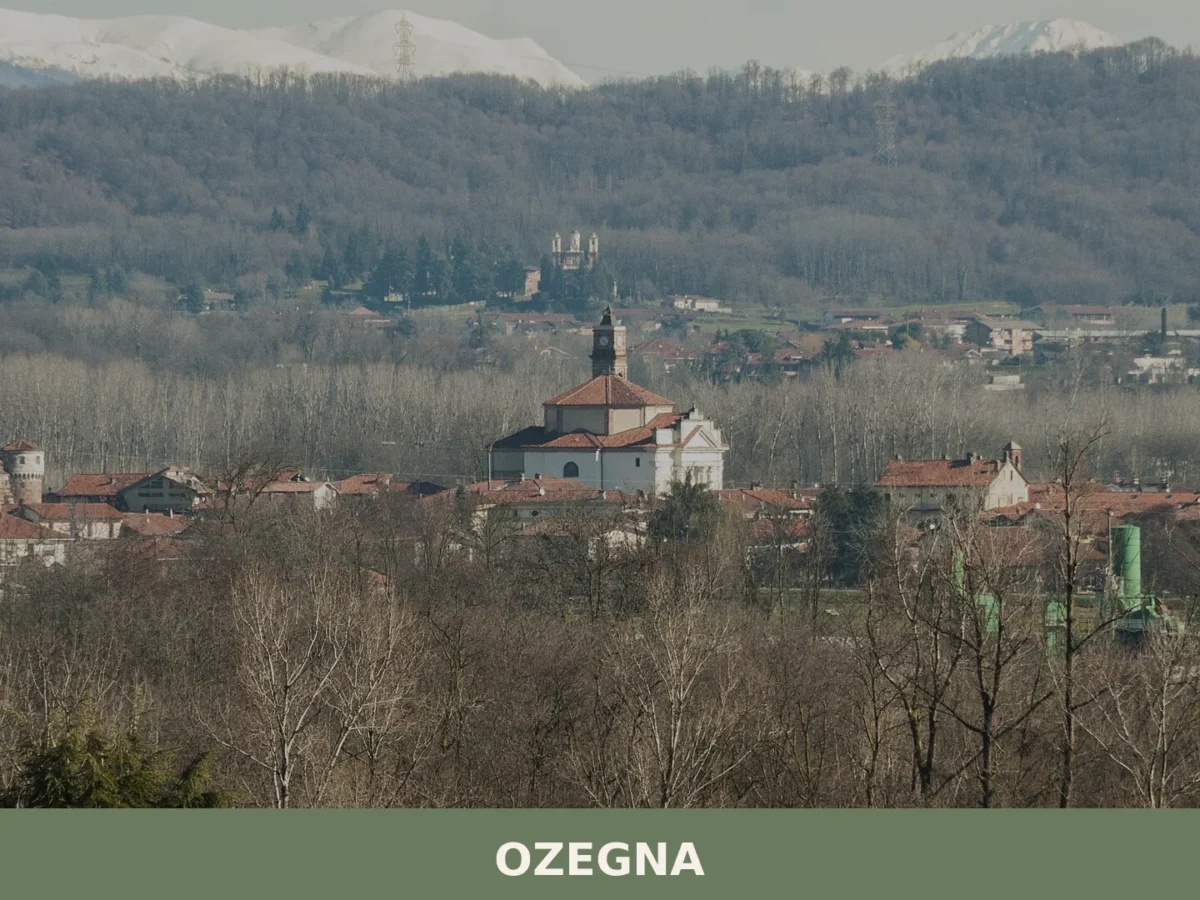
1,175 residents, one castle, one sanctuary and a medieval ricetto that once sheltered an entire community. Ozegna repays any visit with layers of Canavese history.
Asti
Plains
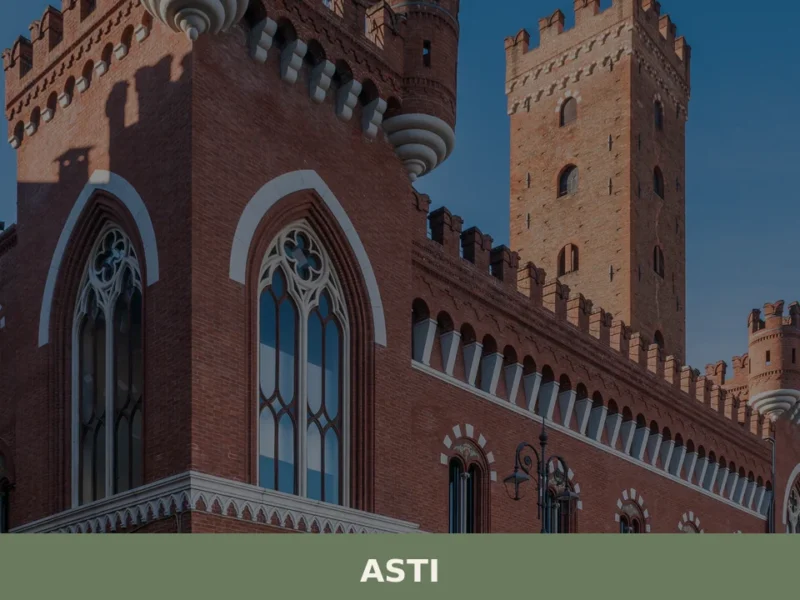
What to see in Asti: a city of 73,421 residents at 123m. Explore the Gothic Cathedral, Torre Rossa, Palazzo Alfieri and Barbera d'Asti DOCG. Plan your visit now.

Borgone Susa
Mountain
Borgone Susa offers 5 remarkable attractions including a 14th-century fortified tower and a mysterious Roman rock carving. A compact Val di Susa gem worth exploring.
🧀 Italian traditional products

🏡 Know Lugnacco better than we do?
If you’re a local or have been there, your knowledge matters: add what’s missing or fix a detail on this page.