


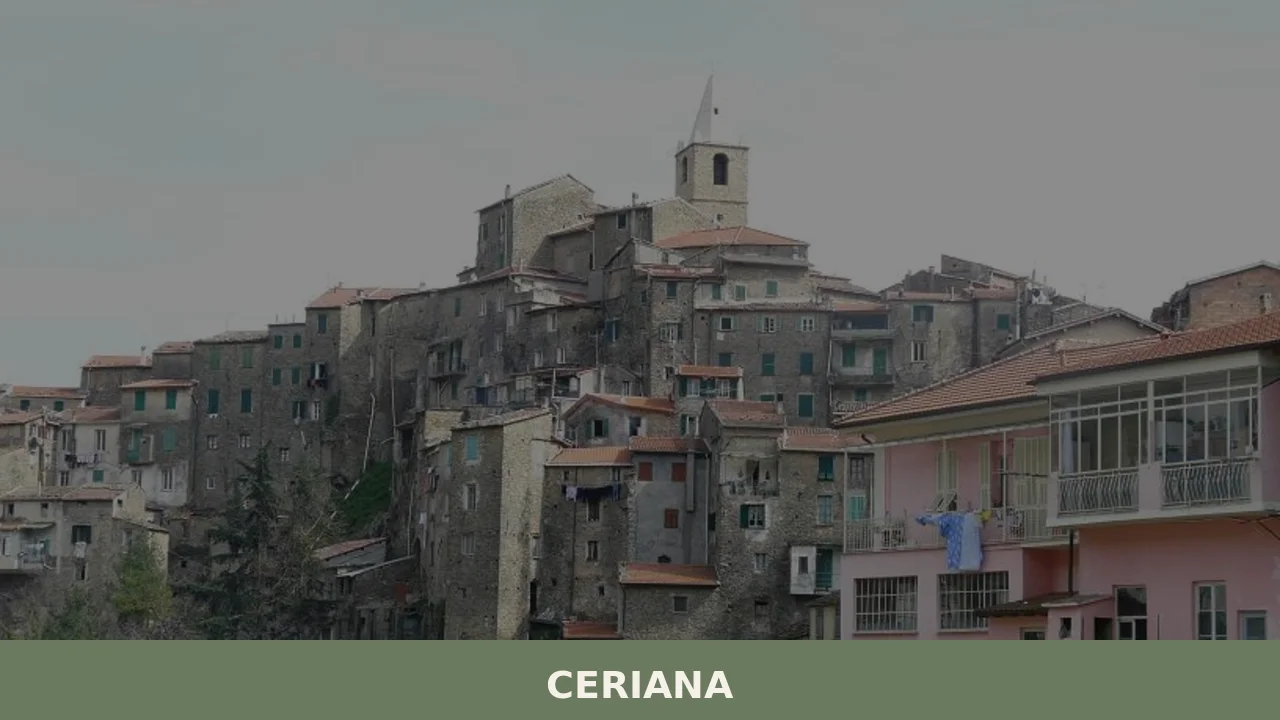
Ceriana: A Ligurian Hill Village Guide
 Hills
Hills
What to see in Ceriana, Italy: Explore this Ligurian village at 369 m (1,211 ft) altitude. Discover historical sites and lively festivals. Read our guide.
Discover Ceriana: A Ligurian Hill Village Guide
The village of Ceriana rises 369 metres (1,211 ft) above sea level, its houses clustered on a hillside in the Ligurian hinterland, approximately 110 kilometres (68 mi) southwest of Genoa. This settlement, rooted in the site of a Roman fort, Castrum Colianum, evolved significantly during the 11th and 12th centuries.
Its historical layers are visible in the layout of its streets and the character of its buildings, reflecting centuries of development, similar to Monterosso al Mare on the coast.
For those wondering what to see in Ceriana, this guide provides a detailed overview of its attractions. With a population of 1,214 as of 2018, the village offers a distinct blend of historical sites and lively local culture. Visitors to Ceriana find opportunities to explore ancient foundations and participate in traditional festivals throughout the year, making it a compelling destination in the Province of Imperia.
History of Ceriana
The origins of Ceriana trace back to a Roman military outpost, known as Castrum Colianum, a name that directly influenced the modern designation of the village. This initial fortification laid the groundwork for the settlement’s strategic importance in the Ligurian landscape, given its elevation and position. Over time, the area developed from its Roman roots, adapting to the changing regional dynamics of the wider Ligurian territory.
Ceriana began to take its distinct architectural and urban form primarily between the 11th and 12th centuries CE, a period of significant growth and consolidation.
During these centuries, the village evolved from its ancient foundations, shaping the tight cluster of houses and narrow lanes still evident today. This era established the core structure that defines Ceriana’s historical identity, a pattern shared with other hillside settlements in the region, including Bergeggi to the east.
The village has been home to notable figures who left their mark on history and science. Gian Battista Embriaco, born in Ceriana in 1829, became a professor at the Roman College of Saint Thomas and invented the hydrochronometer in 1867. Examples of his prize-winning invention, which earned acclaim at the Paris Universal Exposition in 1867, can be observed in Rome. For those exploring what to see in Ceriana, a visit to the location of Giulio Natta’s former residence also offers a direct connection to a Nobel laureate.
Giulio Natta, who received the Nobel Prize for Chemistry in 1963, lived on Via della Visitazione in Ceriana, Liguria, Italy, where a commemorative plaque now stands near his former home.
What to see in Ceriana, Liguria: top attractions
Site of the Roman Fort, Castrum Colianum
The historical foundations of Ceriana begin at the site of the ancient Roman fort, Castrum Colianum, which gave the village its name. This area represents the earliest documented settlement, predating the significant urban development of the 11th and 12th centuries. Visitors can explore the remnants of this Roman past, understanding how the strategic location influenced subsequent growth and the layout of the current village. The elevation of 369 m (1,211 ft) likely offered a clear vantage point for the original Roman garrison, overlooking the surrounding valleys.
Birthplace of Gian Battista Embriaco
Located within the village, the birthplace of Gian Battista Embriaco (1829–1903) commemorates a distinguished inventor. Embriaco, a professor and creator of the hydrochronometer in 1867, brought international recognition to Ceriana through his scientific achievements. While the exact house is not specified as a museum, its historical significance as the origin point for such an influential figure makes it a point of interest for those exploring the village’s cultural heritage.
His invention won prizes at the 1867 Paris Universal Exposition, showcasing his innovative spirit.
Giulio Natta’s House and Commemorative Plaque
On Via della Visitazione, visitors can find the former residence of Giulio Natta, the Nobel Prize laureate for Chemistry in 1963. A plaque installed next to his house serves as a permanent memorial to his connection with Ceriana. This site offers a tangible link to a celebrated scientific mind, providing insight into the quiet, inspiring environment where such a figure once resided. The plaque helps to identify this significant location for those interested in the village’s notable residents and their contributions to the world.
The Parish Church (Site of Easter Processions)
The main parish church in Ceriana, though not specifically named in sources, serves as the central venue for significant religious ceremonies, particularly during Holy Week. This edifice culminates the elaborate Easter Processions, where four choirs of local men perform ancient Latin chants through the streets. The church’s role as a gathering point for these traditions highlights its importance within the community, offering visitors a glimpse into the village’s deep spiritual and cultural practices.
Its historical presence anchors many of Ceriana’s annual events, some of which date back centuries.
Ceriana’s Main Square
The main square of Ceriana functions as the central point of village life, hosting numerous celebrations and events throughout the year. On most weekends, this central space draws tourists from nearby Sanremo and even Nice, highlighting its role as a social and cultural hub. Festivals such as the San Zane Festival and the Ceriana Sausage Festival transform the square into a lively gathering place, providing visitors with opportunities to experience local traditions and community spirit. It serves as a focal point for understanding what to see in Ceriana beyond its historical structures.
Local food and typical products of Ceriana
The gastronomic traditions of Ceriana reflect its Ligurian setting, characterized by the use of local produce from both the hills and proximity to the coast. This culinary heritage is often shaped by seasonal availability and time-honored preparation methods, emphasizing fresh ingredients. The village’s position in the Province of Imperia contributes to a regional diet where olive oil, herbs, and hillside crops are prominent, forming the basis of many traditional dishes.
Among the specific culinary offerings, the Ceriana Sausage (Soucisa a Serianasca) stands out as a distinctive local specialty.
This traditional sausage is celebrated during its dedicated festival, providing a chance for visitors to experience a key element of the local diet and preparation techniques. The production of such specialties often involves generations of expertise, preserving unique flavors and textures that are unique to the village.
While specific certified products (DOP, IGP) are not detailed for Ceriana in the provided sources, the focus on local ingredients remains strong. The Ceriana Sausage, though not explicitly labelled with a CERT designation in the provided data, is a celebrated product of the village, featured prominently in local festivities. Its preparation embodies the regional approach to charcuterie, contributing to the broader Ligurian culinary identity and providing an insight into the local food culture.
Food fairs play a significant role in Ceriana’s cultural calendar, offering opportunities to taste and appreciate local products.
The Sagra della Soucisa a Serianasca, or Ceriana Sausage Festival, is a highlight, typically drawing crowds to celebrate this particular delicacy. Additionally, the Festa della Castagna, also known as Festa de Rustìe in the local dialect, celebrates chestnuts, usually held in the autumn months, providing another seasonal culinary experience that showcases the village’s agricultural heritage.
Festivals, events and traditions of Ceriana
Despite its relatively small population of 1,214, Ceriana maintains a lively calendar of celebrations and events, many of which take place on its main square. The village honors its patron saint, Santi Pietro Apostolo, with a feast day on June 29, a traditional occasion for community gathering and religious observance. Beyond the patron saint’s day, annual festivals include the San Zane Festival (La Festa di San Zane), the International Music Festival of the Earth (Festival Convegno Internazionale Musiche della Terra), and La Madonna della Villa.
The Holy Week (La Settimana Santa) leading up to Catholic Easter is a period of deep tradition in Ceriana, culminating in a series of solemn processions.
During these events, four distinct choirs, composed of local men, perform ancient Latin chants as they move through the streets and within the main church. Other popular gatherings, offering a clear answer to what to see in Ceriana, include the Ceriana Sausage Festival (La Sagra della Soucisa a Serianasca) and the Chestnut Festival (Festa della Castagna or Festa de Rustìe), which typically occur in specific seasons, attracting visitors to experience the village’s cultural heritage.
When to visit Ceriana, Italy and how to get there
The best time to visit Liguria, and consequently Ceriana, often depends on the traveler’s preferences for climate and events. Spring (April-May) and early autumn (September-October) offer pleasant temperatures, ideal for exploring the village’s narrow streets and surrounding landscapes without the peak summer heat. However, for those interested in specific cultural experiences, the village hosts celebrations on most weekends throughout the year, with major festivals like the Chestnut Festival providing a reason to visit in autumn, or the Sausage Festival in another season.
Ceriana, Liguria, is located about 110 kilometres (68 mi) southwest of Genoa and approximately 20 kilometres (12 mi) west of Imperia, making it accessible for a day trip from nearest major cities in the region.
Tourists frequently visit from nearby Sanremo, a journey of a few kilometres that can be completed by car. While no specific train station is mentioned for Ceriana itself, visitors can arrive at coastal stations and then proceed by local transport or car. For those planning an international trip, the nearest major airports would be Genoa Cristoforo Colombo Airport (GOA) or Nice Côte d’Azur Airport (NCE) in France, given its proximity to the French border and the mention of tourists from Nice.
To reach Ceriana, driving is generally the most convenient method, especially for those seeking to explore the Ligurian hinterland. From major cities like Genoa or La Spezia, visitors can follow coastal routes before heading inland to the village. For practical information and details on local services, consulting the official Comune di Ceriana website is recommended. International visitors should note that while major tourist areas often have English speakers, smaller shops and local establishments in villages like Ceriana may have limited English proficiency, so carrying some Euros cash can be useful.
Frequently asked questions about Ceriana: A Ligurian Hill Village Guide
What is the best time to visit Ceriana?
Spring (April–May) and autumn (September–October) are the finest seasons: temperatures are mild, the hillside landscape glows with wildflowers or harvest colours, and the village is pleasantly uncrowded. Summer evenings are enjoyable thanks to Ceriana's elevation of 369 m. The highlight of the calendar is the Feast of Saints Peter and Paul on 29 June, the village's patron saint celebration, which brings local processions and festivities — an authentic window into community life worth timing your visit around.
What are the historical origins of Ceriana?
Ceriana's origins are believed to date to Roman times, with its name possibly derived from the goddess Ceres or a Roman family name, suggesting early agricultural settlement. Positioned in the Argentina Valley, it evolved into a fortified medieval stronghold, its compact layout and defensive walls reflecting feudal rivalries. Like much of the Ligurian interior, it came under the long influence of the Republic of Genoa, which shaped the region's politics and economy for several centuries.
What to see in Ceriana? Main monuments and landmarks
The Baroque Parish Church of Santi Pietro e Paolo dominates the skyline with altarpieces and frescoes. The labyrinthine carrugi — narrow medieval alleyways — wind through the historic centre and reward slow exploration. The Sanctuary of Nostra Signora della Villa, perched on a nearby ridge, offers panoramic views of the Argentina Valley. Ruins of the medieval castle provide a further vantage point over the valley. An Olive Oil Mill Museum rounds out the cultural offer with exhibits on traditional Ligurian oil production.
What are the main natural or scenic attractions near Ceriana?
Ceriana sits at 369 m in the Argentina Valley, surrounded by olive groves, chestnut woods, and herb-covered hillsides typical of the Ligurian hinterland. The path leading to the Sanctuary of Nostra Signora della Villa is a scenic walk with sweeping valley views. The broader Argentina Valley area is laced with trails connecting inland villages, making it a rewarding base for gentle hill walking amid unspoilt Mediterranean scrubland and olive landscapes.
Where to take the best photos in Ceriana?
The ridge where the Sanctuary of Nostra Signora della Villa stands delivers some of the most expansive views over the Argentina Valley — ideal at golden hour. The medieval castle ruins above the village offer a commanding panorama and atmospheric stonework. Within the village, the vaulted carrugi create evocative plays of light and shadow, especially in the soft morning light when the ochre and terracotta façades are caught by the low sun.
Are there museums, churches or historic buildings to visit in Ceriana?
Yes. The Baroque Parish Church of Santi Pietro e Paolo houses frescoes, altarpieces, and sacred art accumulated over centuries. The Olive Oil Mill Museum (Museo del Frantoio) preserves historical presses and tools illustrating traditional Ligurian oil production. The Sanctuary of Nostra Signora della Villa is an active place of pilgrimage with architectural and spiritual interest. The medieval castle ruins and the defensive street layout of the historic centre complete the built heritage of this compact hilltop village.
What can you do in Ceriana? Activities and experiences
Ceriana rewards visitors who enjoy slow, immersive travel: wandering the medieval carrugi, visiting the church and olive oil museum, and hiking the scenic path to the Sanctuary of Nostra Signora della Villa. The village is also a good base for exploring the wider Argentina Valley on foot. Food and wine experiences centre on local olive oil, Ligurian cuisine at village trattorias and agriturismi, and the chance to taste Rossese di Dolceacqua from the nearby Riviera di Ponente. The patron saint feast on 29 June adds a lively cultural event.
Who is Ceriana suitable for? Families, couples, hikers, solo travellers?
Ceriana suits travellers seeking authenticity over mass tourism. Couples and solo visitors will appreciate the meditative pace, medieval atmosphere, and scenic walks. Culture lovers are rewarded by the Baroque church, olive oil museum, and castle ruins. Gentle hikers enjoy the valley trails and the path to the Sanctuary. Families with older children can explore the carrugi and surrounding countryside comfortably. It is less suited to those seeking beach holidays or intensive nightlife, but ideal for anyone wanting to experience genuine Ligurian inland village life.
What to eat in Ceriana? Local products and specialties
Ceriana's table is rooted in classic Ligurian hinterland cooking. The Taggiasca olive and its extra virgin olive oil — among Italy's most prized — are the cornerstone of local cuisine. Expect fresh pesto with trofie or testaroli pasta, various forms of focaccia, and hearty soups featuring seasonal vegetables, pulses, and wild herbs foraged from the surrounding hills. Local agriturismi and trattorias pair these dishes with Rossese di Dolceacqua DOC, a light red wine produced just a short distance away in the Riviera di Ponente.
Nearby Villages near Ceriana: A Ligurian Hill Village Guide
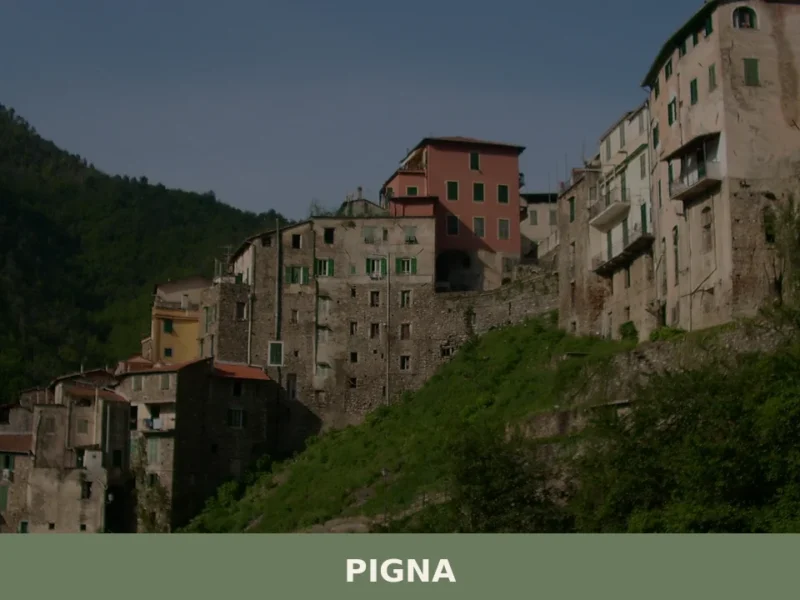
In Liguria More villages to discover
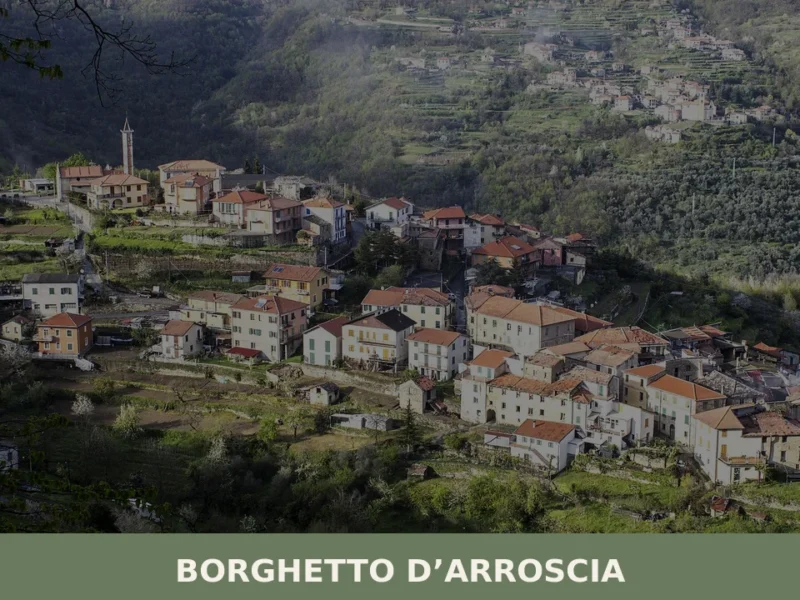
Borghetto d’Arroscia
 Plains
Along the banks of the Arroscia river, amidst centuries-old olive groves and cultivated terraces, lies the territory of Borghetto d’Arroscia, a scattered municipality in the province of Imperia. Its hamlets, such as Gavenola and Bastia, preserve the appearance of small Ligurian settlements, characterized by stone buildings and narrow streets that follow the contours of the […]
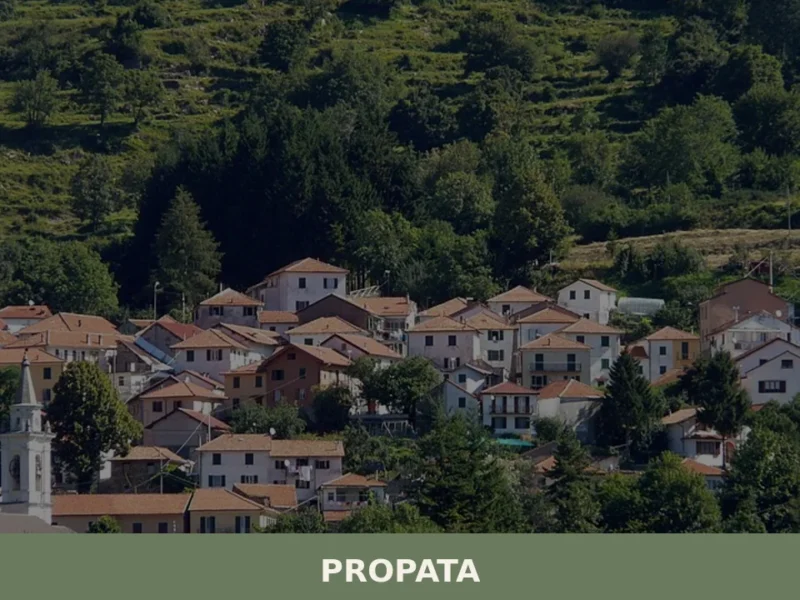
Propata
 Mountain
What to see in Propata, Italy: Discover the parish church and its Maragliano statue in this Ligurian village of 156 inhabitants. Explore its history.
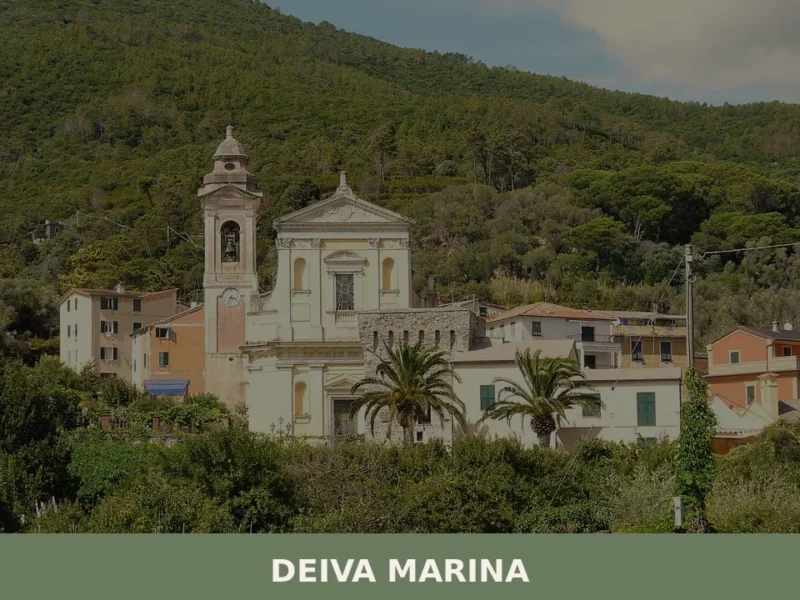
Deiva Marina
 Sea
Sea
What to see in Deiva Marina, Italy: 5 top attractions, hiking trails, Cinque Terre day trips, and travel tips for this Ligurian village of 1,409 inhabitants. Discover now.
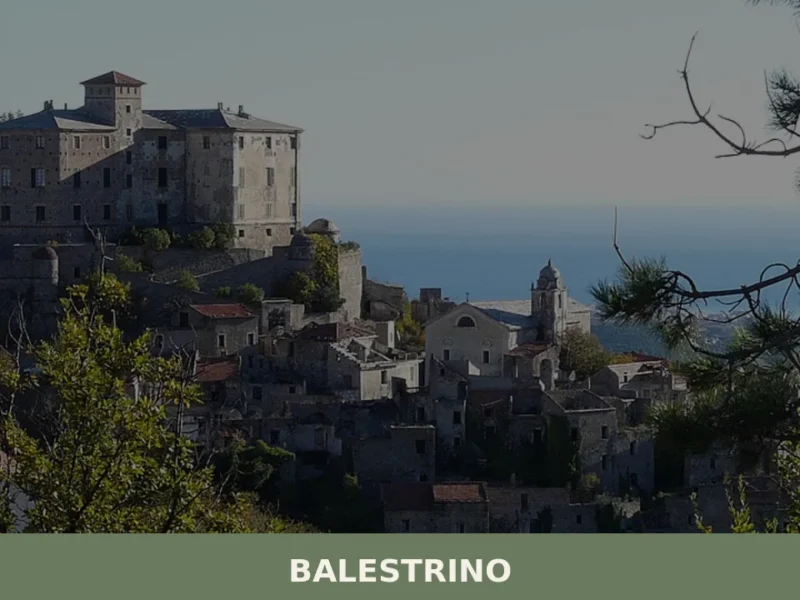
Balestrino
Hills
In 1963 a landslide forced the evacuation of the upper part of Balestrino, leaving the old village uninhabited and intact in its sixteenth- and seventeenth-century structure. Today the municipality has 530 residents, spread between the modern settlement in the valley below and the hillside hamlets, at 371 metres above sea level on the ridge separating […]
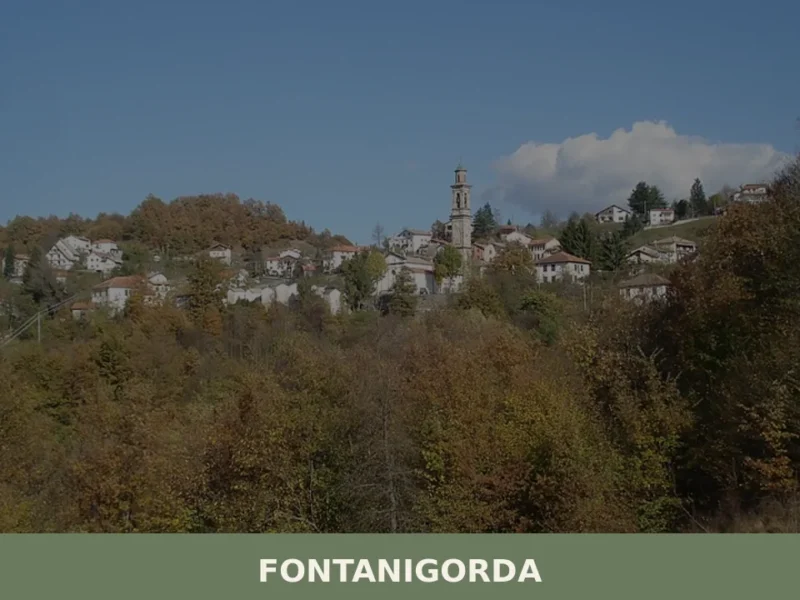
Fontanigorda
Mountain
At 819 meters above sea level, in the heart of the upper Trebbia Valley, Fontanigorda appears as an alpine settlement in the province of Genoa. Its documented origin dates back to 1153, when it appears in annals as “Fontana Gordana,” a reference to the abundance of water in its territory. This village, with a population […]
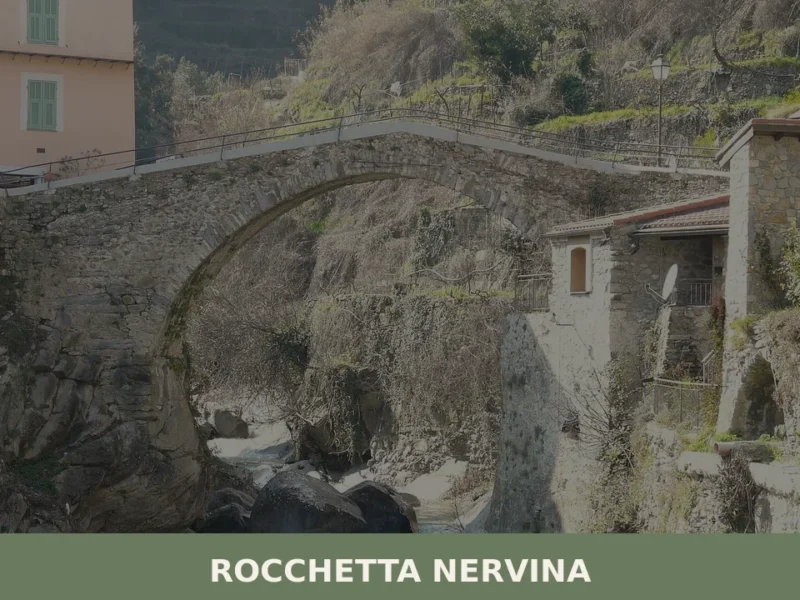
Rocchetta Nervina
Mountain
What to see in Rocchetta Nervina, Italy: discover the village (population 275) near the Ligurian Alps Regional Park. Explore its unique location bordering France and the Barbaira stream.
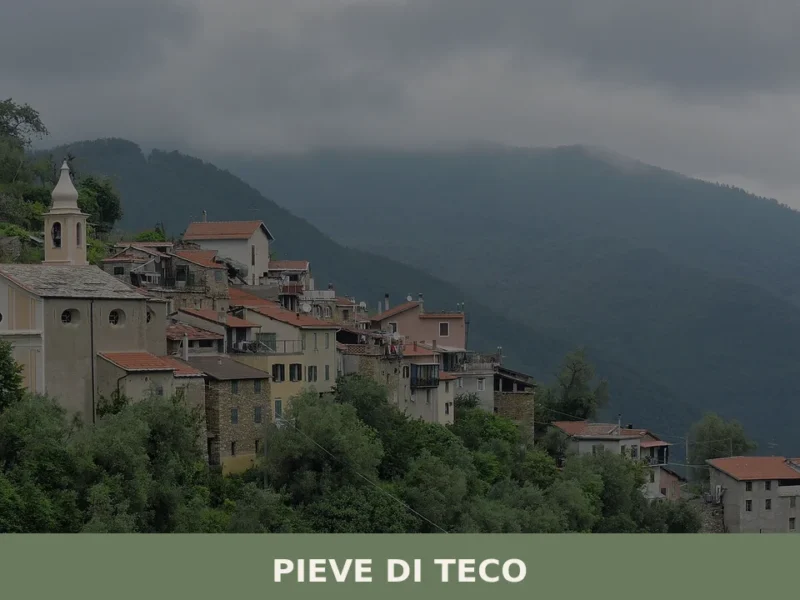
Pieve di Teco
Mountain
What to see in Pieve di Teco, Liguria, Italy: explore 5 top attractions, local food, and how to get there. Population 1,411. Discover this Ligurian village.
Vendone
Hills
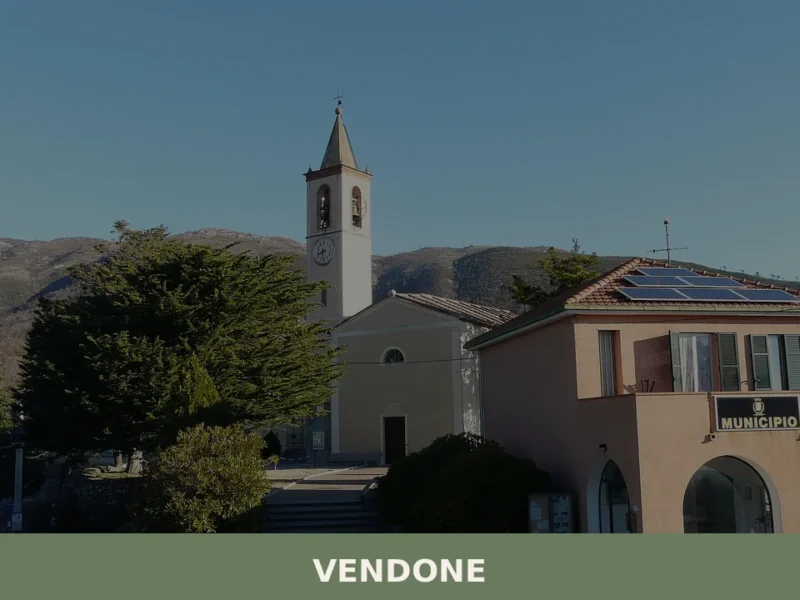
What to see in Vendone, Liguria, Italy: 5 attractions, local food, festivals and how to get there. 401 inhabitants, 80 km from Genoa. Discover it now.
Valbrevenna
Mountain
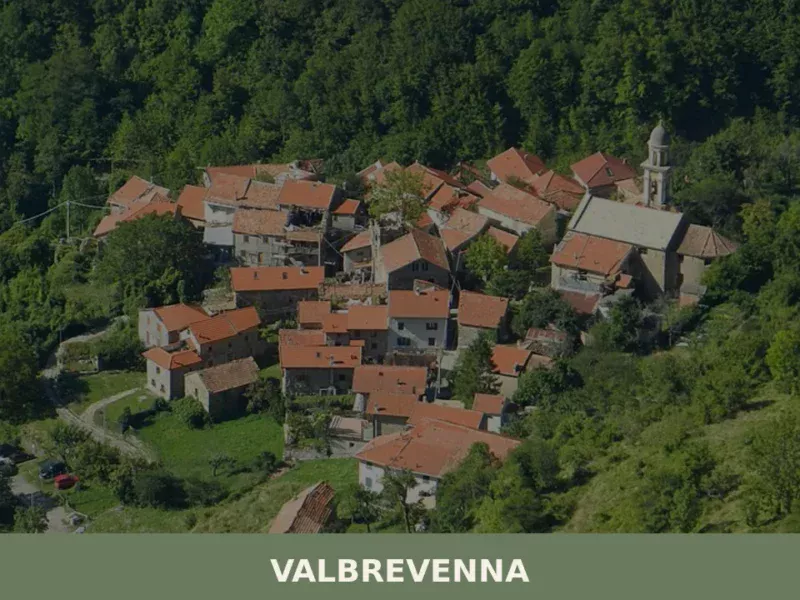
what to see in valbrevenna, Italy: Explore the Ligurian Apennines. With 817 inhabitants, discover hiking in Antola Park and traditional hamlets. Read our guide.

Arenzano
Sea
What to see in Arenzano, Liguria, Italy: explore a 16th-century patrician villa, a Saracens' Tower, and a coastal sanctuary. Population 11,445. Discover it all.



🏡 Know Ceriana: A Ligurian Hill Village Guide better than we do?
If you’re a local or have been there, your knowledge matters: add what’s missing or fix a detail on this page.