


Mezzenile
 Mountain
734 residents, one river bank, and a territory stretching from valley floor to high ridge. Mezzenile rewards visitors with cave systems, mountain lakes and a craftsmen’s ecomuseum.
Mezzenile: Iron, Stone and Mountain Silences in the Valli di Lanzo
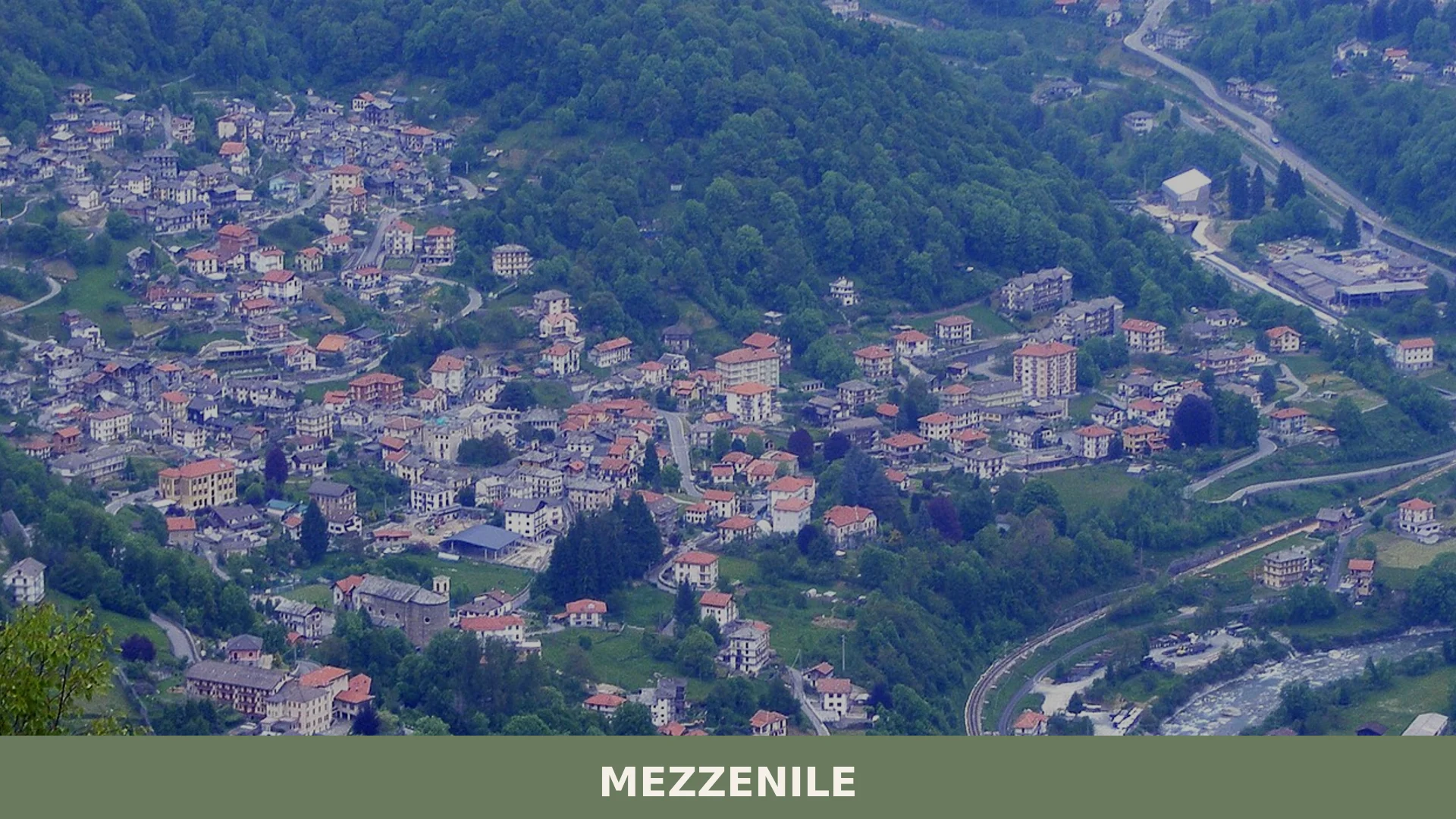
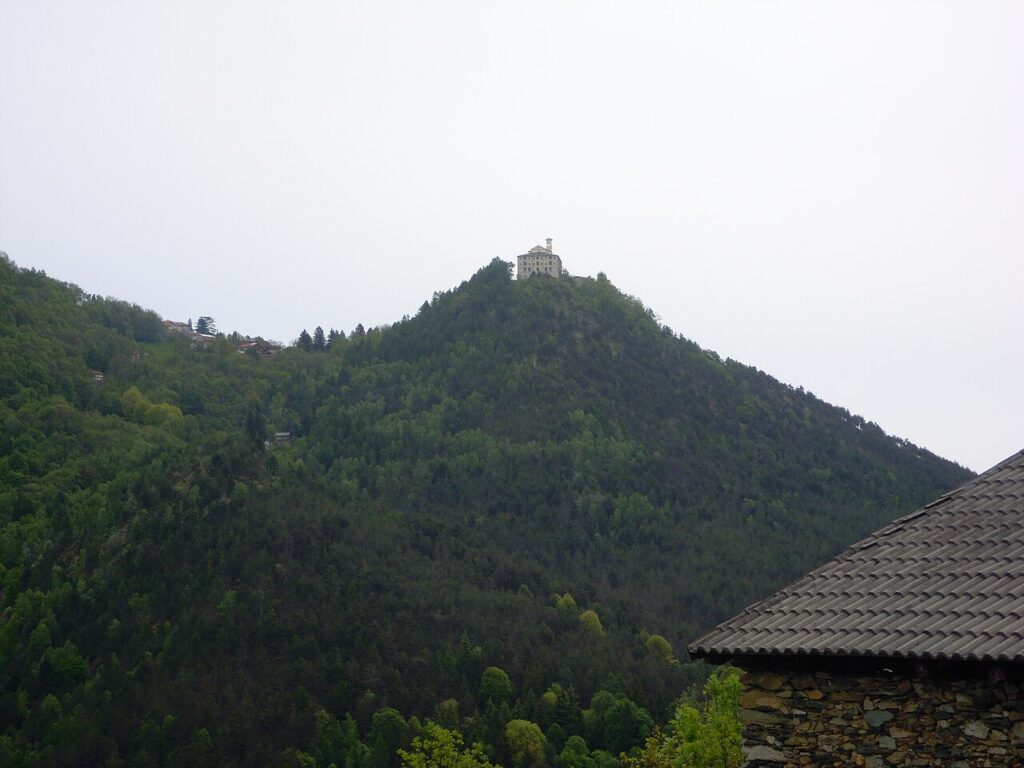
The Stura di Lanzo moves fast below the road, and on the right bank the houses of Mezzenile rise in stone and slate, compact against a slope that climbs without interruption from the valley floor to the high ridge separating this valley from the Valle di Viù. At 650 metres above sea level the village sits at a mid-point between the Piedmontese plain and true alpine terrain, a position that has shaped its economy, its architecture and the slow demographic losses that mark its recent history.
Mezzenile village in Piedmont draws two kinds of attention from those who travel the Lanzo Valleys: the Grotte di Pugnetto, a protected cave system of exceptional geological character, and the Ecomuseo dei chiodaioli, which documents a nail-making tradition that once defined the local economy. Together they represent a territory where industrial memory and natural science intersect in ways that are worth more than a passing visit.
The Grotte di Pugnetto represent the most scientifically significant natural site within the municipal territory. These cave systems, which open through calcescisto — calc-schist, a metamorphic rock type — are documented as the longest of their kind in Italy that develop within this particular geological formation. The caves are included within the European Union’s Natura 2000 network on account of the endemic subterranean fauna they shelter. Visitors should confirm access conditions locally before planning a visit, as protected status governs what is permitted inside the system.
Places and landscape
Laghetti di Sumiana
The Laghetti di Sumiana occupy a wooded basin surrounded by beech and larch trees at approximately 650 metres above sea level, notably higher elevation than the village. The lakes sit well above the valley floor, requiring a walk through changing forest cover to reach them. Their altitude means the surrounding vegetation shifts noticeably between seasons: the beeches hold colour into autumn, while the larches turn gold before shedding their needles. The approach on foot from Mezzenile is the standard route and offers a coherent half-day excursion for visitors based in the commune.
The Flavours of the Valley Table
Mezzenile sits within a broader Piedmontese mountain food culture rather than possessing a highly specific local cuisine of its own. The Canavese DOC and the Erbaluce di Caluso DOCG are produced in the Canavese area, which borders the Valli di Lanzo to the north and east; the Valli di Lanzo themselves do not fall within these wine appellations’ production zones. The Marrone della Valle di Susa with IGP status is specific to the Valle di Susa and is not a representative product of Mezzenile. Alpine herb liqueurs and distillates — among them ratafià and rosolio, traditional preparations with deep roots in mountain communities — appear across the Valli di Lanzo area and reflect a practical tradition of preserving and flavouring seasonal botanicals.
Markets and agrarian supply in the surrounding valley towns offer the most direct access to these products. Visitors staying for several days will find it worthwhile to seek out the itinerant markets of the Lanzo Torinese area, where local producers bring cheese, cured meats and preserved goods from across the mountain communes.
Planning your visit and getting there
Mezzenile can be reached easily from the Turin area and the surrounding communes of the Lanzo Valleys. The practical distances and journey times below are kept concise on purpose, so the access information stays clear and consistent.
| Departure | Distance | Time |
|---|---|---|
| Lanzo Torinese | approx. 15 km | approx. 20 min |
| Germagnano | approx. 8 km | approx. 12 min |
These practical reference points are enough to plan the journey without overloading the text with unstable logistics. Once on site, the village is best understood slowly, on foot and in relation to the surrounding landscape.
Frequently asked questions about Mezzenile
What is the best time to visit Mezzenile?
Mezzenile is ideal to visit from late spring through early autumn, when mountain weather is most stable and outdoor exploration is safest. November 11th marks the feast of San Martino, the village patron saint, an excellent time to experience local traditions. Summer offers the longest daylight hours for exploring the Grotte di Pugnetto and surrounding valleys. Winter access can be challenging due to altitude and mountain conditions.
How do I reach Mezzenile by car?
Mezzenile is located in the Lanzo Valleys in the Province of Turin, Piedmont. Access is via the Stura di Lanzo valley road. From Turin, take the SS26 towards Usseglio, following signs for the Lanzo Valleys. The village sits at 657 metres elevation. For precise directions, GPS coordinates and current road conditions should be verified before travel, as mountain routes can be seasonal.
What are the main attractions in and around Mezzenile?
The primary attractions are the Grotte di Pugnetto, a protected cave system of exceptional geological significance, and the Ecomuseo dei chiodaioli, a museum documenting the historic nail-making tradition that once anchored the local economy. The village itself features traditional stone and slate architecture characteristic of piedmont alpine settlements. Both sites represent the intersection of industrial heritage and natural science worth dedicated exploration.
How long should I plan to spend in Mezzenile?
A half-day visit allows time for the village itself and either the Grotte di Pugnetto or Ecomuseo dei chiodaioli. A full day is recommended to explore both attractions thoroughly and enjoy the surrounding Lanzo Valleys landscape. Overnight stays enable proper appreciation of local architecture, natural settings, and opportunities for mountain walking or valley exploration.
Is there public transport to Mezzenile?
Mezzenile is served by regional bus services connecting the Lanzo Valleys to Turin. The nearest railway station is in Turin. Service frequency varies seasonally and by route. For current schedules and connections, contact local transport authorities (GTT - Gruppo Torinese Trasporti) or check official Piedmont tourism portals. Mountain routes may experience service reductions in winter.
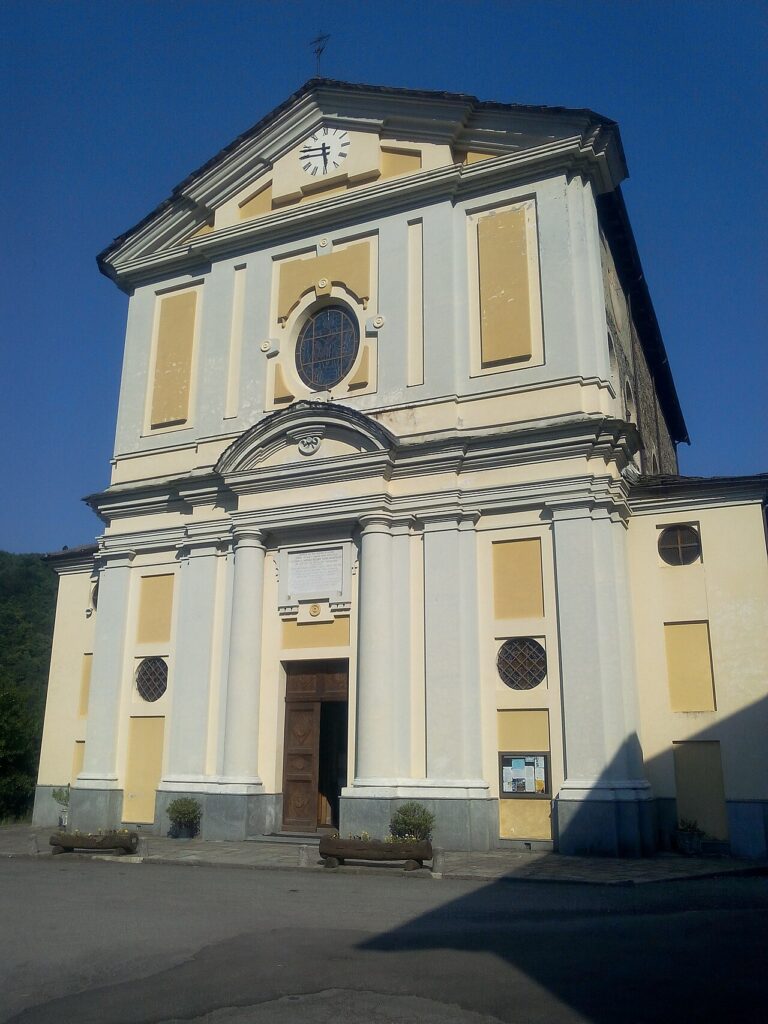
📷 Photo Gallery — Mezzenile
In Piedmont More villages to discover
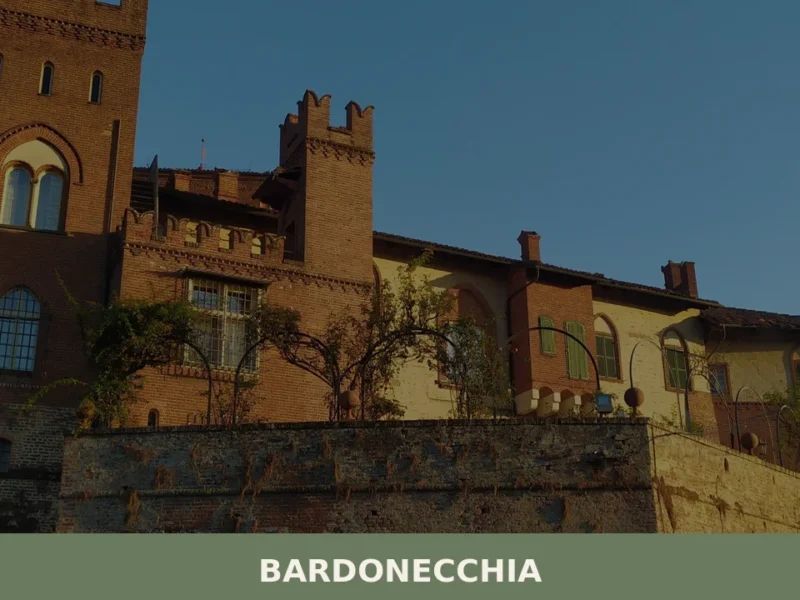
Bardonecchia
Mountain
Bardonecchia is the westernmost municipality in Piedmont and one of the historic Alpine crossing points into France, via the Colle della Scala and the Fréjus pass. Located in the upper Val di Susa at an altitude of over 1,300 metres, the town can be reached from Turin in around an hour and a half by […]
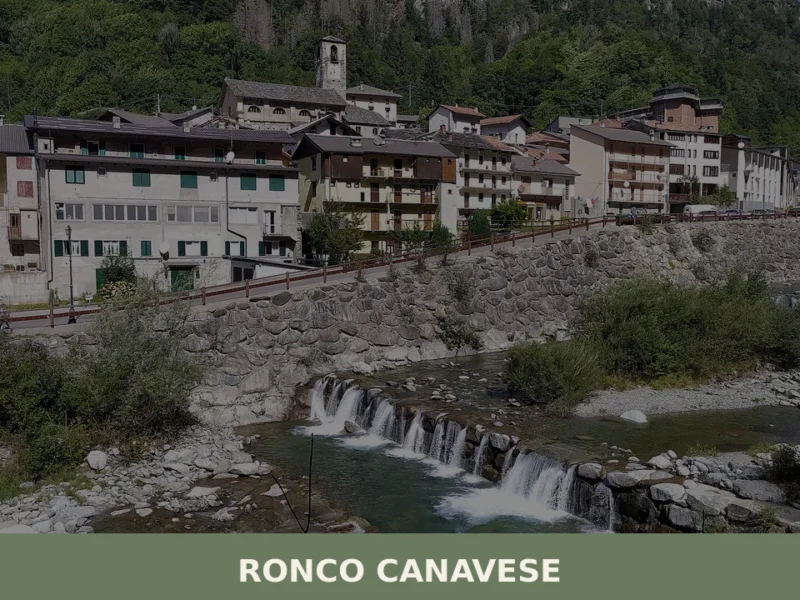
Ronco Canavese
Mountain
Ronco Canavese is home to approximately 380 inhabitants and serves as the principal reference point for the Valle Soana, a lateral valley that extends northward from the Gran Paradiso massif within the metropolitan area of Turin. Knowing what to see in Ronco Canavese requires understanding its role not as a transit point but as the […]
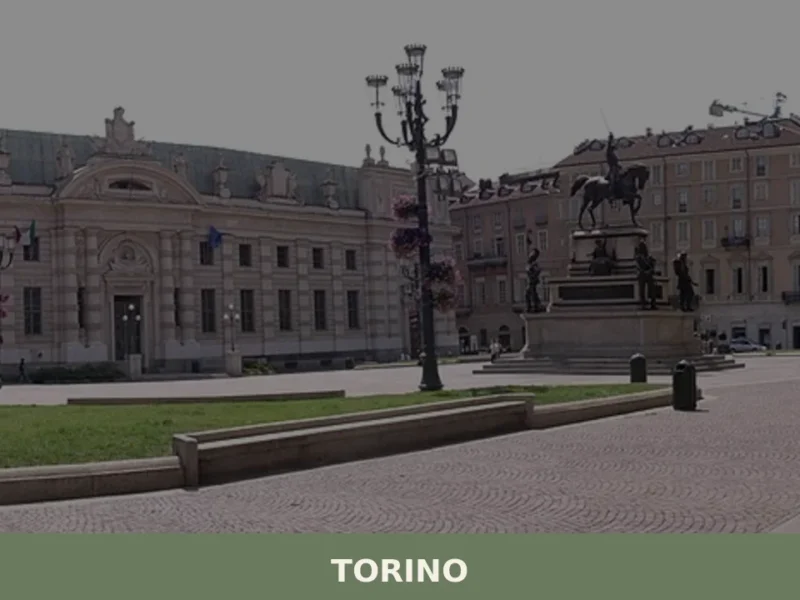
Torino
 Hills
Hills
What to see in Torino: the city at 239m altitude with 841,600 residents. Explore 5 key attractions and Piedmontese cuisine. Read the full guide now.

Balme
Mountain
Population 97. Balme stands at 1,432 metres in the Valli di Lanzo, where stone architecture and seasonal rhythms anchor a centuries-old mountain community.
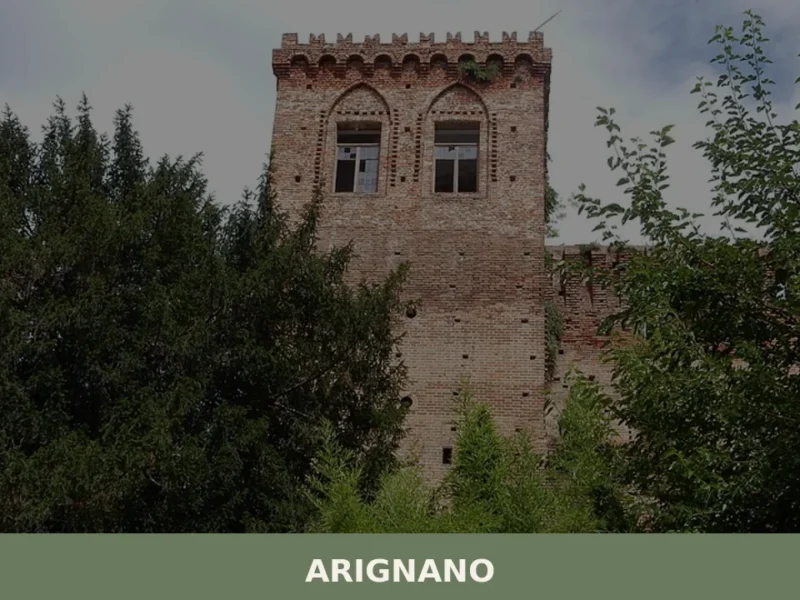
Arignano
Hills
What to see in Arignano in Piedmont: castle, church, hill trails, traditional cuisine, and practical information for visiting the village at 321 m a.s.l.
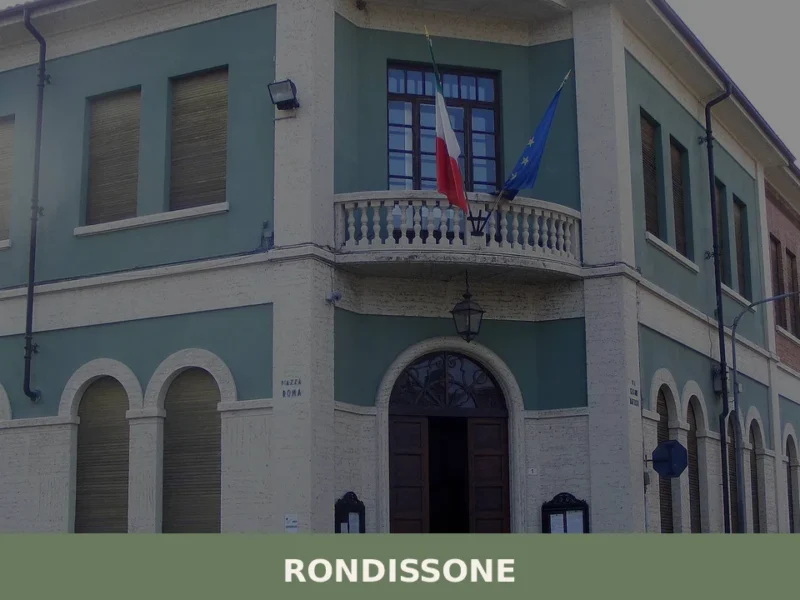
Rondissone
 Plains
Discover what to see in Rondissone, a Po plain comune near Turin inside the Parco Fluviale del Po torinese. History, food, travel tips and more.
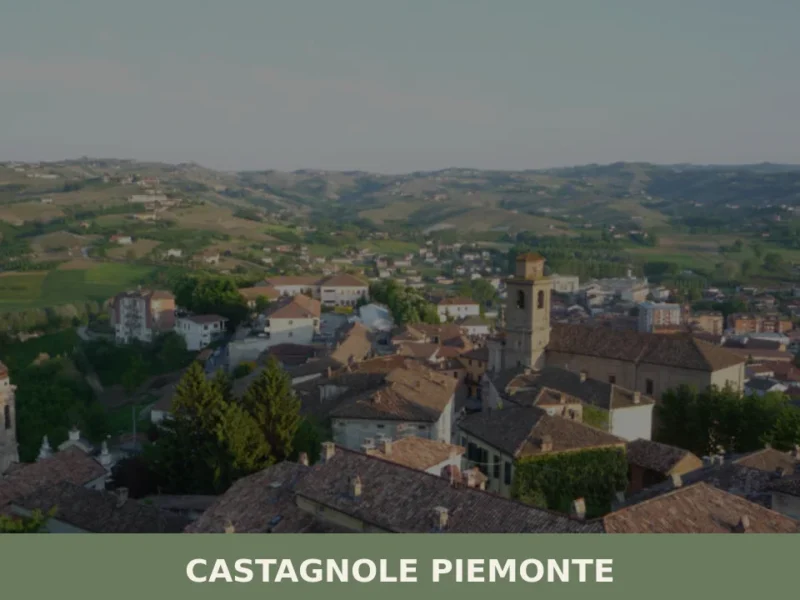
Castagnole Piemonte
Plains
What to see in Castagnole Piemonte, Italy — 20 km from Turin. Explore 5 top attractions, local food traditions and practical travel tips. Discover Piemonte.
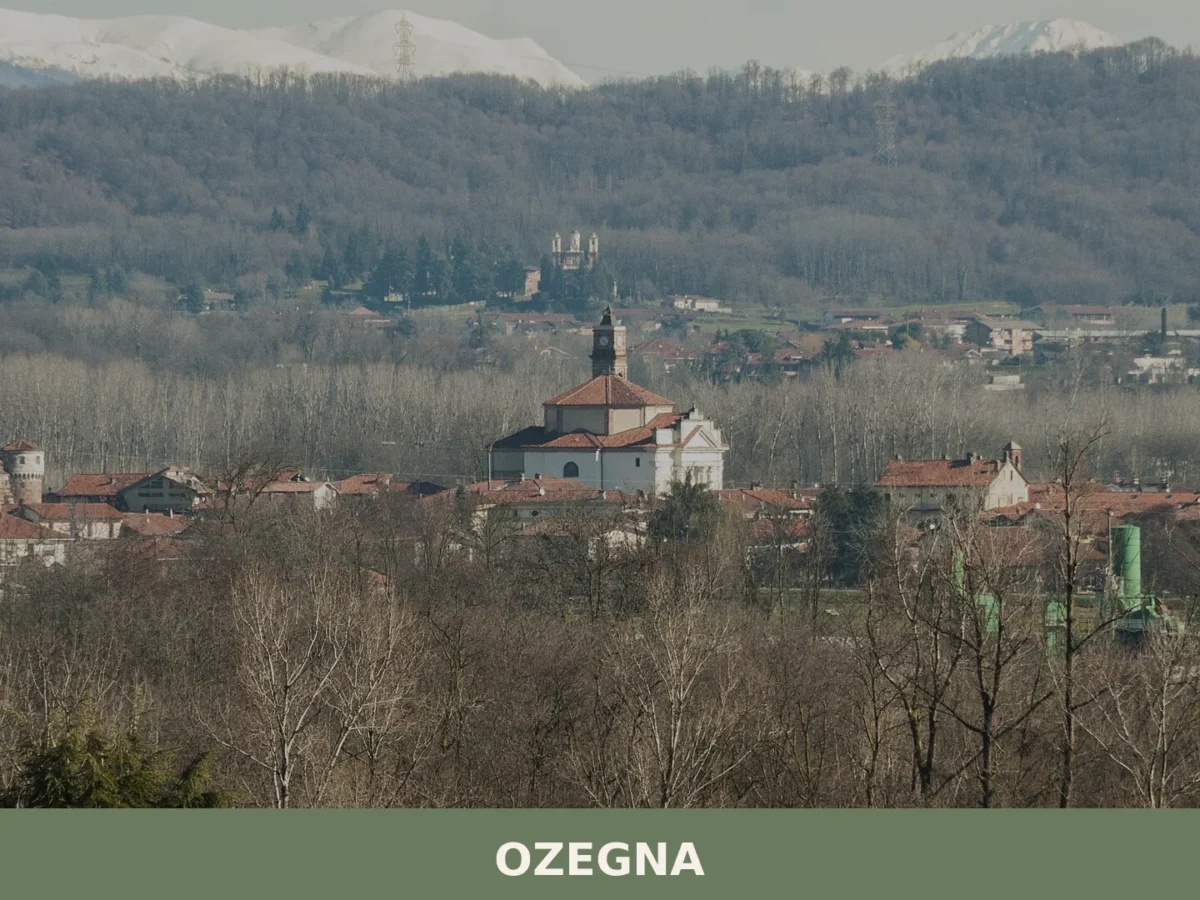
Ozegna
Mountain
1,175 residents, one castle, one sanctuary and a medieval ricetto that once sheltered an entire community. Ozegna repays any visit with layers of Canavese history.
Maglione
Hills
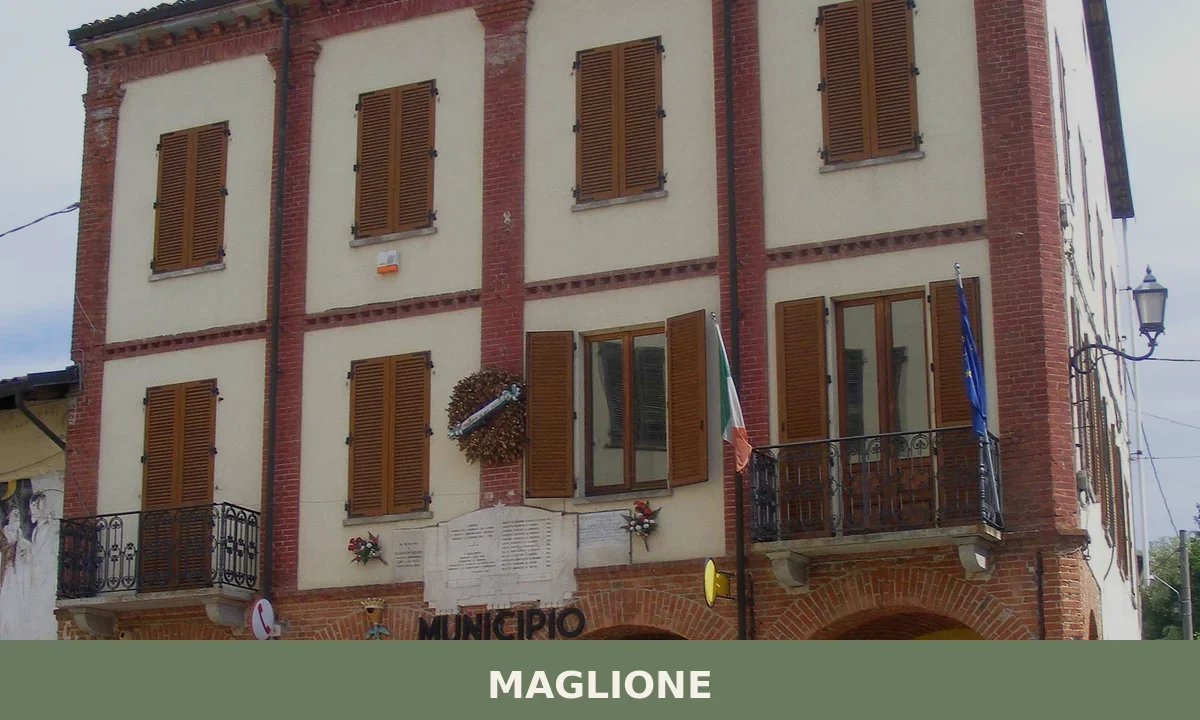
406 inhabitants, 167 contemporary artworks and a September procession with ancient Celtic echoes: Maglione offers a concentrated, surprising cultural experience in the Torinese hills.
San Secondo di Pinerolo
Hills
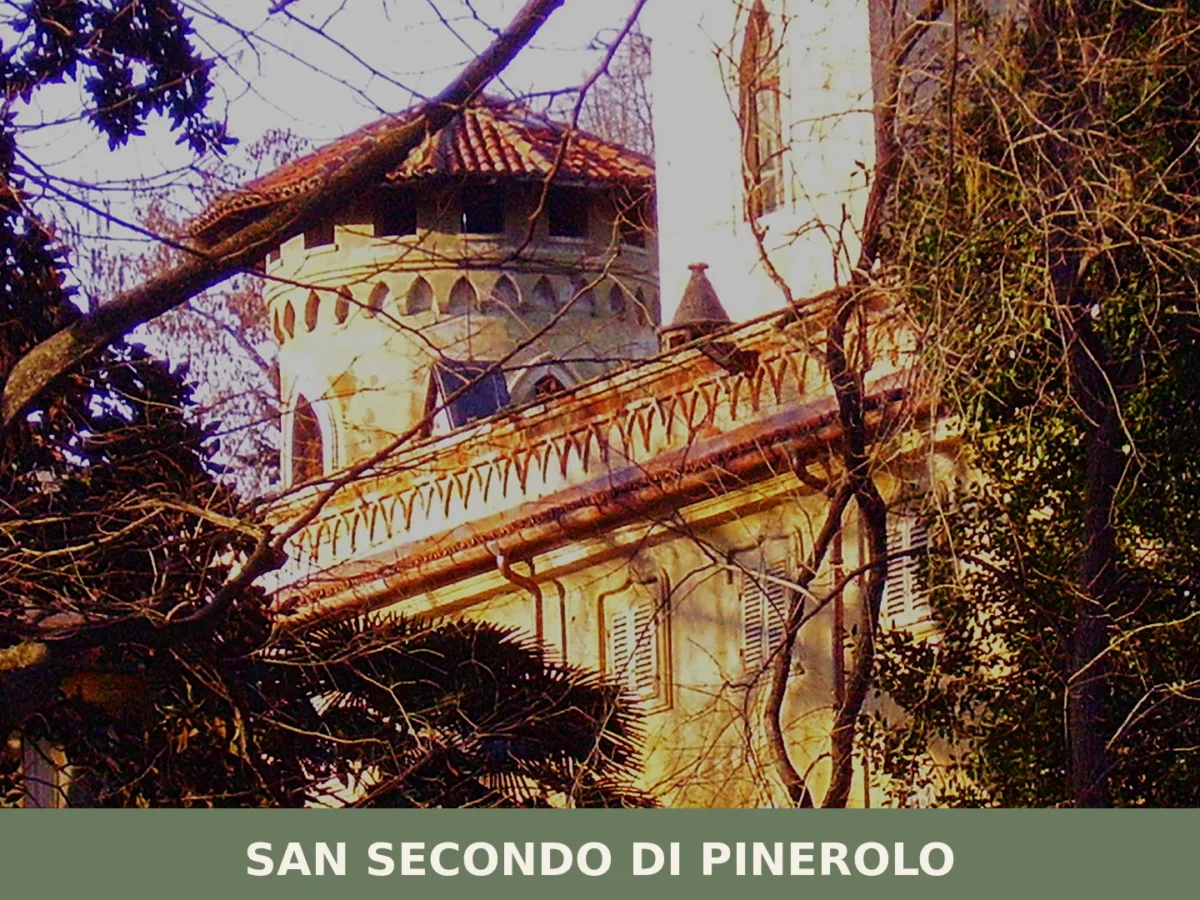
Population 3,643. A small Piedmont comune where 18th-century terracotta crafts shaped the landscape and baroque architecture anchors memory.






🏡 Know Mezzenile better than we do?
If you’re a local or have been there, your knowledge matters: add what’s missing or fix a detail on this page.