


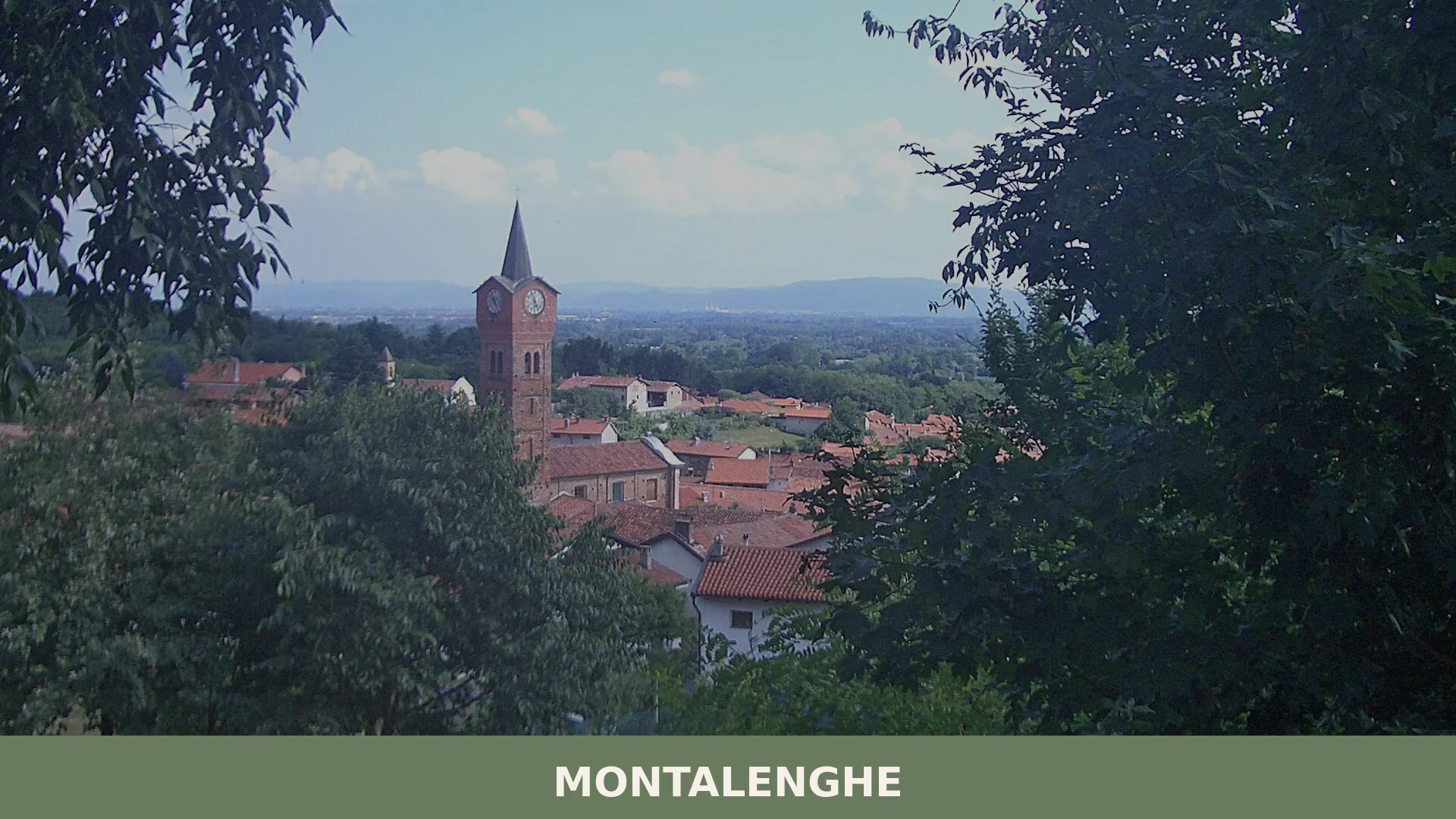
Montalenghe
 Hills
Hills
958 residents, two medieval monuments and one of Italy’s most remarkable specimen cedars. Montalenghe offers a concentrated encounter with Canavese hill culture.
Montalenghe: Identity, Landmarks and Life in the Canavese Hills
On the central ridges of the Canavese, at around 360 metres above sea level, the silhouette of a ruined castle breaks the treeline on a long collinear crest. Below it, a village of under a thousand people goes about its days with the self-contained composure of a place that has never needed outside attention to justify its existence. A monumental cedar rises from the grounds of an eighteenth-century villa, its canopy spreading wide enough to shade half a park, its trunk carrying three centuries of growth. Stone, wood and the particular light of the Piedmontese inner hills: this is what meets the visitor before a single word of history has been spoken.
Montalenghe village in Piedmont occupies a compact 6.53 square kilometres in the province of Torino, a few kilometres south of Ivrea and within easy reach of the lake of Candia. Two draws define its character for the traveller: the layered medieval and early-modern heritage concentrated in a small area, and a natural landmark — the celebrated cedar — that has earned official recognition as a monumental tree from the Regione Piemonte.
Places and landscape
Castelvecchio (Castellazzo)
The ruins of Castelvecchio stand on the collinear crest that dominates the village from above. Built during the eleventh or twelfth century, the structure occupied a strategically exposed position that made it the natural focal point of the surrounding territory. What survives today is fragmentary — broken walls, raised ground — but the site retains a raw physical presence that no later restoration has softened. Reaching it involves a short climb through the vegetation above the village, and the views back across the Canavese justify the effort independently of any historical interest.
The Eighteenth-Century Villa and Its Cedar
In the centre of the village, a villa built in the eighteenth century now serves as the seat of the Fraternità San Pio X. Its grounds contain a cedar of Lebanon that has been growing for around three hundred years, officially recognised as a monumental tree by the Regione Piemonte. The cedar is documented as one of the most significant specimens of its species in Italy and Europe — a claim that appears in the sources and is not editorial inflation. The park surrounding it is extensive, and the tree itself is the reason many visitors come to Montalenghe in the first place.
Chiesa di San Pietro
The church of San Pietro carries a foundation in the thirteenth century and a significant reworking carried out toward the end of the nineteenth century. The result is a building that holds two periods in uneasy but legible coexistence: the medieval bones are still present in the proportions and the site, while the later intervention reshaped surfaces, openings and interior arrangements according to the tastes of its own time. The church sits in the older part of the village and functions as a quiet orientation point for anyone exploring the historic fabric on foot.
Chiesa della Beata Vergine delle Grazie
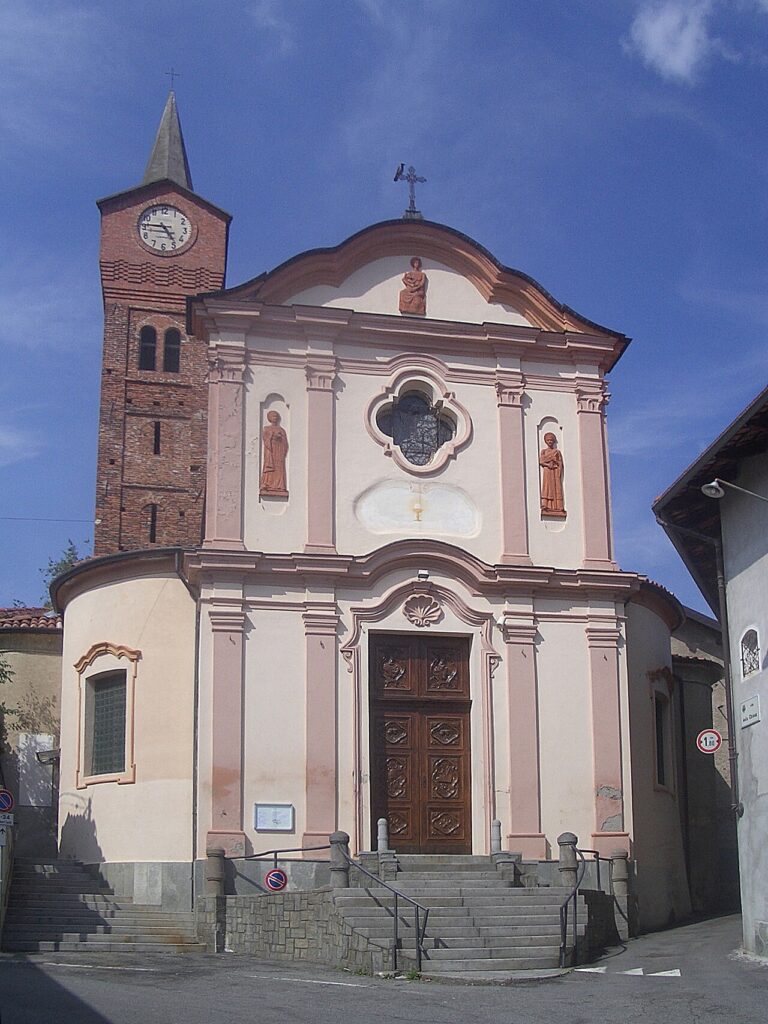
Built in 1760, this church became the main parish church of Montalenghe and remains so today. Its eighteenth-century date gives it a different character from the medieval San Pietro: the forms are calmer, the proportions more regulated, the relationship between interior and exterior more deliberately composed. The dedication to the Blessed Virgin of Graces places it within a tradition of Marian devotion widespread across Piedmont, connecting the village to a regional religious geography that extends well beyond its own borders.
Pera del Vais
In the woods outside the village centre, a large erratic boulder known as the Pera del Vais sits partly embedded in the earth. It arrived during the last glaciation, carried by ice from a distant origin and deposited here when the glaciers retreated. Over time, one side of the boulder has been polished to a smooth surface by generations of children using it as a natural slide. It is an unassuming landmark — no sign, no barrier, no interpretation panel — but it anchors the village landscape to a geological past that makes the medieval ruins look recent by comparison.
Flavours of the Canavese Table
Montalenghe sits within a wine-growing territory of considerable variety. The vineyards of the Canavese produce the Erbaluce di Caluso DOCG, a white wine of notable character, along with the Canavese DOC denomination that covers both red and white styles from the same area. Further south and east, the broader Piedmontese landscape encompasses denominations including Barbera d’Asti, Barolo and Barbaresco, though these belong to different sub-territories and should not be read as local to Montalenghe itself.
The agricultural context of the area also includes DOP cheeses and cured meats recognised at the provincial level — products such as Bra DOP and Grana Padano DOP sit within reach of any table in this part of Torino province, though they are products of a wider territory rather than exclusive expressions of this village. Among the traditional preparations associated with Piedmont more broadly, drinks like ratafià and rosolio represent a flavour register — herbal, sweet, locally distilled — that visitors encounter across the region’s smaller communities.
Getting to Montalenghe and Planning the Visit
Montalenghe is accessible by car from Turin in under an hour, following the A5 motorway toward Aosta and exiting at one of the junctions serving the Canavese area. The village is approximately 35 kilometres from central Turin, and the same route passes close to the lake of Candia, which makes a natural pairing for a day visit. Ivrea, the main urban centre of the Canavese, lies just a few kilometres to the north and offers rail connections, services and a broader programme of cultural visits including its own historic centre and the legacy of the Olivetti industrial era.
The best seasons to visit are spring and early autumn. In spring the surrounding hills carry their fullest green, the cedar in the villa park shows its canopy at its most dramatic, and the light across the Canavese stays clear through most of the day. Autumn brings the harvest cycle to the vineyards of the area and reduces the summer heat that can make exploration of the wooded paths above the village less comfortable. Winter visits are possible and come with the advantage of empty paths, but some local services operate on reduced schedules.
Visitors who combine Montalenghe with the nearby territory will find natural extensions in several directions. The village of Candia Canavese, close to the lake of the same name, offers a complementary lakeside perspective on the same hilly landscape. To the west, Agliè carries its own distinct historical character in the Canavese. Smaller communities such as Barone Canavese and Perosa Canavese share the same inner-hill character, while Foglizzo anchors the southern edge of this Canavese circuit.
| Departure | Distance | Time |
|---|---|---|
| Turin (city centre) | approx. 40 km | approx. 40 min |
| Ivrea (casello autostradale) | approx. 10 km | approx. 15 min |
| Milano | oltrand 100 km | approx. 1 hour and 30 min |
| Turin Caselle Airport | approx. 35 km | approx. 30 min |
These practical references help organise the journey clearly, while the village itself is best understood slowly and on foot once you arrive.
Frequently asked questions about Montalenghe
How do I reach Montalenghe from Turin?
Montalenghe is located in the province of Turin, approximately 50 kilometres north. Drive via the SS26 towards Ivrea; the village sits a few kilometres south of Ivrea in the Canavese region. By public transport, take a train or bus to Ivrea, then local connections to Montalenghe. The journey from Turin city centre takes roughly one hour by car.
When is the best time to visit Montalenghe?
Visit during late spring through early autumn for pleasant weather in the Piedmontese hills. The patron saint feast of Santi Pietro e Paolo on 29 June offers a cultural highlight with local celebrations. The monumental cedar and surrounding landscape are particularly striking in summer when the canopy provides natural shade, and in autumn when hillside colours deepen.
What is the climate like in Montalenghe?
Situated at 360 metres elevation in the inner Piedmontese hills, Montalenghe experiences a temperate continental climate. Summers are warm and pleasant; winters are cool but rarely severe. The particular light quality of the Canavese ridges is notably clear in spring and autumn, making these seasons ideal for photography and hiking.
How long should I plan to spend in Montalenghe?
A half-day visit suffices for exploring the village core, viewing Castelvecchio ruins, and seeing the monumental cedar. A full day allows leisurely exploration of medieval heritage sites, surrounding countryside walks, and nearby attractions like Lake Candia. Consider combining it with other Canavese villages for a longer itinerary.
Why is the cedar tree in Montalenghe famous?
The monumental cedar growing on the grounds of an eighteenth-century villa has been officially recognised as a protected heritage tree by the Piedmont regional government. Its three-century-old trunk and exceptionally wide canopy make it a natural landmark and botanical curiosity worth visiting for its impressive scale and historical significance.
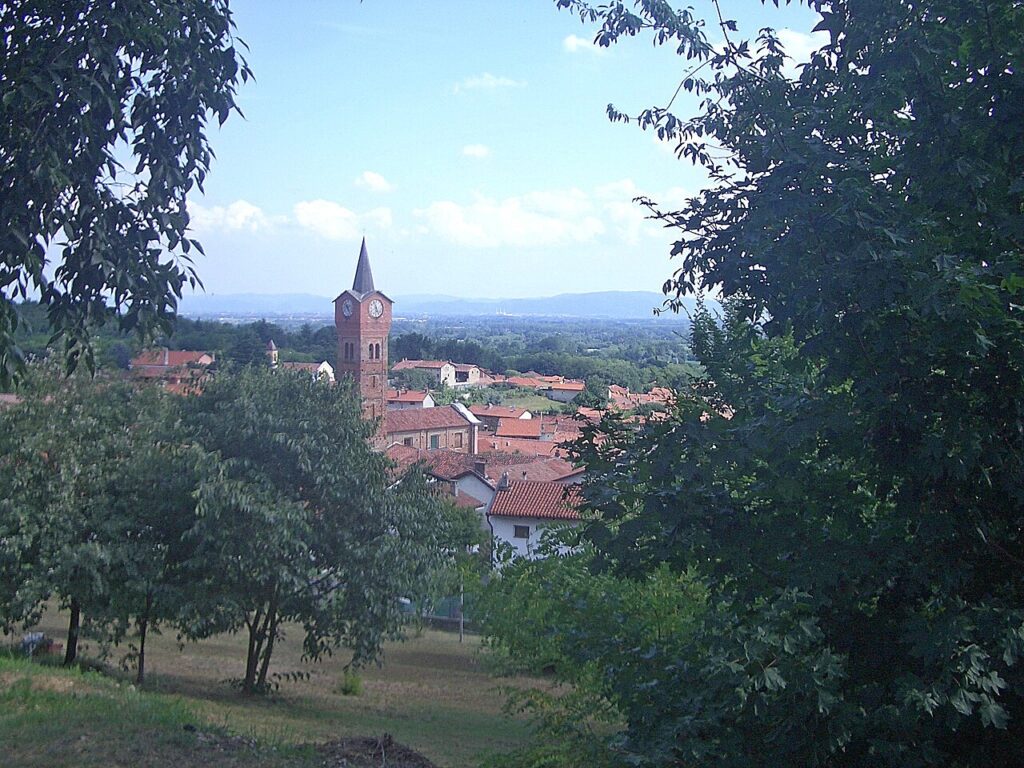
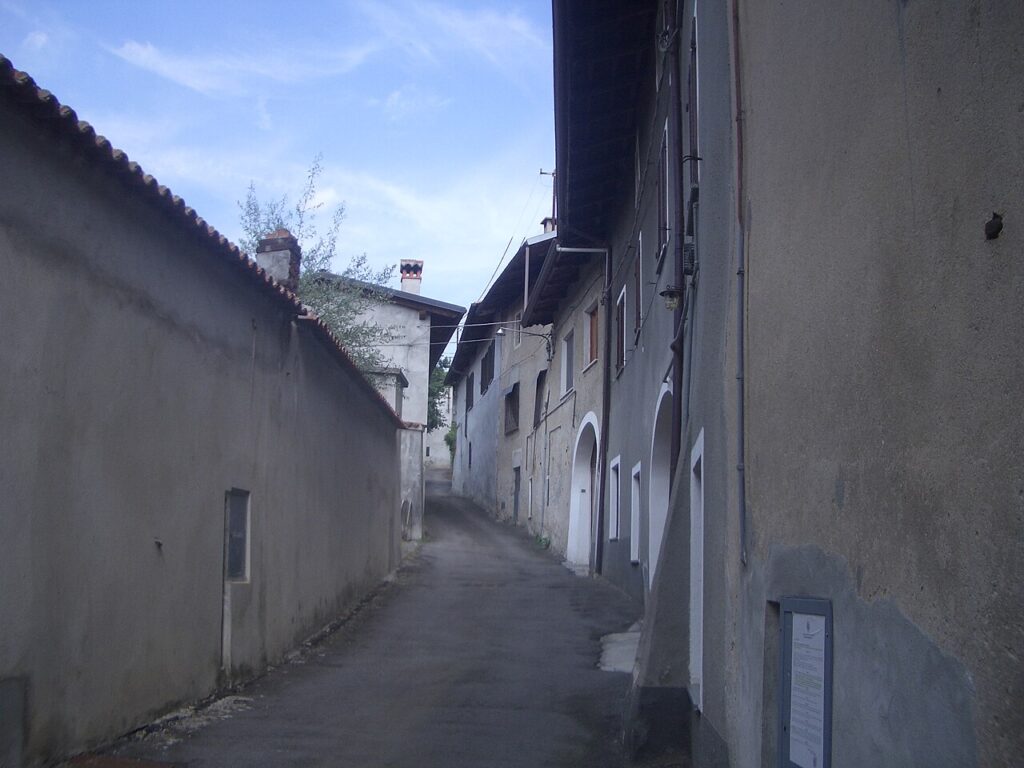
📷 Photo Gallery — Montalenghe
In Piedmont More villages to discover
Alice Superiore
 Mountain
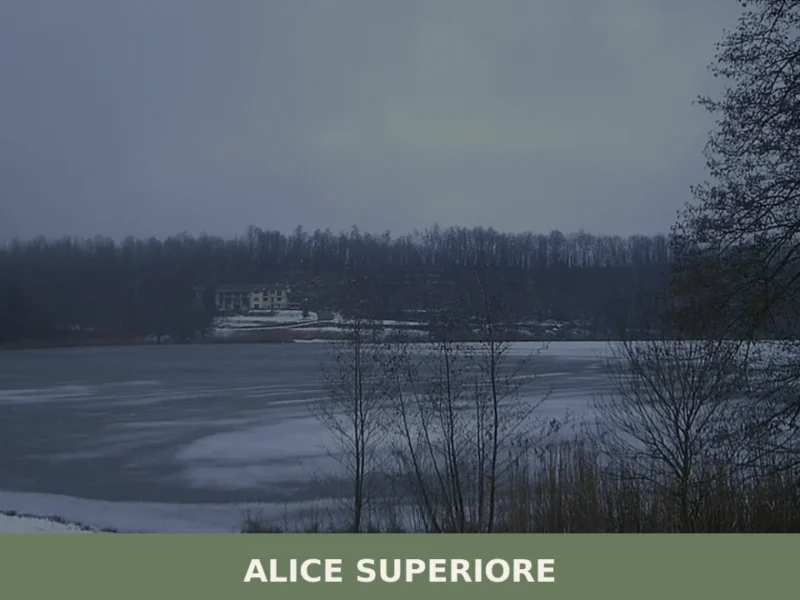
Alice Superiore sits at 610 metres above sea level in the Chiusella Valley, a lateral branch of the Canavese district within the Metropolitan City of Torino. Home to 711 inhabitants, the village occupies a stretch of sloping terrain where chestnut woods give way to Alpine pasture. For anyone researching what to see in Alice Superiore, […]
San Didero
Mountain
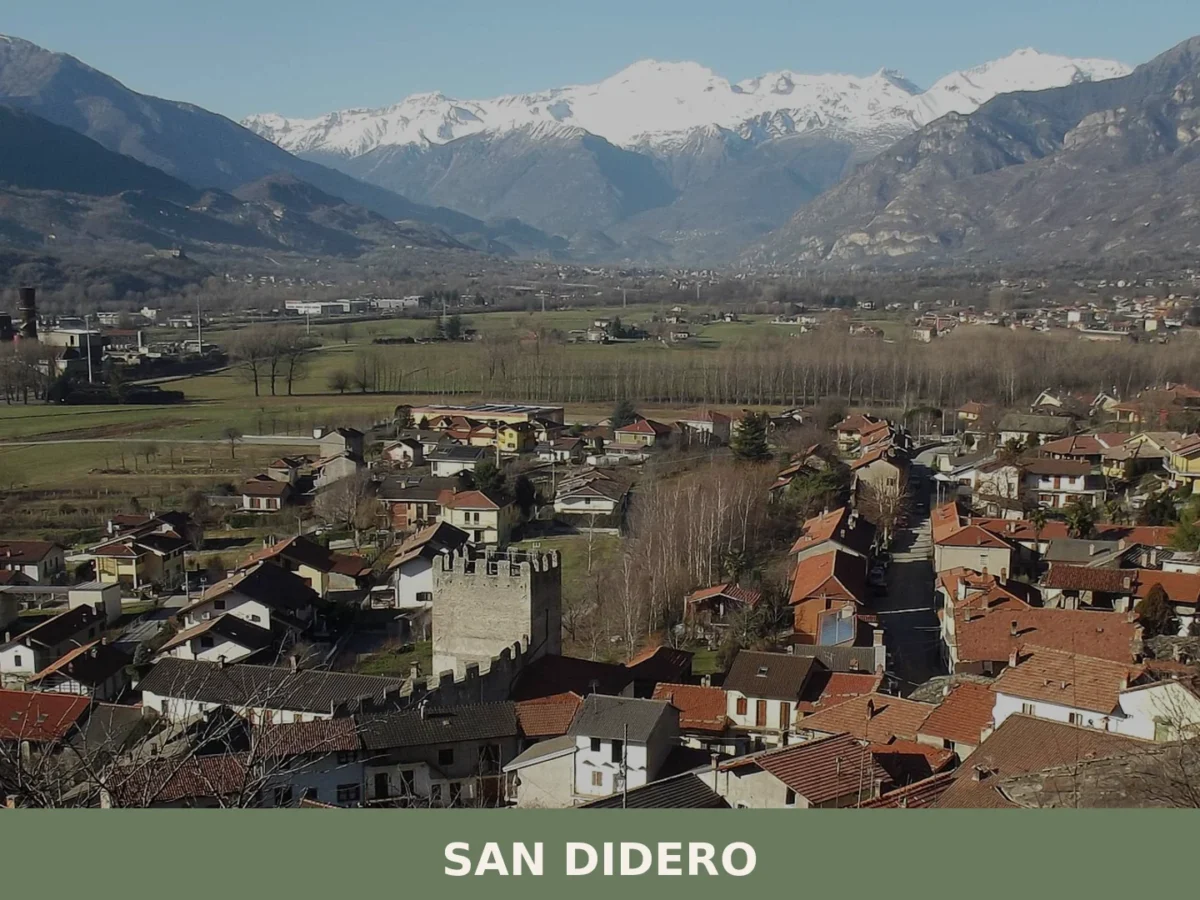
Population 497. A small Alpine comune with Roman-era roots, a medieval church and a restored casaforte on the Via Francigena pilgrimage route.
Macello
Hills
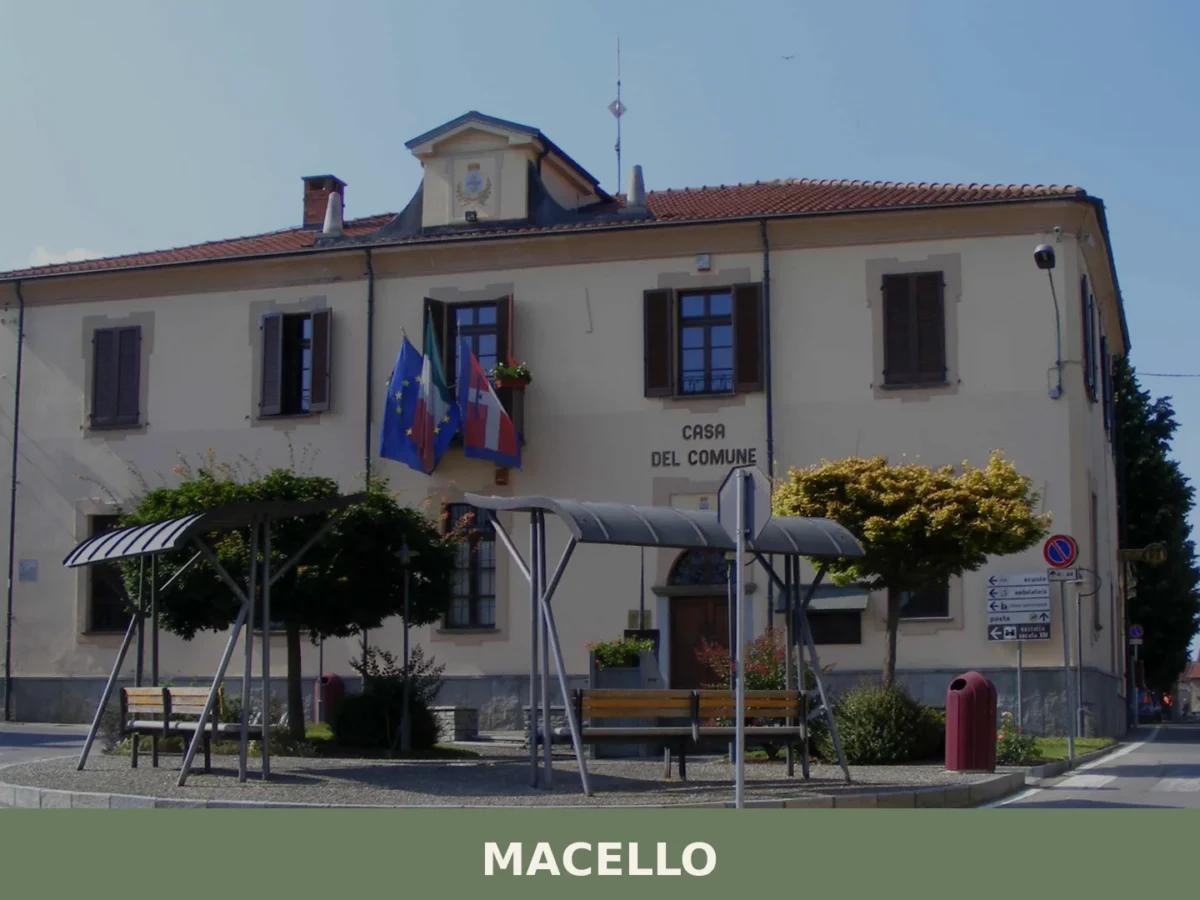
Home to around 1,178 residents, Macello rewards visitors with a medieval castle that changed hands across six centuries and a compact historic core rooted in rural Piedmont.
Borgofranco d’Ivrea
Hills
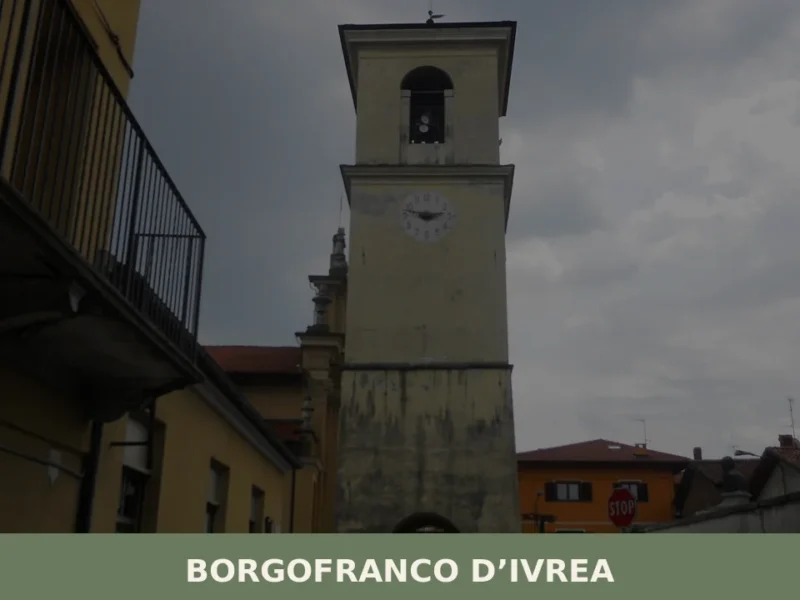
Discover what to see in Borgofranco d'Ivrea: medieval street grid, Serra d'Ivrea moraine, Canavese food and practical travel tips for this Piedmont village.

Prarostino
Mountain
Population 1,230. A foothill comune where partisan memory and valley crossroads define the landscape and village rhythm.
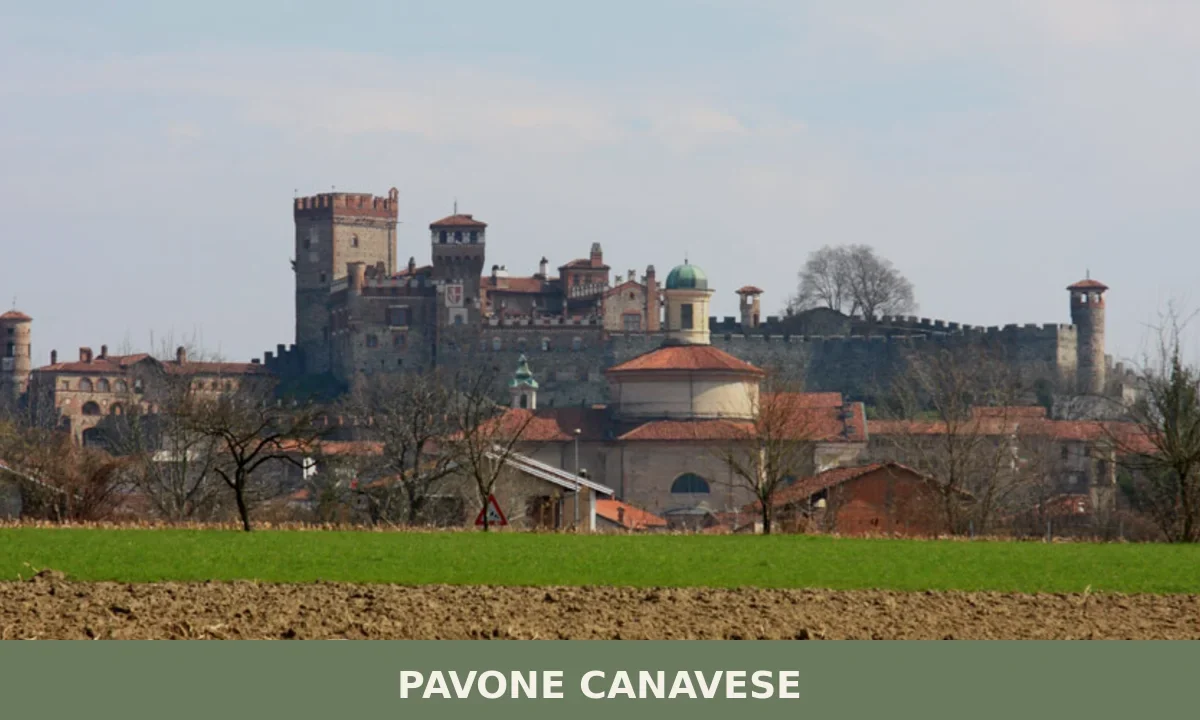
Pavone Canavese
 Plains
A community of around 3,600 people in the Turin metropolitan area, where a medieval castle, a nature reserve and the legacy of a pioneering restorer reward a focused visit.
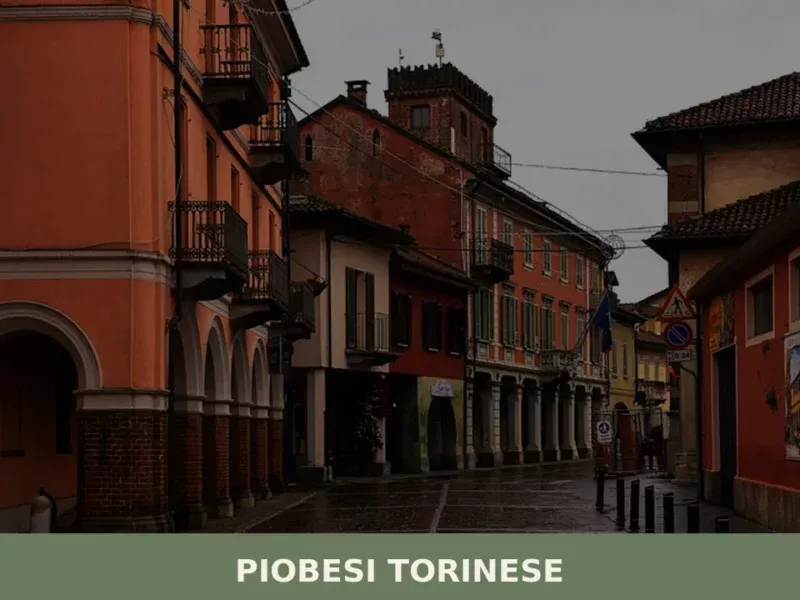
Piobesi Torinese
Plains
Scopri Piobesi Torinese, affascinante borgo piemontese: storia, attrazioni, tradizioni e consigli pratici per visitarlo al meglio.
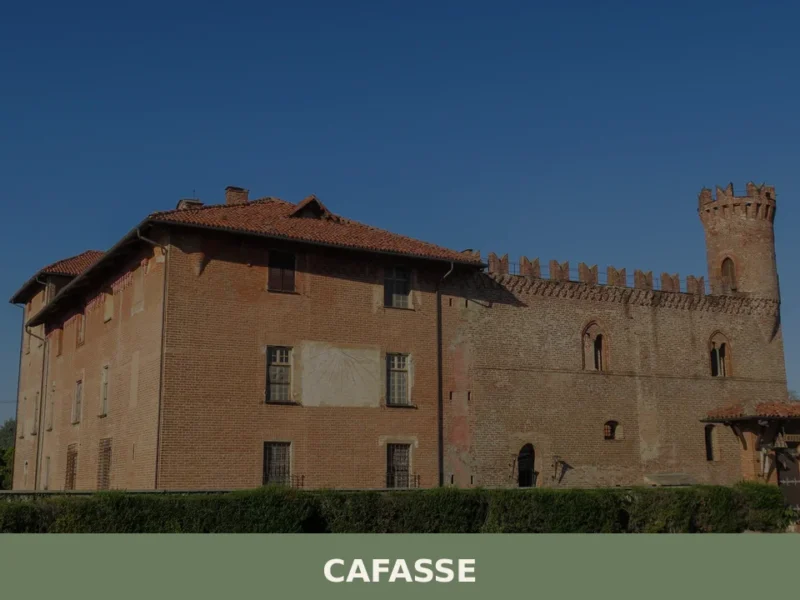
Cafasse
Hills
What to see in Cafasse, Italy: 25 km from Turin, explore the Valli di Lanzo gateway, local cuisine and festivals. Discover the best of this Piemonte village.
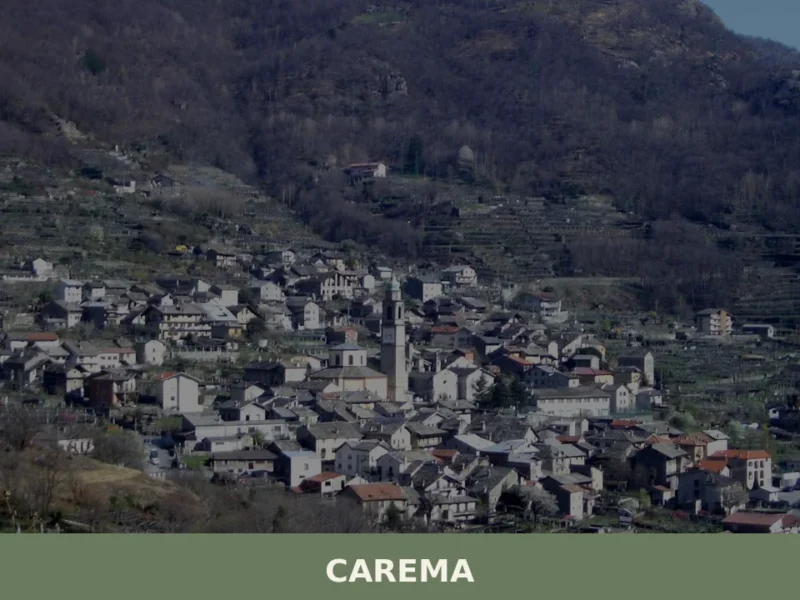
Carema
Mountain
Scopri Carema borgo medievale: un gioiello del Piemonte tra vigneti storici, torri antiche e tradizioni millenarie. Visita questo angolo unico d'Italia!
Prali
Mountain
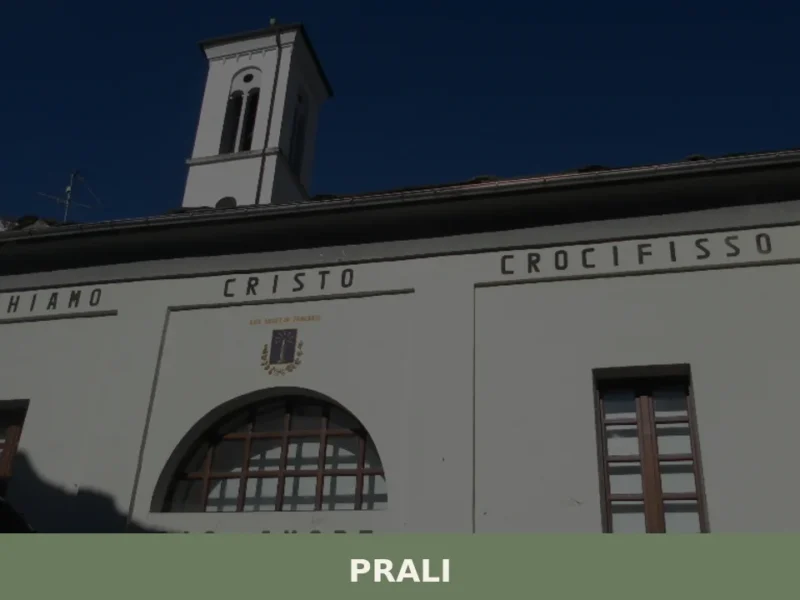
Prali sits at roughly 1,400 metres above sea level in the Germanasca Valley, one of the Waldensian Valleys of the Piedmontese Alps, about 72 kilometres south-west of Turin. With a registered population of 252 inhabitants, it is one of the smaller comuni in the Metropolitan City of Turin — and until 1937 it was officially […]




🏡 Know Montalenghe better than we do?
If you’re a local or have been there, your knowledge matters: add what’s missing or fix a detail on this page.