


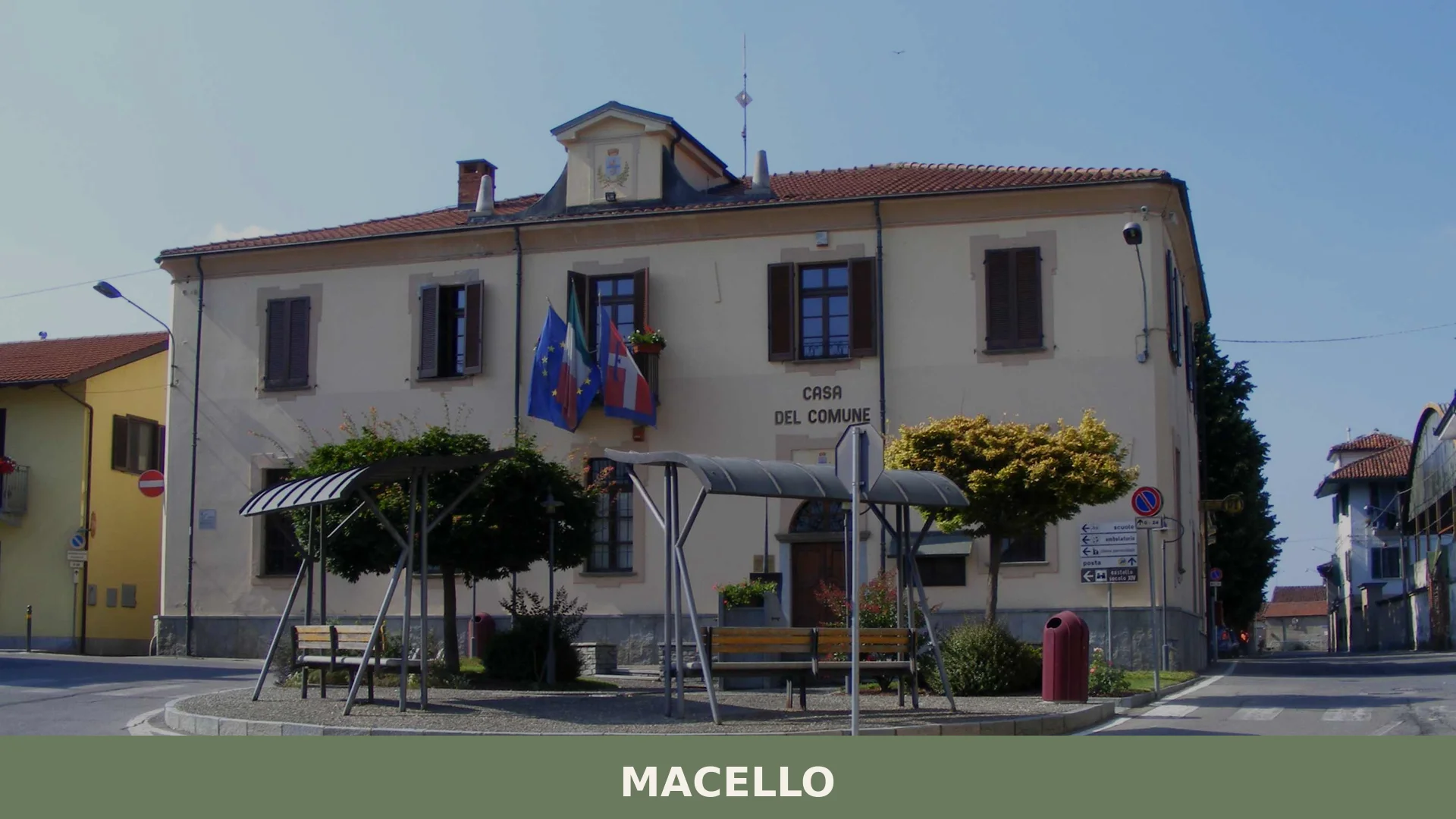
Macello
 Hills
Hills
Home to around 1,178 residents, Macello rewards visitors with a medieval castle that changed hands across six centuries and a compact historic core rooted in rural Piedmont.
Macello: a Piedmontese Village Between a Medieval Castle and the Plain
A compact stone castle rises at the edge of the built-up area, its walls holding more than six hundred years of noble ownership, transfers and transformations. The surrounding plain stretches toward Turin at a measured 301 metres above sea level, the light in late afternoon falling flat and golden across tiled rooftops, kitchen gardens and the occasional tractor track. This is the kind of Piedmontese settlement where the past is not performed for visitors but simply present, embedded in the fabric of walls and fields that have not changed their essential geometry in centuries.
Macello village in Piedmont sits in the Metropolitan City of Turin, roughly in the area historically known as the Pinerolese, and draws two distinct kinds of visitor: those interested in medieval civic architecture concentrated around the castle, and those who want to understand how a small agricultural community near a major city has kept its own pace and identity. With a population of 1,185 residents — known locally as macellesi — and a municipal surface of just over 14 square kilometres, it is a place where scale itself becomes part of the experience.
From the First Records to the Solaro Legacy: Macello Through the Centuries
The earliest documented reference to the settlement dates to 1026, though the circumstances of that first mention offer little detail about the community’s character at the time. What the record establishes is continuity: the village was already present and named on administrative documents nearly a thousand years ago, which places it firmly within the wider pattern of early-medieval rural organisation that shaped much of the Piedmontese plain south of Turin.
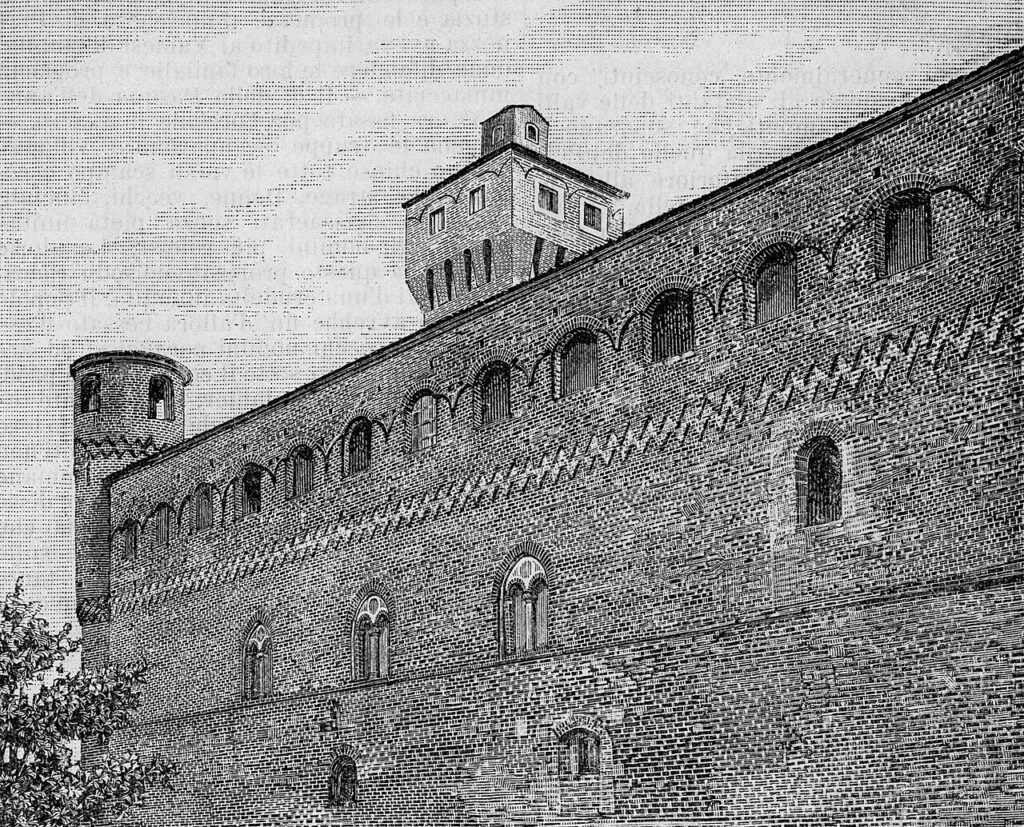
The decisive architectural and political act came during the thirteenth century, when Filippo, Prince of Acaja, ordered the construction of the Castello di Macello near what had been the primitive ricetto — the fortified enclosure that served as collective refuge for rural communities in medieval Piedmont. Over the following decades the castle and the village changed hands more than once, caught in the shifting alliances and territorial adjustments that characterised the region at the time. Then, in 1396, both the castle and the surrounding settlement passed to the Solaro family, a Guelph noble house from Asti. The Solaro held their position here for roughly four centuries, maintaining ownership through the complex political transformations of the early modern period until the upheaval brought by Napoleon’s campaigns finally disrupted the old property arrangements.
After the Napoleonic period the castle followed a quieter trajectory. It passed eventually to a De Ferrari family of Genoa, whose last representative transferred ownership at the end of the twentieth century to a group of local partners — Ambrosio and Forestiero among them — who repurposed the structure as a venue for social gatherings and civic events. That transition from aristocratic seat to community-oriented space is, in many ways, a fitting summary of how Macello has related to its own built heritage: practically, without ceremony, and on local terms.
The ricetto — the medieval fortified enclosure built to shelter rural communities in times of conflict — was once a feature common to dozens of Piedmontese villages. In Macello, it was precisely beside this structure that Prince Filippo of Acaja chose to raise his castle in the thirteenth century, anchoring noble authority to the same ground where ordinary residents had long sought protection.
The Places That Define the Village
Castello di Macello
The castle is the architectural focal point of Macello and the structure most directly tied to its documented history. Built in the thirteenth century at the instruction of Filippo, Prince of Acaja, it stood as a noble residence and seat of local authority for the better part of six hundred years. The Solaro family’s long tenure — from 1396 until the Napoleonic era — left the deepest imprint on its social function. Today, after its acquisition by local shareholders in the late twentieth century, the building operates as a convivial venue, which means it is active and maintained rather than a ruin. Visitors should verify opening arrangements locally, as access depends on events and private scheduling.
Cappella di Santa Maria Assunta
Among the religious buildings associated with the village, the Cappella di Santa Maria Assunta represents the kind of small devotional architecture that punctuates the Piedmontese countryside with quiet regularity. Chapels of this type were typically built or endowed by local families and communities as acts of collective piety, and they often served rural districts that lay at some distance from the main parish church. The chapel’s dedication to the Assumption connects it to one of the most widely observed Marian feasts in the Catholic calendar, a devotion that has deep roots across the villages of the Turin plain. Exact building dates are not documented in available sources, but the structure forms part of the village’s religious landscape worth noting on any visit.
The Rural Landscape and Agricultural Plain
Macello’s territory covers just over 14 square kilometres of predominantly flat or gently undulating land at around 300 metres above sea level. The landscape is characteristic of the inner Piedmontese plain: fields alternating with rows of poplars, occasional farmsteads set back from secondary roads, and the broad sky that comes with low topography. For visitors arriving from Turin, the shift from urban density to this kind of open, working countryside happens quickly and tangibly. The land is still actively farmed, which means the visual character of the territory changes with the agricultural season in ways that reward more than one visit.
The Village Core and Its Civic Identity
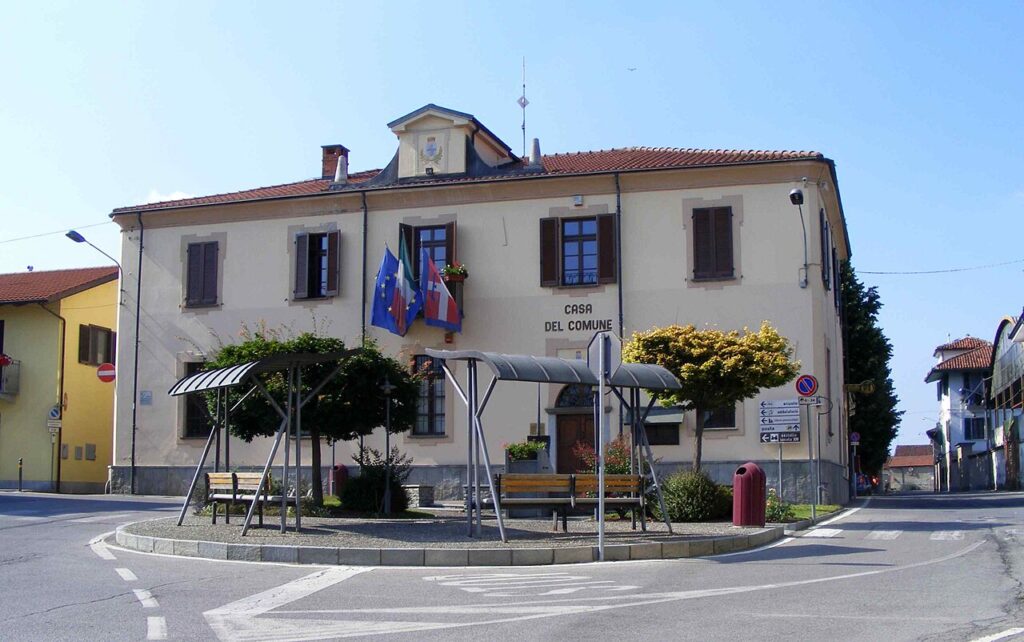
The central built area of Macello reflects the modest but coherent urban grammar common to small Piedmontese comuni: a main square functioning as a point of orientation, streets of modest residential buildings, and the institutional spaces — municipal offices, church, square — that define civic life at this scale. The village received its official heraldic recognition with a decree of the President of the Republic dated 30 August 1952, a detail that marks the formal consolidation of its civic identity in the postwar period. The official municipal website at comune.macello.to.it provides current administrative information for those planning a visit or researching local services.
Flavours from the Pinerolese Table
Macello does not sit at the centre of any single designated food product, but its location within the broader Turin metropolitan area and the Pinerolese territory places it within reach of several notable Piedmontese food traditions. The province of Turin encompasses designations such as Pinerolese DOC wines, produced from vineyards in the area, and the Marrone della Valle di Susa IGP chestnut, which comes from the valley system to the north and west. These are territorial products rather than village specialities, but they form the natural context of a table in this part of Piedmont: robust, seasonal and tied to specific landscapes.
The agricultural character of the village itself suggests a kitchen rooted in plain materials — grains, vegetables from kitchen gardens, the preserved meats and dairy products that define rural Piedmontese cooking across dozens of small comuni. Visitors exploring this part of the province will find that the food culture of the area rewards attention to local trattorie and market days in neighbouring centres rather than a single fixed destination. Nearby villages such as Buriasco and Airasca share this same food geography and can round out a day of local exploration.
When to Visit and How to Reach Macello
Spring and early autumn are the most practical seasons for visiting. Between April and June the agricultural plain shows its most active face, with fields in work and the air still clear enough to carry the outline of the Alpine arc to the north and west. September and October bring cooler temperatures and a harvest-season rhythm that makes rural Piedmont particularly legible as a living landscape rather than a backdrop.
Macello lies approximately 35 kilometres south of Turin by road, reachable in around 35 to 40 minutes by car depending on the route and traffic through the southern suburbs of the city. The village is not served by a direct rail connection, so private transport or a combination of regional rail to a nearby station and local taxi or bicycle remains the practical approach. Visitors with more time might combine a visit here with stops at Osasco, Piscina or Campiglione Fenile, all of which lie within a short drive and belong to the same Pinerolese territory.
The following table summarises approximate road distances and travel times from the main reference points in the region.
| Departure | Distance | Time by road |
|---|---|---|
| Turin (city centre) | approximately 35 km | around 35–40 minutes |
| Pinerolo | approximately 12 km | around 15 minutes |
| Buriasco | approximately 5 km | around 8 minutes |
Frequently asked questions about Macello
When is the best time to visit Macello?
July is ideal, especially around July 22nd, when the Feast of Saint Mary Magdalene (Patrona Santa Maria Maddalena) transforms the village into a celebration of local traditions. Late afternoon light during spring and early autumn casts a particularly golden glow across the stone architecture and countryside. Summer offers pleasant weather for exploring the medieval castle and surrounding Piedmontese landscape at a leisurely pace.
How do I reach Macello from Turin?
Macello lies in the Metropolitan City of Turin, approximately 30 kilometres southwest in the Pinerolese region. By car, take the Turin-Pinerolo direction; the village sits at 301 metres elevation. Public transport options include regional buses connecting Turin to nearby towns. The nearest major train station is Pinerolo, from which local connections or taxis serve the village. Journey time from central Turin is roughly 40–50 minutes by car.
What is the main historical attraction in Macello?
The compact stone castle dominates the village's historic core, with walls spanning over six hundred years of continuous noble ownership, transfers, and architectural transformations. First documented records of the settlement date to 1026. The castle and surrounding medieval civic architecture represent authentic Piedmontese heritage preserved within the village's unchanged agricultural landscape and traditional stone buildings.
How long should I plan to spend in Macello?
A half-day visit suffices to explore the castle, walk the compact village centre, and absorb the agricultural character of this 1,178-resident community. Allow two to three hours for a leisurely exploration of medieval architecture and kitchen gardens. Visitors interested in deeper historical research or countryside walks may extend to a full day, combining visits with nearby Pinerolese attractions.
📷 Photo Gallery — Macello
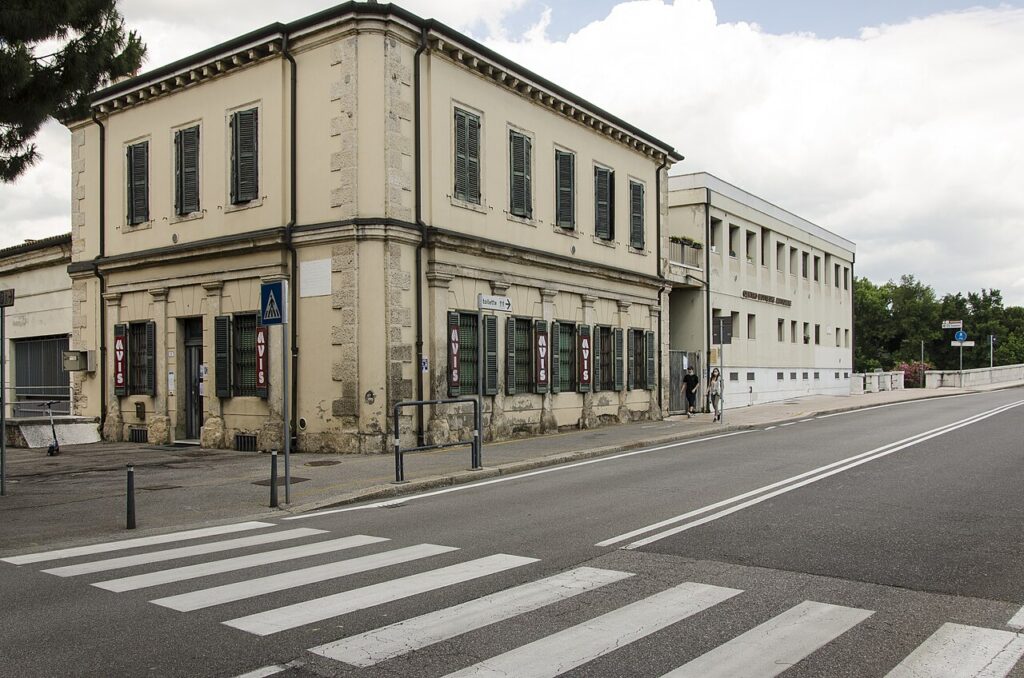
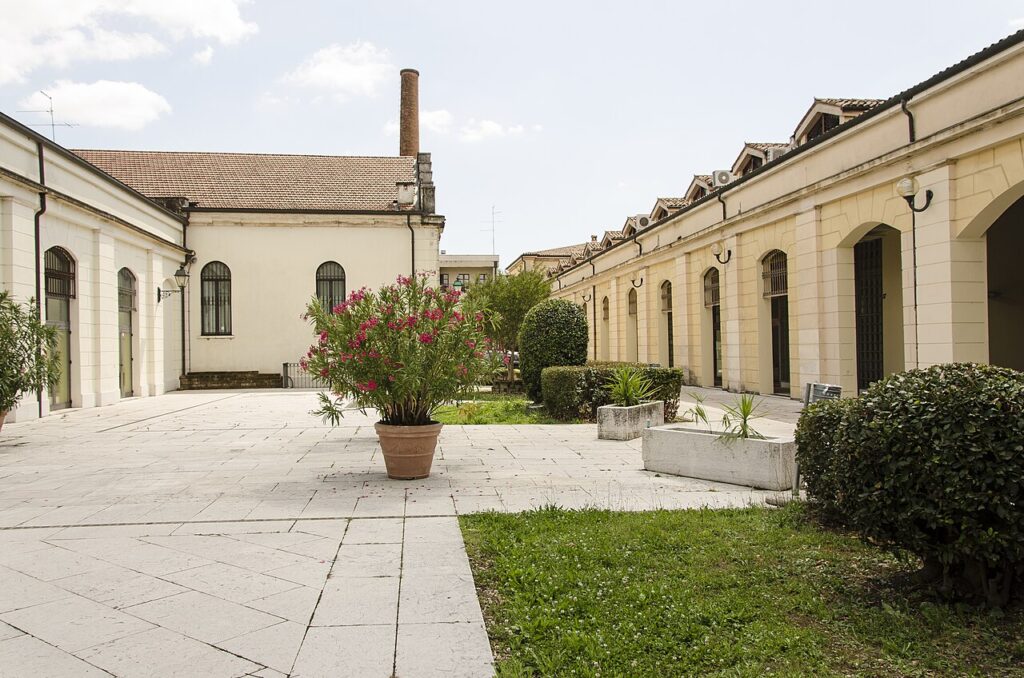
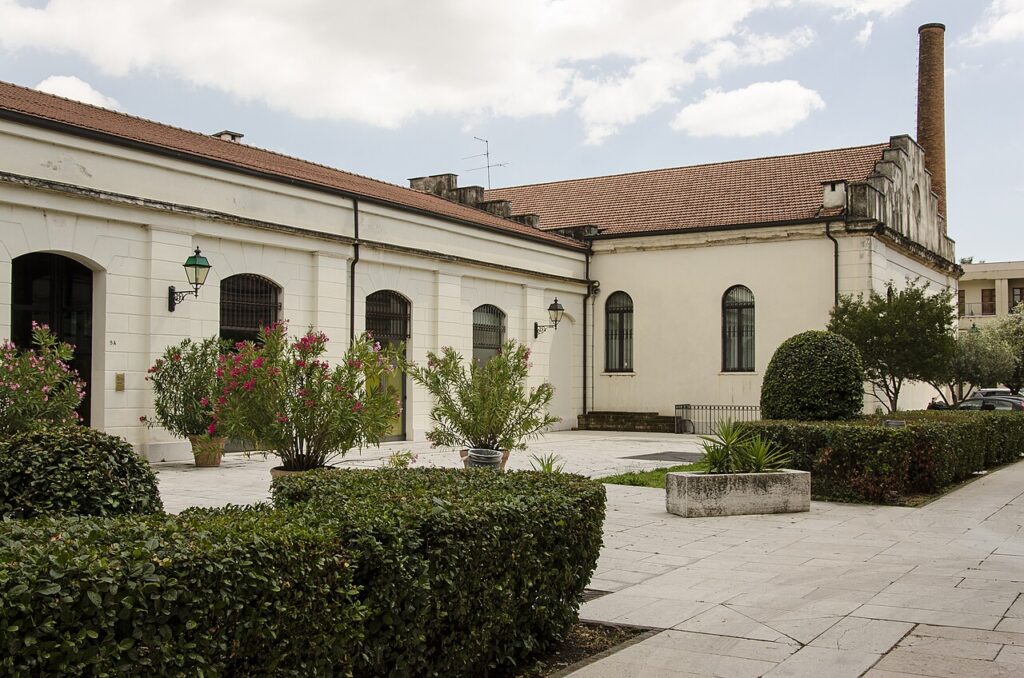
In Piedmont More villages to discover
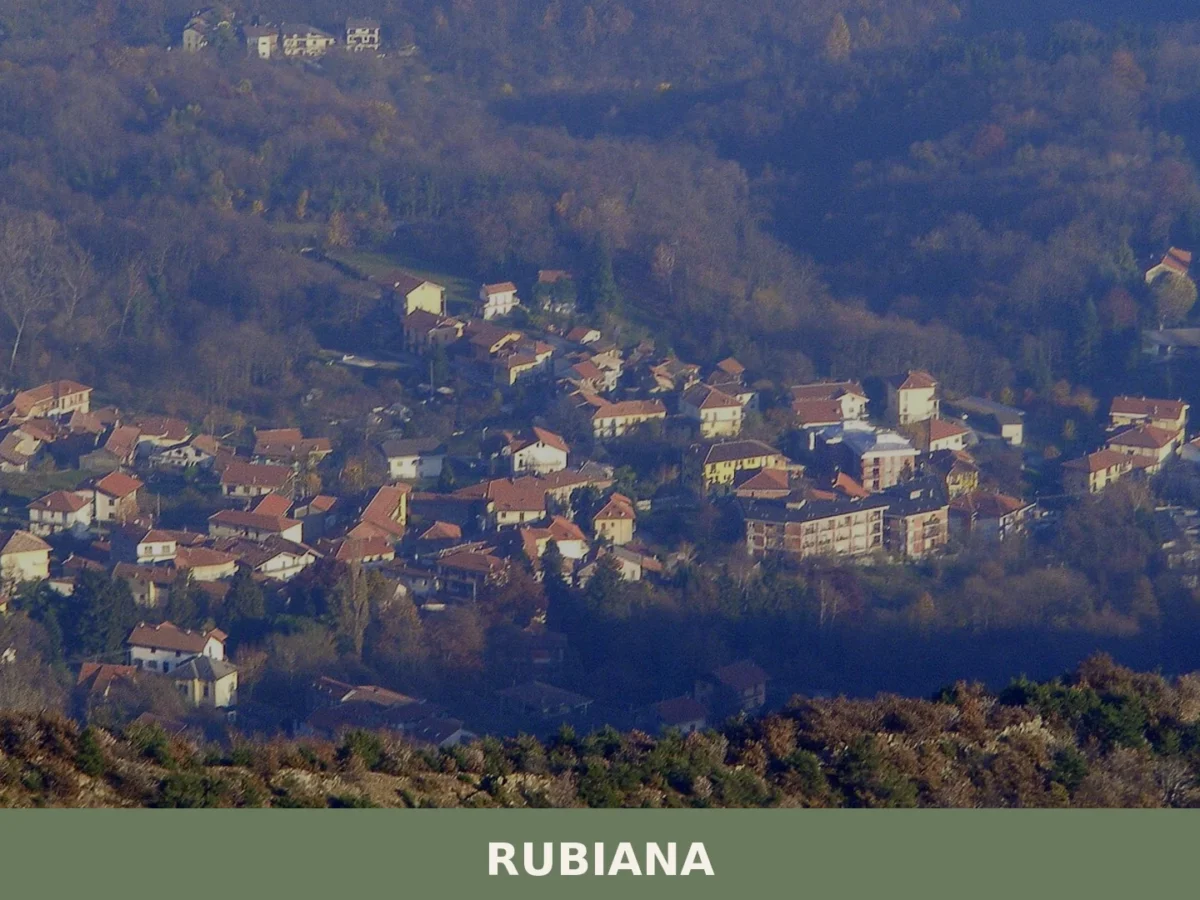
Rubiana
 Mountain
Population 2,516. Rubiana sits in a mountain amphitheatre at 640m altitude, with documented origins in a 1029 charter and a landscape shaped by Celtic settlement and 18th-century pilgrimage.
Meana di Susa
Mountain
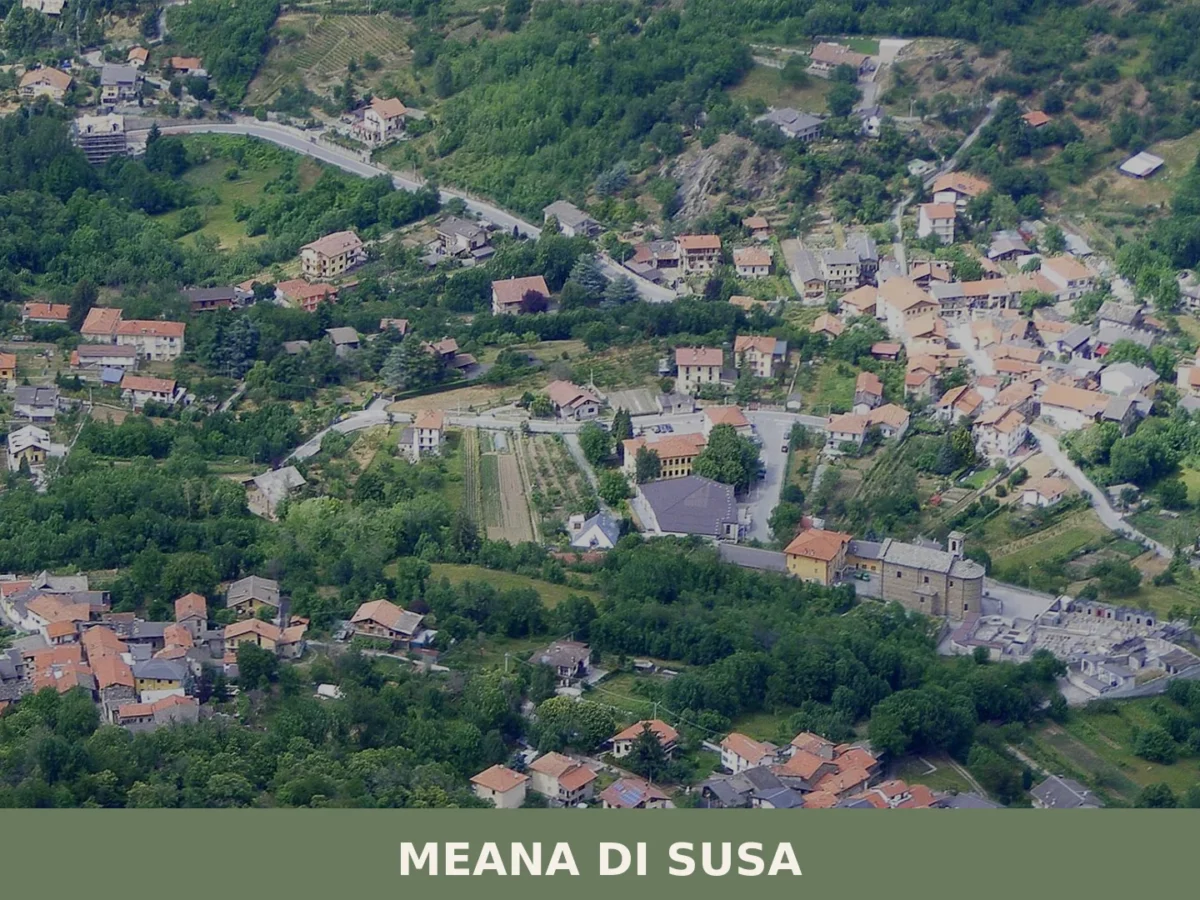
794 inhabitants, 23 hamlets and a road climbing to 2176 m: Meana di Susa rewards visitors with layered history and a direct connection to the high Alps.
Almese
Hills
In 1029, a document from the Abbey of Novalesa recorded the name Almese for the first time, linked to a series of land holdings in the lower Val di Susa. That place name — probably derived from a Celtic or pre-Latin word connected to alpine pastures — appears in a territory that already served as […]
Marentino
Hills
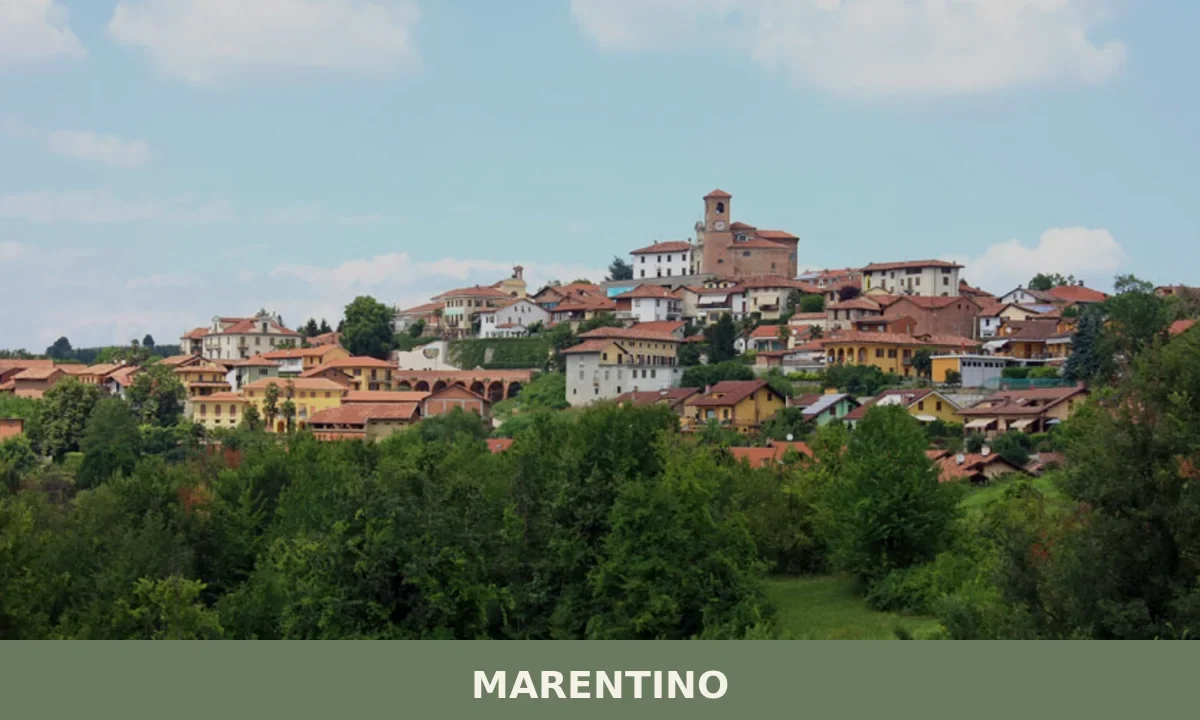
Three ancient boroughs, six historic churches and a Romanesque monument listed since 1888 make Marentino a compact but layered destination east of Turin.
Azeglio
Hills
Azeglio, a small Piedmontese village on Lake Viverone: history, what to see and how to get there. Discover everything to plan your visit.
Sant’Ambrogio di Torino
Mountain
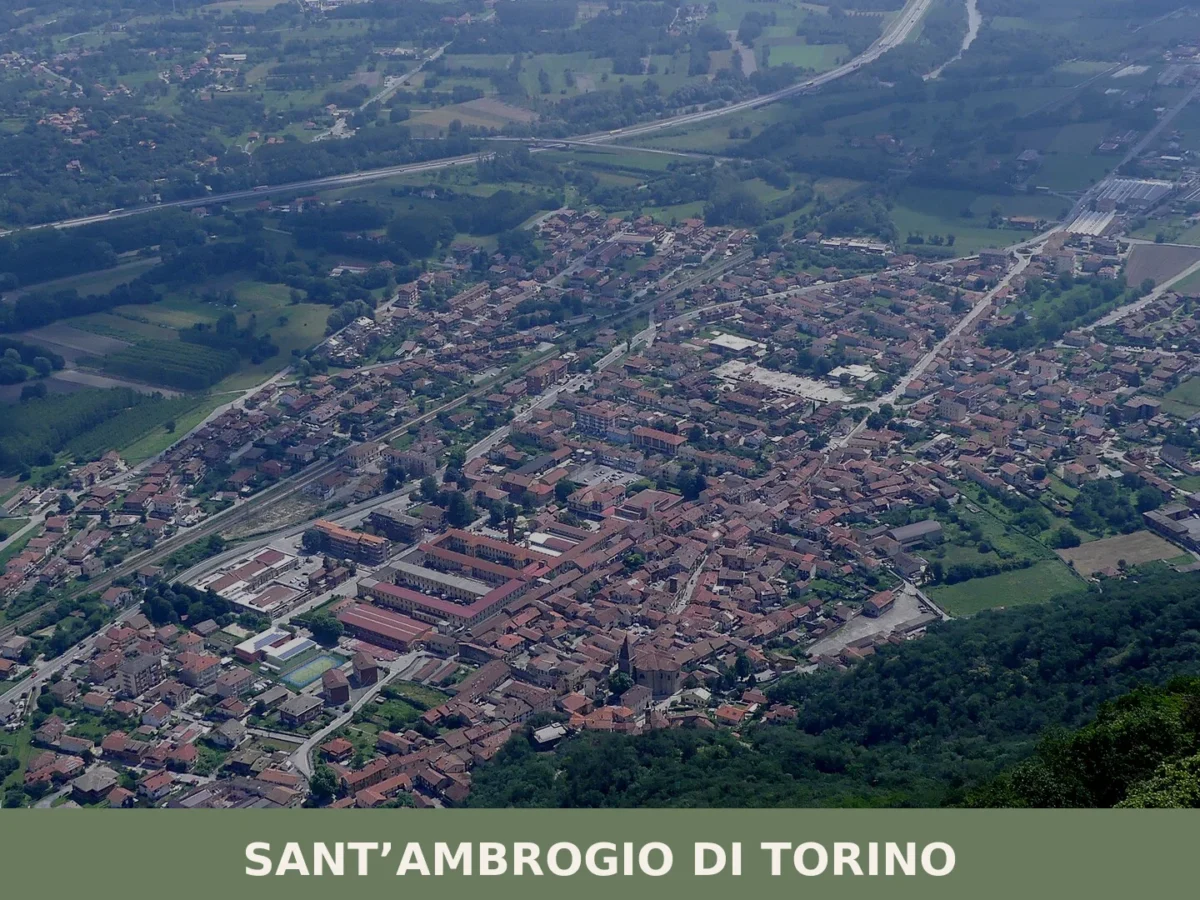
A village of 4,518 inhabitants at the threshold of the Turin foothills. Sant'Ambrogio di Torino stands on two major pilgrimage routes: the Via Francigena and the Cammino di San Michele.

Borgone Susa
Mountain
Borgone Susa offers 5 remarkable attractions including a 14th-century fortified tower and a mysterious Roman rock carving. A compact Val di Susa gem worth exploring.
Cascinette d’Ivrea
Hills
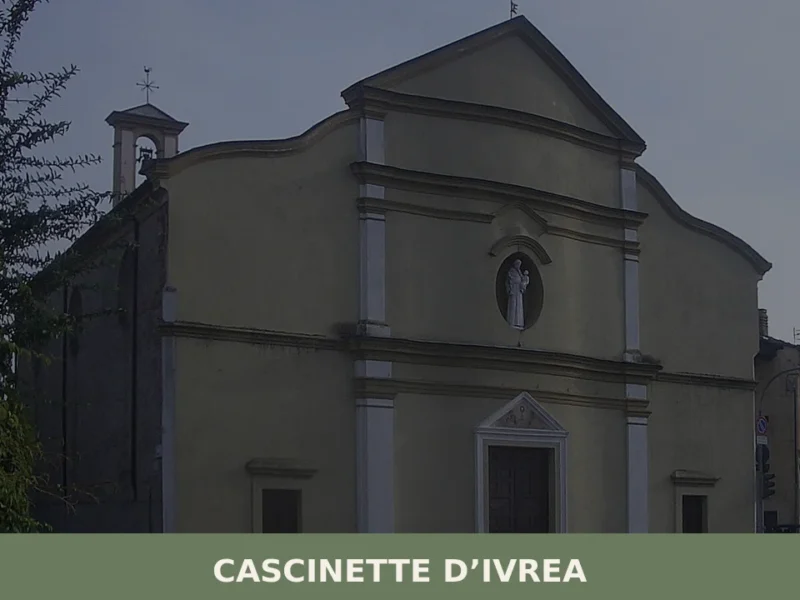
Scopri Cascinette d'Ivrea, un incantevole borgo piemontese ricco di storia e paesaggi mozzafiato. Tutto quello che devi sapere su questo gioiello d'Italia.
Rueglio
Mountain
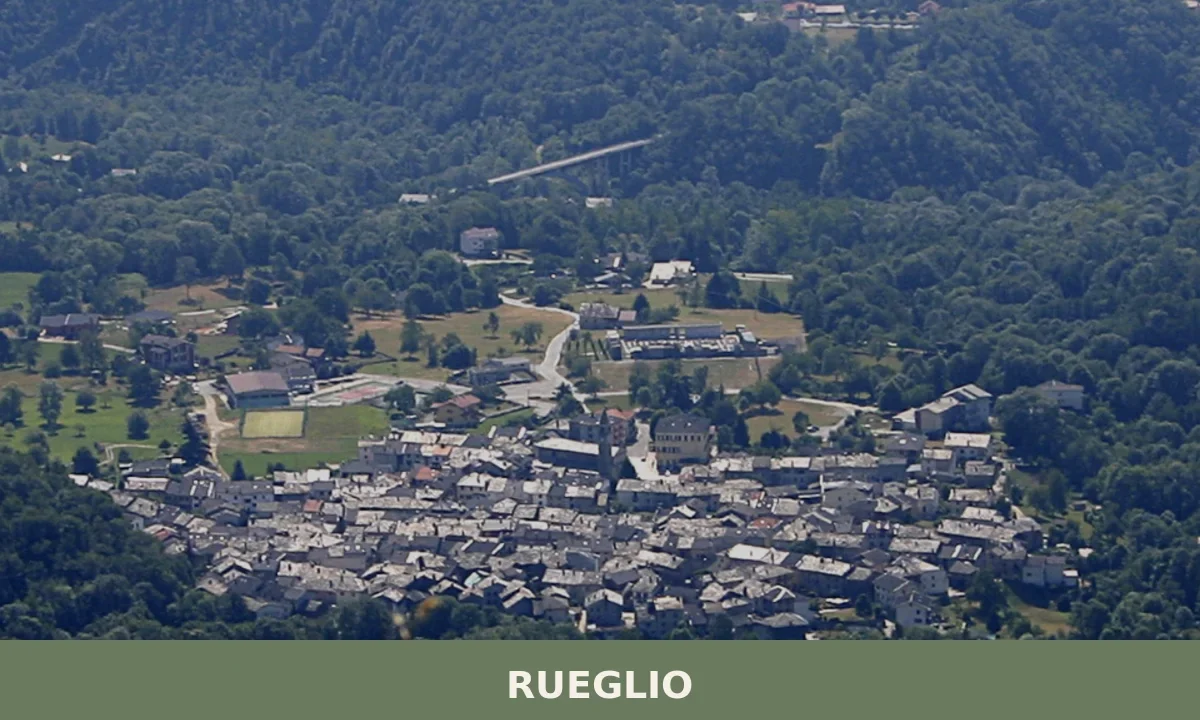
788 residents call this Val Chiusella comune home. Discover Rueglio's alpine setting, local traditions and connection to Piedmont's mountain culture.
Scarmagno
Mountain
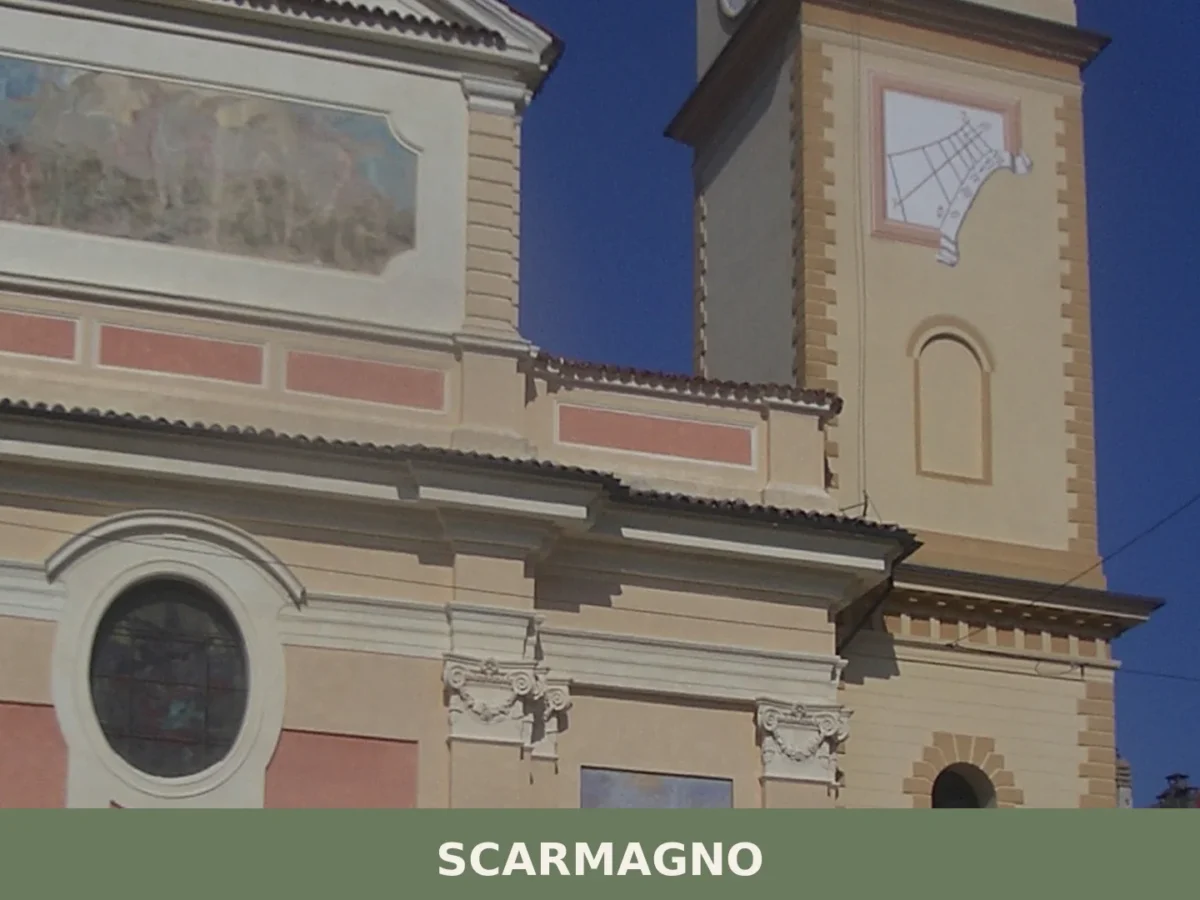
Population 796. A small Piedmontese comune where 10th-century stone chapels stand within sight of the automated Olivetti plant that once produced 200,000 computers annually.
🏡 Know Macello better than we do?
If you’re a local or have been there, your knowledge matters: add what’s missing or fix a detail on this page.