
Pereto
 Mountain
Discover Pereto’s 5 must-see attractions in Abruzzo. From Rocca Orsini to historic churches, read our guide and plan your trip!
Discover Pereto
In the heart of Abruzzo, in the province of L’Aquila, lies Pereto, a municipality whose history is deeply rooted in the medieval period.
Its name, “Pirìtu” in Marsican dialect, evokes an ancient connection with the land and its traditions.
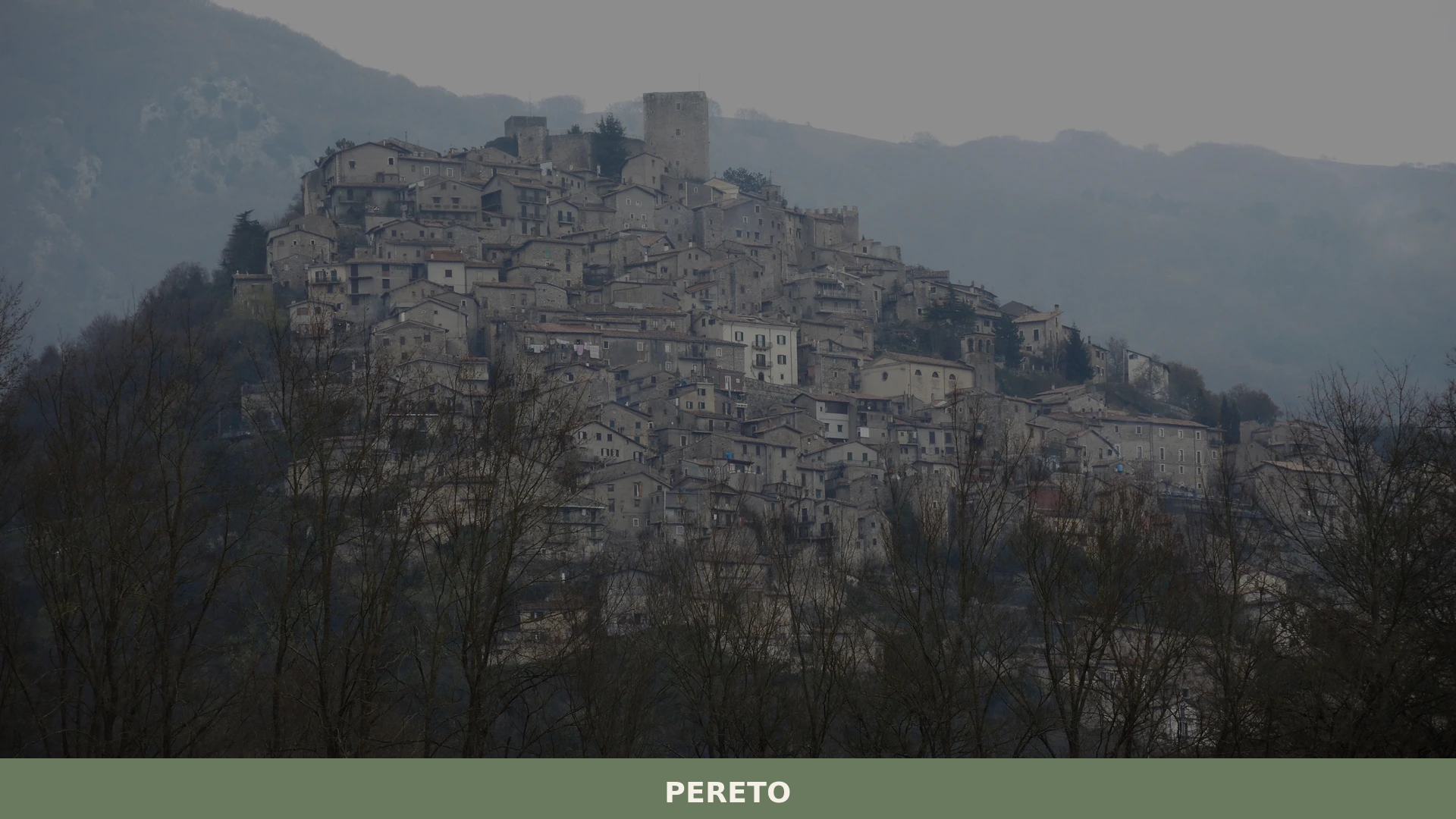
This village rises majestically, dominating the vast expanse of the Piana del Cavaliere with its fortified architecture, offering a privileged view of a landscape that stretches as far as the eye can see.
Those wondering what to see in Pereto will find a village with 717 inhabitants that preserves a significant historical heritage, represented primarily by its imposing medieval castle.
Among the main attractions, the historic center with its stone architecture and the churches that narrate centuries of faith and art also stand out.
Preparing to explore Pereto means immersing oneself in a context where the past dialogues with the natural environment, offering visitors an authentic experience rich in discoveries.
History and origins of Pereto
The history of Pereto is intrinsically linked to its strategic position, an ideal vantage point over the Piana del Cavaliere, an element that determined its development since ancient times. The first documented attestations of the village date back to the Middle Ages, a period when the need for defense and territorial control led to the construction of imposing fortifications.
The medieval castle, the focal point of the historic center, is the most evident testimony of this era, erected to protect communication routes and the borders of local domains.
Over the centuries, Pereto has seen various dominations succeed one another, each leaving its mark on the architecture and traditions of the village.
Its belonging to the province of L’Aquila places it within a vast historical-cultural context, characterized by the presence of numerous castles and fortified settlements that dot the Abruzzese territory.
The Marsican dialect, still spoken by some residents, is a further trace of a past rooted in the languages and cultures of the ancient populations of Marsica.
The evolution of Pereto, from a defensive outpost to an inhabited center, has shaped its urban fabric, with stone houses developing close to the castle walls, following the terrain’s contours. Although sources do not specify an exact year of foundation, the presence of such a significant defensive structure indicates a long and complex history of settlement.
The village has withstood seismic events and social transformations, maintaining its distinctive character and its importance as a guardian of historical memories in the region.
What to see in Pereto: main attractions
The Medieval Castle of Pereto
The severe profile of Pereto’s Medieval Castle stands out against the sky, dominating the entire landscape of the Piana del Cavaliere from an altitude that enhances its defensive function.
This imposing fortress, dating back to an imprecise era of the Middle Ages, probably between the 10th and 12th centuries, is the most recognizable symbol of the village and a central attraction for those wondering what to see in Pereto.
Its robust walls, built with local stones, tell centuries of history and military strategies, protecting the heart of the inhabited center.
The castle’s structure, typical of Abruzzese fortifications, features watchtowers and a perimeter that adapts to the conformation of the rocky ridge on which it stands.
Although its exact origins are shrouded in time, its presence is documented as the fulcrum of local feudal power. Visitors can walk the alleys leading to the summit, admiring the majesty of the construction and imagining the life that took place within its walls.
The view from its slopes embraces a panorama that stretches for tens of kilometers, offering an unforgettable scenery, especially on clear days.
The Historic Center of Pereto
Around its castle, Pereto’s Historic Center unfolds into a labyrinth of cobbled alleys and stone houses that preserve the authentic appearance of the medieval village. This inhabited nucleus, with its buildings climbing the slope, is an example of spontaneous architecture developed over centuries, where every stone seems to tell a story.
The narrow streets, sometimes interrupted by stairways, lead to small squares and unexpected glimpses, inviting an exploratory walk that reveals Pereto’s truest soul.
The dwellings, often with carved stone portals and small windows, show the signs of time, but also the attention to preserving local building traditions.
Walking through the center, one can notice architectural elements that bear witness to the different historical eras the village has passed through, from austere medieval facades to Renaissance or Baroque details. It is here that one perceives daily life, marked by slow rhythms and the quiet that only a provincial village like Pereto can offer.
Those looking for what to see in Pereto beyond its fortified walls will find in the historic center an immersive experience in the past and local culture.
The Church of San Giorgio
The Church of San Giorgio, dedicated to the patron saint of the village, represents a spiritual and artistic landmark in Pereto’s urban fabric.
Although sources do not provide a precise construction date, the presence of a church dedicated to Saint George in a medieval village is indicative of ancient origins, often linked to chivalric tradition and protection against evil. The sacred building, with its facade harmoniously integrated with the surrounding constructions of the historic center, invites contemplation and discovery of its peculiarities.
Inside, the church’s architecture reveals layers of history, with possible alterations and enlargements occurring over the centuries, reflecting stylistic changes and community needs.
Even without specific details on its frescoes or altars, the church of a village like Pereto often houses valuable local artworks, such as wooden statues or paintings illustrating episodes from the life of the patron saint or other sacred themes.
Its position in the heart of the village makes it easily accessible and a fundamental element of Pereto’s cultural identity, visitable during explorations of the center.
The Piana del Cavaliere and the surrounding landscapes
Extending at the foot of the village, the Piana del Cavaliere is a vast plateau that offers a striking contrast to the verticality of Pereto Castle.
This wide natural space, characterized by cultivated fields and woods, is a geographical element of great importance for the entire region, influencing the local climate and economy. The plain is crossed by waterways and paths, making it an ideal place for outdoor activities and for appreciating the biodiversity of Abruzzo, one of Italy’s greenest regions.
The view of the Piana del Cavaliere from the castle or the panoramic viewpoints of the village is one of the most appreciated aspects by those visiting Pereto.
Here it is possible to observe the changing seasons painting the landscape with ever-different colors, from the intense green of spring to the golden yellow of summer and the warm hues of autumn.
The paths branching off from the plain offer opportunities for excursions and walks, allowing visitors to discover hidden corners and enjoy the tranquility of Abruzzo’s nature.
The beauty of this natural setting is an additional reason for those wondering what to see in Pereto, extending the visit beyond the village walls.
The Church of the M
Our Lady of the Valley
Situated in a more secluded setting compared to the heart of the village, the Church of Our Lady of the Valley is another place of worship that enriches Pereto’s historical and artistic heritage. Its location, often in a valley or rural area, suggests a function tied to popular devotion and the protection of harvests or travelers, typical of rural churches.
Even without precise data on its foundation or detailed architectural style, the existence of a church with this dedication indicates a deep root of faith within the community.
These minor places of worship, while lacking the monumentality of the main church, are often treasure chests of local art and history, featuring small canvases, statues, or ex-votos that bear witness to the piety of the faithful throughout the centuries.
A visit to the Church of Our Lady of the Valley can offer a moment of reflection and contact with the more intimate spirituality of the area, away from the hustle and bustle.
Exploring this church means discovering a lesser-known but equally significant piece of Pereto’s history and religious traditions, helping to complete the picture of what to see in Pereto and the village’s attractions.
Typical Cuisine and Products of Pereto
Pereto’s cuisine, deeply rooted in Abruzzese culinary traditions, particularly those of the Marsica area, stands out for its authenticity and the use of simple ingredients, often sourced from local pastoral farming and agriculture.
The gastronomic history of the village is interwoven with the peasant and pastoral life of the Piana del Cavaliere and the surrounding mountains, which has shaped a repertoire of dishes rich in flavor and linked to seasonal cycles. Food preparation follows recipes handed down from generation to generation, where respect for raw ingredients is fundamental.
Among the dishes that characterize the local tradition, you often find preparations based on lamb, goat, and pork, an expression of the region’s strong pastoral culture.
The sagne a pezze, a homemade fresh pasta cut into diamond shapes and seasoned with hearty meat or legume sauces, is an example of the simplicity and taste of Abruzzese cuisine. Another traditional dish could be pecora alla cottora, a slow cooking of mutton in a cauldron, which enhances the intense and wild flavors of the mountains.
Cheeses are also abundant, often made from sheep’s and goat’s milk, produced with fresh milk from local farms.
Regarding typical certified products, available sources do not indicate any DOP, IGP, PAT, DOC, or DOCG products specifically associated with the Pereto area.
However, the richness of the Abruzzese territory offers a variety of high-quality agricultural and artisanal products. Hard or semi-hard cheeses, cured meats, and extra virgin olive oil are recurring elements in the region’s gastronomy and can also be found in areas neighboring Pereto, such as in Guilmi, where the tradition of pork butchery is particularly strong.
The autumn and winter seasons are particularly favorable for savoring the most intense flavors of Pereto’s cuisine, when legume soups, mushroom-based dishes, and game are more prevalent.
Although no specific food festivals are indicated for Pereto itself, it is common to find events and local markets in Abruzzo dedicated to local produce, where visitors can buy directly from artisanal producers.
These markets offer the opportunity to discover cheeses, cured meats, homemade bread, and typical sweets, contributing to a complete gastronomic experience of the area.
Festivals, Events, and Traditions of Pereto
Pereto’s traditions are deeply rooted in the religious life and rural culture of the village, although sources do not provide an exhaustive list of specific events.
The patron saint’s feast day, dedicated to Saint George, is traditionally celebrated on April 23rd, a day when the community gathers to honor its protector. During this day, religious celebrations commonly take place, often culminating in a procession that winds through the streets of the historic center, accompanied by music and the participation of the faithful.
In addition to religious observances, life in Pereto is marked by traditions that reflect its connection to the land and seasonality.
Even in the absence of documented gastronomic festivals for the village itself, the Abruzzo region is rich in events celebrating typical products, especially during the summer and autumn months.
These festive occasions are an opportunity for the community to come together, share its cultural heritage, and present it to visitors, as happens in other villages in the province of L’Aquila, including Castel del Monte, known for its historical reenactments and food festivals.
When to visit Pereto and how to get there
The best time to visit Pereto extends from spring to early autumn, particularly from May to September, when the mild climate and longer days allow for ideal conditions to explore the village and its surroundings.
Spring offers the blooming of the Piana del Cavaliere and pleasant temperatures for walks, while summer, although warmer, is the perfect time to enjoy cool evenings and any local events. Autumn, with its warm colors and the opportunity to savor seasonal products, is equally charming.
Those seeking tranquility and pristine landscapes will find these months the ideal environment for a relaxing visit.
To reach Pereto, a car is the most recommended means, offering maximum flexibility to explore the village and the surrounding region.
Pereto is easily accessible via the A24 motorway (Rome-Teramo), exiting at the Carsoli-Oricola tollbooth, from which the village is about 10-15 kilometers away. Those coming from Rome will take about an hour and a quarter to arrive.
For those who prefer the train, the nearest railway station is Carsoli, on the Rome-Pescara line, from which it is then necessary to take a local bus or a taxi. The most convenient airport is Pescara Abruzzo International Airport (www.abruzzoairport.com), located about 100 kilometers away, with a driving time of about an hour and a quarter.
It is always advisable to check public transport schedules and road conditions before departure.
| Starting Point | Distance | Estimated Time |
|---|---|---|
| Rome | 80 km | 1 h 15 min |
| L’Aquila | 70 km | 1 h 00 min |
| Pescara (Airport) | 100 km | 1 h 15 min |
Where to stay in Pereto
Available sources do not provide specific information on accommodation facilities such as hotels, agriturismi, or B&Bs directly within the village of Pereto. However, its location in the Piana del Cavaliere and proximity to other populated centers offer various options for overnight stays in the immediate vicinity.
Visitors can find accommodation solutions in agriturismi in the surrounding countryside or in small hotels and guesthouses in neighboring towns, which often offer authentic hospitality and the opportunity to savor local cuisine.
Many of the structures in the area blend with the rural landscape, offering a peaceful stay experience in contact with Abruzzo’s nature.
For those seeking a complete immersion in the territory, considering the option of staying in a nearby village such as Roio del Sangro or Torrebruna, also in the heart of Abruzzo, could expand exploration possibilities and offer further inspiration to discover the region’s beauties. It is advisable to consult local tourist portals for availability and bookings.
Photo Gallery of Pereto
Do you have photos of Pereto?
Share your photos of the village: the best ones will be added to the official gallery, with your credit.
Send your photosFrequently asked questions about Pereto
What is the best time to visit Pereto?
The best time to visit Pereto is during spring (April-June) and early autumn (September-October). Spring offers mild temperatures ideal for exploring the historic center and the Piana del Cavaliere, with the added charm of the Festa Patronale di San Giorgio on April 23rd. Autumn provides a spectacular display of colors across the surrounding landscapes, perfect for walks and photography. Summer months (July-August) are also pleasant due to the village's 800m altitude, offering a refreshing escape from the heat of lower areas, making it suitable for outdoor activities.
What are the historical origins of Pereto?
Pereto's history is deeply rooted in the medieval period, with its first documented attestations dating back to this era. Its strategic position overlooking the Piana del Cavaliere made it an ideal vantage point, leading to the construction of imposing fortifications. The magnificent medieval castle, erected likely between the 10th and 12th centuries, stands as the primary testament to this defensive past. Over centuries, various dominations left their mark, shaping the village's architecture and traditions. The Marsican dialect, still spoken, reflects the ancient cultural heritage of the area.
What to see in Pereto? Main monuments and landmarks
The main attraction in Pereto is its imposing Medieval Castle, which majestically dominates the Piana del Cavaliere and offers breathtaking panoramic views. Visitors can explore the charming Historic Center, a labyrinth of cobbled alleys and stone houses reflecting centuries of history. Significant religious sites include the Church of San Giorgio, dedicated to the patron saint, and the more secluded Church of Our Lady of the Valley. While specific opening hours are not provided, these sites are generally visible or accessible externally, offering an immersive journey into Pereto's past and local architecture.
What are the main natural or scenic attractions of Pereto?
Pereto offers remarkable natural and scenic attractions, primarily centered around the vast Piana del Cavaliere. This extensive plateau, rich in cultivated fields and woods, provides a striking contrast to the village's fortified architecture. From the castle and various panoramic viewpoints within the village, visitors can enjoy expansive views stretching for tens of kilometers. The plain itself is ideal for outdoor activities, with paths available for excursions and tranquil walks amidst Abruzzo's biodiversity, allowing appreciation of the changing seasonal colors.
Where to take the best photos in Pereto?
For the best photos in Pereto, head to the Medieval Castle. Its dominant position offers unparalleled panoramic views of the Piana del Cavaliere and the surrounding mountains, especially at sunrise or sunset. The historic center, with its winding cobbled alleys, ancient stone houses, and unexpected glimpses, provides picturesque opportunities for capturing the village's authentic medieval charm. Additionally, taking photos *of* Pereto from the Piana del Cavaliere below showcases the village's majestic fortified silhouette against the natural landscape.
Are there museums, churches or historic buildings to visit in Pereto?
Yes, Pereto boasts several significant historic buildings and churches. The most prominent is the Medieval Castle, a formidable fortress that defines the village's skyline. The historic center itself is an open-air museum of stone architecture. For religious heritage, visitors can explore the Church of San Giorgio, dedicated to the patron saint, and the more secluded Church of Our Lady of the Valley. While specific museum institutions are not mentioned, these sites offer a rich immersion into the village's centuries-old history and artistic traditions.
What can you do in Pereto? Activities and experiences
In Pereto, visitors can immerse themselves in history by exploring the Medieval Castle and wandering through the authentic cobbled alleys of the Historic Center. Nature lovers can enjoy outdoor activities such as excursions and walks along the paths that branch off into the Piana del Cavaliere, appreciating the tranquil Abruzzese landscapes. The village also offers a genuine gastronomic experience, allowing visitors to savor traditional Marsican cuisine, deeply rooted in local pastoral and agricultural products like lamb, pork, and homemade pasta dishes such as u0022sagne a pezze.u0022
Who is Pereto suitable for? Families, couples, hikers, solo travelers?
Pereto is ideal for history enthusiasts, nature lovers, and anyone seeking an authentic, tranquil Italian village experience. Its medieval castle and historic center appeal to those interested in cultural heritage. Hikers and outdoor enthusiasts will appreciate the opportunities for walks and excursions in the surrounding Piana del Cavaliere and mountains. It's also perfect for couples looking for a romantic escape, families seeking a peaceful cultural and natural discovery, and solo travelers desiring quiet reflection amidst stunning scenery.
What to eat in Pereto? Local products and specialties
Pereto's cuisine reflects the robust culinary traditions of Abruzzo and the Marsica area, focusing on authentic, simple ingredients from local pastoral farming and agriculture. Specialties often include hearty dishes based on lamb, goat, and pork, showcasing the region's strong pastoral culture. A notable local pasta dish is u0022sagne a pezze,u0022 homemade fresh pasta cut into diamond shapes, typically served with rich meat or legume sauces. These preparations offer a true taste of the village's gastronomic history and connection to its land.
Nearby Villages near Pereto
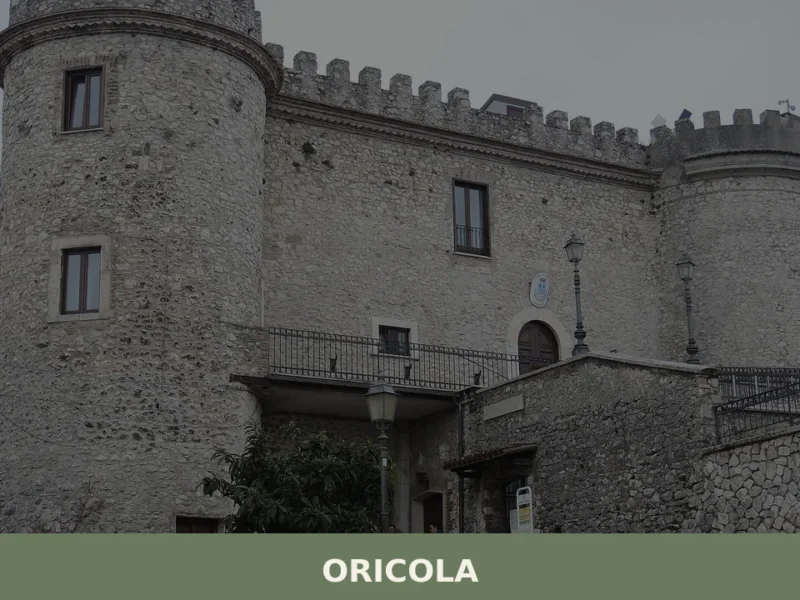
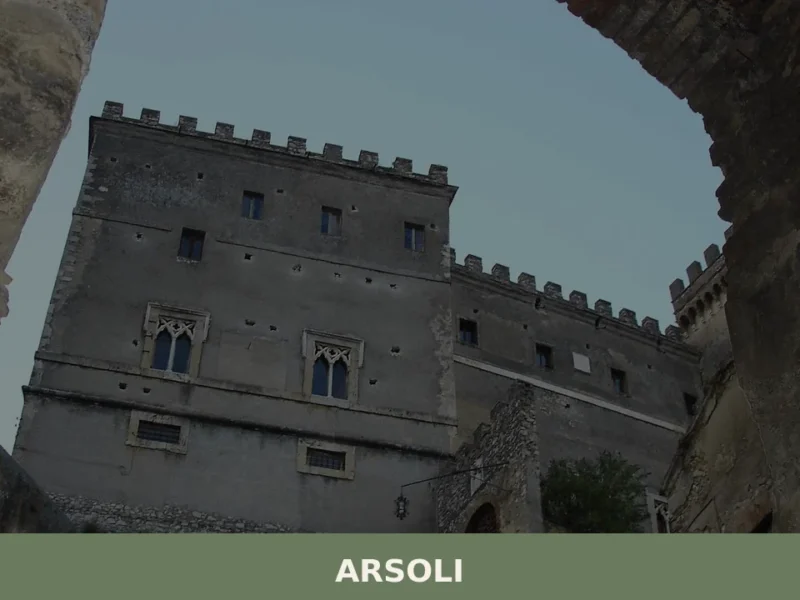
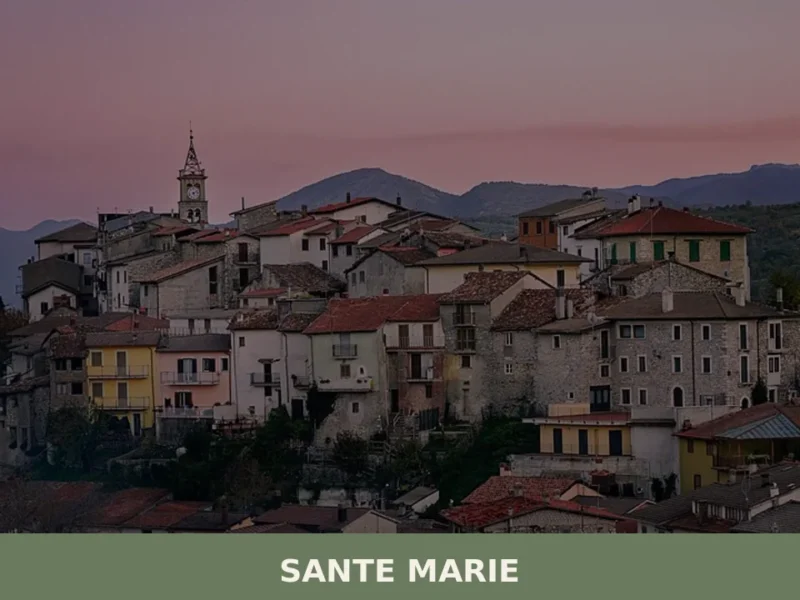
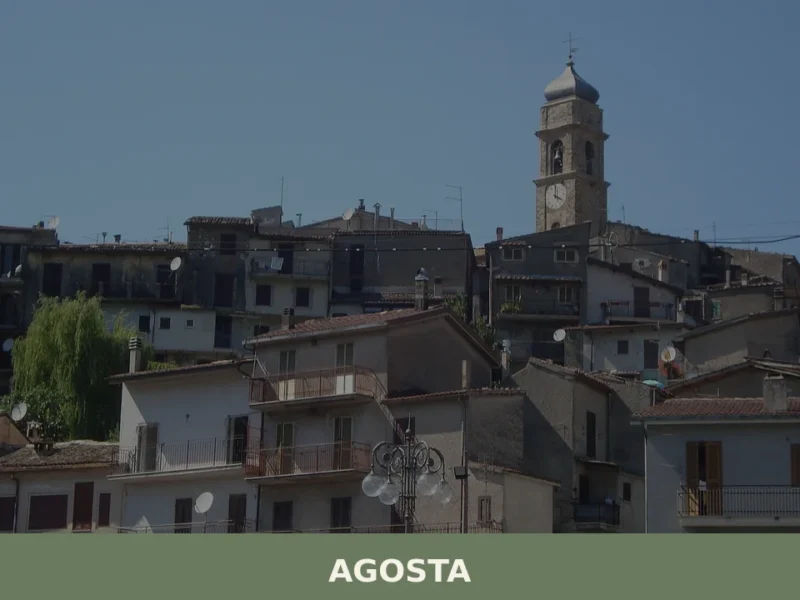
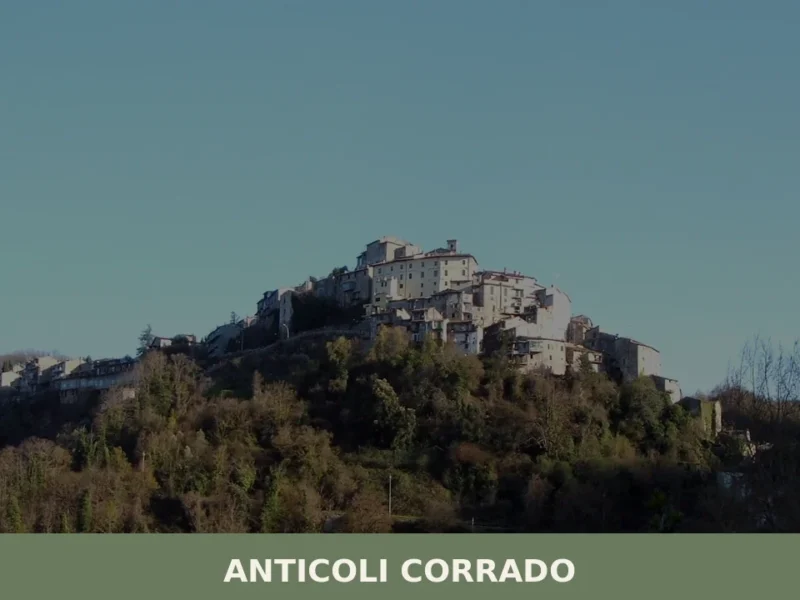
In Abruzzo More villages to discover
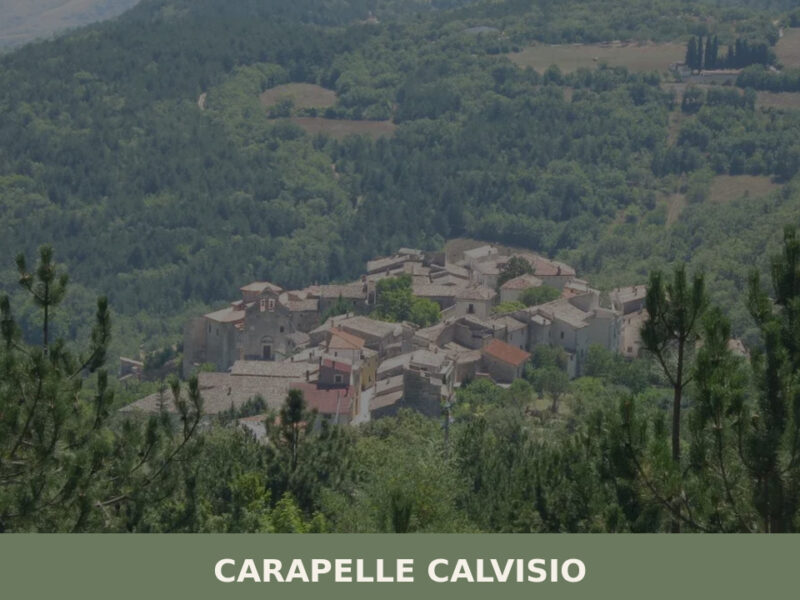
Carapelle Calvisio
Mountain
What to see in Carapelle Calvisio, Italy? Explore this village at 910 m (2,986 ft) altitude, visit Rocca Calascio, and discover its unique population status. Read our guide!
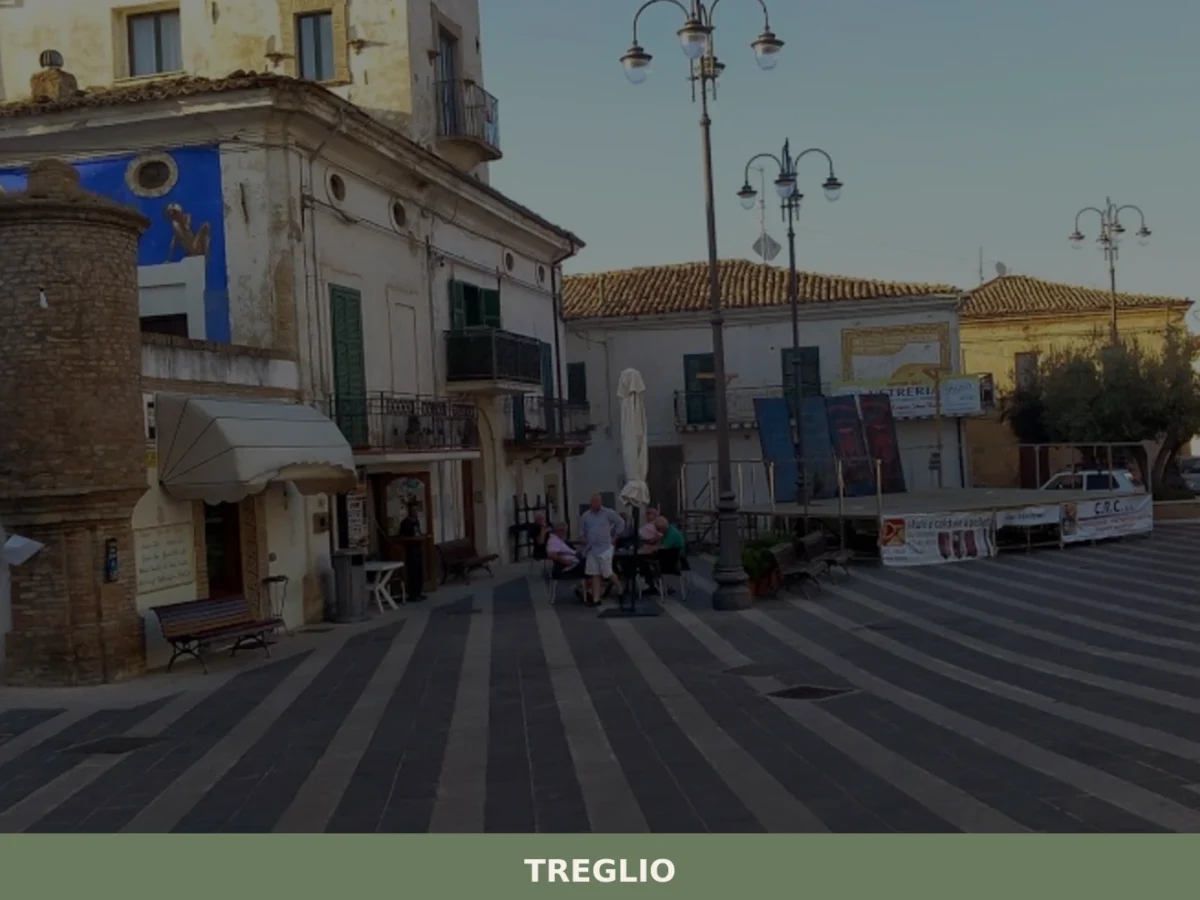
Treglio
 Plains
What to see in Treglio? Explore the 5 main attractions of this village in Abruzzo. Discover the complete guide for your visit!
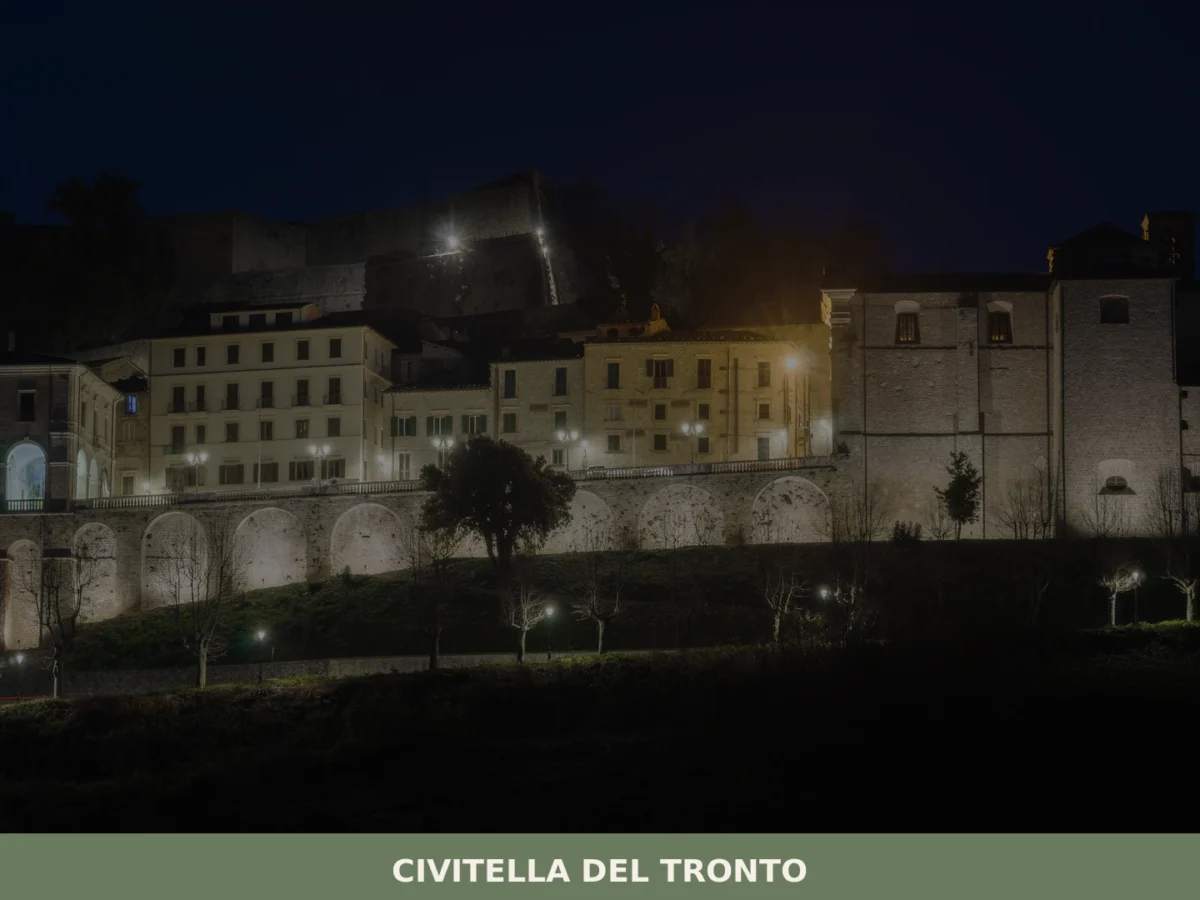
Civitella del Tronto
 Hills
Hills
what to see in civitella del tronto, Italy: Discover the historic Fortress and the 1326 San Francesco church in this Abruzzo village at 589 meters altitude. Explore now.
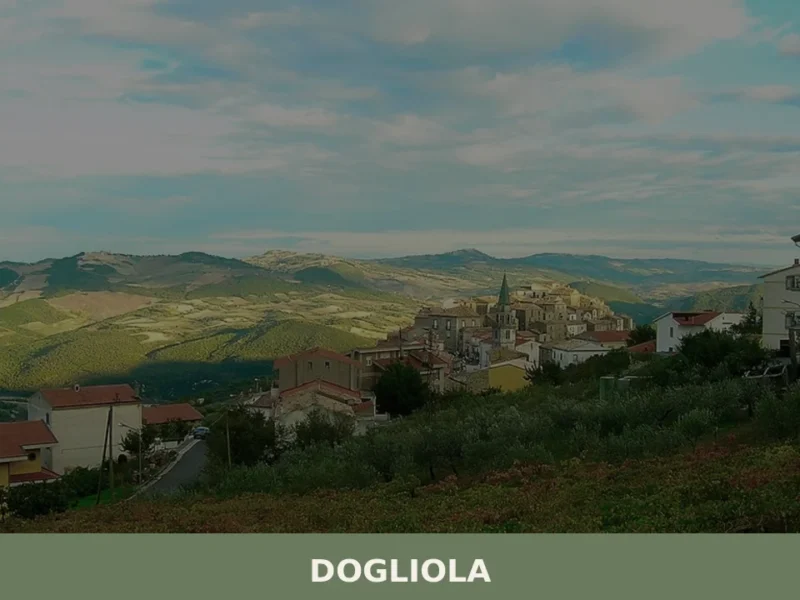
Dogliola
Hills
what to see in dogliola, Italy: Discover the 445 m elevation, 311 residents, and San Rocco festival. Explore rich history and stunning landmarks.
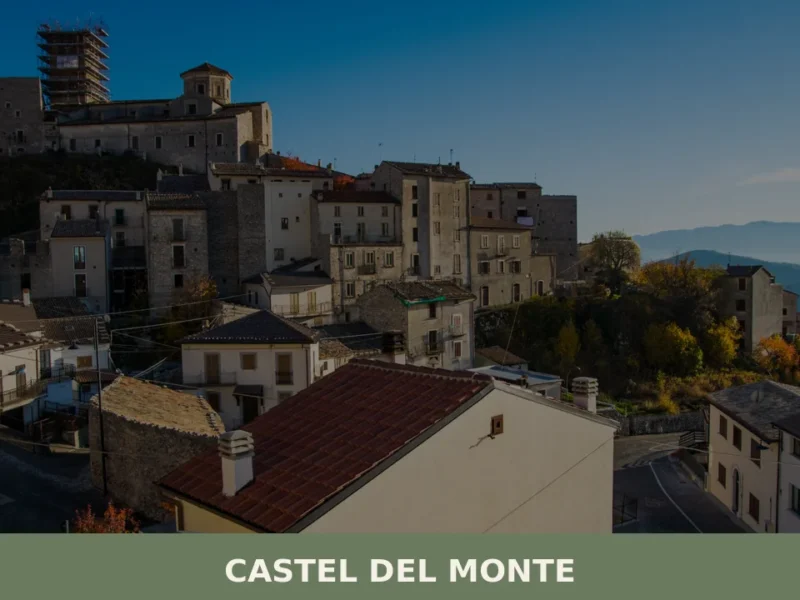
Castel del Monte
Mountain
what to see in Castel del Monte? Discover this Abruzzo village at 1346m altitude. Explore historic churches, medieval walls, and taste traditional canestrato cheese in Italy.
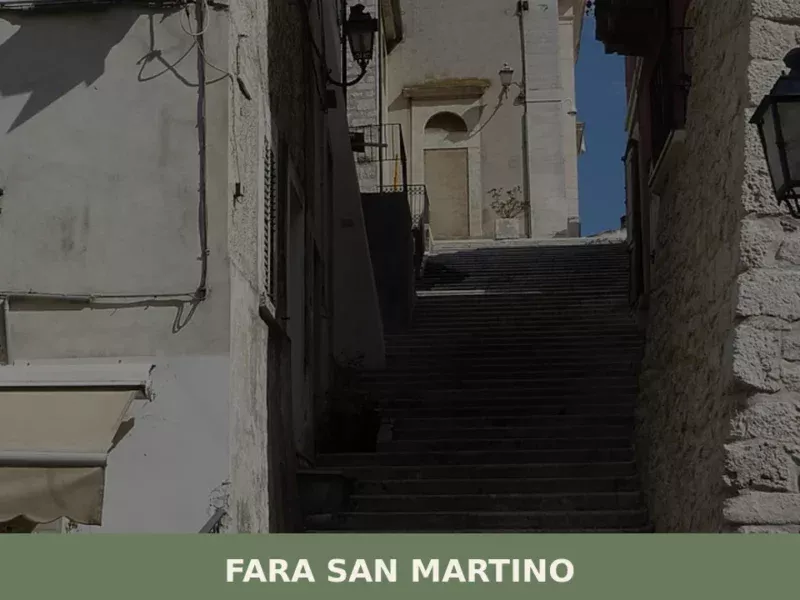
Fara San Martino
Hills
what to see in fara san martino, Italy. Explore its 440m altitude, the Abbey of San Martino in Valle, and its renowned pasta heritage. Discover Abruzzo now!
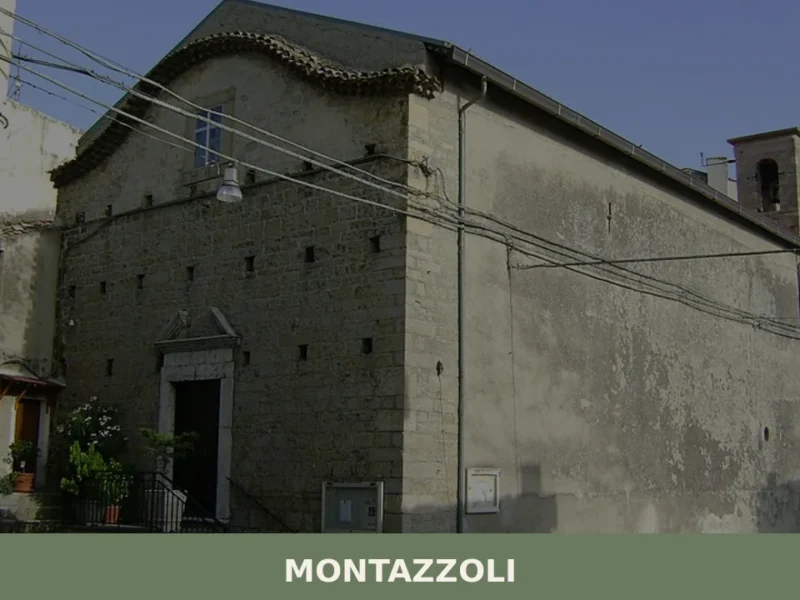
Montazzoli
Mountain
From the heights of the Chieti area, at 850 meters above sea level, the panorama of Montazzoli unfolds, an Abruzzese village with 836 inhabitants in the province of Chieti. Its stone houses cluster around an ancient fortress, bearing witness to centuries of history and mountain life. In this article History and origins of Montazzoli What […]


📝 Incorrect information or updates?
Help us keep the Pereto page accurate and up to date.