


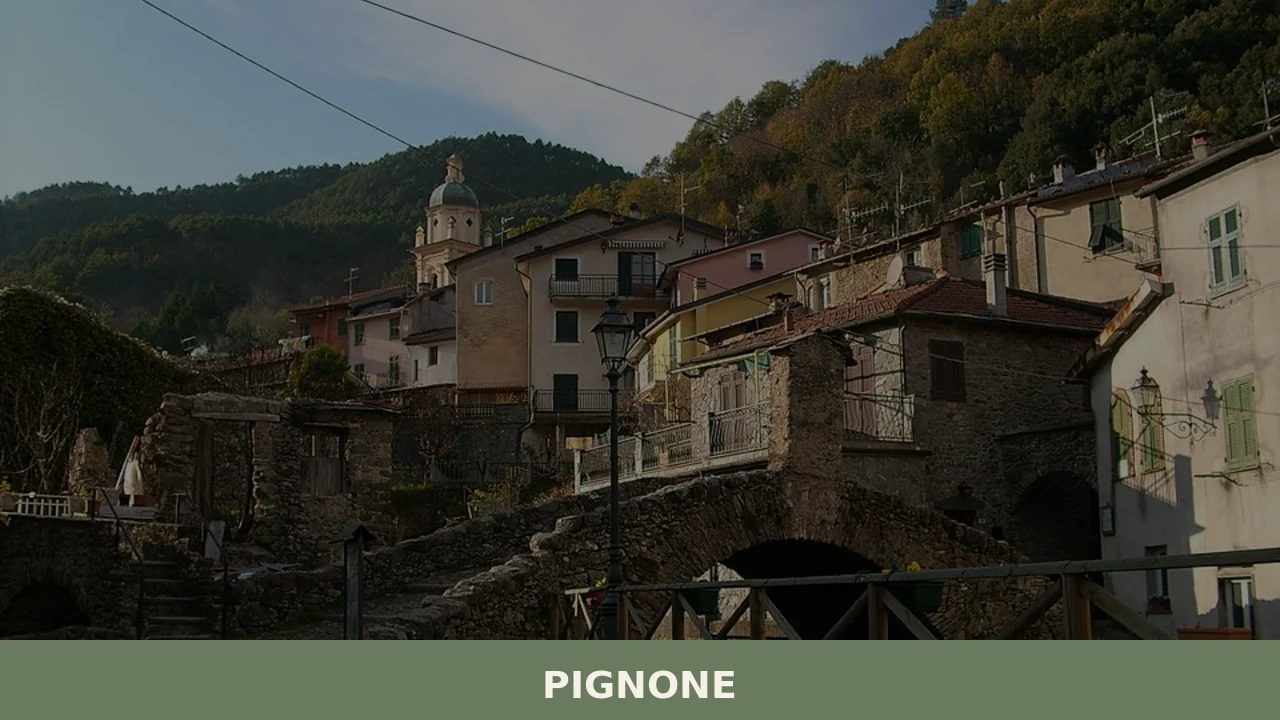

Pignone is a small hill village in the La Spezia province of Liguria, tucked into the valley of the Pignone torrent just inland from the Cinque Terre coast.
Discover Pignone
Pignone village in Liguria: a hill village at the edge of the Cinque Terre hinterland
The road climbs away from the coast and the tourist crowds, and within a few kilometres the sea disappears behind a ridge. What opens up instead is a quiet inland valley, the kind where vegetable plots press close to stone walls and the air smells of woodsmoke and damp grass rather than salt. Pignone sits at around 189 metres above sea level in the valley of the Pignone torrent, a tributary of the Vara river, and its roughly 525 residents go about a life that has little to do with the Riviera just over the hill. That contrast — the cosmopolitan coast so near, the unhurried interior so different — is the first thing a visitor notices, and the most compelling reason to come.
The village belongs administratively to the province of La Spezia, and it borders, to the south, the territory of Vernazza, one of the Cinque Terre villages. To the west lie Levanto and Monterosso al Mare. Geographically, then, Pignone is at a crossroads between two worlds: the celebrated coastal strip and the wider Val di Vara interior, a landscape of chestnut woods, terraced fields and small farming hamlets spread across 16.21 square kilometres.
A layered history, still visible in the stone
The hill facing the village, known as the Castellaro, bears traces of settlement going back to the Bronze and Iron Ages, when Ligurian tribes occupied these valleys. The name itself — castellaro, meaning a hilltop fortified site — points to a long habit of watching and defending this particular bend in the valley. The finds from that site are displayed at the civic archaeological museum in La Spezia, not in the village itself, but the hill remains visible from the main square, a concrete reminder of how long people have chosen to live here.
Documentary evidence of the medieval village appears around the turn of the first millennium, anchored by the local parish church of Santa Maria Assunta. A papal bull of 1149, issued by Pope Eugenius III, describes the settlement in some detail. The village later passed through the hands of the Malaspina family, then the bishop-counts of Luni, and from 1252 into the orbit of the Fieschi, the powerful Genoese counts of Lavagna, who rebuilt the parish church and improved the road connections toward Levanto and Sarzana. After the Fieschi were defeated by Genoa, the village came under the Republic of Genoa, which made it the seat of a local magistracy within the Captaincy of Levanto.
Walking through the historic centre today, you can still read those centuries in the fabric of the place. During the sixteenth century, new noble residences were built and three controlled gateways were added to the old medieval layout, giving the village a more structured, defensive character. The seventeenth-century loggia comunale — the covered civic arcade at the centre of the village — was rebuilt at that time on a slightly different site from its fourteenth-century predecessor, which had itself been the place where the inhabitants swore allegiance to Francesco Sforza, Duke of Milan, in 1465.
In October 2011, a severe flood struck the Val di Vara and much of the eastern Ligurian hinterland. In Pignone, the torrent rose with extraordinary force and swept away the old stone bridge — the Ponte Vecchio — that had stood at the centre of the historic quarter since the sixteenth century, built on medieval foundations. It had a single hump-backed arch and an image of the Madonna and Child set into a roadside shrine at its midpoint. Its loss changed the face of the village centre in a way that locals have not forgotten.
What to see in the village
The chiesa parrocchiale di Santa Maria Assunta (parish church of Santa Maria Assunta) is the pivot around which the rest of the village organises itself. The current building was constructed in 1339 over an earlier pre-Romanesque church dating to around the year 1000, and it was substantially reworked during the eighteenth century. Inside, frescoes and paintings from the seventeenth and eighteenth centuries cover the walls — a compact accumulation of devotional art spanning several centuries of local religious life.
On the same square, directly facing the church, stands the Oratorio Mortis et Orationis (Oratory of Death and Prayer), a small confraternity chapel first built in the fifteenth century and modified in 1894. It shares the churchyard with the parish church, the two buildings facing each other across a space that also functions as the social and ceremonial centre of the village.
The seventeenth-century loggia comunale, already mentioned in the context of the village’s civic history, is worth pausing at for its own sake — a simple vaulted arcade that has served as market, meeting place and point of passage for several hundred years. In the hamlets belonging to the municipality, other small churches add further stops for anyone exploring beyond the main village: the Santuario della Madonna del Buon Consiglio (Sanctuary of Our Lady of Good Counsel) in its own locality, the church of San Martino Vescovo in the hamlet of Casale, the oratory of Nostra Signora della Neve also in Casale, and the eighteenth-century Oratorio di San Sebastiano in the hamlet of Villa, which preserves a marble bas-relief of the Holy Spirit in the form of a dove, together with a painted votive tablet depicting the Madonna del Carmine and Saint Sebastian.
The Mulino Calzetta (Calzetta mill), a former working mill now converted into an excursion refuge within the Parco naturale regionale di Montemarcello-Magra-Vara since 2003, is a practical base for walkers and gives a tangible sense of how the valley’s water and terrain were once put to work.
Nature and the surrounding park
The entire municipal territory of Pignone falls within the Parco naturale regionale di Montemarcello-Magra-Vara, a regional nature reserve that protects the valleys and slopes running from the Ligurian Apennines down toward the coast. For a village of this size, the implication is significant: the countryside around Pignone is managed landscape, with marked paths, protected woodland and a degree of ecological continuity that the valleys closer to the coast have largely lost.
Along the road toward the hamlet of Casale, karst caves have formed in the hillside. Their internal passages reach around twenty metres in depth, with formations complex enough to make them among the more interesting cave systems in the La Spezia area. Bat colonies and specimens of the cave salamander Speleomantes ambrosii have been recorded inside — worth knowing if natural history is part of your interest, though the caves are not a developed tourist site.
Local food and the farming tradition
Pignone’s food culture is rooted in the farming life of the valley rather than in the seafood and focaccia of the coast. The products most closely associated with the village are the patata di Pignone (Pignone potato), the local onion, a variety of plum known as balle d’ase in the local dialect, and several local bean varieties — the cenerino, the lupinaro and the dell’aquila. Dishes built around these ingredients define the village table: sausage and bean stews, potato cake, and polenta with cabbage are the kitchen staples. Olive oil, wine and cheese are the main products of the local agricultural economy.
The wider La Spezia area contributes its own food geography to the picture. Salted anchovies from the Ligurian Sea carry IGP status across the province, and the olive oil of the Riviera Ligure holds DOP certification. The DOC wines of the Cinque Terre and Colline di Levanto appellations are produced in the coastal and hillside vineyards just beyond Pignone’s boundaries — close enough that a visit to the village sits naturally alongside wine touring in the area.
The patronal feast of the Assumption
The village’s principal celebration is the feast of Maria SS. Assunta on 15 August, tied directly to the dedication of the parish church and to the broader summer calendar of Ligurian inland villages. The date coincides with the Italian national holiday of Ferragosto, so the village fills with returning residents and visitors from the surrounding area.
Getting to Pignone
By road, Pignone is reached via provincial road SP38, which connects the village eastward toward Trezzo in the municipality of Beverino, and westward toward the Monterosso al Mare hinterland. Provincial road SP34 serves the hamlets of Casale, Villa and Faggiona. The nearest motorway access is on the A12 Genova–Livorno autostrada, with exits at either Carrodano-Levanto or Brugnato depending on the direction of travel. By public transport, ATC operates a daily bus service from La Spezia to Pignone and the surrounding hamlets.
Frequently asked questions about Pignone
What is the best time to visit Pignone?
August is ideal, especially around the 15th, when the Feast of the Assumption (patronal festival of Maria SS. Assunta) takes place. The summer season offers warm, dry weather and fewer crowds than the coastal Cinque Terre. Spring and early autumn also provide pleasant conditions for exploring the village and surrounding Val di Vara valley without peak summer heat.
How do I reach Pignone from the coast?
Pignone lies inland from Vernazza, one of the Cinque Terre villages. The nearest major train station is La Spezia Centrale. From there, local buses or car rental provide access to Pignone, approximately 20 kilometres away. The village is also accessible from Levanto and Monterosso al Mare to the west via mountain roads through the Val di Vara interior.
How long should I plan to spend in Pignone?
A half-day visit suffices to explore the village itself and experience its quiet hillside character. However, plan a full day or more if you wish to hike surrounding trails through chestnut woods and terraced fields, or visit neighbouring Val di Vara hamlets. The village serves well as a base for discovering the contrast between the quiet interior and the celebrated coastal region nearby.
What makes Pignone different from the Cinque Terre villages?
While Cinque Terre attracts international tourism crowds, Pignone (population 525) remains an unhurried inland village at 182 metres elevation, where local life centres on traditional farming, vegetable plots, and woodsmoke rather than seaside activity. It offers authentic Ligurian hill village culture and a genuine escape from coastal tourist infrastructure, just kilometres from the famous coast.
What agricultural traditions are practised around Pignone?
The Val di Vara landscape surrounding Pignone is characterised by traditional chestnut woods, terraced fields, and small farming hamlets spread across 16.21 square kilometres. Local residents maintain vegetable cultivation and traditional agriculture as central to village life, preserving centuries-old Ligurian farming heritage in this interior valley region.
📷 Photo Gallery — Pignone
Nearby Villages near Pignone
In Liguria More villages to discover
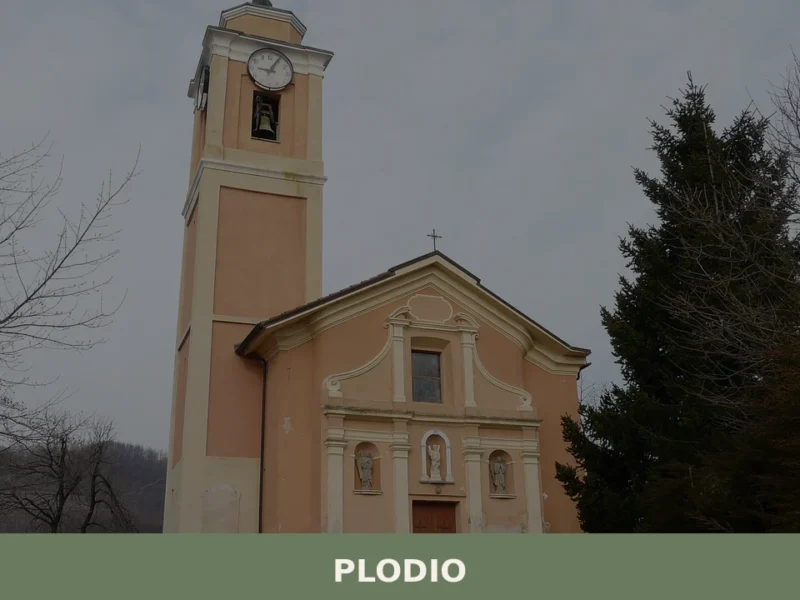
Plodio
 Mountain
Plodio is a small commune on the Cadibona ridge in Liguria's Savona province, where the land falls away towards two branches of the Bormida river and a quiet agricultural landscape unfolds along the s
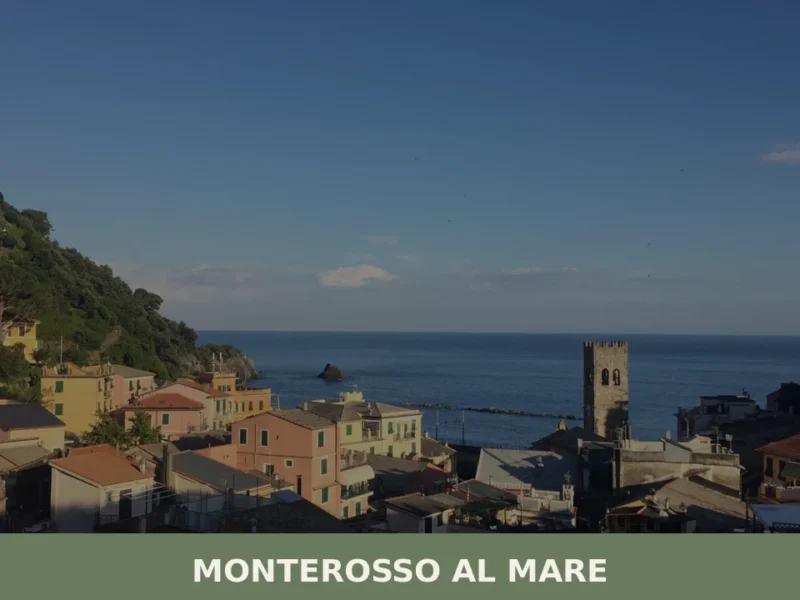
Monterosso al Mare
 Sea
Sea
What to see in Monterosso al Mare, Italy: explore a 14-metre Neptune statue, a church built in 1282, and Cinque Terre's only sand beach. Discover the complete guide.
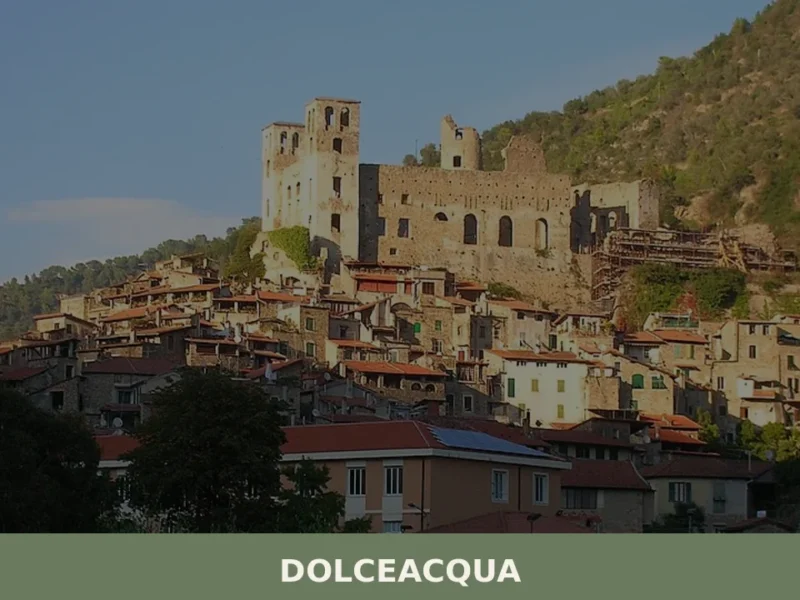
Dolceacqua
 Plains
What to see in Dolceacqua: discover Doria Castle, the Old Bridge, and 5 main attractions of this Ligurian village. Plan your visit!
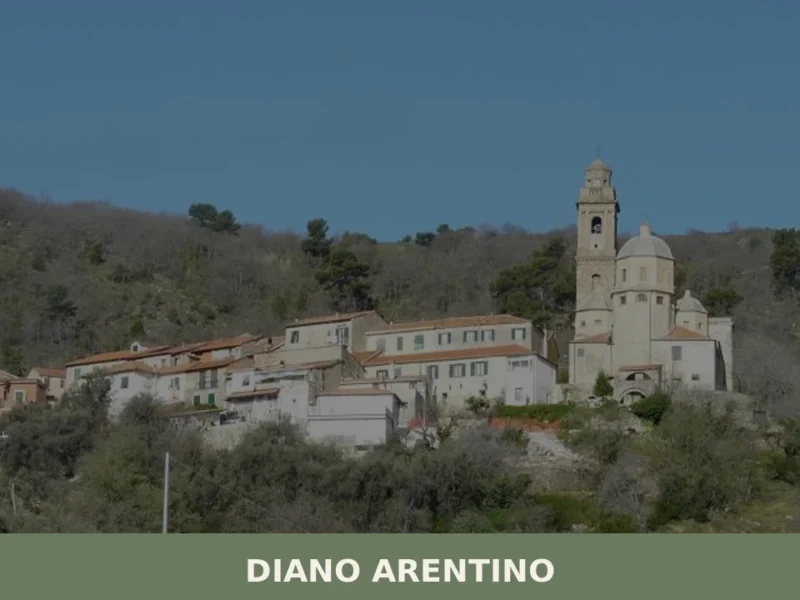
Diano Arentino
 Hills
Hills
Diano Arentino sits at 331 metres above sea level in the province of Imperia, one of several small settlements that make up the historical Comunitas Diani — a confederation of villages documented in medieval records across the olive-rich hills behind the Gulf of Diano. With a population of roughly 700, the village maintains an economy […]
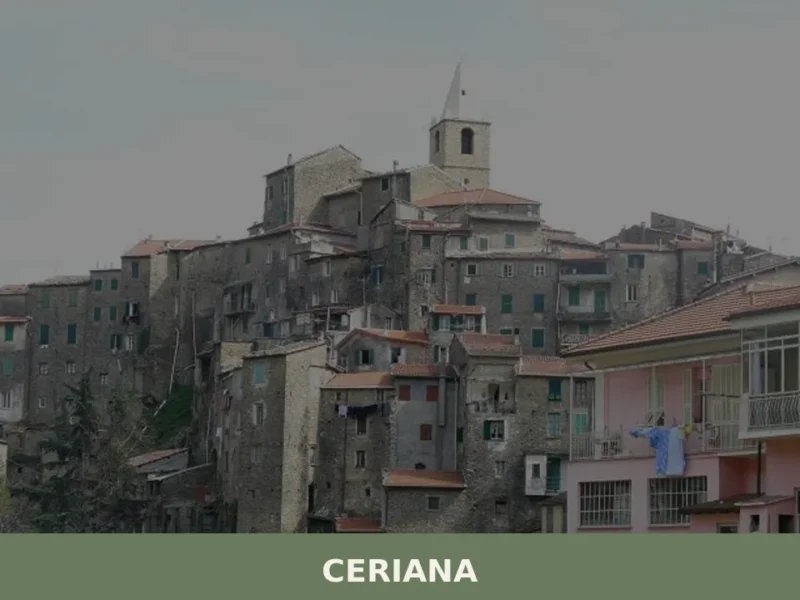
Ceriana: A Ligurian Hill Village Guide
Hills
What to see in Ceriana, Italy: Explore this Ligurian village at 369 m (1,211 ft) altitude. Discover historical sites and lively festivals. Read our guide.
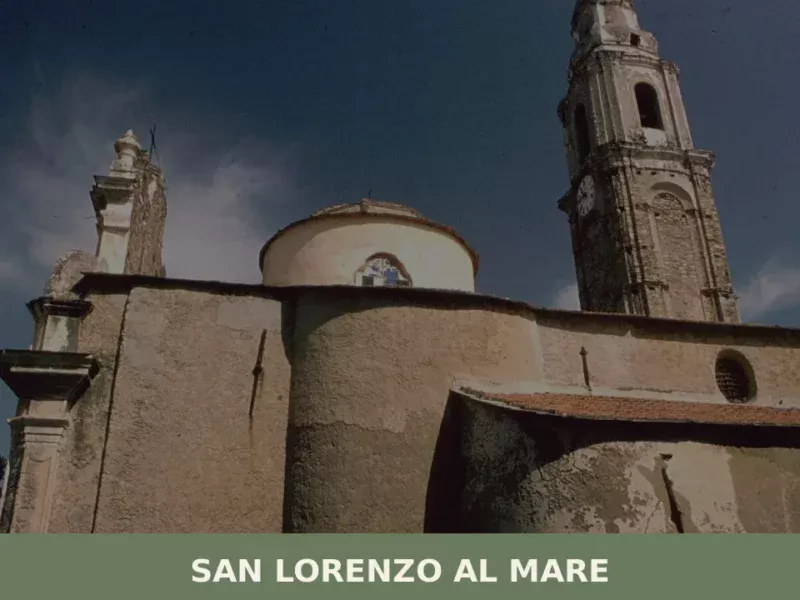
San Lorenzo al Mare
Sea
San Lorenzo al Mare is a compact coastal village in the province of Imperia, where the Ligurian sea and silver-green olive terraces meet along the Riviera di Ponente.
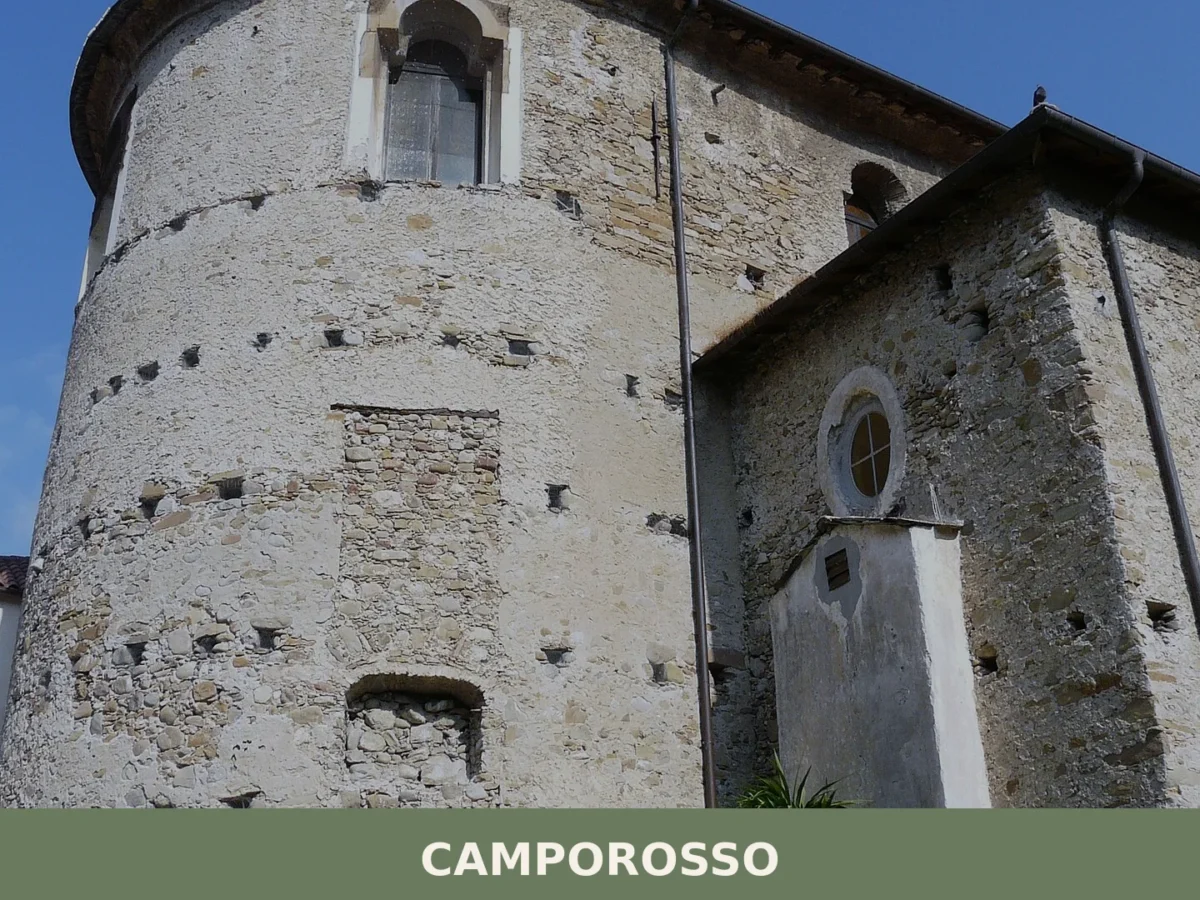
Camporosso
Sea
Camporosso is a Ligurian commune of 5,668 residents near Ventimiglia, where medieval history, three parish churches and the wines of Riviera Ligure di Ponente come together in the far western corner o
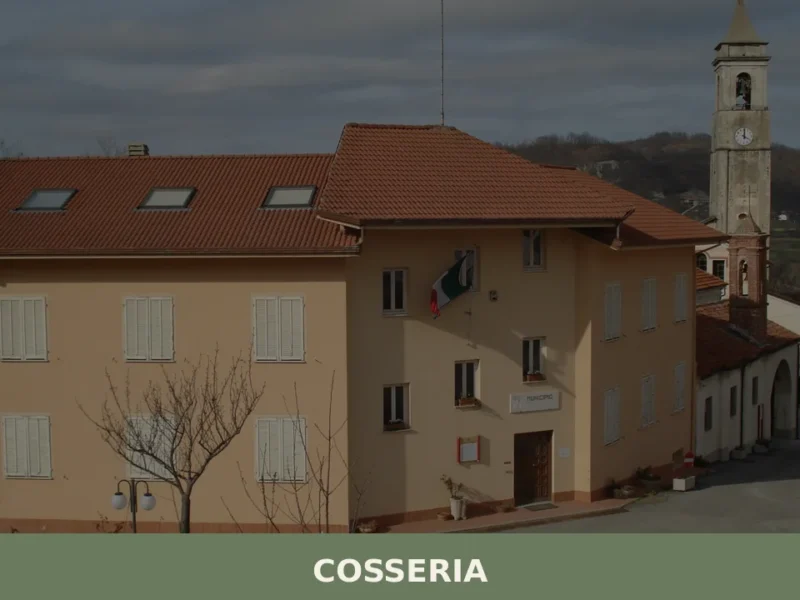
Cosseria
Mountain
Cosseria village in Liguria offers a blend of history, nature, and authentic Ligurian life in the mountainous interior of Savona.
Valbrevenna
Mountain
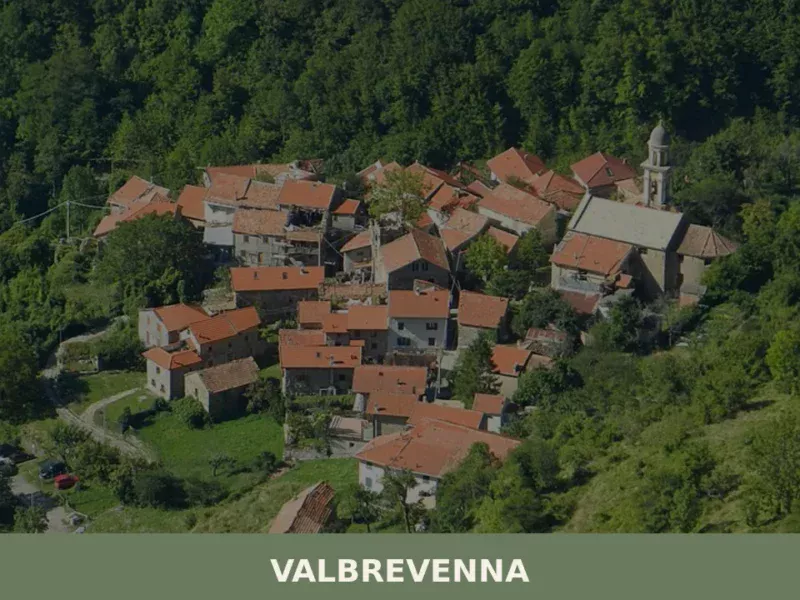
Valbrevenna is a scattered mountain municipality above Genova, where marlstone hamlets and ancient mule tracks cross a valley shaped by the torrente Brevenna.
Rocchetta Nervina
Mountain
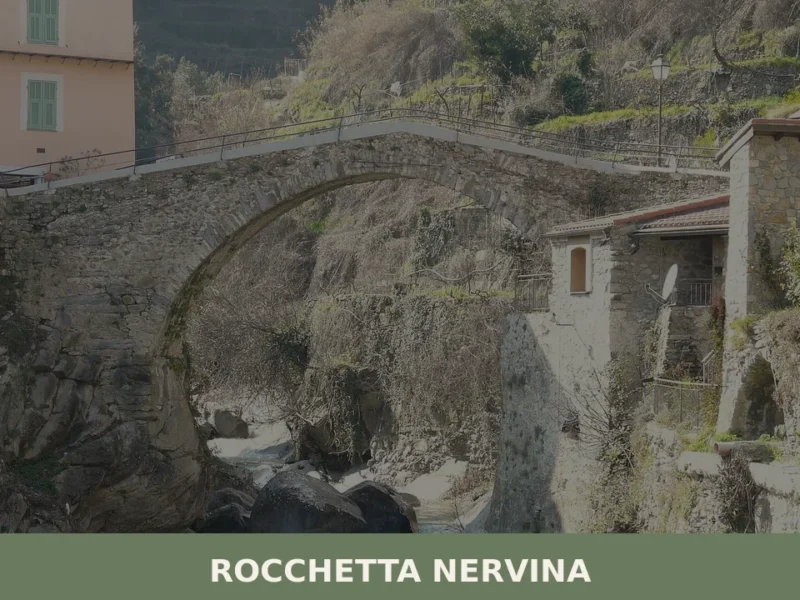
Rocchetta Nervina is a tranquil Ligurian village nestled between mountains and the sea, offering rich history, natural beauty, and authentic traditions.
🧀 Italian traditional products



🏡 Know Pignone better than we do?
If you’re a local or have been there, your knowledge matters: add what’s missing or fix a detail on this page.