


What to see in Ausonia, Lazio, Italy: discover a 15th-century sanctuary, an 11th-century castle, and medieval frescoes. Explore the full travel guide now.
Discover Ausonia
A valley opens between the Monti Aurunci and the Mainarde, and along its floor the remains of two stone towers mark what was once the keep of a Lombard-era fortification.
Latin inscriptions devoted to Hercules have been found in this territory, suggesting that a pilgrimage road once cut through the area long before the medieval walls went up.
The 11th-century castle, the 15th-century sanctuary, and the layered dialect spoken in the streets all point to a place shaped by overlapping civilisations across more than two thousand years.
Deciding what to see in Ausonia is straightforward once you understand the scale: this is a compact comune in the Province of Frosinone, southern Lazio, Italy, positioned near the border with Campania, roughly 130 km (81 mi) southeast of Rome. Visitors to Ausonia find a Franciscan sanctuary with a polyptych dated 1531, a castle built by the Princes of Capua, and two further medieval churches within easy walking distance.
The Ausonia highlights span archaeology, religious art, and military architecture, making the village a coherent half-day or full-day destination.
History of Ausonia
The name Ausonia derives from Ausona, an ancient city of the Osci people and a member of the Auruncan Pentapolis — a federation of five towns belonging to the Ausones, also known as the Aurunci. The Romans destroyed Ausona in 314 BC, and the precise location of the original settlement has never been identified with certainty. What survives from that remote period are Latin inscriptions dedicated to Hercules, found in the surrounding territory, which indicate that a road of religious significance once passed through this corridor between Lazio and Campania.
During the Middle Ages, the settlement was known as Fratte, a name that appears in medieval documents before the locality eventually reclaimed a Latinised version of its ancient toponym.
The castle standing on the heights of the town was constructed in the 11th century by the Princes of Capua, placing Ausonia firmly within the network of Lombard-Norman power that controlled the borderlands between the old Duchy of Benevento and the Papal States.
Two towers and portions of the perimeter walls still stand, and the keep remains legible within the surviving masonry. The strategic position of the site — overlooking the valley between two mountain ranges — explains why successive rulers maintained a fortified presence here through the medieval period.
Religious history developed in parallel with the military one. The sanctuary of Santa Maria del Piano was founded in 1100, though the structure visible today dates primarily from the 15th century and received further decorative investment during the 17th century, when the sacristy floor was laid in maiolica tiles produced by the Neapolitan school.
The Church of San Michele Arcangelo, dated to the 12th century, and the Church of Santa Maria di Correano add further documentary layers to a settlement that moved continuously between military, civic, and devotional functions across the medieval and early modern periods.
The southern Latian dialect still spoken in Ausonia preserves phonological features that differentiate the area linguistically from central Lazio, reflecting its position on a long-standing cultural and geographical frontier.
What to see in Ausonia, Lazio: top attractions
Sanctuary of Santa Maria del Piano
The sanctuary occupies a position on the plain below the historic centre, and its facade gives little indication of what the interior holds. Founded in 1100 and rebuilt in its current form during the 15th century, the building contains three distinct layers of artistic production worth examining separately.
The sacristy floor is paved with maiolica tiles from the 17th-century Neapolitan school — a surface of geometric and floral motifs whose craftsmanship reflects the strong cultural ties between this part of Lazio and the Kingdom of Naples.
Above ground level, the main body of the church houses a polyptych painted by Giovanni Filippo Criscuolo in 1531, a documented work by a Neapolitan-trained artist active in the first half of the Cinquecento. Descend into the crypt to find medieval frescoes depicting episodes from the life of Saint Remicarda, a figure whose veneration is localised to this area. The sanctuary rewards a slow visit: plan at least an hour to move between nave, sacristy, and crypt without rushing the frescoes.
Medieval Castle of the Princes of Capua
The castle stands on elevated ground within the historic centre, and two towers remain upright on either side of what was the central keep. Construction began in the 11th century under the Princes of Capua, who controlled this borderland between the Lazio hills and the Campanian plain. The walls that survive give a clear sense of the original perimeter, even where sections have been reduced to their lower courses.
Standing at the base of the surviving towers, a visitor can gauge the defensive logic of the site: the elevation provides unobstructed sightlines across the valley floor toward the Monti Aurunci.
No admission infrastructure is in place, so access depends on the condition of the surrounding public spaces; the exterior stonework and towers are visible from the adjacent streets at any time of year. Early morning visits in spring reduce heat and allow the stonework to be photographed without harsh shadows.
Church of San Michele Arcangelo
The Church of San Michele Arcangelo dates to the 12th century, making it the oldest standing place of worship in the village apart from the sanctuary’s original foundation. Its exterior masonry reflects the Romanesque building tradition common to southern Lazio in the Norman period, characterised by plain stone elevations and minimal decorative carving at the portal.
The dedication to the Archangel Michael is consistent with a widespread Norman devotional pattern: the Normans who reorganised the religious landscape of southern Italy in this period regularly established or rededicated churches to Saint Michael, whose cult they brought from northern France.
The interior dimensions are modest, suited to a rural parish rather than a monastic or cathedral community. For those documenting the Romanesque architecture of the Frosinone province, San Michele Arcangelo belongs to the same circuit as other 12th-century foundations in the Liri valley area.
Church of Santa Maria di Correano
The Church of Santa Maria di Correano sits outside the main cluster of monuments and requires a short walk from the centre of the village. Its dedication links it to a frazione, or hamlet, named Correano associated with the Ausonia municipality. The building preserves features consistent with a rural votive church of the medieval period, erected to serve a dispersed agricultural community rather than a concentrated urban population.
The architectural fabric has been modified at various points, as is common with rural churches that remained in active liturgical use across many centuries.
Visiting this church in combination with the sanctuary and San Michele Arcangelo allows a complete survey of Ausonia’s ecclesiastical heritage in a single morning. The route between the three churches crosses the lower part of the historic centre and passes close to the castle ruins, making it possible to cover all the principal sites on foot.
Latin Inscriptions and Archaeological Context
The territory of Ausonia has yielded Latin inscriptions dedicated to Hercules, a finding that places the area on a documented ancient road network. Hercules was the tutelary deity of trade routes and wayfarers in the Roman and pre-Roman world, and the presence of votive inscriptions in his name consistently marks paths used by merchants, soldiers, and pilgrims.
These inscriptions have not been relocated to a single display point within the village, but their existence gives the surrounding landscape an archaeological dimension that extends well beyond the medieval period.
The ancient city of Ausona, destroyed by Rome in 314 BC, has not been definitively located, which means the fields and hillsides around the modern comune remain a live area of historical inquiry. Travellers with an interest in what to see in Ausonia beyond the built heritage should consider the valley itself — the corridor between the Monti Aurunci and the Mainarde — as part of the visit rather than merely the transit route to it.
Local food and typical products of Ausonia
Ausonia sits at the junction of two distinct culinary traditions: the pastoral economy of the Monti Aurunci, which historically produced sheep’s milk cheeses, cured meats, and legume-based preparations, and the agricultural lowlands closer to the Garigliano river valley, where cereals, olive oil, and market vegetables formed the dietary base.
This border position, shared with several other comuni in the Province of Frosinone, means that the local table draws from both upland and valley ingredients.
The proximity to Campania has introduced preparations and flavour combinations — particularly the use of lard-enriched doughs and long-cooked pork ragu — that distinguish southern Frosinone cooking from the Roman tradition further north. Visitors exploring villages elsewhere in Lazio such as Bagnoregio, which shares the same regional administrative context, will notice how markedly the food culture shifts as one moves south toward the Campanian border.
On local tables, pasta preparations based on hand-rolled formats appear frequently, often dressed with a slow-cooked pork or lamb sauce that reduces over several hours to a dense, fat-enriched condiment. Cicoria ripassata — wild chicory blanched and then sautéed in olive oil with garlic and dried chilli — is a consistent side dish across the area, the bitterness of the greens cutting the richness of meat-based secondi.
Minestra di fagioli con le cotiche, a soup of borlotti beans slow-cooked with pork rind until the rind softens to a gelatinous texture, is a cold-weather preparation eaten from October through March in households throughout the Frosinone hills.
Bread baked in wood-fired ovens, with a thick crust and open crumb, is produced in quantities sufficient for a week’s consumption — a format rooted in the economies of households that could not afford daily baking fuel.
No certified DOP or IGP products are specifically registered to the municipality of Ausonia in the available records. The broader Province of Frosinone is associated with olive oil production under conditions typical of central-southern Lazio, and local producers in the Aurunci foothills maintain small-scale oil mills that press from October through December.
Sheep’s milk cheeses produced in the area follow traditional techniques involving natural rennet and brief ageing periods, though without a formal certification framework specific to the Ausonia territory.
For visitors seeking food products to take home, the most reliable point of purchase is the weekly market or a bottega, a small local provisions shop, rather than large-format retailers.
Market days and seasonal food events in Ausonia follow the pattern common to small Frosinone comuni, with the autumn harvest period — September through November — generating the highest concentration of food-oriented local activity. The olive harvest in particular draws temporary labour into the area and creates an informal economy around freshly pressed olio nuovo, new-season olive oil with a green, peppery finish markedly different from the oxidised oils available year-round in supermarkets.
Visitors arriving in this window can often purchase directly from producers, though prior contact through the municipal office is advisable given the small scale of operations.
Festivals, events and traditions of Ausonia
The religious calendar of Ausonia centres on the sanctuary of Santa Maria del Piano, which has functioned as a place of active pilgrimage since its foundation in 1100. The Madonna del Piano is the principal devotional figure of the community, and the annual feast held in her honour draws participants from neighbouring villages as well as from Ausonia itself.
The feast involves a formal procession from the historic centre down to the sanctuary on the plain, accompanied by a band and followed by a Mass celebrated in the open air when weather permits. Votive offerings and ex-votos deposited in the sanctuary over generations are a documented feature of the interior, reflecting a continuous practice of popular devotion that connects the 20th and 21st centuries directly to the medieval founding context.
The veneration of Saint Remicarda, whose life is depicted in the medieval frescoes of the sanctuary crypt, represents a more localised layer of religious practice.
Saint Remicarda’s cult is not widely documented beyond the Ausonia area, which gives it the character of a genuinely local tradition rather than an imported or standardised observance. Civic and seasonal celebrations in the village follow the southern Lazio pattern of combining religious processions with communal meals and, in summer months, outdoor musical events in the main square. Specific dates for these gatherings are confirmed by the municipal calendar issued annually by the Comune di Ausonia and are best verified directly before planning a visit around them.
When to visit Ausonia, Italy and how to get there
The best period to visit Ausonia falls between April and June, and again in September and October.
Spring brings moderate temperatures suitable for walking between the castle, the churches, and the sanctuary without the heat that builds from late July onward. The autumn window coincides with the olive harvest and the general agricultural activity of the valley floor, giving a visit additional context. July and August are the warmest months; the altitude of the historic centre provides some relief compared to the coastal plain, but midday temperatures regularly exceed 30°C (86°F) and the village quiets considerably in the early afternoon.
Winter visits are feasible for those focused on the interior monuments — the sanctuary and the churches maintain their opening schedules — though the mountain passes can be affected by snow and ice, particularly on secondary roads approaching from the Mainarde side. International visitors should be aware that English is not widely spoken in smaller local establishments and that carrying cash in Euros is practical, as card payment infrastructure varies in smaller shops and markets.
Ausonia, Lazio, Italy is reached most directly by car from Rome via the A1 motorway (Autostrada del Sole), exiting at Pontecorvo and continuing south for approximately 18 km (11 mi) on provincial roads toward the Aurunci foothills. The total drive from Rome is approximately 130 km (81 mi), taking around 1 hour 40 minutes under normal traffic conditions, which makes Ausonia viable as a day trip from Rome for those with a vehicle.
The nearest railway station with regular connections is Formia-Gaeta, approximately 30 km (18.6 mi) southwest on the Tyrrhenian coast, served by Trenitalia on the Rome–Naples intercity line; from Formia, onward travel to Ausonia requires a bus or taxi connection.
The nearest international airport is Naples Capodichino (NAP), approximately 90 km (56 mi) to the southeast, with a drive of roughly 1 hour 15 minutes via the A1 and connecting provincial roads. Rome Fiumicino (FCO) is approximately 150 km (93 mi) to the northwest and serves as the principal entry point for transatlantic travellers.
Those arriving by car and wishing to extend the day can combine a visit to Ausonia with a stop at other towns in the Frosinone or Caserta hinterland.
The road north through the Aurunci foothills passes through agricultural landscape largely unchanged in its basic structure since the early 20th century.
For travellers who appreciate how geography shapes local culture across a region, comparing Ausonia’s mountain-border character with that of Onano in northern Lazio, a village with its own distinct volcanic plateau setting, illustrates the considerable internal variety of a region that is often reduced to Rome and its immediate surroundings.
Visitors to Ausonia can also extend their trip to Cantalupo in Sabina, which shares Lazio’s broader pattern of medieval hilltop settlement, or to Gradoli in the Viterbo province, both offering comparable medieval church heritage within the same regional context for travellers covering multiple stops across Lazio.
Frequently asked questions about Ausonia
What is the best time to visit Ausonia?
Spring (April–June) and early autumn (September–October) offer the most comfortable conditions for exploring Ausonia's hilltop historic centre and surrounding valley. Temperatures are mild, light is ideal for photographing the castle towers and sanctuary facade, and the countryside between the Monti Aurunci and the Mainarde is at its most photogenic. The most significant local date is 29 September, the feast of the patron saint Archangel Michael, when the village observes its principal religious celebration. Summer months bring heat that can make the upper historic centre uncomfortable during midday hours.
What are the historical origins of Ausonia?
The name Ausonia derives from Ausona, an ancient city of the Ausones (Aurunci) and member of the Auruncan Pentapolis, a federation of five towns. Rome destroyed Ausona in 314 BC, though its precise location has never been confirmed. The territory has yielded Latin inscriptions dedicated to Hercules, indicating an ancient road of religious and commercial significance. During the Middle Ages the settlement was documented as Fratte before reclaiming a Latinised form of its ancient toponym. The 11th-century castle was built by the Princes of Capua, placing the village within the Lombard-Norman borderland between the Duchy of Benevento and the Papal States.
What to see in Ausonia? Main monuments and landmarks
The four principal sites can be covered on foot in a single day. The Sanctuary of Santa Maria del Piano (founded 1100, rebuilt 15th century) contains a polyptych by Giovanni Filippo Criscuolo dated 1531, a 17th-century Neapolitan maiolica-tiled sacristy floor, and medieval frescoes in the crypt depicting Saint Remicarda. The Medieval Castle of the Princes of Capua preserves two towers and portions of the perimeter wall; exterior stonework is visible from adjacent streets at any time. The 12th-century Church of San Michele Arcangelo displays Romanesque masonry typical of Norman-period southern Lazio. The Church of Santa Maria di Correano completes the ecclesiastical circuit a short walk from the centre.
Where to take the best photos in Ausonia?
The elevated ground around the Medieval Castle of the Princes of Capua provides unobstructed sightlines across the valley floor toward the Monti Aurunci — the same defensive logic that made the site strategically valuable in the 11th century now makes it the most rewarding viewpoint in the village. The article specifically recommends early morning visits in spring, when lower sun angles avoid harsh shadows on the surviving stonework and towers. The corridor between the Monti Aurunci and the Mainarde, visible from this vantage point, adds landscape depth to architectural photographs.
Are there museums, churches or historic buildings to visit in Ausonia?
Ausonia has four documented heritage buildings. The Sanctuary of Santa Maria del Piano rewards a slow visit of at least one hour to examine the 1531 Criscuolo polyptych, Neapolitan maiolica sacristy floor, and crypt frescoes across three distinct spaces. The Church of San Michele Arcangelo (12th century) and the Church of Santa Maria di Correano are active rural parish churches accessible on foot from the centre. The castle ruins are viewable from public streets without admission infrastructure. No fixed opening hours for individual monuments are published by official sources; checking locally on arrival is advisable, particularly for the sanctuary crypt.
What can you do in Ausonia? Activities and experiences
The most coherent activity in Ausonia is a self-guided walking circuit linking the castle, the three churches, and the lower sanctuary — a route that crosses the historic centre and can be completed in a half-day or extended to a full day with time spent in the sanctuary crypt and around the castle exterior. The valley between the Monti Aurunci and the Mainarde provides scenic context for those interested in landscape walking. The area's position on the Lazio–Campania border makes it a logical stop on a broader itinerary covering the southern Frosinone province and the Garigliano river valley.
Who is Ausonia suitable for?
Ausonia suits independent travellers with an interest in layered historical sites rather than resort-style tourism. The combination of pre-Roman archaeological context, Norman military architecture, and Renaissance and Baroque religious art makes it particularly rewarding for those following the heritage of southern Lazio. The compact scale and walkable circuit are accessible for couples and older travellers comfortable with gentle gradients in a hilltop village. History-focused families with older children will find the castle ruins and Hercules inscription narrative engaging. It is less suited to travellers seeking beaches, nightlife, or extensive hiking infrastructure.
What to eat in Ausonia? Local products and specialties
Ausonia's table reflects its position between the upland pastoral economy of the Monti Aurunci and the agricultural Garigliano valley. Expect sheep's milk cheeses, cured meats, and legume-based preparations from the highland tradition alongside olive oil and cereals from the valley. Hand-rolled pasta dressed with slow-cooked pork or lamb ragù — reduced over several hours to a dense, fat-enriched condiment — appears frequently on local tables. Campanian culinary influence, including lard-enriched doughs and long-cooked pork preparations, distinguishes southern Frosinone cooking from the Roman tradition and is evident in village cooking in this border area.
📷 Photo Gallery — Ausonia
Nearby Villages near Ausonia
In Lazio More villages to discover
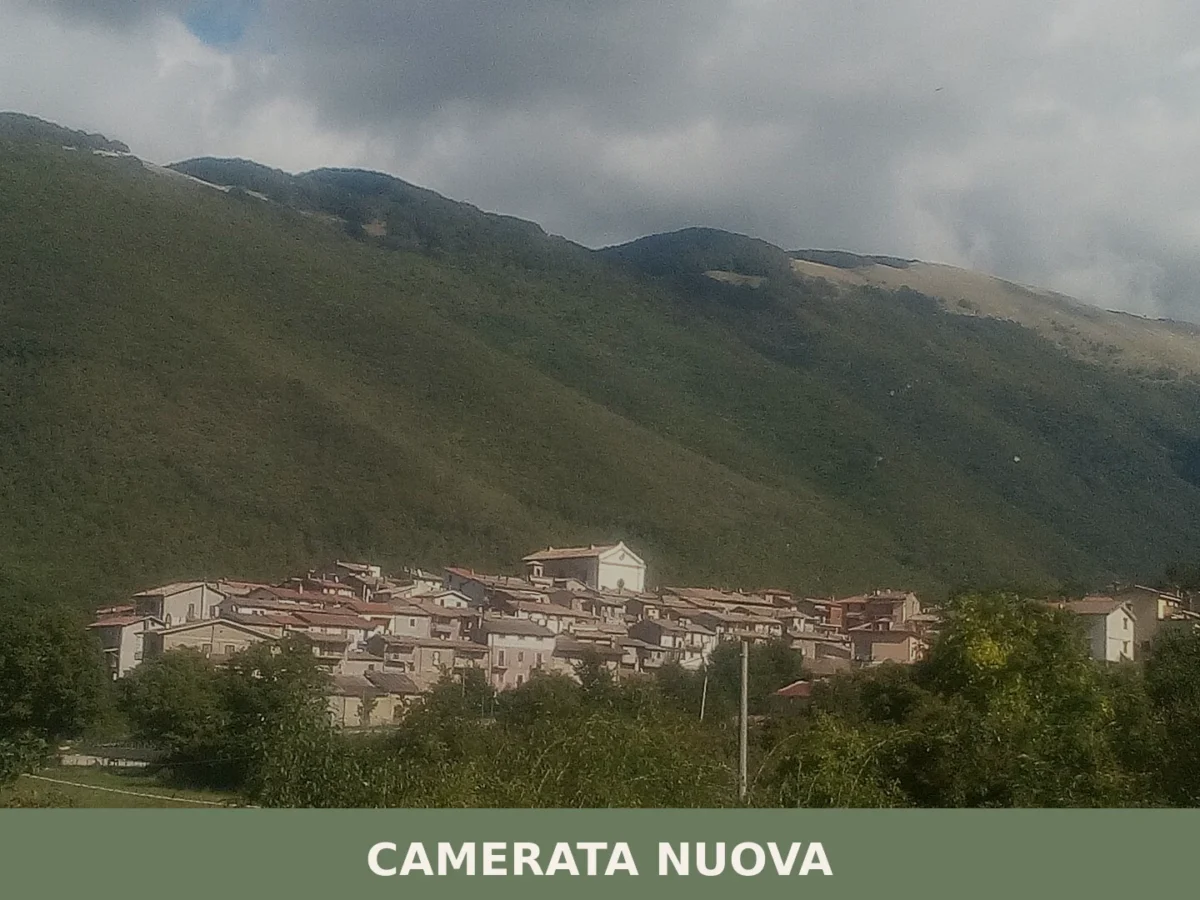
Camerata Nuova
 Mountain
Camerata Nuova is a mountain comune of around 400 inhabitants in the Metropolitan City of Rome, rebuilt after an 1859 fire and set within the Parco Naturale Regionale dei Monti Simbruini at the easter
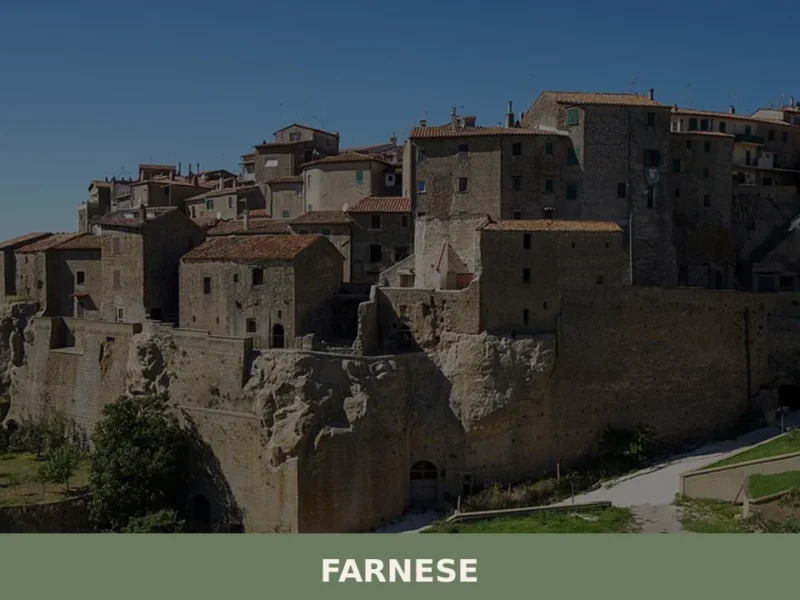
Farnese
 Hills
Hills
The morning light, a pale gold filtering through the narrow aperture of a medieval archway, illuminates the rough-hewn basalt paving stones of Farnese. A faint scent of woodsmoke and damp earth hangs in the cool air, carried on a breeze that rustles the leaves of an ancient oak on the village’s periphery. Here, at 341 […]
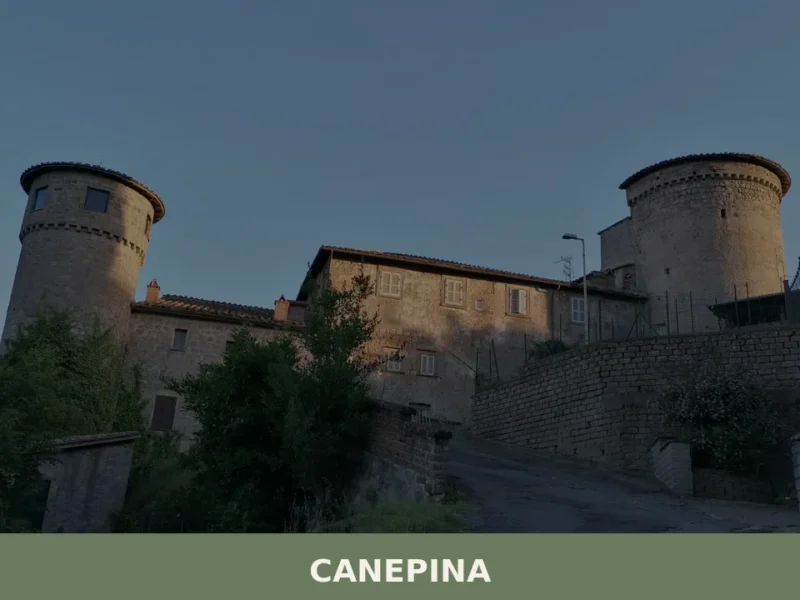
Canepina
Hills
Canepina is a hill village in the province of Viterbo, Lazio, at 492 metres, with 2,917 residents and a rich heritage of medieval architecture, folk traditions and scenic walking routes.
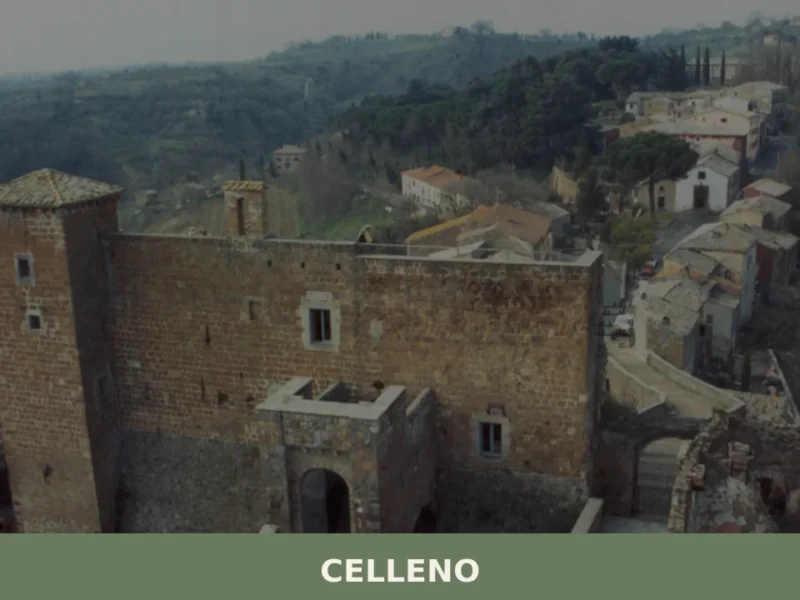
Celleno
Hills
what to see in celleno, Italy? Explore this Lazio village at 407 m altitude. Discover its WWII history and the feast of San Donato d'Arezzo. Read our guide.
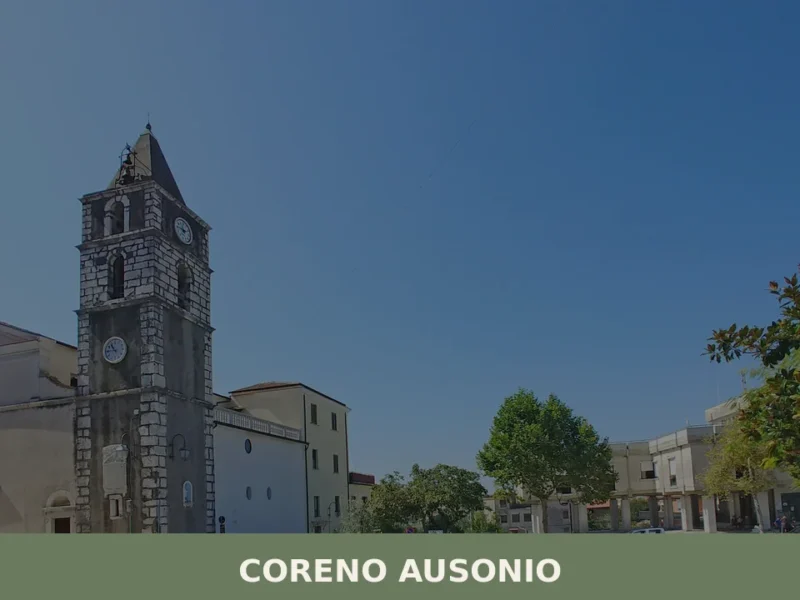
Coreno Ausonio
Hills
Coreno Ausonio is a hill municipality in the province of Frosinone, Lazio, at 315 metres, known for its Roman-era limestone quarries and a written history dating to a Carolingian diploma of 787.
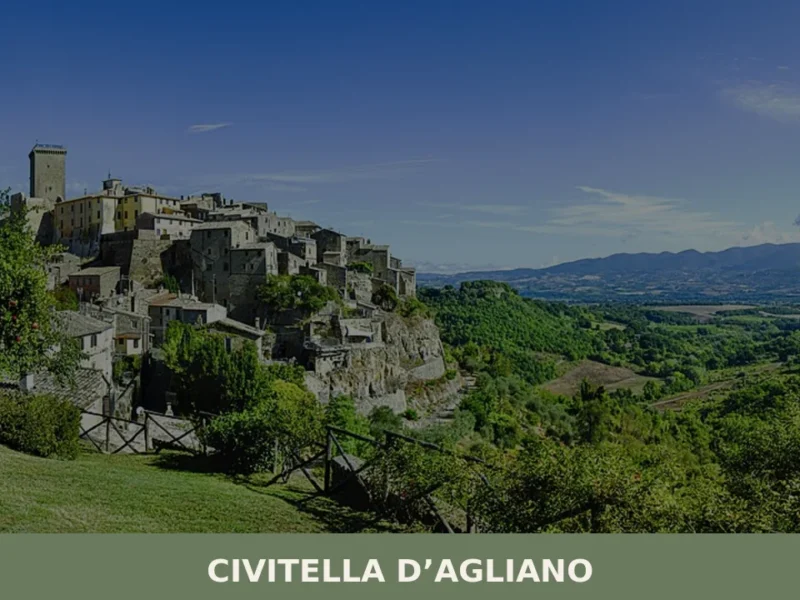
Civitella d’Agliano
Hills
What to See in Civitella d'Agliano: Tower, Castle, Festival. Discover the historic attractions of the village! Experience culture and flavors.
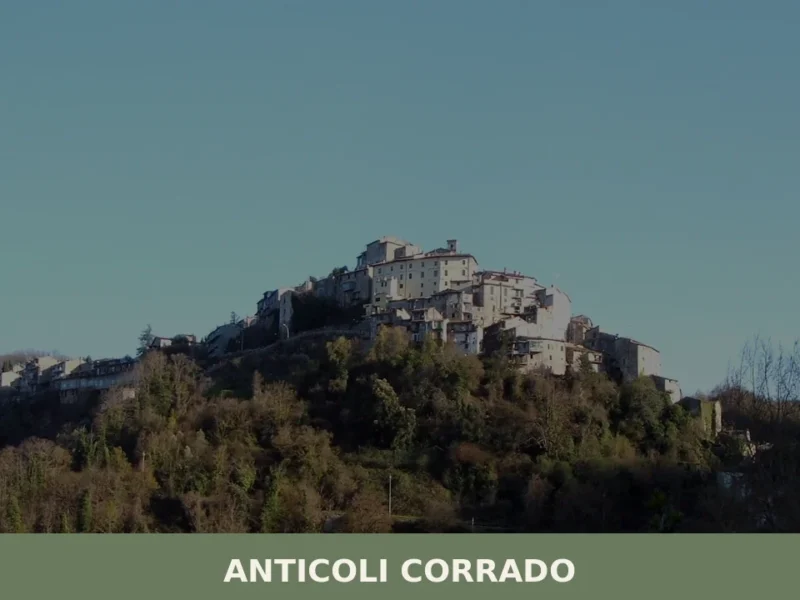
Anticoli Corrado
Hills
Anticoli Corrado is a hilltop comune in the Metropolitan City of Rome, set at about 524 metres above sea level in the inner uplands of Lazio, with a civic museum of modern and contemporary art holding
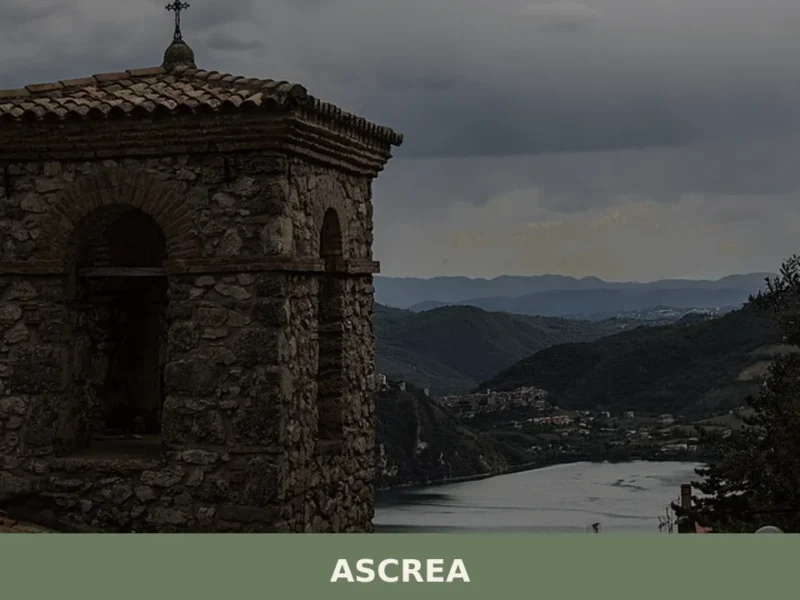
Ascrea
 Lake
Mountain
Lake
Mountain
What to see in Ascrea: a mountain village at 757 m in the province of Rieti with 261 residents. Discover the church of San Nicola, PAT-certified products and how to get there.
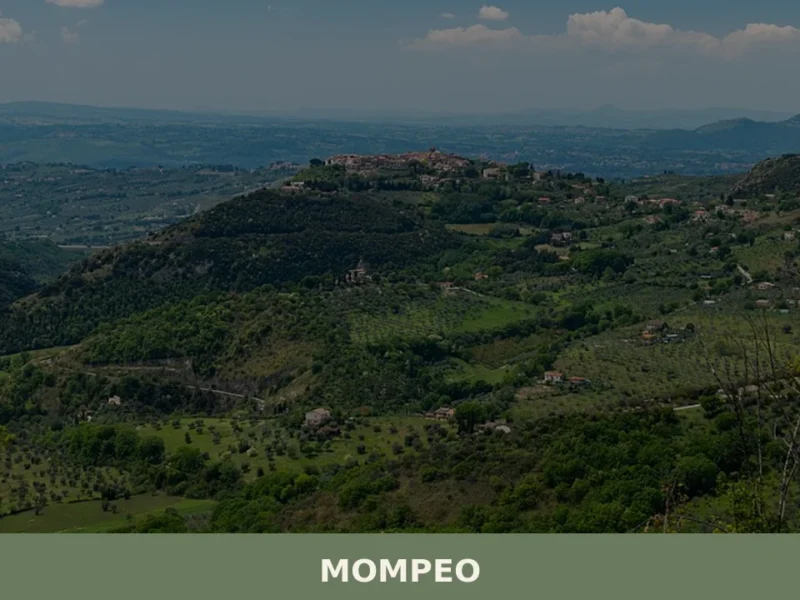
Mompeo
Hills
Discover Mompeo, a charming village in Lazio, Italy. Explore its rich history, stunning landscapes, and authentic Italian culture off the beaten path.
Alvito
Mountain
What to see in Alvito: discover the 5 top attractions in this Lazio village, from the castle to the Cathedral. Plan your visit with this complete guide.
🏡 Know Ausonia better than we do?
If you’re a local or have been there, your knowledge matters: add what’s missing or fix a detail on this page.