


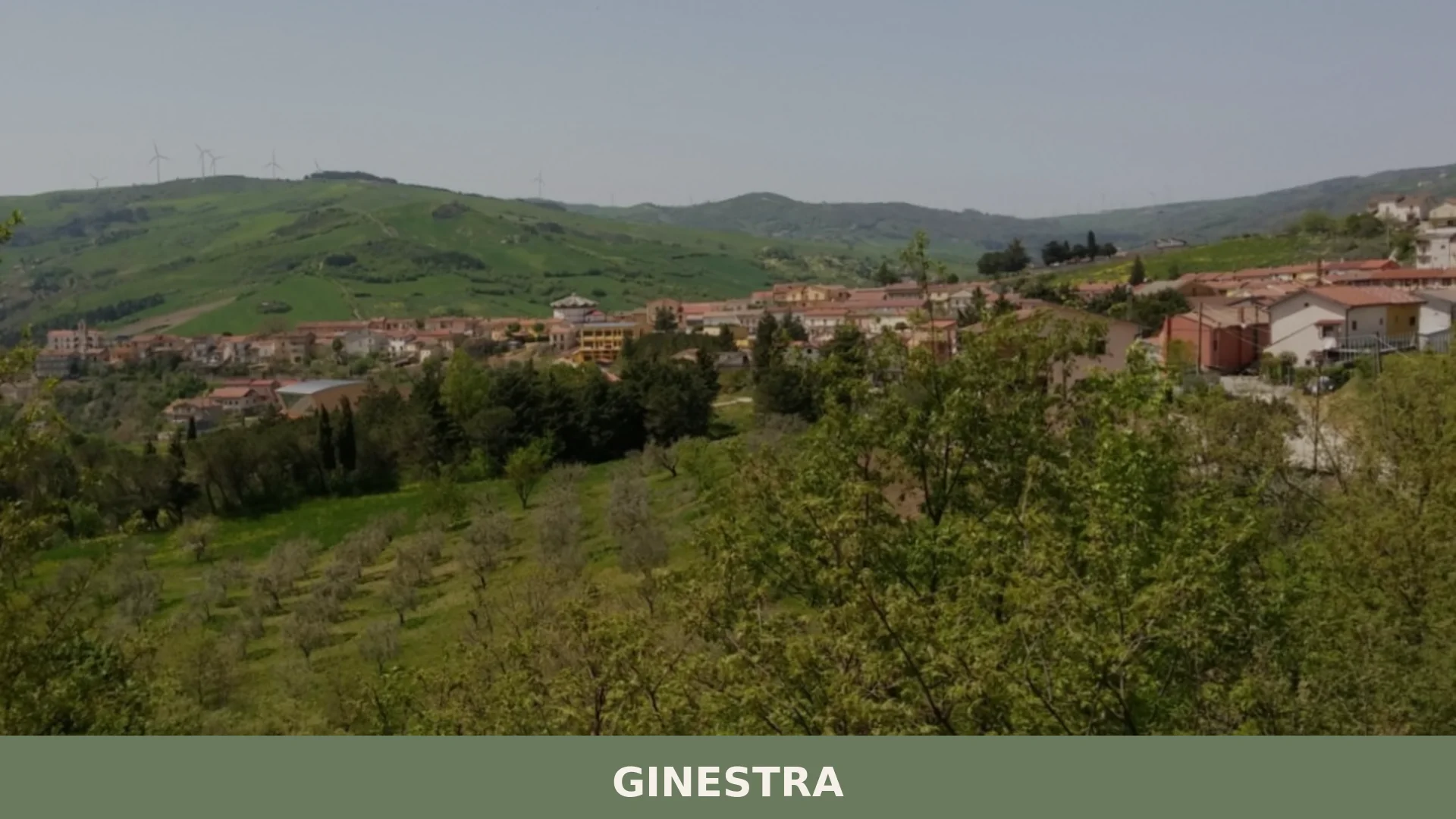

Ginestra is a small hill commune in the province of Potenza, Basilicata, with Greek-Albanian origins dating to 1478, where the arbëreshë language and Balkan traditions are still alive today.
Discover Ginestra
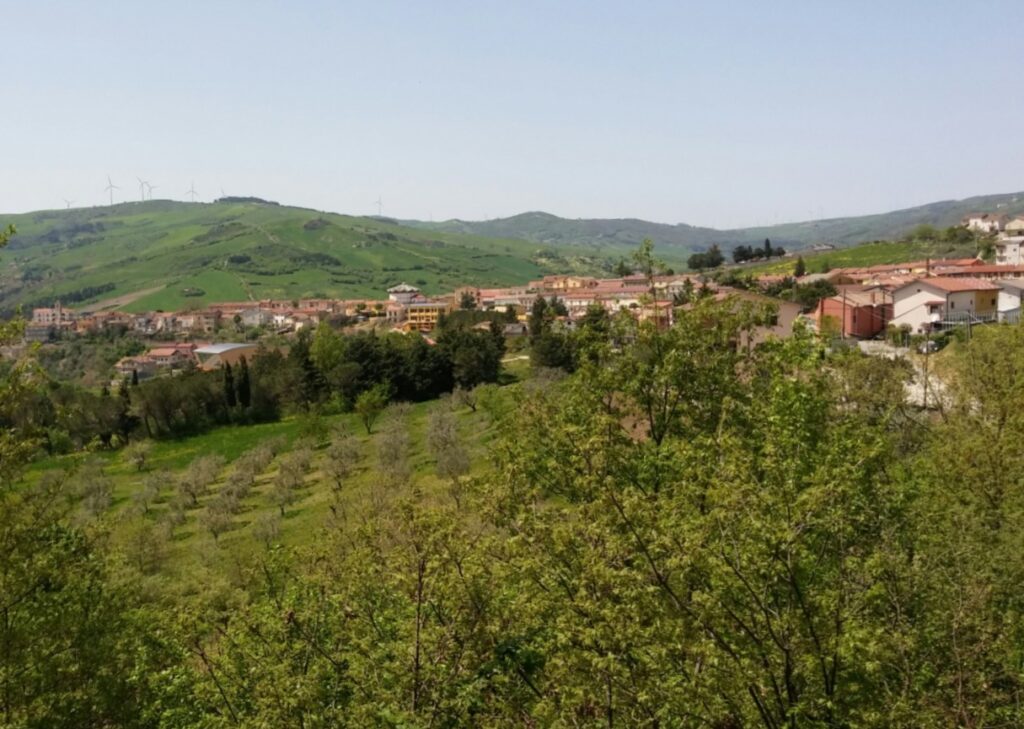
Ginestra is a small municipality of 664 inhabitants in the province of Potenza, Basilicata, sitting at 564 metres above sea level across a compact territory of just over 13.21 square kilometres in the Vulture-Melfese area. It borders Ripacandida, Barile, Venosa, Maschito and Forenza, and until 1965 it was officially a fraction of Ripacandida before gaining full municipal autonomy. What sets it apart from other villages of similar scale is its Arbëreshë identity: the community descends from Greek-Albanian exiles who arrived in the late fifteenth century and has kept their language, arbëreshe, alive through everyday use and a dedicated linguistic office.
Ginestra village in Basilicata traces its origins to 1478, when Troiano Caracciolo authorised a group of Albanian refugees to build homes in the locality then called Lombarda Massa — a name the settlement carried until the nineteenth century. That founding act gave rise to a community whose eastern Christian heritage is still visible in the Sanctuary of the Madonna of Constantinople, erected in 1588 just outside the village centre, and in the church of San Nicola Vescovo, which dates to the sixteenth century and conceals, beneath its nave floor, a baptistery by immersion formed by twelve arches, uncovered only during restoration work in the nineteen-nineties.
Ginestra village in Basilicata: history and identity
Ginestra’s story begins in 1478, when Troiano Caracciolo, feudatario of the nearby town of Ripacandida, granted a group of Greek-Albanian exiles — refugees from Epirus, or according to some accounts from Scutari — permission to settle and build homes in an area then known as Lombarda Massa, a name derived from a Lombard land holding. This act of resettlement planted the roots of what would become one of the Arbëreshë communities of Basilicata, a minority whose language and traditions have survived to the present day.
The Albanian heritage shaped the village’s spiritual life as well. In 1588 a sanctuary dedicated to the Madonna of Constantinople was erected just outside the settlement, reflecting the community’s eastern Christian roots. Inside, a wall fresco of Eastern artistic tradition dating to around the sixteenth century depicts the Virgin, while two canvases from around the eighteenth century portray respectively the Madonna of the Milk flanked by Saint John, Saint Nicholas and Saint Borromeo, and a Pietà. The village’s patron saint is precisely this Madonna of Constantinople, who, like the founders of Ginestra, arrived from the East.
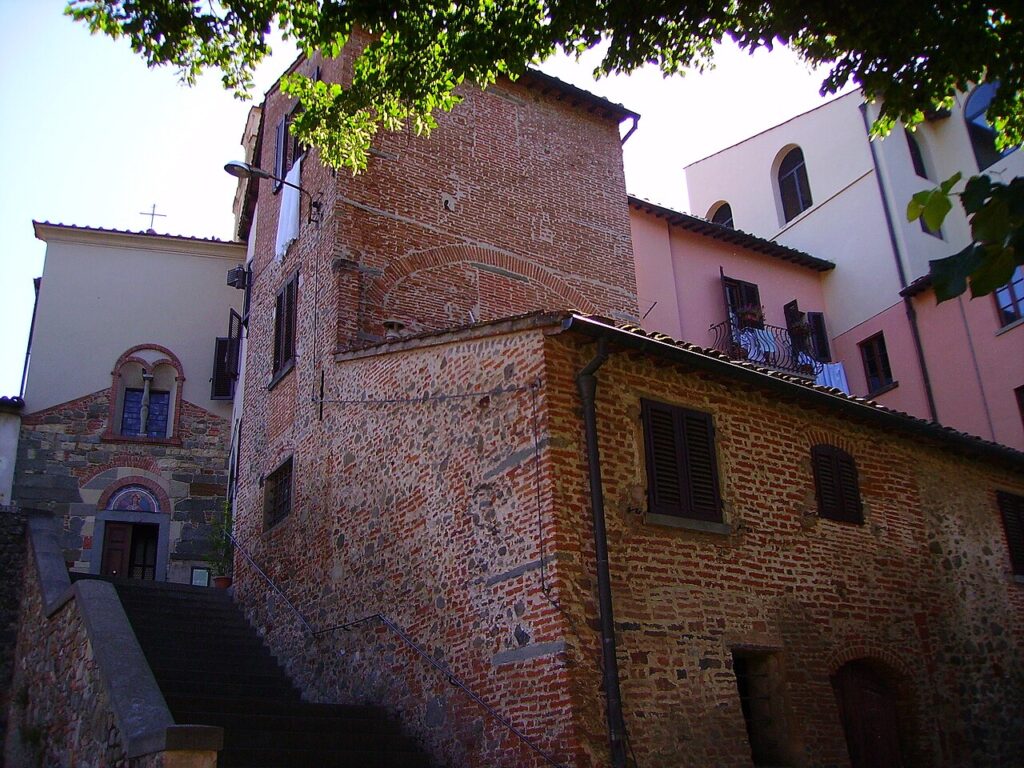
The church of San Nicola Vescovo, the main place of worship within the historic centre, also dates to around the sixteenth century and was enriched with a carved wooden choir in the eighteenth century. The building underwent several reconstructions over the centuries, and a thorough restoration carried out in the 1990s brought to light a baptistery for full immersion, composed of twelve arches bearing figures believed to represent the twelve apostles.
For most of its modern existence the settlement remained administratively tied to Ripacandida, of which it was a frazione until 1965, when Ginestra finally became an independent municipality. Until the nineteenth century the community still carried the old toponym Lombarda Massa or Lombardomassa before adopting its current name.
Sacred Architecture of a Greek-Albanian Settlement
Ginestra has two main places of worship: the Santuario della Madonna di Costantinopoli, built in 1588 a short distance from the village, and the Chiesa Madre di San Nicola Vescovo, a sixteenth-century church standing at the centre of the historic town.
Santuario della Madonna di Costantinopoli
The sanctuary was built in 1588 and is dedicated to the patron of the village. Inside, a sixteenth-century mural fresco of eastern school depicts the Virgin. Two eighteenth-century canvases are also preserved here: one shows the Madonna del Latte flanked by figures of San Giovanni, San Nicola and San Borromeo; the other reproduces a Pietà.
Chiesa Madre di San Nicola Vescovo
Dating from the sixteenth century, the church holds an eighteenth-century wooden choir. During a full restoration carried out in the 1990s, excavations brought to light a baptistery for immersion made up of twelve arches, each bearing figures thought to represent the twelve apostles.
Food and Wine from Ginestra and the Vulture-Melfese Area
Ginestra sits within a province rich in certified food products, with standout names including Caciocavallo Silano DOP, Canestrato di Moliterno IGP, Fagiolo di Sarconi IGP, Lucanica di Picerno IGP, and the celebrated Aglianico del Vulture DOCG — a red wine produced in the volcanic soils of the Vulture area that immediately surrounds the village.
The wider provincial larder also includes Fagioli Bianchi di Rotonda DOP and Lenticchia di Altamura IGP among its legumes, while the regional PAT list adds products such as Capocollo, carne Podolica lucana and Mir’ cutt’ to the picture. None of these should be claimed as exclusive to Ginestra itself, but visitors to the village are never far from a table that draws on this tradition.
On the wine side, alongside Aglianico del Vulture the area is covered by the Grottino di Roccanova DOC, Terre dell’Alta Val d’Agri DOC, and the Basilicata IGT designation, giving travellers a broad range of Lucanian bottles to seek out in local towns and cellars.
Reaching Ginestra and Choosing Your Moment
Ginestra is best reached by car, sitting at about 564 metres above sea level in the northern part of Basilicata’s province of Potenza, roughly between the city of Potenza to the south and Melfi to the north, within the Vulture-Melfese subregion. Spring and early autumn are the most comfortable seasons for a visit, when the hillside climate is mild and the landscape around the Vulture is at its most inviting.
The village borders several communities worth combining into a day’s itinerary. Barile, another Arbëreshë settlement and near neighbour, is an obvious first stop. Forenza also shares a boundary with Ginestra and adds another perspective on the area’s hill-village character. Travellers approaching from further afield might consider passing through Atella as part of a broader Vulture-Melfese circuit.
| Departure | Distance | Time |
|---|---|---|
| Potenza | approx. 55 km | approx. 50 min |
| Barile | approx. 8 km | approx. 10 min |
| Venosa | approx. 18 km | approx. 20 min |
| Melfi | approx. 22 km | approx. 25 min |
Hikers and pilgrims should note that the Via Francigena — a long-distance route of around 1,970 km — passes through this part of Italy, and the surrounding countryside lends itself to exploration on foot. The village’s small size (just over 13 km² of territory) means its key sites — the church of San Nicola Vescovo and the Santuario della Madonna di Costantinopoli — can be visited comfortably in a single morning.
Frequently asked questions about Ginestra
When is the best time to visit Ginestra?
December 6th is ideal, when Ginestra celebrates the Feast of San Nicola di Bari, its patron saint. This religious festival brings the community together with traditional ceremonies and local festivities. Late spring and early autumn offer pleasant weather for exploring the hilltop village and surrounding Vulture-Melfese countryside. Winter can be cool at 564 metres elevation, while summers are warm.
What is special about Ginestra's cultural identity?
Ginestra is an Arbëreshë community, descended from Greek-Albanian refugees who arrived in 1478. The village maintains its unique arbëreshe language through daily use and operates a dedicated linguistic office to preserve this heritage. This Greek-Albanian identity distinguishes Ginestra from most other Basilicata villages and is reflected in its Orthodox Christian sacred architecture and traditions.
What are the main historical monuments to visit?
The Sanctuary of the Madonna of Constantinople, built in 1588 just outside the village, exemplifies eastern Christian architecture. San Nicola Vescovo church dates to the sixteenth century and features a remarkable underground baptistery with twelve arches, discovered during 1990s restoration work. Both sites reflect Ginestra's Greek-Albanian Orthodox heritage and are essential cultural landmarks.
How long should I plan to spend in Ginestra?
A half-day visit suffices to explore the compact village and its two main churches. The municipality covers just 13 square kilometres, making it easily walkable. If combining with nearby border villages like Barile, Venosa, or Ripacandida in the Vulture-Melfese area, plan a full day to experience the broader regional culture and landscapes.
Which municipalities border Ginestra?
Ginestra shares borders with five neighbouring municipalities: Ripacandida (from which it separated in 1965), Barile, Venosa, Maschito, and Forenza. All lie within the Vulture-Melfese area of Basilicata's Potenza province, making them convenient for day trips or regional exploration of related Greek-Albanian and historical sites.
📷 Photo Gallery — Ginestra

In Basilicata More villages to discover
Calvera
 Mountain
At 630 meters above sea level, in the heart of the province of Potenza, lies Calvera, a small Lucanian municipality distinguished by its elevated position and authentic atmosphere. The village, with its stone houses clinging to the hillside, offers panoramic views of the surrounding valley, bearing witness to a history of mountain life and a […]

Castronuovo di Sant’Andrea
Mountain
Discover Castronuovo di Sant'Andrea, a hidden Basilicata gem with medieval roots, ancient churches, stunning Apennine landscapes, and rich local traditions.
Anzi
Mountain
Anzi sits at 1,008 metres above sea level in the province of Potenza, making it one of the highest settlements in Basilicata. Home to 1,745 inhabitants, this small Lucanian village occupies a rocky spur along the upper valley of the Camastra river, surrounded by dense forests of oak and chestnut. For anyone researching what to […]
Armento
Mountain
In 1814, a farmer unearthed a Lucanian funerary assemblage dating to the 4th century BC in the countryside around Armento: a golden crown, now held at the Antikensammlung in Munich, which confirmed the presence of a high-ranking Italic settlement in this part of the Val d’Agri. The village sits at 710 metres above sea level […]
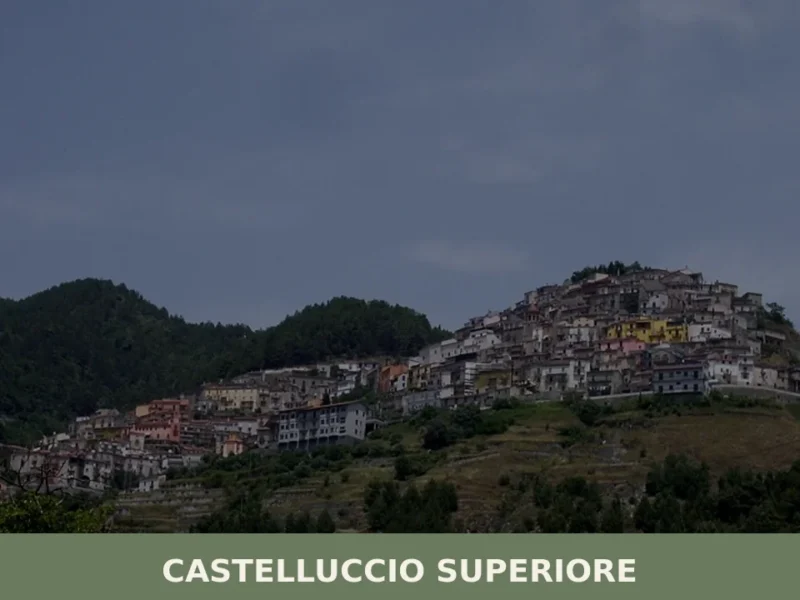
Castelluccio Superiore
Mountain
what to see in castelluccio superiore, Italy. Discover this mountain village at 680 m, explore its historic core, and experience the feast of Santa Margherita di Antiochia.

Craco
Mountain
What to see in Craco, Italy: explore the abandoned town at 400 m (1,312 ft), its medieval tower, film locations, and Basilicata's landscape. Discover it all here.
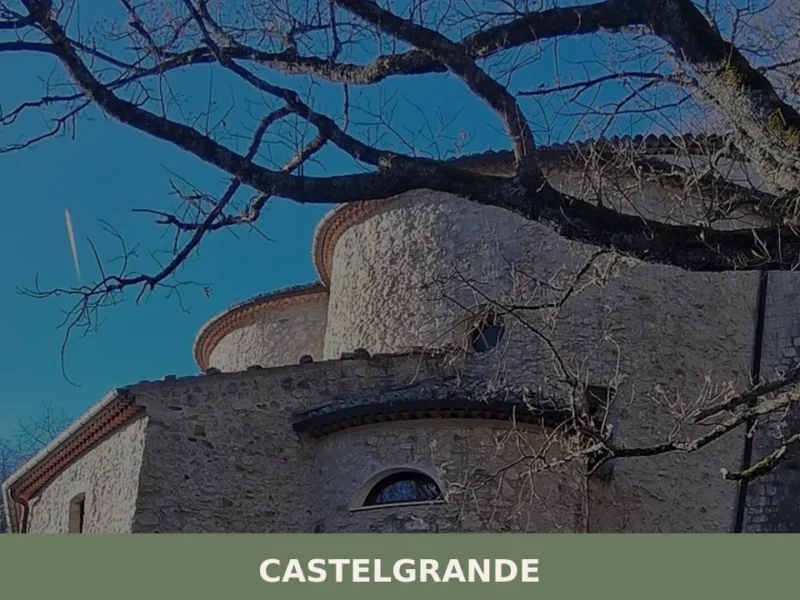
Castelgrande
Mountain
Discover what to see in Castelgrande, a mountain village in Basilicata. From the Mother Church to the historic center, a journey through history and nature. Includes practical tips for your visit.
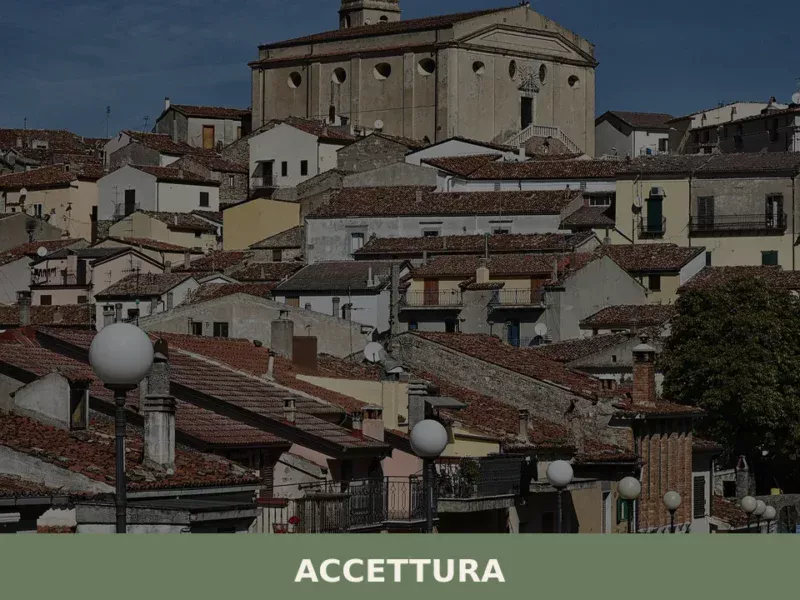
Accettura
Mountain
Population 1,575. Altitude 770m. Accettura hosts the Gallipoli Cognato Piccole Dolomiti Lucane regional park and commands views across the Matera uplands.

Genzano di Lucania
Mountain
Discover Genzano di Lucania, a stone-built hilltop village in Alta Basilicata, where ancient alleys, Apennine views, and local traditions shape everyday life.
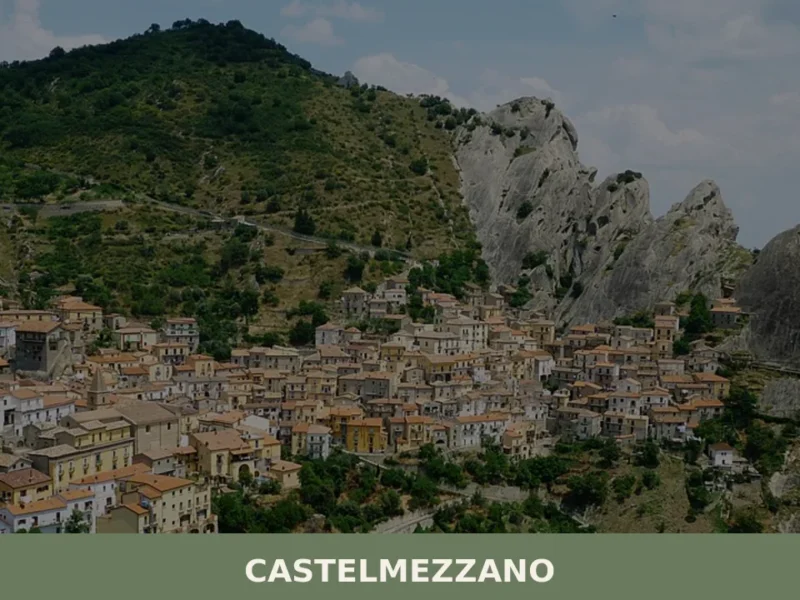
Castelmezzano
Mountain
what to see in castelmezzano, Italy: Discover its 710 inhabitants, ancient castle ruins, and thrilling Angel Flight. Explore Basilicata's stunning Dolomites.





🏡 Know Ginestra better than we do?
If you’re a local or have been there, your knowledge matters: add what’s missing or fix a detail on this page.