


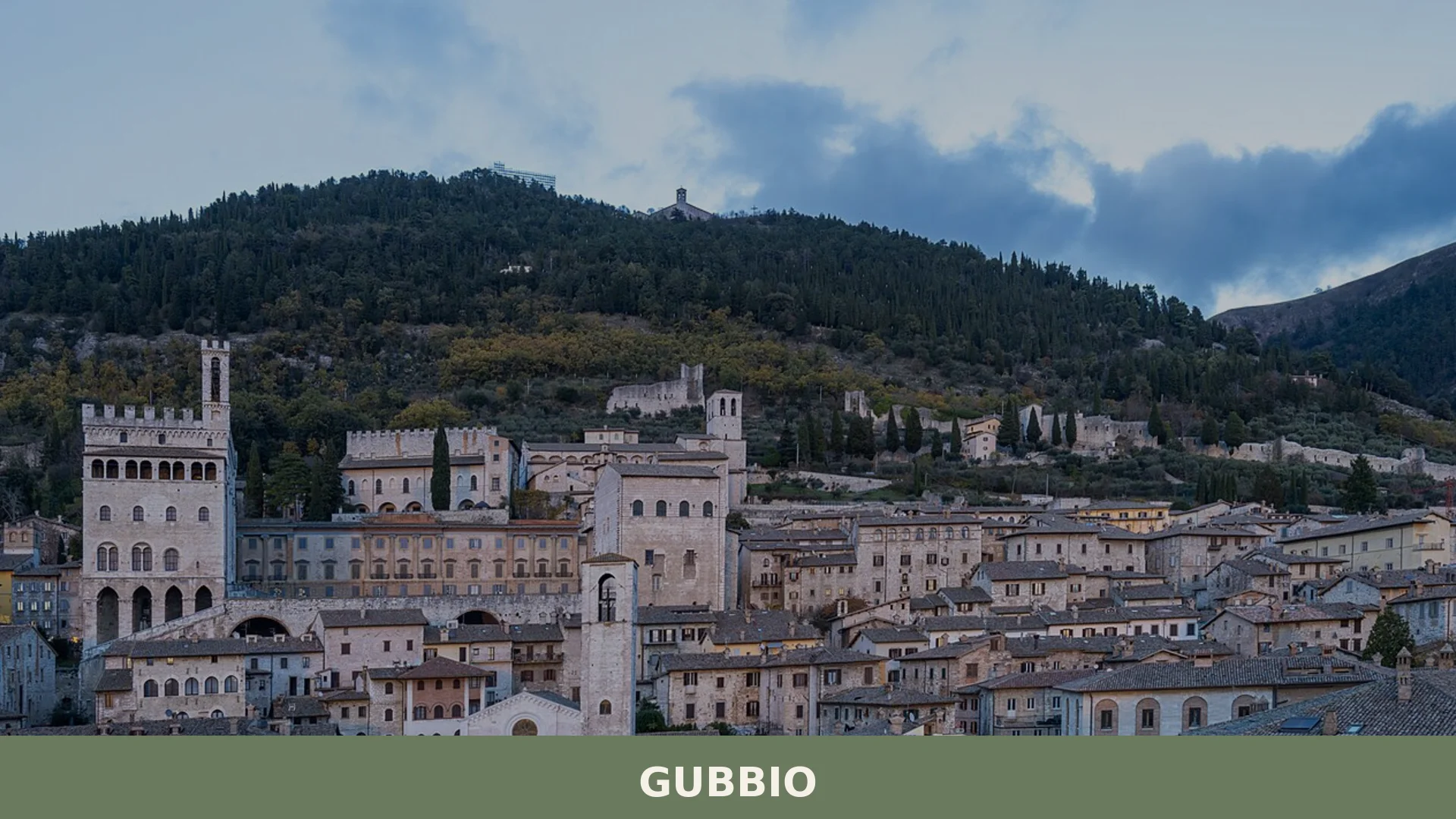

Gubbio is a historic Umbrian town of around 30,000 people in the province of Perugia, celebrated for its Roman and medieval heritage and the remarkable bronze Tavole eugubine.
Discover Gubbio
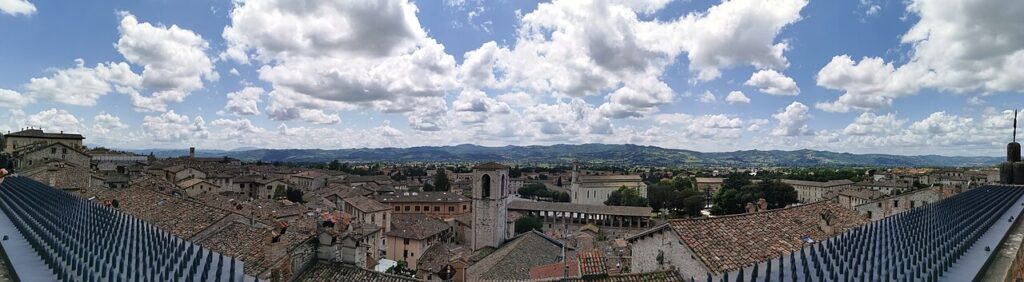
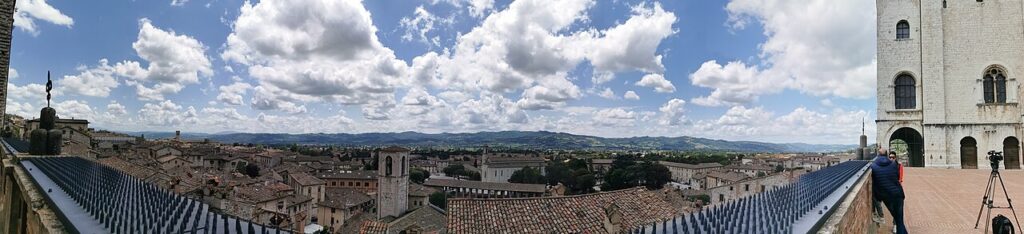
Gubbio is a historic town in the province of Perugia, Umbria, with a population of around 30,000 and a municipal centre sitting at 522 metres above sea level, spread across a territory of roughly 525.08 square kilometres at the eastern edge of the province, where Umbria meets the Marche along the Apennine ridge. Its documented human presence stretches from the Palaeolithic through a Neolithic settlement at San Marco, a Bronze Age community on Monte Ingino, and a fully formed Umbrian city known as Ikuvium or Iguvium, before becoming a Roman municipium in 89 BC and accumulating, across the medieval and Renaissance centuries, the layered civic and religious architecture that still defines its skyline today.
Travellers encountering the Gubbio village in Umbria for the first time tend to arrive via Perugia, roughly 40 kilometres and about 50 minutes away, or from Umbertide, approximately 30 kilometres distant and around 35 minutes by road — two practical reference points for anyone organising an itinerary through the region. The town’s position on ancient routes linking the Tyrrhenian and Adriatic coasts, its Montefeltro and Della Rovere dynastic past, and landmarks such as the Palazzo dei Consoli — home to the celebrated bronze Tavole eugubine — give Gubbio a depth of historical resonance that repays unhurried exploration.
Gubbio village in Umbria: history across three thousand years
Gubbio is an Umbrian town with documented human presence from the Palaeolithic onwards, a Roman municipium from 89 BC, a free commune throughout the medieval centuries, and a domain of the Montefeltro and Della Rovere dynasties before passing to the Papal State in 1631 and joining the Kingdom of Italy in 1860. Settlement traces from the Neolithic have been found at the locality of San Marco, while a Bronze Age community occupied the slopes of Monte Ingino for several centuries. Under the name Ikuvium or Iguvium, the city allied with Rome around 295 BC; in 167 BC it briefly held the captive Genzio, last king of Illyria, taken prisoner by the praetor Lucio Anicio Gallo. Roman citizenship followed in 89 BC, when Gubbio was enrolled as a municipium in the Clustumina tribe.
The early medieval centuries brought destruction and rebuilding in rapid succession. Gothic forces under Totila razed the city in 552; the Byzantine general Narsete, acting for the emperor Giustiniano, had it rebuilt not on the plain but along the slopes of Monte Ingino, protected by two strong defensive towers. Lombard kings — Liutprando, Astolfo, and Desiderio — pressed towards the area during the eighth century, before donations attributed to Pipino il Breve and Carlo Magno transferred the city to the Church. Despite episcopal authority, Gubbio organised itself as a free commune of Ghibelline allegiance and in the eleventh century pursued an expansionist policy: the rival city of Luceoli was destroyed, its territory absorbed, and the town of Pergola was founded, later becoming independent in 1752. In 1151 an alliance of eleven cities led by Perugia attacked Gubbio; the assault was repelled in what was attributed to the miraculous intervention of the bishop Sant’Ubaldo (1080–1160). Conflicts with Perugia continued until a peace treaty in 1273 restored territories occupied in 1257.
The thirteenth century brought urban and economic growth, with the Guelph faction holding power from 1263 until 1350, apart from a brief Ghibelline occupation in May 1300 by the forces of Uberto Malatesta and Uguccione della Faggiola, reversed the following month by the militia of Cante Gabrielli. Giovanni Gabrielli established his own signoria in August 1350, and four years later Cardinal Albornoz, as papal legate, besieged and took the city. A popular uprising in 1376 restored a degree of self-government, but after the bishop Gabriello Gabrielli declared himself lord in 1381 and provoked armed resistance, the citizens chose to place themselves under the protection of the Montefeltro dukes of Urbino. Federico da Montefeltro, born at Urbino in 1422, celebrated his first marriage there in 1437 and later founded the city’s Monte di Pietà. The Montefeltro held Gubbio until 1508, when the Della Rovere succeeded them; on the death of Francesco Maria II Della Rovere in 1631, the territory passed to the Papal State, remaining under that authority until annexation to the Kingdom of Italy in 1860.
Among the lasting witnesses to Gubbio’s pre-Roman past are the Tavole eugubine — seven bronze tablets written in Umbrian, using Umbrian, Latin, and Etruscan alphabets — discovered intorno metà del XV secolo near the Teatro Romano and acquired by the commune in 1456. The scholar Giacomo Devoto devoted two scholarly editions to them in 1937 and 1940, followed by a pocket edition in 1977, in which he described the tablets as the most important ritual text of all classical antiquity. The tablets are now held in the Museo Civico of the Palazzo dei Consoli, at the centre of the medieval city.
Civic Palaces, Sacred Spaces and Museum Collections in Gubbio
Gubbio holds a concentrated set of monuments across its historic centre: the Palazzo dei Consoli with its civic museum and the celebrated Tavole eugubine, the Church of Santa Maria Nuova with a documented fourteenth-century fresco cycle, the Museo della Maiolica a Lustro in a medieval tower, and the Museo Diocesano between the cathedral and the ducal palace.
Palazzo dei Consoli and Museo Civico
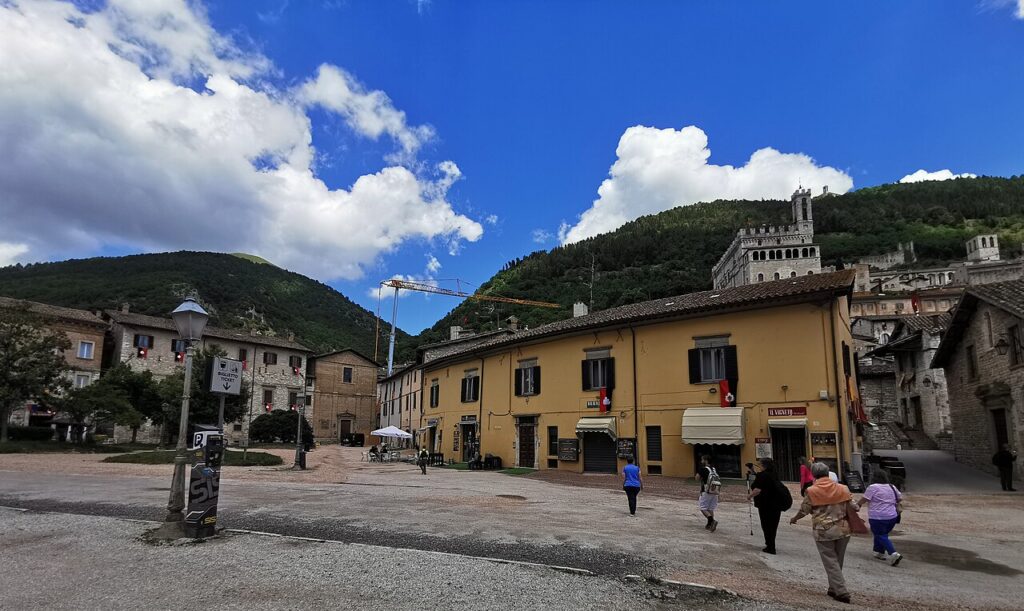
The Palazzo dei Consoli stands in the historic centre and its façade faces the Piazza Grande, a raised terrace that served as the political centre of the medieval city. Construction ran from 1332 to 1349 on a design attributed to Angelo da Orvieto, whose name is recorded in an inscription above the entrance arch, with contributions from Matteo di Giovannello, known as il Gattapone. The building has a rectangular plan and houses the Museo Civico. The museum’s principal holdings are the Tavole eugubine — seven bronze tablets written in the Umbrian language using Umbrian, Latin and Etruscan alphabets. Discovered near the Teatro Romano intorno metà del XV secolo and acquired by the municipality in 1456, they represent the most significant surviving document of the Umbrian language. Giacomo Devoto devoted two scholarly editions to them, published in 1937 and 1940, followed by a shorter edition in 1977.
Church of Santa Maria Nuova
Santa Maria Nuova is a stone building dating from the end of the thirteenth century. Its façade features an ogival trilobed portal positioned asymmetrically relative to the central axis of the front wall, and arcades run along the flank. Inside, the principal work is a fresco by Ottaviano Nelli depicting the Madonna del Belvedere, dated 1413, alongside other mural paintings.
Museo della Maiolica a Lustro
The collection is housed on the first floor of the medieval tower of Porta Romana, near the church of Sant’Agostino. The tower originally served a defensive function at one of the city’s historic entrances. The museum traces successive phases of lusterware ceramic production and holds significant pieces by Mastro Giorgio Andreoli, including a signed plate depicting Sant’Antonio da Padova dated 1531. The holdings extend from the sixteenth century through to the 1950s.
Museo Diocesano
The diocesan museum occupies the Palazzo del Capitolo dei Canonici, a building constructed in the thirteenth century and later enlarged. It stands between the cathedral, dedicated to Santi Giacomo and Mariano, and the ducal palace erected by Federico da Montefeltro. The palazzo formerly housed the college of canons whose communal life was regulated by Sant’Ubaldo.
Archivio di Stato — Sezione di Gubbio
The state archive section in Gubbio was established in 1957 following a request from the municipal council, which approved the initiative in December 1956. Its premises are located on the second floor of the Palazzo del Podestà.
Churches and Castles
Among the religious buildings in and around the town, the sources identify the cathedral, the basilica of Sant’Ubaldo, and the churches of Sant’Agostino, San Giovanni Battista and San Francesco d’Assisi. The surrounding territory retains several medieval fortifications, including the castle of Carbonana, Castel d’Alfiolo, the Castello di Vallingegno, the Castello di Castiglione Aldobrando and the Castello di Santa Maria di Alfiolo.
Food and Produce from Gubbio and Its Territory
Gubbio sits within a broad Umbrian and central Apennine food tradition, where certified meat, grain and legume products define the table more than any single local speciality. The surrounding provincial area is home to Agnello del Centro Italia IGP, Prosciutto di Norcia IGP and Lenticchia di Castelluccio di Norcia IGP, alongside Patata Rossa di Colfiorito IGP and Farro di Monteleone di Spoleto DOP. Cheese lovers will find Caciottone di Norcia IGP on local tables.
The charcuterie tradition of the region produces a range of pork preparations listed among Italy’s traditional agri-food products: capocollo, guanciale, lombetto, mazzafegati, corallina, coppa di testa and porchetta are all part of the broader Umbrian cured-meat heritage you can encounter in and around Gubbio. These are regional products, not exclusives of the town itself, but they reflect the food culture of the territory faithfully.
Wines from the wider Umbrian area accompany the local table. The two DOCG denominations of the region are Montefalco Sagrantino and Torgiano Rosso Riserva. Among the DOC wines, Colli Altotiberini is the designation geographically closest to Gubbio’s territory, given the town’s natural connection to the upper Tiber valley through the Assino stream.
Getting to Gubbio and Planning Your Visit
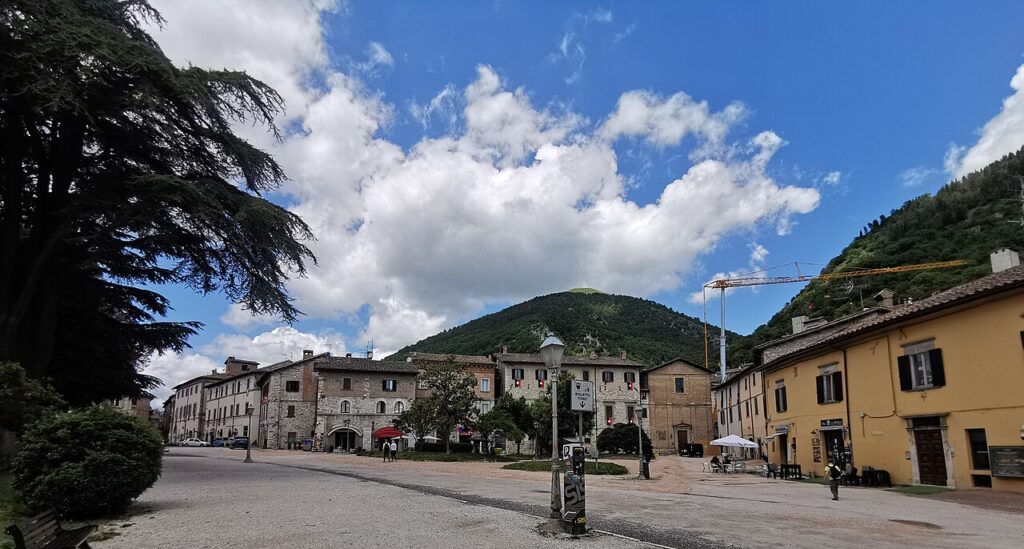
Gubbio is most directly reached by road from Perugia, approximately 40 kilometres away — a journey of around 50 minutes — or from Umbertide, about 30 kilometres distant and roughly 35 minutes by car, following the Assino valley that links Gubbio’s basin with the upper Tiber. The town stands at 522 metres above sea level in the mountainous eastern corner of the province of Perugia, close to the border with the Marche region.
For season, the climate offers clear guidance: summers are warm but ventilated, with only occasional rain, making them comfortable for walking the medieval streets and visiting outdoor sites. Winters can be cold and snowy due to the influence of the nearby Umbro-Marchigiano Apennines, which suits visitors drawn to the town’s enclosed, stone character but requires practical preparation.
The surrounding countryside connects Gubbio to several smaller communities worth combining into a longer itinerary. Costacciaro, close to the Monte Cucco area southeast of Gubbio, and Scheggia e Pascelupo, along the Via Flaminia corridor near the site of ancient Luceoli, both lie within easy reach. Further south and west, Montone sits along the upper Tiber valley and can be included in a circuit that follows the Assino stream back toward Umbertide.
Walkers and pilgrims have two long-distance routes passing through or near Gubbio: the Cammino di Assisi and the Via di Francesco – tratto umbro, both around 320 kilometres in total length, linking the town to the wider Franciscan landscape of Umbria.
| Departure | Distance | Time |
|---|---|---|
| Perugia | approx. 40 km | approx. 50 min |
| Umbertide | approx. 30 km | approx. 35 min |
| Pesaro-Urbino (confine provinciale) | approx. 25 km | approx. 30 min |
These practical references help organise the journey clearly, while the village itself is best understood slowly and on foot once you arrive.
Frequently asked questions about Gubbio
What is the best time to visit Gubbio?
May is ideal, especially around May 16th when the Festa di Sant'Ubaldo (Patron Saint Festival) takes place, featuring the famous Ceri race. Spring and autumn offer pleasant mountain weather at 527 metres elevation. Summer can be warm; winter brings cooler conditions typical of Apennine locations. The town's medieval character is best appreciated during shoulder seasons with fewer crowds.
How do I reach Gubbio from Perugia?
Gubbio lies approximately 40 kilometres northeast of Perugia, roughly a 50-minute drive by car. Follow the SR298 road connecting the two towns. Public transport options include regional buses operated by local services. The journey follows ancient routes that historically linked the Tyrrhenian and Adriatic coasts, placing Gubbio strategically at the eastern edge of Perugia province where Umbria meets Marche.
What should I see in Gubbio's historic centre?
The Palazzo dei Consoli is essential—it houses the Tavole eugubine, celebrated bronze tablets documenting the Umbrian language. Medieval and Renaissance civic and religious architecture define the skyline. The town preserves layers from its Umbrian city period (Ikuvium), Roman municipium status (89 BC), and medieval-Renaissance development. Plan unhurried exploration to appreciate three thousand years of documented human presence.
Are there outdoor activities around Gubbio?
Gubbio's mountain setting (522 metres) in the Apennines offers hiking opportunities. Monte Ingino, with Bronze Age archaeological significance, is accessible via trails. The surrounding territory spans roughly 525 square kilometres with documented routes connecting valley settlements. Local CAI (Italian Alpine Club) trails and mountain pathways provide exploration options, though specific trail details require consultation with the tourist information office.
How long should I spend in Gubbio?
A full day allows thorough exploration of the medieval centre, Palazzo dei Consoli, and principal religious buildings. Two days enables deeper engagement with museums, archaeological sites like Monte Ingino and San Marco's Neolithic settlement, and surrounding mountain landscapes. Overnight stay recommended to experience the town's atmospheric evening ambiance and participate in local dining culture.
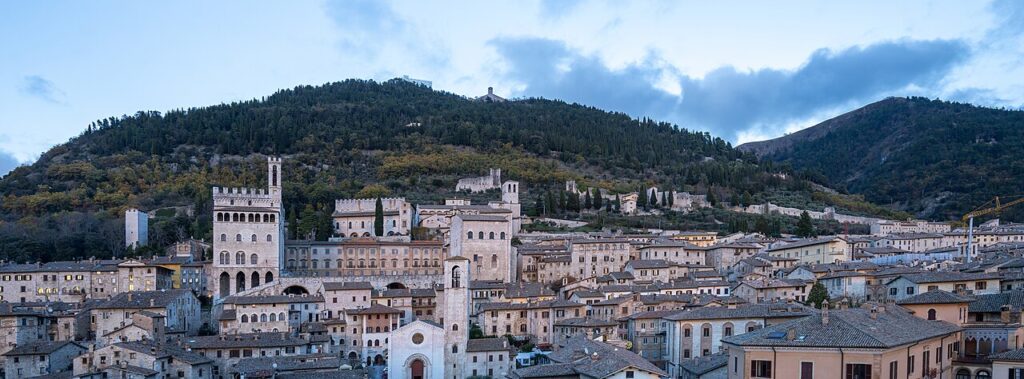
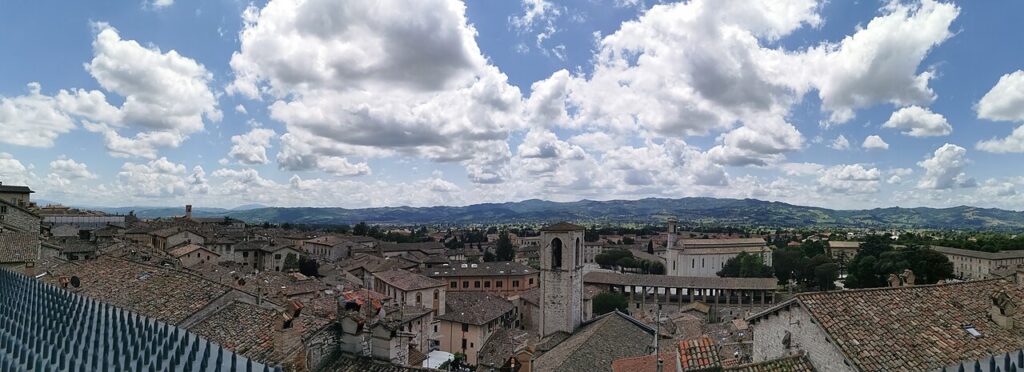
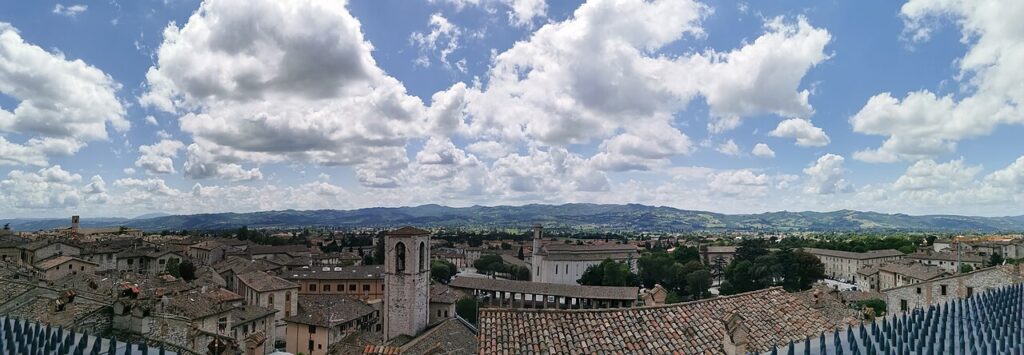
📷 Photo Gallery — Gubbio
In Umbria More villages to discover
Campello sul Clitunno
 Hills
Hills
Campello sul Clitunno è un borgo umbro che unisce storia longobarda, architetture medievali e una ricca tradizione enogastronomica.
Scheggia e Pascelupo
Hills
Scheggia e Pascelupo sits at 580 metres above sea level along the ancient Via Flaminia, the Roman consular road that connected Rome to Rimini from 220 BC. The municipality, formed by merging two distinct settlements in 1879, counts 1,232 inhabitants across a territory of deep gorges and limestone ridges in the province of Perugia. For […]
Acquasparta
Hills
Discover what to see in Acquasparta, Umbria: Renaissance palaces, the Cesi legacy, mineral springs, Martani Hills trails, and local food. A complete travel guide.
Bettona
Hills
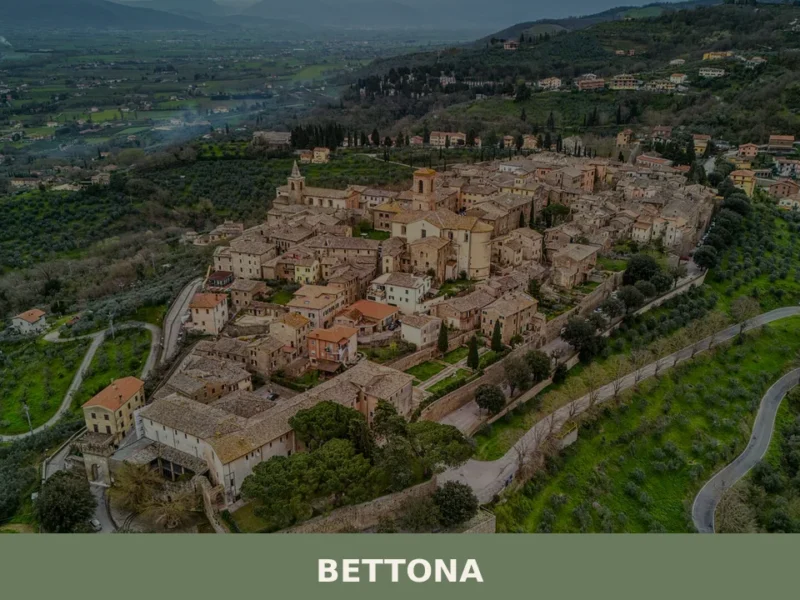
Bettona, a municipality in the province of Perugia, Umbria, rises 353 meters above sea level with a population of 4,227 inhabitants.
Preci
Hills
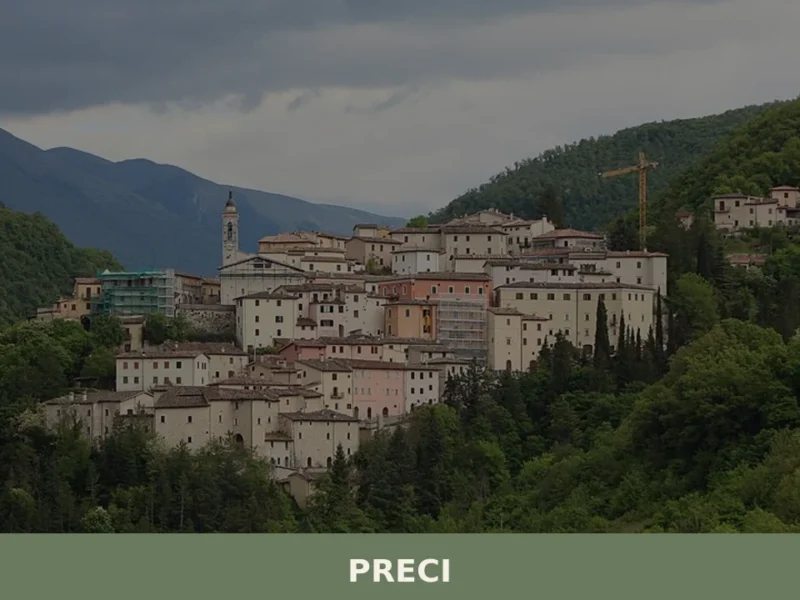
With a recorded population of 681 inhabitants, Preci stands at an elevation of 596 metres above sea level in the heart of Umbria, a region often referred to as Italy’s ‘green heart’. This small village, historically shaped by its monastic tradition and a renowned surgical school (see English Wikipedia), offers a distinct window into a […]
Lisciano Niccone
Hills
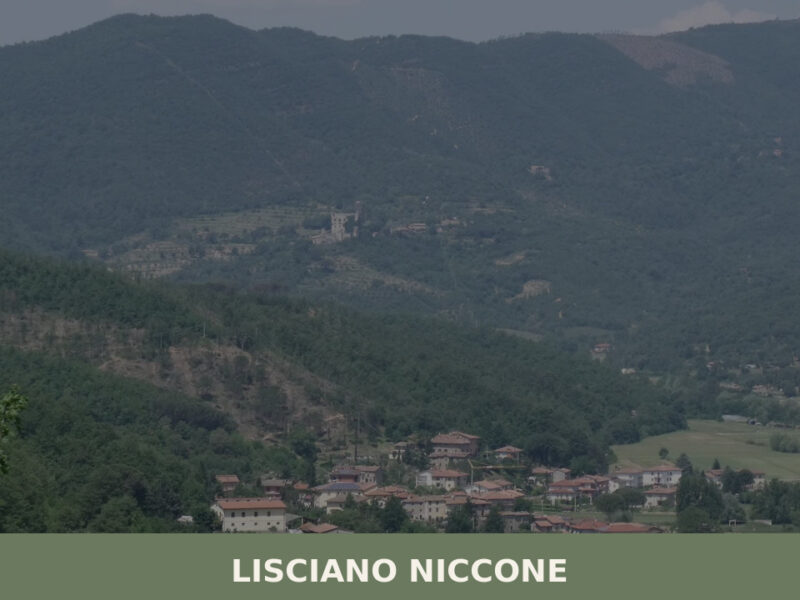
A 601-inhabitant village on the Umbria-Tuscany border. Discover what to see in Lisciano Niccone: its medieval core, valley trails, and traditional food.
Cascia
 Mountain
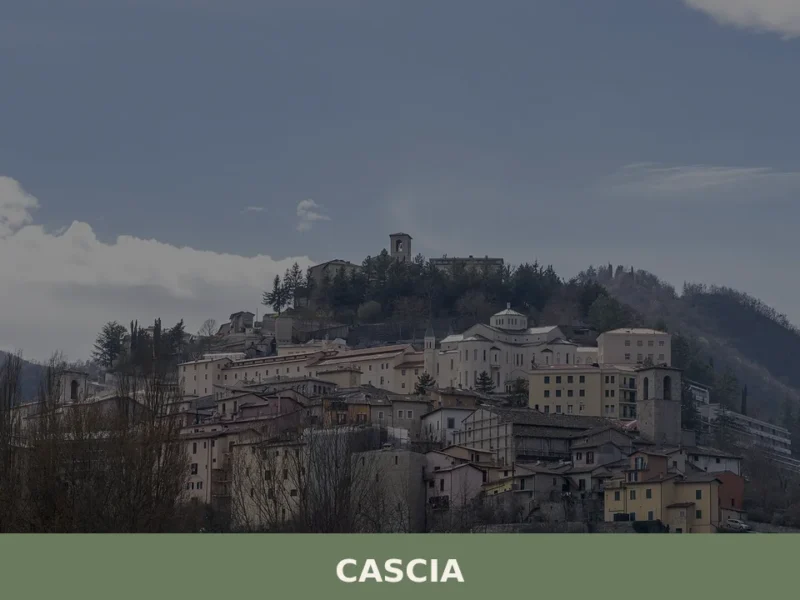
What to see in Cascia, Umbria, Italy: explore the Basilica of Santa Rita, medieval churches, and local truffles at 653 m altitude. Discover the full travel guide.
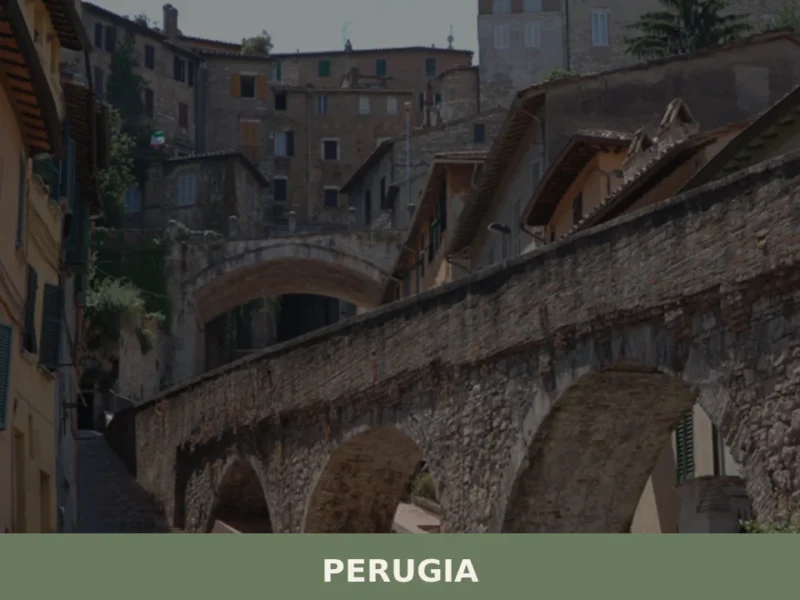
Perugia
Hills
Perugia, the hilltop regional capital of Umbria at 484 metres above sea level, offers visitors more than three thousand years of continuous history, from Etruscan walls to Renaissance frescoes.
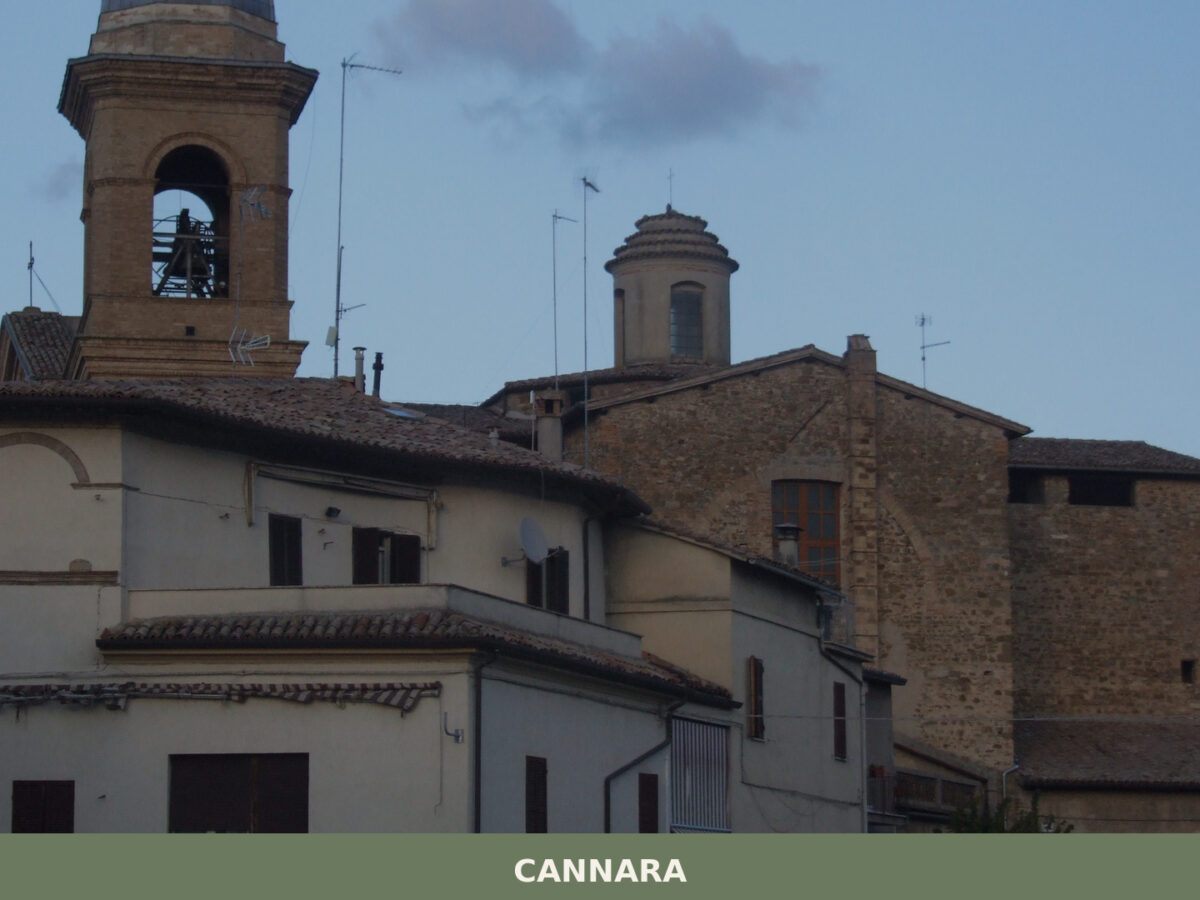
Cannara
 Plains
Cannara is a walled medieval town in Umbria's Valle Umbra where Franciscan tradition, old stone churches and a hilltop castle reward a quiet, unhurried visit.
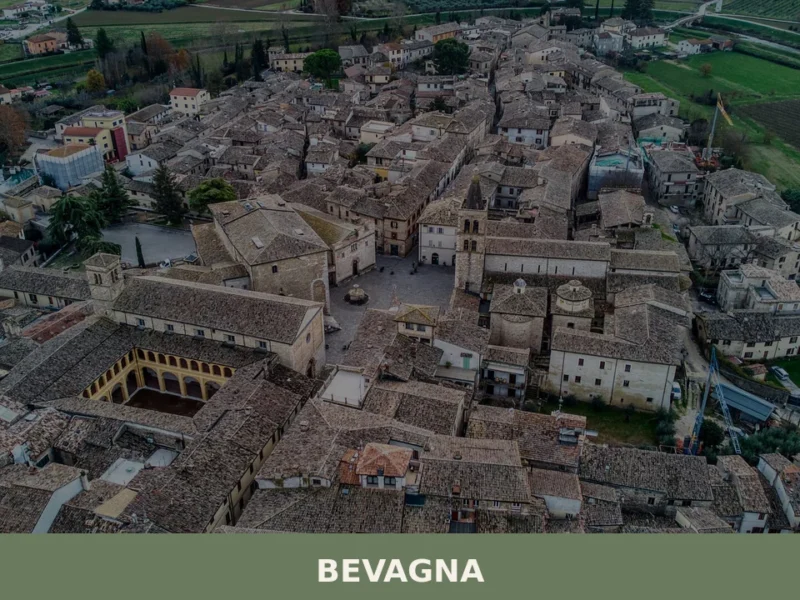
Bevagna
Hills
Bevagna, a historic village in Umbria, offers a rich tapestry of Roman and medieval heritage.
🏡 Know Gubbio better than we do?
If you’re a local or have been there, your knowledge matters: add what’s missing or fix a detail on this page.