


Mombello di Torino
 Mountain
399 residents, three churches and eight centuries of documented history. Mombello di Torino rewards visitors drawn to genuine Piedmontese hill culture and Romanesque architecture.
Mombello di Torino: a Piedmontese Village on the Collina Torinese
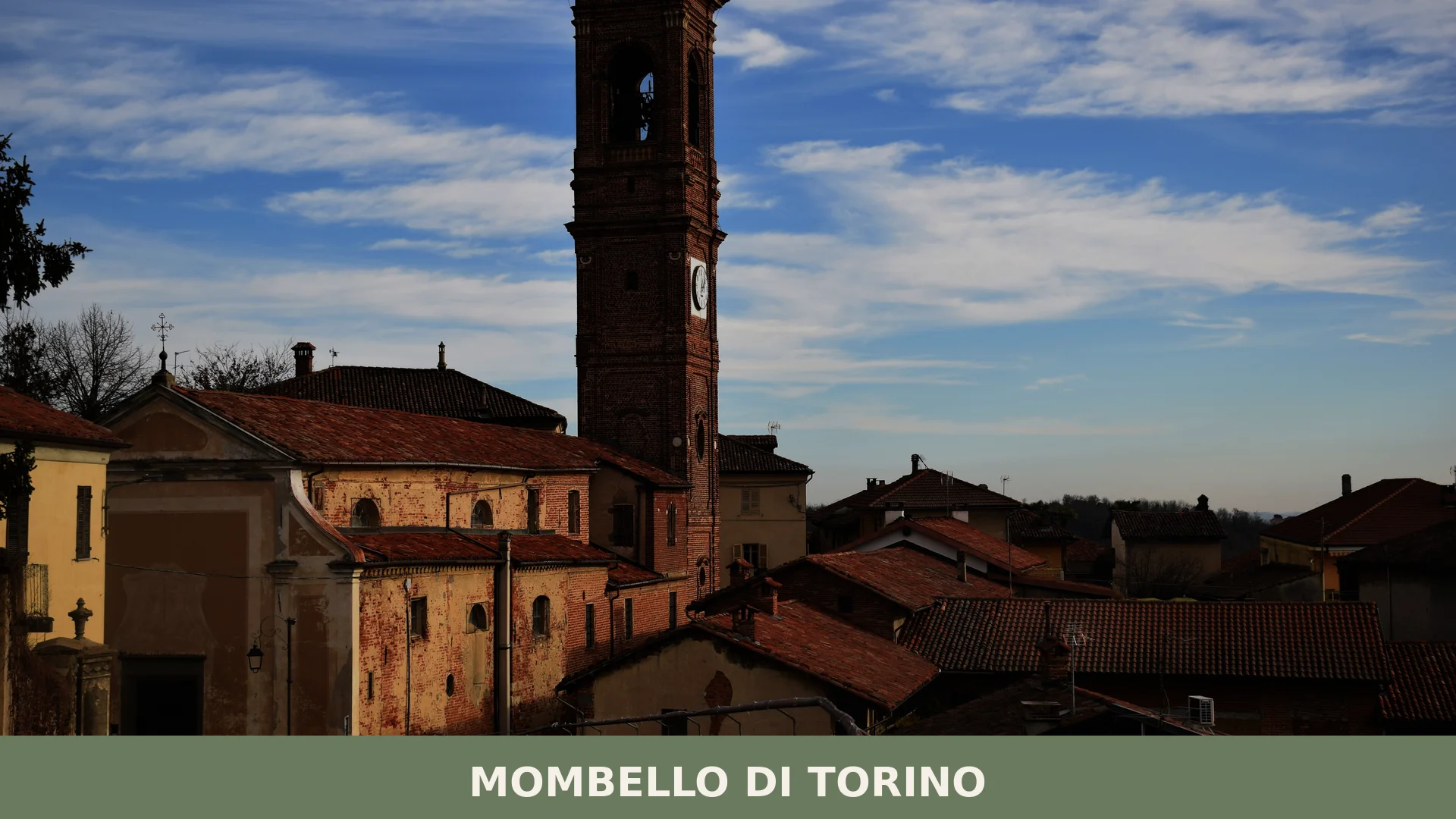
A compact stone village set at 336 metres above sea level on the Torinese hills, Mombello di Torino has a profile easy to overlook on a map but difficult to forget once you have walked its old centre. The parish church faces the open country, the road to Sant’Anna curves away from the last houses, and a Romanesque building sits quietly in the fields roughly two and a half kilometres to the south — each one a separate reason to slow down and look more carefully at what this territory holds.
Mombello di Torino village in Piedmont counts 399 residents and occupies just over four square kilometres of internal hill terrain in the Metropolitan City of Turin. Two concrete draws bring visitors here: a documented history that stretches back to a 12th-century imperial act, and a cluster of religious buildings whose architectural range is wider than a village of this scale might suggest. The surrounding landscape, shared with neighbouring communes such as Arignano and Marentino, adds a further dimension that any unhurried visit will make visible.
Places and landscape
Parish Church of San Giovanni Battista
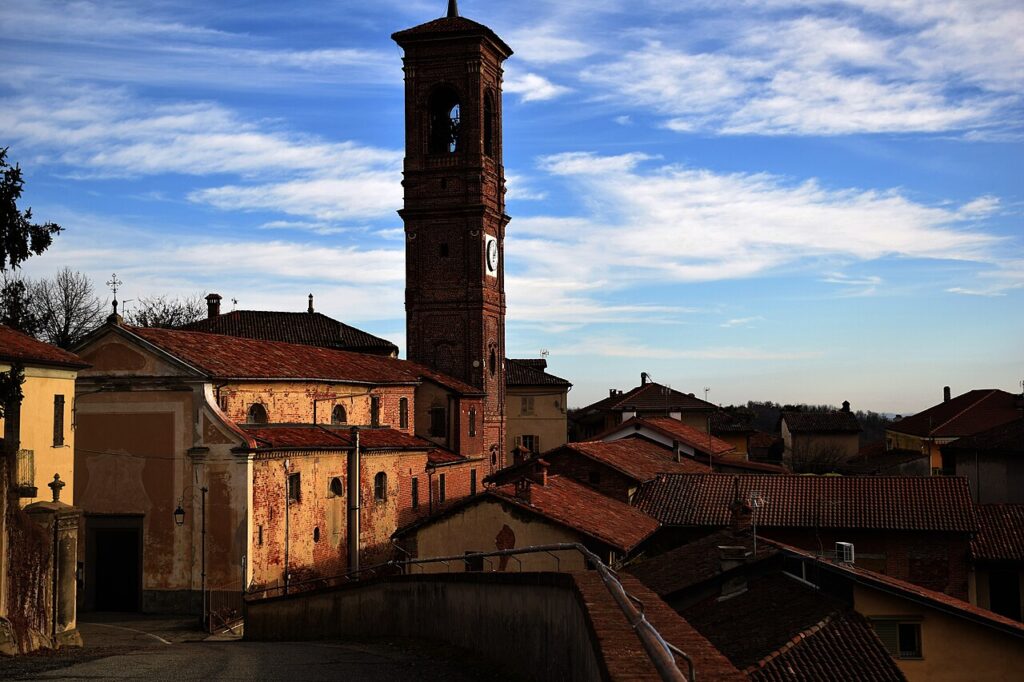
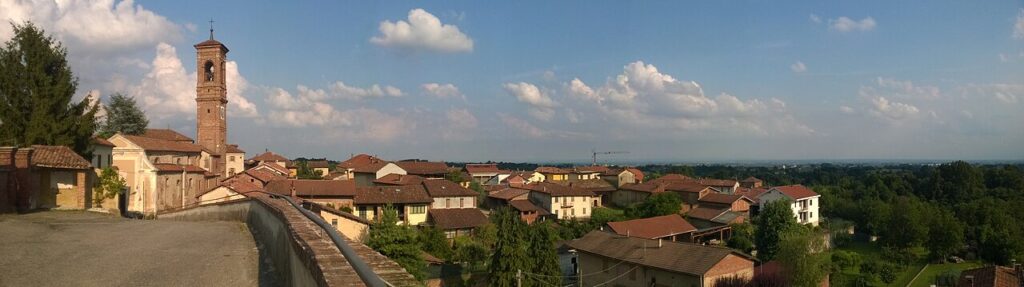
The parish church dedicated to Saint John the Baptist stands in the historic centre of the village and serves as the principal religious reference point for the mombellesi. Its position at the core of the built-up area makes it the natural starting point for anyone exploring the village on foot. The building anchors the compact streetscape and gives the centre its visual coherence. Details of its construction phases are not fully documented in available sources, but its presence in the heart of the settlement speaks to a continuous parochial life sustained across several centuries.
Cappella di Sant’Anna
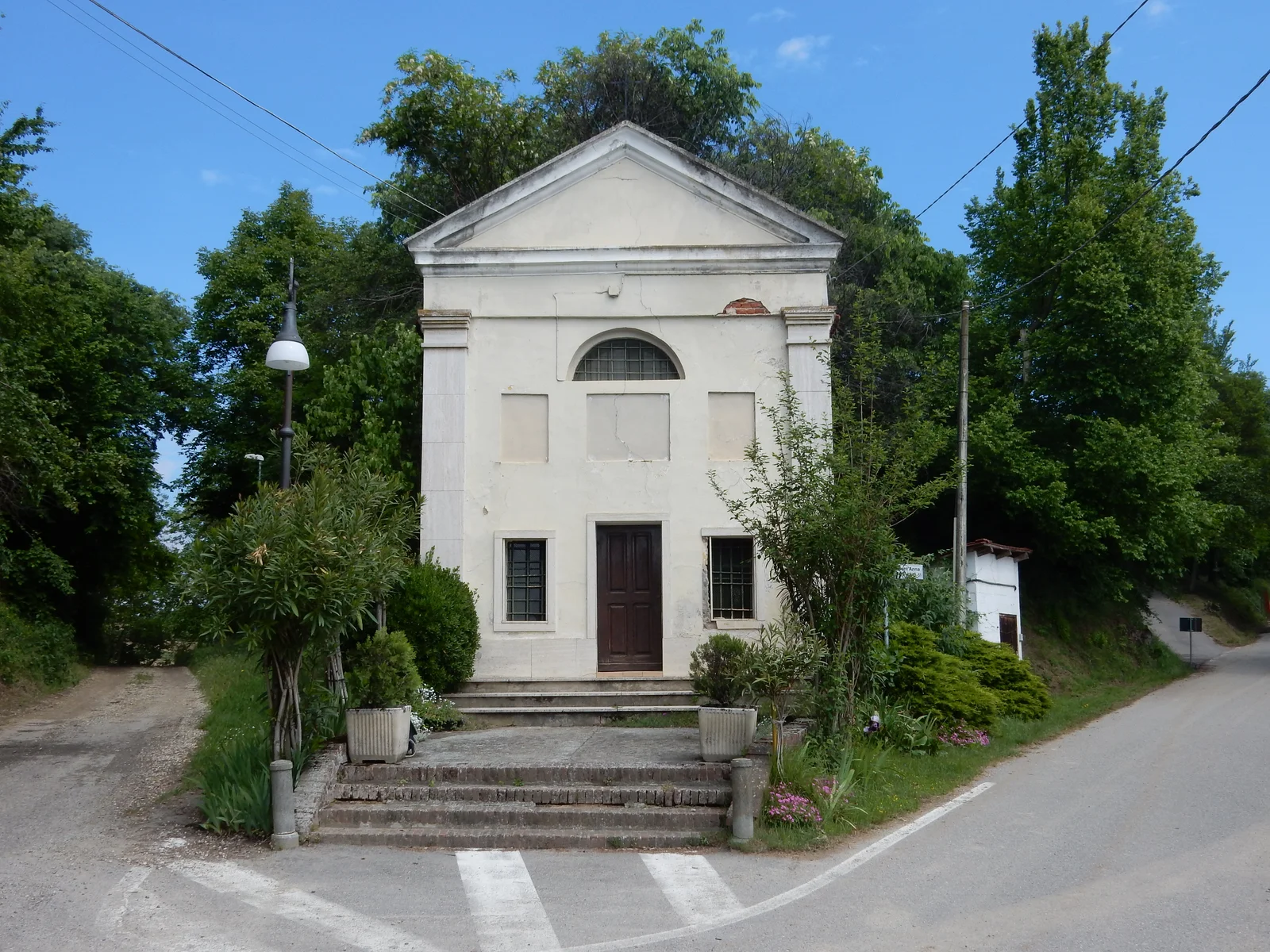
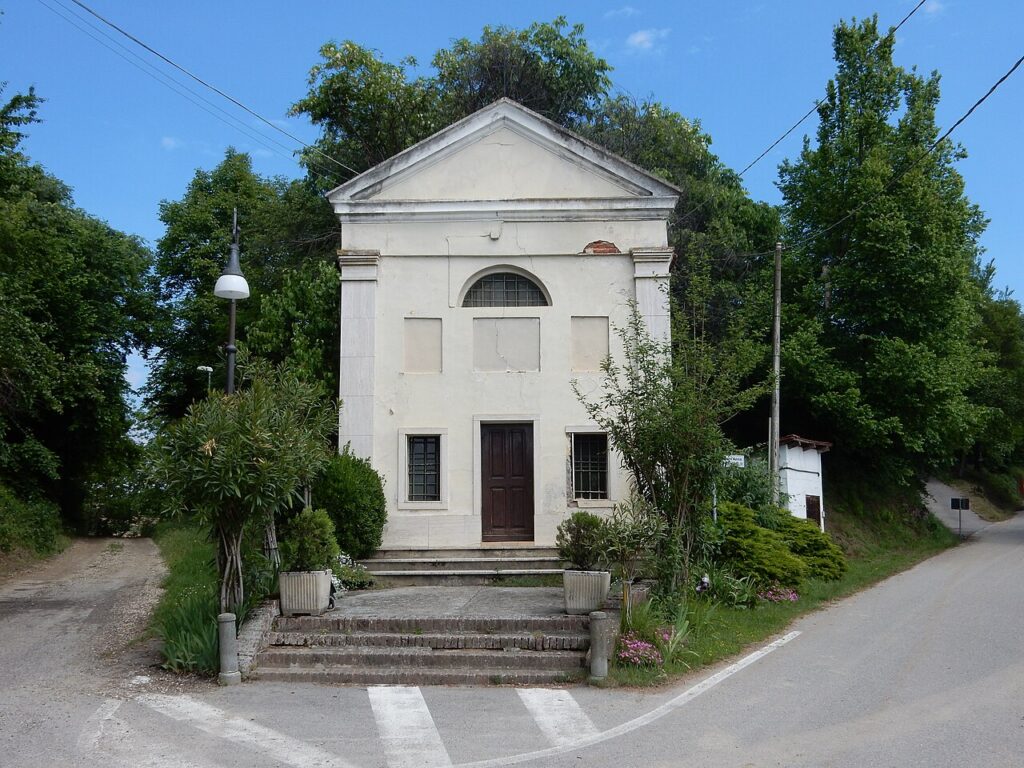
A short distance outside the village, along the road that carries the same name, the Cappella di Sant’Anna marks the edge of the built area with a small act of devotion in stone. Sant’Anna is also the village’s patron saint, which gives this modest roadside chapel a significance beyond its scale. The walk from the centre is brief and suitable for visitors of all ages, and the chapel provides a quiet pause before or after exploring the surrounding countryside. It is worth approaching it on foot rather than by car to appreciate its relationship with the lane and the open fields nearby.
Romanesque Church of San Lorenzo
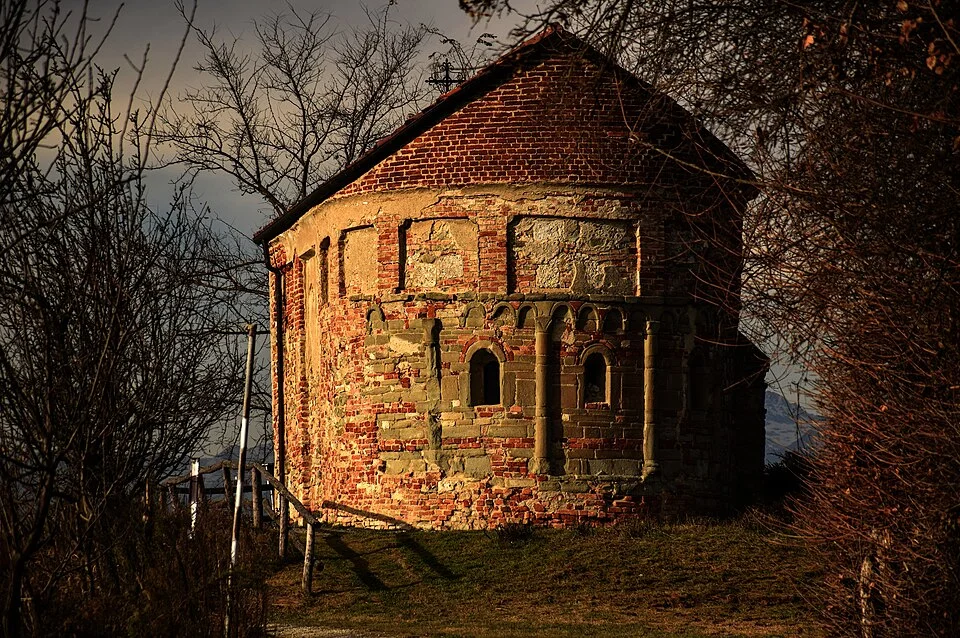
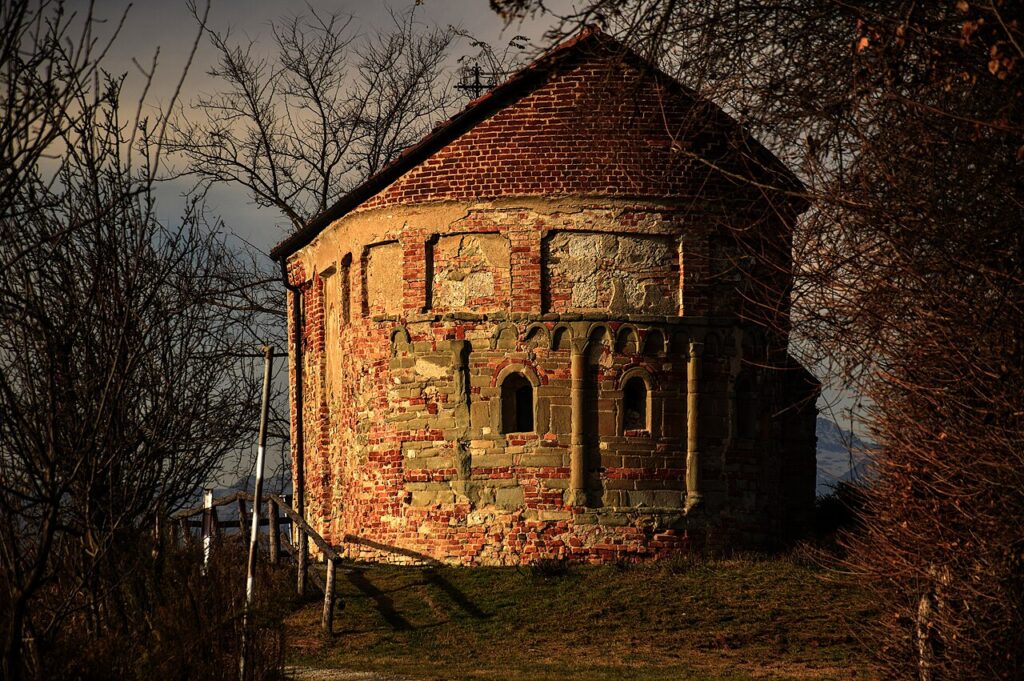
Approximately two and a half kilometres from the village centre, the ancient church dedicated to San Lorenzo represents the most architecturally significant building on the municipal territory. Its Romanesque character places it within a building tradition that spread across Piedmont roughly between the eleventh and thirteenth centuries, though precise dating for this specific structure is not confirmed in available sources. The distance from the centre means a visit requires a deliberate walk or a short drive, but the setting in the open countryside away from any urban fabric is itself part of the experience. Visitors with an interest in medieval religious architecture will find the building worth the extra effort.
Hill Flavours and the Agricultural Setting
The territory of Mombello sits within a broader agricultural landscape that has long supported viticulture and mixed farming. The Collina Torinese wine designation covers this part of the Turin hills, and the Freisa di Chieri DOC is produced in the surrounding territory. The Erbaluce di Caluso DOCG is typical of the Canavese area, a distinct region northwest of Turin. These are wines of the surrounding territory rather than products exclusive to this village, but they form the natural drink of the area and appear on tables across the local comuni. Nearby Andezeno and Marentino share the same agricultural context.
Piedmontese food culture more broadly draws on the traditions of the province, including cured meats, aged cheeses and the aromatic preparations associated with Turin and its hinterland. Products such as Ratafià and Vermouth, rooted in the herbal and fruit traditions of the region, belong to this wider culinary identity. At village level, the food rhythm follows the calendar of local production and the patronal feast of Sant’Anna rather than any organised gastronomic circuit.
Planning your visit and getting there
Mombello di Torino can be reached easily from the Turin area. The village is located on the Collina Torinese east of Turin, distinct from the Val Pellice, which is a valley to the southwest toward the Alps. The practical distances and journey times below are kept concise on purpose, so the access information stays clear and consistent.
| Departure | Distance | Time |
|---|---|---|
| Turin (city centre) | approx. 25 km | approx. 30 min |
| Chieri | approx. 7 km | approx. 10 min |
| Turin Caselle Airport | approx. 40 km | approx. 45 min |
These practical reference points are enough to plan the journey without overloading the text with unstable logistics. Once on site, the village is best understood slowly, on foot and in relation to the surrounding landscape.
Frequently asked questions about Mombello di Torino
When is the best time to visit Mombello di Torino?
Late July is ideal, as the Feast of Sant'Anna (patron saint) occurs on 26 July, bringing local celebrations and cultural activities to the village. Summer months offer pleasant weather for exploring the Torinese hills. Spring and autumn provide comfortable temperatures for walking the countryside and visiting religious buildings without summer crowds.
What is the nearest train station and how do I reach Mombello di Torino by public transport?
Mombello di Torino is located in the Metropolitan City of Turin, approximately 30 kilometres from Turin city centre. The nearest major railway station is Turin Porta Nuova. From there, regional buses or rental cars are recommended, as direct public transport connections to this small village are limited. Driving via motorway exit towards the Torinese hills is the most practical option.
How long should I plan to spend in Mombello di Torino?
A focused visit to the village centre and the Parish Church of San Giovanni Battista requires two to three hours. If you plan to explore the Romanesque building located approximately 2.5 kilometres south, the surrounding landscape, and neighbouring communes such as Arignano and Marentino, dedicate a full day for a leisurely experience of the territory.
What is the documented history of Mombello di Torino?
Mombello di Torino has a documented history stretching back to the 12th century, with records rooted in an imperial act from that period. This medieval heritage is evident in the village's architecture and layout, making it a site of historical interest for those researching the Piedmont region's feudal past and ecclesiastical development.
📷 Photo Gallery — Mombello di Torino


In Piedmont More villages to discover
Carema
Mountain
Scopri Carema borgo medievale: un gioiello del Piemonte tra vigneti storici, torri antiche e tradizioni millenarie. Visita questo angolo unico d'Italia!

Volpiano
 Plains
3 Baroque churches and a Roman centuriation grid still visible in the fields make Volpiano a rewarding stop in the Canavese between Turin and the Alps.
Rubiana
Mountain
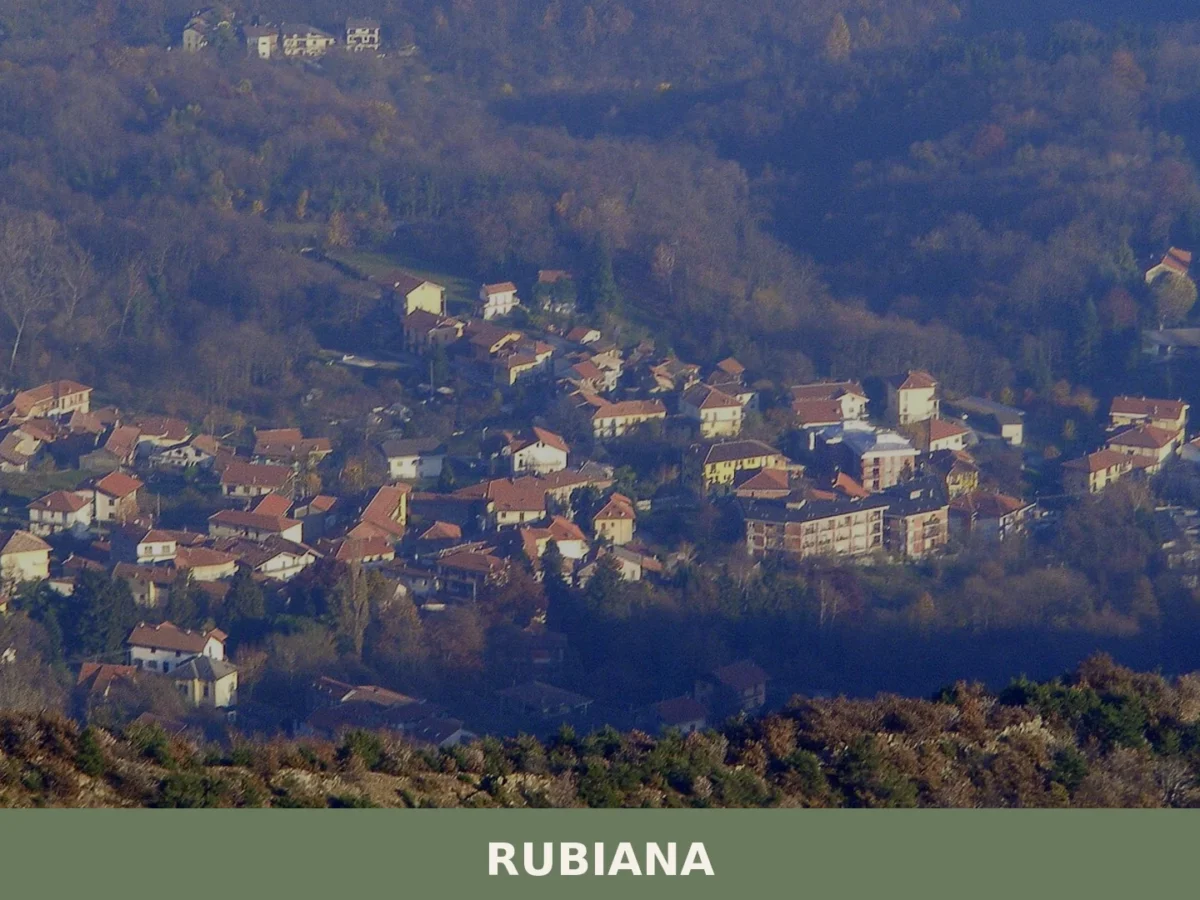
Population 2,516. Rubiana sits in a mountain amphitheatre at 640m altitude, with documented origins in a 1029 charter and a landscape shaped by Celtic settlement and 18th-century pilgrimage.
Mercenasco
 Hills
Hills
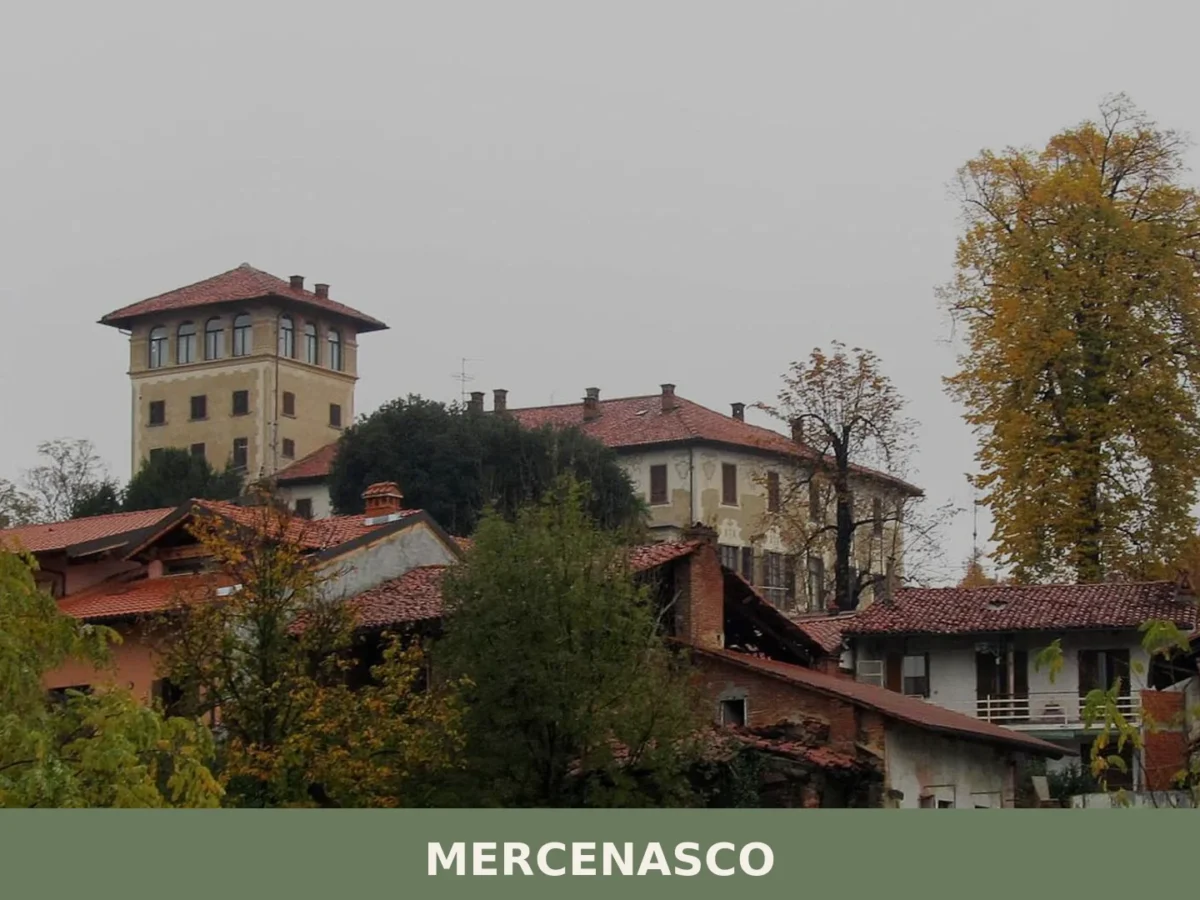
Two monuments and a millennium of history: Mercenasco draws visitors with its neogothic castle and baroque parish church set among the Canavese hills, 34 km north of Turin.
Aramengo
Hills
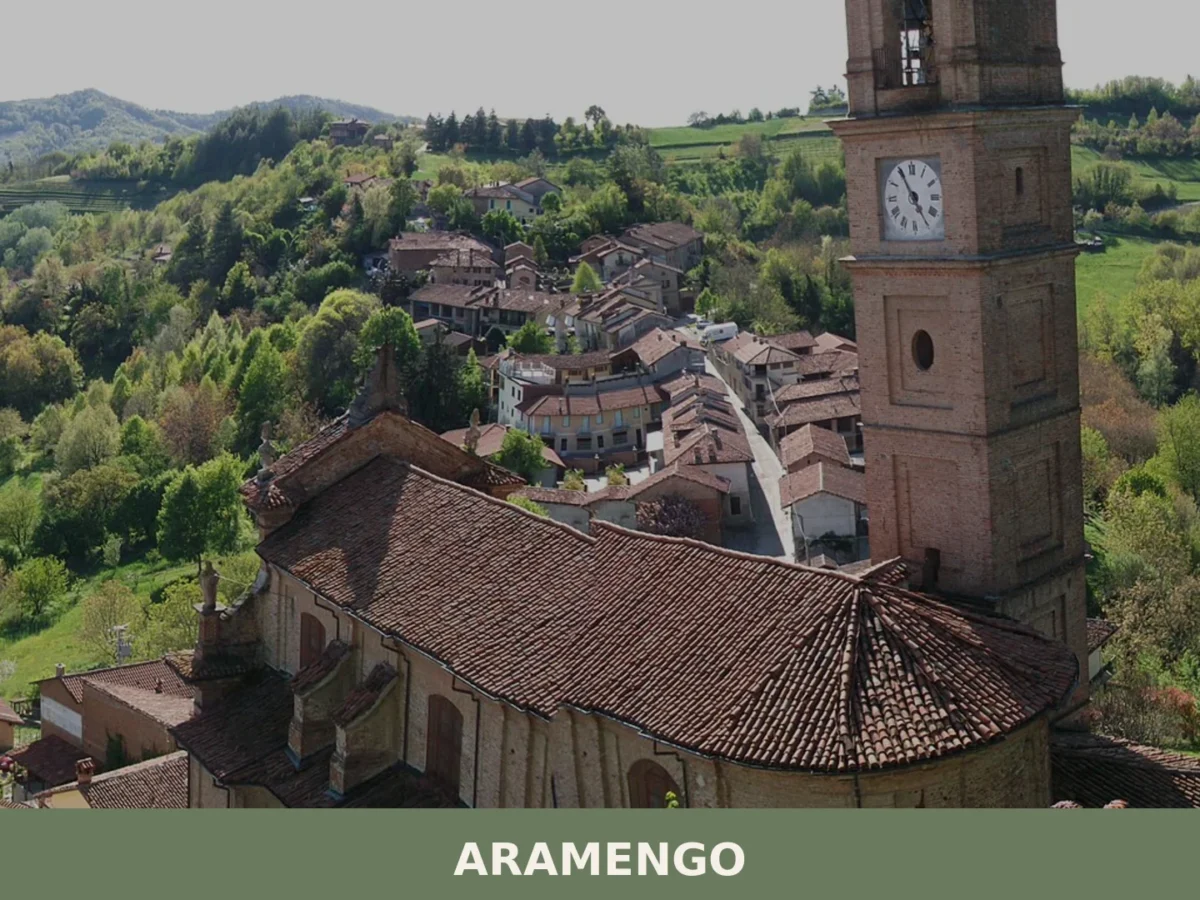
Aramengo is a small comune in the province of Asti, set among the inland hills of the northern Monferrato at 364 metres, with centuries of feudal history, notable religious architecture, and a living
Alpette
Mountain
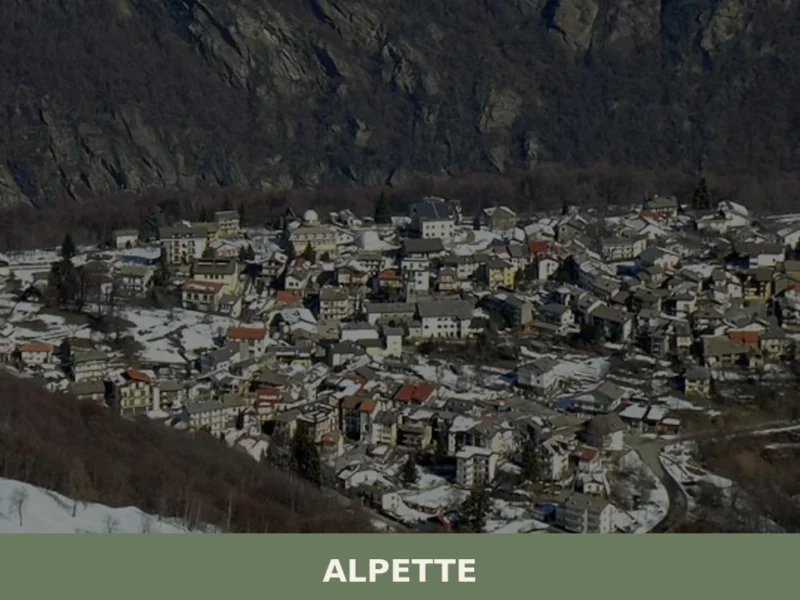
At 957 metres above sea level, on the eastern slope of Gran Paradiso, Alpette has 251 inhabitants spread between the central settlement and a handful of hamlets scattered along the pastures that climb towards Cima Quinzeina. Those looking into what to see in Alpette will find a village built almost entirely from local stone and […]
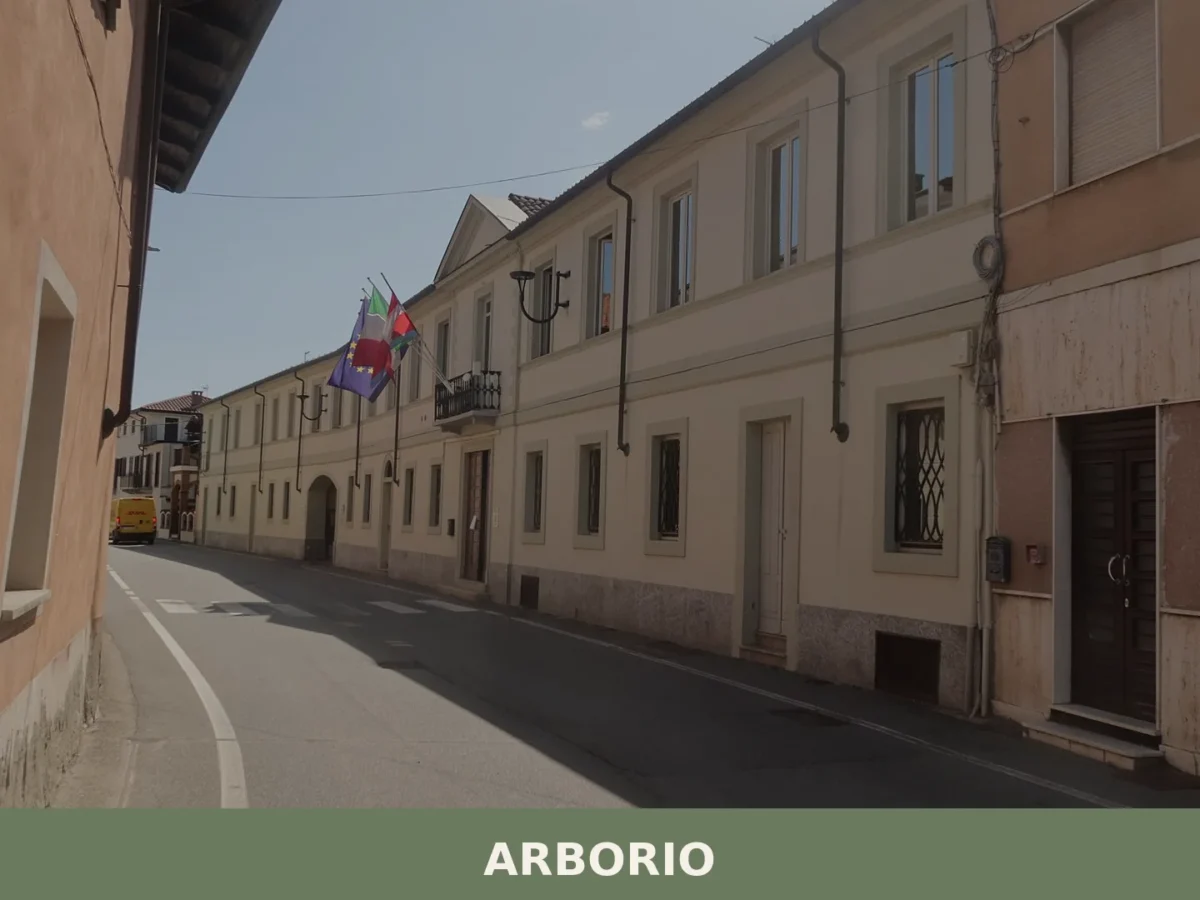
Arborio
Plains
Arborio is a comune of around 850 inhabitants in the province of Vercelli, Piemonte, famed for the rice variety that carries its name and for a recorded history stretching back to the year 999.
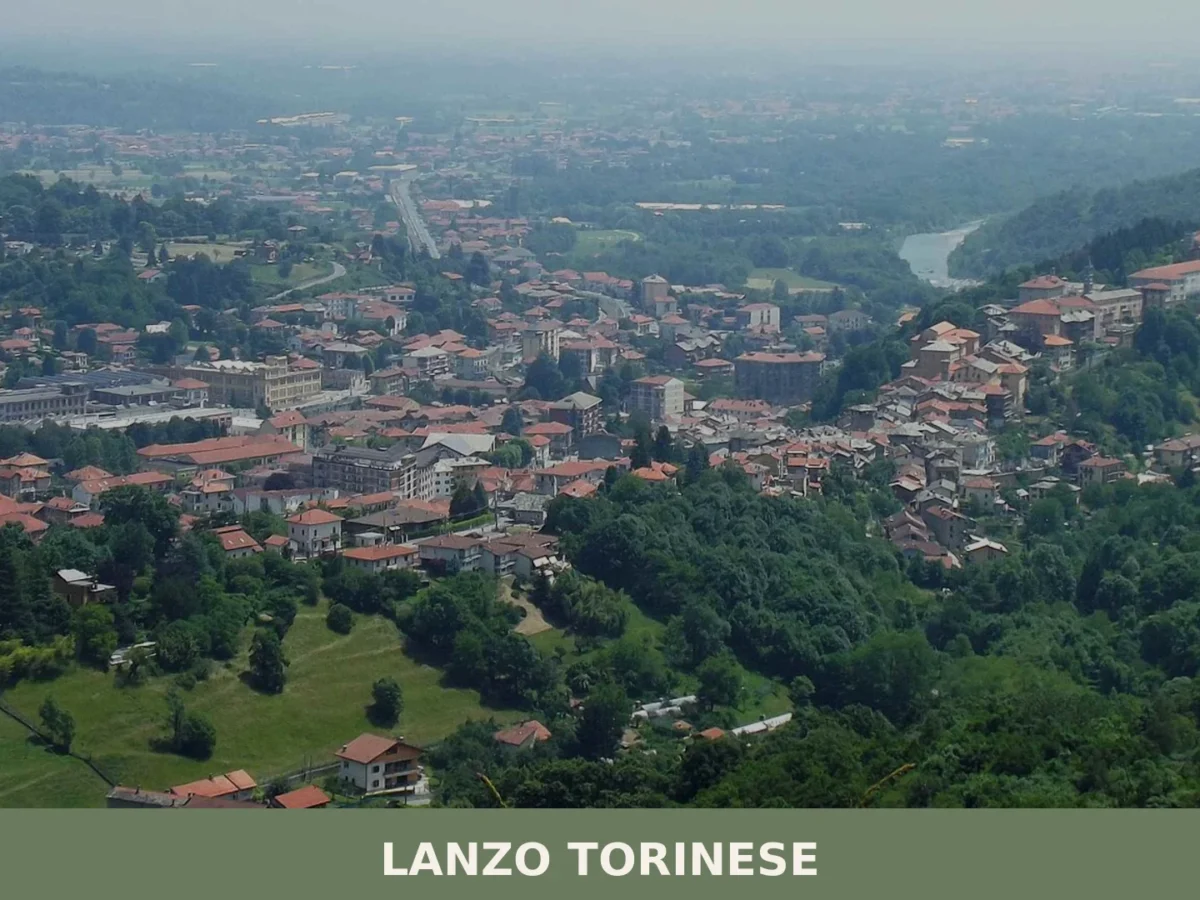
Lanzo Torinese
Mountain
A town of nearly 5,000 residents where Alpine valleys meet industrial heritage. Medieval castle ruins and 14th-century bridge engineering define its character.
Germagnano
Mountain
What to see in Germagnano, Italy: 30 km from Turin in the Valli di Lanzo. Discover the railway village, local cuisine and best times to visit. Read the guide.
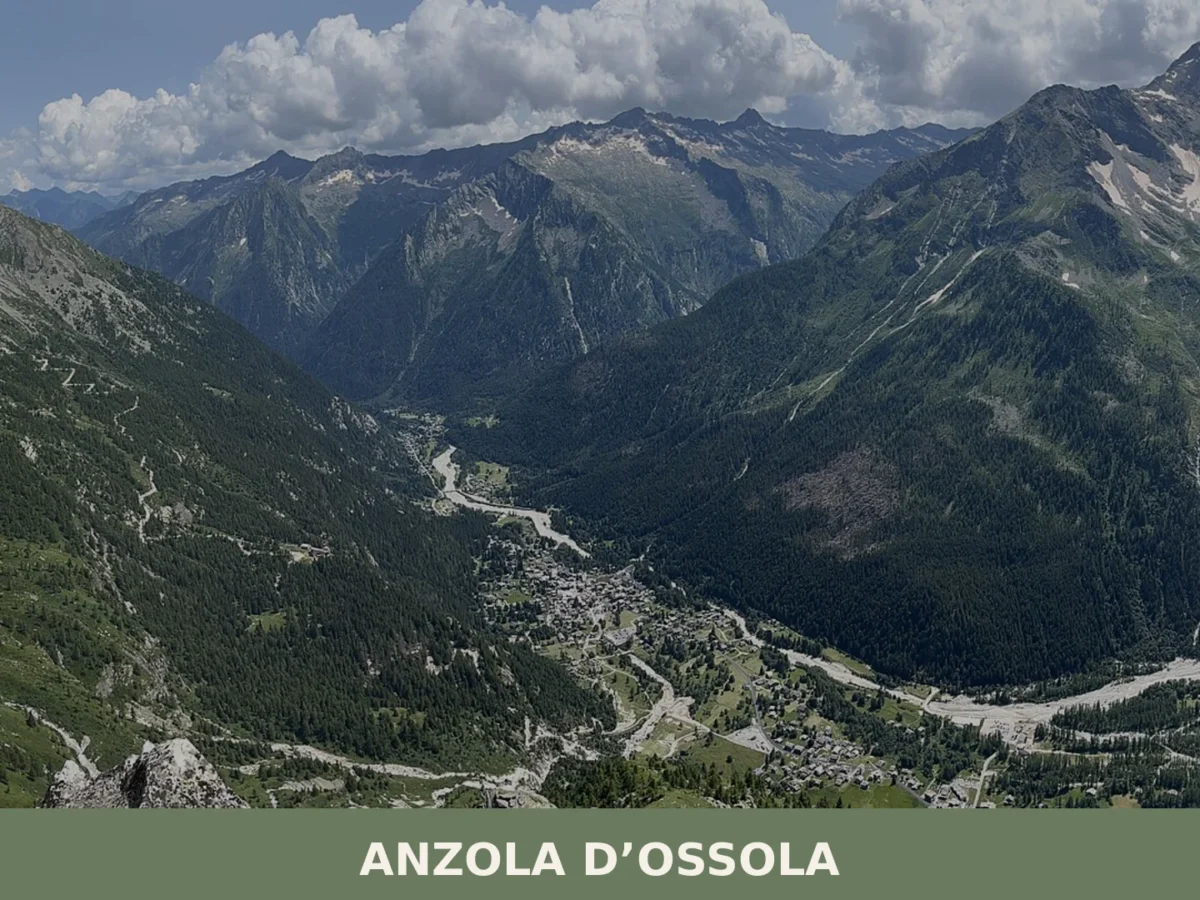
Anzola d’Ossola
Mountain
Macugnaga is a Walser mountain commune in Verbano-Cusio-Ossola, Piemonte, set at the head of the Valle Anzasca beneath the 2,600-metre eastern wall of Monte Rosa.



🏡 Know Mombello di Torino better than we do?
If you’re a local or have been there, your knowledge matters: add what’s missing or fix a detail on this page.