At 247 metres above sea level in the countryside of Turin province, Salerano Canavese sits within a landscape of green valleys and scattered farmsteads. The village occupies a quiet corner of Piedmont, where life follows the rhythm of agricultural seasons. Its modest size—474 residents—preserves a scale of settlement that allows visitors to move through the commune on foot and observe the village’s character.
Salerano Canavese is home to a documented church and holds official civic recognition through its heraldic symbols. The village’s heraldic symbols were granted by presidential decree on 29 January 2003, establishing its gonfalone (civic banner) in blue and red. Neighbouring communes within Turin province include Fiorano Canavese, Loranzè, Samone, Lugnacco, Ivrea, and Montalto Dora, each within a short drive across rolling terrain.
<!Origins and Civic Identity
The documented history of the village is sparse. What is known with certainty is that the comune’s coat of arms and gonfalone received official recognition through presidential decree on 29 January 2003, a formal acknowledgement of its place within the administrative structure of the Turin Metropolitan Area. The decree marks a modern reaffirmation of civic identity rather than an origin point; the settlement itself predates this twenty-first-century formalisation.
The village is known in the local Piedmontese dialect as Saleiran, a linguistic marker that connects it to the broader cultural identity of the region. The commune remains rooted in the agricultural and pastoral tradition of the Canavese region, an area defined by its small villages and dispersed farmsteads rather than dense urban clusters.
The gonfalone of Salerano Canavese—a banner divided in blue and red—carries the official symbols of a community whose identity was formalised in the early twenty-first century, yet whose settlement traditions run far deeper into the rural fabric of Piedmont.
Churches and Religious Landmarks
One place of worship is documented within the comune. The Chiesa di Sant’Urbano (Church of Saint Urban) serves as the primary religious structure. Its physical presence and function as a gathering point for the community mark it as a focal point of village life.
This church forms the documented religious heritage of the comune. It represents continuity with earlier centuries of settlement and worship in the area, though precise construction dates and architectural details are not available in verified sources.
The Villa Pallavicino
Villa Pallavicino, a residential structure documented as part of the village’s architectural heritage. Palaces and villas in the Piedmont region often reflect the presence of landowning families whose estates extended across the rural countryside. The villa stands within an agricultural landscape. Its exact location within the village boundaries and its current accessibility to visitors are matters best confirmed with the official municipal office before planning a visit.
Food and Agricultural Tradition
The territory of Turin province is renowned for a range of protected designation products. The Piedmont region is known for various protected designation products such as hazelnuts, cheese, and charcuterie, though the specific production of these items within Salerano Canavese itself is not documented. The Canavese landscape itself is primarily agricultural, supporting smallholdings and mixed farming typical of the Piedmont region.
While the village itself does not produce a specific documented dish or product, it participates in the wider gastronomic culture of the region. Visitors are encouraged to explore the traditional foods and wines of Piedmont during their stay, seeking out local trattorias and farm shops in the surrounding area that showcase the region’s culinary heritage.
Planning Your Visit
Salerano Canavese is best reached by car. The village lies within the Turin Metropolitan Area, connected by secondary roads to larger towns and motorway access points. Visitors arriving from Turin should allow driving time that varies depending on the exact departure point and traffic conditions in the greater metropolitan area. The comune is accessible via local roads that link it to neighbouring settlements such as Ivrea.
The village is small enough to explore on foot once you arrive. There are no major tourist facilities (hotels, restaurants) documented within the immediate comune, so visitors typically plan a day visit or base themselves in a nearby larger town such as Ivrea and make a short excursion to see the churches and the villa. Spring and autumn offer mild weather suitable for driving through the Piedmont countryside and walking the village streets. Summer can be warm, while winter brings occasional frost at this elevation. Local celebrations may mark moments worth noting when planning a visit.
For detailed current information about road access, opening hours of the churches, or arrangements for viewing the Villa Pallavicino, contact the comune directly through its official website at https://www.comune.saleranocanavese.to.it/.
| Departure Point | Distance | Estimated Time |
|---|---|---|
| Turin city centre | Distance varies | Time varies by traffic |
| Ivrea | ~10 km | 15 minutes by car |
| Turin Caselle Airport | Distance varies | Time varies by traffic |
Neighbouring Villages
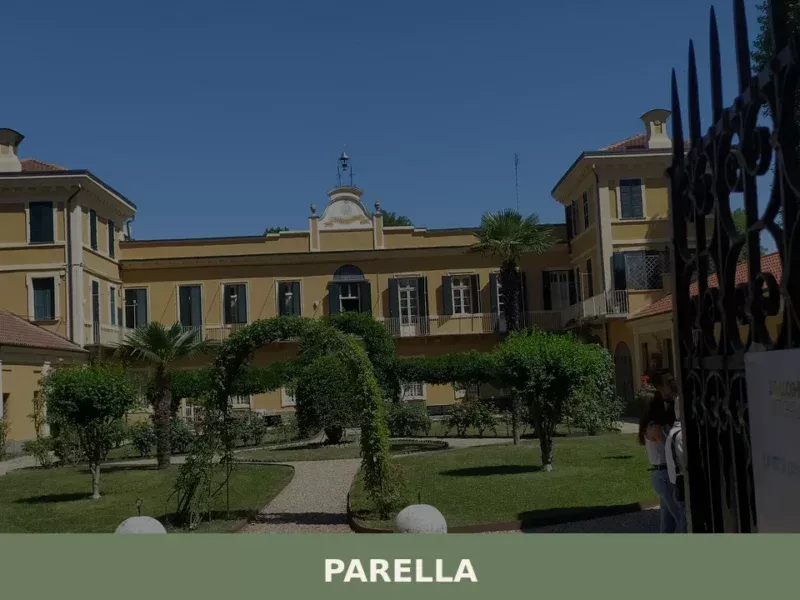
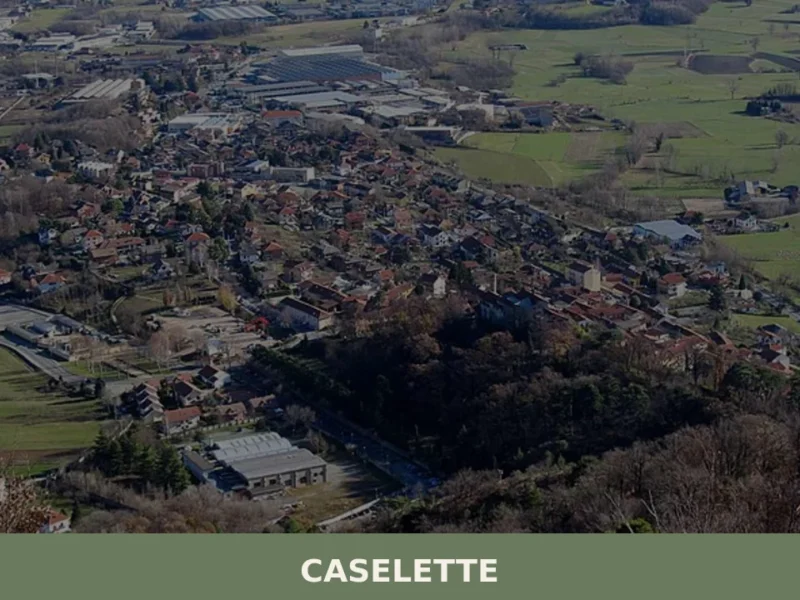
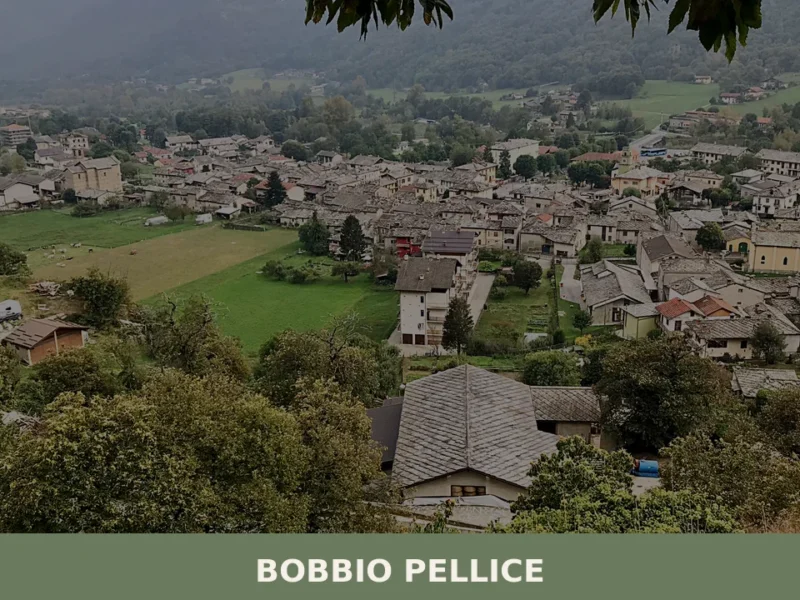
The Canavese region offers several small villages worth exploring in conjunction with a visit to Salerano Canavese. Banchette is located within the broader Canavese region. Cascinette d’Ivrea, Brosso, Parella and Alice Superiore are all small comuni within the broader Turin province, each maintaining its own identity within the Piedmont landscape. A circuit drive through these villages offers insight into how rural settlement and agricultural tradition persist across the Canavese region.


 Mountain