


Secinaro
 Mountain
what to see in secinaro, Italy: Explore this Abruzzese village at 859m (2,818 ft) above sea level, home to a unique meteor crater field and Monte Sirente’s slopes.
Discover Secinaro
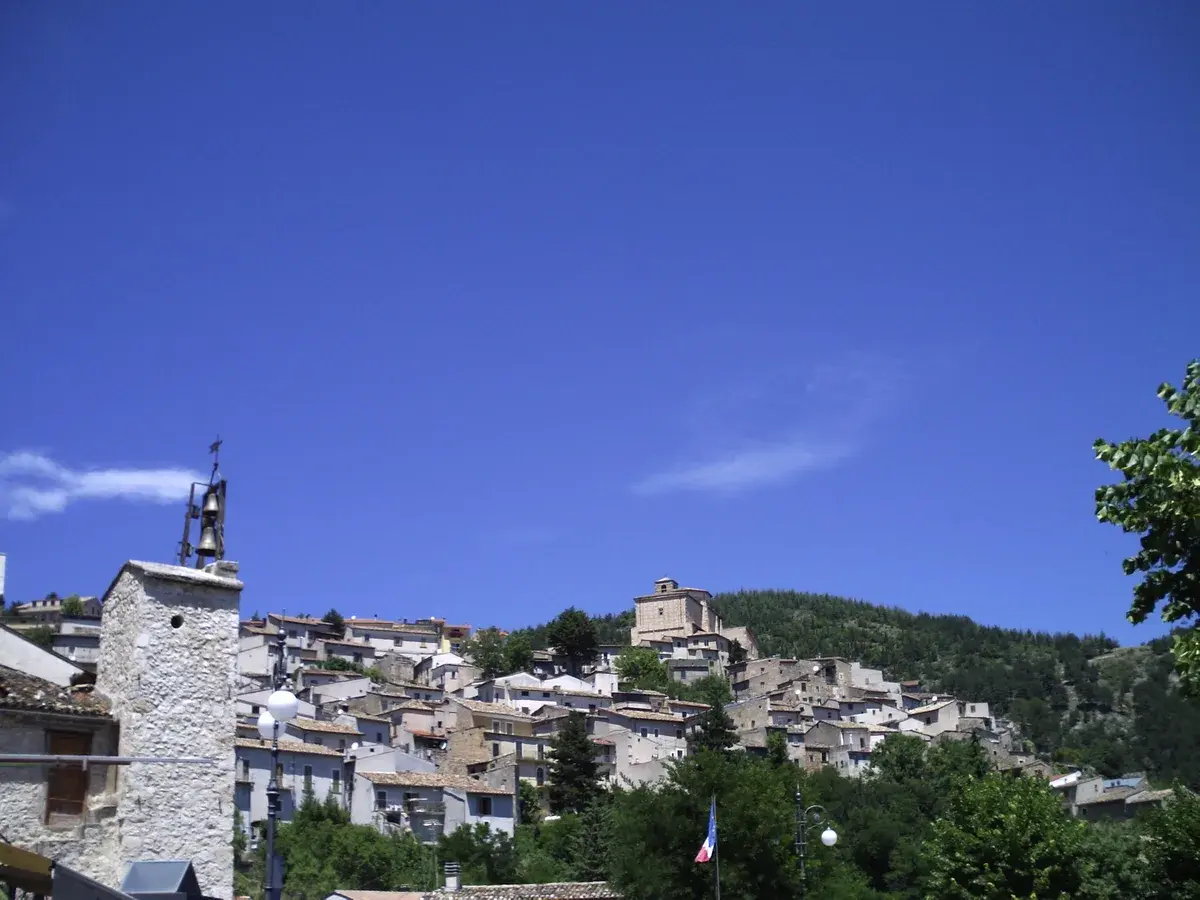
Secinaro stands at an altitude of 859 m (2,818 ft) above sea level, a mountain village home to 314 inhabitants, situated within the Aterno River valley. Its position on the slopes of Monte Sirente offers views of the surrounding Abruzzese landscape, characterized by both rugged peaks and fertile river plains. The area is known for its distinct geological features, including a unique crater field that points to an ancient cosmic event.
For those wondering what to see in Secinaro, this village offers a blend of natural spectacle and serene mountain life within the province of L’Aquila.
Visitors can explore the recently attributed meteor crater field, a series of depressions ranging from 2 to 140 meters (6.6 to 460 ft) in diameter.
Additionally, the slopes of Monte Sirente provide opportunities for outdoor activities and appreciating the Abruzzese environment, making it a compelling destination for nature enthusiasts. The Secinaro highlights include these unique geological formations and direct access to the regional mountain landscape.
History of Secinaro
Secinaro, a comune (municipality) in the province of L’Aquila, is located in the central Italian region of Abruzzo. Its geographical setting in the Aterno River valley, on the slopes of Monte Sirente, suggests a long history of human presence drawn to fertile lands and defensive positions. While specific founding dates are not provided in the available sources, the area’s natural features have undoubtedly influenced its development over centuries.
The name “Secinaro” itself, known as Secinerë in Abruzzese dialect, points to local linguistic traditions that reflect its deep historical roots.
A significant recent discovery in the vicinity of Secinaro is a “crater field,” featuring a series of craters varying in diameter from 2 meters (6.6 ft) to 140 meters (460 ft).
This geological formation has been attributed to a meteor rain, providing a unique historical marker of extraterrestrial impact on the local landscape. Such events shape not only the physical environment but also the understanding of the region’s deep past. The presence of these craters underscores the dynamic geological history of the Abruzzo region, offering a rare insight into ancient natural phenomena.
As part of the province of L’Aquila, Secinaro has shared the broader historical trajectory of central Italy, experiencing periods of Roman influence, medieval feudalism, and subsequent unification into the modern Italian state. The village’s population, currently at 314 inhabitants, reflects the typical demographic patterns of smaller mountain communities in Abruzzo, which often face challenges of depopulation.
Despite its small size, Secinaro maintains its distinct identity, rooted in its natural environment and local traditions.
Understanding what to see in Secinaro begins with appreciating this historical context, a characteristic shared with villages like San Pio delle Camere, also in the L’Aquila province, reflecting the regional context.
What to see in Secinaro, Abruzzo: top attractions
Meteor Crater Field
The landscape surrounding Secinaro holds a series of distinct depressions, collectively known as the meteor crater field. These geological features, recently attributed to a meteor rain, vary significantly in size, with diameters ranging from 2 meters (6.6 ft) to 140 meters (460 ft). Exploring these craters provides a tangible connection to an ancient cosmic event that shaped the local topography, a truly rare sight. Visitors can observe the distinct circular forms and study how the environment has adapted around these impact sites over millennia, making it a focal point for those interested in what to see in Secinaro.
Access to the field typically involves trails that allow for close observation of these natural wonders.
Monte Sirente
Secinaro is situated directly on the slopes of Monte Sirente, a prominent peak within the Sirente-Velino Regional Park.
This mountain rises significantly above the village’s altitude of 859 m (2,818 ft) above sea level, offering extensive hiking opportunities and panoramic views of the surrounding Abruzzese landscape. The mountain environment is characterized by diverse flora and fauna, changing with elevation from the valley floor to the higher reaches. Trekkers can find various trails suitable for different skill levels, leading through forests and up to rocky outcrops. The best time to visit for hiking is during the late spring or early autumn months when the weather is mild and clear, providing ideal conditions for exploration.
Aterno River Valley
The Aterno River valley provides the geographical foundation for Secinaro, flowing through the heart of Abruzzo and shaping much of the regional environment. This valley is a significant natural corridor, influencing the local climate, agriculture, and historical settlement patterns that define the area. Visitors can follow the river’s course, which supports a rich riparian ecosystem, observe local wildlife, and appreciate the fertile lands it irrigates. The valley’s gentle slopes and open spaces contrast with the ruggedness of Monte Sirente, offering a different perspective on the regional landscape.
Exploring the riverbanks can be particularly pleasant during the warmer months, offering a peaceful natural experience.
Village Center of Secinaro
The village center of Secinaro, at an elevation of 859 m (2,818 ft), is characterized by its compact layout and traditional stone architecture.
Walking through its narrow streets reveals the simple yet resilient construction methods typical of mountain villages in Abruzzo, often utilizing local materials. The central square often serves as a focal point for community life and local gatherings, reflecting the village’s communal spirit. While the village maintains a quiet atmosphere, observing the older buildings and their construction offers insight into the area’s past and its architectural heritage. A visit to the village center provides a chance to experience the daily rhythm of a small Italian mountain community.
Parish Church of San Nicola di Mira
The Parish Church of San Nicola di Mira stands as a central spiritual and architectural element within Secinaro. Dedicated to the village’s patron saint, Saint Nicholas of Myra, the church serves as a gathering place for the community, especially during religious festivals and important local events. While specific architectural details are not provided in the sources, churches in this region often feature a blend of medieval and later styles, built with robust local stone. Observing the exterior and, if open, the interior, allows visitors to connect with the village’s religious heritage and its enduring traditions.
The church plays a significant role in the annual patron saint feast celebrated on December 6th.
Local food and typical products of Secinaro
The gastronomic tradition of Secinaro, like much of Abruzzo, is deeply rooted in its mountain environment and agricultural heritage.
The region’s cuisine is characterized by hearty, robust flavors, often utilizing ingredients sourced directly from the surrounding land, including sheep farming, seasonal vegetables, and wild herbs. Historical influences from transhumance, the seasonal migration of livestock, have shaped the prevalence of lamb and sheep’s milk products, which are fundamental to the local diet. The simple, honest cooking methods prioritize the quality of raw ingredients, reflecting a long-standing connection between the people and their territory, ensuring that dishes are both nourishing and deeply flavorful.
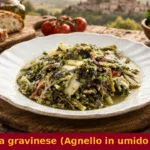
Typical dishes in the Secinaro area often feature local meats and legumes, reflecting the agricultural bounty of the Abruzzese mountains. One common preparation is Agnello alla brace, grilled lamb, which highlights the quality of local sheep, often seasoned simply to let the meat’s flavor shine. Another staple involves various pasta dishes made with homemade pasta, frequently served with rich meat sauces or simple tomato and vegetable preparations. For instance, Pasta alla Pecora, a pasta dish with sheep meat sauce, is a hearty option that showcases regional ingredients.
Lentils and chickpeas, cultivated in the mountain valleys, are frequently incorporated into warming soups and stews, providing nourishing meals, especially during colder months.
While specific certified products for Secinaro are not detailed in the provided sources, the broader Abruzzo region is known for several protected designations of origin, indicating high-quality regional specialties.
These often include various cheeses made from sheep’s milk, such as Pecorino d’Abruzzo, robust olive oils, and cured meats. Artisanal producers in mountain villages like Secinaro continue to craft traditional items, upholding methods passed down through generations. These local specialties, though perhaps not formally certified for Secinaro itself, embody the region’s commitment to preserving its authentic flavors and culinary practices, offering visitors a taste of genuine Abruzzese tradition.
Festivals, events and traditions of Secinaro
The most significant annual event in Secinaro is the feast day dedicated to its patron saint, Nicola di Mira (Saint Nicholas of Myra), celebrated on December 6th. This religious observance is a cornerstone of the village’s traditions, bringing together residents for solemn ceremonies and communal activities that reinforce their shared heritage. The celebration typically involves a religious procession, where the statue of the saint is carried through the village streets, accompanied by music and the participation of the local community.
It is a time for reflection and reaffirming communal bonds, marked by a respectful and deeply felt atmosphere, drawing the community together.
Beyond the patron saint festival, Secinaro maintains other traditions reflective of its mountain culture, though specific details are not provided in the available sources.
These often revolve around agricultural cycles, religious holidays, and family gatherings common in Abruzzese villages, preserving a way of life connected to the land. While there are no documented food fairs or large-scale public events specified, the emphasis remains on community life and the quiet preservation of customs passed down through generations. These traditions contribute to the unique character of Secinaro, offering insights into its enduring cultural fabric and the rhythm of its inhabitants’ lives.
When to visit Secinaro, Italy and how to get there
Considering what to see in Secinaro and the broader Abruzzo region, the best time to visit typically spans from late spring to early autumn. May, June, September, and October offer pleasant temperatures for outdoor activities like hiking on Monte Sirente, with fewer crowds than the peak summer months. July and August are warmer and ideal for those who enjoy the vibrancy of Italian summer holidays, though mountain temperatures remain cooler than coastal areas.
Winter, from December to March, brings snow, making the region suitable for winter sports enthusiasts if facilities are nearby, or for those seeking a serene, snow-covered landscape.
Secinaro, Abruzzo, Italy is accessible primarily by car, making personal transport the most convenient option for visitors.
For those arriving from major cities, the A25 motorway (Autostrada dei Parchi) provides the main route into the region. While specific distances from exits like Bussi sul Tirino or Popoli to Secinaro require local mapping, travel is generally straightforward. From Rome, a day trip to Secinaro is feasible, with a drive typically taking around 1.5 to 2 hours, covering approximately 120-150 km (75-93 mi).
The nearest major airport is Abruzzo Airport (PSR) in Pescara, approximately 80-100 km (50-62 mi) away, with a driving time of about 1 hour and 15 minutes to 1 hour and 30 minutes. For train travelers, the nearest stations with good connections would be L’Aquila or Sulmona, from which onward travel by bus or taxi would be necessary to reach the village. Visitors should note that in smaller villages like Secinaro, English may be limited in local shops and carrying some Euro cash can be useful for small purchases.
For official information about the municipality, you can visit the official website of Secinaro.
Visitors keen to explore more of Abruzzo’s diverse landscapes after experiencing what to see in Secinaro may consider extending their itinerary to other villages in the region.
For example, Montefino offers a different perspective on Abruzzese life in the province of Teramo, with its own unique history and character. Similarly, Casacanditella, located in the province of Chieti, provides another example of a distinct Abruzzese community, each contributing to the region’s rich cultural mosaic and offering further opportunities for discovery.
Nearby Villages near Secinaro
In Abruzzo More villages to discover
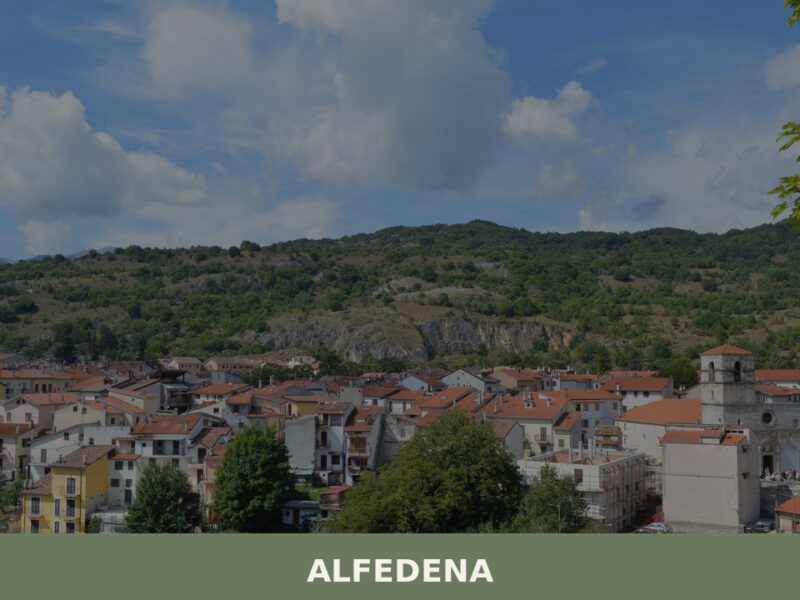
Alfedena
Mountain
Morning light falls across a line of limestone rooftops, turning them the colour of raw honey. A church bell marks the hour — its sound rolls downhill, across empty streets still cool from the night, and fades into the forested slopes of the upper Sangro valley. Alfedena sits at roughly 914 metres above sea level […]
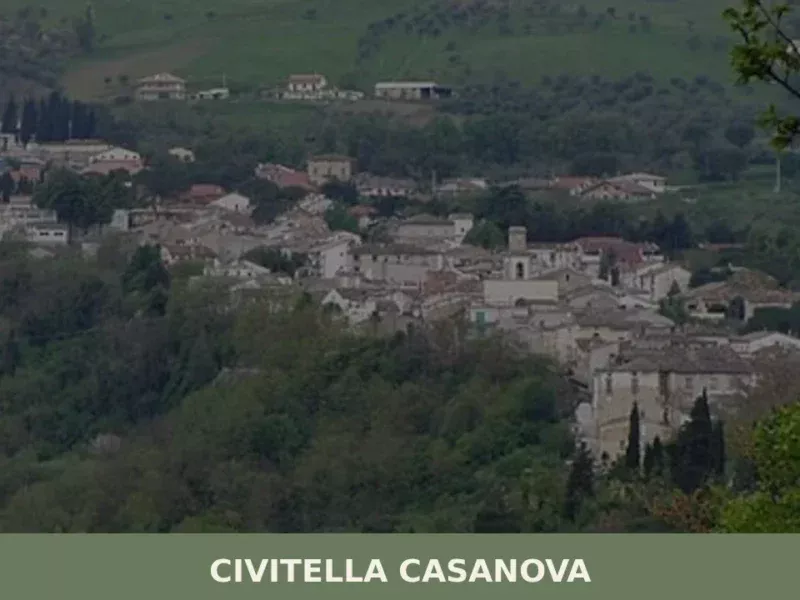
Civitella Casanova
 Hills
Hills
At 400 meters above sea level, in the hilly heart of the province of Pescara, lies Civitella Casanova. This village, whose historical presence is attested since Roman times, offers a territorial context where geology and human activity have shaped a distinctive landscape. For those wondering about what to see in civitella casanova, the journey through […]
Civitaluparella
Mountain
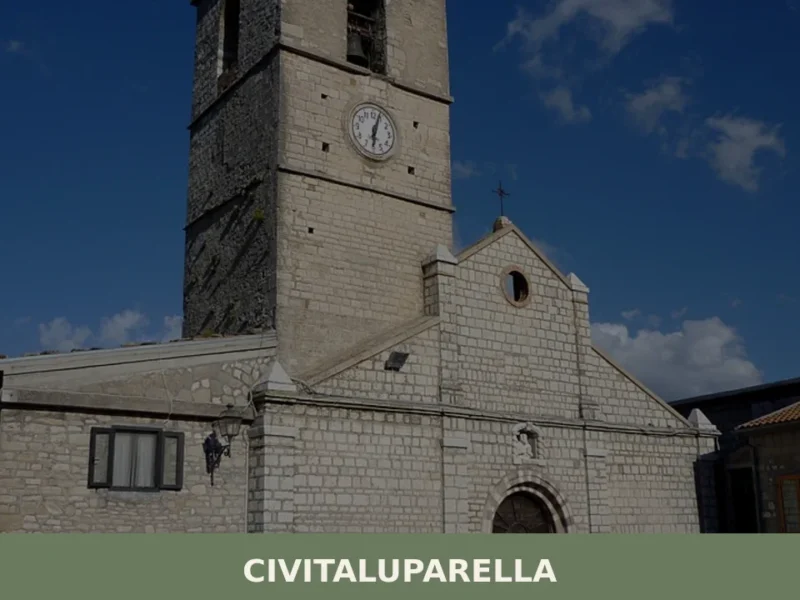
At 903 metres above sea level, on the eastern slope of the Majella descending towards the Aventino river, Civitaluparella has 281 inhabitants spread across a compact urban core of medieval origin. The place name most likely derives from “Civitas Luparella”, a direct reference to the historical presence of wolves in the dense surrounding woodlands. Anyone […]
Palombaro
Hills
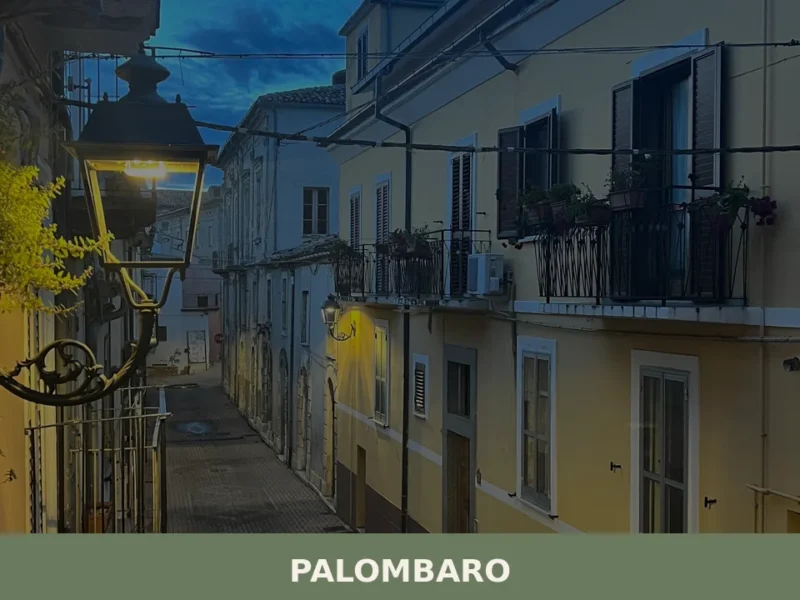
What to see in Palombaro: 5 attractions in this village at 536 m above sea level in the province of Chieti. Discover the historic centre, the medieval tower and the Madonna della Libera festival.
Rocca di Cambio
Mountain
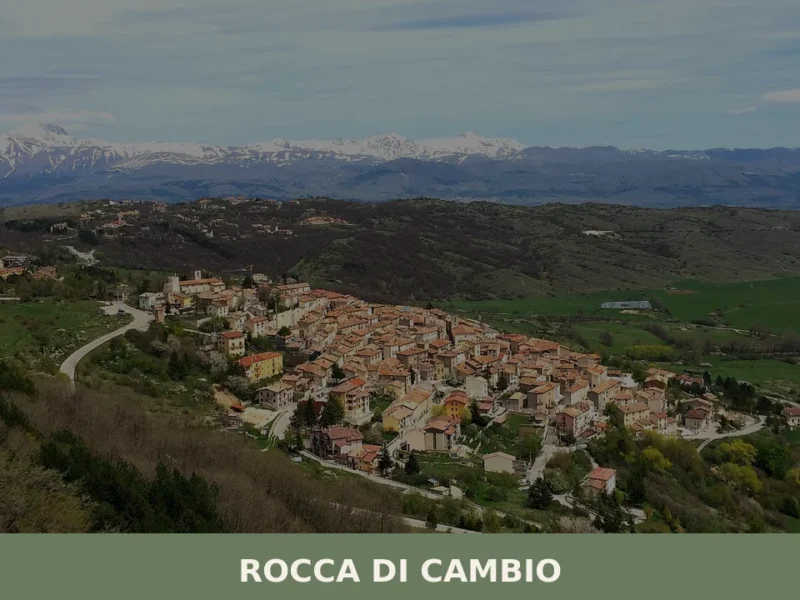
What to see in Rocca di Cambio, Italy: explore the Abbey of Santa Lucia, Campo Felice ski resort and the Sirente-Velino Park. 495 inhabitants. Discover it now.
Anversa degli Abruzzi
Hills
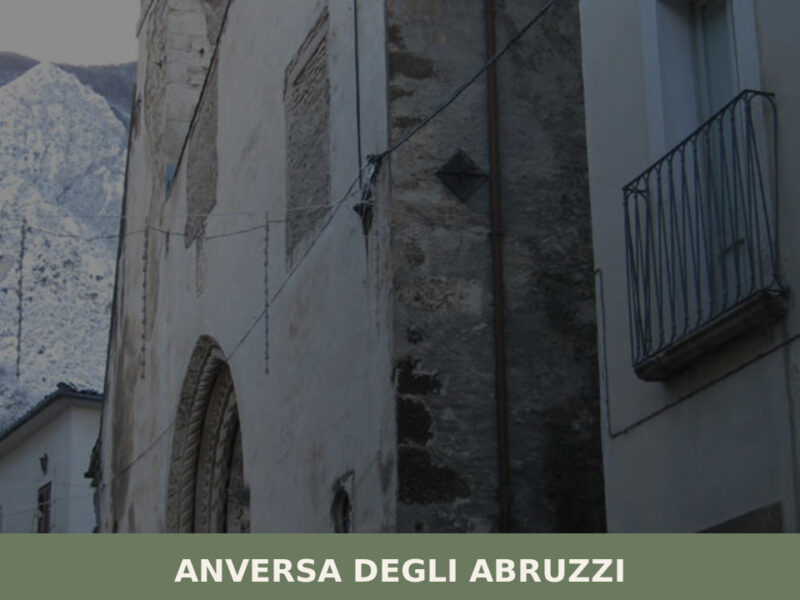
Morning light strikes the limestone walls of the old quarter at an angle that turns them the colour of raw honey. Below, the Sagittario Gorge drops away — a vertical wound in the rock that swallows sound. The air carries a faint mineral chill even in July. With only 368 residents, Anversa degli Abruzzi holds […]
Filetto
Hills
Filetto, a settlement of 854 inhabitants, is located at 403 meters above sea level in the heart of the province of Chieti. This settlement, documented in historical sources dating its presence back to the medieval era, extends across a hill overlooking the Foro Valley. Its urban layout reflects the layering of different periods, with buildings […]
Castelvecchio Subequo
Hills
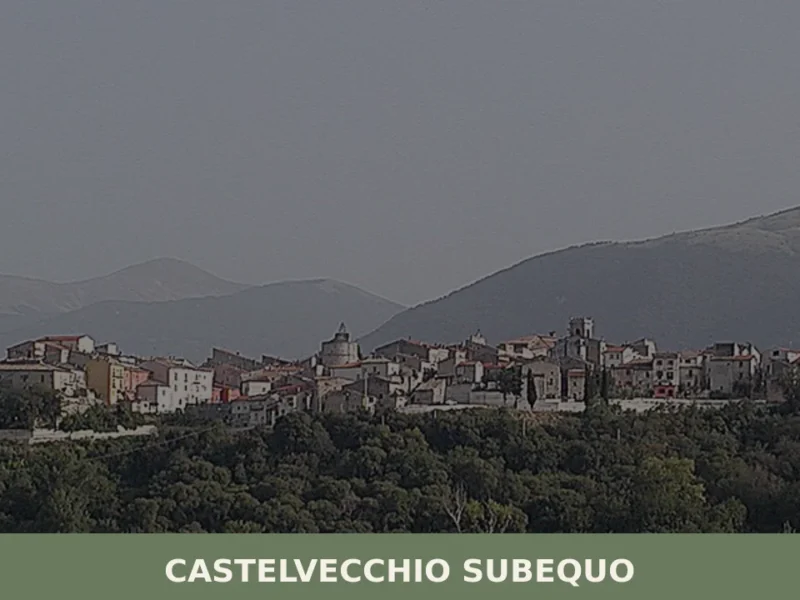
The convent of San Francesco in Castelvecchio Subequo preserves a cycle of fourteenth-century frescoes attributed to painters of the Giottesque school, among the few surviving examples in the central Apennine area. This fact alone is enough to justify a detour from the nearby A25 motorway towards a town of 832 inhabitants, at 490 metres above […]
Prezza
Mountain
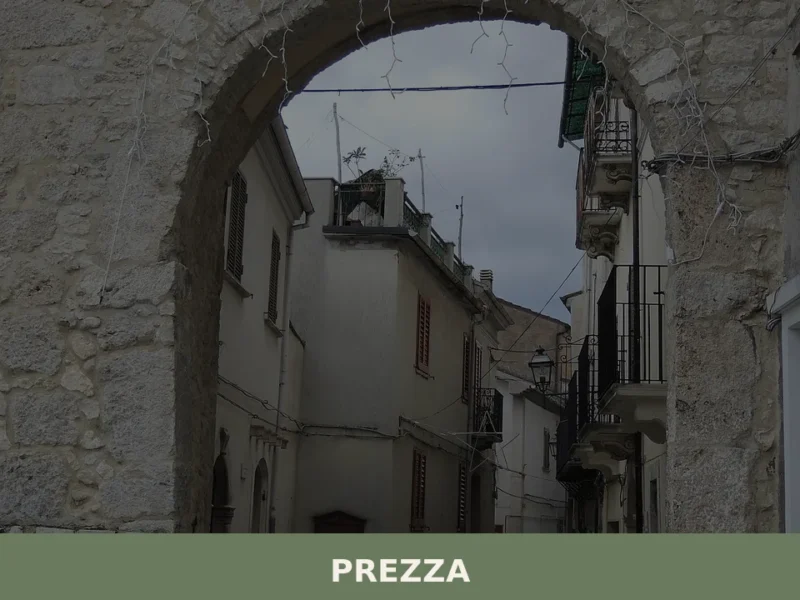
What to see in Prezza, Italy: explore a medieval hilltop comune at 480 m, the Praesidium Winery, and the Church of Santa Lucia. Discover Abruzzo's Valle Peligna.
Pereto
Mountain
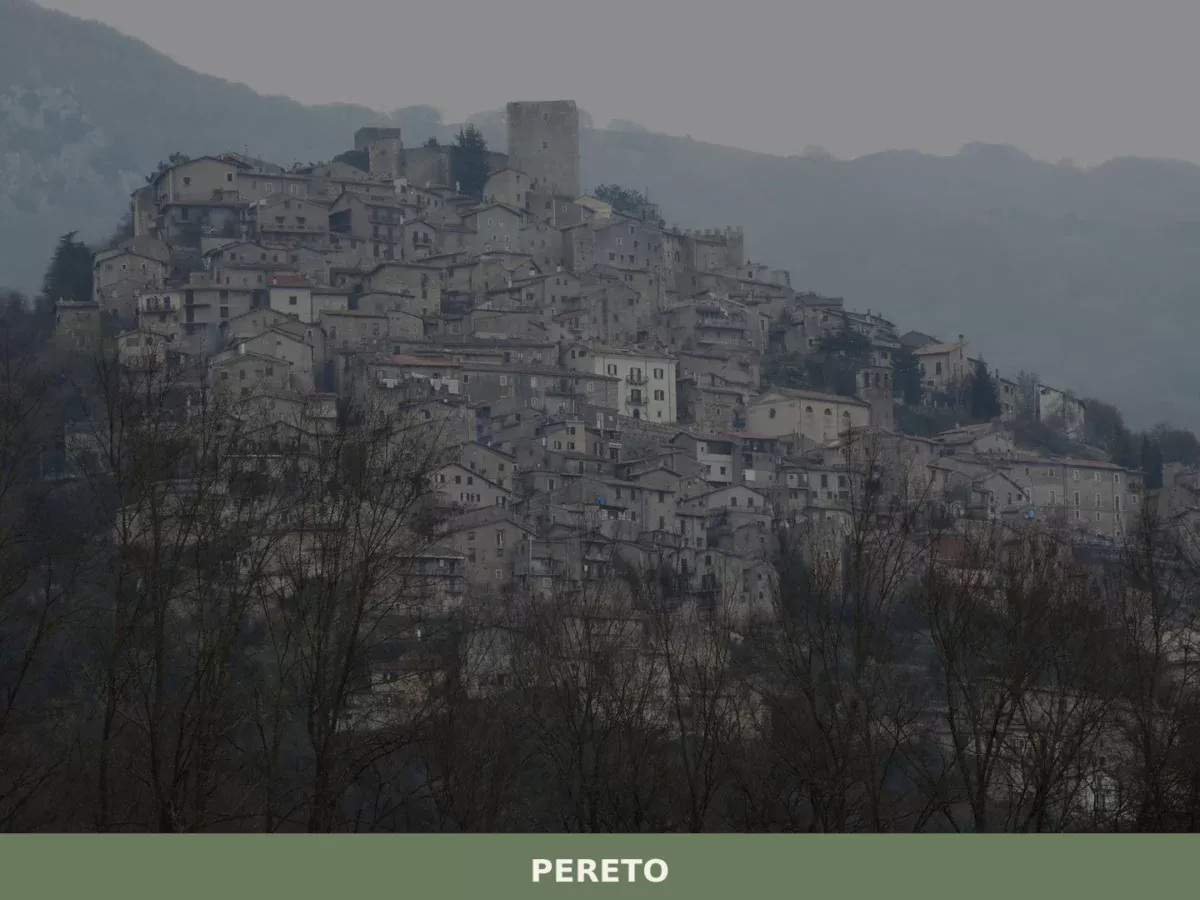
Discover Pereto's 5 must-see attractions in Abruzzo. From Rocca Orsini to historic churches, read our guide and plan your trip!
🧀 Italian traditional products





🏡 Know Secinaro better than we do?
If you’re a local or have been there, your knowledge matters: add what’s missing or fix a detail on this page.