


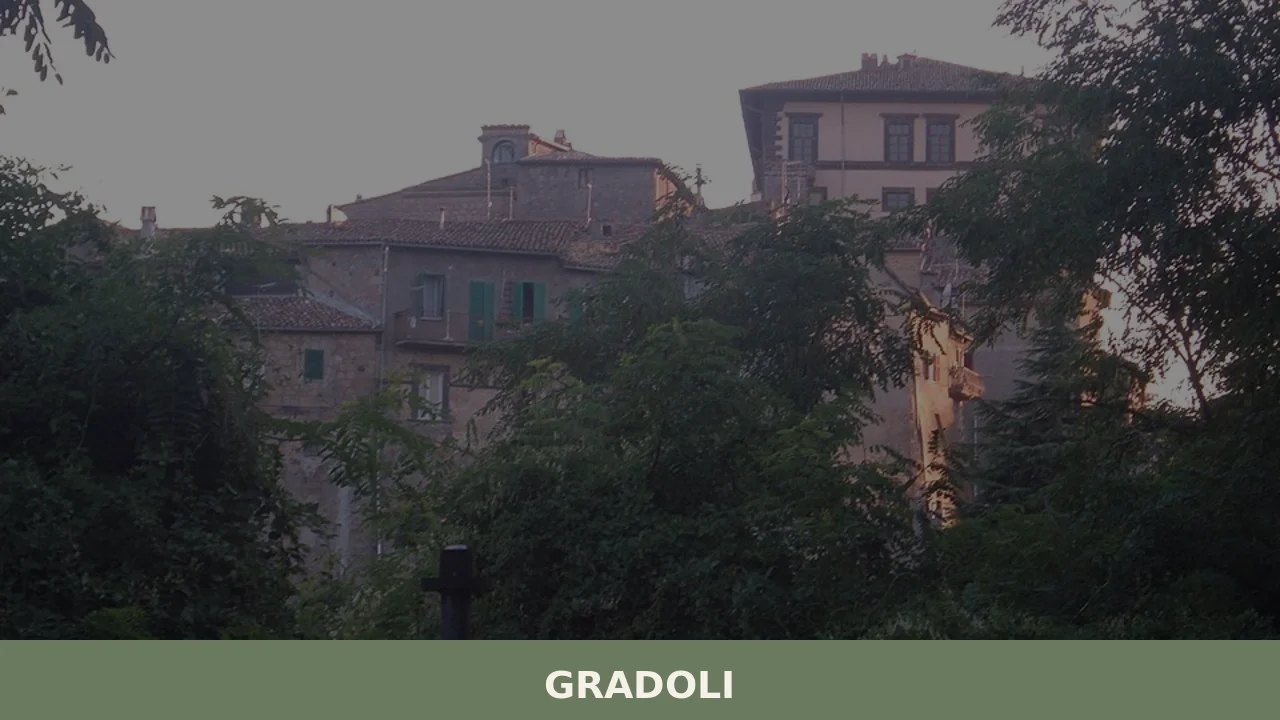
Gradoli
 Hills
Hills
 Lake
Lake
What to see in Gradoli, Italy: Discover the historic Farnese Palace and the Museum of Garments in this village at 470 m. Explore its medieval past and unique cultural events.
Discover Gradoli
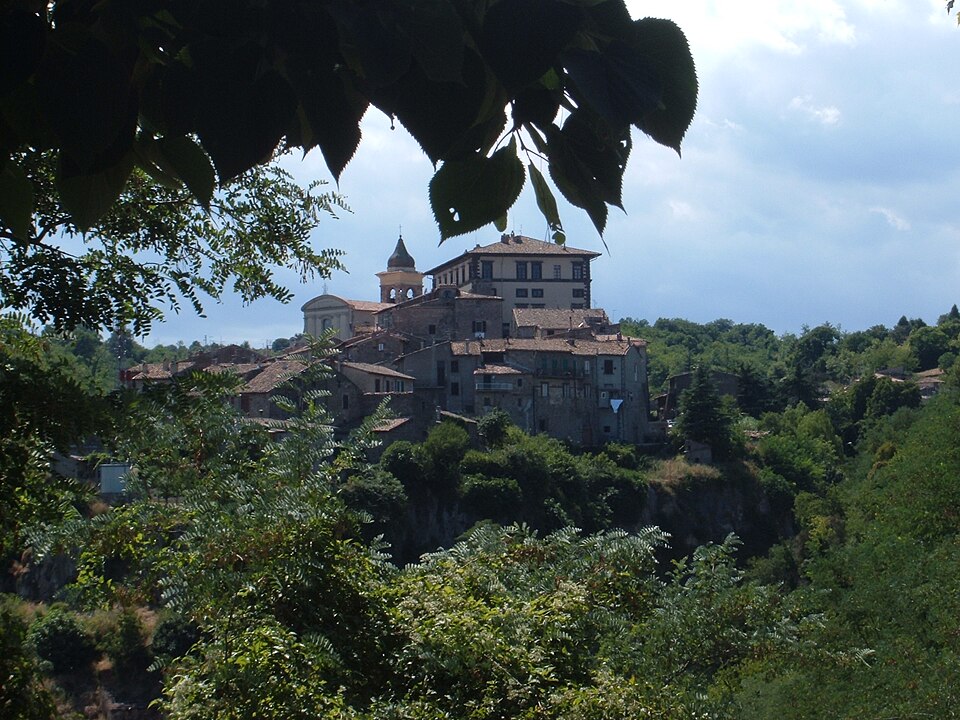
The sounds of daily life echo across a tuff hill in the Monti Volsini area, a landscape shaped by ancient volcanic activity. Gradoli, a village of 1,249 inhabitants in the province of Viterbo, Lazio, Italy, stands 470 m (1,542 ft) above sea level. This elevated position provides views of the surrounding countryside, including the nearby Lake Bolsena, just a few kilometers away.
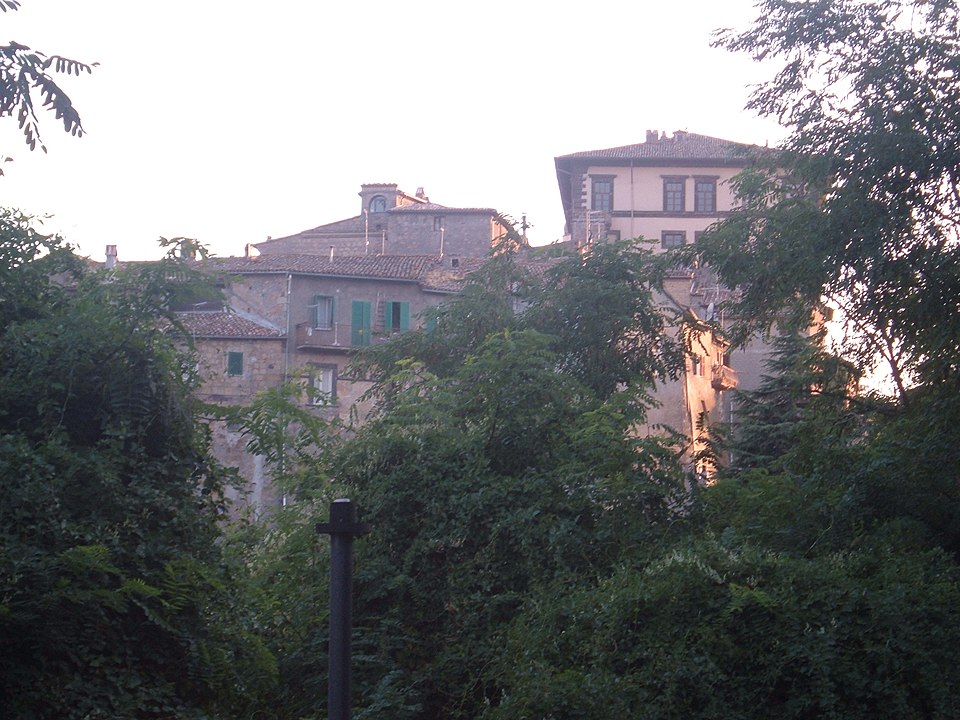
The village’s architecture, particularly the imposing Farnese Palace, speaks to centuries of significant historical influence and strategic importance.
For those planning a visit to the region, understanding what to see in Gradoli is key to appreciating its heritage. The village highlights include the grand Farnese Palace, which dominates the historical center, and the Church of Santa Maria Maddalena. Visitors to Gradoli can delve into its medieval origins and later Renaissance splendor, experiencing a destination rich in verifiable historical facts and architectural details, all while exploring the cultural fabric of northern Lazio.
History of Gradoli
The origins of Gradoli trace back to the Middle Ages, when a defensive castle was first established on its strategic tuff hill. This early fortification was accessible primarily through a series of steps, or gradus in Latin, which is believed to be the etymological root of the village’s name. In the 11th century, a significant shift occurred when Matilde of Canossa, a powerful feudal ruler, formally donated the castle and its surrounding lands to the Papal States, marking Gradoli’s early integration into the ecclesiastical territories.
During the subsequent century, Gradoli briefly enjoyed a period as a free commune, exercising a degree of self-governance.
However, this autonomy was short-lived, as the growing power of Orvieto soon led to its conquest and annexation. This subjugation provoked multiple revolts among the local populace, which historical records confirm were suppressed with considerable force. The political landscape shifted once more in the 15th century, when Gradoli came under the dominion of the influential House of Farnese, a family whose presence would profoundly shape the village’s future development.
Under the Farnese family, Gradoli flourished, particularly with the patronage of Pope Paul III, who established a summer residence within the village, transforming the medieval castle into a more comfortable dwelling. Gradoli later became an integral part of the Duchy of Castro, a Farnese territory in Lazio. Following the decisive War of Castro in 1649, which saw the defeat of the Farnese, Gradoli reverted to the control of the Papal States.
Its final major political transition occurred in 1871, when it officially became part of the newly unified Kingdom of Italy. A curious footnote in modern history involves Gradoli’s mention in 1978 during the kidnapping of Aldo Moro, when an alleged séance suggested it as a possible location, leading to searches, though the actual Red Brigades base was later found in Rome’s via Gradoli.
What to see in Gradoli, Lazio: top attractions
Farnese Palace
The Farnese Palace stands as Gradoli’s most prominent historical landmark, its robust structure dominating the village’s skyline. This grand residence was commissioned by Pope Paul III of the Farnese family, and its design is attributed, though not definitively confirmed, to the renowned architect Antonio da Sangallo the Younger. Built upon the remnants of a medieval castle, the palace incorporates earlier defensive features into its Renaissance form, showcasing centuries of architectural evolution.
Visitors can observe the imposing facade and imagine the life of the powerful Farnese family within its walls, a family that also held sway over nearby Celleno.
Church of Santa Maria Maddalena
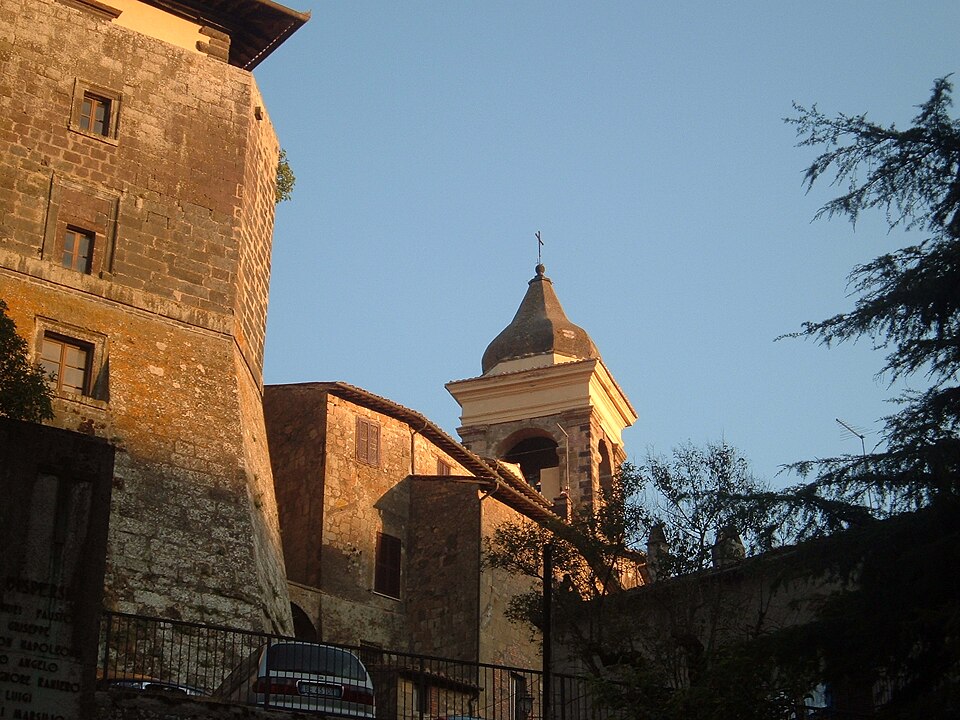
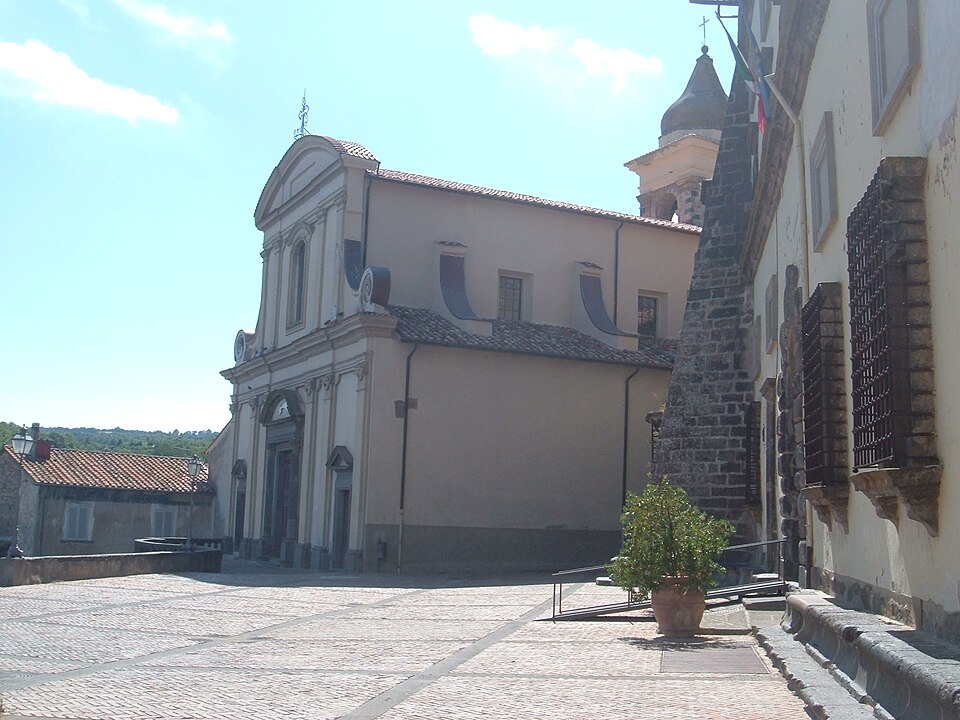
Adjacent to the Farnese Palace, the Church of Santa Maria Maddalena also bears the architectural signature of Antonio da Sangallo the Younger, reflecting the cohesive vision of the Farnese patronage in Gradoli. This sacred building serves as the parish church and is dedicated to the village’s patron saint. Its construction and design date back to the same period as the palace’s transformation in the 15th century, presenting a unified architectural ensemble. Inside, visitors find a space for reflection and worship, characteristic of Italian ecclesiastical architecture of the Renaissance period, with details that speak to its historical significance.
Museum of Farnese Garments
Opened in 1998, the Museum of Farnese Garments offers a unique window into the sartorial traditions and daily life of the powerful Farnese family and their court. Housed within a historical building in Gradoli, the museum displays reproductions of period clothing, fabrics, and accessories, meticulously researched to reflect the styles prevalent during the Farnese’s dominion in the 15th to 17th centuries. This collection provides tangible insight into the social customs and artistic tastes of the era, allowing visitors to visualize the grandeur and elegance that characterized life in the Farnese summer residence.
It provides a specific answer to what to see in Gradoli for those interested in historical culture.
Remains of the Medieval Castle
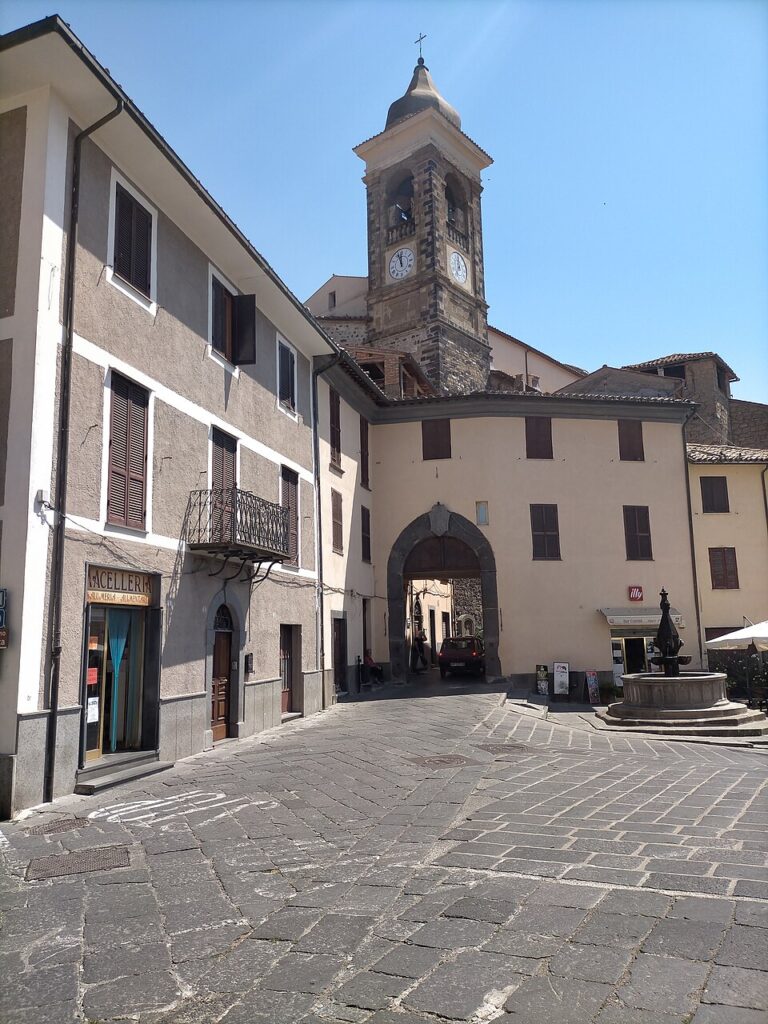
While largely superseded by the Farnese Palace, the original medieval castle that gave Gradoli its name still leaves discernible traces within the village. Visitors can identify a surviving defensive tower, which stands as a testament to the castle’s early military function, along with parts of the ancient walls. The original entrance arch, once a primary gateway into the fortified settlement, also remains visible. The former defensive ditch, a crucial element of medieval fortifications, has since been integrated into the urban fabric, transformed into the roads and squares that define Gradoli’s current layout, offering a direct link to its 11th-century origins.
Lake Bolsena and Monti Volsini
Gradoli’s geographical setting on a tuff hill within the Monti Volsini area places it just a few kilometers from the shores of Lake Bolsena, a vast volcanic lake. This proximity means that exploring what to see in Gradoli can extend to its natural surroundings. The Monti Volsini, a range of hills formed by ancient volcanic activity, provide a distinctive landscape characterized by fertile soil and varied flora.
From the village’s altitude of 470 m (1,542 ft), panoramic views stretch towards the lake and across the hills, offering a serene backdrop to the historical architecture. The area is suitable for those who appreciate natural beauty alongside cultural exploration, similar to the setting of Lubriano.
Local food and typical products of Gradoli
The culinary traditions of Gradoli are deeply rooted in the broader gastronomic landscape of the Viterbo province in Lazio, Italy. This region, characterized by its volcanic soils and proximity to Lake Bolsena, benefits from a rich agricultural bounty. Local cuisine historically emphasizes fresh, seasonal ingredients sourced from the land and the lake. While specific dishes unique solely to Gradoli are not detailed in historical records, the village shares in the regional appreciation for simple, robust flavors derived from generations of rural life.
Meals in this part of Lazio often feature ingredients such as locally raised meats, including pork and lamb, which form the basis of hearty stews and roasts.
Lake Bolsena provides freshwater fish like pike and perch, often prepared grilled or pan-fried with herbs. Pasta dishes, handmade with local flour, are a staple, frequently served with rich meat sauces or seasonal vegetable accompaniments. The area’s olive groves contribute to the production of high-quality olive oil, a fundamental component in nearly every local recipe, enhancing both cooked dishes and fresh salads.
Regarding certified products, the available sources do not specify any unique protected designation of origin (PDO) or protected geographical indication (PGI) products exclusively from Gradoli. However, the wider Viterbo province is known for various agricultural products that contribute to its culinary identity, such as chestnuts from the Cimini mountains and hazelnuts.
Visitors exploring what to see in Gradoli might encounter these regional specialties in local markets or eateries, reflecting the broader agricultural heritage of Lazio.
While specific food fairs or markets held directly within Gradoli are not documented in the provided information, many Italian villages, especially those in agricultural areas, host seasonal markets. These events often showcase local produce, cheeses, and artisanal goods, offering a chance to taste and purchase regional specialties. The focus remains on fresh, locally-sourced ingredients, maintaining a tradition of authentic, unpretentious cooking that has sustained the community for centuries.
Festivals, events and traditions of Gradoli
The cultural life of Gradoli, like many Italian villages, revolves around its religious observances and historical commemorations. The patron saint of Gradoli is Santa Maria Maddalena, and her feast day is traditionally celebrated within the community. While the specific details of these celebrations, such as processions, musical performances, or fireworks, are not explicitly documented in the provided sources, patron saint festivals across Italy are typically vibrant occasions that bring the community together for both religious solemnity and festive gatherings.
Beyond the annual patron saint festival, the available information does not detail other specific annual events, food fairs, or unique traditions for Gradoli.
However, the village’s historical narrative includes a notable, albeit unusual, mention in 1978 during the kidnapping of Aldo Moro, a significant national event that briefly drew attention to Gradoli. This historical footnote, while not a tradition, underscores how even smaller communities can intersect with broader national histories, adding a unique layer to the understanding of the village’s past.
When to visit Gradoli, Italy and how to get there
The best time to visit Gradoli, and indeed much of Lazio, is during the spring (April to June) and autumn (September to October) months. During these periods, the weather is typically mild and pleasant, with comfortable temperatures ideal for exploring historical sites and the natural beauty around Lake Bolsena. The countryside is particularly verdant in spring, while autumn brings colorful foliage and harvest festivals to the wider region. Summer (July and August) can be warm, but the proximity to Lake Bolsena offers opportunities for water activities, and the village’s elevation of 470 m (1,542 ft) can provide some relief from the heat of lower altitudes.
Winter (November to March) is quieter, with fewer tourists and cooler temperatures, suitable for those seeking a tranquil retreat.
For visitors wondering how to get to Gradoli, the village is accessible primarily by car. It is situated approximately 100 km (62 mi) northwest of Rome and about 35 km (22 mi) northwest of Viterbo. From Rome, travelers can take the A1 motorway northbound, exiting towards Orte, then following regional roads towards Viterbo and subsequently Gradoli. For those arriving by train, the nearest major station is Viterbo Porta Fiorentina, which has connections to Rome. From Viterbo, local bus services or a taxi would be necessary to reach Gradoli. The nearest international airports are Rome Fiumicino (FCO) and Rome Ciampino (CIA), both about 1.5 to 2 hours drive away, making Gradoli a viable option for a day trip from Rome or a longer stay.
Exploring what to see in Gradoli is generally manageable on foot within the historical center, though some areas on the tuff hill may involve inclines. For international visitors, while major tourist centers in Italy are accustomed to English speakers, in smaller villages like Gradoli, proficiency in English may be limited in local shops and eateries. Carrying some Euros cash for smaller purchases is also a practical tip. For further information, visitors can consult the official municipal website of Gradoli at comune.gradoli.vt.it.
Frequently asked questions about Gradoli
What is the best time to visit Gradoli?
Spring (April–June) and autumn (September–October) are the ideal seasons. Spring brings mild temperatures, green landscapes, and wildflower blooms perfect for exploring the village on foot. Autumn offers warm colours, the grape and olive harvests, and local food festivals. Summer (July–August) is lively with sagre and cultural events, though temperatures can exceed 30°C. The village's patron saint is Santa Maria Maddalena, celebrated on 22 July. Winter is quiet and atmospheric, best suited for travellers seeking solitude and the authentic pace of a small hilltop borgo.
What are the historical origins of Gradoli?
Gradoli's roots lie in the broader Etruscan civilisation that flourished around Lake Bolsena in pre-Roman times. During the medieval period it developed as a fortified borgo, valued for its strategic position overlooking the lake's northern shores. The village's most defining chapter came during the Renaissance, when the powerful Farnese family took control, reshaping its architecture and governance. The name is thought by some etymologists to derive from the Latin 'gradus', meaning steps or ascent, possibly referencing the village's terraced hillside setting at 470 metres above sea level.
What to see in Gradoli? Main monuments and landmarks
Gradoli's key attractions include: the Palazzo Farnese, a Renaissance residence crowning the village's highest point with an elegant courtyard; the Collegiate Church of Santa Maria Maddalena, a medieval church with artworks and a prominent bell tower; the historic centre with its labyrinth of cobbled alleys and peperino stone houses; panoramic viewpoints overlooking Lake Bolsena, Europe's largest volcanic lake; and the Museo del Costume Farnesiano, which displays reconstructed period costumes and artefacts from the 16th–17th century Farnese era. Check locally for current opening hours and admission fees.
What are the main natural or scenic attractions of Gradoli?
Gradoli's most striking natural feature is its elevated position at 470 metres, offering sweeping views over Lake Bolsena, Europe's largest lake of volcanic origin. The surrounding countryside is characterised by volcanic tuffaceous rock, ancient olive groves, and rolling hills typical of northern Lazio's Tuscia landscape. The western periphery of the village provides the widest panoramas over the lake, particularly scenic at dawn and dusk. The fertile volcanic soils also support vineyards and olive cultivation, making the rural landscape itself a notable attraction.
Where to take the best photos in Gradoli?
The most rewarding viewpoints in Gradoli are found along the village's western edge, where the land drops away to reveal broad panoramas over Lake Bolsena. Dawn and dusk offer the most dramatic light, with the water's surface reflecting warm tones against the surrounding hills. The elevated terrace near the Palazzo Farnese provides another strong vantage point over the rooftops and valley below. Within the historic centre, the narrow cobbled alleys with their peperino stone facades and unexpected archways offer excellent architectural photography opportunities.
Are there museums, churches or historic buildings to visit in Gradoli?
Yes. The Palazzo Farnese is the village's most significant historic building, a Renaissance-era residence of the powerful Farnese family. The Collegiate Church of Santa Maria Maddalena serves as the spiritual centrepiece, housing religious artworks and featuring a prominent bell tower visible across the valley. The Museo del Costume Farnesiano is a dedicated museum presenting period costumes, garments, and artefacts illustrating life and fashion during the 16th and 17th centuries under Farnese rule. For current opening hours and admission prices, contact the Gradoli municipality or local Pro Loco.
What can you do in Gradoli? Activities and experiences
Gradoli suits slow, immersive travel. Strolling the medieval historic centre and visiting the Palazzo Farnese and Museo del Costume Farnesiano are natural starting points. Food and wine experiences are central: visiting local trattorias or agriturismi to taste handmade pasta, freshwater fish from Lake Bolsena, local olive oil, and regional wines including Est! Est!! Est!!! from nearby Montefiascone. Summer brings village sagre with seasonal produce and cultural events. The surrounding Tuscia countryside is well-suited to scenic drives, with Lake Bolsena and other hilltop borghi easily reachable for day excursions.
Who is Gradoli suitable for? Families, couples, hikers, solo travelers?
Gradoli is best suited to travellers seeking authentic, unhurried Italian village life away from mass tourism. Couples will appreciate the romantic atmosphere of the stone alleyways, Renaissance architecture, and lake panoramas. Food and wine enthusiasts will find genuine regional cuisine and local products. History and culture lovers benefit from the Farnese heritage concentrated in this small village. Families looking for a quiet, safe, walkable environment will feel comfortable. It is less suitable for those seeking nightlife, beach holidays, or extensive hiking infrastructure, though the scenic landscape appeals to leisurely walkers.
What to eat in Gradoli? Local products and specialties
The local table centres on the volcanic soil's produce. Extra virgin olive oil from hillside groves is a staple, used in bruschetta and vegetable dishes. Handmade pasta is served with ragù, wild mushroom sauces, or simple garlic and olive oil. Lake Bolsena provides freshwater fish including coregone (whitefish) and perch, typically grilled or fried. Local sheep's and cow's milk cheeses vary from fresh to aged. The white wine Est! Est!! Est!!!, produced in nearby Montefiascone under DOC designation, is the classic regional pairing. Agriturismi and local trattorias are the best places to taste these specialties.
📷 Photo Gallery — Gradoli
Nearby Villages near Gradoli
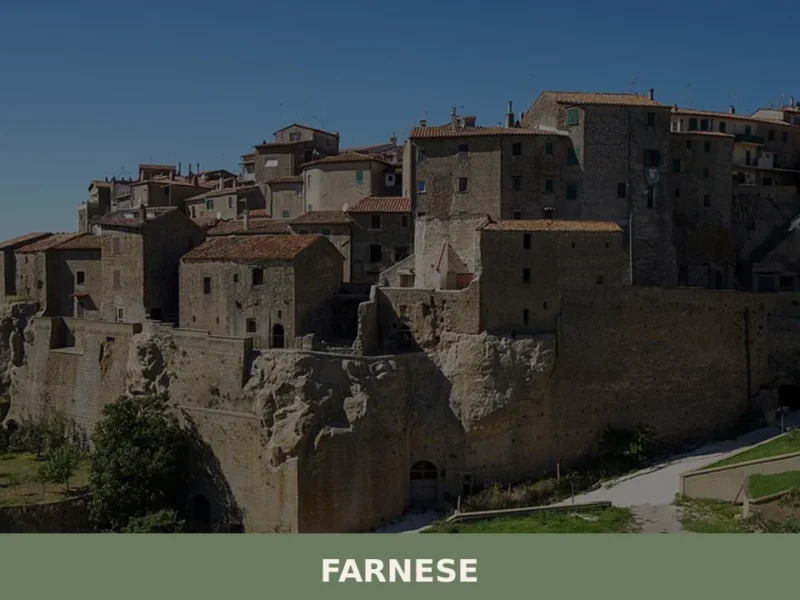
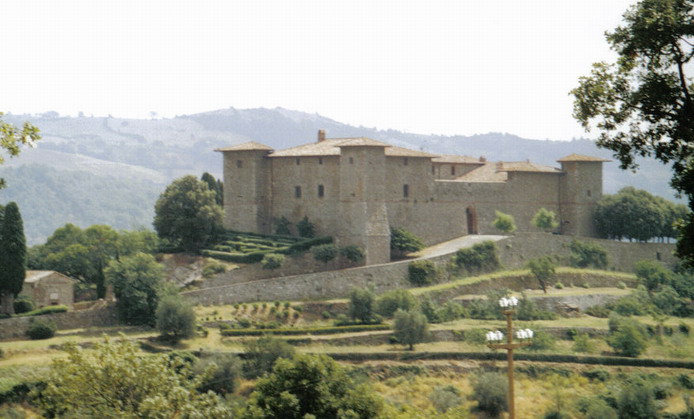
In Lazio More villages to discover
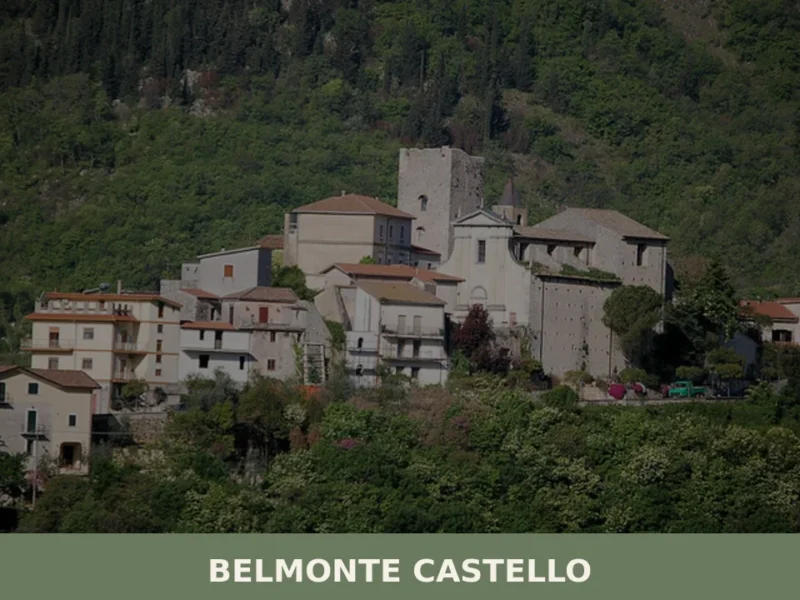
Belmonte Castello
Hills
What to see in Belmonte Castello: discover the 5 main attractions of this Lazio village, from the medieval castle to the Church of San Salvatore. Plan your visit.
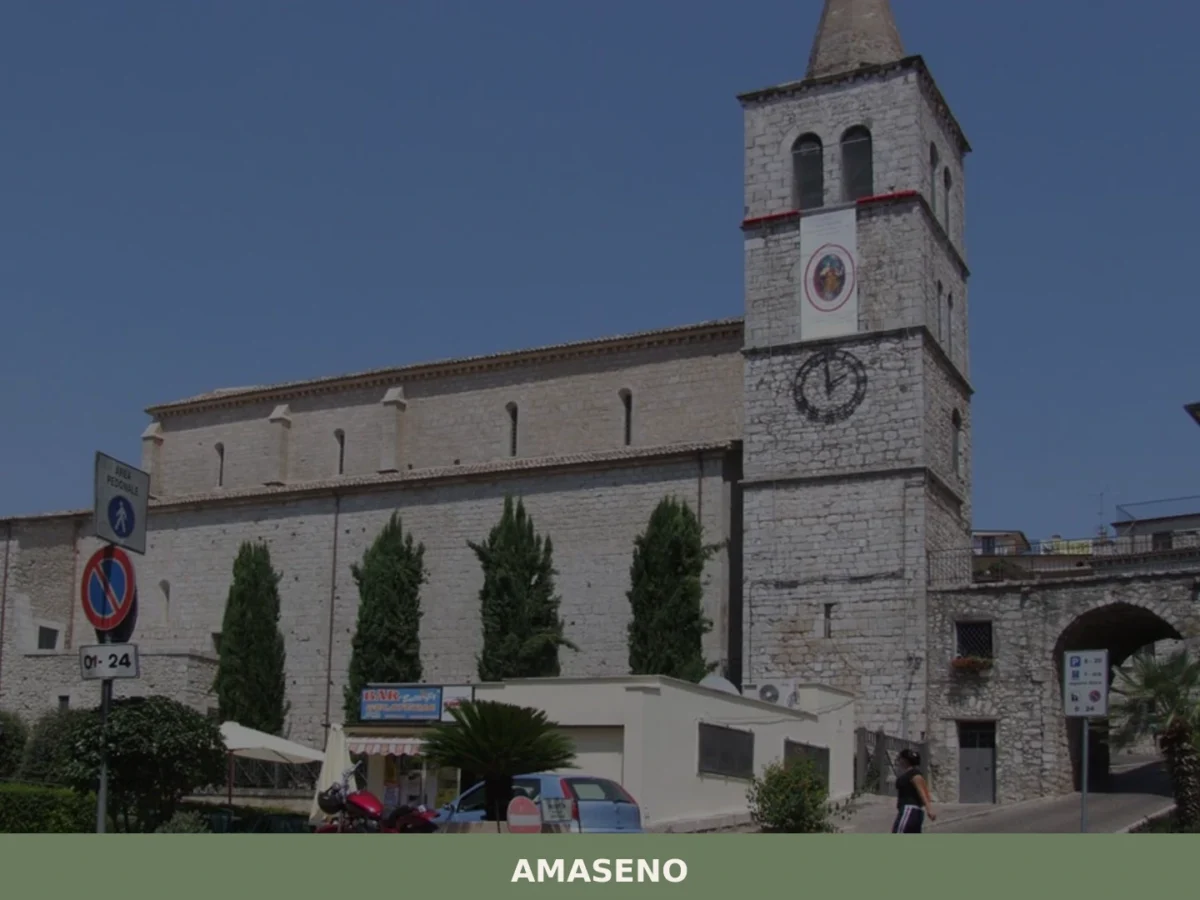
Amaseno
Hills
What to see in Amaseno: visit the 5 top attractions in this Lazio village, from the Madonna Sanctuary to Palazzo Caetani. Discover the complete guide.
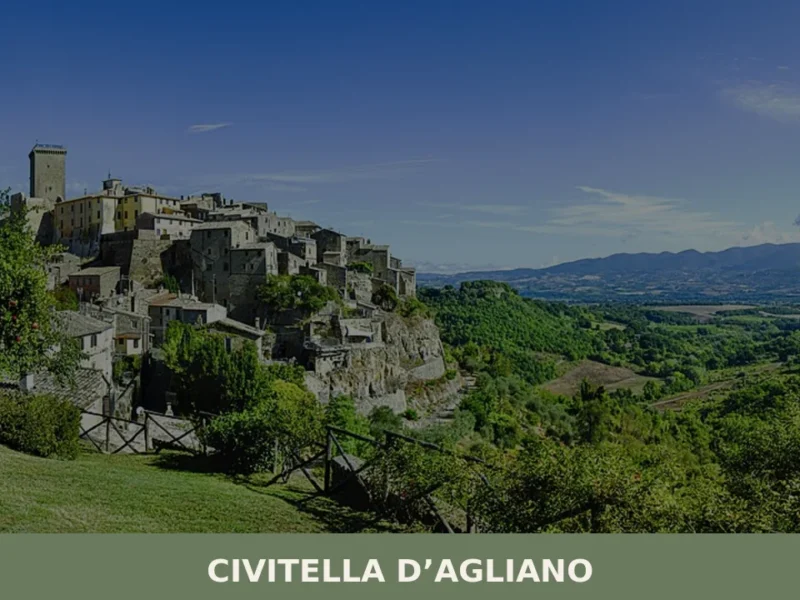
Civitella d’Agliano
Hills
What to See in Civitella d'Agliano: Tower, Castle, Festival. Discover the historic attractions of the village! Experience culture and flavors.
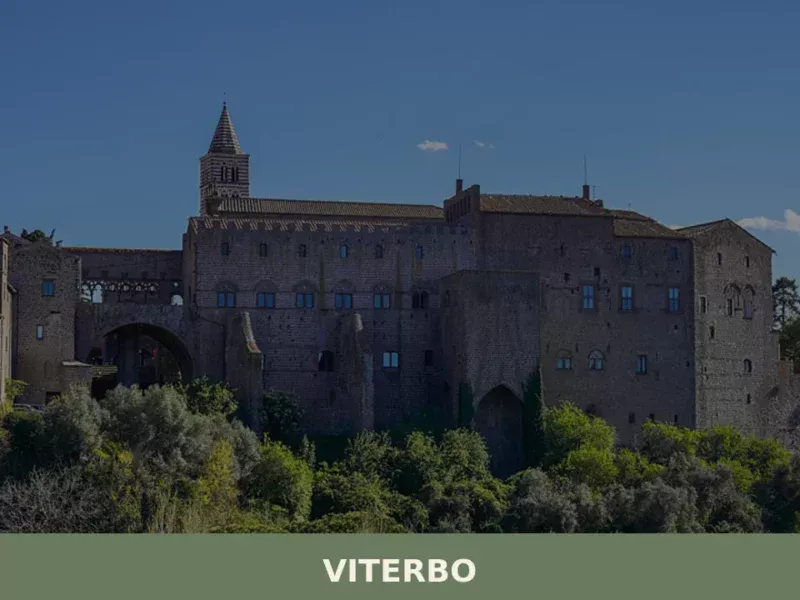
Viterbo
Hills
What to see in Viterbo: Palazzo dei Papi, San Pellegrino, Terme del Bullicame and the UNESCO festival of Santa Rosa. Practical guide with info on how to get there and when to visit.
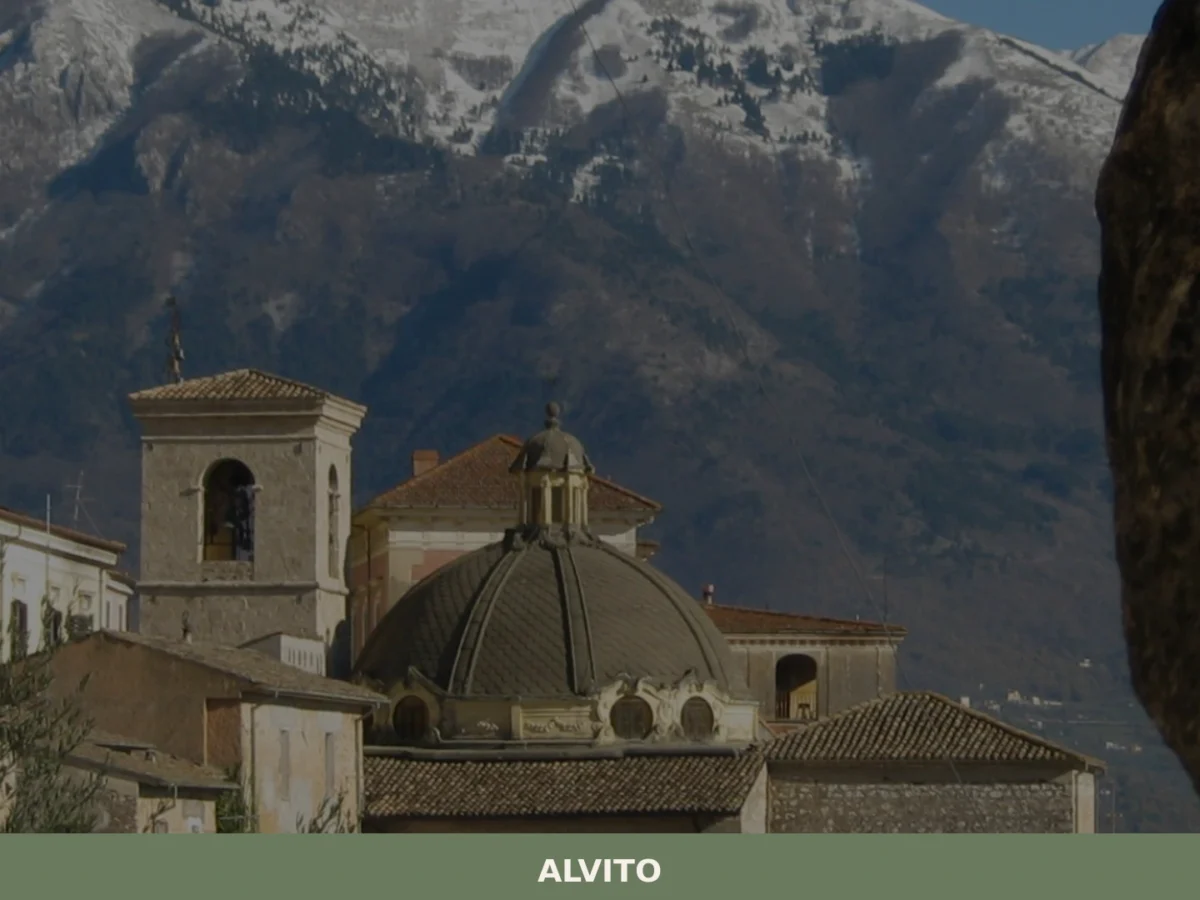
Alvito
 Mountain
What to see in Alvito: discover the 5 top attractions in this Lazio village, from the castle to the Cathedral. Plan your visit with this complete guide.
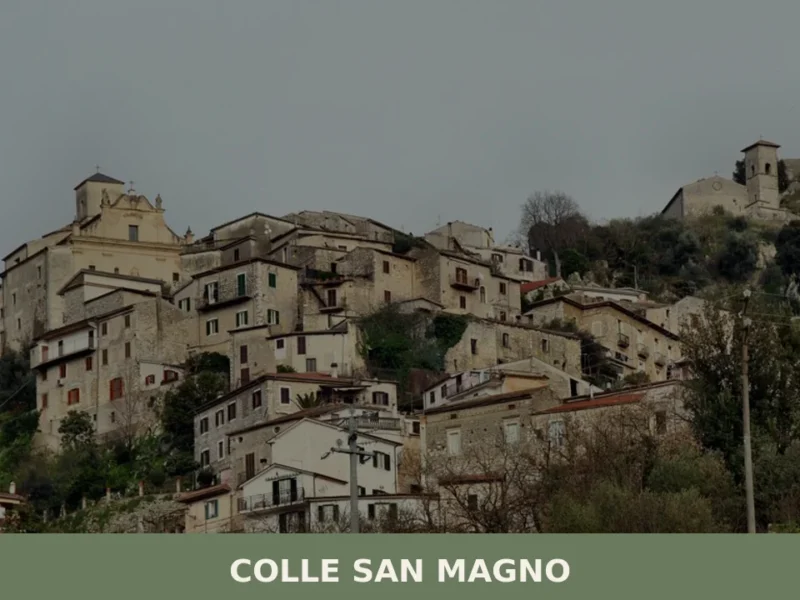
Colle San Magno
Hills
What to see in Colle San Magno, Lazio, Italy: discover a medieval castle, asphalt mines and a hilltop church at 540 m. Read the complete travel guide.
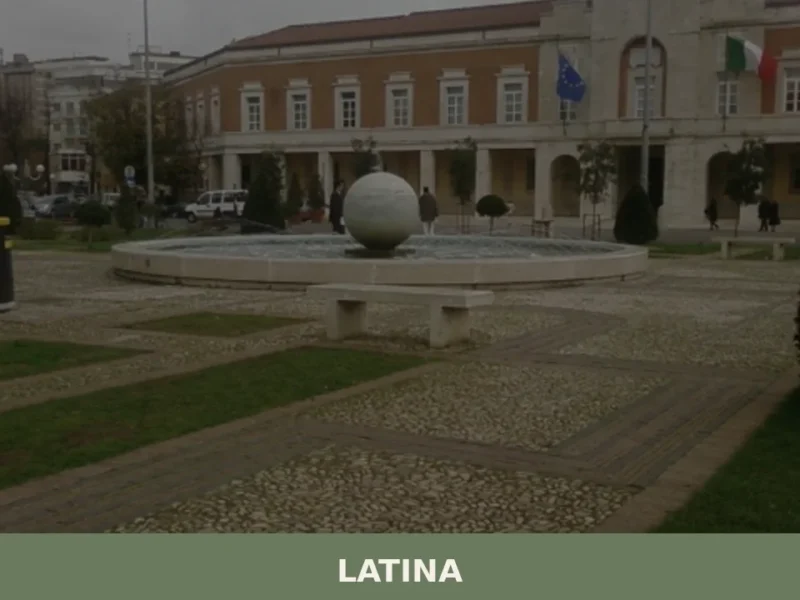
Latina
 Sea
Sea
What to see in Latina: discover the 5 top attractions in this Lazio village, from monuments to the historic centre. Plan your visit with this guide.
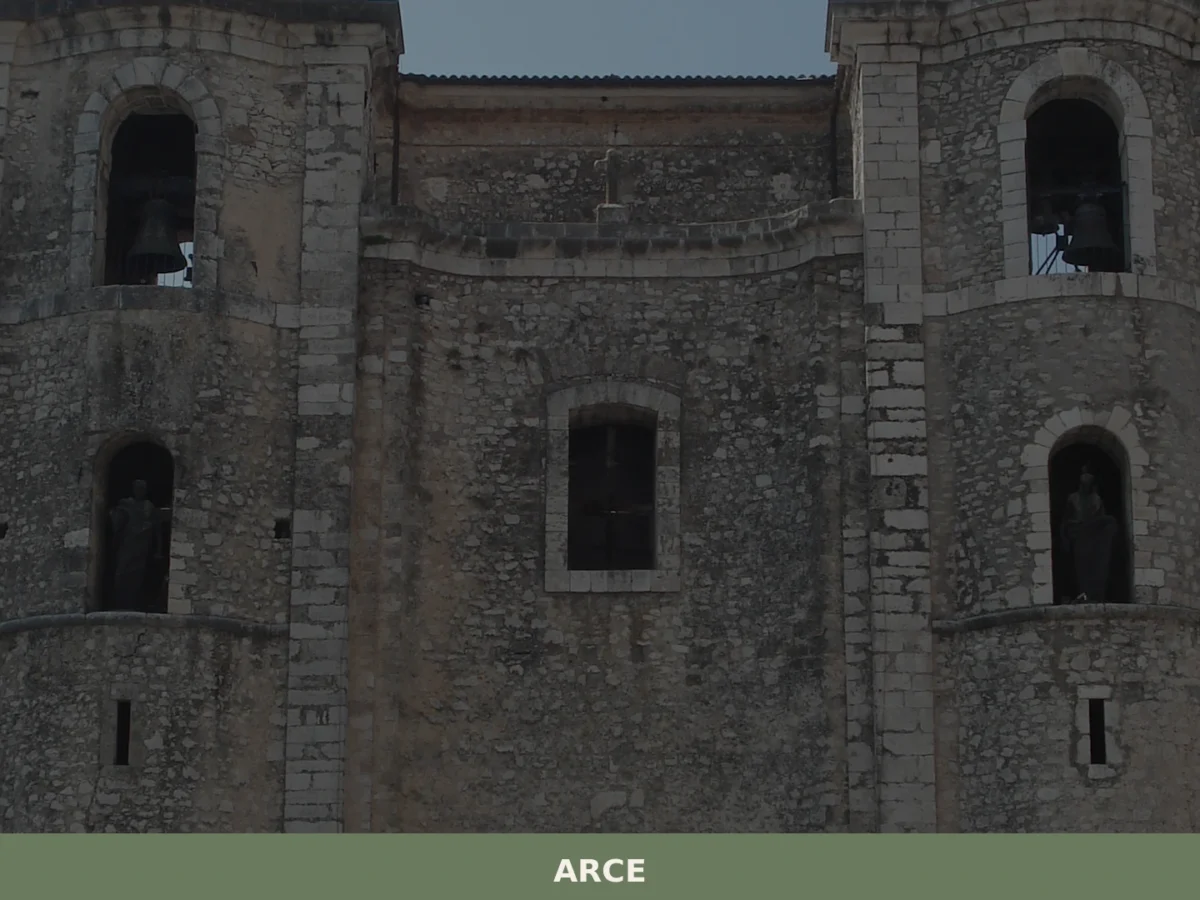
Arce
 Plains
What to see in Arce: discover the 5 unmissable aspects of this Lazio village. From medieval fortresses to scenic views, your complete guide. Plan your visit!
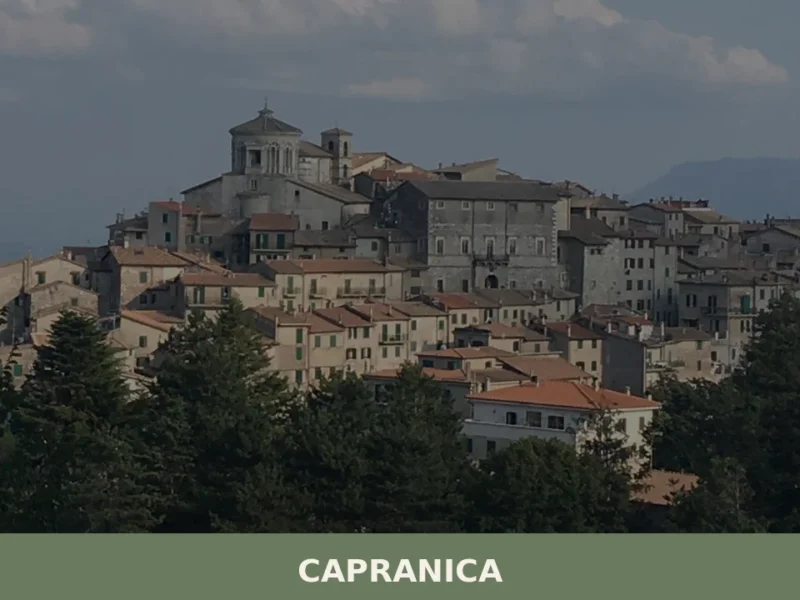
Capranica
Hills
Capranica, a Lazio village between history and nature: discover what to see, how to get there and the top places to visit. Plan your trip with this guide.
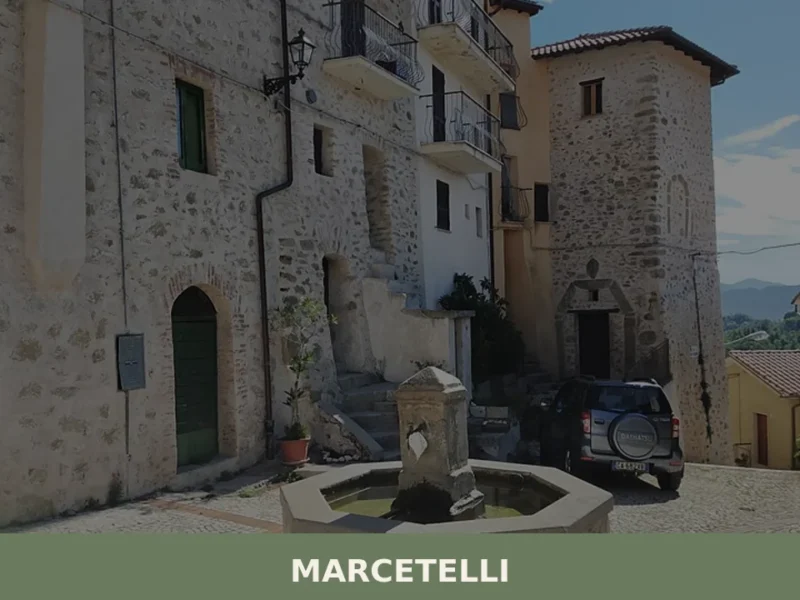
Marcetelli
Lake
Mountain
What to see in Marcetelli, a village at 930m in Rieti province with 82 residents. Explore Lago del Salto, the Church of San Venanzio and PAT-certified Guanciale amatriciano. Plan your visit now.


🏡 Know Gradoli better than we do?
If you’re a local or have been there, your knowledge matters: add what’s missing or fix a detail on this page.