


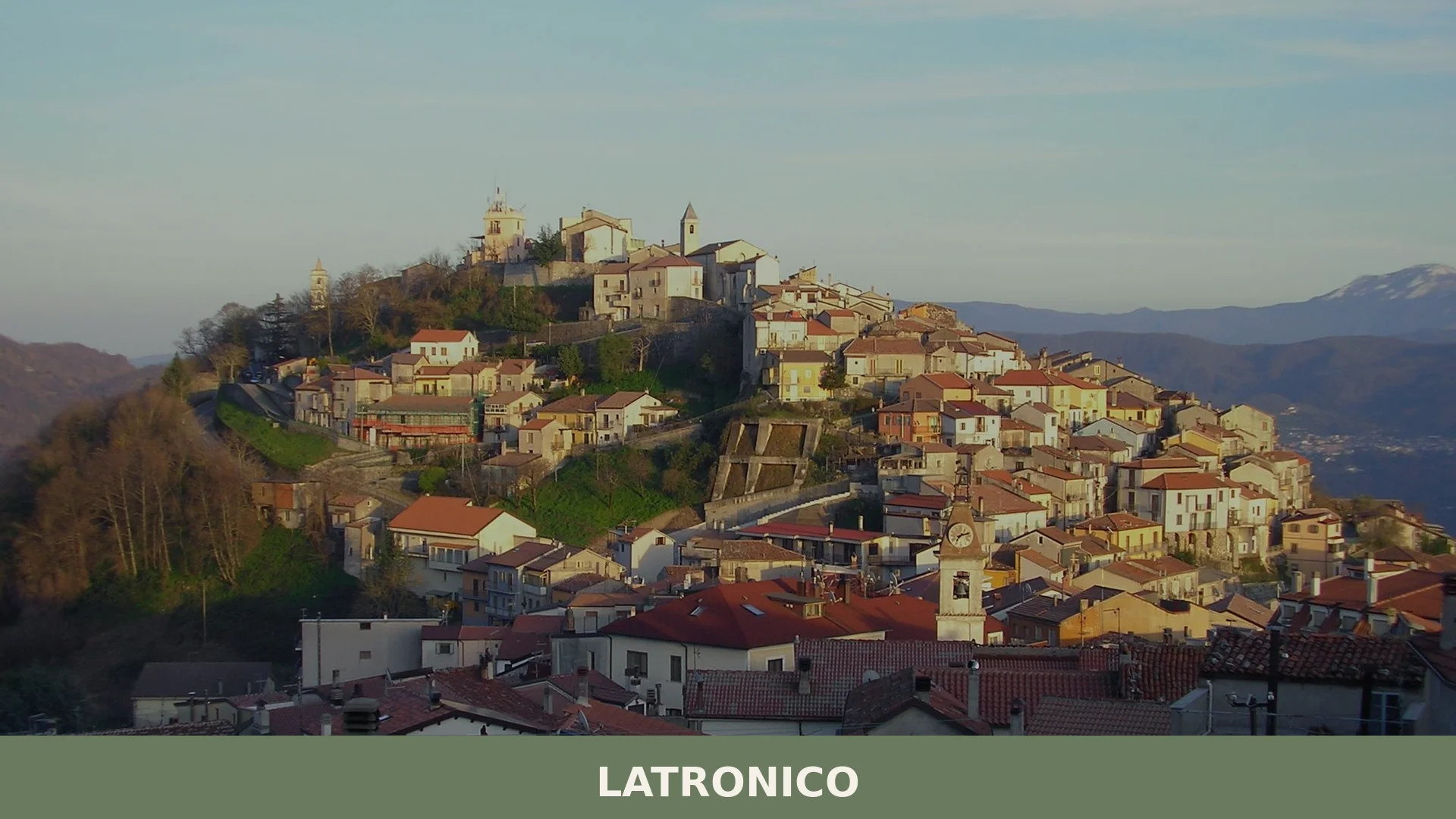

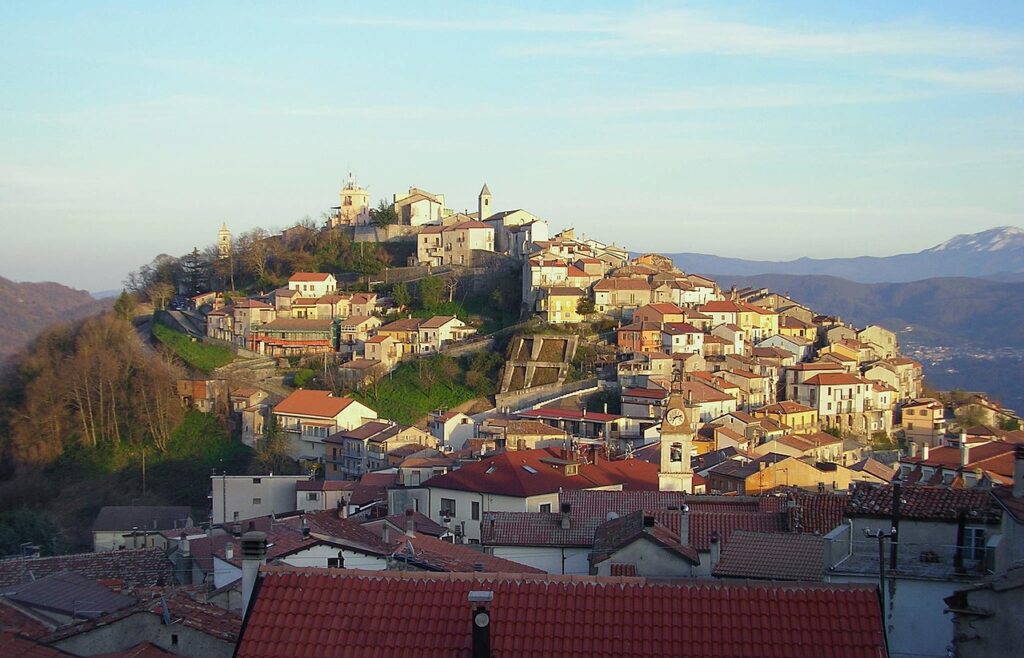
Latronico is a mountain comune of roughly 4,000 inhabitants at 840 metres in the province of Potenza, southern Basilicata, bordered by the Parco Nazionale del Pollino.
Discover Latronico
Latronico is a mountain comune in the province of Potenza, Basilicata, sitting at 888 metres above sea level on the edge of the Pollino massif, with a population of around 3,986 spread across a municipal territory of roughly 75.98 square kilometres. Its position within the Parco Nazionale del Pollino gives it a dramatic natural backdrop, while its long arc of settlement — from Mesolithic cave-dwellers at the locality of Calda to a medieval hilltop nucleus — makes it one of the more historically layered communities in this part of southern Italy.
Latronico village in Basilicata rewards visitors who come looking for substance rather than spectacle: a church mother dedicated to the patron Sant’Egidio, two civic museums that document both the area’s deep archaeological past and its rural working traditions, and a position inside one of Italy’s largest national parks that opens the way to the Lucanian highlands. The feast of Sant’Egidio on the first of September brings the town’s calendar to a focal point each year, anchoring a community whose identity has been shaped by centuries of agro-pastoral life, feudal change, and resilient mountain culture.
Latronico village in Basilicata: history and origins
Latronico, a mountain settlement in the southern Basilicata Apennines, has a documented history stretching from prehistoric times to the modern era, with the name first appearing in written records in 1063 in a document known as the Syllabus Graecarum Membranarum. Archaeological evidence points to human presence in the territory from around 8000 BC, with traces of early communities living for thousands of years in the Grotte di Calda and practising an agro-pastoral economy. An Oenotrian settlement has also been identified at the locality now called Colle dei Greci.
The earliest nucleus of the current inhabited centre probably took shape in the early medieval period, when a rural population sought refuge on higher ground to avoid raids by Lombards and Saracens. After this period, Latronico passed through the hands of several feudal lords — among them the Sanseverino, the Palmieri and the Corcione families — before coming under the control of the Jesuits. When the Jesuits were expelled from the Kingdom of Naples in 1767, the fief passed to the state domain.
At the close of the eighteenth century, Latronico was drawn into the turbulent events surrounding the Parthenopean Republic, and several of its inhabitants faced imprisonment or death for their involvement. In the years between 1861 and 1865, the area also experienced brigandage, with organised bands active in the territory. During the First World War, the community suffered the loss of fifty-two dead and missing, along with twelve wounded. In the following decades, the exploitation of sulphurous-magnesian springs in the Calda district brought new attention to Latronico as a thermal destination, while the mid-twentieth century saw a period of demographic growth that was later reversed by sustained emigration that southern Italians have long faced.
Churches, Museums and the Shadow of Monte Alpi
Latronico’s main sites for visitors include the church of Sant’Egidio, two civic museums housed in the Calda fraction, and a landscape dominated by Monte Alpi, whose three summits — Santa Croce (1,893 m), Punta del Corvo (1,880 m) and Pizzo Falcone (1,900 m) — rise above the valley of the Sinni river within the Parco Nazionale del Pollino.
Church of Sant’Egidio
The church dedicated to Sant’Egidio Abate, patron of Latronico, stands at the heart of the historic centre. The sources indicate connections to the Romanesque period and later interventions, including a bell tower and a presbytery, though precise dates and attributions are not fully documented.
Museo Civico Archeologico di Latronico
Located in the Calda fraction, this museum holds a selection of archaeological materials entrusted to the municipality by the Soprintendenza Archeologica della Basilicata. The objects come from regulated excavations carried out on the communal territory and are displayed across two rooms.
Museo delle Arti, dei Mestieri e della Civiltà Contadina
Open since 2003, this museum presents collections of private origin purchased by the municipality with support from the Istituto Banco di Napoli – Fondazione. The display is arranged thematically across eight sections, covering subjects such as the wheat cycle and the grape cycle, among others.
Flavours of Latronico and the Pollino Highlands
The territory around Latronico sits within a rich Basilicata food region, where certified products such as Fagioli Bianchi di Rotonda DOP, Fagiolo di Sarconi IGP, and Lucanica di Picerno represent the backbone of the local larder, alongside aged cheeses including Caciocavallo Silano DOP and Canestrato di Moliterno IGP. These are products of the broader Potenza province and the Pollino area rather than exclusive specialities of Latronico itself, but they form the natural table of any visit to this part of the Appennino Meridionale.
For wine, the surrounding region offers several appellations worth seeking out. The flagship is Aglianico del Vulture DOCG, Basilicata’s most celebrated red, produced from the ancient Aglianico grape. Complementing it are the Grottino di Roccanova DOC and Terre dell’Alta Val d’Agri DOC, both grown in landscapes not far from Latronico, as well as wines travelling under the broader Basilicata IGT designation. Among regional traditional products, the Mir’ cutt’ and Liquore al sambuco di Chiaromonte stand out as characterful expressions of the Pollino foothills tradition.
Reaching Latronico and Planning Your Stay
Latronico is best reached by car via the A2 Autostrada del Mediterraneo, exiting towards the Sinni valley, with the village sitting at around 888 metres above sea level in the mountainous interior of Basilicata’s Potenza province; the nearest listed neighbouring village, Episcopia, lies approximately 14 km away, making it a natural first stop on any itinerary through the area. The road journey from major southern cities requires patience: this is genuinely mountain territory, and the appeal lies precisely in that remoteness.
Spring and early autumn are the most rewarding seasons. Summer temperatures at this altitude rarely become oppressive — the long-term average for August sits at just under 21 °C — while winter brings cold, frost on roughly 30 days a year, and occasional snow on the slopes of Monte Alpi above the village. The feast of the patron Sant’Egidio on 1 September falls at an ideal moment between summer heat and autumn rains, drawing locals and visitors alike into the historic centre.
The surrounding Parco Nazionale del Pollino gives the whole area its dramatic backdrop and is the main reason to linger. From Latronico it is easy to combine a visit with nearby villages: Castelsaraceno (about 25 km) and Carbone (about 24 km) both sit within the same mountain landscape and reward an unhurried circular drive through the Pollino foothills.
| Departure | Distance | Time |
|---|---|---|
| Episcopia | 14 km | approx. 20 min |
| Castelluccio Superiore | 19 km | approx. 25 min |
| Castelluccio Inferiore | 20 km | approx. 25 min |
| Lauria | 22 km | approx. 30 min |
| Carbone | 24 km | approx. 35 min |
| Castelsaraceno | 25 km | approx. 35 min |
These practical references help organise the journey clearly, while the village itself is best understood slowly and on foot once you arrive.
Frequently asked questions about Latronico
How do you get to Latronico by car or public transport?
By car, Latronico is best reached via the A2 Autostrada del Mediterraneo, exiting at Lauria Nord or Lauria Sud, then following the SS653 Val Sinni road eastward. The drive from Potenza takes roughly 90 minutes. Direct public transport is limited: regional buses operated by Cotral or local Basilicata services connect Latronico to Lagonegro and Potenza, though schedules are infrequent. The nearest railway station is Lagonegro-Maratea, served by Trenitalia regional lines, from which a local bus or taxi is required.
When is the best time to visit Latronico?
Late spring (May–June) and early autumn (September) offer the most rewarding visits. Temperatures at 888 metres are mild in summer, making it a cool retreat from coastal heat. The most significant date in the village calendar is 1 September, the feast of Sant'Egidio, the patron saint, when religious processions, music, and local food markets animate the historic centre. Winter can bring snow given the Pollino elevation, appealing to visitors seeking mountain scenery, though some facilities may have reduced hours.
What outdoor activities are available in and around Latronico?
Latronico sits inside the Parco Nazionale del Pollino, Italy's largest national park by area, which offers an extensive network of CAI-marked hiking trails across the Lucanian Apennines. The Monte Alpi massif, immediately accessible from the village, features documented routes ranging from moderate woodland walks to more demanding ridgeline treks. Mountain biking and birdwatching are also popular in the park. The park authority and local guides can provide up-to-date trail maps and organised excursions departing from the Latronico area.
Are there any thermal or spa facilities near Latronico?
Yes. The locality of Calda, within Latronico's municipal territory, is historically associated with thermal springs whose use dates to at least the Roman period. The area features sulphurous and bicarbonate waters traditionally valued for therapeutic purposes. While the archaeological and historical record documents long-standing exploitation of these springs, visitors should verify current operational status and any modern spa or wellness facilities directly with the Latronico municipal office or local tourism operators before planning a visit centred on thermal bathing.
What practical information should visitors know before arriving in Latronico?
Latronico is a small mountain comune of roughly 3,986 inhabitants, so visitor infrastructure is modest. Parking is generally available on the village perimeter. The two civic museums — covering archaeology and rural traditions — have limited opening hours and may require advance booking or coordination with the municipal cultural office. A half-day to full-day visit is realistic for the village itself, though combining it with Pollino park excursions warrants an overnight stay. Basic accommodation including agriturismos and B&Bs exists in and around the Val Sinni valley.
📷 Photo Gallery — Latronico
In Basilicata More villages to discover
Pietrapertosa
 Sea
Sea
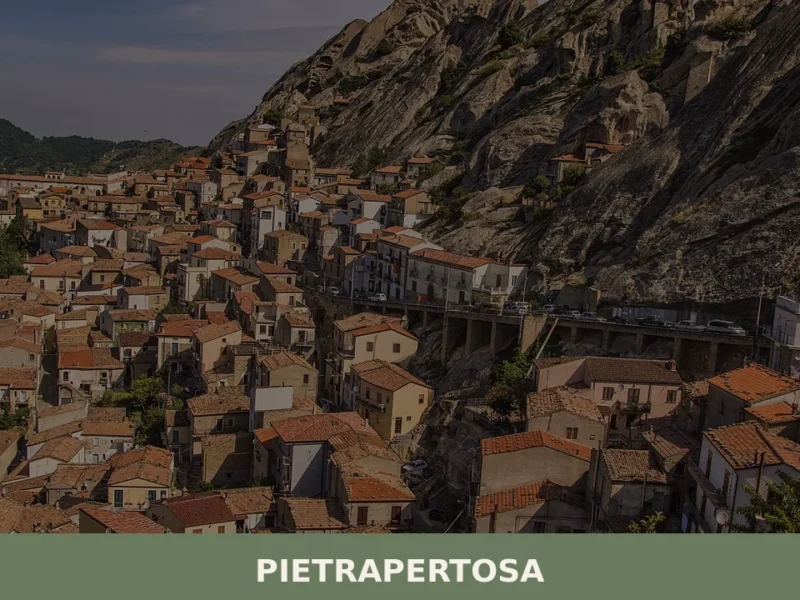
Pietrapertosa è un affascinante borgo montano della Basilicata, incastonato tra le spettacolari Dolomiti Lucane, noto per la sua storia e il suo paesaggio unico.
Atella
 Hills
Hills
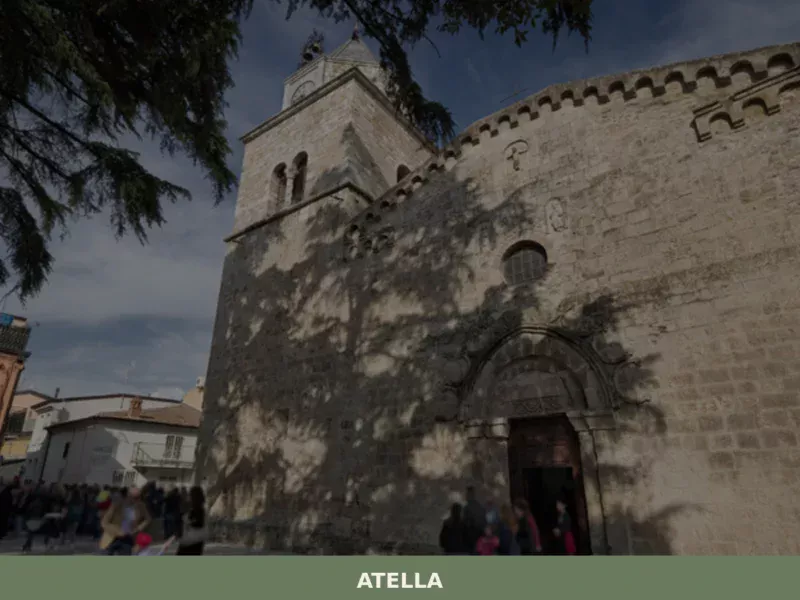
Discover what to see in Atella, a 3,574-inhabitant comune in Potenza province. History, food, travel tips and the best of the Vulture-Melfese area.
Balvano
Hills
Balvano, a municipality in the province of Potenza, rises 425 meters above sea level, fitting into the hilly landscape of Basilicata. This altitude is not just a number, but the coordinate of a natural observatory from which the Platano valley can be viewed. With a population of 1,722 inhabitants, the village maintains the size of […]

Corleto Perticara
 Mountain
What to see in Corleto Perticara, Basilicata, Italy: explore 5 top attractions, local food and festivals. Discover this Potenza province village at 680 m altitude.
Grumento Nova
Mountain
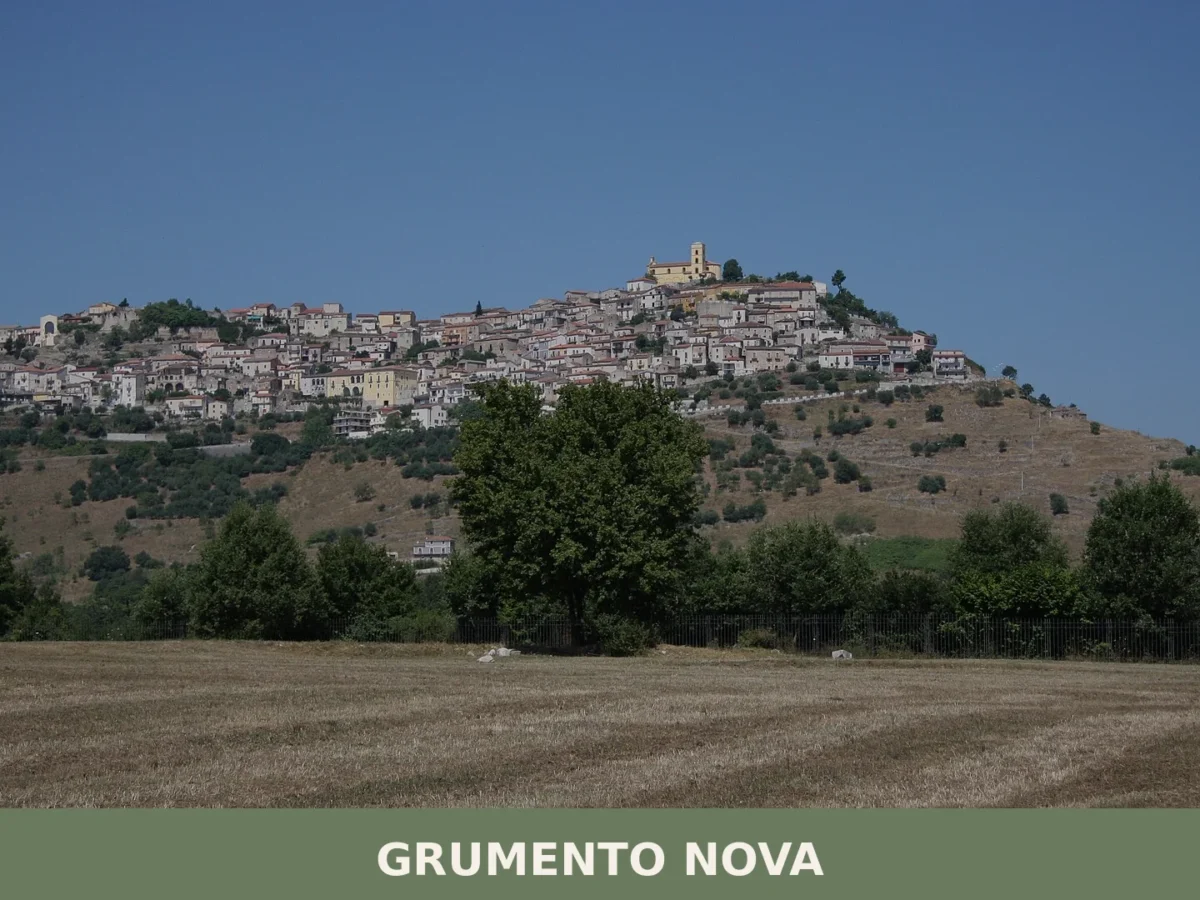
Grumento Nova is a mountain comune at 746 metres in Basilicata's Val d'Agri, where the ruins of Roman Grumentum and more than a thousand years of layered history await travellers seeking an authentic
Bella
Mountain
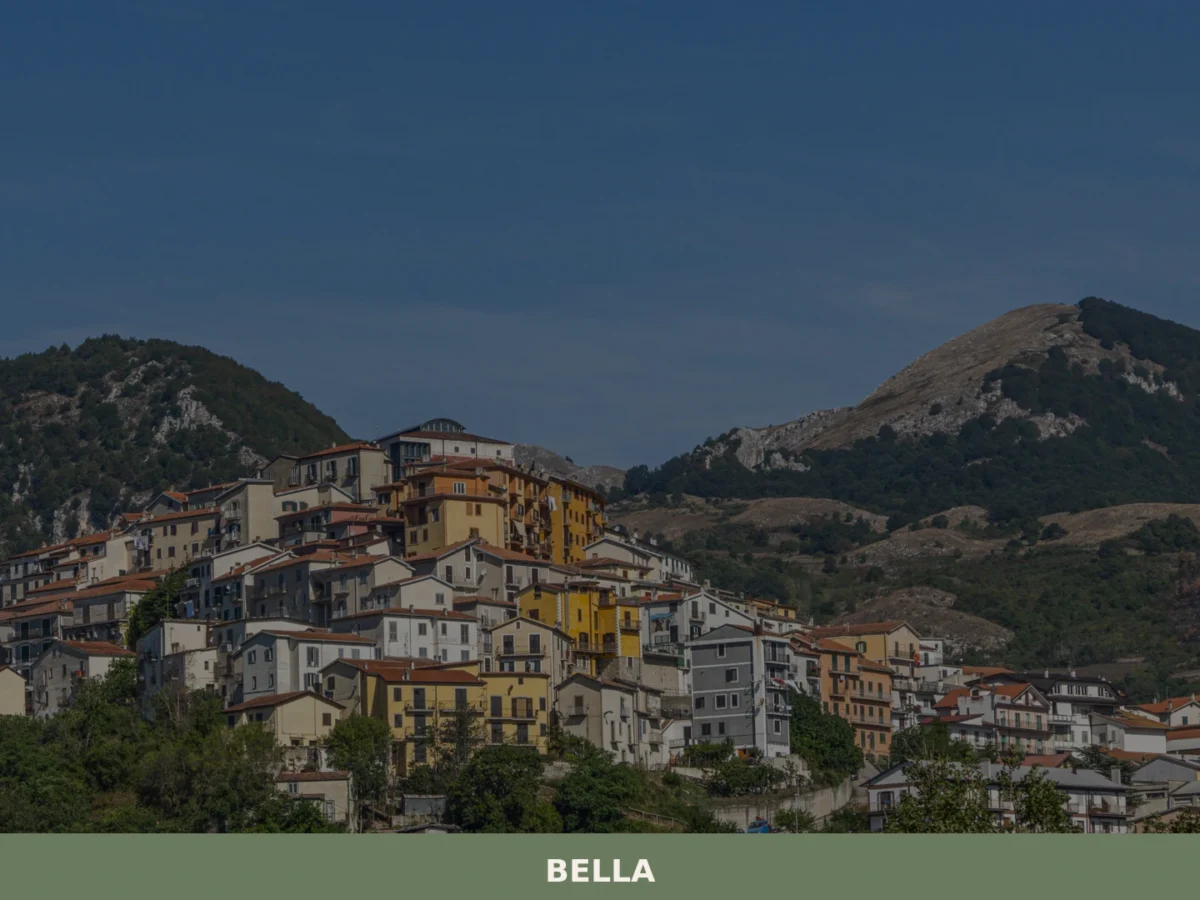
What to see in Bella, the Lucanian village of 4,516 inhabitants? Discover its must-see places and history. Plan your visit!

Colobraro
Hills
What to see in Colobraro, Italy: explore the village at 630 m altitude known as 'that village'. Discover its curse legend, Sinni valley views & local food. Read the guide.
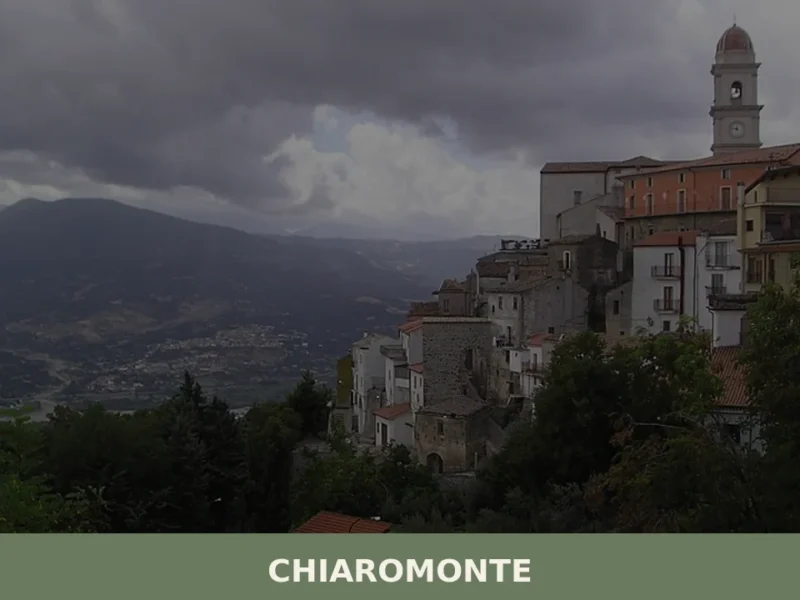
Chiaromonte
Mountain
what to see in chiaromonte, Italy: Discover its 794m altitude and delve into its history, from ancient roots to the case study of Montegrano. Explore Basilicata.
Banzi
Hills
In 1956, during archaeological excavations in the area of ancient Bantia, the “Bantine Table” was discovered, a bronze tablet inscribed in the Oscan language, providing direct evidence of the legislation of this Italic community from the 4th-3rd century BC. For those wondering what to see in banzi today, the village, located at 571 meters above […]
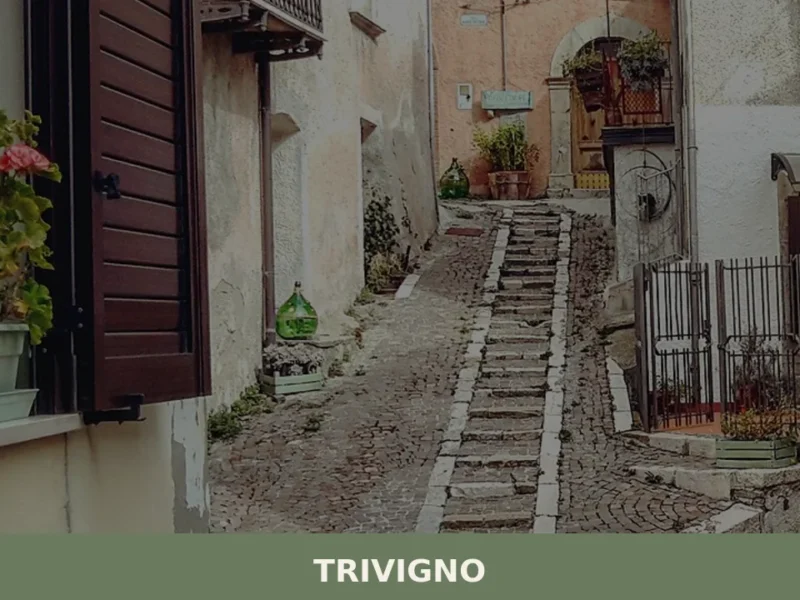
Trivigno
Mountain
Trivigno has a current population of 570 and occupies a ridge at 725 metres above sea level in the middle Basento valley, in the province of Potenza. Its territory extends across fields of durum wheat and Turkey oak woods covering the eastern slopes up to the borders with neighbouring municipalities. Those looking for what to […]






🏡 Know Latronico better than we do?
If you’re a local or have been there, your knowledge matters: add what’s missing or fix a detail on this page.