


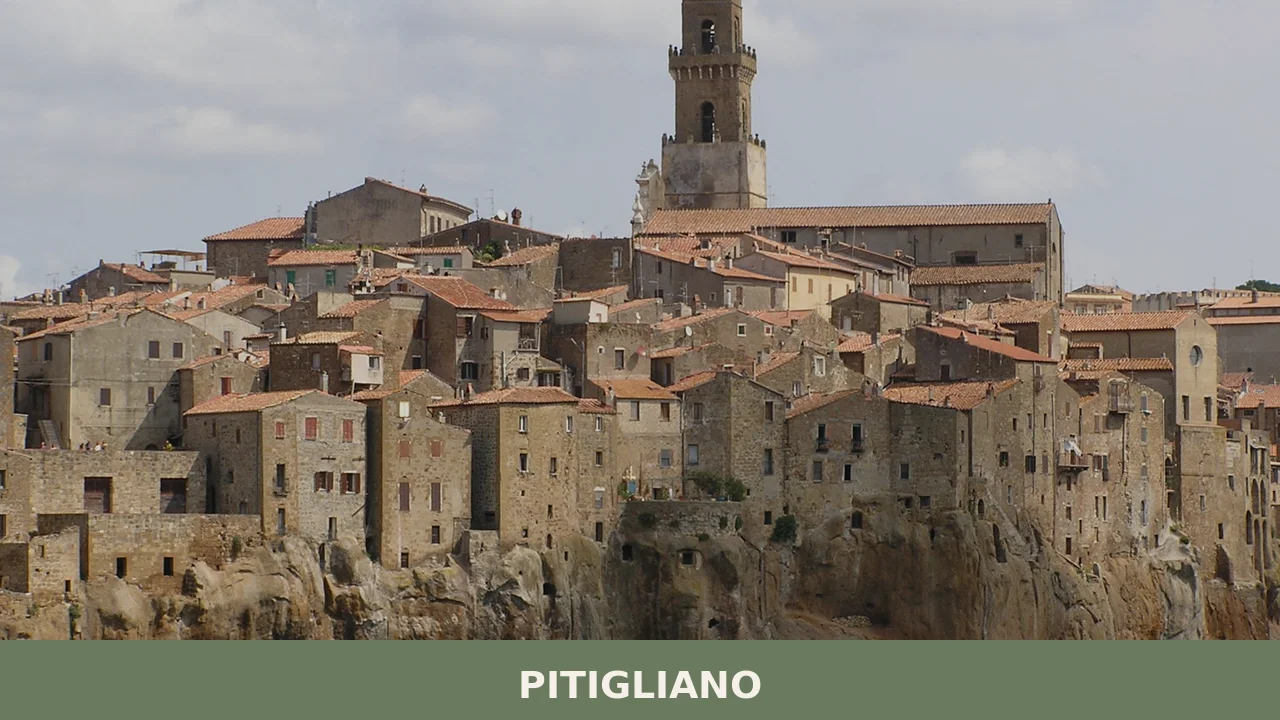

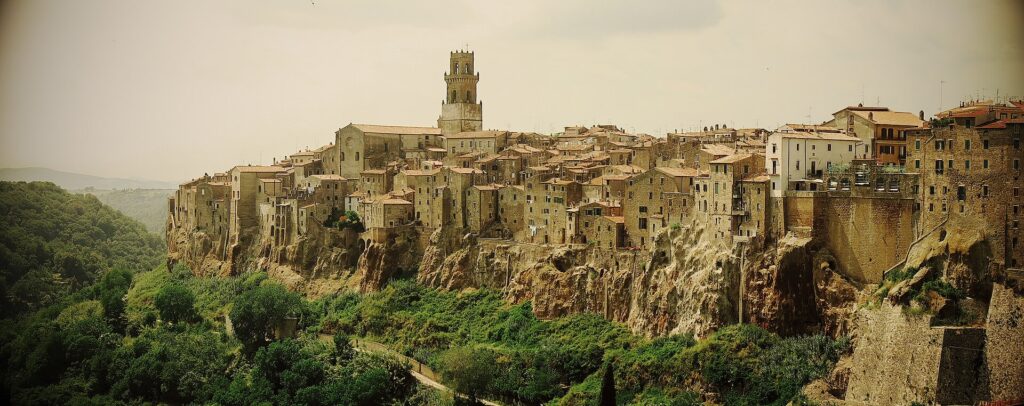
Pitigliano stands as a dramatic testament to human resilience and historical depth in the heart of the Tuscan Maremma.
Discover Pitigliano
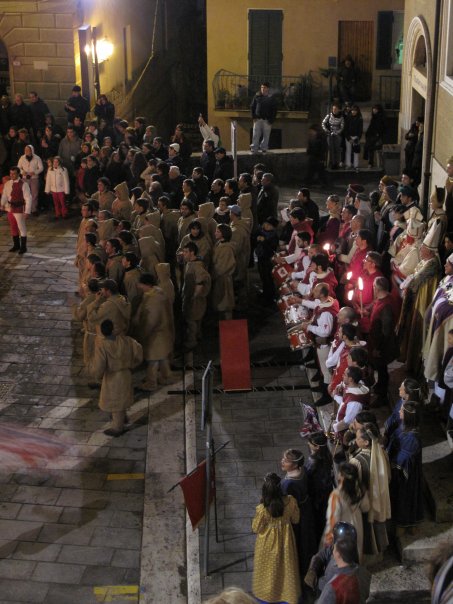
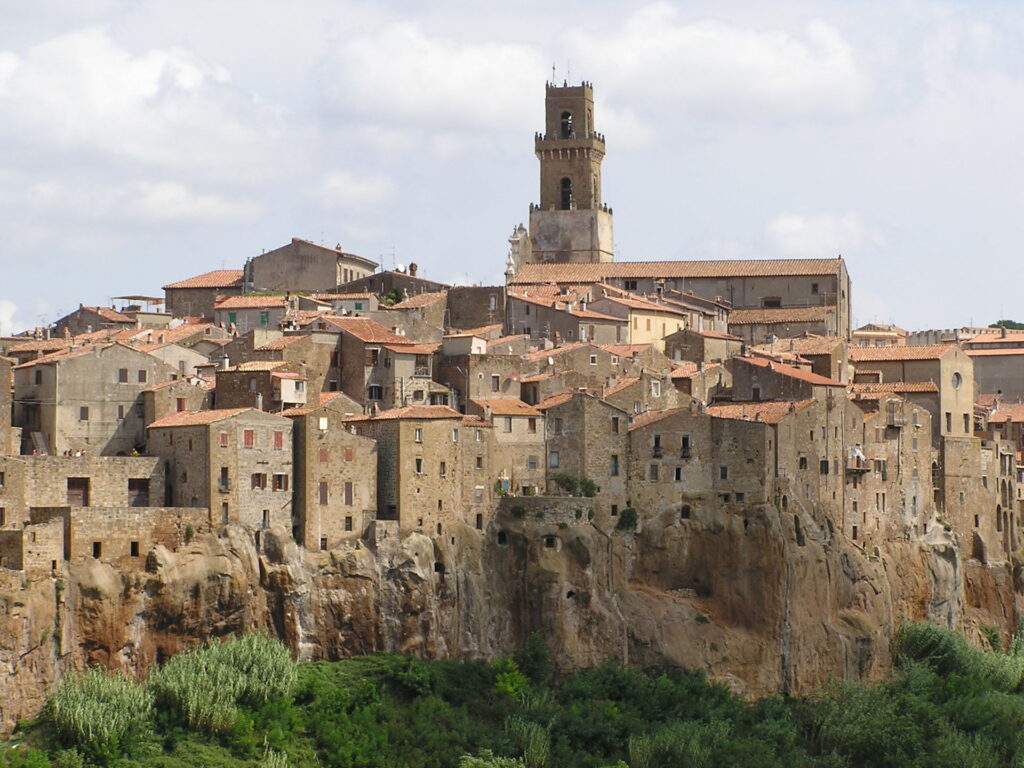
Con i suoi edifici scavati direttamente nel tufo e il suo profilo che si fonde con la roccia su cui sorge, Pitigliano offre un panorama inconfondibile e drammatico nella Maremma grossetana. Questa identità, scolpita nella pietra millenaria, racconta una storia di insediamenti continui, dalle antiche civiltà etrusche fino ai giorni nostri, rendendolo un luogo dove ogni vicolo e ogni scorcio rivela strati di storia. Il **Pitigliano village in Tuscany** è un comune che si estende su una superficie di 102.9 kmq e ospita 3.533 abitanti. Situato in una zona altimetrica di collina interna, a una quota di 311 metri per il suo centro municipale, è riconosciuto dall’ISTAT come comune a vocazione culturale, storica, artistica e paesaggistica. I suoi abitanti sono chiamati pitiglianesi e il codice di avviamento postale è 58017. La comunità celebra il suo patrono, San Rocco, ogni 16 agosto.Pitigliano village in Tuscany: history carved in stone and faith
Pitigliano has been continuously inhabited since the Etruscan period, when communities dug their homes and burial chambers into the soft tufa rock of this plateau, leaving traces that date to the late Bronze Age; centuries later, the powerful Orsini family ruled the town for nearly four hundred years, and in 1574 the last count ceded the fortress to the Medici — a handover whose physical evidence still defines the skyline today. The story begins well before that, with the first written record of Pitigliano appearing in a papal document of 1061, already describing it as territory under the Aldobrandeschi counts. In 1293, through a dynastic marriage, the seat of the county passed to the Orsini, who turned Pitigliano into a defended stronghold capable of resisting pressure from Siena, Orvieto and, later, Medici Florence.
The Orsini era left the most legible marks on the townscape: the fortress, the palazzo that bears their name, and the dense medieval fabric of the upper town all date from those centuries of lordship. When the Medici eventually absorbed Pitigliano — first the fortress in 1574, then the full territory in 1604 after the last Orsini count surrendered it to settle his debts — the grand duchy showed little interest in its new possession, and the town entered a long period of decline. Recovery came slowly after 1737, when the Lorraine dynasty replaced the Medici and invested in the territory’s infrastructure.
Alongside this political history runs a quieter but equally formative thread: beginning in the sixteenth century, Jewish families fleeing persecution elsewhere in Italy found shelter in Pitigliano. The community that grew here became so substantial and well integrated that the town earned the name la piccola Gerusalemme — the little Jerusalem. Their legacy survives intact in the old Jewish quarter, with its restored synagogue, ritual bathhouse, kosher butchery, and azzime oven, all of which are open to visitors today and form the core of the Museo di Cultura Ebraica.
The tufa rock beneath Pitigliano shelters the living and the dead with equal intimacy — Etruscan burial chambers below, medieval streets above, and a Jewish quarter threading between them like a memory the town never chose to forget.
Stone, Synagogue and Etruscan Shadow: The Monuments of Pitigliano
Pitigliano concentrates its main sights along a single dramatic ridge of tufa rock: a cathedral, four museums, several churches spanning medieval to baroque, and an intact Jewish quarter that gives the town its best-known epithet, la piccola Gerusalemme — the little Jerusalem. The architecture reads the town’s history directly in stone, from Etruscan burial chambers cut into the cliff to an Orsini palace that still dominates the skyline.
The Cathedral of Saints Peter and Paul
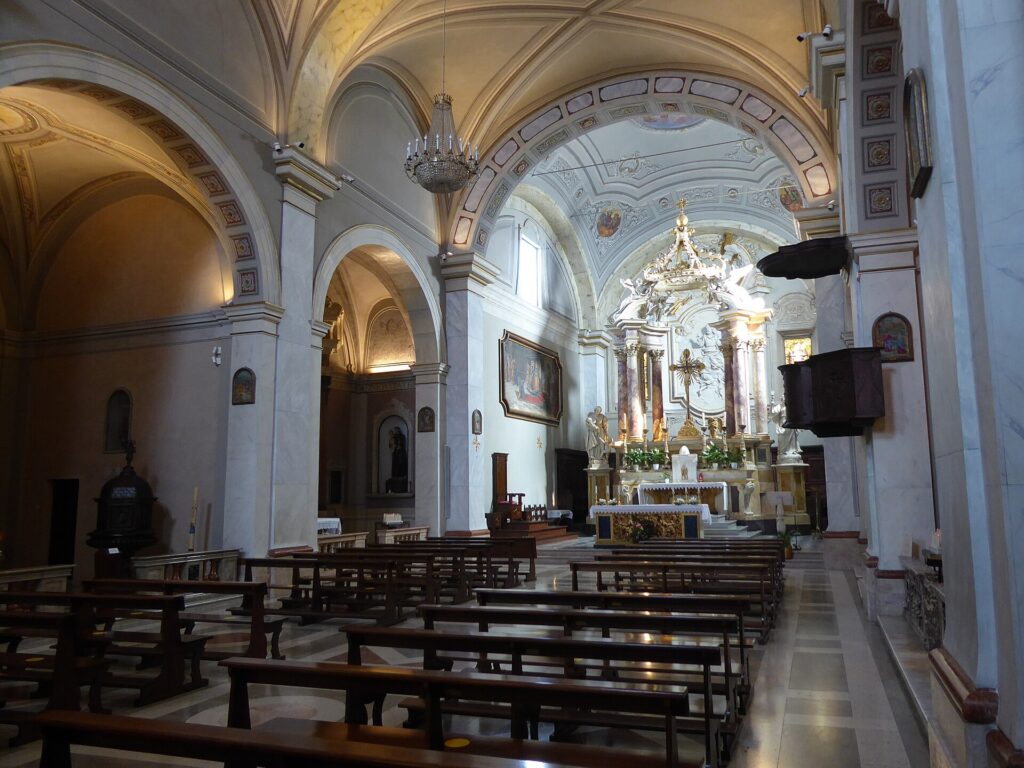
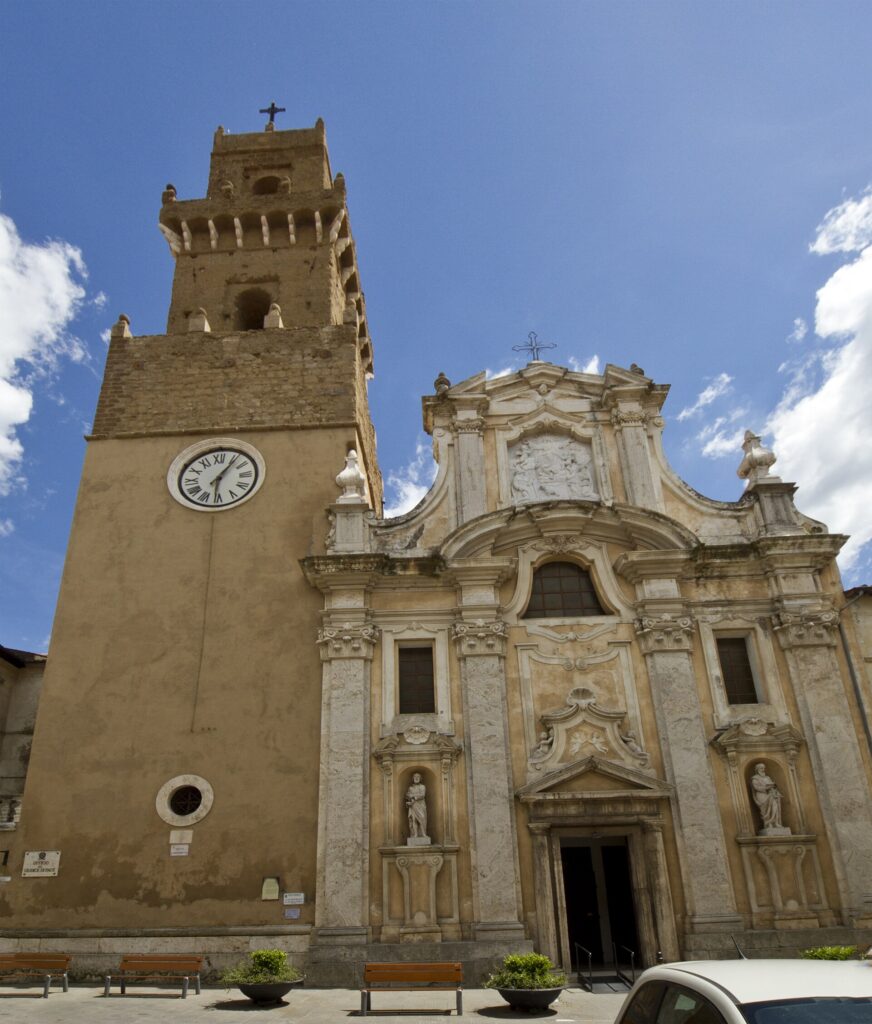
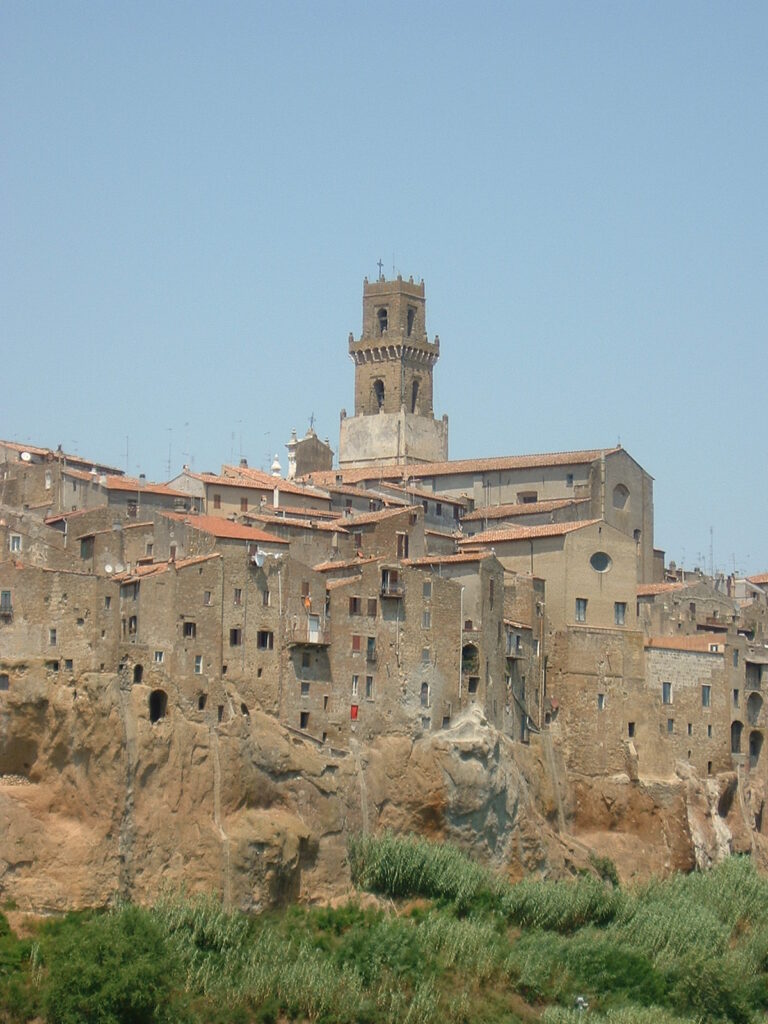
The Cattedrale dei Santi Pietro e Paolo — the duomo of Pitigliano — was built in the medieval period, reworked during the sixteenth century, and substantially modified again in later phases. Its tardo-baroque façade is flanked on the left by a bell tower, and the interior preserves decorative layers that reflect those successive hands. It is the seat of the diocese of Pitigliano-Sovana-Orbetello, which gives it a weight beyond the town’s modest size.
Palazzo Orsini and Its Diocesan Museum
The palazzo that the Orsini family raised here anchors the medieval upper town. Its interior retains fifteenth-century ceilings and decorations, and today houses the Museo Diocesano di Palazzo Orsini, whose collection spans silverwork and goldsmithery, coins, wooden sculptures, panel and canvas paintings, precious textiles, stone materials, manuscripts and early printed books. It is one of the denser single-building collections in the province, and the decorated rooms are themselves part of what visitors come to see.
The Jewish Quarter and the Museo della Piccola Gerusalemme
From the sixteenth century onward, Pitigliano became a place of refuge for Jewish communities fleeing persecution elsewhere. The old Jewish quarter in the historic centre has been restored and is again open to visitors, centred on the Museo di cultura ebraica la piccola Gerusalemme. The museum holds a significant collection of Jewish ritual objects and serves as the entry point for a wider itinerary through the quarter: the synagogue, the ritual bath, the Kasher cellar and slaughterhouse, the unleavened-bread oven, and the tannery. Few towns of this scale in Tuscany offer a Jewish heritage circuit this complete.
Museo Civico Archeologico della Civiltà Etrusca
The Museo Civico Archeologico divides into two sections: one devoted to material from the Etruscan necropolis of Poggio Buco, the other to finds from Pitigliano’s own settlement and burial sites. Throughout the route, visitors can see an active conservation laboratory where ceramics are still being studied and restored — a working dig, not just a display cabinet. The museum frames the Etruscan presence that predates every other layer of the town.
Museo Archeologico all’Aperto Alberto Manzi
Outside the built centre, the open-air archaeological museum dedicated to Alberto Manzi — subtitled La Città dei Vivi — La Città dei Morti — was created with a clear educational purpose: to counter the deterioration and looting of Etruscan funerary monuments while making the natural and archaeological landscape legible to non-specialists. The tufa terrain here is riddled with ancient tombs and carved pathways; walking it alongside the interpretive framework the museum provides is a different experience from any indoor collection.
The Churches
Beyond the cathedral, Pitigliano holds several other religious buildings worth noting. The Santuario della Madonna delle Grazie stands along the Strada Statale 74 Maremmana, a few hundred metres south of the historic centre. The Chiesa di Santa Maria Assunta, in Piazza Dante Alighieri beyond the town walls, was built close to the fortress bastions. The Chiesa della Madonna del Fiore, the Chiesa di San Paolo della Croce, and the Chiesa di Santa Maria e San Rocco — possibly the oldest surviving church in Pitigliano, with origins in the twelfth or thirteenth century — round out a circuit that rewards anyone willing to move slowly through the lanes between them.
The tufa cliffs below Pitigliano hide as many chambers as the town above has rooms: the Etruscan dead were buried in rock cut from the same stone the living built their houses from, and the boundary between the two cities has never been entirely clear.
Flavours of Pitigliano and the Maremma
Pitigliano and its surrounding Maremma area are known for a variety of regional products, including the Cinta Senese DOP pork, Agnello del Centro Italia IGP lamb, and Castagna del Monte Amiata IGP chestnuts. The area also produces Finocchiona IGP salami and Cantuccini Toscani IGP biscuits. For wines, the territory is celebrated for its Bianco di Pitigliano DOC, along with other notable Tuscan labels like Montecucco Sangiovese DOCG, Morellino di Scansano DOCG, and Ansonica Costa DOC.
Plan Your Visit to Pitigliano
Pitigliano, nestled in the Maremma, is accessible by road, with its climate offering pleasant conditions for visits from mid-April to mid-October. The village is well-connected by regional roads, making it a convenient destination for those exploring southern Tuscany and the Lazio border. Visitors can enjoy the unique architecture and historical sites, with the warmer months providing an ideal backdrop for exploring the outdoor archaeological areas and the surrounding natural beauty. The town is classified as a low seismic zone, ensuring a safe and stable environment for tourism.
| Departure | Distance | Time |
|---|---|---|
| Grosseto | 60 km | 1h |
| Manciano | 20 km | 25 min |
| Sorano | 10 km | 15 min |
| Valentano | 30 km | 40 min |
These practical references help organise the journey clearly, while the village itself is best understood slowly and on foot once you arrive.
Frequently asked questions about Pitigliano
What is the best time of year to visit Pitigliano?
The best time to visit Pitigliano is generally during the spring (April-May) and autumn (September-October) months, when the weather is pleasant for exploring. Summers can be warm, but if you visit in August, you can experience the lively celebrations for the patron saint, San Rocco, on August 16th. This offers a unique opportunity to immerse yourself in local traditions and festivities, often accompanied by cultural events and community gatherings.
How can I reach Pitigliano by car or public transport?
Pitigliano is located in the province of Grosseto, Tuscany. While it's best accessed by car, as public transport options are limited, you can reach it via regional roads. The nearest major motorway exit would typically be along the A1 Autostrada del Sole, requiring a subsequent drive through scenic Tuscan countryside. The closest train stations are Grosseto or Orbetello-Monte Argentario, from where you would need to arrange a bus connection or private transfer, as direct train access to Pitigliano is not available.
What is the typical duration recommended for visiting Pitigliano?
To fully appreciate Pitigliano's unique architecture, historical sites, and charming streets, a visit of at least half a day to a full day is recommended. This allows time to explore the historic center, including the Jewish Ghetto and its synagogue, wander through the 'vie cave' (ancient Etruscan sunken roads), and enjoy the panoramic views. If you wish to delve deeper into its museums or enjoy a leisurely meal, a full day would be more suitable.
📷 Photo Gallery — Pitigliano
Nearby Villages near Pitigliano
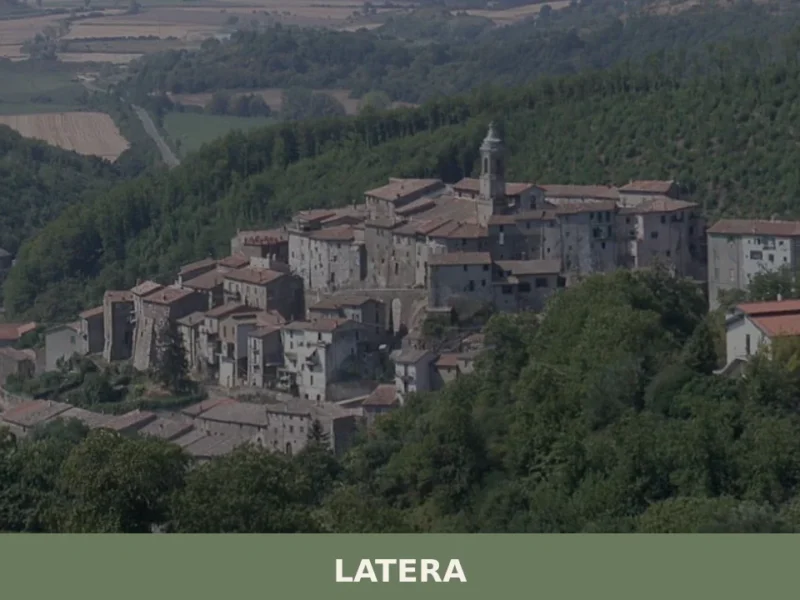
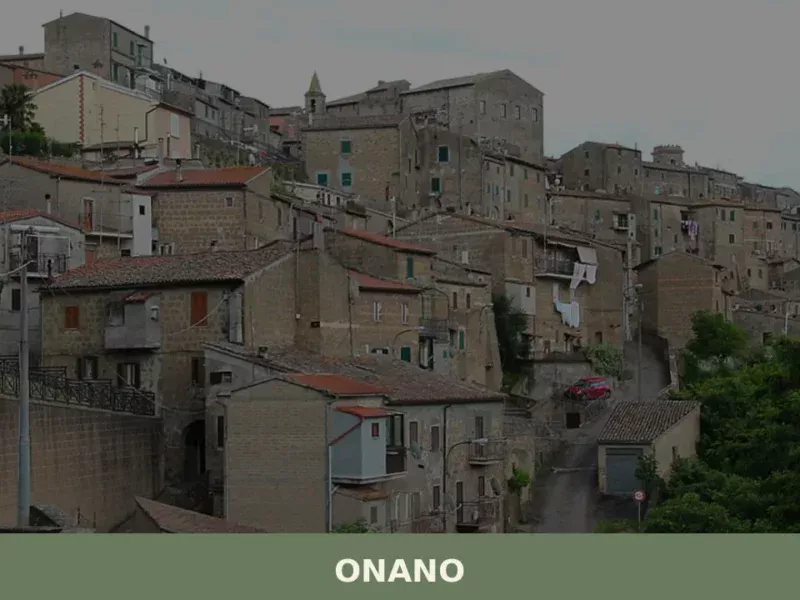
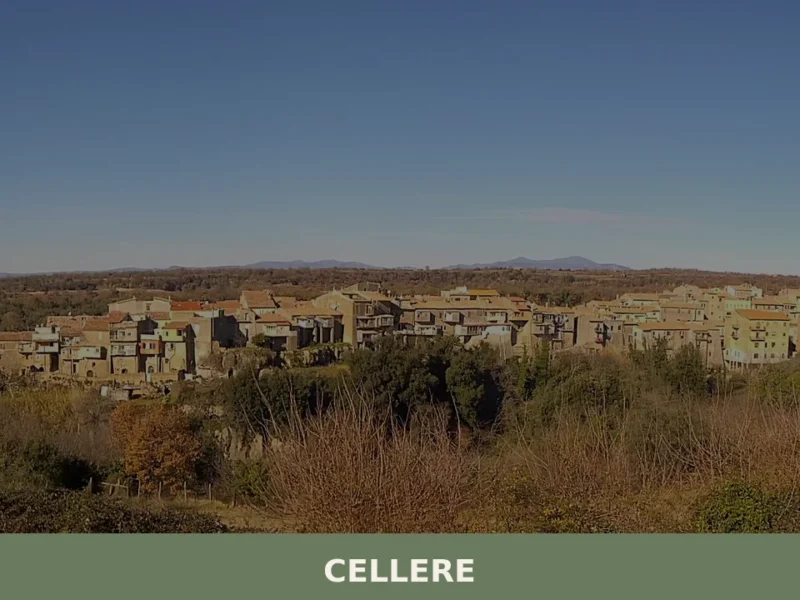
In Tuscany More villages to discover
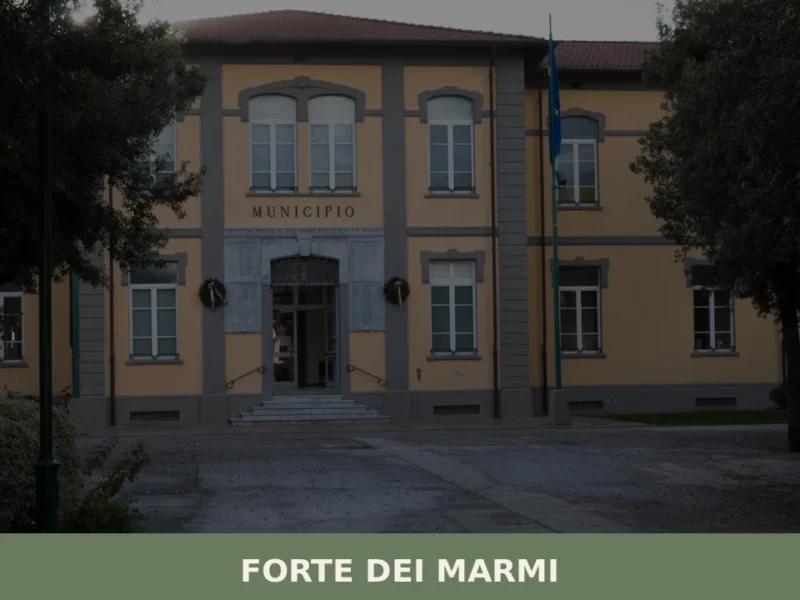
Forte dei Marmi
 Sea
Sea
Forte dei Marmi is a celebrated Tyrrhenian seaside comune in Versilia, Tuscany, where a marble-trading past, an eighteenth-century fortress and two distinctive museums meet one of Italy's most iconic
Bagno a Ripoli
 Plains
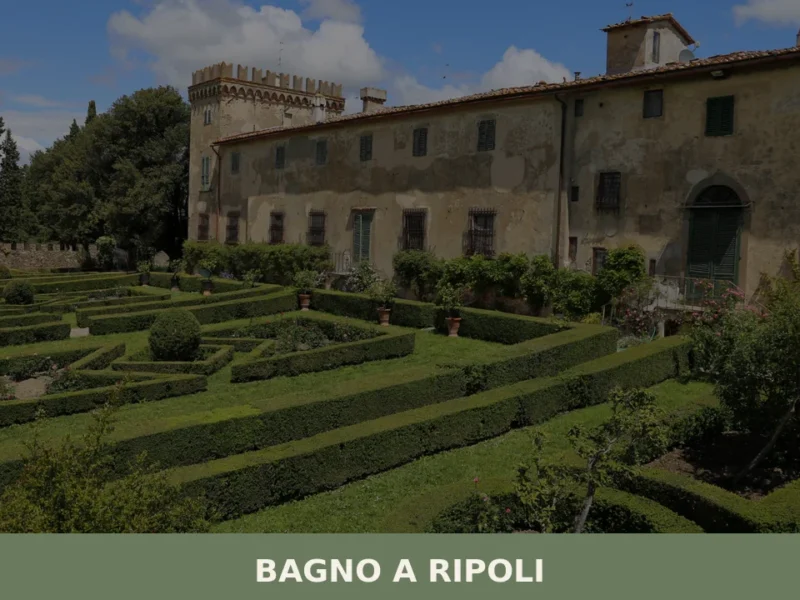
Bagno a Ripoli is a hillside municipality east of Florence where medieval pievi, orchard-covered slopes and centuries-old villa estates make for a rewarding and unhurried Tuscan experience.
Casola in Lunigiana
 Hills
Hills
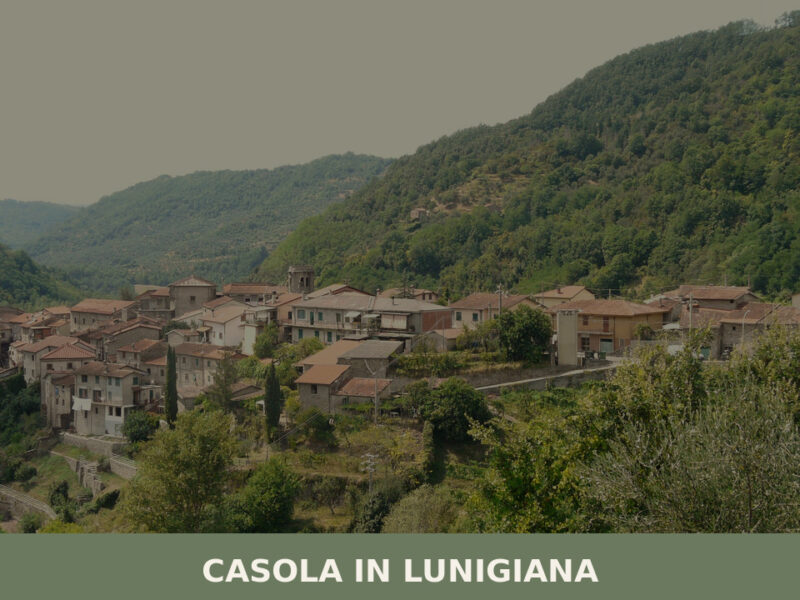
Morning fog lifts slowly from the Aulella valley, revealing stone walls the colour of dried clay and a bell tower that has marked the hours here for centuries. The air carries woodsmoke and the faint mineral scent of chestnut groves climbing the surrounding slopes. With roughly one thousand inhabitants, Casola in Lunigiana remains one of […]
Abbadia San Salvatore
 Mountain
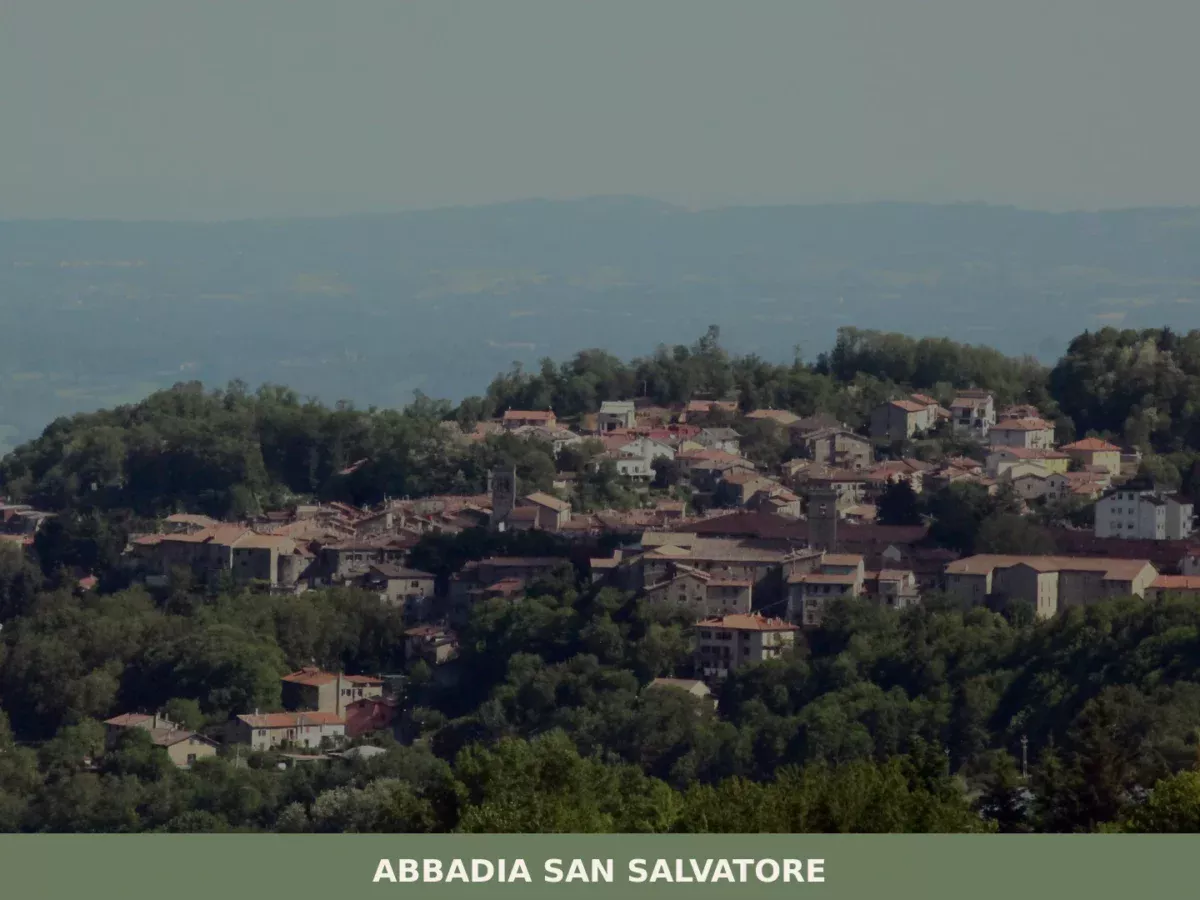
Discover what to see in Abbadia San Salvatore: the Lombard abbey, medieval borgo, mercury mining museum and Monte Amiata. Practical travel guide for Siena province.
Villafranca in Lunigiana
Plains
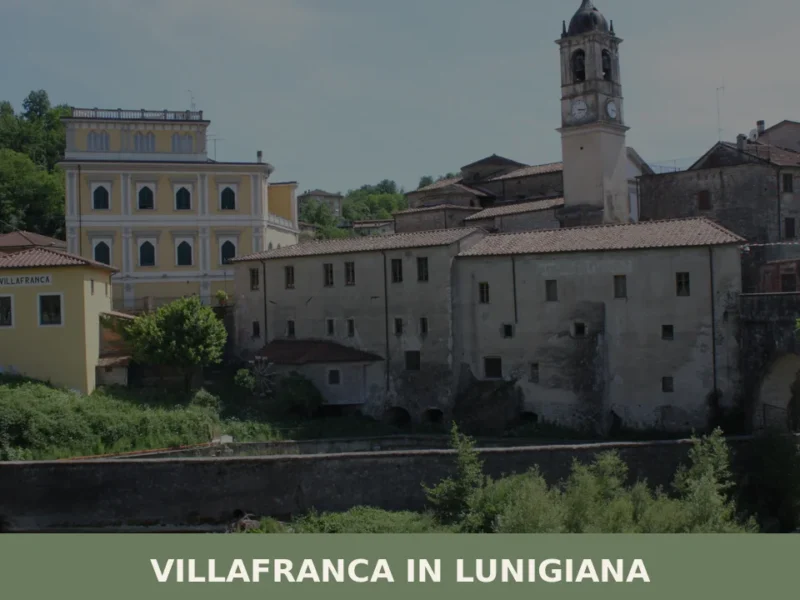
Villafranca in Lunigiana is a 4,729-inhabitant municipality in Massa-Carrara, Toscana, shaped by Malaspina lords and the Via Francigena pilgrimage route.
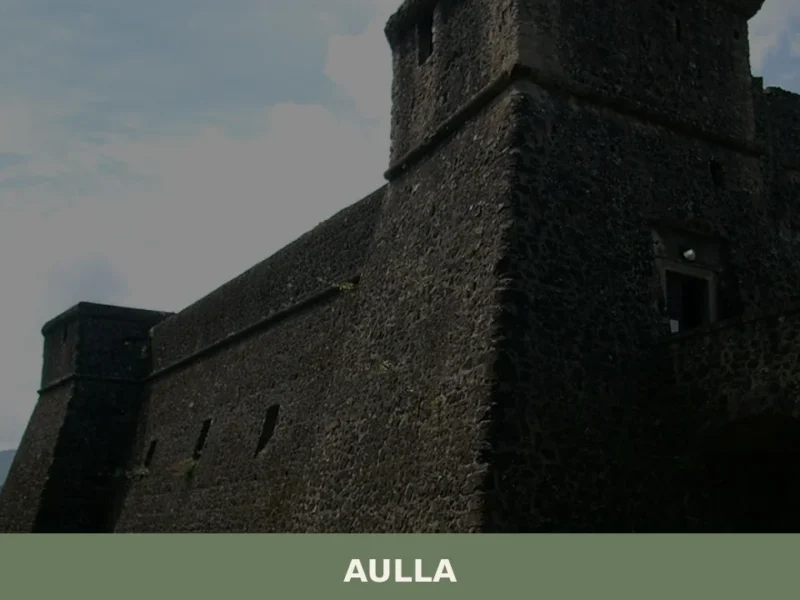
Aulla
Plains
In 884 AD, Marquis Adalbert of Tuscany founded an abbey dedicated to Saint Caprasius at the confluence of the Magra and Aulella rivers, transforming a modest valley-floor settlement into an obligatory stopping point on the Via Francigena. Today, anyone wondering what to see in Aulla will find a lowland town at 64 metres above sea […]
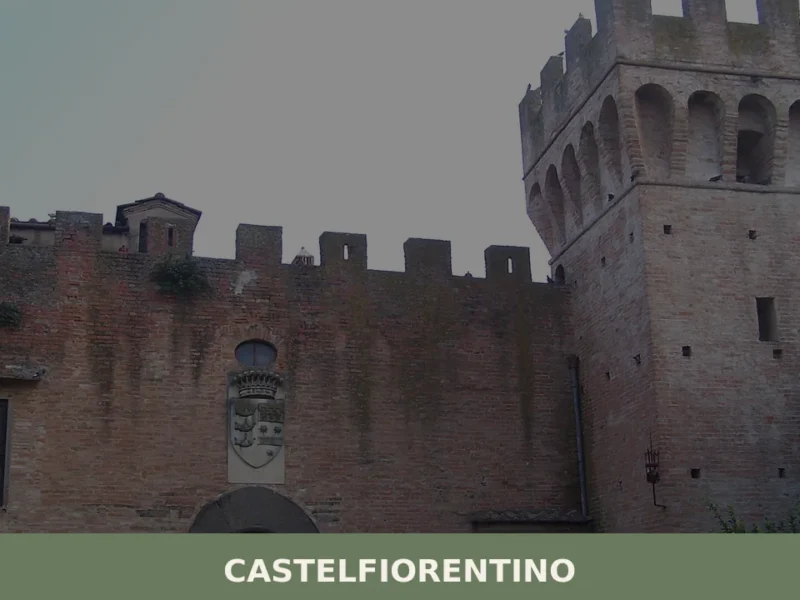
Castelfiorentino
Plains
Castelfiorentino is a historic town in the Florentine Val d'Elsa, where Benozzo Gozzoli frescoes, medieval churches and a living devotion to Santa Verdiana reward every visit.

San Giovanni Valdarno
Hills
Founded in 1296 as a Florentine frontier town, San Giovanni Valdarno preserves a medieval grid layout, masterpieces by Beato Angelico, and the legendary miracle of Monna Tancia.
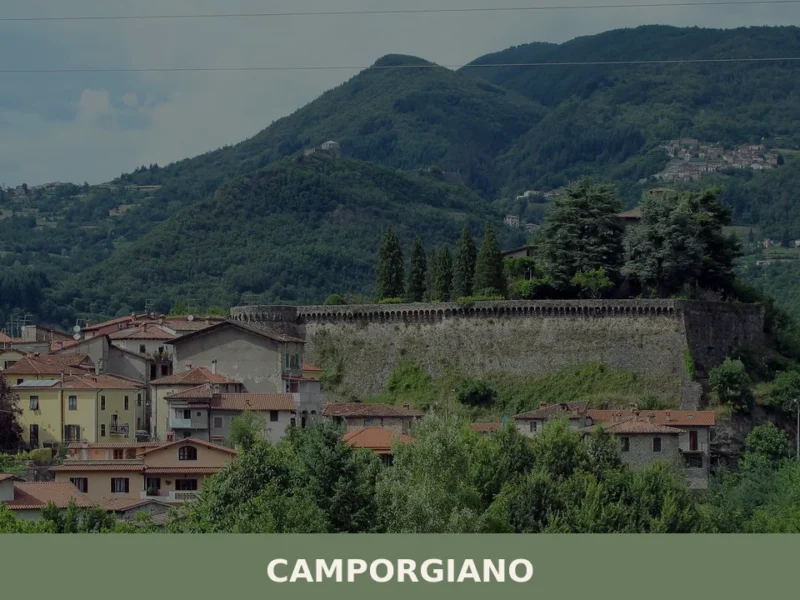
Camporgiano
Hills
Camporgiano is a mountain comune in the Garfagnana, Lucca province, standing at 486 metres with 1,988 residents and a medieval skyline dominated by the Rocca Estense.
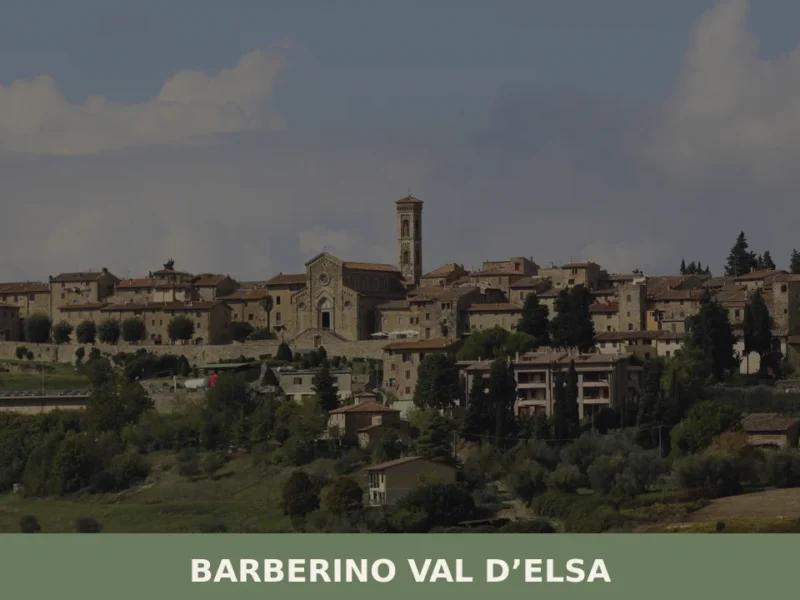
Barberino Val d’Elsa
Hills
The 14th-century walls still enclose the historic centre of Barberino Val d’Elsa within an almost intact perimeter, with two town gates that filter access to the village just as they did six centuries ago. In this article History and origins of Barberino Val d’Elsa What to see in Barberino Val d’Elsa: main attractions Traditional Cuisine […]
🏡 Know Pitigliano better than we do?
If you’re a local or have been there, your knowledge matters: add what’s missing or fix a detail on this page.