


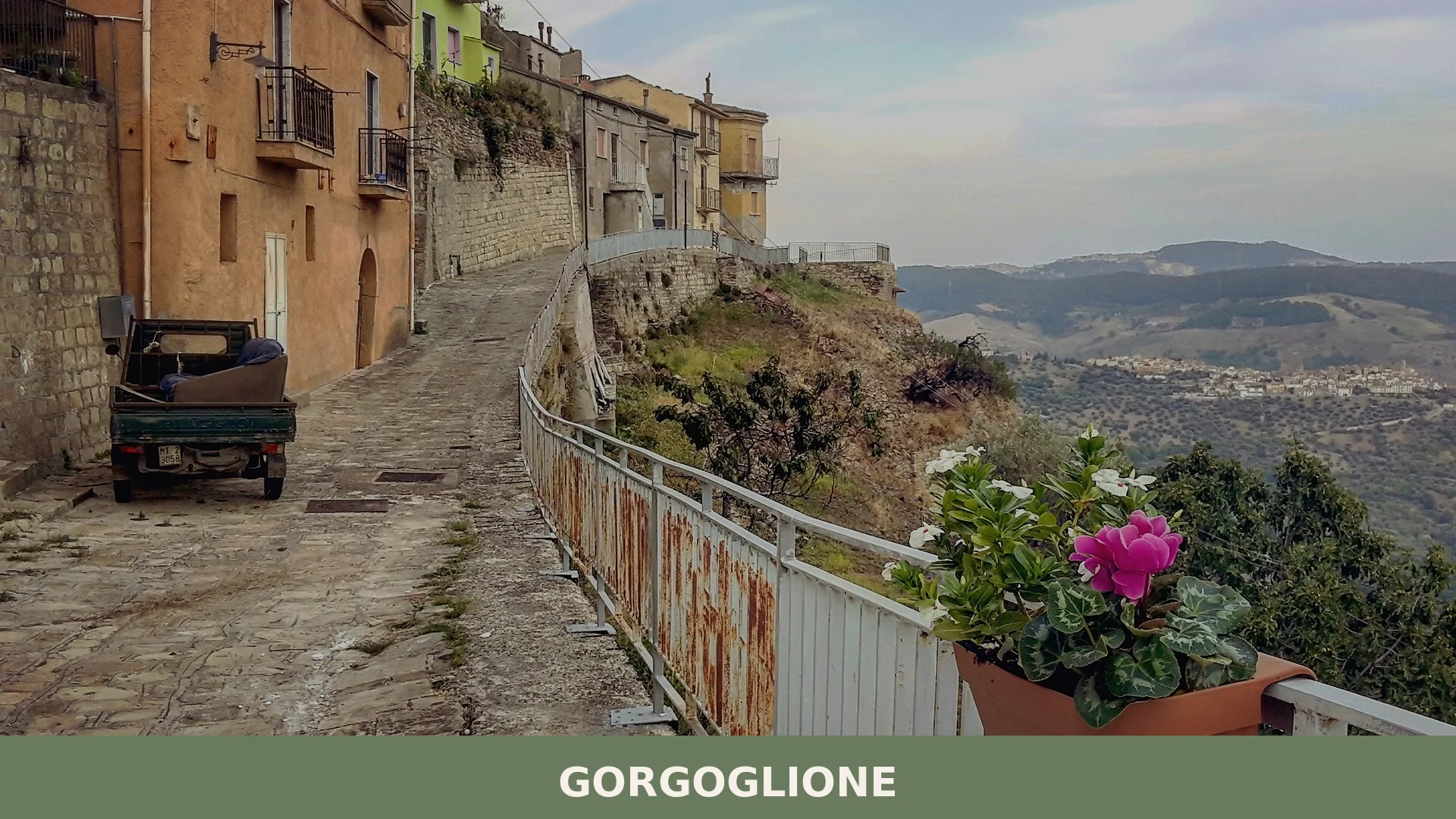
Gorgoglione
 Mountain
Gorgoglione is a mountain commune of 836 inhabitants at around 800 metres above sea level in the province of Matera, Basilicata, with a recorded history from pre-Roman antiquity to the post-unificatio
Discover Gorgoglione
Gorgoglione is a mountain commune of 836 inhabitants in the province of Matera, Basilicata, standing at around 800 metres above sea level on terrain marked by sandstone outcrops — locally called pietra di Gorgoglione — and by extensive oak woodland. It occupies the centre-western arc of the Matera province, looking out over the valley of the river Agri, and belongs to the Comunità Montana Collina Materana.
Gorgoglione has a long and layered past: fourth-century B.C. tombs, a papal bull of 1060, a medieval castle built by the Della Marra, and the passage in November 1861 of the brigand leaders Carmine Crocco and José Borjes, who entered the village without encountering resistance. Alongside this history, the calendar still revolves around the feast of the Madonna del Pergamo and Sant’Antonio da Padova each June, when a rural sanctuary in an open, panoramic setting draws a procession that includes not only the townspeople but their animals as well.
Gorgoglione village in Basilicata: history from ancient settlements to the post-unification era
Gorgoglione has a documented history stretching from pre-Roman antiquity through medieval feudalism to the turbulent years following Italian unification, with archaeological evidence, papal records and chronicles of brigandage all contributing to its story. Excavations in the locality of Santa Maria degli Angeli uncovered tombs dating to the fourth century B.C., containing Apulian red-figure vases that are now held in the Museo Nazionale Domenico Ridola in Matera — the earliest physical trace of settled human presence in the area.
The first written record of the present-day village appears in a papal bull of 1060, which listed the parishes belonging to the diocese of Tricarico. At that time Gorgoglione formed part of the county of Montescaglioso. Feudal lordship passed through several noble families in succession: the Della Marra, who commissioned the construction of a castle whose ruins still stand within the village; then the Carafa; and finally the Spinelli.
The most dramatic episode in the village’s more recent past took place on 12 November 1861, when the brigand leaders Carmine Crocco and José Borjes arrived from neighbouring Cirigliano and entered Gorgoglione without encountering any resistance. The episode was part of the wider brigandage that followed Italian unification and left a concrete mark on local memory — preserved, among other places, in the name of the Grotta dei briganti south of the village, a natural cavity that served as a shelter during that period.
Churches, a brigands’ cave and a hilltop forest: the places of Gorgoglione
Gorgoglione’s main points of interest are the Chiesa Madre di Santa Maria Assunta, the rural sanctuary of the Madonna del Pergamo, and the Grotta dei briganti, along with the Bosco Le Manche and the remains of the Della Marra castle.
Chiesa Madre di Santa Maria Assunta
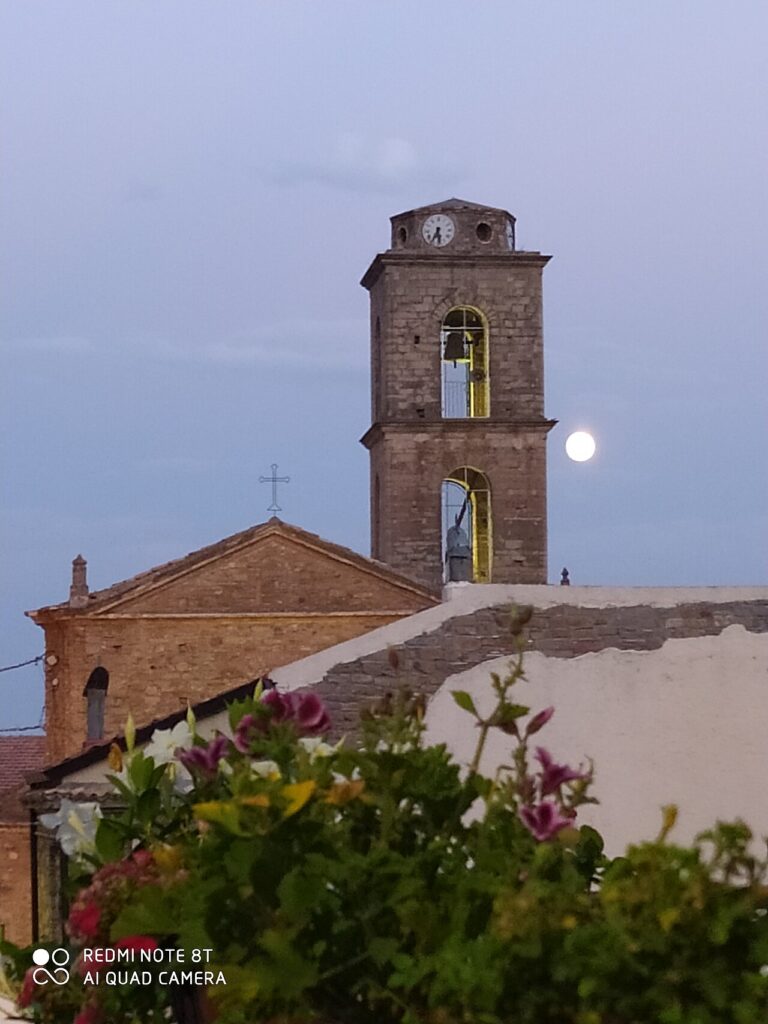
The parish church was originally built in a Romanesque style and later remodelled in the Baroque manner; its interior is arranged across three naves. Among the works preserved inside: a font for baptism, a fifteenth-century statue of San Rocco, an eighteenth-century statue of the Madonna del Rosario, and a wooden cross dating to 1600, attributed to Neapolitan goldsmith craftsmanship.
Santuario della Madonna del Pergamo
This roadside sanctuary stands a few kilometres from the village centre in an open, panoramic position. Documentary evidence of its existence goes back to 1131. Each year in June the village’s principal religious procession ends here, and the statue of the Madonna remains in the sanctuary through the summer.
Grotta dei briganti
South of the built-up area, at around 800 metres above sea level, a natural cave opens at the foot of a rock face rising some forty metres. It sits on the left bank of a tributary of the fiumara di Gorgoglione. The cavity reaches a maximum height of two metres and shows traces of seepage and small stalactite formations. During the post-unification brigandage period it served as shelter for brigands, and that use gave it its present name.
Bosco Le Manche and the castle ruins
The municipal territory includes a stand of Turkey oak known as Bosco Le Manche. The local rock is a sandstone called pietra di Gorgoglione. Of the castle built by the Della Marra family, only scattered ruins remain.
Flavours of Gorgoglione and the Matera Province
The Matera province supplies several certified products that define the table in this part of Basilicata: Caciocavallo Silano DOP, Canestrato di Moliterno, Mozzarella di Gioia del Colle, Olio Lucano IGP, and Pane di Matera IGP are among the most notable. None of these is exclusive to Gorgoglione itself, but all are common currency across the area and straightforward to find at local markets and agriturismi.
The territory also sits within reach of wines carrying the Matera DOC and Basilicata IGT designations, with Aglianico del Vulture representing the region’s most celebrated red grape. Among traditional preparations cited for the broader Lucanian interior, lamb, kid cooked in fricassea style, and carne podolica appear regularly on menus in villages of this size and altitude.
Getting to Gorgoglione and Planning Your Visit
Gorgoglione sits at around 800 m above sea level in the centre-western portion of Matera province and is reached by car along secondary mountain roads; the most comfortable seasons are late spring and early summer, when the June festivals bring the village to life, and early autumn, when the surrounding cerro oak woods take on colour. The nearest neighbour is Cirigliano, just 6 km to the north-east, a natural first stop on any circuit of the area.
From Gorgoglione, Aliano — the village long associated with Carlo Levi’s writings — lies 16 km to the south, offering a contrasting landscape of clay badlands. Heading north-east beyond Cirigliano, Accettura is another village worth combining into a longer day out through the Collina Materana community.
| Departure | Distance | Time |
|---|---|---|
| Cirigliano | 6 km | approx. 10 min |
| Guardia Perticara (PZ) | 11 km | approx. 20 min |
| Aliano | 16 km | approx. 25 min |
| Corleto Perticara (PZ) | 16 km | approx. 25 min |
| Stigliano | 20 km | approx. 30 min |
| Matera | approx. 60 km | approx. 1 h |
The closest reference point for intercity connections is Matera, from which Gorgoglione is accessible by car. Visitors planning to attend the June festivities — the procession of the Madonna del Pergamo on 11 June, the Maggio rite on 12 June, or the Sant’Antonio patronal feast on 13 June — should book accommodation well in advance, as options in a village of around 836 residents are limited.
Frequently asked questions about Gorgoglione
When is the best time to visit Gorgoglione?
June is the ideal month to experience Gorgoglione's vibrant cultural calendar. The village celebrates the Feast of Sant'Antonio da Padova on 13 June, featuring a traditional procession that includes both townspeople and their animals gathering at a panoramic rural sanctuary. Additionally, the Feast of Madonna del Pergamo takes place in June. The mountain location at 800 metres elevation offers pleasant early summer weather, making it comfortable for exploring the oak woodlands and sandstone terrain.
What is the historical significance of Gorgoglione?
Gorgoglione possesses a layered history spanning over two millennia. Fourth-century B.C. tombs testify to pre-Roman settlement. A papal bull from 1060 documents its medieval importance. The Della Marra family constructed the village's castle during the medieval period. The village gained further historical prominence in November 1861 when brigand leaders Carmine Crocco and José Borjes passed through without resistance during the post-unification period.
What geographical features define Gorgoglione's landscape?
Gorgoglione occupies the centre-western arc of Matera province at 800 metres altitude, overlooking the Agri river valley. The terrain is characterized by distinctive sandstone outcrops locally known as pietra di Gorgoglione and extensive oak woodland forests. The village belongs to the Comunità Montana Collina Materana mountain community, making it an ideal destination for nature enthusiasts and those seeking authentic Basilicata mountain scenery.
How many people live in Gorgoglione?
Gorgoglione is a small mountain commune with a population of 836 inhabitants. This intimate scale preserves the village's authentic character and traditional way of life, allowing visitors to experience genuine Southern Italian mountain culture. The compact population size contributes to the close-knit community atmosphere evident during local celebrations and festivals.
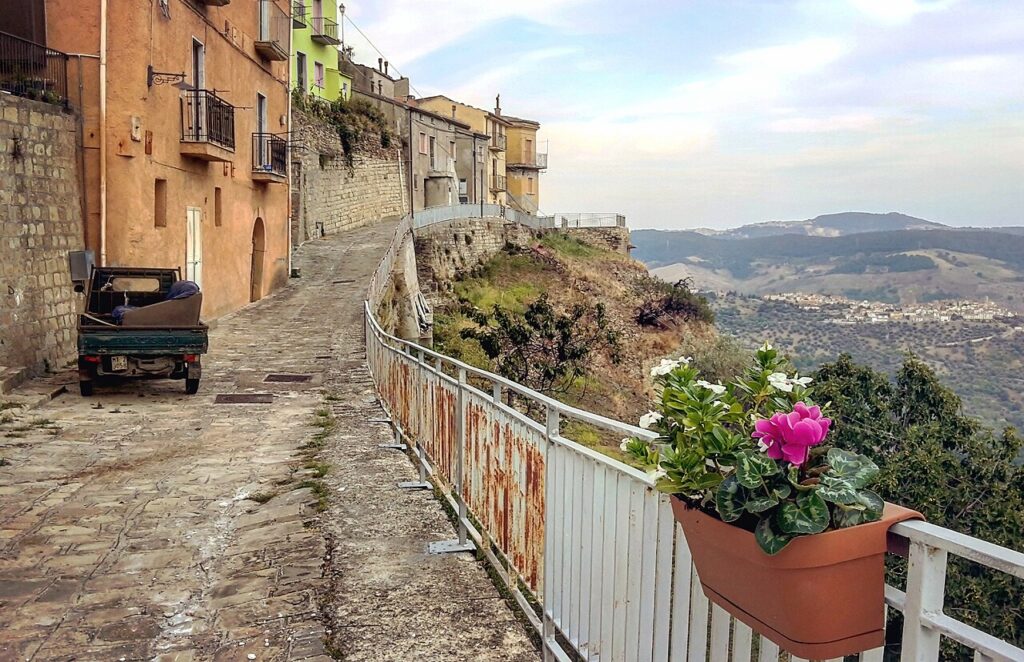
📷 Photo Gallery — Gorgoglione
In Basilicata More villages to discover
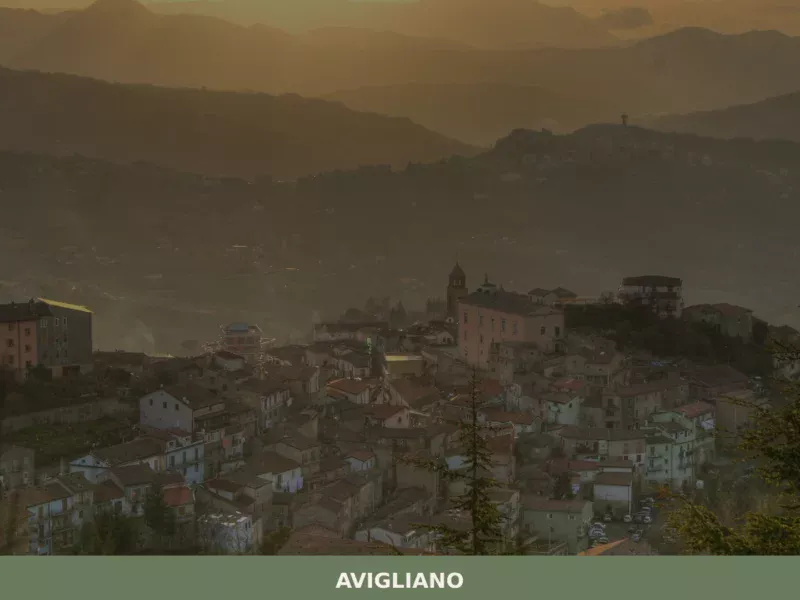
Avigliano
Mountain
Discover what to see in Avigliano, a recognised cittu00e0 in Basilicata's Potenza province. History, attractions, food, and travel tips for this Apennine town.

Genzano di Lucania
Mountain
Discover Genzano di Lucania, a stone-built hilltop village in Alta Basilicata, where ancient alleys, Apennine views, and local traditions shape everyday life.
Bernalda
 Sea
Sea
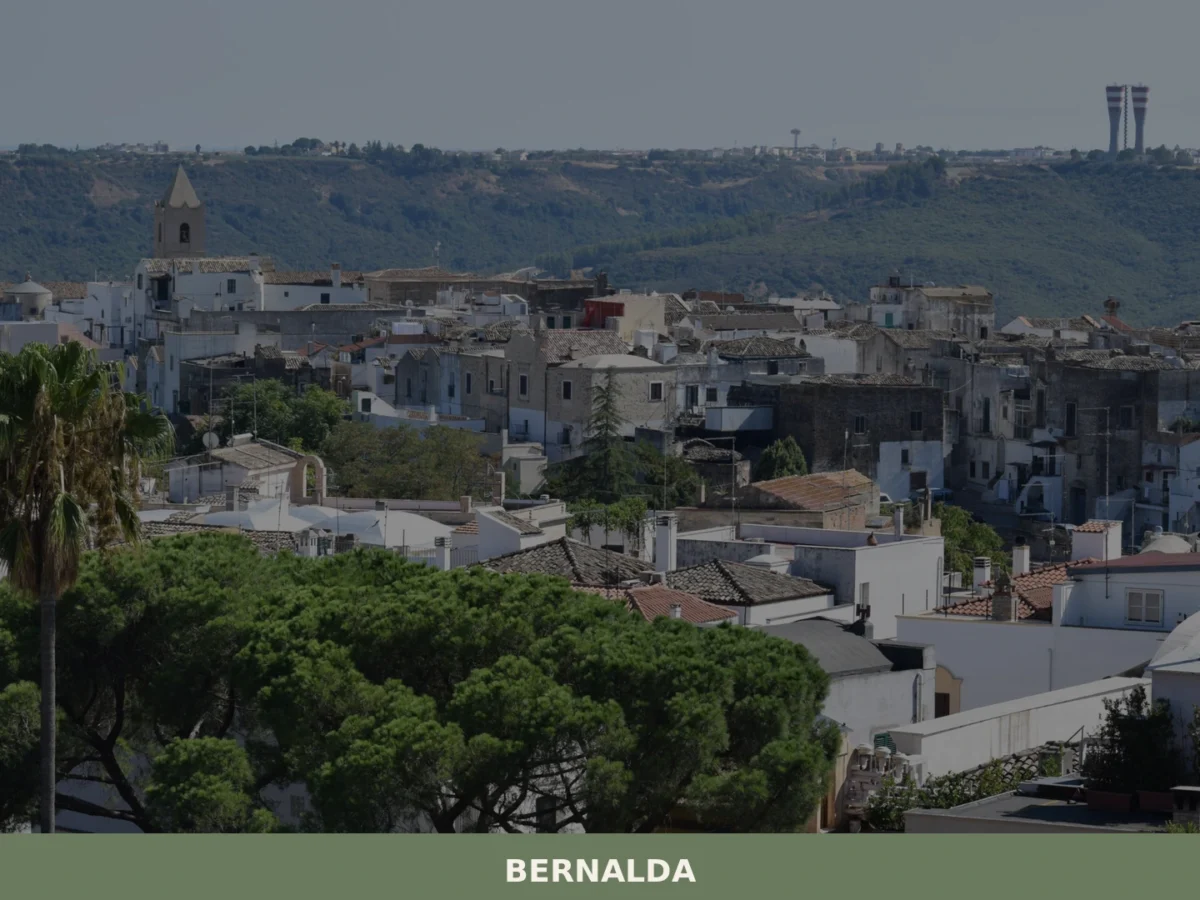
What to see in Bernalda: 5 attractions in this Basilicata village, from the historic center to Metaponto. Discover the complete guide and plan your visit.
Pietrapertosa
Sea
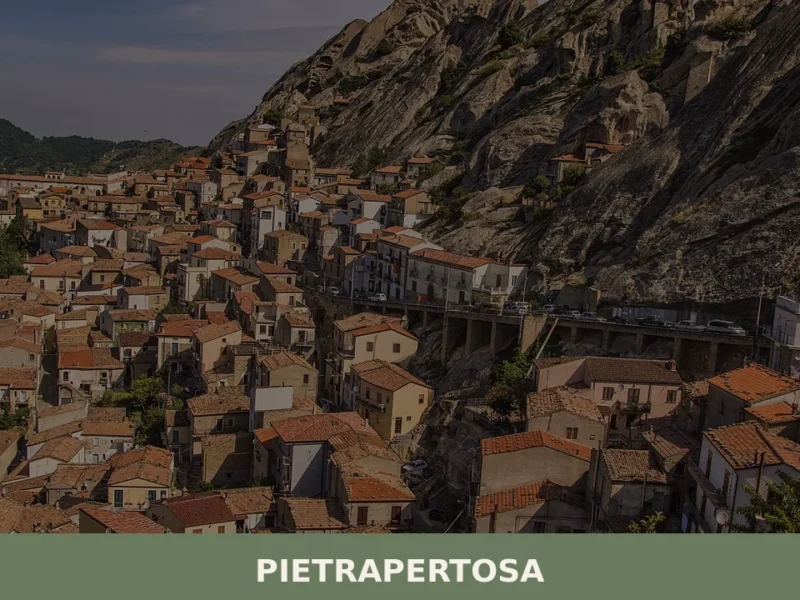
What to see in Pietrapertosa, Basilicata, Italy: from the Volo dell'Angelo zip line to Dolomiti Lucane rock formations. Discover top things to do. Read the guide.
Grassano
 Hills
Hills
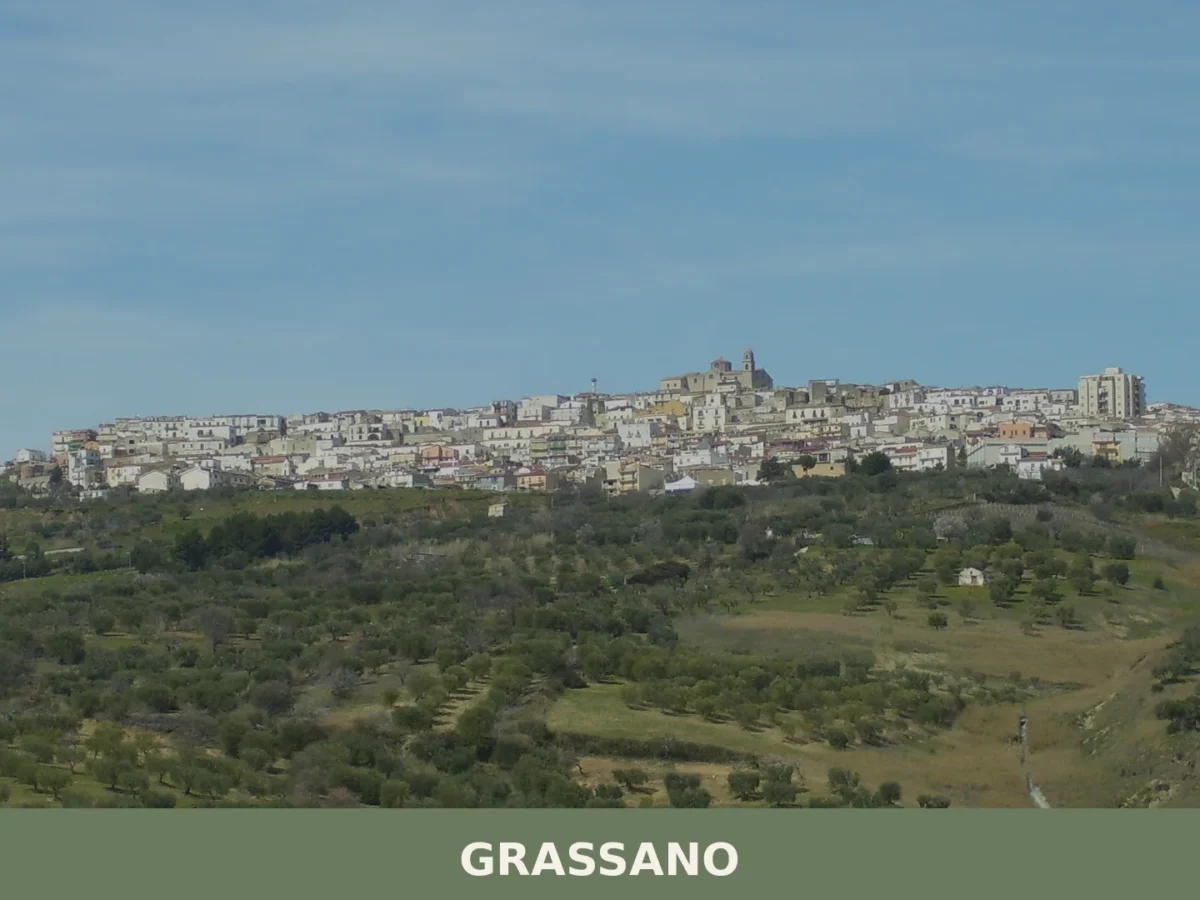
Grassano is a hill town of around 4,500 inhabitants in the province of Matera, Basilicata, with a medieval castle, a Knights of Malta Preceptory and a landscape shaped by two river valleys.

Forenza
Mountain
Discover Forenza, a hilltop village in Potenza province at 800m, with historic churches, Apennine panoramas, and authentic Lucanian cuisine.

Colobraro
Hills
What to see in Colobraro, Italy: explore the village at 630 m altitude known as 'that village'. Discover its curse legend, Sinni valley views & local food. Read the guide.
Brienza
Mountain
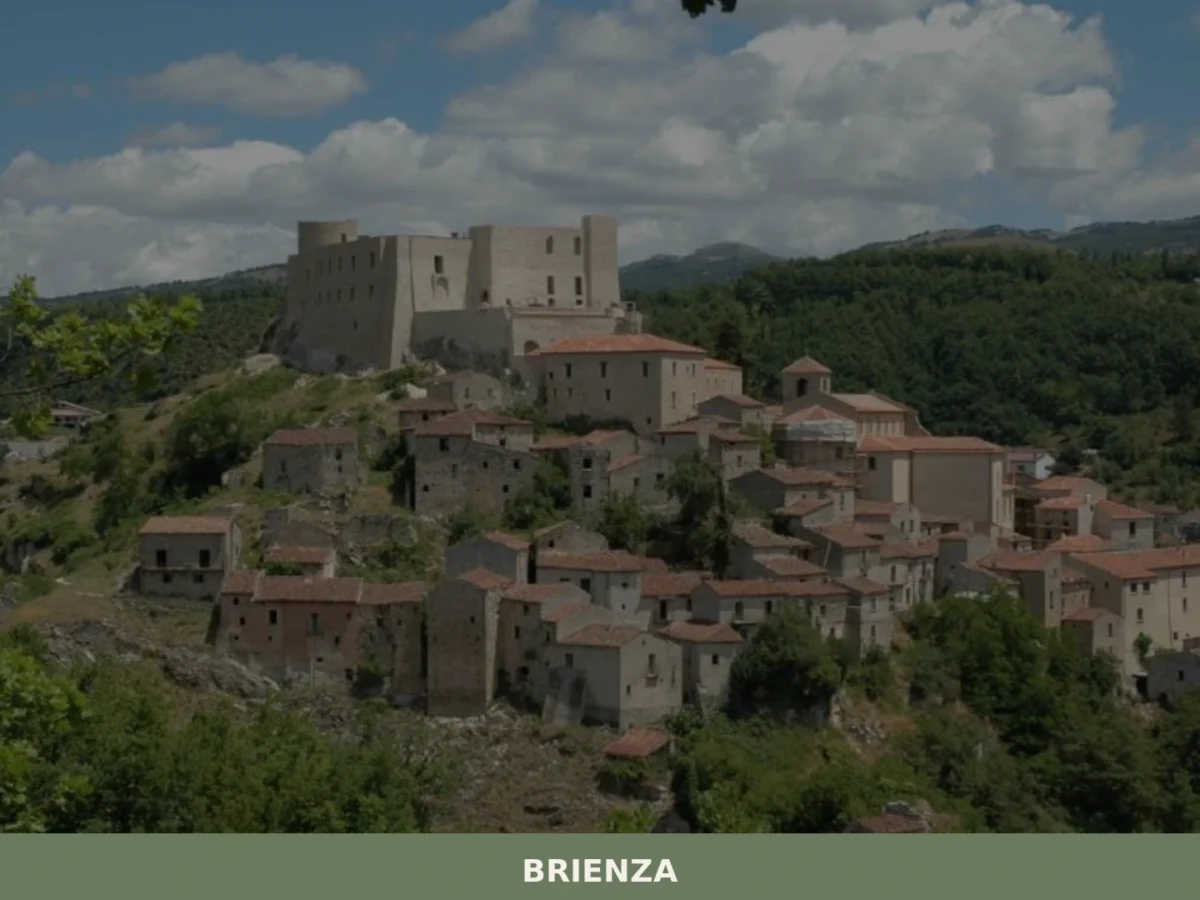
What to see in Brienza? Explore 5 historic points of interest in this Basilicata village. Discover Caracciolo Castle and ancient churches. Plan your visit!
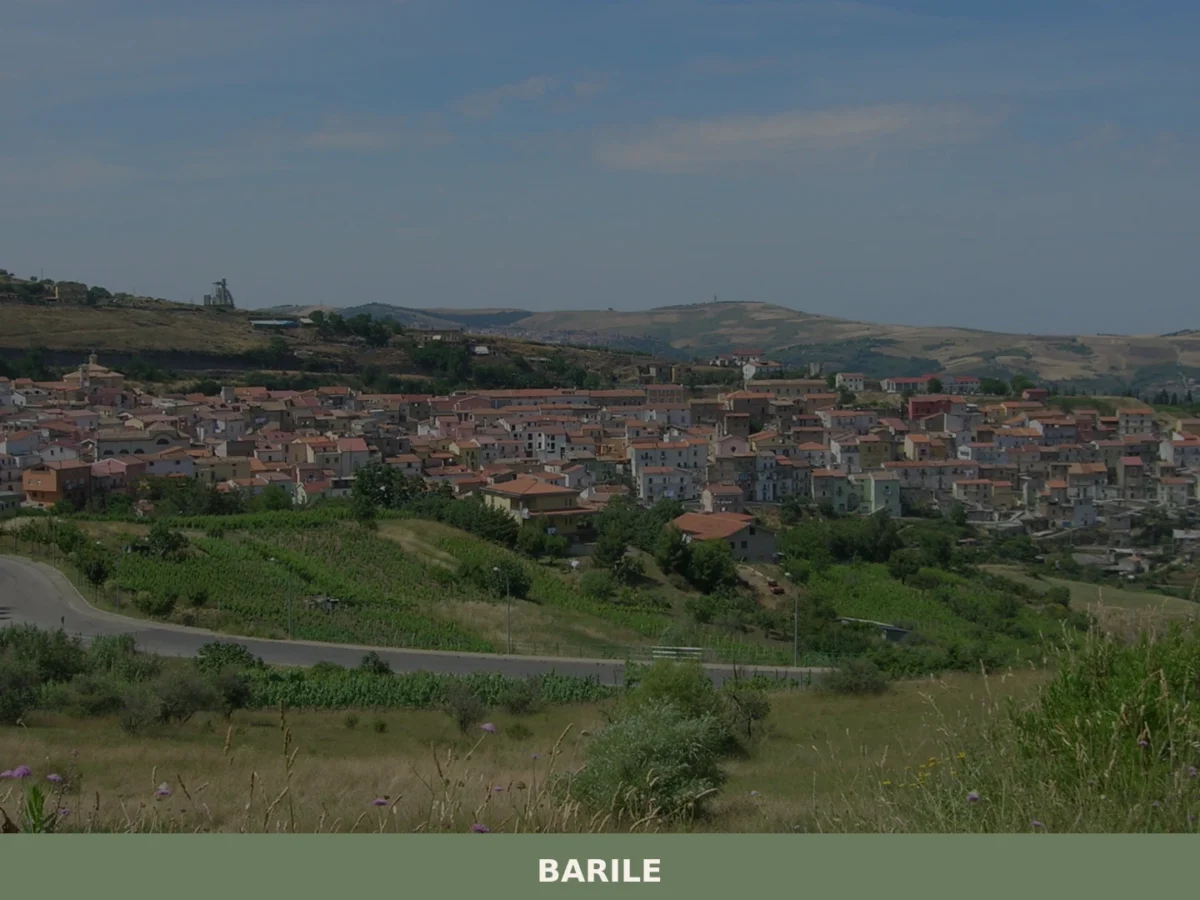
Barile
Mountain
What to see in Barile? Discover 5 must-see attractions in this Basilicata village. The complete guide to visiting Barile awaits you. Plan your trip!
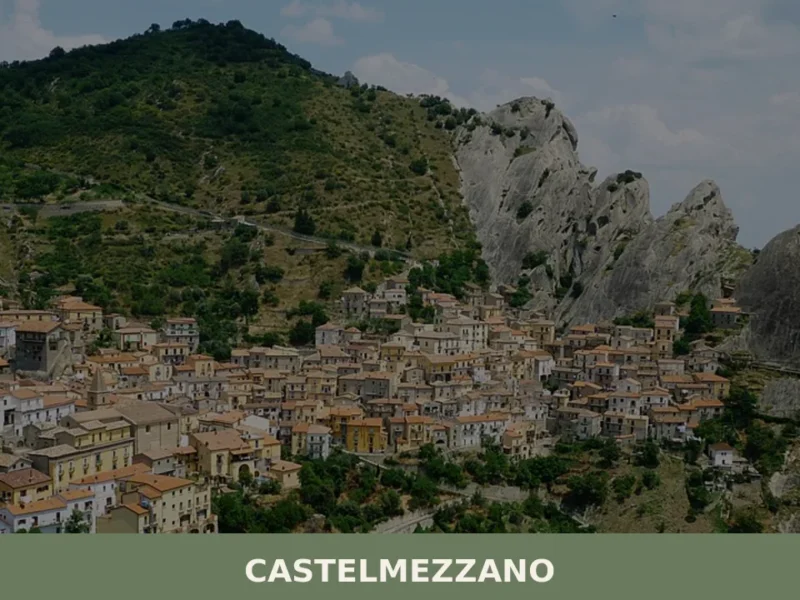
Castelmezzano
Mountain
what to see in castelmezzano, Italy: Discover its 710 inhabitants, ancient castle ruins, and thrilling Angel Flight. Explore Basilicata's stunning Dolomites.


🏡 Know Gorgoglione better than we do?
If you’re a local or have been there, your knowledge matters: add what’s missing or fix a detail on this page.