



What to see in Arnara, Lazio, Italy: medieval castle, Sacco Valley views at 250 m altitude, local food traditions. Discover top attractions and how to get there.
Discover Arnara
The low hills of the Sacco Valley hold Arnara at 250 metres (820 feet) above sea level, where the last foothills of the Ernici mountains flatten toward the valley floor. Two small watercourses — the Fosso d’Arnara and the more southerly Fosso Meringo — cut through the municipal territory before joining the Sacco River as left tributaries.
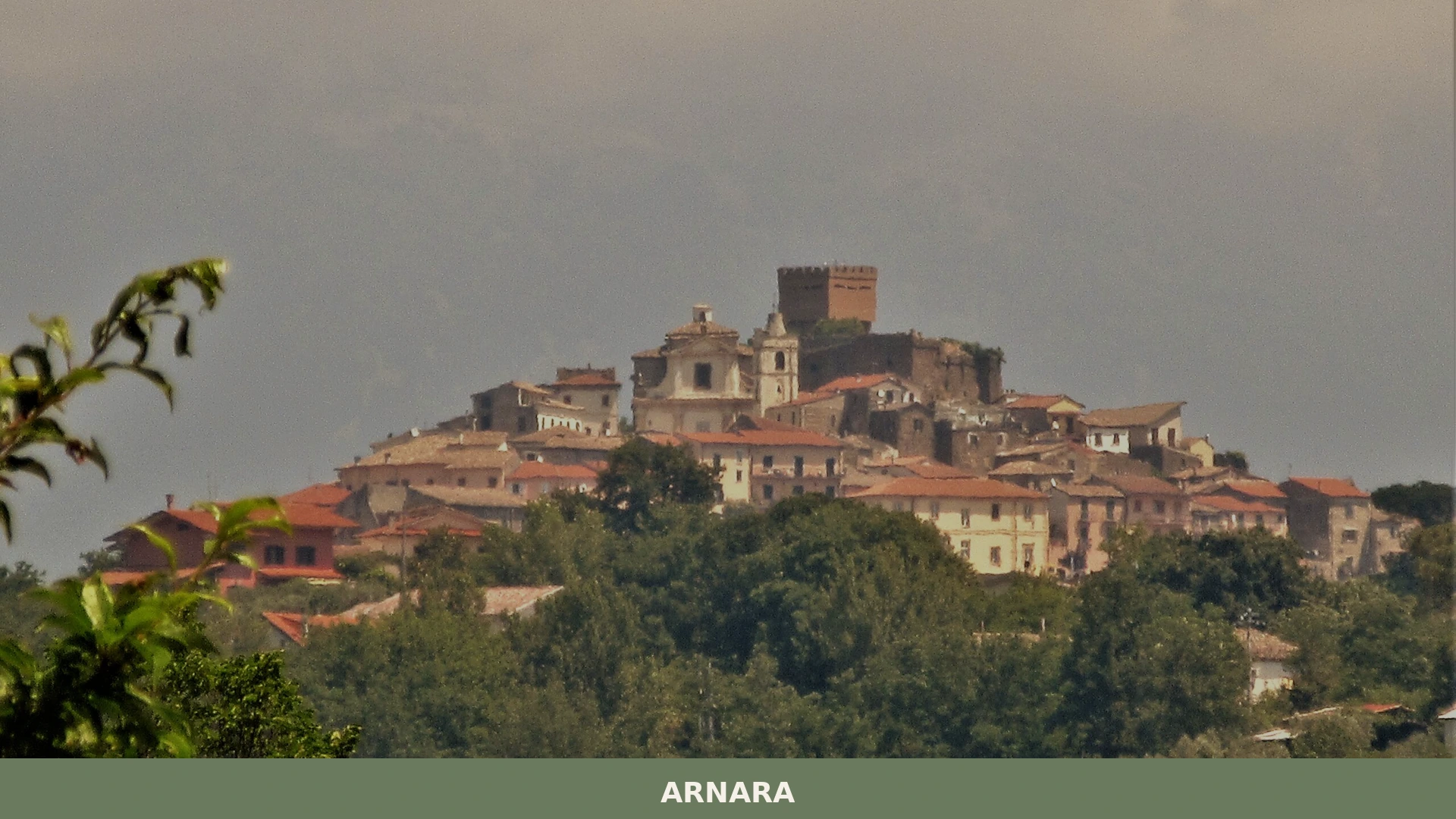
The medieval castle rises above the compact village fabric, and on clear days the line of the valley stretches toward Frosinone, just 6 kilometres (3.7 miles) to the northwest.
When to Visit Arnara, Italy and How to Get There
Per raggiungere Arnara, si consiglia di utilizzare l’auto. Il borgo è facilmente accessibile dall’autostrada A1, uscita Frosinone. Seguire le indicazioni per Arnara. È anche possibile arrivare con i mezzi pubblici fino a Frosinone e poi prendere un autobus locale o un taxi. Parcheggi disponibili nel centro del paese.
Deciding what to see in Arnara is straightforward for a day visitor: the village sits in the Province of Frosinone in Lazio, Italy, roughly 80 kilometres (50 miles) southeast of Rome, and its core sights concentrate within a walkable perimeter.
The Arnara highlights include the medieval castle, the parish church, the Sacco Valley viewpoints, the traces of its Roman and medieval urban layout, and the surrounding agricultural landscape that still supplies the local table. Visitors to Arnara find a settlement whose physical geography — a hill position commanding two river valleys — explains why people chose this spot across successive centuries.
History of Arnara
The municipal territory of Arnara occupies a strategic ridge at the junction of two drainage systems in the Sacco Valley, a geographical fact that made it attractive to early settlers long before the medieval period.
The Sacco Valley itself formed one of the principal corridors connecting the Tyrrhenian coast to the Apennine interior, and small fortified positions on the flanking hills were common throughout the pre-Roman and Roman periods in this part of Lazio. The valley corridor channelled not only migration but also military movement, and hilltop sites like the one Arnara occupies provided surveillance and defensibility in equal measure.
During the medieval period, Arnara developed as a castello — a fortified settlement organised around a defensive tower or castle — a pattern common throughout the Province of Frosinone.
The castle that visitors see today is the physical residue of that medieval phase, when local lordships controlled the territory between the larger centres of Frosinone and Ceccano. The village borders five neighbouring municipalities: Ceccano, Frosinone, Pofi, Ripi, and Torrice, and the network of boundaries reflects the medieval subdivision of the valley into competing jurisdictions.
Control of the Fosso d’Arnara and its agricultural land was a practical resource that made even a modest position worth defending and administering. Villages in the same zone, such as Alvito in the Comino Valley, share a comparable history of hilltop fortification and feudal lordship in the broader Frosinone area during the same period.
In the modern administrative period, Arnara was formally constituted as a comune within the Province of Frosinone, the same province that includes the regional capital Frosinone. The village has established an international twinning relationship with Bistra in Croatia, a formal partnership that connects two small municipalities across the Adriatic.
Today Arnara remains a functioning agricultural and residential municipality on the southern rim of the Roman metropolitan commuter zone, close enough to Frosinone to form part of its daily urban system while retaining the physical character of a hill settlement distinct from the valley floor.
What to See in Arnara, Lazio: Top Attractions
The Medieval Castle of Arnara
The castle is the single most prominent built structure in Arnara, its masonry volume rising above the roofline of the surrounding residential fabric.
It dates from the medieval period, constructed during the phase of incastellamento — the process by which populations in central Italy reorganised into fortified hilltop settlements from roughly the ninth century onward — that defined the settlement pattern across the entire Province of Frosinone. Standing at the castle, a visitor reads the logic of the site immediately: the walls command the approach routes from the valley below and from the direction of Frosinone to the northwest.
The best time to examine the exterior masonry is in the morning, when the light falls directly on the facade and the stone courses are most legible.
The Sacco Valley Panorama
From the upper village, the view extends across the Sacco Valley floor, with the watercourse of the Sacco River running through a corridor bounded by low hills on both sides. Arnara sits at 250 metres (820 feet), which is sufficient elevation to place the observer above the valley mist that forms on autumn and winter mornings, making late morning the clearest viewing window in those seasons.
The Ernici mountains form the eastern horizon, their ridgelines running above 1,500 metres (4,921 feet) in the higher sections. The panorama is accessible from the edges of the historic centre without any technical walking, and the orientation toward Frosinone — 6 kilometres (3.7 miles) to the northwest — gives a useful spatial reference point for understanding the relationship between hilltop settlement and valley administration.
The Fosso d’Arnara Watercourse and Valley Floor
The Fosso d’Arnara is a small left tributary of the Sacco River that flows through the municipal territory below the village.
Watercourses of this type in the Sacco Valley have historically determined the location of mills, irrigation channels, and agricultural plots, and the landscape along the fosso retains a pattern of fields and orchards that reflects that agricultural function. Walking the lower paths in spring, between April and early June, the vegetation along the watercourse is at its most active, with the mixed riparian growth contrasting against the cereal fields on the drier slopes.
The more southerly Fosso Meringo forms a second drainage line within the territory, and the area between the two tributaries represents the most productive agricultural land of the municipality.
The Parish Church of Arnara
The parish church stands within the historic centre, its position integrated into the dense fabric of the village rather than set apart from it, as is common in settlements of this size in southern Lazio.
The church served the spiritual and civic life of the community through the same medieval and post-medieval centuries that saw the castle function as the political and defensive centre. The interior preserves the accumulated furnishings of a long parish history, including devotional objects and altarwork from successive renovation campaigns. Visiting during morning hours on weekdays generally allows access without the interruption of scheduled services, and the facade is worth examining for the quality of its stone detailing at the entrance portal.
The Historic Village Fabric and Street Layout
The street plan of Arnara follows the topography of the hill rather than any imposed grid, with lanes adapting to slope and the internal logic of a fortified settlement. This organic layout — narrow passages, changes in level, houses built against the line of former defensive walls — is characteristic of the borgo typology found across the Frosinone hills. The paving materials and wall surfaces in the oldest sections of the centre show the use of local stone, which weathers to a grey-brown colour distinct from the volcanic tufa found further north in Lazio.
A slow circuit of the perimeter streets, covering roughly 800 metres (0.5 miles) of walking, gives a complete picture of the settlement’s relationship to its hilltop site.
Travellers who have visited comparable hill villages such as Acquafondata in the Comino Valley will recognise the same functional logic at work, even though the specific architectural materials differ between the two zones.
Local Food and Typical Products of Arnara
The food culture of Arnara belongs to the broader culinary tradition of the Ciociaria, the historical-geographical zone that covers most of the Province of Frosinone. This tradition was formed by subsistence agriculture on hilly terrain, reliance on grain cultivation in the valley floor, sheep and goat herding on the higher slopes, and a kitchen that combined preserved meats, legumes, foraged greens, and handmade pasta into a repertoire suited to seasonal availability.
The Sacco Valley, with its relatively mild winters and productive alluvial soils, supported a denser agricultural economy than the higher Apennine zones, which meant that valley villages like Arnara had access to a wider range of raw ingredients than their counterparts further east.
The home kitchen of Arnara centres on pasta formats made from hard wheat flour, including sagne — flat, wide strips of egg-free pasta cooked with legumes such as chickpeas or lentils — and fettuccine al ragù, the slow-cooked meat sauce made from pork or lamb that is standard in festive cooking across the province.
Minestra di verdure, a thick soup of seasonal greens, dried beans, and pork fat, reflects the cucina povera logic that governed everyday eating in hill villages throughout the postwar decades. Lamb, raised on the Ernici foothill pastures, appears in roasted and braised preparations, most notably abbacchio alla cacciatora, jointed lamb cooked with white wine, vinegar, rosemary, and anchovy in a technique documented across the Lazio countryside.
Pork products from the Ciociaria zone are among the most consistent elements of the local food economy.
Cured meats including guanciale (cured pig cheek, essential to several pasta sauces), lonza (cured loin), and various forms of salame are produced by local butchers and small-scale producers in the Frosinone area. These products are not individually certified under a European designation for Arnara specifically, but they form the backbone of the antipasto course in local trattorie and represent the most direct connection between the agricultural landscape and the table.
The olive groves on the lower valley slopes produce oil used throughout local cooking, though no Arnara-specific PDO or PGI designation applies based on available documentation.
Local food products and prepared dishes are most accessible during the autumn season, from September through November, when the harvest cycle brings fresh produce to village markets and local sagre — traditional food festivals organised around a single ingredient or dish — are held across the Frosinone province.
The Frosinone weekly market, 6 kilometres (3.7 miles) from Arnara, is the most practical point of access for visitors seeking local produce outside festival periods.
Festivals, Events and Traditions of Arnara
Arnara observes the calendar of religious and civic celebrations common to Catholic communities in the Province of Frosinone. The patron saint festival brings the village together for a combination of liturgical observance — Mass, procession through the main streets of the historic centre, the display of the patron’s image — and the popular elements that accompany such events throughout southern Lazio: outdoor stands, music in the piazza, and the communal gathering that functions as one of the primary social events of the municipal year.
The exact calendar date of the patron saint day should be confirmed locally before planning a visit, as it determines which weekend sees the highest concentration of activity.
The broader festival calendar in the Ciociaria zone includes sagre dedicated to specific local products, held primarily in late summer and autumn across the neighbouring municipalities.
Arnara’s proximity to Frosinone and to the cluster of villages in the Sacco Valley means that within a 15-kilometre (9.3-mile) radius there are typically multiple such events between August and October. Visitors planning a trip specifically around local food culture will find the September-October window the most productive, with harvest-related events supplementing the religious festival schedule.
When to Visit Arnara, Italy and How to Get There
The best time to visit Arnara depends on the purpose of the trip. Spring — from late March through May — combines mild temperatures with the landscape at its most vegetated, when the Sacco Valley floor and the slopes around the Fosso d’Arnara show the full agricultural cycle in motion.
Autumn, from September through early November, offers harvest-season food culture, lower tourist volumes compared to the Roman summer, and clear views across the valley before the winter haze settles.
Summer visits are feasible but the Frosinone plain retains heat intensely in July and August, with midday temperatures regularly exceeding 35°C (95°F), making early morning the practical window for outdoor walking. Winter is the least visited season and offers the clearest panoramas on cloudless days, though some local services operate on reduced hours.
Arnara is well-suited to a day trip from Rome. The distance of 80 kilometres (50 miles) translates to roughly 70-80 minutes by car via the A1 motorway (Autostrada del Sole), exiting at Frosinone and then following the provincial road southeast for approximately 6 kilometres (3.7 miles) to the village. If you arrive by car, parking is available on the approach roads to the historic centre.
The nearest railway station is Frosinone, served by regional trains on the Trenitalia Rome-Naples line; from Frosinone station, Arnara is reachable by local bus or taxi.
The nearest international airport is Rome Fiumicino (Leonardo da Vinci Airport), approximately 100 kilometres (62 miles) from Arnara, with a total transfer time of around 90 minutes by car. For those who prefer public transport from Rome, the combination of the regional train to Frosinone followed by a local connection covers the route in under two hours. International visitors should note that English is not widely spoken in smaller local shops and services; carrying a supply of euros in cash remains practical for village purchases.
Travellers with time to extend their visit beyond Arnara and the Sacco Valley might consider a stop at Bagnoregio in northern Lazio, which offers a contrasting experience of hilltop settlement geology and a very different landscape register. Alternatively, Civitella d’Agliano in the Viterbo province provides a further point of comparison for visitors building an itinerary across multiple zones of Lazio.
Frequently asked questions about Arnara
What is the best time to visit Arnara?
Spring (April to early June) is the ideal season: mild temperatures, lush vegetation along the Fosso d'Arnara, and the agricultural landscape at its most photogenic. Autumn brings clear skies that lift by late morning, revealing the full Sacco Valley panorama from the upper village. The feast of patron saint San Sebastiano on 20 January is the key religious and civic event of the year, worth planning around for those interested in local traditions. Summer is warm but manageable given the hill position at 250 metres.
What are the historical origins of Arnara?
Arnara developed during the medieval incastellamento process — the reorganisation of central Italian populations into fortified hilltop settlements from roughly the ninth century onward. Its ridge position at the junction of two drainage systems, the Fosso d'Arnara and the Fosso Meringo, made the site strategically valuable controlling the Sacco Valley corridor between the Tyrrhenian coast and the Apennine interior. The castle visible today is the physical legacy of that period, when local lordships competed for control of territory between Frosinone and Ceccano. The village borders five municipalities: Ceccano, Frosinone, Pofi, Ripi, and Torrice.
What to see in Arnara? Main monuments and landmarks
The medieval castle is the defining landmark, rising above the village roofline and commanding views over the valley approaches toward Frosinone, 6 kilometres to the northwest. The parish church sits integrated within the historic centre and preserves devotional furnishings from successive renovation campaigns — best visited on weekday mornings for quiet access. A perimeter walk of roughly 800 metres through the organic street layout reveals narrow lanes, changes in level, and local grey-brown stone typical of the Frosinone hills. No admission charges apply to the exterior and public spaces of the historic centre.
What are the main natural or scenic attractions of Arnara?
The Sacco Valley panorama from the upper village is the principal natural viewpoint, with the Ernici mountain ridgelines — rising above 1,500 metres — forming the eastern horizon. The Fosso d'Arnara watercourse below the village threads through a landscape of orchards and cereal fields particularly active in spring. The productive agricultural strip between the Fosso d'Arnara and the more southerly Fosso Meringo represents the most visually coherent rural landscape within the municipality and is accessible via paths from the lower village.
Where to take the best photos in Arnara?
The edges of the historic centre facing northwest offer the clearest views across the Sacco Valley toward Frosinone, best photographed in late morning when valley mist has lifted. The castle exterior is most legible in direct morning light, when the stone courses of the medieval masonry are sharply defined. The lower paths along the Fosso d'Arnara in April and May provide riparian landscape shots with contrasting field and watercourse vegetation. The perimeter streets of the old village, with their organic stone paving and medieval wall alignments, reward close architectural photography at any time of day.
Are there museums, churches or historic buildings to visit in Arnara?
The medieval castle is the principal historic structure, its masonry exterior fully accessible from the surrounding streets. The parish church within the historic centre contains accumulated furnishings from the village's long devotional history, including altarwork from multiple renovation campaigns; weekday morning visits allow unhurried access. The organic street fabric of the borgo itself — narrow lanes adapting to the hill topography, houses built against former defensive alignments — constitutes an open-air architectural itinerary requiring no admission and covering approximately 800 metres on foot.
What can you do in Arnara? Activities and experiences
A slow walking circuit of the historic centre and its perimeter streets, roughly 800 metres, is the core activity for first-time visitors. The lower paths toward the Fosso d'Arnara provide easy countryside walking suitable for all fitness levels, particularly rewarding in spring. The valley panorama from the upper village offers a natural orientation point for understanding the wider Frosinone hill landscape. The feast of San Sebastiano on 20 January provides a direct encounter with village civic and religious life. Arnara also serves as a quiet base for day trips to Frosinone and the Ernici foothills.
Who is Arnara suitable for? Families, couples, hikers, solo travelers?
Arnara suits couples and solo travellers seeking a quiet, authentic hill village away from heavily touristed circuits. The compact, walkable historic centre and easy valley paths make it accessible for families with older children. History enthusiasts drawn to medieval incastellamento settlements and Ciociaria rural culture will find the castle and street layout genuinely informative. It is not oriented toward beach tourism or high-altitude hiking, but pairs naturally with visits to nearby Frosinone and the broader Ernici foothills for travellers building a multi-day Lazio inland itinerary.
What to eat in Arnara? Local products and specialties
Arnara's food culture belongs to the Ciociaria tradition of the Province of Frosinone. Signature dishes include sagne — flat egg-free pasta strips cooked with chickpeas or lentils — and fettuccine al ragù of pork or lamb. Abbacchio alla cacciatora, lamb jointed and braised with white wine, vinegar, rosemary, and anchovy, is the principal festive meat preparation. Cured pork products — guanciale, lonza, and local salame — produced by small-scale Frosinone-area butchers are consistent local staples. Thick minestra di verdure with dried beans and pork fat represents the everyday cucina povera heritage of the hill villages.
📷 Photo Gallery — Arnara
Nearby Villages near Arnara
In Lazio More villages to discover
Amatrice
 Mountain
What to see in Amatrice? Explore the 5 main attractions of this village in Lazio. The complete guide awaits you with useful tips. Plan your visit!
Latera
 Hills
Hills
 Lake
Lake
Latera has 766 inhabitants and sits on a tuff plateau at 508 metres above sea level, on the far northern edge of the province of Viterbo, close to the borders with Umbria and Tuscany. For centuries a fiefdom of the Farnese family, this small centre retains a compact Renaissance urban layout, with straight streets converging […]
Bassano in Teverina
Hills
Standing at 304 metres above sea level, with a population of 1,260, Bassano in Teverina occupies a tuff plateau overlooking the Tiber valley in the province of Viterbo. The village owes the second part of its name to the river that flows just a few kilometres to the east — a geographical reference that distinguishes […]
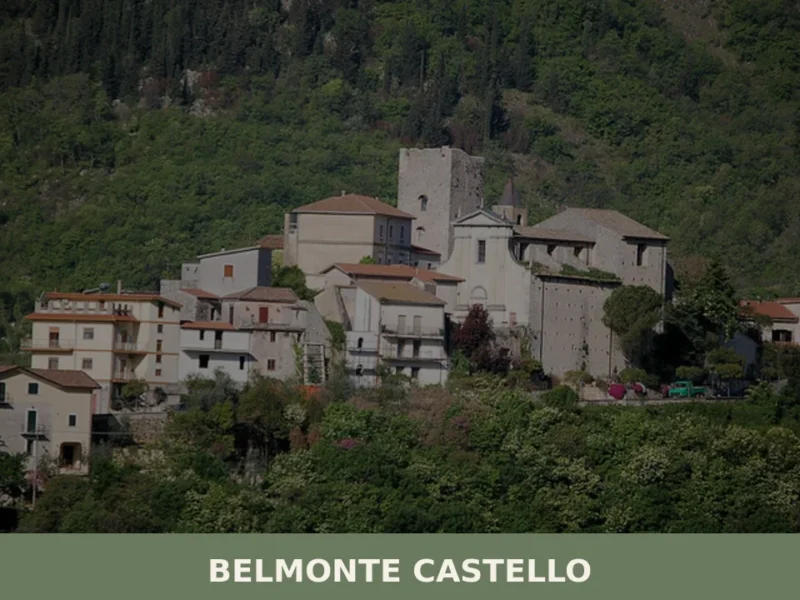
Belmonte Castello
Hills
A rocky hill above the Valle di Clia, Belmonte Castello is a small mountain settlement in Frosinone province where an old tower marks the skyline and the Apennine ridge begins just beyond.
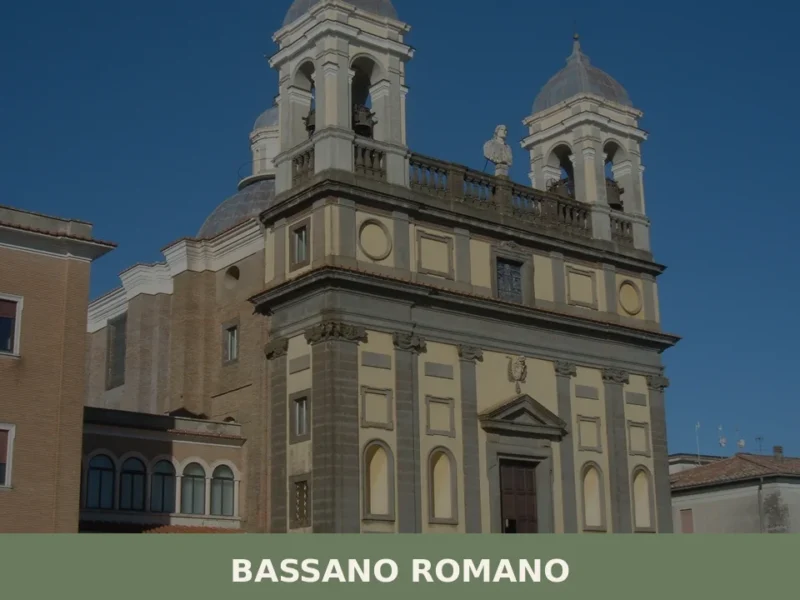
Bassano Romano
Hills
Bassano Romano is a hill town of 4,611 inhabitants in Viterbo province, Lazio, shaped by centuries of feudal history and home to the monumental Giustiniani palace.

Sutri
Hills
A village of 6,707 inhabitants built on a dramatic tufo ridge above the ancient Cassia road. Medieval churches, Roman monuments and Etruscan archaeology define its character.
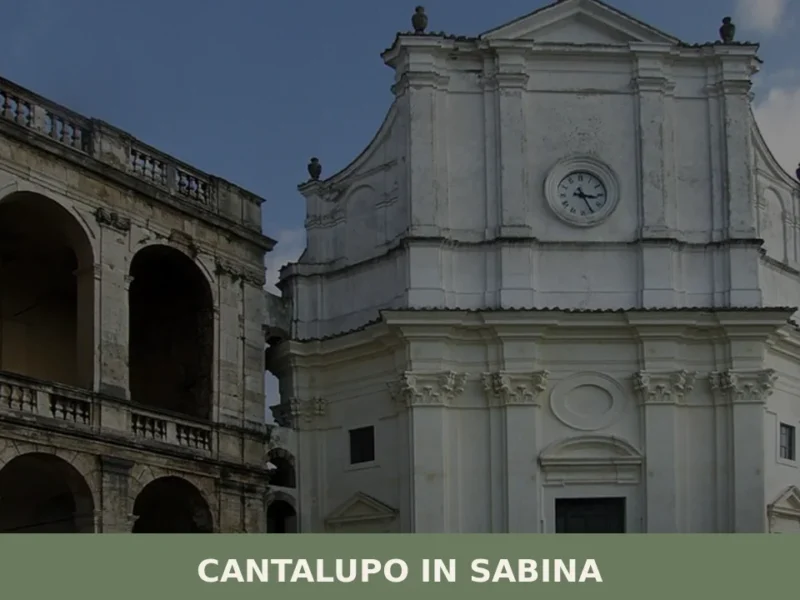
Cantalupo in Sabina
Hills
Cantalupo in Sabina is a medieval hill village in the Province of Rieti, Lazio, whose fortified origins date to at least 1037 and whose historic centre still reflects centuries of feudal heritage.

Boville Ernica
Hills
What to see in Boville Ernica, Lazio, Italy: 18 intact medieval towers, a mosaic attributed to Giotto, and pre-Roman walls. Discover the complete travel guide.
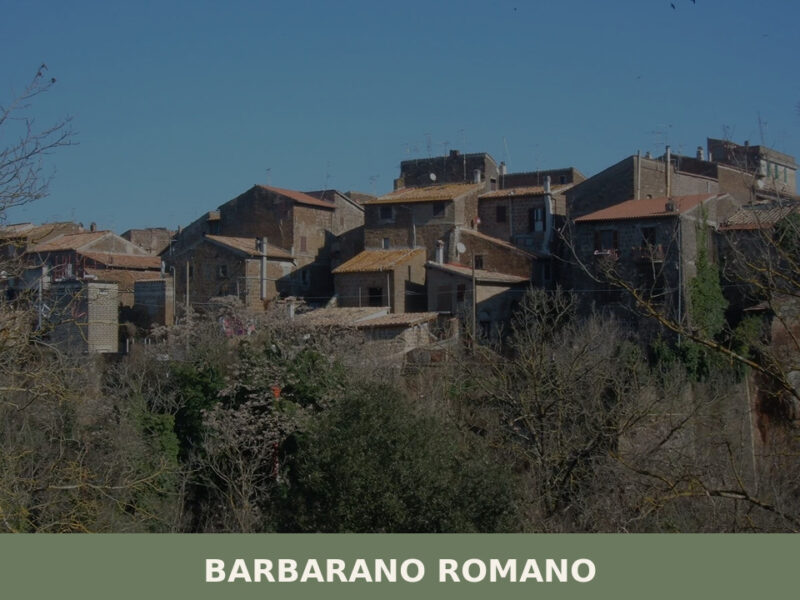
Barbarano Romano
Hills
Morning light catches the volcanic tufa in shades of ochre and rust, and the only sound rising from the gorge below is the intermittent call of a jay echoing off ancient rock. Barbarano Romano sits on a plateau in the province of Viterbo, a settlement of barely a thousand souls whose streets still follow the […]
Cellere
Hills
what to see in cellere, Italy. Explore this Viterbo province village, 344 m high. Discover the Church of Sant'Egidio and local traditions. Read our guide!


🏡 Know Arnara better than we do?
If you’re a local or have been there, your knowledge matters: add what’s missing or fix a detail on this page.